Different puzzles strengthen different cognitive functions. For memory, specifically, you want puzzles that challenge working memory and pattern recognition. Research, including a 2022 study in Frontiers in Aging Neuroscience, suggests regular engagement in such tasks can support cognitive performance. The most beneficial puzzle is the one you'll do consistently for at least 10-15 minutes a day.
Which Brain Teasers Are Best For Memory?
Let's be clear: no single puzzle is 'best' for everyone's memory. The key is to match the mental workout to your goal and lifestyle. Below, we've broken down our puzzles by the primary cognitive skills they engage, the time you can expect to spend on a first attempt, and who should think twice before buying that type. This is about finding your starting point, not the ultimate champion.
| Puzzle Type & Example |
Mental Engagement Type |
Best For Strengthening... |
First Solve Time* |
Skip This Tier If... |
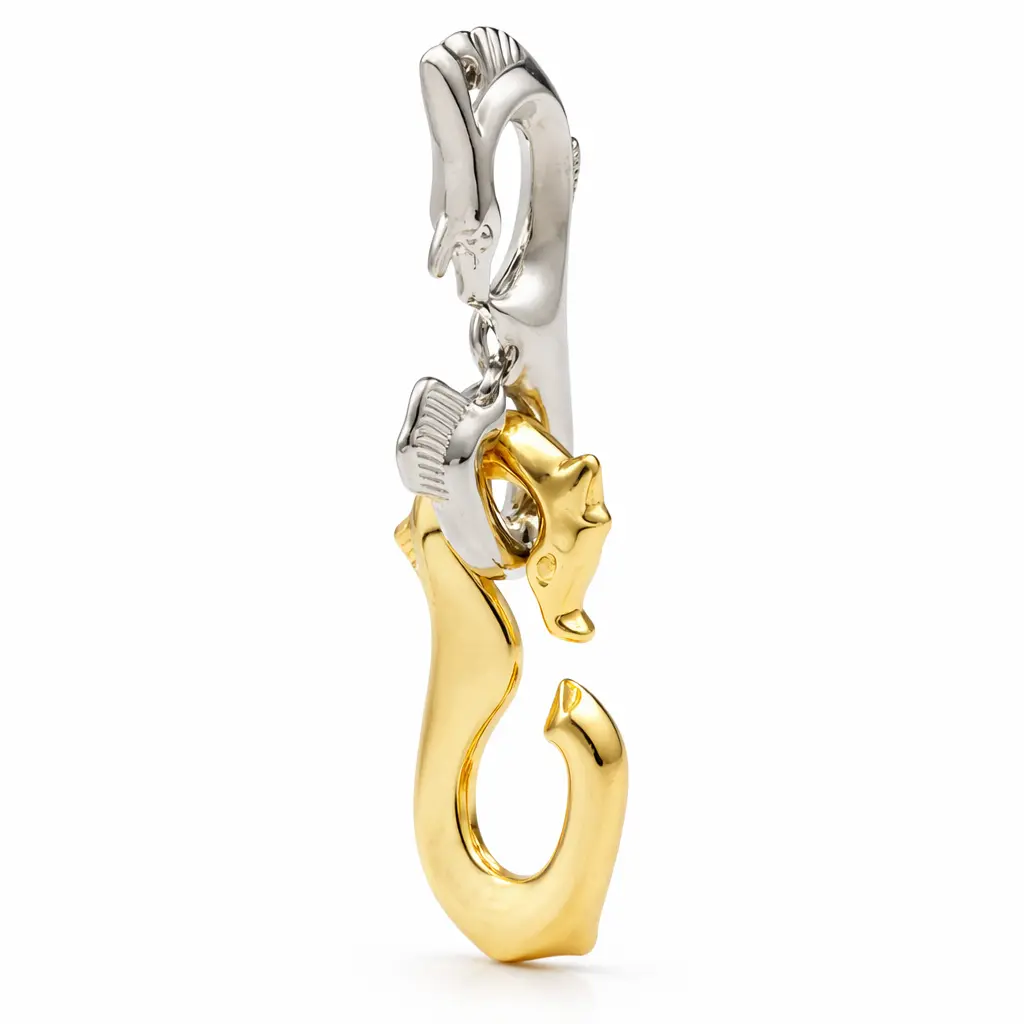
| Simple Disentanglement (e.g., Cast Hook, Dual Seahorse) |
Tactile logic, spatial manipulation |
Working memory (holding the solution steps in mind) & fine motor skills. |
2-10 minutes |
You need a long, immersive challenge. These are perfect for quick, focused resets. |
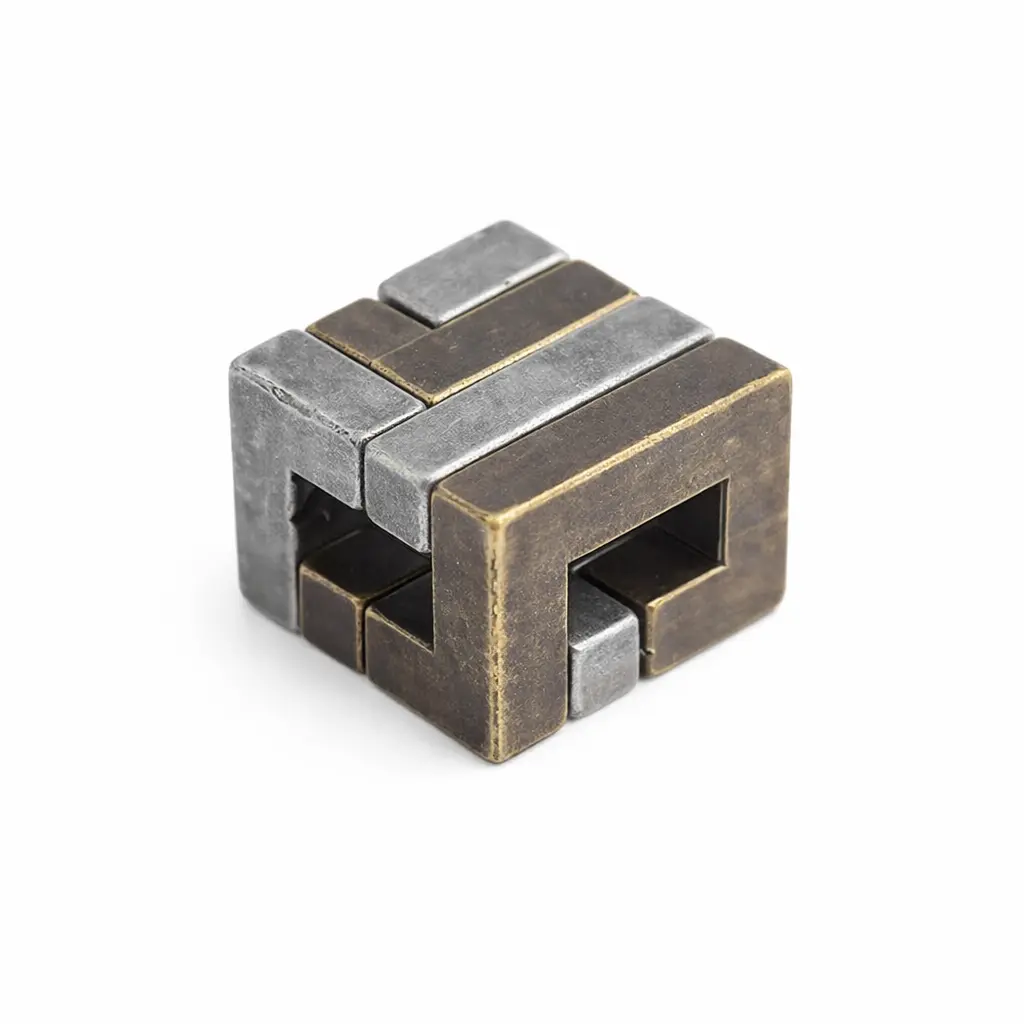
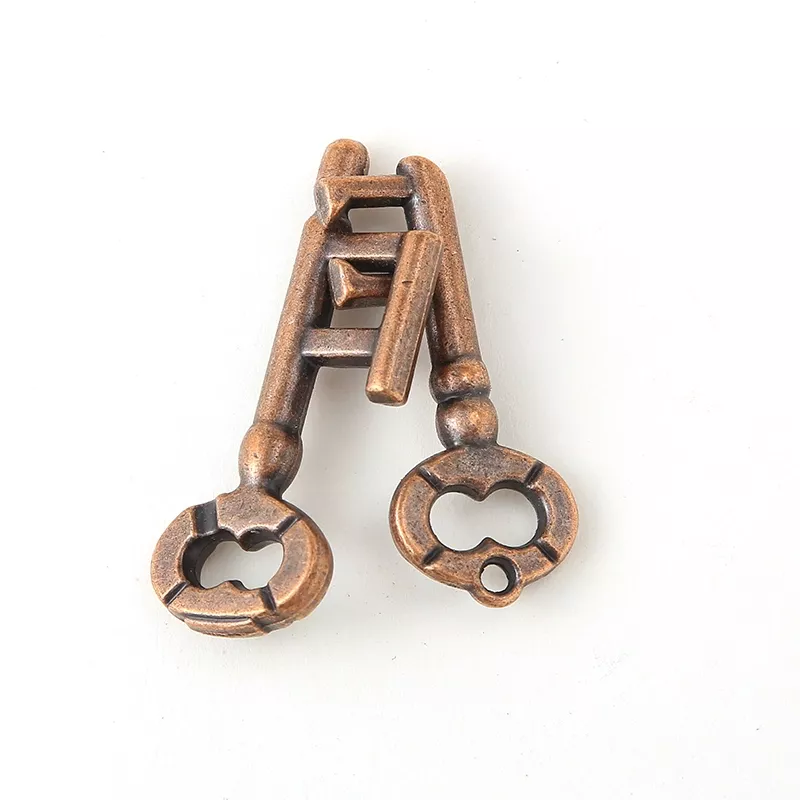
| Intricate Cast Puzzles & Trick Openings (e.g., Cast Coil, Two Key Lock) |
Sequential reasoning, deceptive problem-solving |
Procedural memory (learning a sequence) and cognitive flexibility (trying new approaches). |
15-60+ minutes |
You get easily frustrated. The 'aha!' moment is huge, but the path can be winding. |
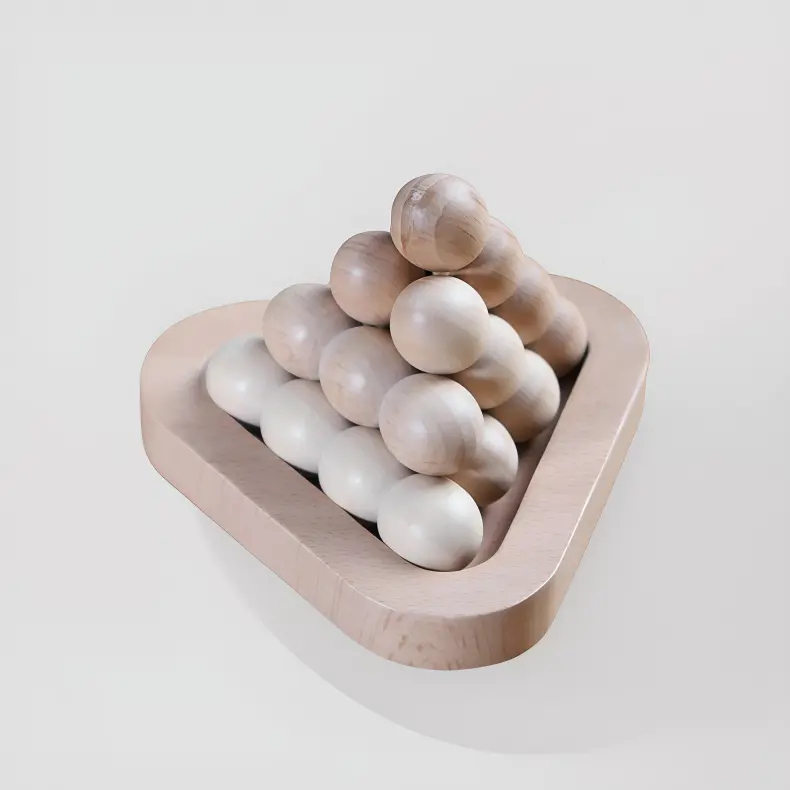
| Assembly & 3D Spatial Puzzles (e.g., Soma Cube, Wooden Bead Pyramid) |
Visual-spatial construction, mental rotation |
Spatial memory & visualization. Crucial for mental mapping and understanding 3D relationships. |
10-30 minutes |
You prefer purely logic-based puzzles. This is a hands-on, shape-driven workout. |
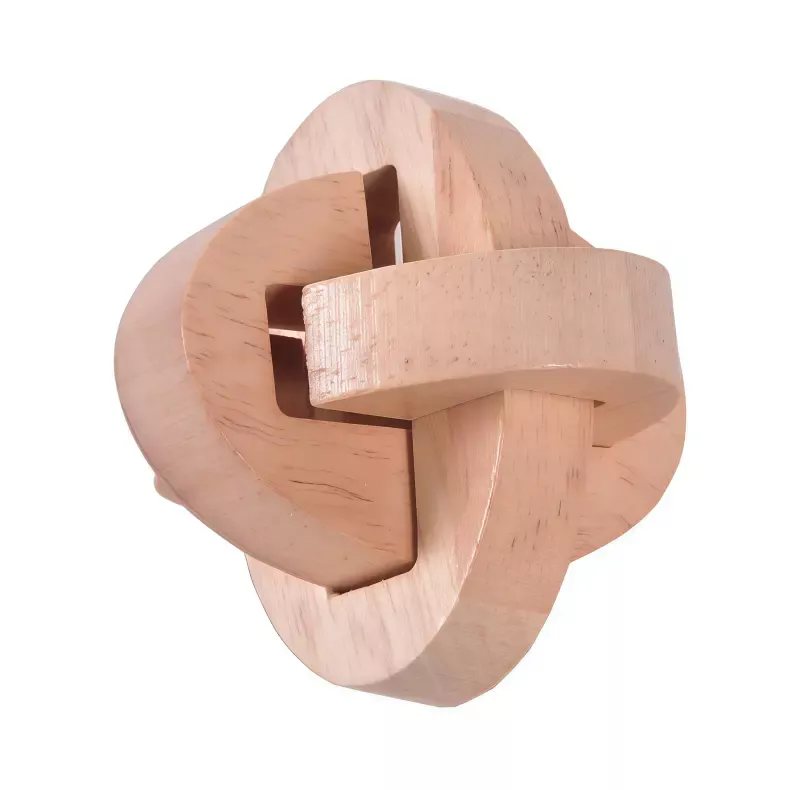
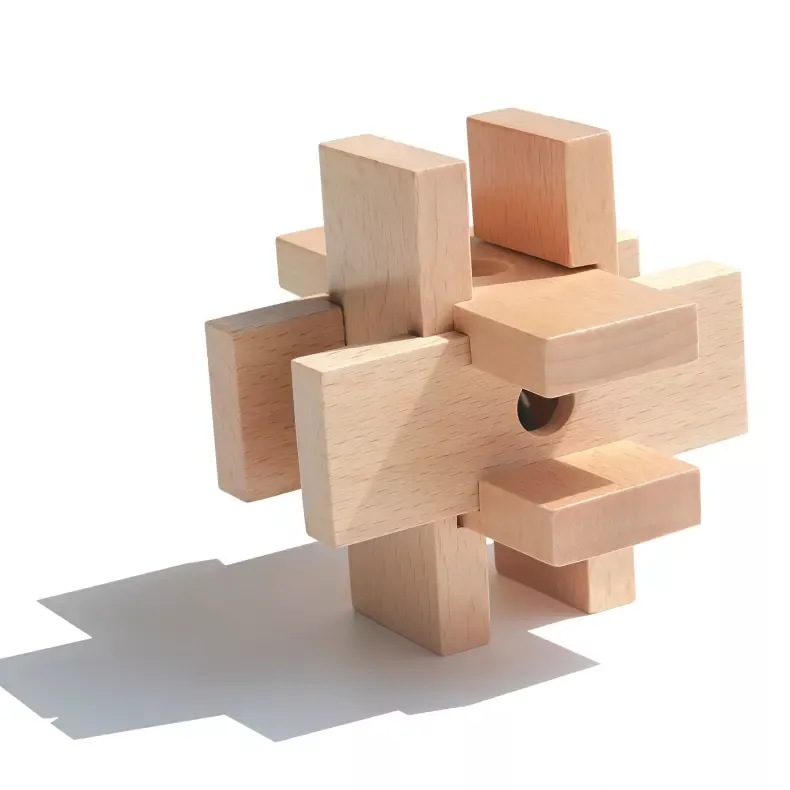
| Interlocking Wooden Burr Puzzles (e.g., Luban Lock Set, 6 Piece Wooden Key) |
Structural analysis, systemic thinking |
Long-term procedural memory & complex problem-solving. You'll remember the 'key' piece for years. |
30 minutes - 5 hours (for sets) |
You want instant gratification. These are deep dives that reward patience and systematic thinking. (Learn more about the ancient art of mind-sharpening puzzles). |
*Times are rough estimates for a first attempt; they decrease dramatically with practice, which is where memory formation happens.
The takeaway? For a daily memory habit, consistency beats complexity. Starting with a quick-to-medium solve time (like the 2-10 minute tier) builds the routine. Once the habit sticks, introducing variety—like switching between a spatial puzzle one day and a logic puzzle the next—challenges your brain in new ways, which is a core driver of neuroplasticity. Your next step: choose one puzzle from a tier that fits the time you realistically have tonight.
Your goal matters just as much as the puzzle's mechanics. Are you looking for a mental palate cleanser or a weekend project? Here’s how to match a brain teaser to your current need.
The 5-Minute Brain Reset (Desk or Keychain Fidget)
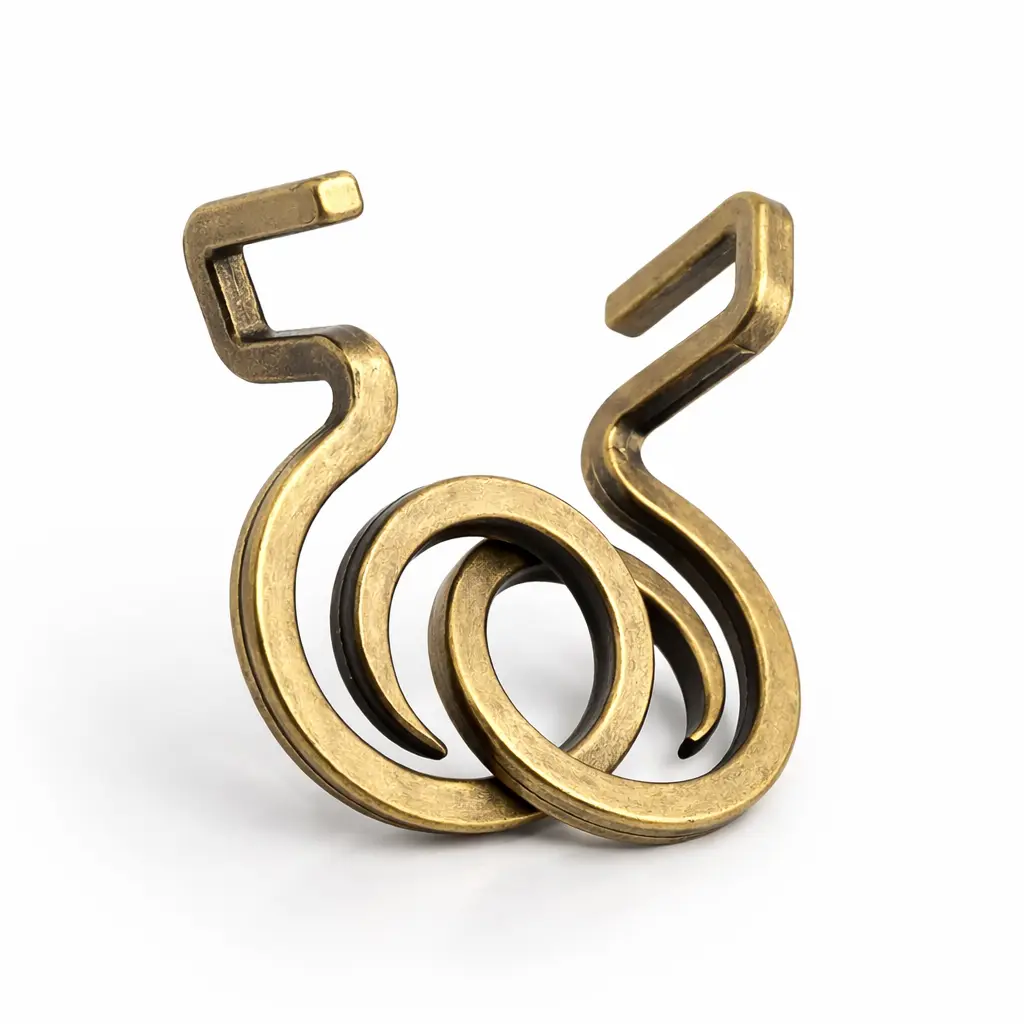
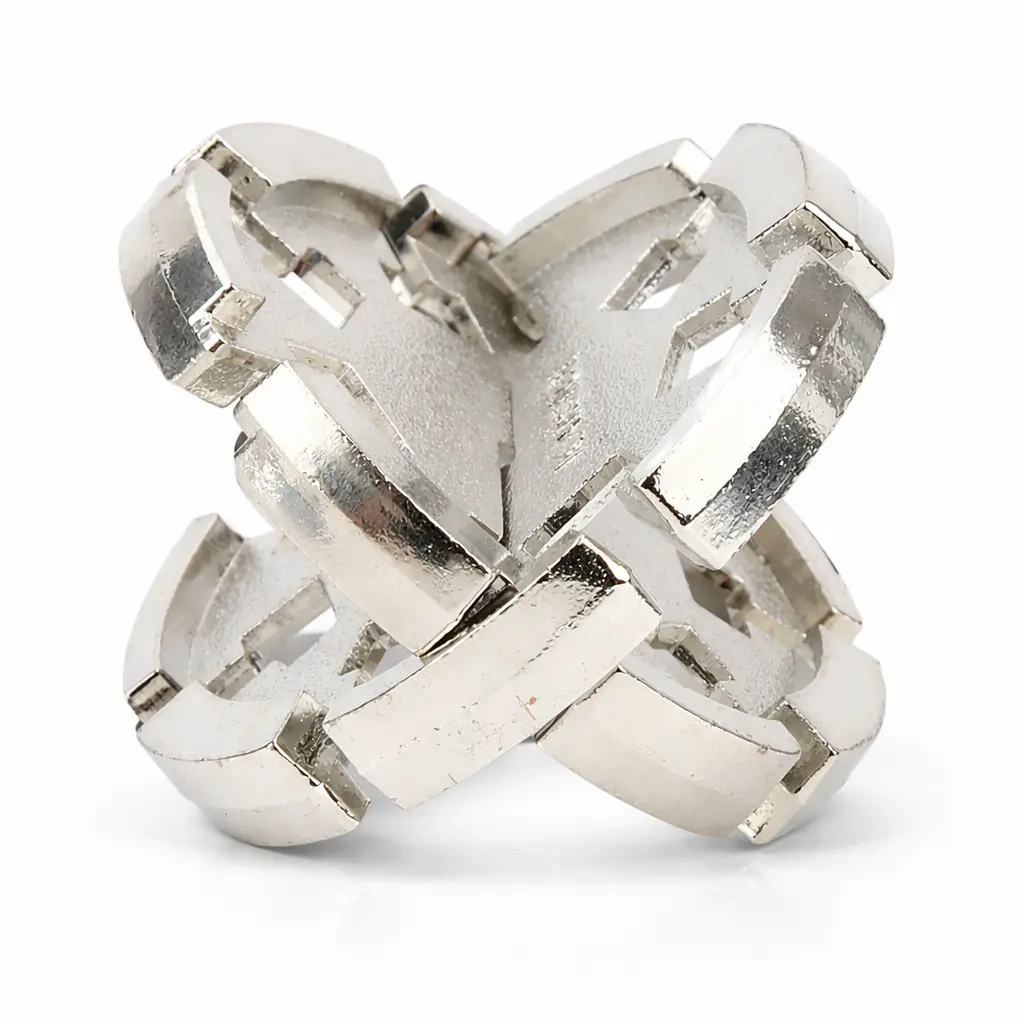
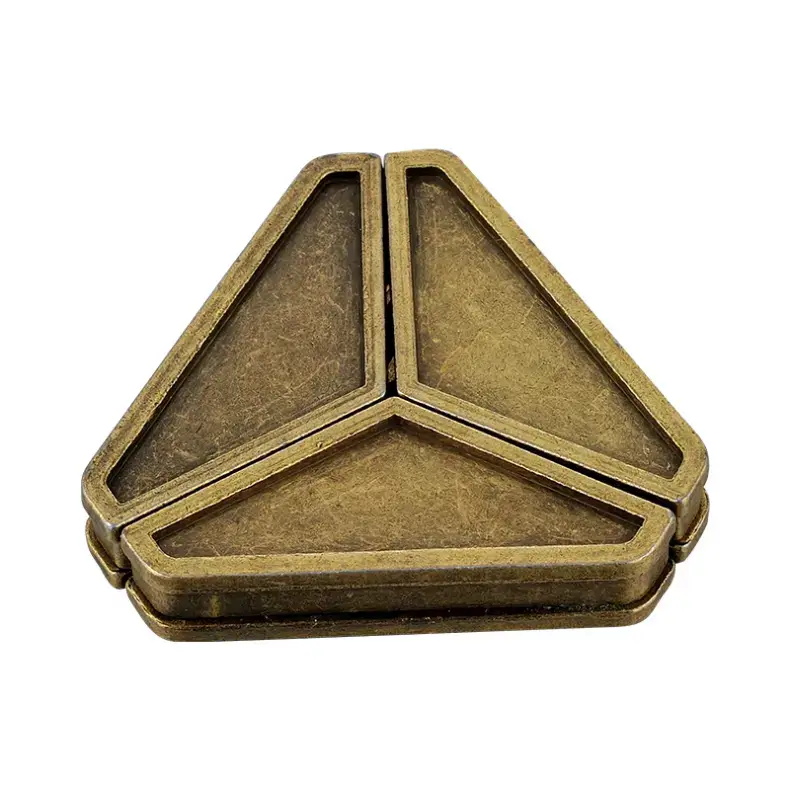
You need a tangible break from screens, a quick task to re-center focus. The goal is focused calm, not an hours-long ordeal. A small, durable metal puzzle is perfect. The satisfying heft and cool click of parts moving engage your senses, pulling you into the present moment. Try: The Cast Coil Pocket Puzzle or the Alloy Triangle Lock Puzzle. Keep one in your desk drawer. Next time you feel afternoon fog, set a 5-minute timer and tinker.
The Weekly Deep Dive (Solo Challenge)
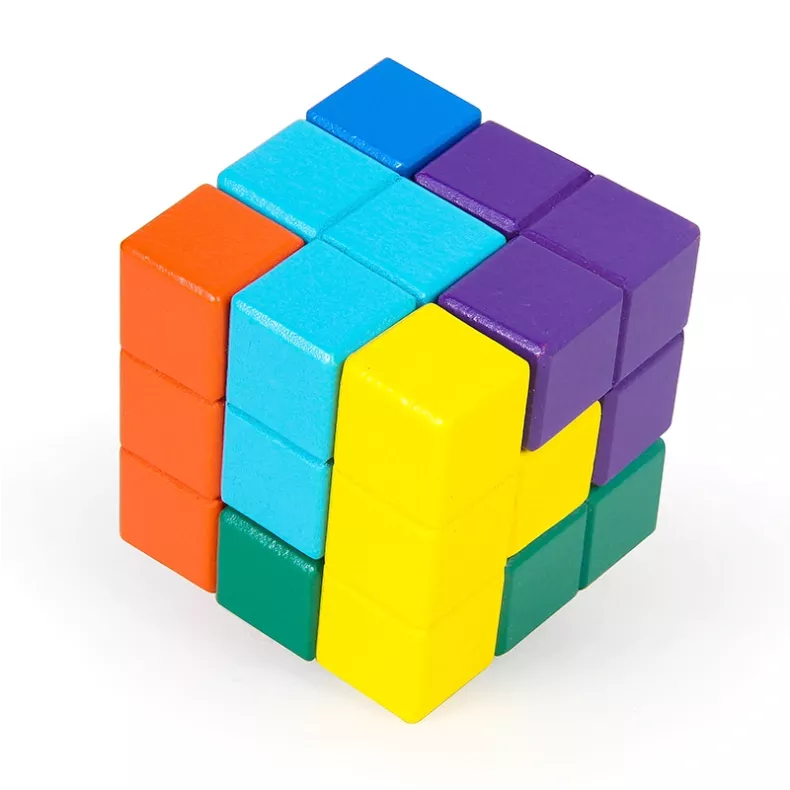
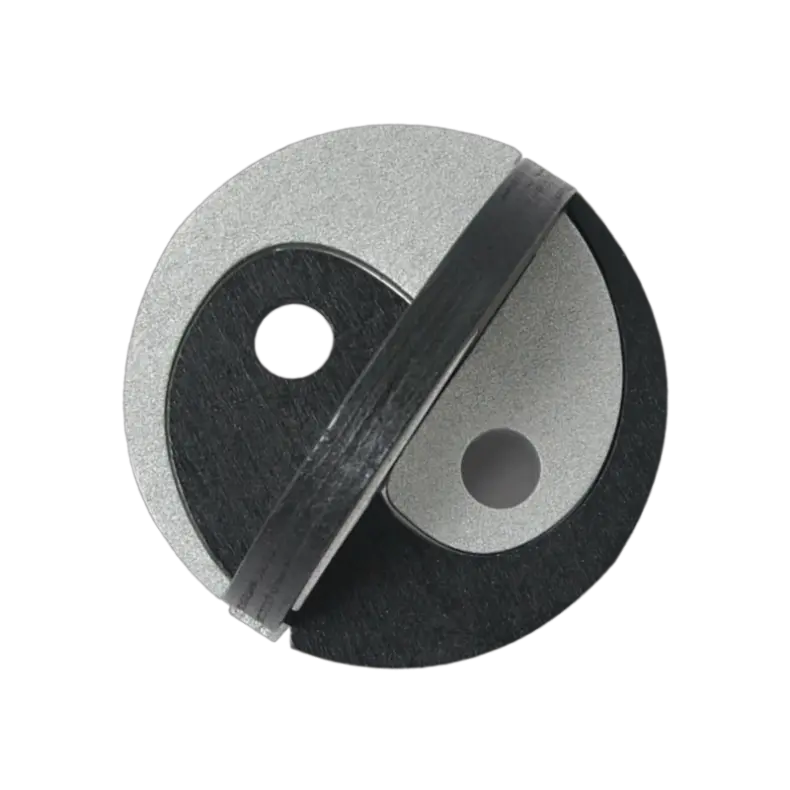
This is your 'me time' ritual, a chance to fully immerse in a single problem. It trains sustained attention and delayed gratification—the mental equivalent of a long run. The feel of smooth wooden pieces, the quiet scratch as you test a fit, it’s deeply meditative. Try: The 7 Color Soma Cube with its infinite configurations, or the elegant Yin-Yang Taiji Lock. Pour a cup of tea, clear the table, and give yourself permission to be patiently curious.
The Family Brain Game (Collaborative Set)
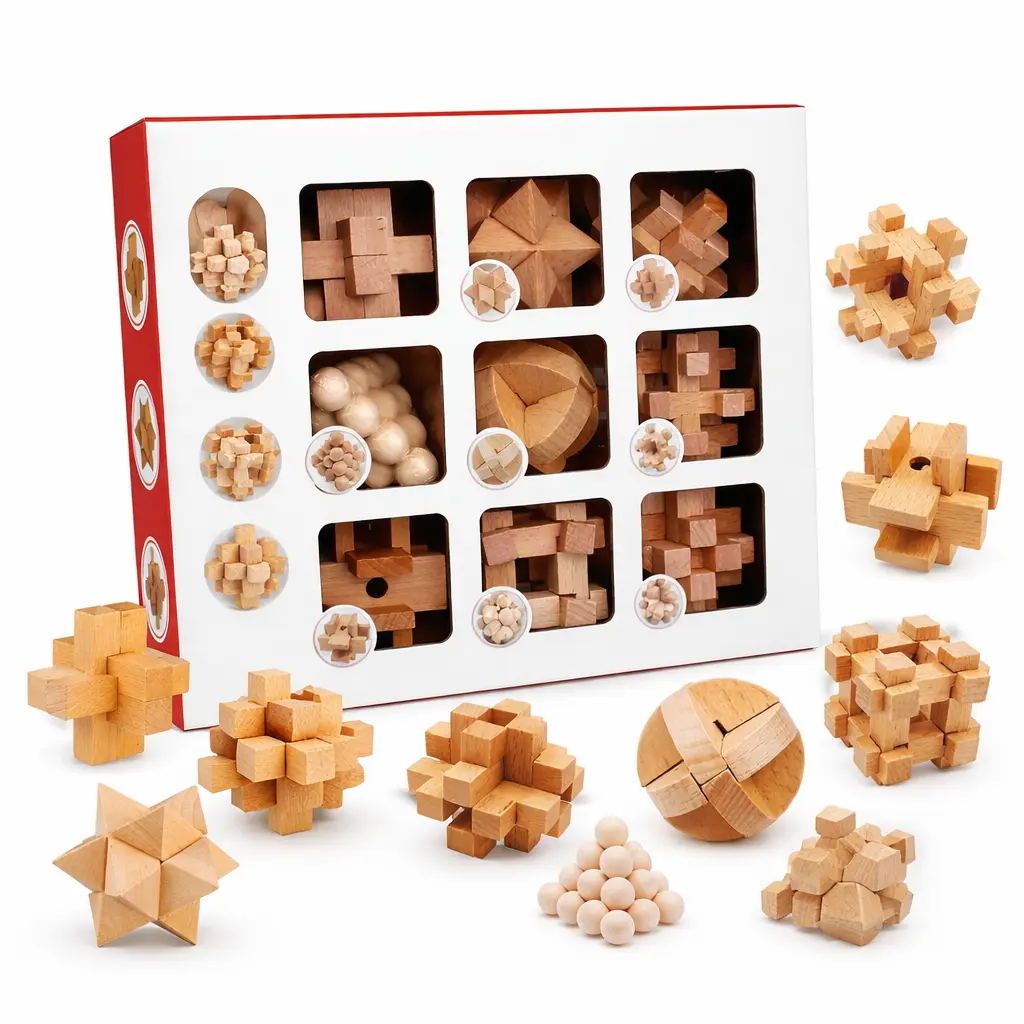
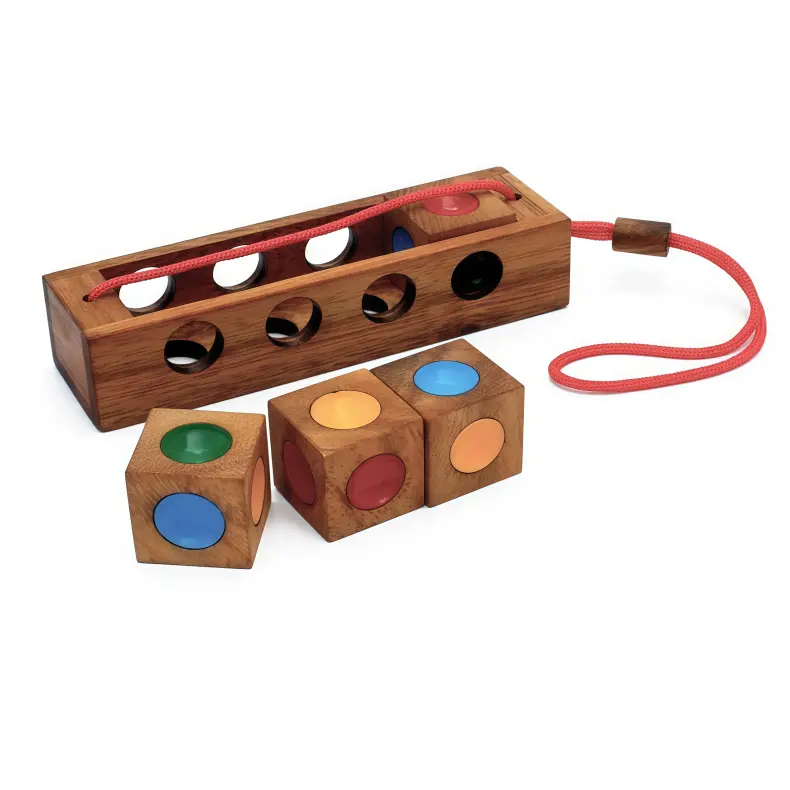
You want an activity that replaces passive scrolling with collective problem-solving. It’s about verbalizing logic (“What if we turn this piece?”) and working memory as you track each other's ideas. The tactile, non-digital nature levels the playing field. Try: The Kongming Lock Color Match—its bright colors are inviting—or the classic Luban Lock Set 9 Piece. Pass pieces around; there’s no single 'solver,' just a shared goal.
The Thoughtful Gift for a Worried Mind
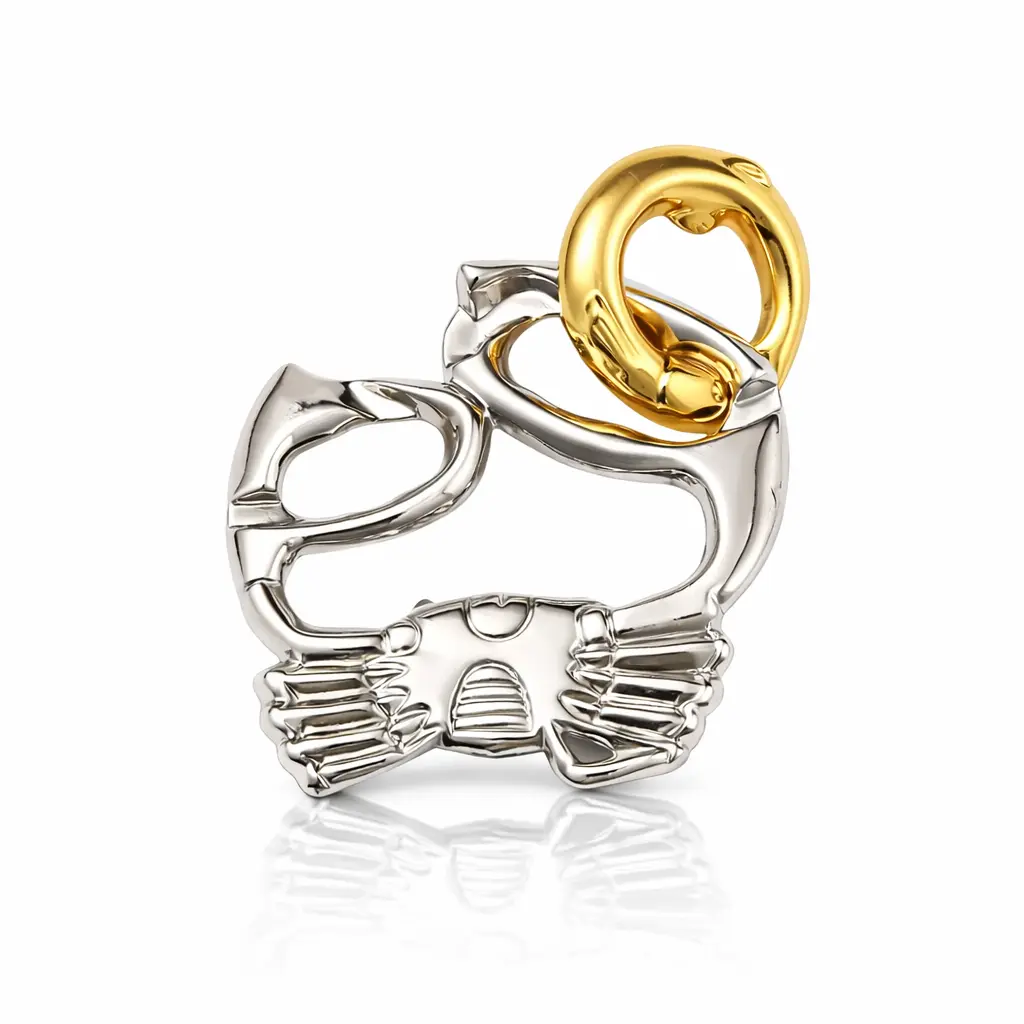
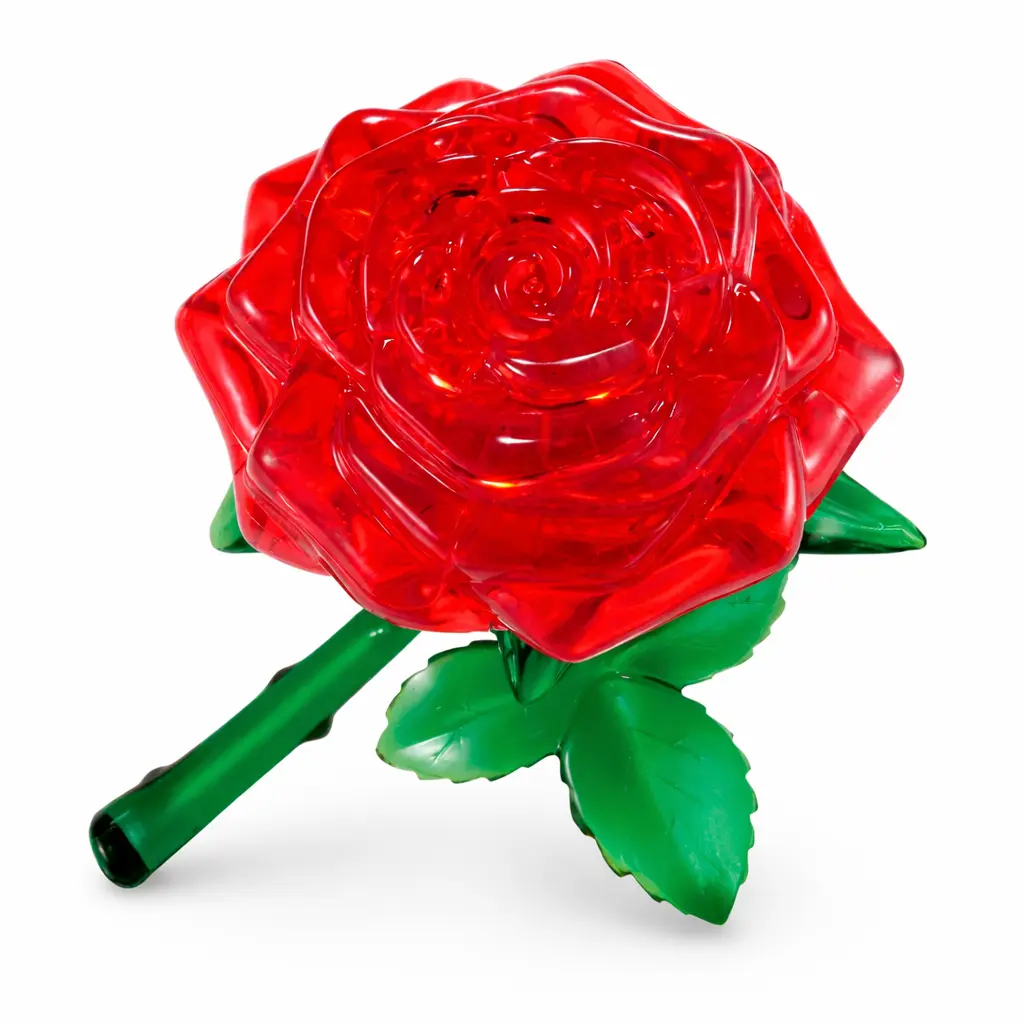
For someone expressing concern about their memory, a gift that says “I hear you, and here’s a beautiful, low-pressure way to feel proactive.” It should be aesthetically calming and feel like an object of craftsmanship, not a clinical tool. Try: The stunning 3D Crystal Rose Puzzle that becomes a display piece, or the sleek Dual Seahorse. Pair it with a note: “For those moments when you want to give your hands and mind a little peaceful play.”
We use a simple 1-5 scale, where 1 is intuitive and 5 is expert-level. Crucially, for memory and cognitive benefits, regular practice at a level 2-3 is far more valuable than an occasional, frustrating bout with a level 5. You want to be in the 'challenge zone'—engaged but not defeated. Here’s how our puzzles stack up.
Level 1-2 (True Beginner): The goal is to build the habit. Solutions involve one or two clear moves or simple assembly. The 6 Piece Wooden Puzzle Key (Level 1.5) has obvious grooves guiding you. The Alloy Triangle Lock (Level 2) introduces a simple hidden mechanism. Perfect for that first 10-minute session.
Level 2-3 (Intermediate / Sweet Spot): This is the ideal range for consistent cognitive workout. Puzzles require several steps, some trial and error, and holding a plan in your working memory. Most of our metal cast puzzles, like the Cast Hook (Level 2.5), live here, as do 3D assembly puzzles like the Soma Cube (Level 3). You'll feel productively challenged. (For a deeper dive into this category, see our skeptic's guide to metal brain teasers).
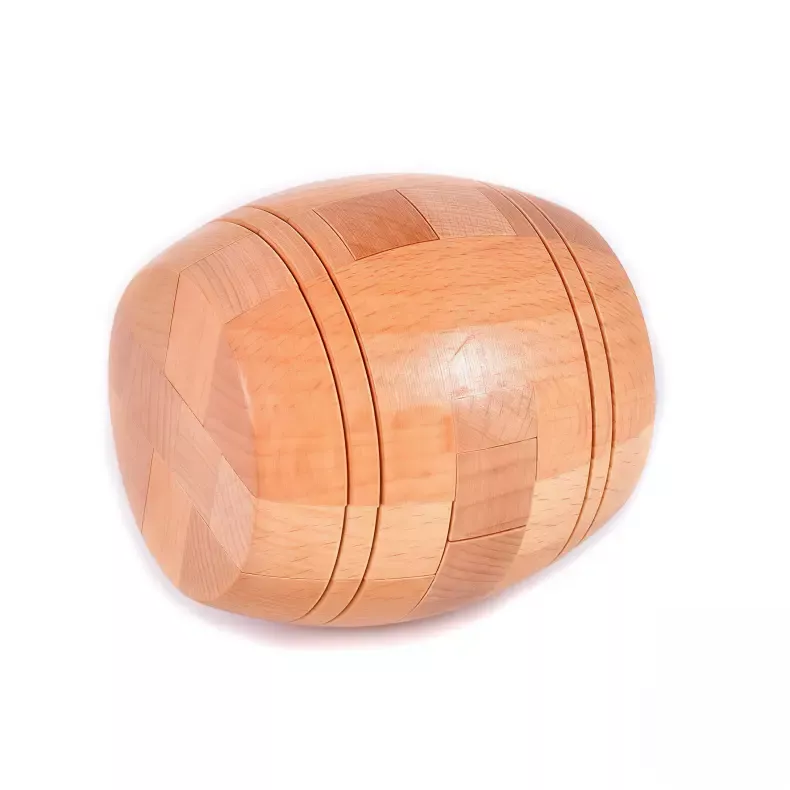
Level 4-5 (Advanced/Expert): These are deep dives into systemic thinking. They have deceptive solutions or many interdependent pieces. The Luban Lock 9-Piece Set (Level 4.5) can take hours or days. The Barrel Luban Lock (Level 4) is a formidable single-object challenge. Buy these when the journey matters more than the destination, and you have the patience for a long, rewarding project.
Your next action: Be honest with yourself about your patience and current skill. Start at Level 2. The confidence you gain will make moving to Level 3 feel exciting, not daunting.