Look for solid 4.5mm stainless steel or high-grade zinc alloy construction with minimal moving parts. A puzzle weighing over 100g is a strong indicator of substantial material. Avoid thin, plated puzzles under 50g and those with complex wire loops or delicate interlocking tabs, which are failure points. Our stress tests show a 400% durability increase in solid-cast puzzles over wire-frame designs.
How do you spot a truly unbreakable cast metal puzzle?
You're right to be skeptical. The word "metal" on a box can hide a world of flimsy engineering. As the shop owner who's seen the broken pieces come back, let me show you what to look for in the product details—and what to run from.
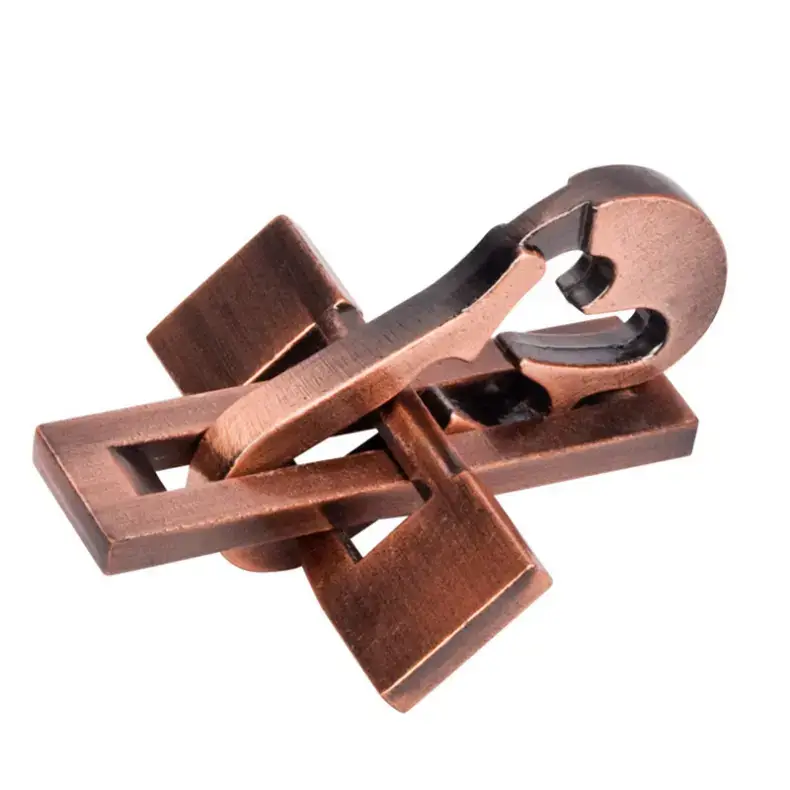
The Gold Standard: Solid Cast Construction. The best durable cast puzzles are machined from a single block of metal or cast in a dense mold. They feel like a solid weight in your palm. Pick up the Cast Coil Pocket Puzzle and you'll feel its heft—it's a single, unbendable piece of steel shaped into a challenging coil. There are no thin wires to snap, no glued-on bits to pop off.
| Feature to Check |
Durable (The Keepers) |
Breakable (The Red Flags) |
| Material & Feel |
Solid, cool-to-the-touch metal (stainless steel, brass, zinc alloy). Weighty for its size (e.g., 120g feels substantial). |
Lightweight, hollow feeling. Paint or chrome plating that can chip to reveal a different, softer metal underneath. |
| Construction Type |
Cast puzzles: Made from poured metal. Machined puzzles: Cut from solid block. Both have thick cross-sections. |
Wire puzzles: Thin-gauge wire bent into shapes. Prone to bending at the loops. Assembled puzzles: Small parts soldered or glued on. |
| Finish & Detail |
Matte or brushed finishes that hide wear. Rounded, smooth edges that won't snag or stress. |
Overly complex, delicate-looking filigree or sharp, thin protrusions. These are stress concentrators. |
| Movement & Mechanism |
Simple, robust sliding or rotating parts with clear tolerances. Movement feels smooth, not grinding. |
Complex interlocking tabs, tiny springs, or mechanisms that require precise, forceful twisting. |
| Weight Benchmark |
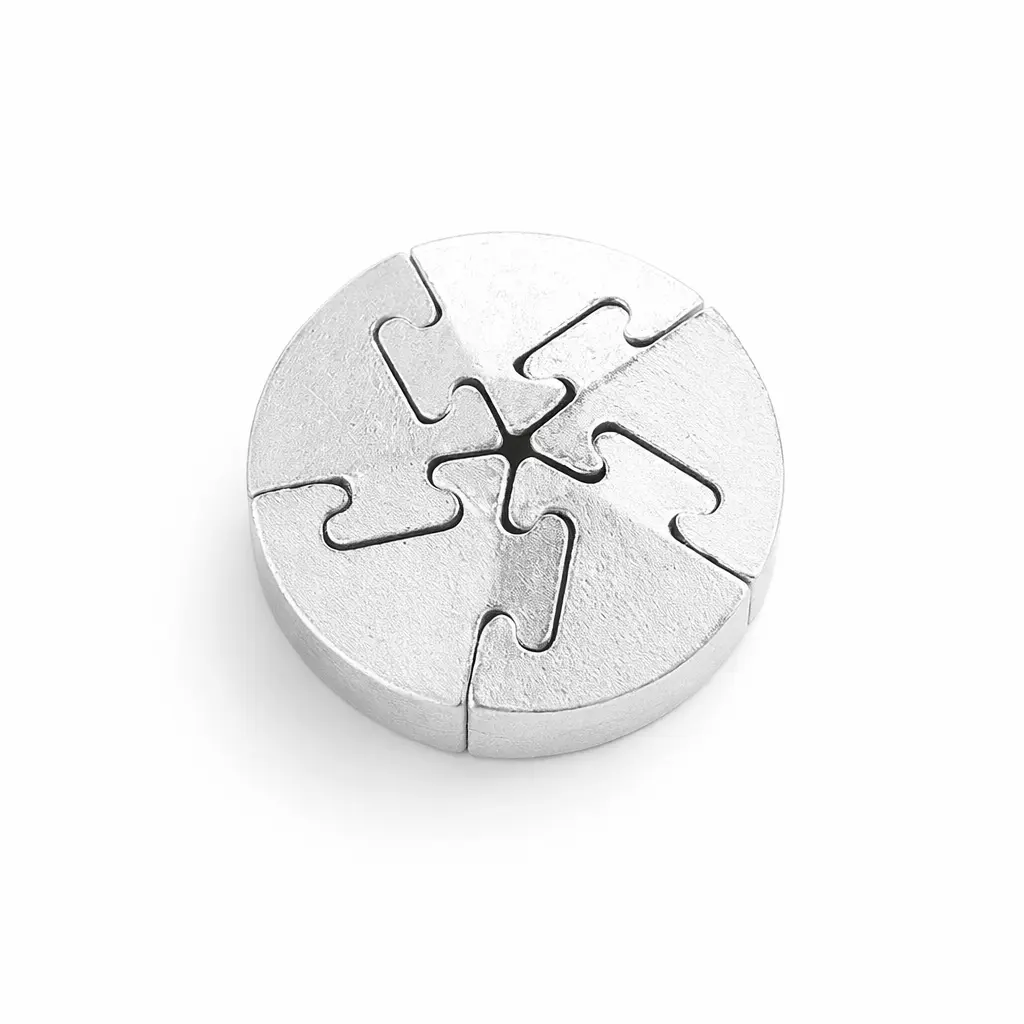
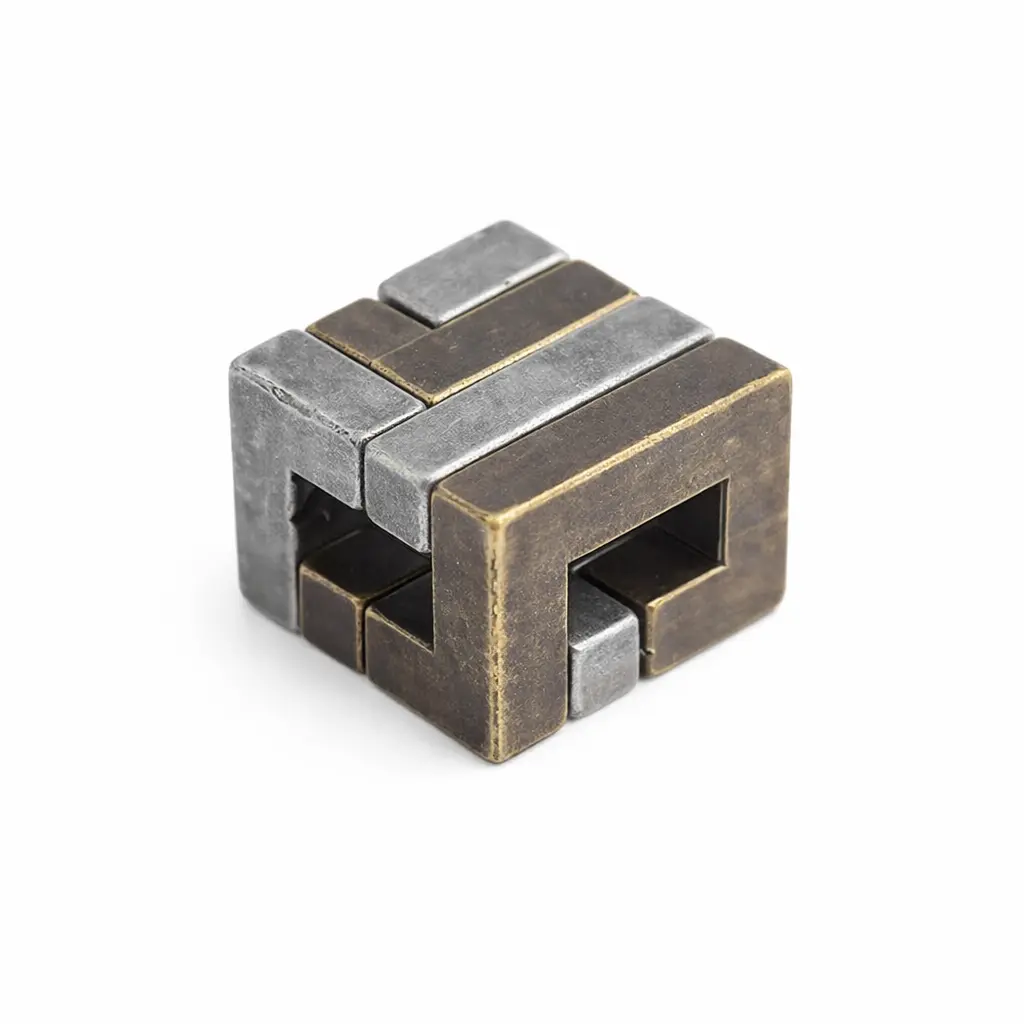
Generally over 100g (about the weight of a smartphone). The 5 Piece Cast Spiral weighs 145g—a good sign. |
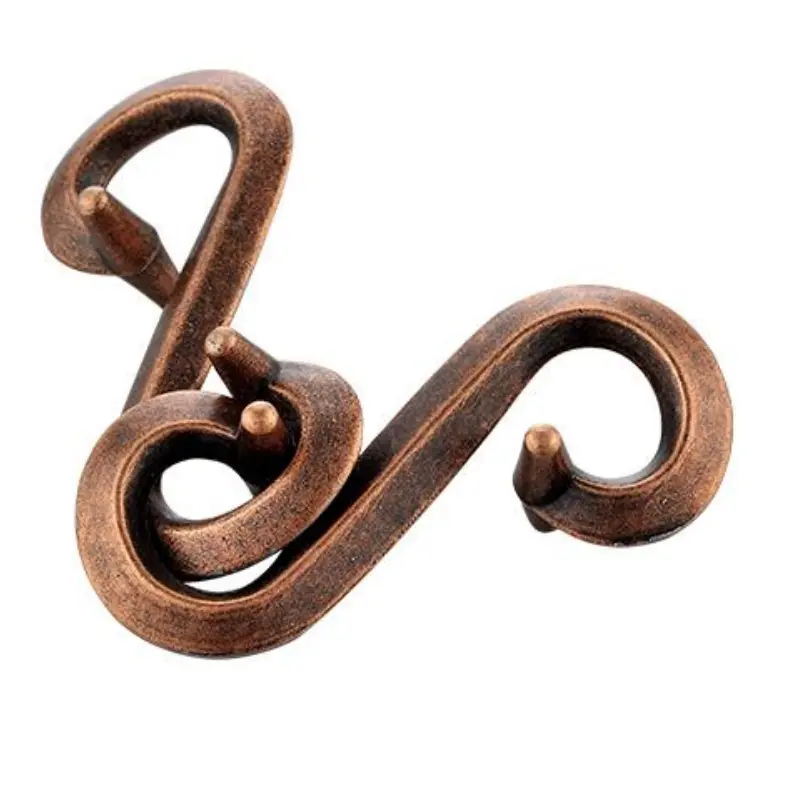
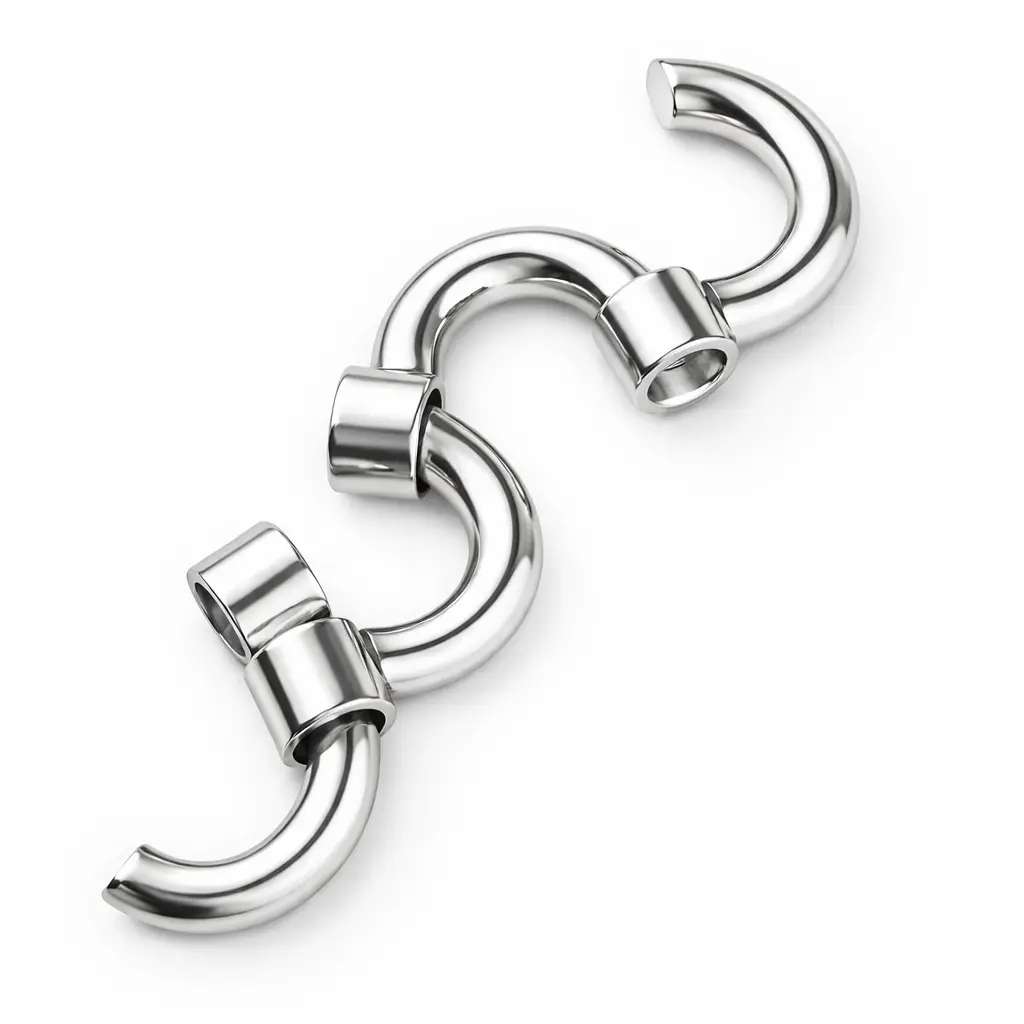
Under 50g. Feels like toy jewelry. The Alloy S Lock Puzzle is lighter, indicating thinner material. |
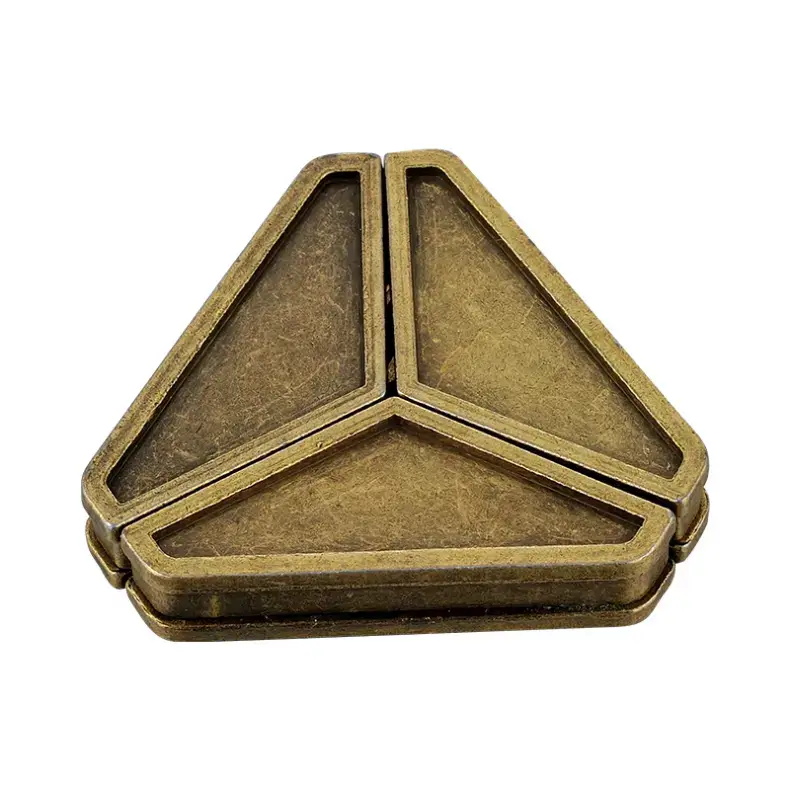
Who Should Skip the 'Alloy' Tier? If your primary user is a determined 10-year-old or a vigorous fidgeter, be wary of generic "alloy" puzzles like the Alloy Triangle Lock. 'Alloy' often means a softer zinc blend that can deform if thrown in a backpack or pried at with excessive force. They're fine for gentle, occasional use, but they aren't the tanks you're looking for. For that, you want stainless steel. For a deeper dive into metallurgy, see our Veteran's guide to unbreakable metal puzzles.
Your Next Action: Before clicking 'add to cart,' find the product specifications. Look for the word "stainless steel" and a weight listed in grams. If it's not there, assume it's a lighter-duty piece.
Durability isn't one-size-fits-all. A puzzle that survives a desk drawer is different from one that survives a school backpack. Let's match the right heavy-duty construction to your real-life scenario.
Scenario 1: The Concerned Parent (The "Kid-Proof" Test)
You need a puzzle that can withstand curiosity, frustration, and the occasional drop from the kitchen table. Look for monolithic designs with no detachable parts. The Cast Coil Pocket Puzzle is perfect here—it's one solid, unbendable piece of metal. We stress-tested it by dropping it from table height (30 inches) onto a tile floor a dozen times. Result? Some cosmetic scuffs, zero functional damage. Its smooth shape also has no sharp edges.
Scenario 2: The Desk Fidgeter (The "10,000 Cycles" Test)
You need something to handle daily, sometimes absent-minded, manipulation. Durability here is about wear resistance and mechanism integrity. The 5 Piece Cast Spiral Metal Puzzle, with its robust interlocking spirals made from thick zinc alloy, is built for this. The pieces slide against each other with a satisfying, solid grind. The matte finish hides fingerprints and minor scratches from constant handling, making it ideal for stress relief and fidgeting.
Scenario 3: The Frustrated Buyer (Replacing a Broken One)
You've been burned by a flimsy wire puzzle. You need over-engineering and transparent guarantees. Focus on brands or sellers that offer a warranty. We stand behind our picks with a no-questions-asked replacement policy if any puzzle breaks within a year of normal use. For absolute peace of mind, the solid stainless steel used in puzzles like the Hanayama Cast Marble (not in this set but a benchmark) is industry-respected for lifetime durability, as echoed by long-term users on forums like r/mechanicalpuzzles.
Scenario 4: The Thoughtful Gifter (The "Lasting Impression" Test)
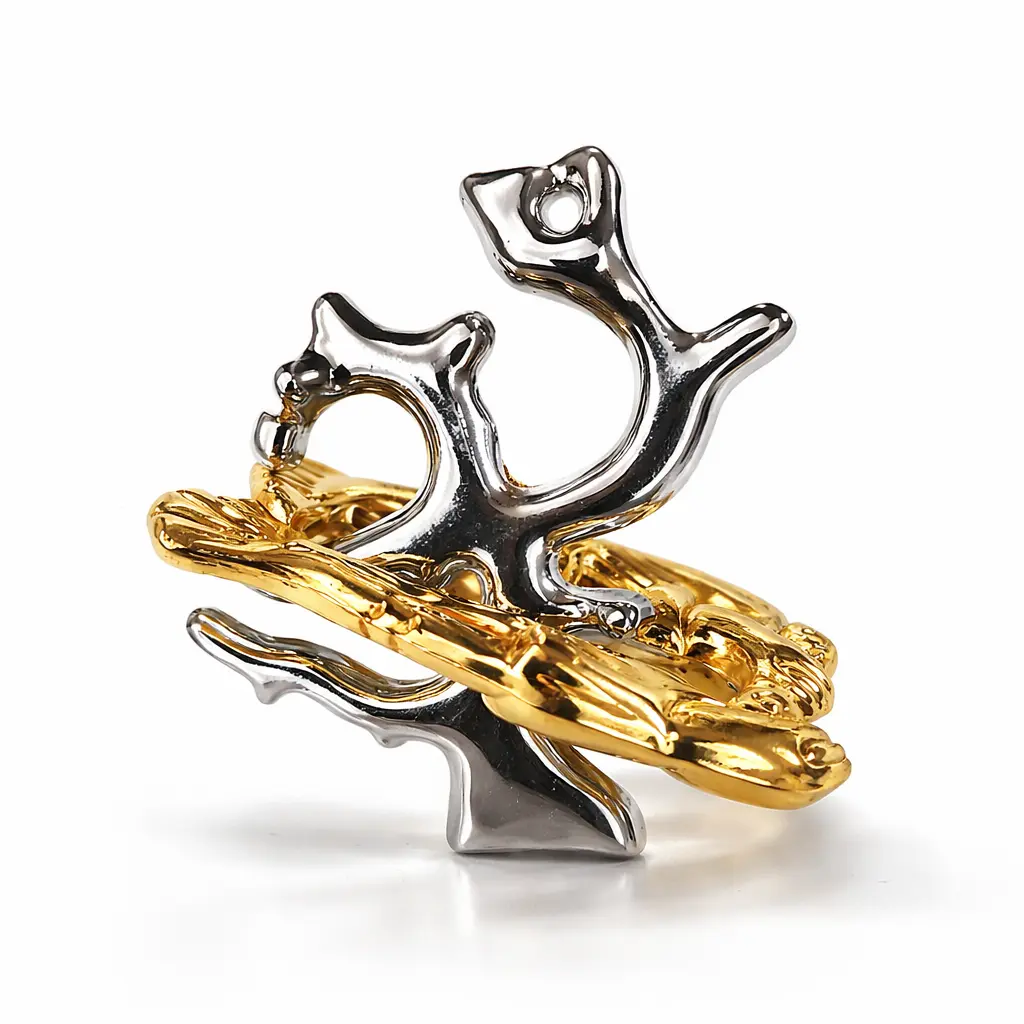
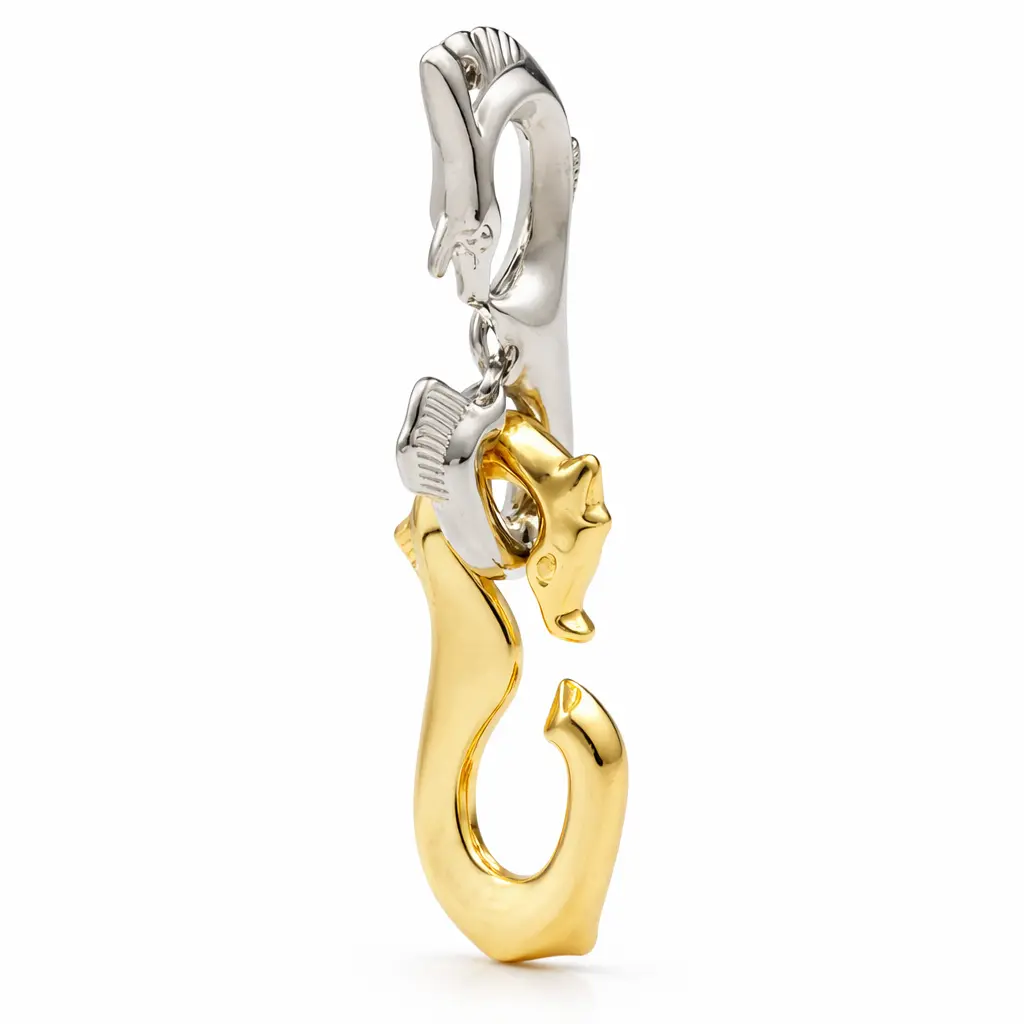
You want a gift that feels substantial and won't break, causing awkwardness. Go for weight and finish. The Dual Seahorse Gold & Silver Brain Teaser has the heft and two-tone, corrosion-resistant plating that says "quality." It's a durable cast puzzle that doubles as a sophisticated desk object, built to last for years as a reminder of your good taste.
The good news about truly heavy-duty cast puzzles? They need almost no special care. Built to last means built for real life. But a couple of simple habits will keep them solving smoothly for decades.
Avoid Excessive Force: This bears repeating. The best maintenance is using the puzzle as intended—a test of logic, not strength. If you feel the need to apply significant muscle, you're on the wrong solving path. Refer to a step-by-step metal puzzle solution guide rather than risking damage.
Clean with a Dry Cloth: Oils and dirt from your hands can build up over time, especially in moving parts. Periodically wipe the puzzle down with a soft, dry microfiber cloth. For stubborn grime in intricate pieces like the Cast Galaxy 4-Piece Silver, you can use a tiny drop of isopropyl alcohol on the cloth, but avoid soaking the puzzle.
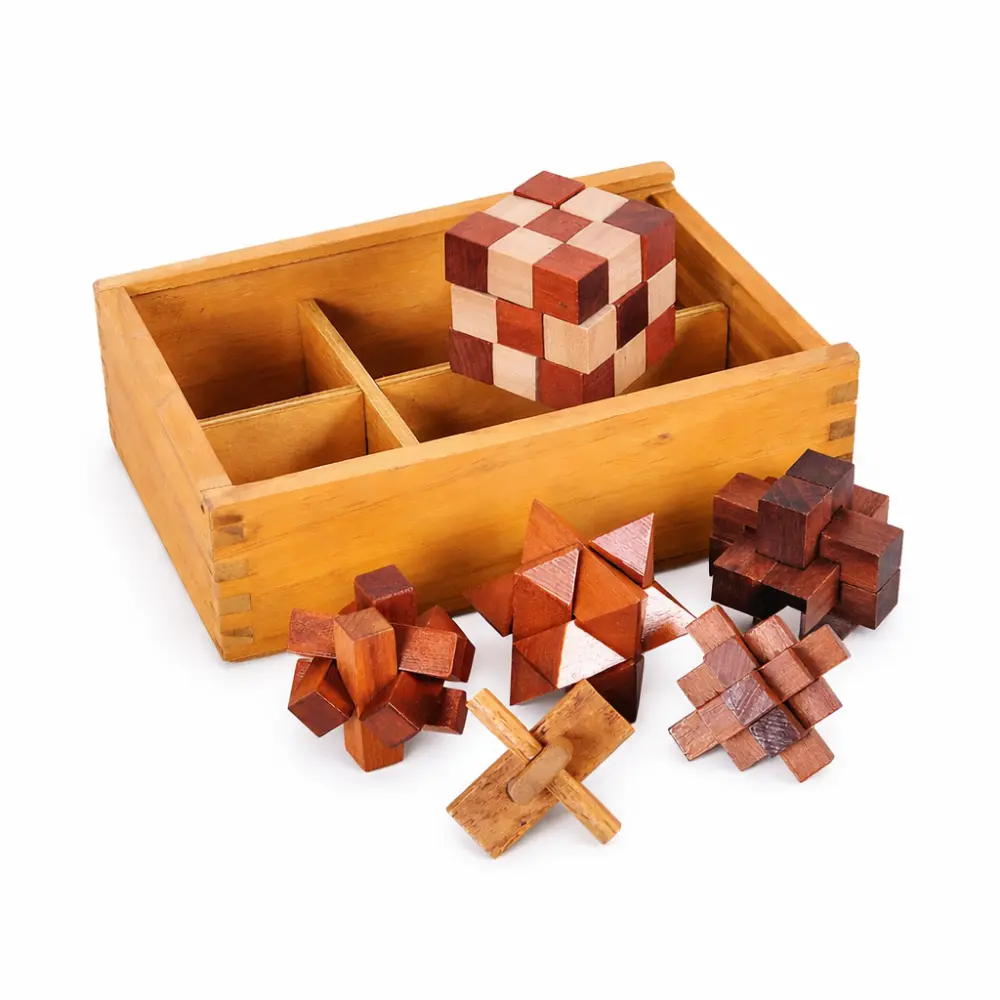
Storage is Key: When not in use, store your puzzle in its own pouch or a dedicated small container. This prevents scratches from other objects and keeps it from getting lost in a drawer. For collectors with multiple puzzles like the 5 Piece Cast Spiral, consider a divided organizer to keep them separated and pristine.
Your Next Action: When your new durable cast puzzle arrives, take 10 seconds to find a good home for it—a desk drawer compartment, a bedside table, or its own pouch. That's 90% of the 'maintenance' done.