For a party of 8 kids, a venue costs $280–$350 including deposit and fees, while an at-home kit with multiple puzzles costs $30–$50 total – that's under $6 per child. At-home kits win on budget and flexibility, but venues offer immersive atmosphere.
How Much Does an Escape Room Cost per Kid – Venue vs At-Home Kit?
Let's put real numbers on the table. A local escape room venue charges around $35 per child, plus a deposit that locks you in. For 8 kids, that's $280 before snacks, drinks, or decorations. Add pizza and cake, and you're easily at $350. And you get exactly 60 minutes – no extensions.
An at-home puzzle kit, on the other hand, costs $30–$50 for a set that lasts 45–90 minutes. Plus you control the timeline, can repeat puzzles, and the kids stay in your living room. The tradeoff? You become the game master. But with our top picks, the kit does most of the work.
| Factor | Venue Escape Room | At-Home Puzzle Kit |
|---|
| Cost per kid (8 kids) | $35.00 | $3.75 – $6.25 |
| Total cost (incl. snacks & decor) | $300 – $400 | $50 – $80 |
| Setup time for parent | 0 (show up) | 15–20 minutes |
| Game duration | 60 minutes fixed | 45–90 minutes flexible |
| Wow factor | High (professional sets) | Medium to High (with right kit) |
| Replay value | None (one-time) | High (can redo puzzles) |
| Stress on host | Low (just drive) | Medium (need to guide) |
Who should skip this tier? If your kids are under 7 or you're looking for Hollywood-level production with smoke and lasers, stick with the venue. At-home kits rely on the kids' engagement and your energy as game master. But for ages 8–12, these kits are a slam dunk.
For a deeper dive into different puzzle types, check our escape puzzle guide.
At-home escape room puzzles are ideal for kids' birthday parties (ages 8–12), family game nights, solo challenges for older siblings, and as gifts for puzzle-loving children. Each scenario requires a different puzzle style and quantity.
You've got the kit, now who's going to play? Here's how our top picks map to real-life situations:
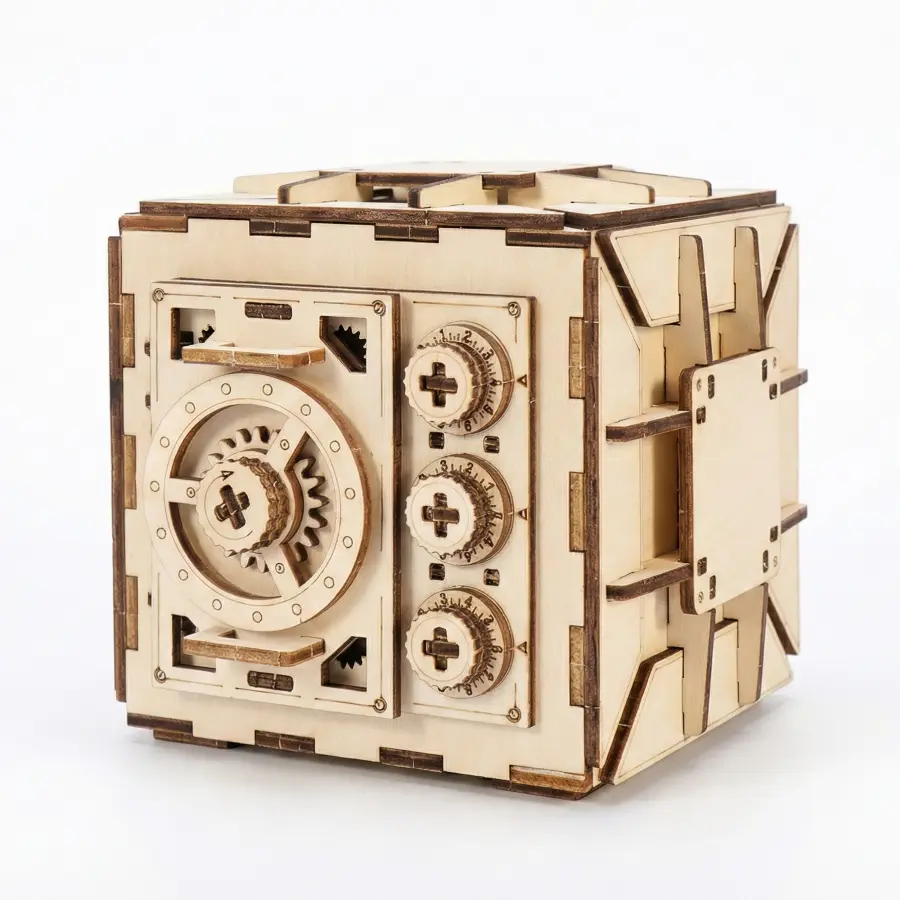
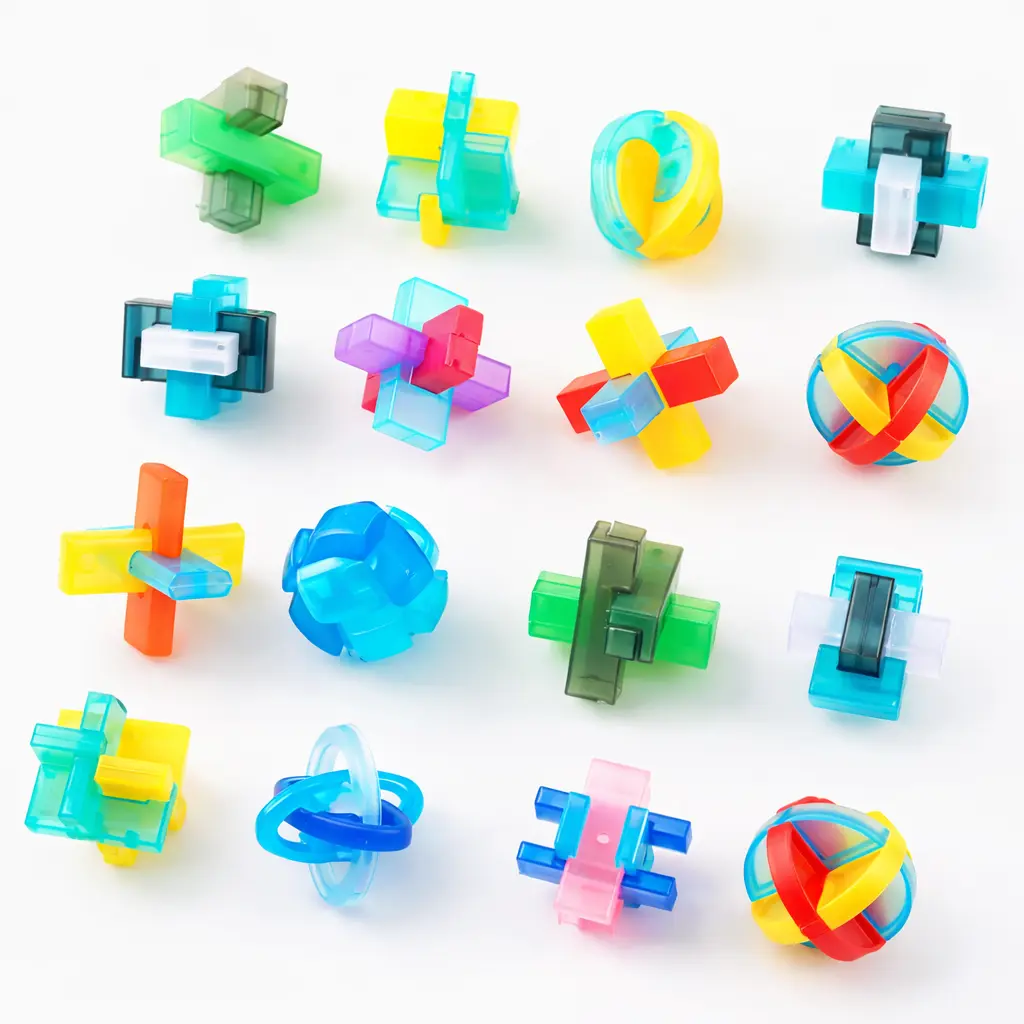
Kids' Birthday Party (primary scenario) – This is Sarah's world. You need multiple puzzles that can be solved in parallel or as a relay. The 3D Wooden Puzzle Safe with Combination Lock is a perfect centerpiece: one kid cracks the combo while others work on the 12 Piece Crystal Luban Lock Set. Have 5–6 puzzles for 8 kids so nobody is bored.
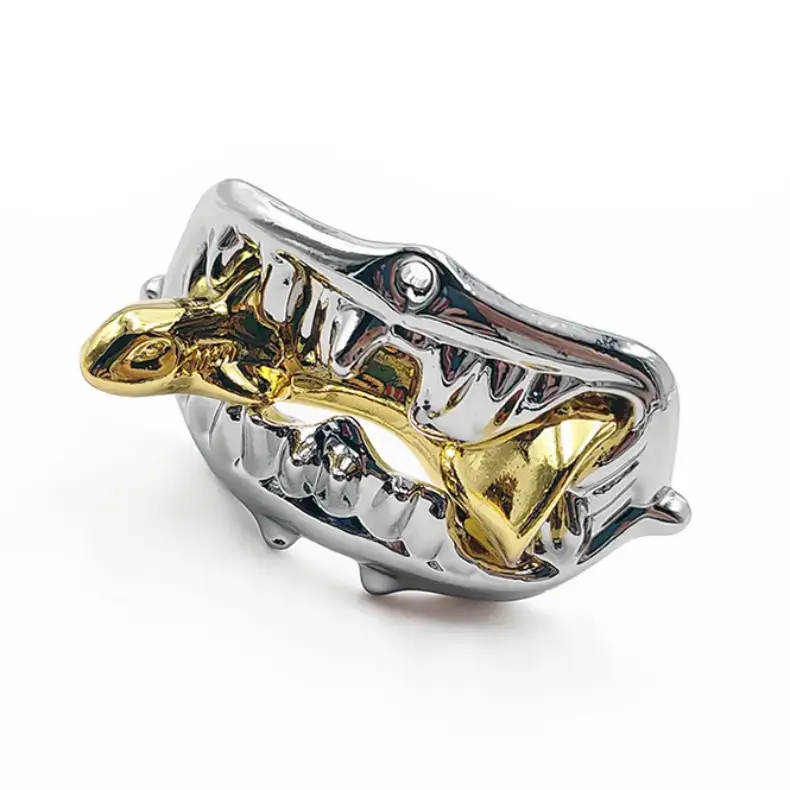
Family Game Night – A quieter affair. Choose puzzles that allow turn-taking, like the Monster Mouth Fish Escape Puzzle or the Snake Mouth Escape Puzzle. They're tricky but satisfying, and the whole family can cheer when someone frees the fish.
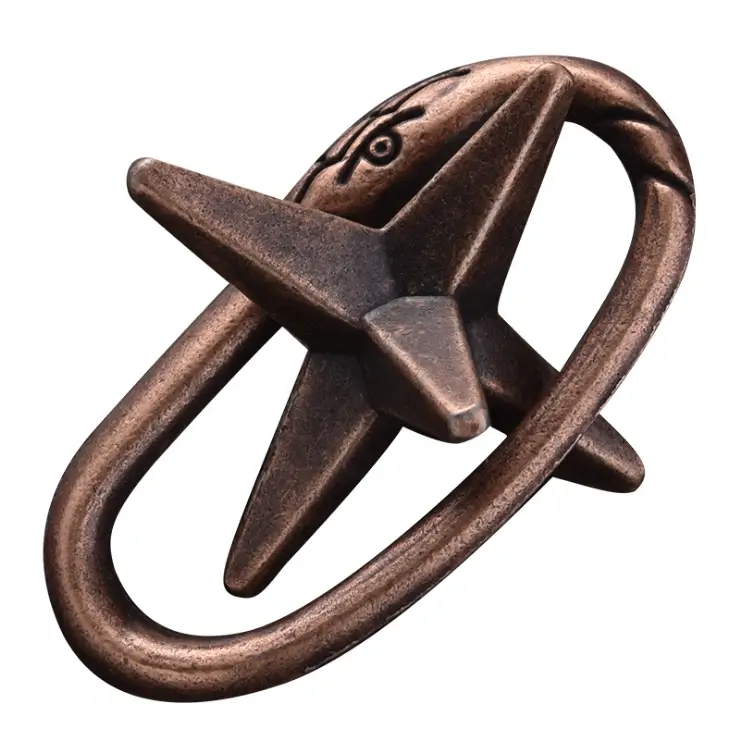
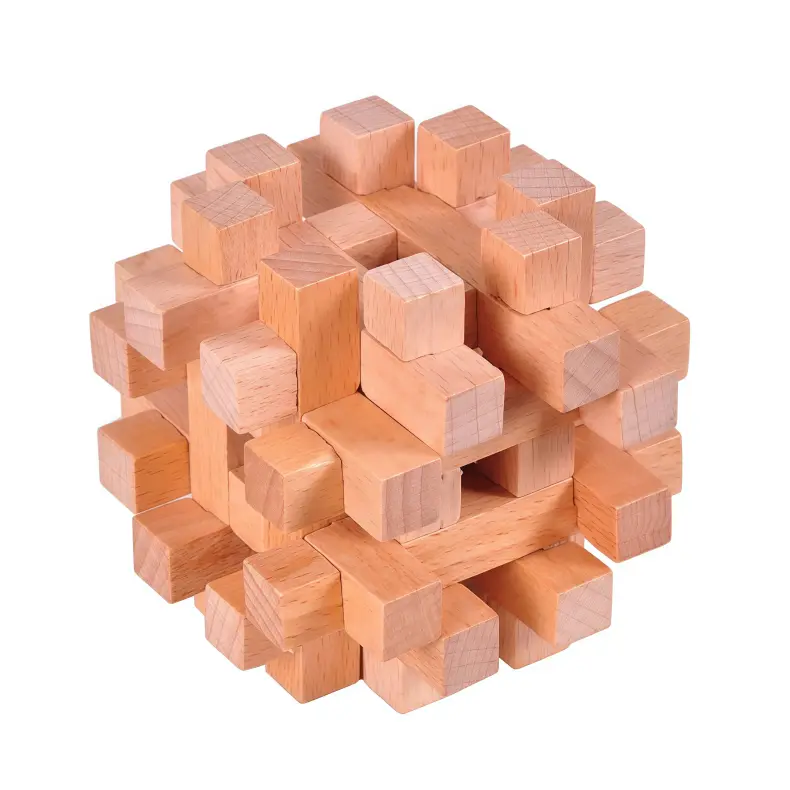
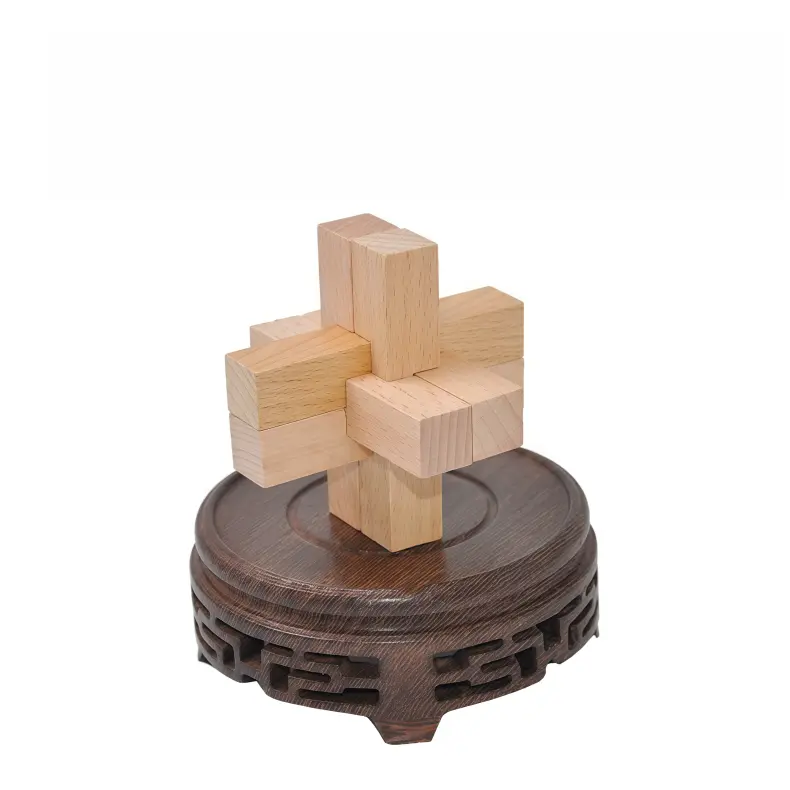
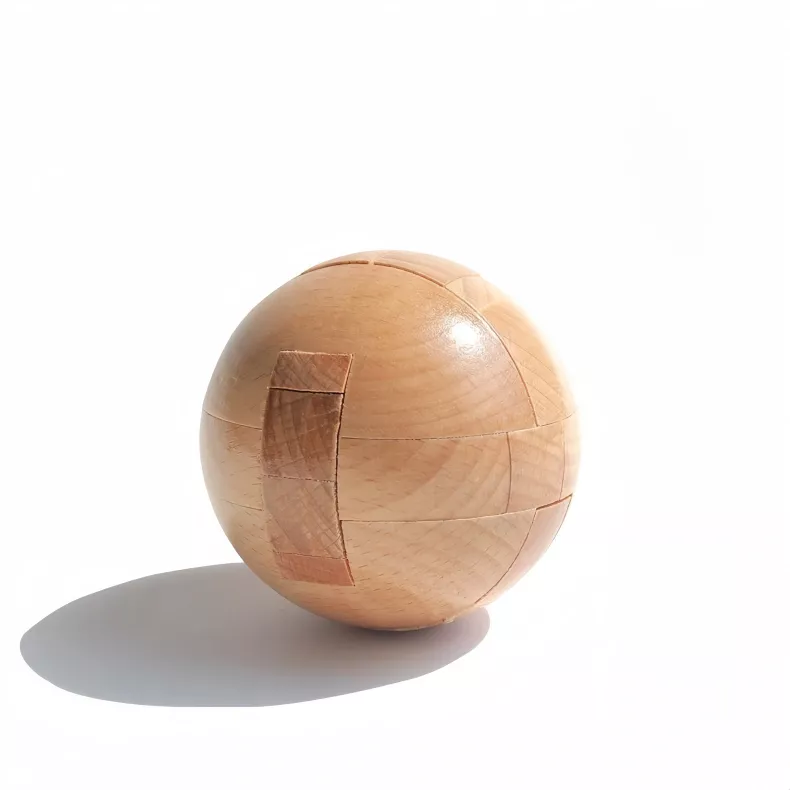
Solo Challenge for Older Siblings – Tween or teen who loves brain teasers? The Kongming Ball Lock or Double Cross Cage Puzzle provide a satisfying solo 20-minute challenge that feels like a real escape room moment.
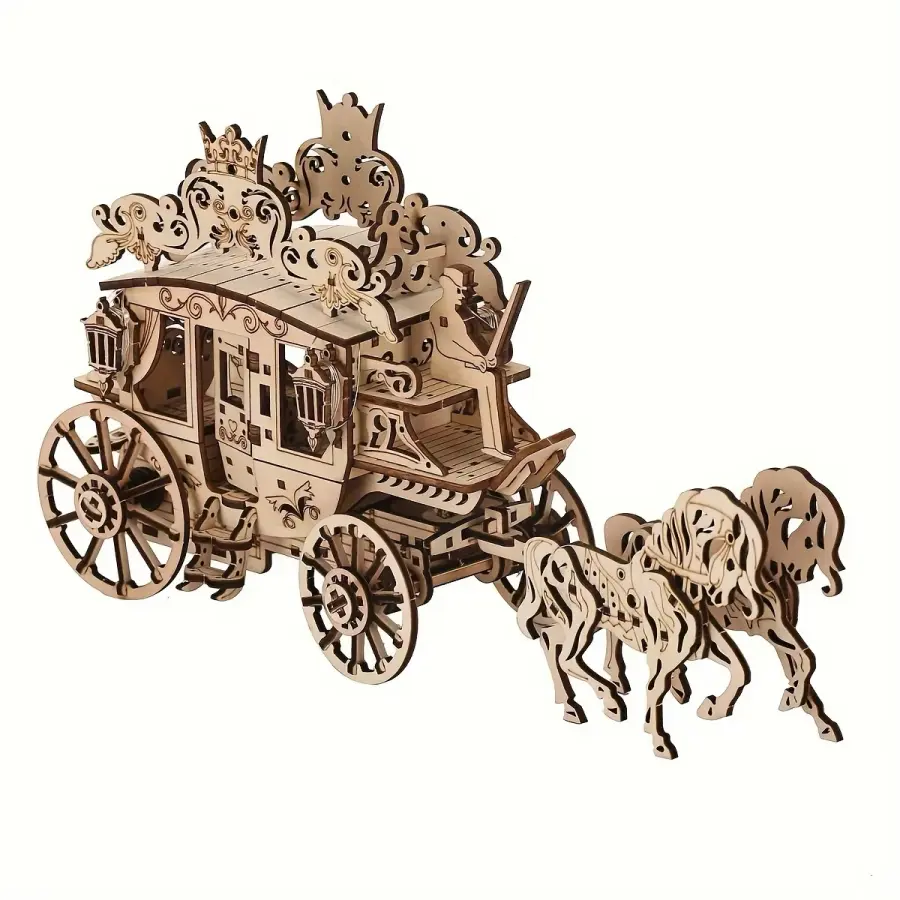
Gift for a Puzzle-Loving Child – The Mechanical 3D Wooden Globe Puzzle DIY Kit doubles as a build-and-solve experience – it's a gift they'll talk about for weeks. For a more artistic option, the Royal Carriage 3D Wooden Puzzle is beautiful and fun.
Each scenario calls for a different mix of difficulty and quantity. For parties, aim for 5–8 puzzles; for family night, 2–3. See our best at-home escape room puzzles guide for full recommendations.
Parents often buy only one puzzle for a group, choose puzzles that are too hard for the age, ignore attention spans, underestimate setup time, and skip planning a Game Master role. Avoid these by sticking to our party-ready checklist.
- Mistake: Buying only one puzzle for a group.
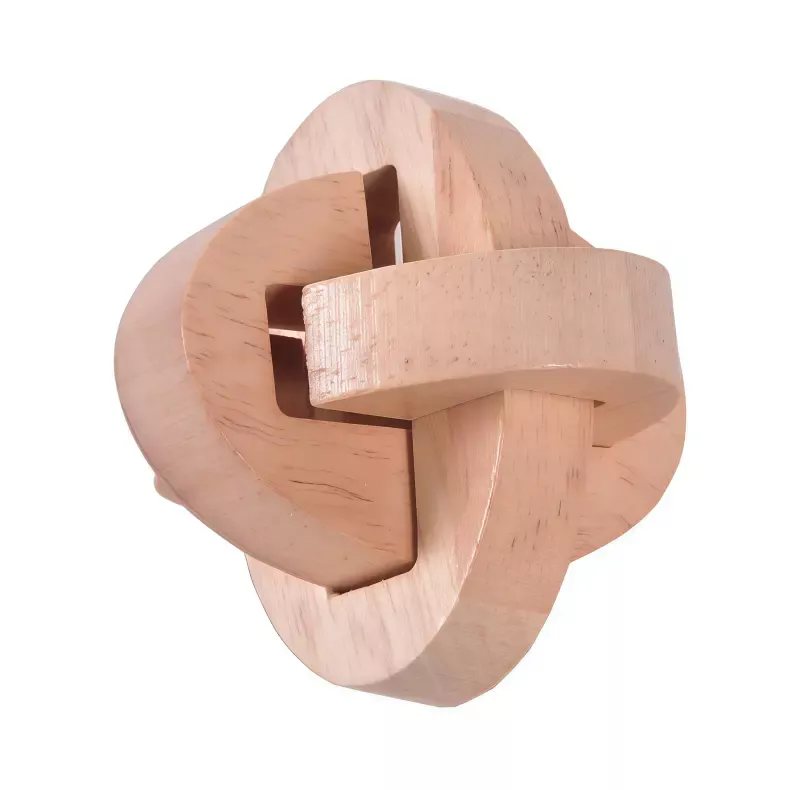
Correction: For 8 kids, have at least 4–6 puzzles. Kids lose interest waiting for one puzzle to be solved. Buy a mix like the 3D Puzzle Safe (group activity) plus smaller individual puzzles like the Six-Piece Burr and Circular Lock so everyone stays engaged. - Mistake: Choosing too-hard puzzles for the age.
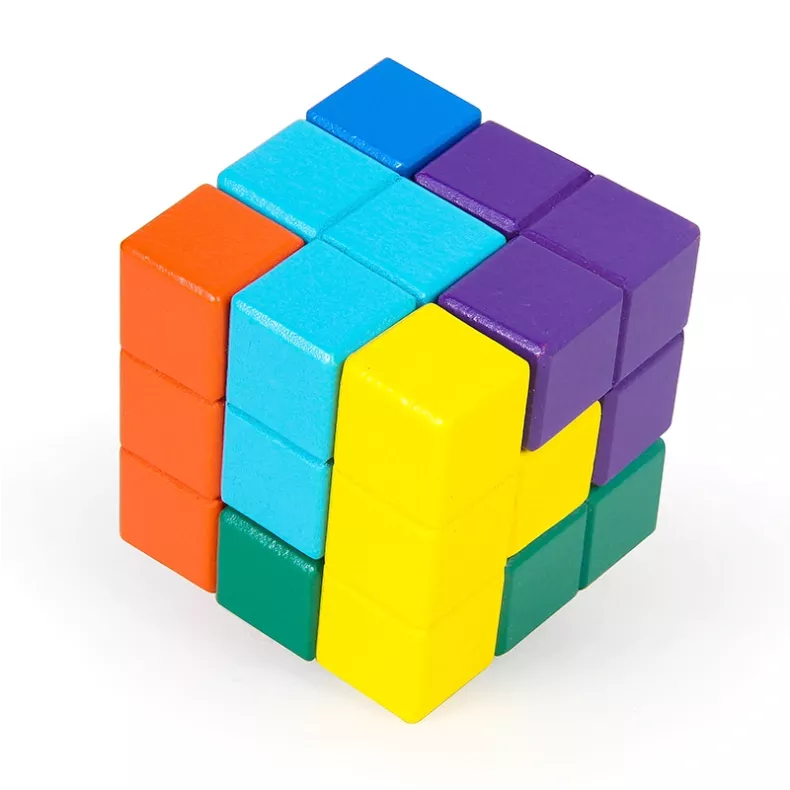
Correction: For ages 8–12, stick to puzzles rated Beginner or Intermediate. The 7 Color Soma Cube Puzzle is great for this age because it's visual and tactile. Avoid anything that requires abstract logic beyond their years. - Mistake: Ignoring attention spans.
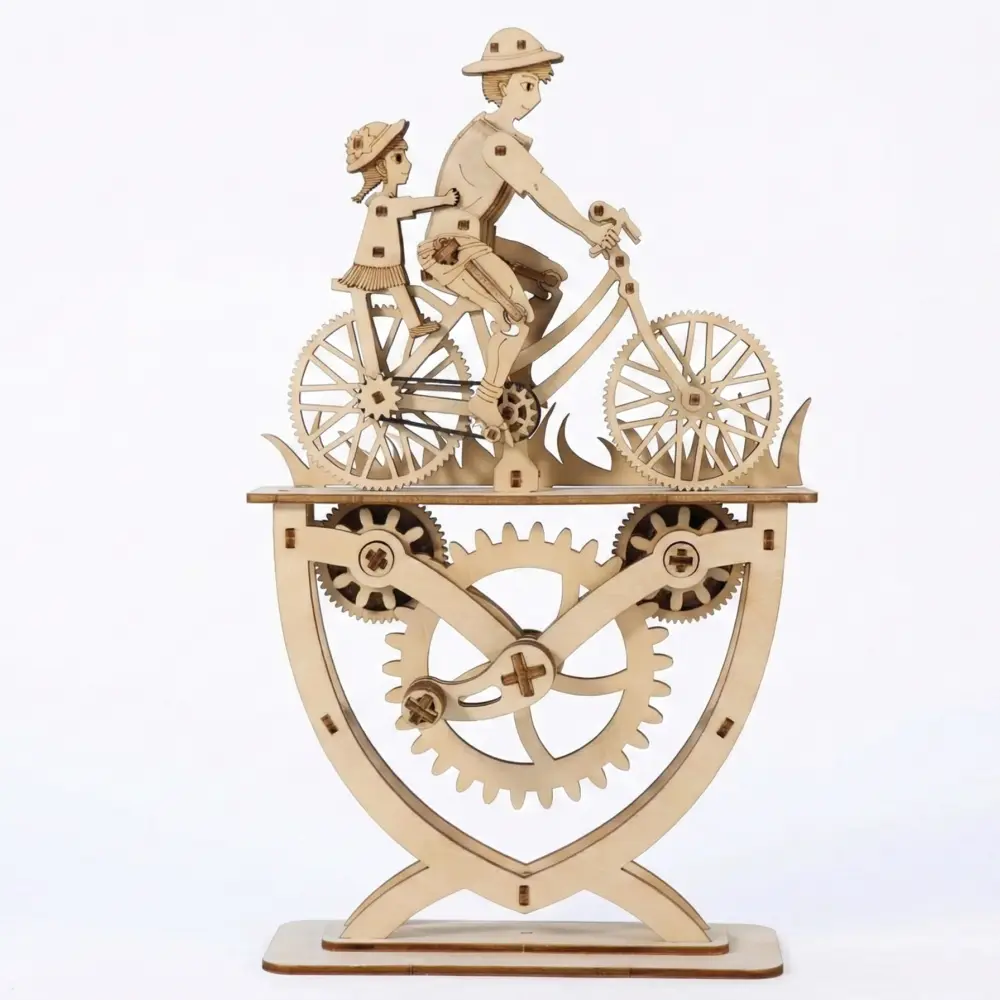
Correction: Kids have about 45 minutes of focused puzzle time. Build in snacks and a break between puzzles. Have backup activities like a quick round of Father and Daughter Bicycle 3D Wooden Mechanical Puzzle (assembly plus puzzle) which resets their attention. - Mistake: Underestimating setup time.
Correction: Most kits take 15–20 minutes to unpack and arrange, but the Crystal Luban Lock Set needs no setup – just hand it out. Always test one puzzle ahead of time to avoid surprises. - Mistake: Not having a 'Game Master' role plan.
Correction: You or a trusted older sibling should act as Game Master – give hints, keep time, and manage the flow. Without one, kids get stuck and frustrated. The Game Master can also handle the Double Cross Cage Puzzle as a demo to get everyone started.
Read our escape puzzle types decoded blog for more tips on matching difficulty to attention spans.