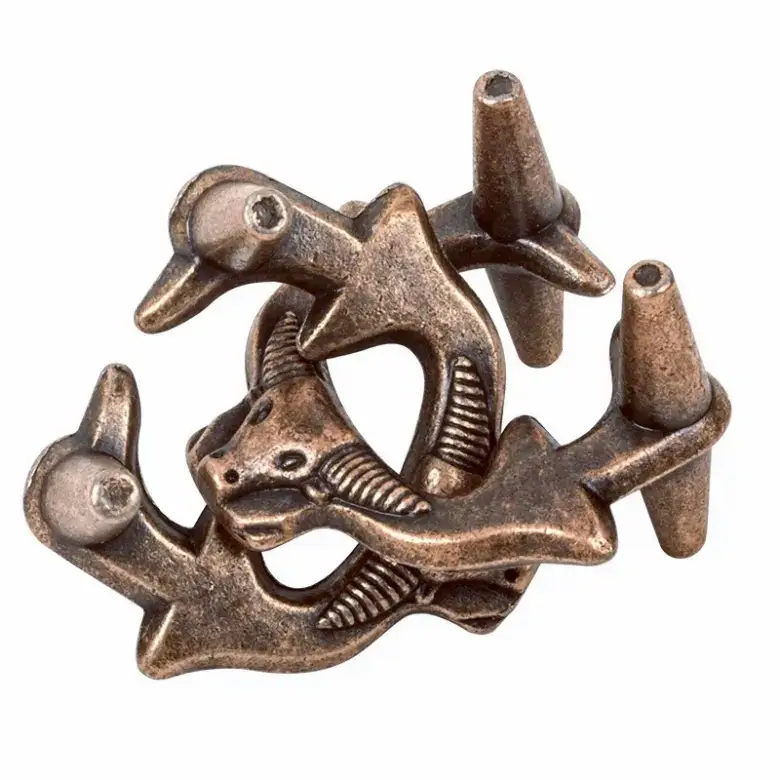
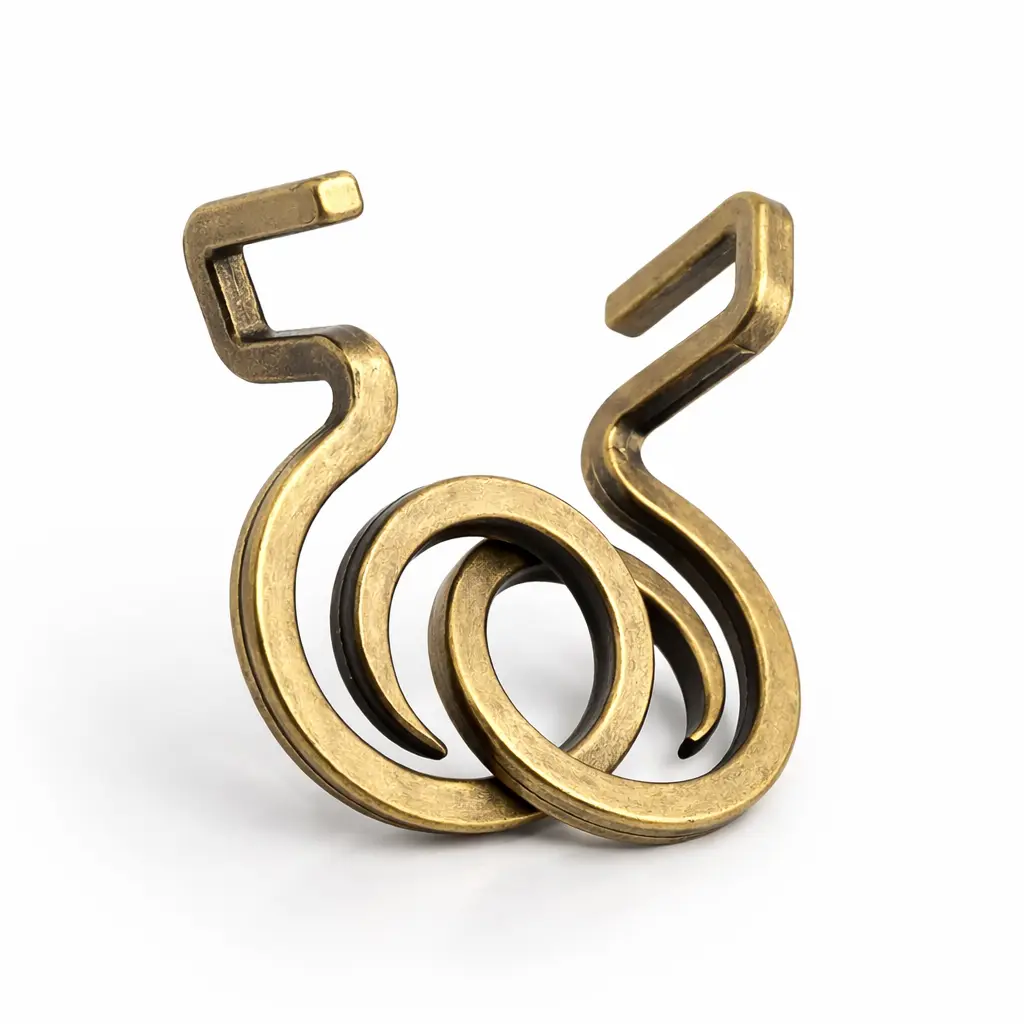
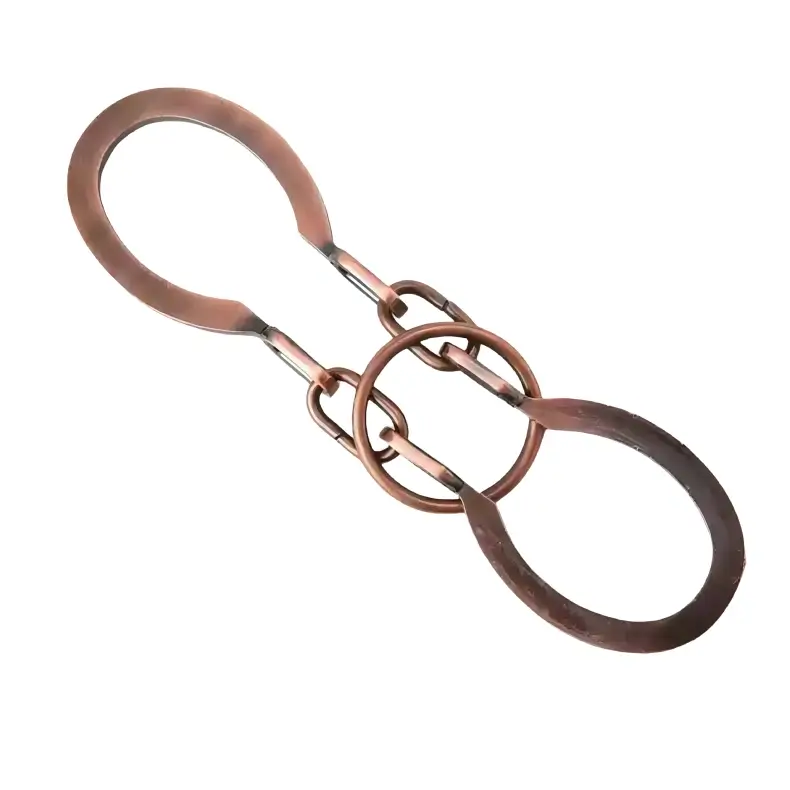
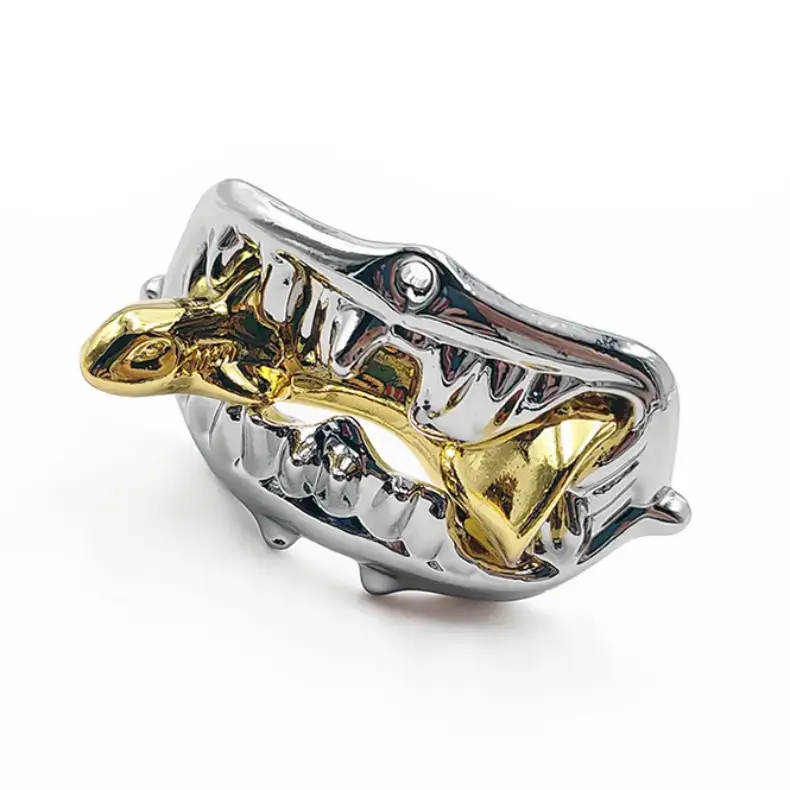
For under $20, the best escape room practice comes from metal disentanglement puzzles priced $11–$15. These train observation and verbalization—the #1 skills needed in a real room. Above $20, wooden kits and safes add sequential logic, ideal for team drills. Budget items under $12 work well for solo desk fidget.
Which puzzle price tier gives the best escape room practice for under $20?
Sarah, you don't need to spend a fortune to get brain-hack practice before tomorrow. The key is matching price to difficulty and team coordination level. Here's the breakdown:
| Price Tier | Best For | Ease of Remembering Under Pressure | Team Coordination Level Required | Results in First 10 Minutes |
|---|
| Budget ($10–$14) | Quick solo warm-ups; desk fidget | Very high | None | Immediate |
| Mid ($13–$20) | Focus practice; one-liner tip training | High | Low | 5–10 min |
| Premium ($25–$35) | Team drill; sequential logic | Moderate | Medium–High | 10–15 min |
Who should skip this tier? If you're only looking for a quick confidence boost before your room, skip premium kits—they require assembly and more time. Stick to a single metal puzzle under $15 that you can solve in 10 minutes and then explain to a friend. That's the real team-saver skill.
For a deeper look at how puzzle types map to escape room challenges, check our Puzzles for escape rooms guide.
For desk fidget before the game, a $13 metal puzzle builds observation habits instantly. For solo challenge, a lock puzzle trains verbalizing steps aloud. Family game night needs a wooden set that two people can solve together. A premium safe or Luban set makes the best gift—it keeps practicing fun long after the escape room.
Imagine you're Sarah, scrolling at 10 PM: you need a puzzle that fits exactly where you'll use it. Here's the map:
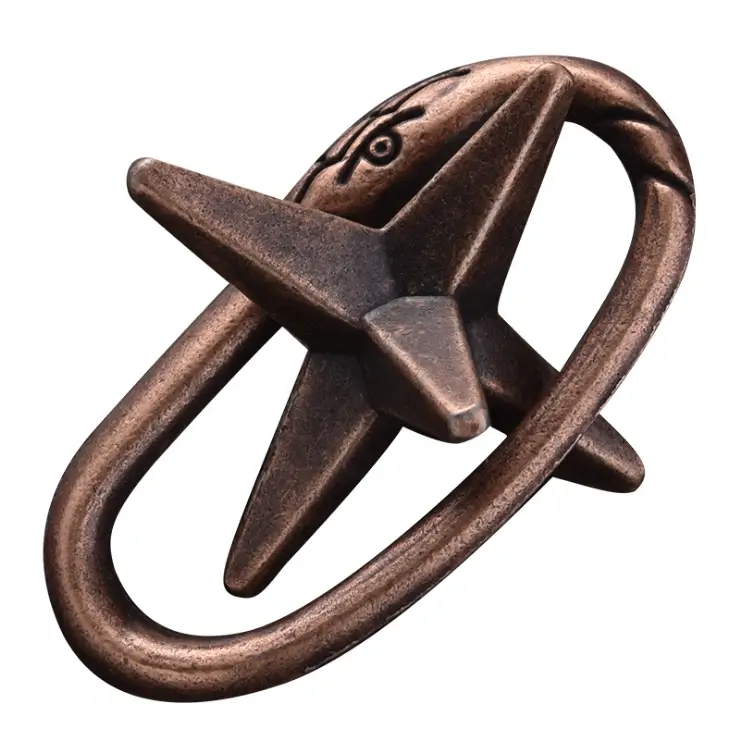
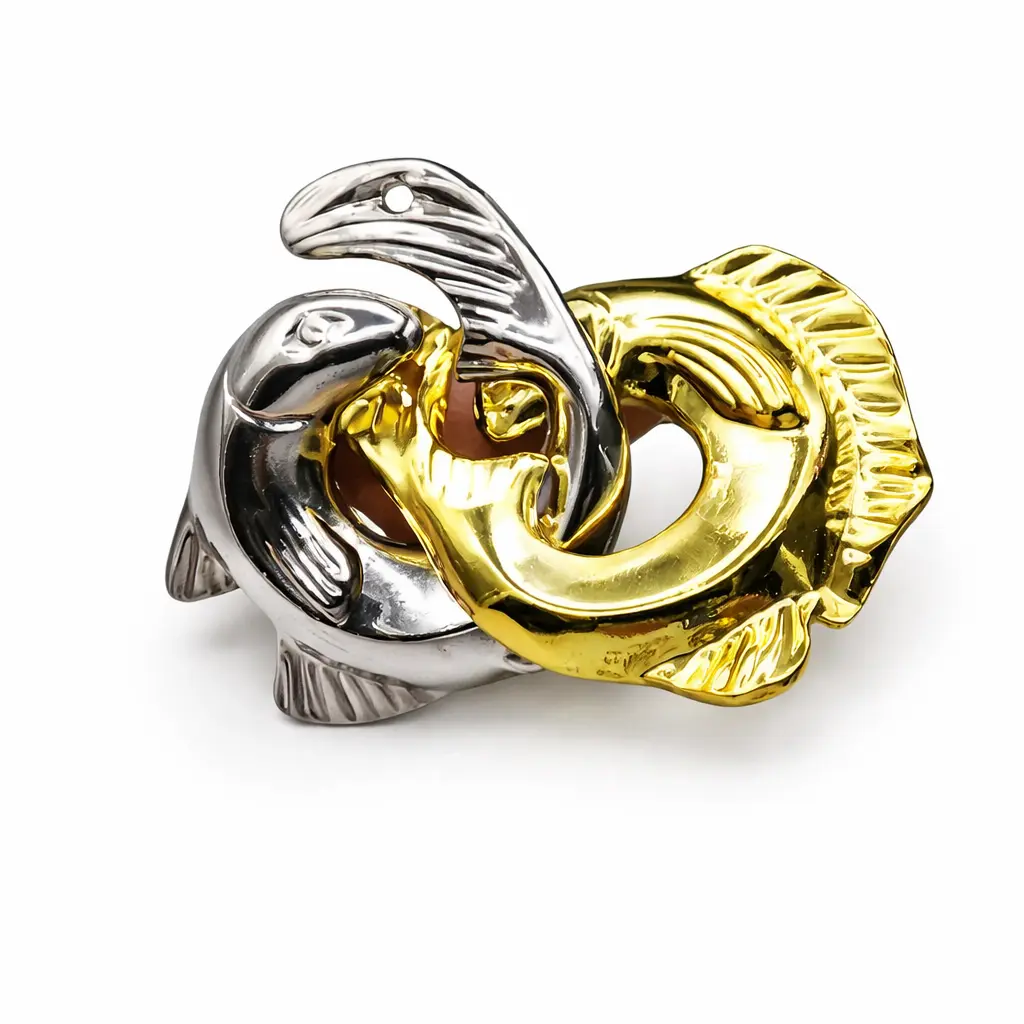
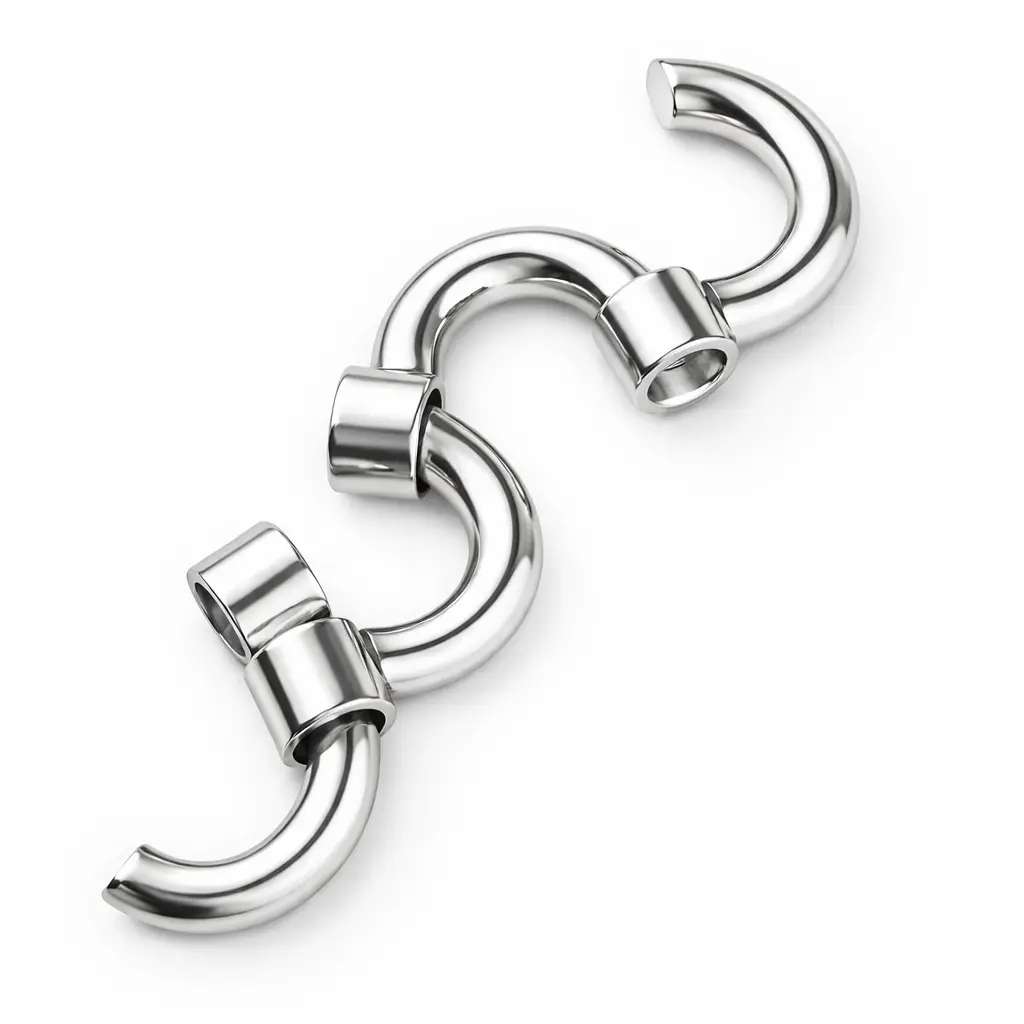
Desk fidget (budget metal puzzles) — Grab the Horseshoe Lock Puzzle ($13.00). It's small, metal, and you can fiddle with it while watching TV. The trick: you have to separate the rings without forcing them. This trains your eye to spot hidden gaps—perfect for spotting clues in a dim room.
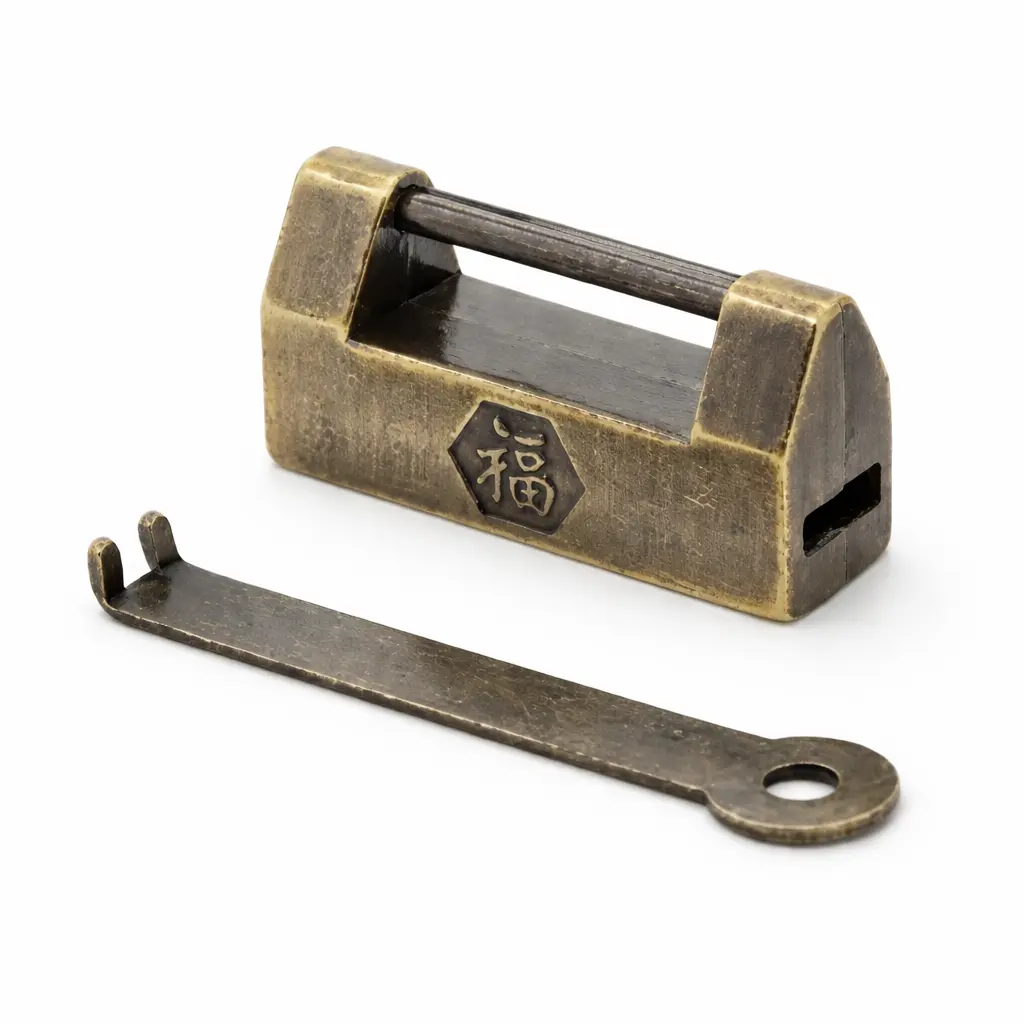
Solo challenge (lock puzzles) — Try the Chinese Old Style Fú Lock with Key ($19.99). It's a trick-opening mechanism: you think you need the key, but the real solution is a clever turn. Soloing it forces you to talk to yourself (yes, out loud), which builds the verbalization habit that saves your team.
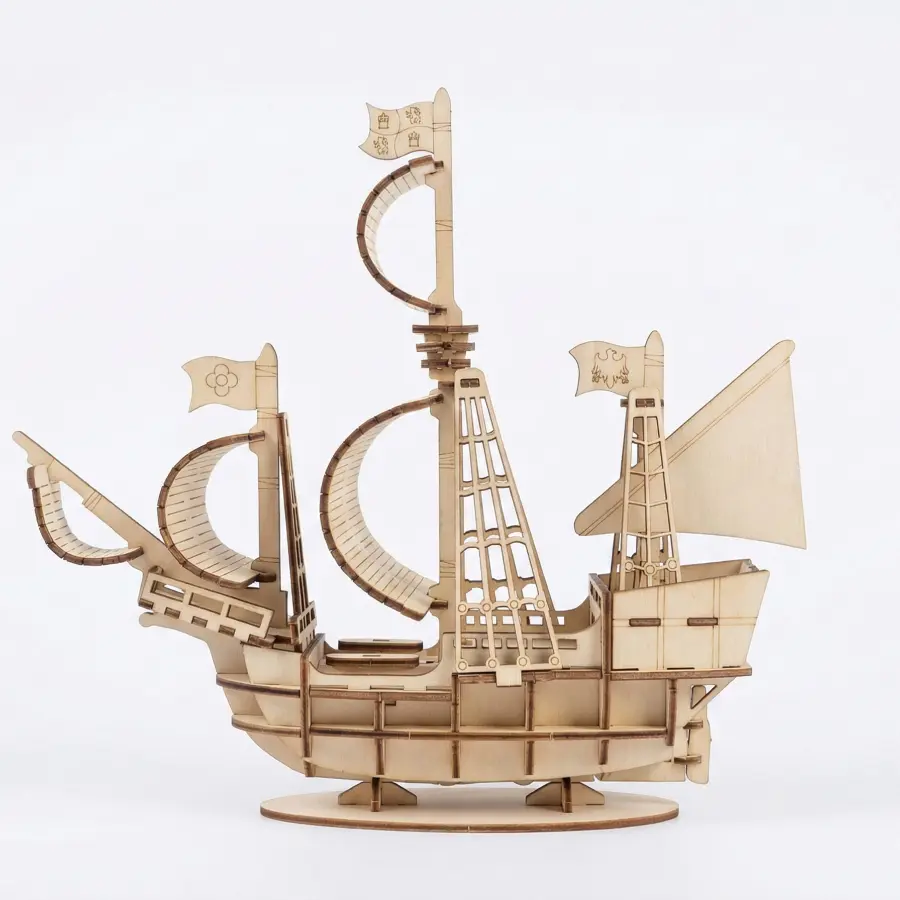
Family game night (wooden sets) — The Wooden Sailboat 3D Puzzle Kit ($25.55) is perfect. It takes two people to hold pieces and read instructions—exactly like a teamwork-heavy escape room puzzle. One person sees the shape, the other sees the notch. That's communication practice.
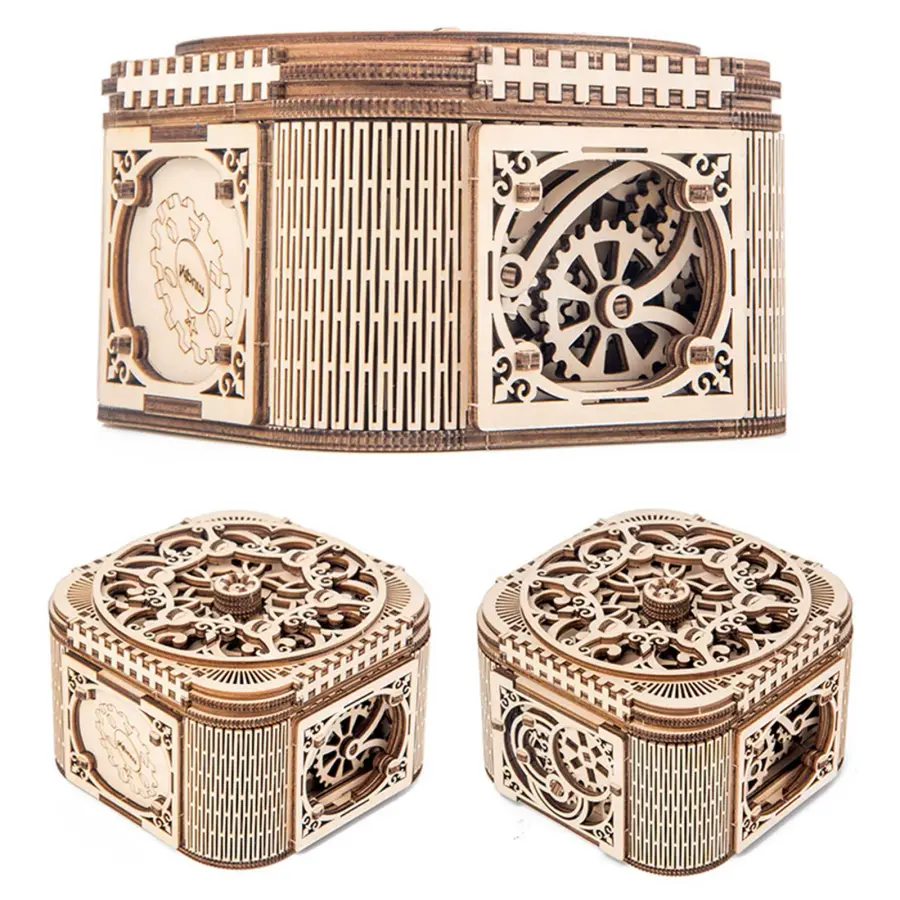
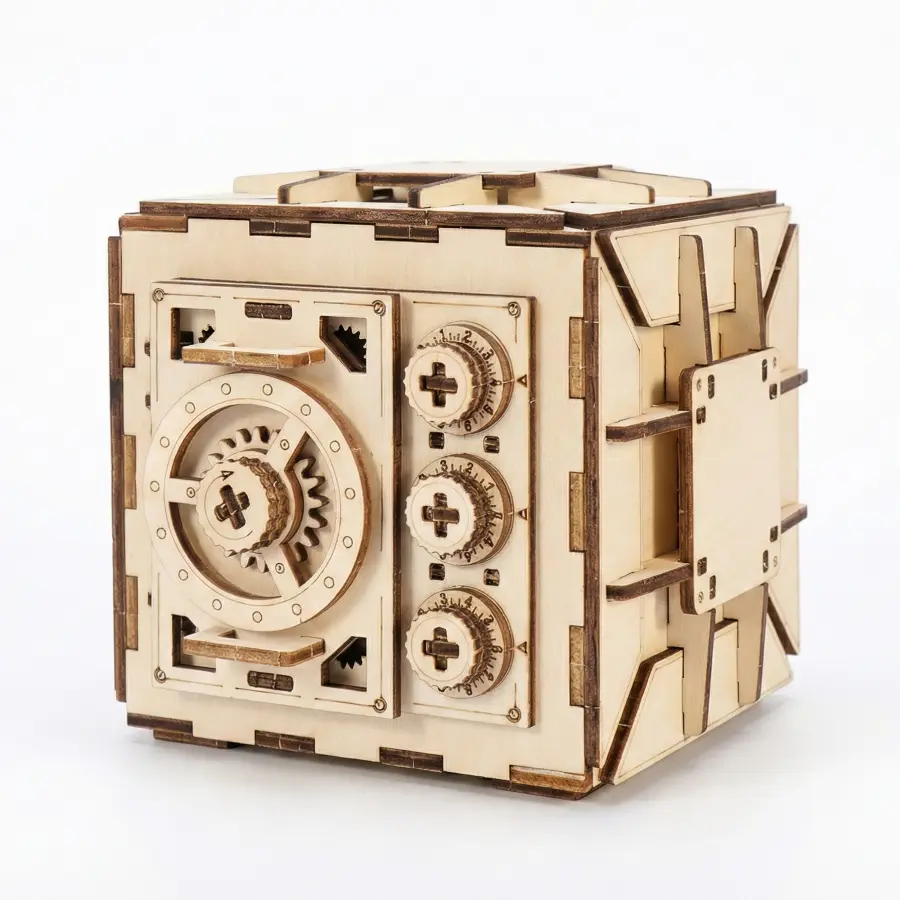
Gift (premium safe or Luban set) — The 3D Wooden Puzzle Safe with Combination Lock ($30.99) is a showstopper. It looks like a decorative box, but inside is a multi-step combination lock. Giving this to a friend says, 'I believe you can solve anything.' It also keeps the escape room buzz alive long after the hour is up.
If you want a wider selection of puzzles that mimic escape room thinking, our Escape room style metal puzzle guide has more options.
You've got this. Bookmark this page, take a deep breath, and trust that your team's got your back—and now you've got a plan. Show up, have fun, and remember: every puzzle you solve starts with one simple move.
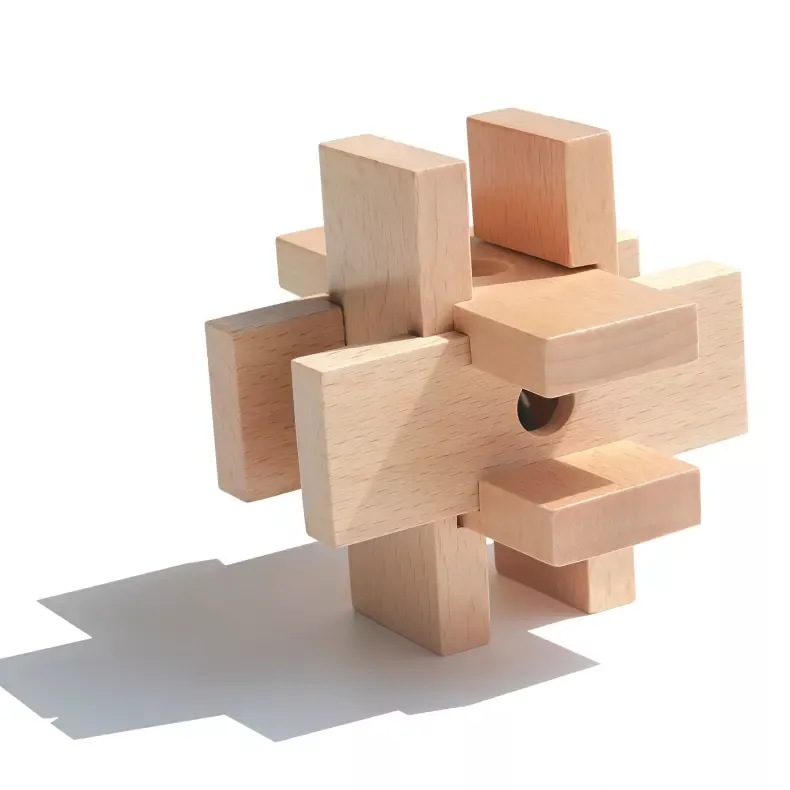
Real success story: 'I was terrified, but this strategy saved our game' – Jenna, first-timer. She used the 6 Piece Wooden Puzzle Key ($12.99) before her room and practiced verbalizing each step. Her team escaped with 3 minutes left.
If you want more mindset tools, read 'Play first, understand later'—our blog on how ancient pattern thinking helps you solve any puzzle: Play first, understand later. It's the perfect 5-minute read before bed.