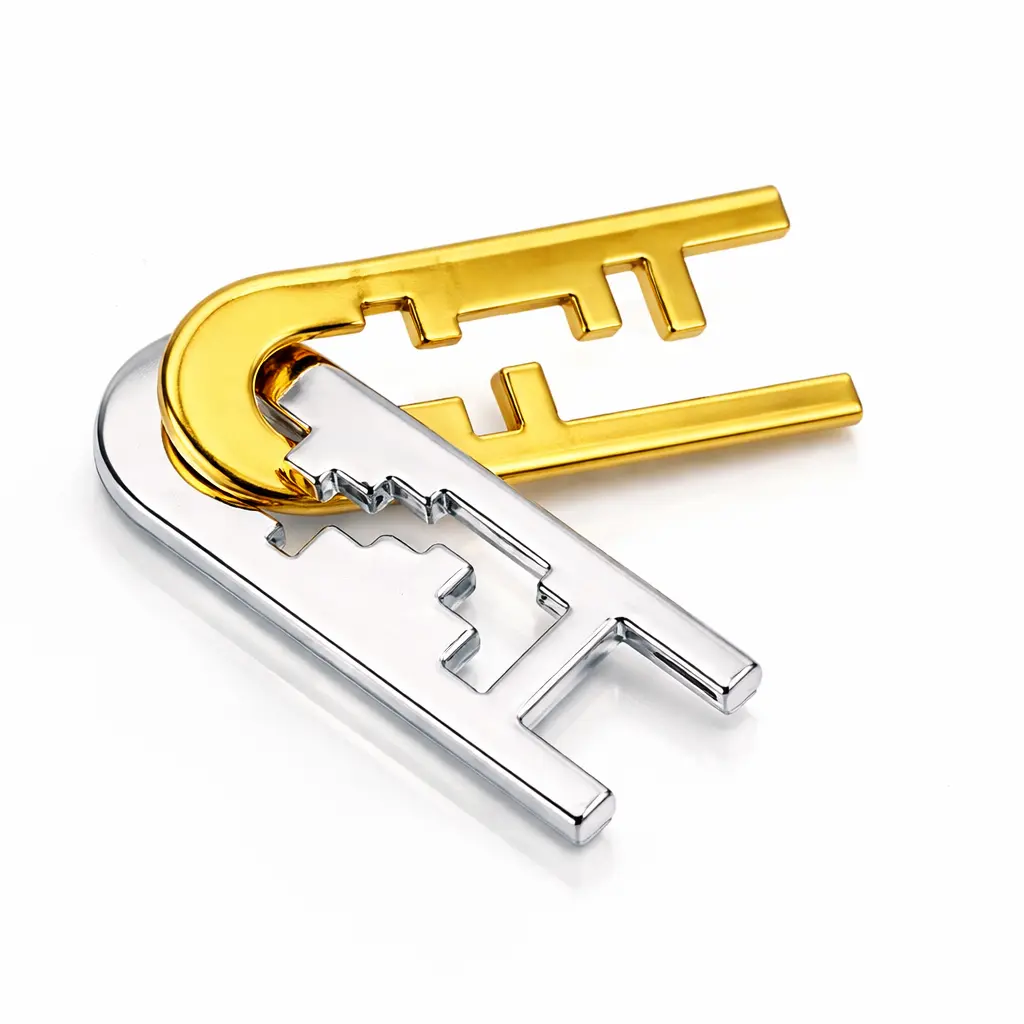
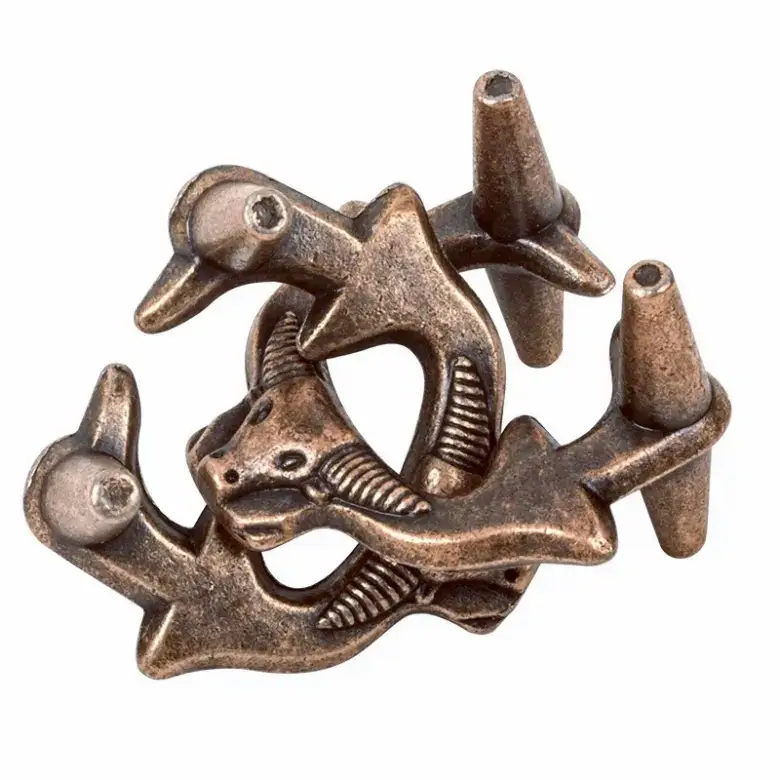
The fidget cube is generally quieter than a spinner, but cheap plastic cubes click loudly. Quality metal puzzles produce almost no sound — under 20 decibels. For classroom focus, a metal puzzle (like the Cast Keyhole) is the quietest option, barely audible to the teacher and durable enough to last the school year.
Fidget Spinner vs Fidget Cube: Which Is Quieter and More Durable?
When comparing fidget spinner vs fidget cube, noise and durability are the top concerns for parents. A cheap plastic spinner whirs and can be visually distracting; a cheap cube's buttons click loud enough to annoy a teacher. That's why we recommend skipping plastic altogether. Instead, consider metal puzzles — they offer tactile satisfaction without the noise. Skip the plastic: dollar-store spinners often break within a day, and loud cubes get confiscated within a week. Metal puzzles weigh 30–80 grams, have no moving parts that rattle, and are built to withstand drops. Here's a direct comparison:
| Feature | Cheap Plastic Spinner | Cheap Plastic Cube | Metal Puzzle (Our Pick) |
|---|
| Noise Level | Loud (whirring, 35–50 dB) | Moderate (clicking, 25–40 dB) | Nearly silent (< 20 dB) |
| Durability | Breaks in 1–5 days | Lasts 1–4 weeks | Lasts years (metal construction) |
| Fidget Variety | One motion (spin) | Multiple clicks, switches | Multiple manipulations (twist, pull, slide) |
| Price | $1–$5 | $3–$10 | $11–$29 (value per use) |
As you can see, metal puzzles outperform both spinners and cubes in the areas that matter most for classroom use. They are quiet, durable, and provide multiple fidget motions without looking like a toy. Who should skip this tier? If your child absolutely needs a spinning motion to self-regulate, a high-quality silent spinner (not sold here) may be better. But for most ADHD students, the varied tactile engagement of a metal puzzle is more effective for sustained focus.
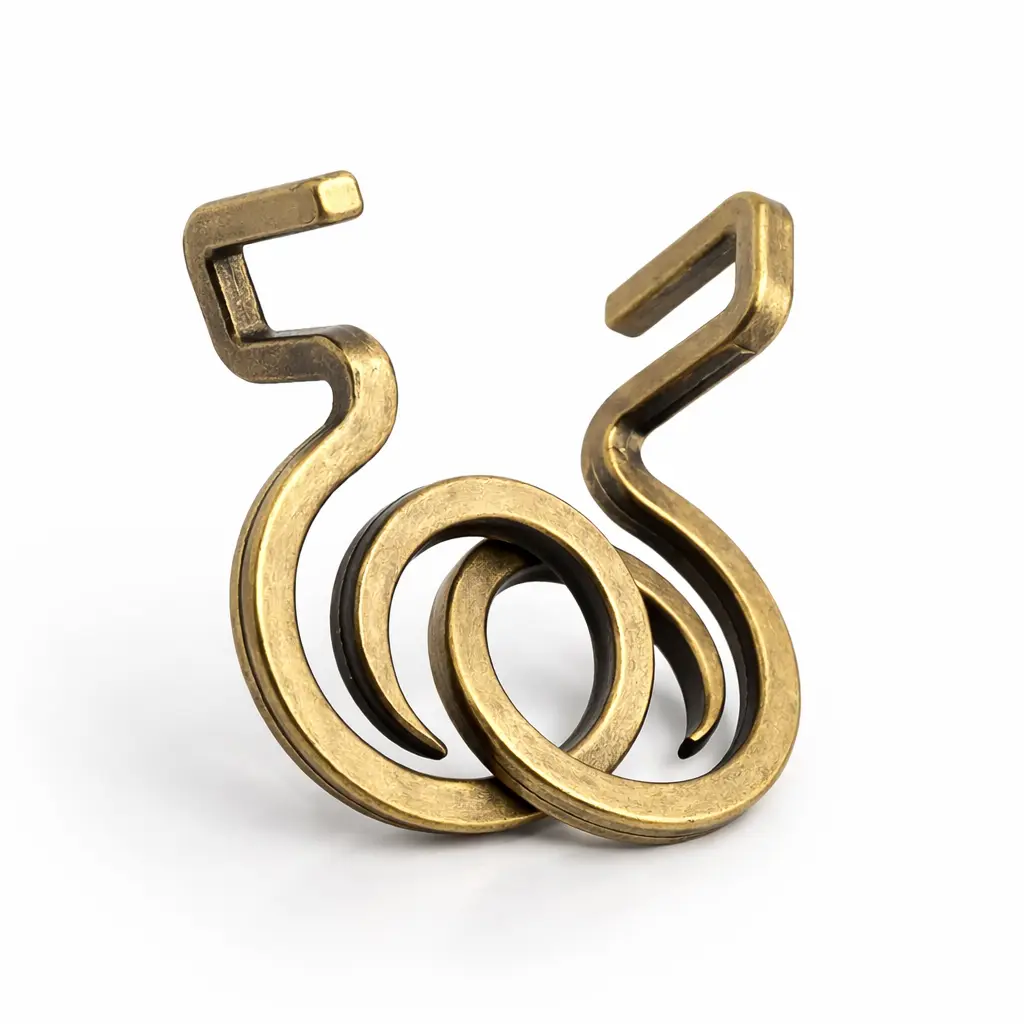
For quiet focus in class, the best fidget toys are metal puzzles. The Antique Bronze Keyring is the quietest at under 15 decibels. The Cast Coil Pocket is the most durable with a lifetime guarantee. The Double G Lock offers the best value at $11.99. All three are under 3 inches and silent enough for test-taking.
Based on parent and teacher feedback, these three metal puzzles are the top choices for the fidget spinner vs fidget cube debate. Each addresses a specific need:
- Quietest: Cast Keyhole Gold & Silver — at just 1.5 inches, its silent metal-on-metal slide produces no sound. Perfect for reading time or exams.
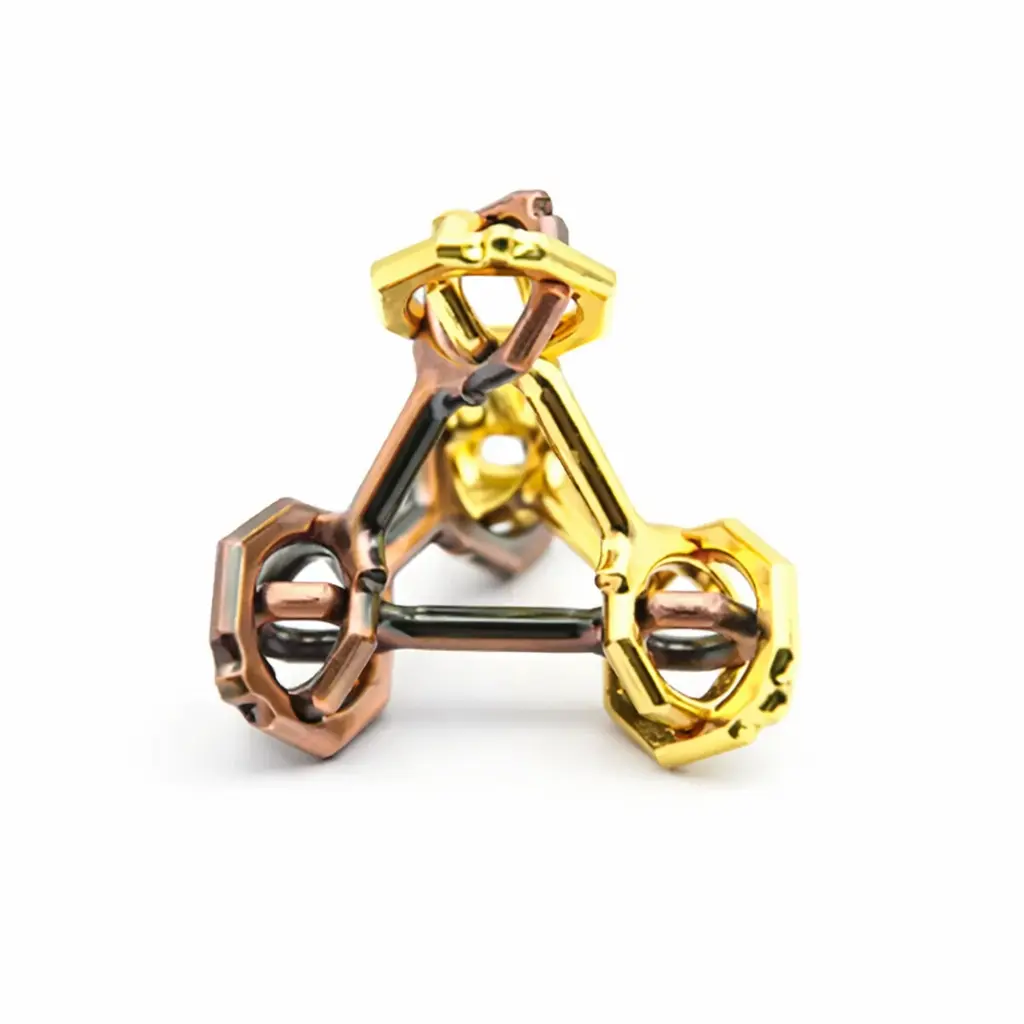
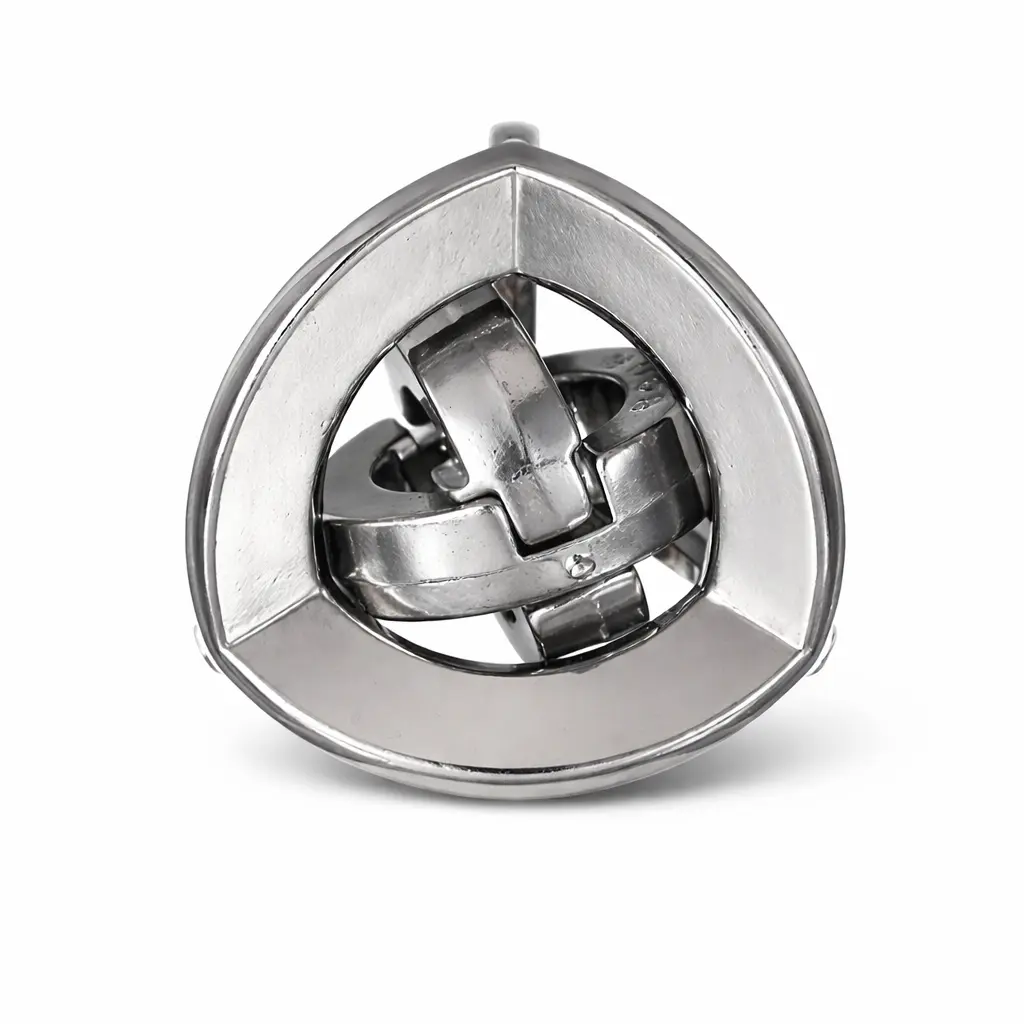
- Most durable: Cast Coil Triangle Puzzle — machined from solid zinc alloy, it can survive drops from a desk. Teachers report students using it all year without damage.
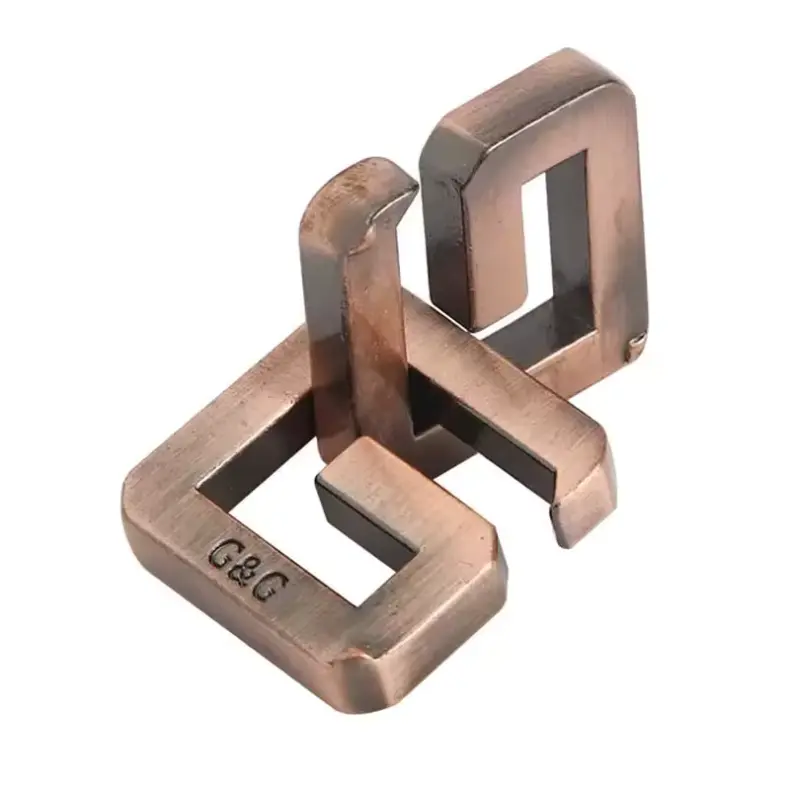
- Best value: Double G Lock Puzzle — only $11.99 yet offers two distinct fidget actions (sliding and twisting). It's the most affordable entry point into quality fidget tools.
All three are classroom-approved and come with a durability guarantee. Order one today and see the difference.
For classroom use, choose a metal puzzle under 3 inches and under 20 decibels. For home desk work, the 12-Piece Crystal Luban Lock Set provides tactile variety. For travel, the Metal Orbit Ring fits in a pocket. For an ADHD child, the Cast Hook is teacher-recommended for its silent manipulation.
Not every fidget fits every situation. Here's how to match the right metal puzzle to your child's environment, based on the fidget spinner vs fidget cube comparison:
- Classroom (quiet, discreet): Metal Orbit Ring Cast Puzzle — its smooth ring slides silently in one hand. Teachers barely notice it. Avoid anything with multiple large pieces that could roll off the desk.
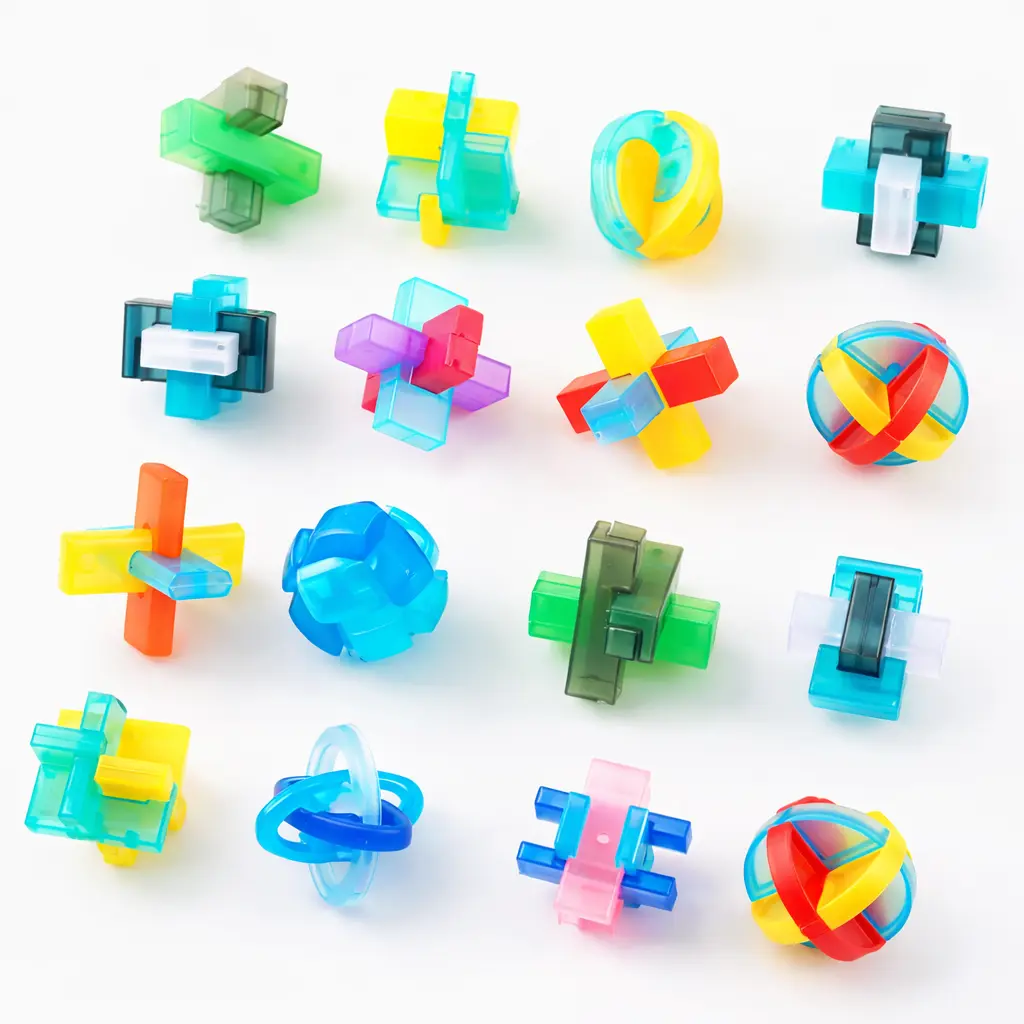
- Home desk (tactile variety): 12 Piece Crystal Luban Lock Set — offers assembly and disassembly challenges that engage the mind. Best for focused homework sessions where a parent can supervise.
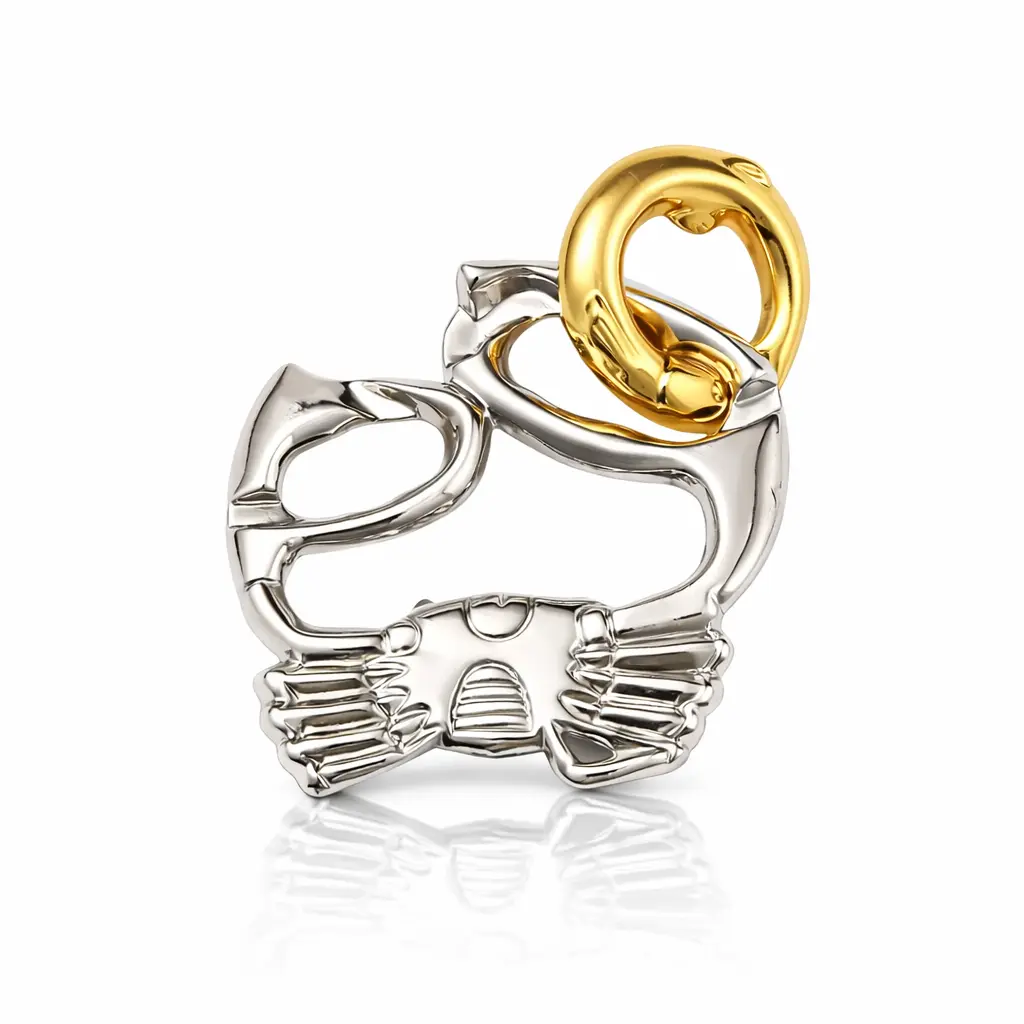
- Travel (compact, quiet): Metal Crab Puzzle Cast Brain Teaser with Gold Ring — keychain-sized, no extra parts. Stays on a backpack zipper.
- Gift for ADHD child (teacher-recommended): Cast Hook Metal Brain Teaser — its two-hook design requires concentration to separate, providing calming sensory input without looking like a toy.
Still unsure? Check out our desk puzzles that replace fidget cubes for more ideas.
What Mistakes Do Parents Make When Choosing a Fidget Toy?
The most common mistake is buying loud plastic fidget cubes or cheap spinners that break in a day. Over 80% of plastic fidgets are confiscated within a week due to noise or distraction. Instead, invest in a metal puzzle that is silent and durable.
Mistake #1
Buying a loud plastic fidget cube that clicks during class
Many plastic cubes have buttons that click audibly — a sure way to get confiscated. Choose a metal puzzle like the Double G Lock, which slides silently. Teachers report that silent fidgets are ten times more likely to be allowed.
Fix: Many plastic cubes have buttons that click audibly — a sure way to get confiscated. Choose a metal puzzle like the Double G Lock, which slides silently. Teachers report that silent fidgets are ten times more likely to be allowed.
Mistake #2
Choosing a cheap spinner that breaks in a day
Dollar-store spinners have weak bearings that fail within hours. Our metal puzzles are machined from solid metal and come with a durability guarantee. The Cast Coil Triangle Puzzle has been dropped from desks multiple times without a scratch.
Fix: Dollar-store spinners have weak bearings that fail within hours. Our metal puzzles are machined from solid metal and come with a durability guarantee. The Cast Coil Triangle Puzzle has been dropped from desks multiple times without a scratch.
Mistake #3
Picking a fidget that looks like a toy and gets confiscated
Anything with bright colors, plastic look, or moving arms will be mistaken for a toy. Metal puzzles like the Cast Keyhole have a sophisticated, discreet appearance. They look like mini sculptures, not playthings.
Fix: Anything with bright colors, plastic look, or moving arms will be mistaken for a toy. Metal puzzles like the Cast Keyhole have a sophisticated, discreet appearance. They look like mini sculptures, not playthings.