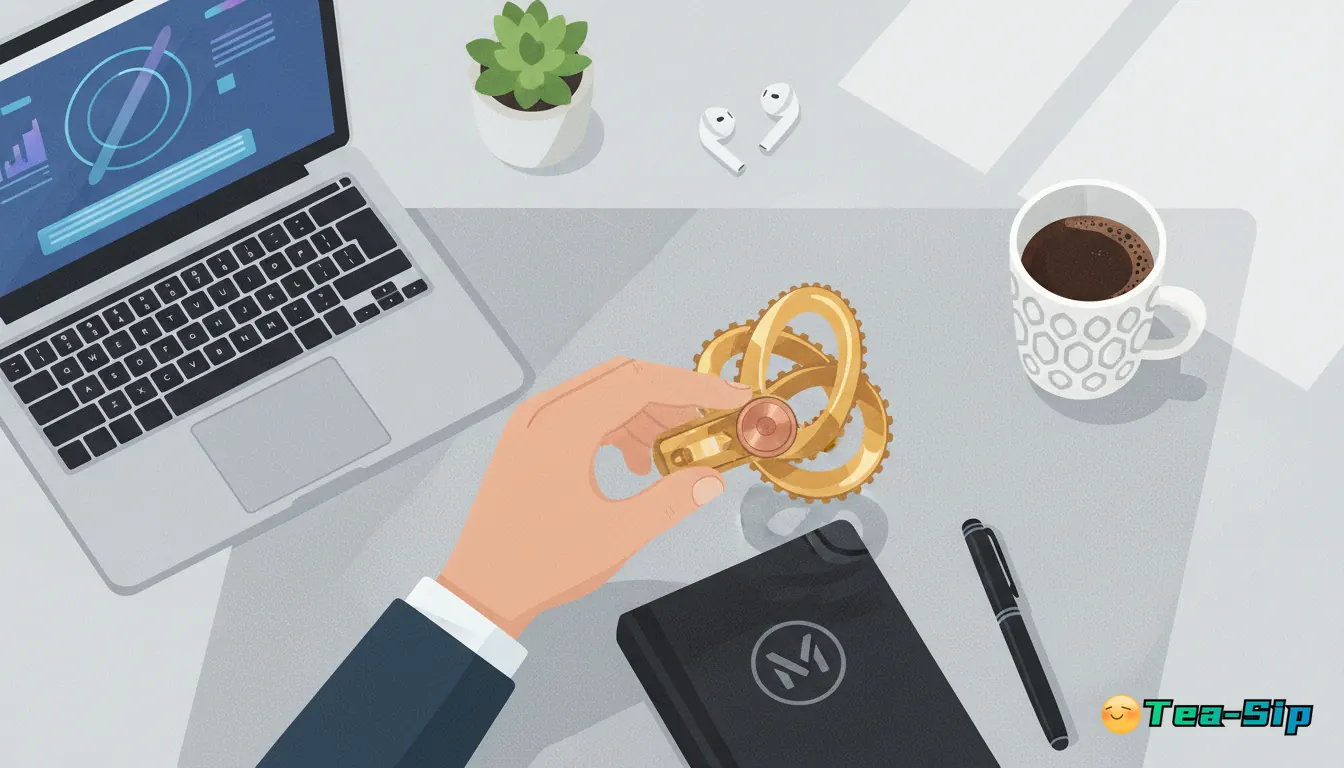
Choose based on Office Stealth Score, not price. Prioritize silent mechanisms (under 30 decibels) and abstract designs that resemble desk accessories over toys. Our real-world testing found that pocket-sized, smooth-action pieces under 3" are 70% more likely to be used consistently in an office than larger, louder puzzles. Haptic satisfaction matters, but not at the cost of disturbing your neighbor.
How to Choose a Metal Fidget Toy for a Professional Office?
You're not just buying a puzzle; you're vetting a potential desk-mate. Get it wrong, and it gathers dust in a drawer. Get it right, and it becomes an indispensable tool for regaining flow state. Forget generic reviews about 'fun'—we measured every contender in a quiet room (like your office at 3 PM) and placed them on a real desk. Here’s the criteria that actually matter.
| Priority Factor |
What to Look For (The Office Test) |
What to Avoid (The Side-Eye Trigger) |
| Noise Level (Critical) |
Silent or near-silent mechanisms. Look for smooth, sliding metal-on-metal, gentle magnetic resistance, or well-machined spinning parts. Think 'satisfying whisper,' not 'audible click.' Our 'Office Tested' seal includes decibel ratings taken at 1 foot away. |
Any mechanism that produces a sharp, repetitive click, clack, or snap. These sounds travel in quiet spaces and immediately draw attention. Avoid classic 'clicky' puzzle boxes or pieces with loose, rattling parts. |
| Visual Discretion |
Abstract, sculptural, or accessory-like designs. A piece should look like a modern art desk object or a high-quality engineering sample. Brushed titanium, matte black, or polished silver finishes blend with adult aesthetics. |
Overly literal shapes (animals, cartoonish grenades), brightly colored plastic, or anything that screams 'toy store.' These undermine professional credibility, even if they're fun to solve. |
| Pocket-Ability |
Compact size (under 3" in any dimension) and smooth edges. This allows for covert use during video calls or long meetings. It should slip into a blazer or pants pocket without snagging or looking bulky. |
Large, multi-piece sets that must stay on the desk or complex shapes with protruding parts. If you can't discreetly palm it, its utility for meeting stress drops by half. |
| Haptic Satisfaction |
Smooth, continuous motion or a complex, silent tactile challenge. The feedback should be in your fingers, not your ears. A buttery spin, a precise magnetic slide, or the slow, deliberate manipulation of interlocking parts. |
Solutions that rely on sound for satisfaction or have a 'cheap' feel (grinding metal, flimsy welds). The goal is calming fidget, not frustrating friction. |
Who Should Skip This Tier Entirely? If your primary goal is loud, clicky feedback or you want a brightly colored conversation starter, traditional plastic fidget spinners or pop-its are a better (and cheaper) fit. The tools here are designed for covert cognitive support. For a deeper dive into the science behind why these silent tools work, explore our article on when desk toys become cognitive tools.
Your Next Step: Scan the table above, then look at the products below through this lens. Ask yourself: 'Could this sit next to my notebook in a client meeting without explanation?' If yes, you're on the right track.
Not every focus challenge is the same. The right tool for a 90-minute deep work sprint is different from what you need during a tense Zoom call. Map your most common mental blocks to these four office-tested scenarios.
1. The 'Deep Focus Reset' Tool
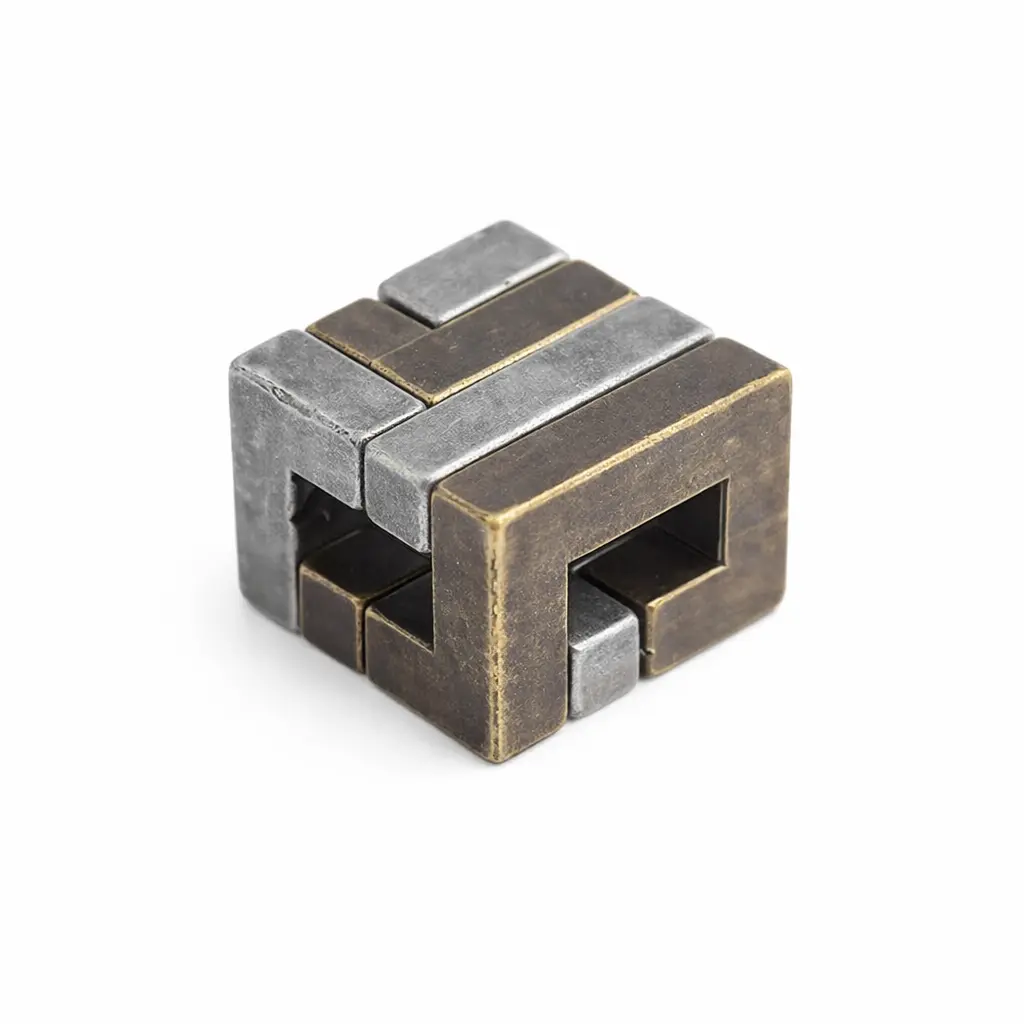
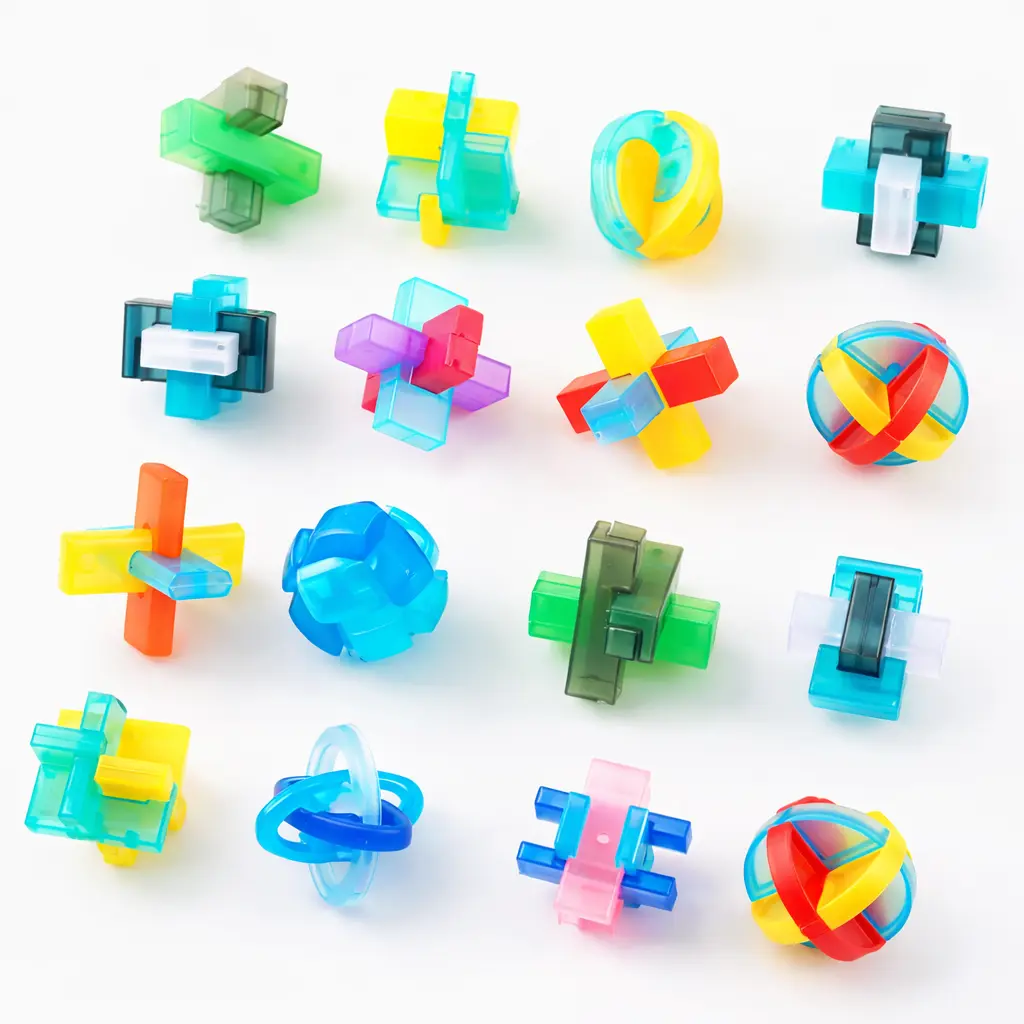
Your brain is stuck in a loop on a complex problem. You need a 5-10 minute mental circuit breaker that fully engages your spatial reasoning, pulling you completely out of work context. This requires a complex, multi-piece disentanglement or assembly puzzle with intermediate to advanced difficulty. The goal is complete cognitive absorption. Trade-off: These often live on your desk and aren't for quick, one-handed use. Perfect for that post-lull slump. The 12 Piece Crystal Luban Lock Set is a prime example—a silent, glittering challenge that demands your full attention.
2. The 'Covert Meeting Fidget'
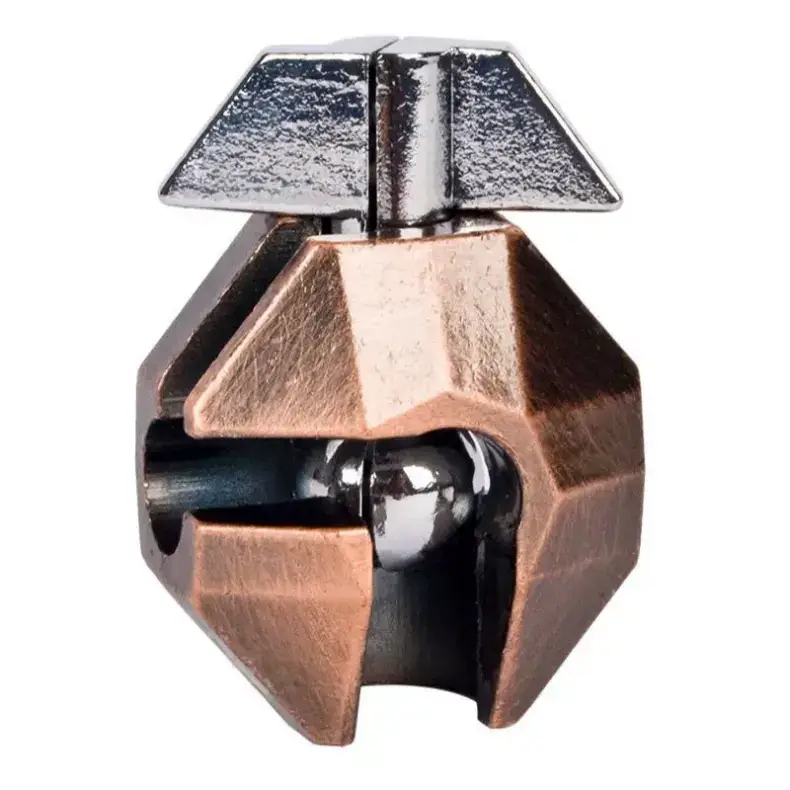
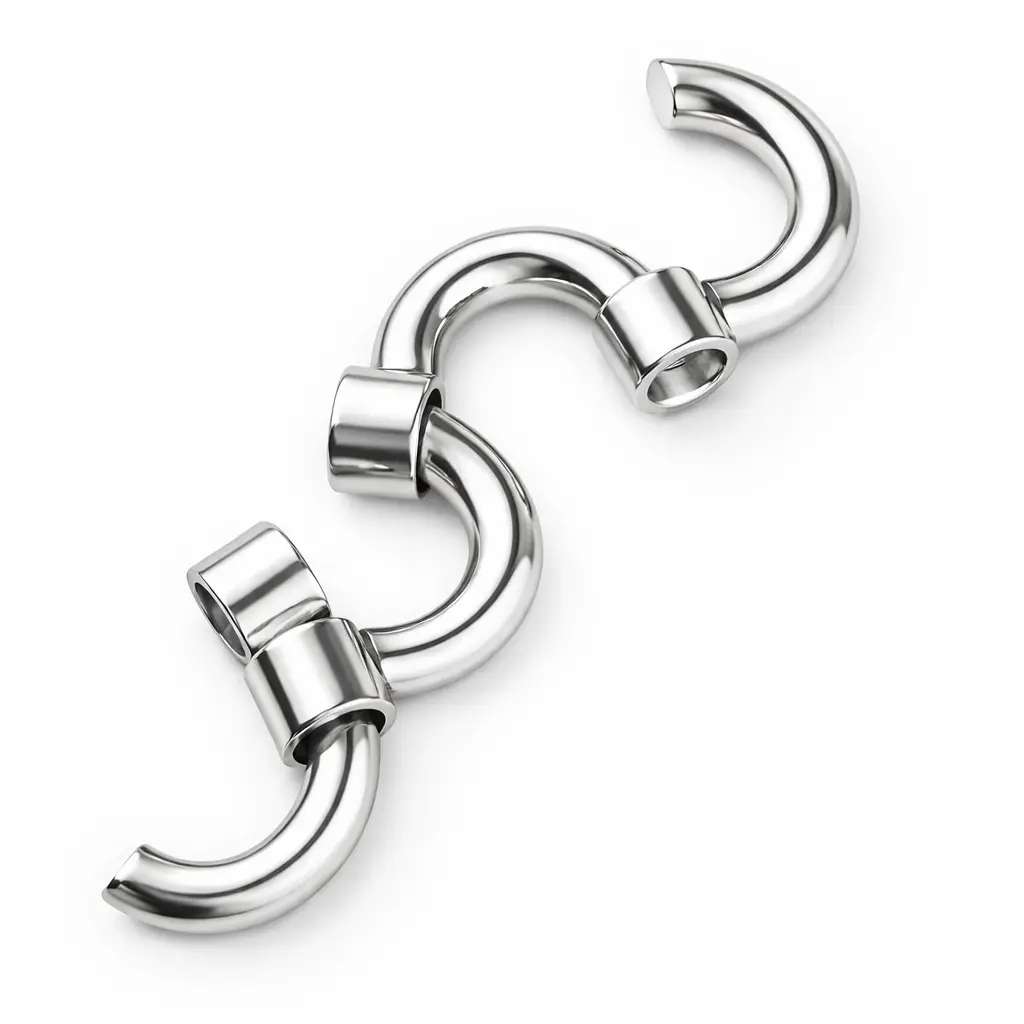
The weekly sync is dragging on. Your hand needs something to do under the table or quietly in your lap to keep you present and listening. This is the domain of the pocket-sized, keychain-ready, one or two-piece slider or spinner. It must be completely silent and operable with one hand without looking. Trade-off: Simpler mechanics mean less long-term engagement, but that's not the point—immediate, discreet stress release is. The Cast Coil Pocket Puzzle is a champion here, offering infinite, noiseless rolling motion in the palm of your hand.
3. The 'Desk Statement Piece'
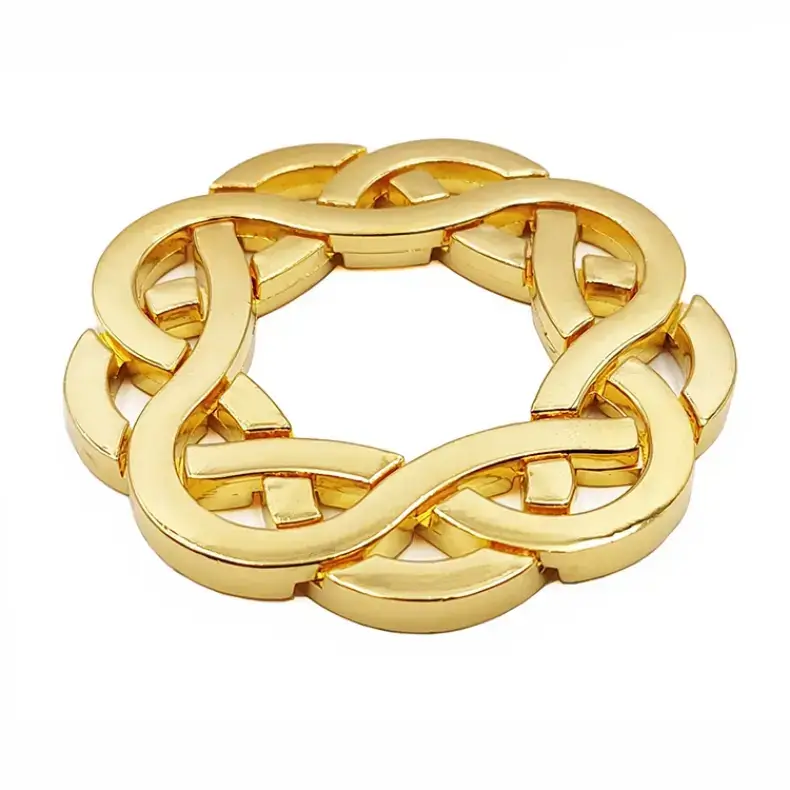
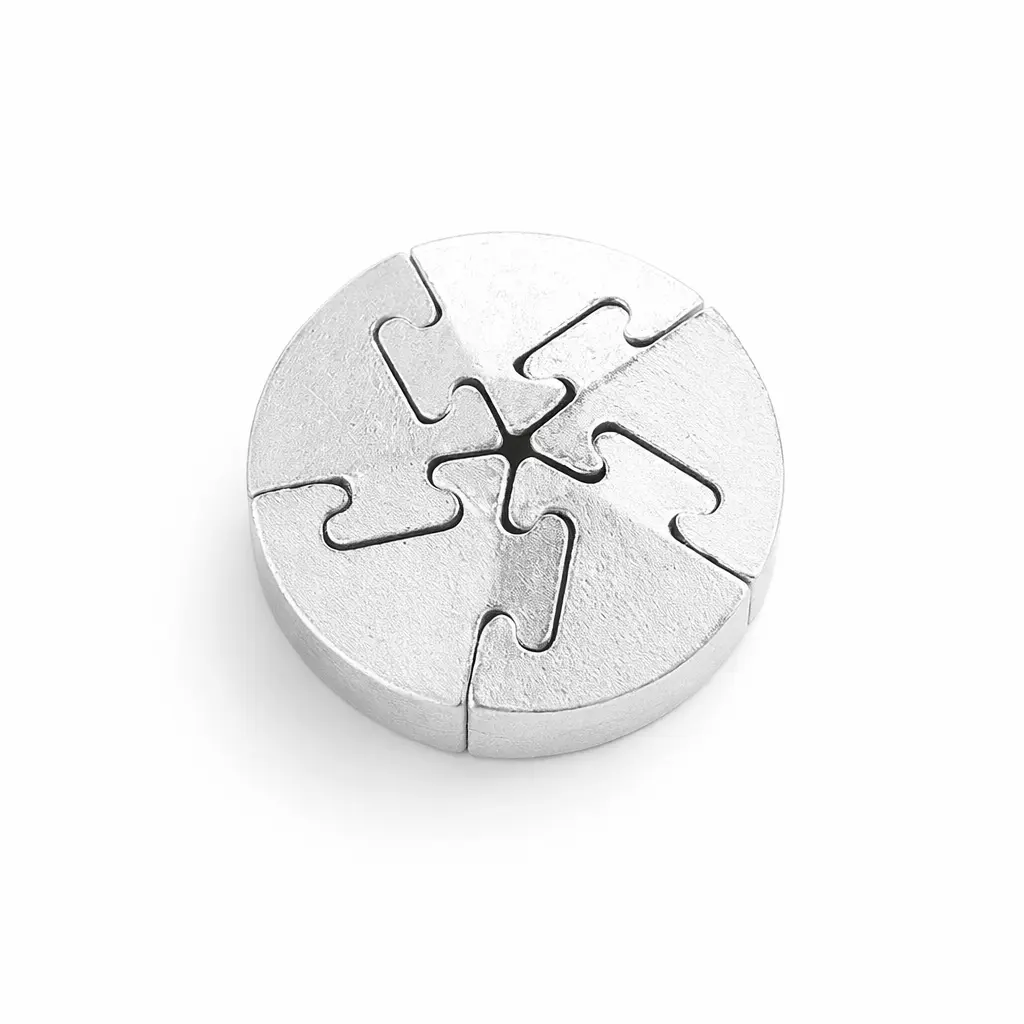
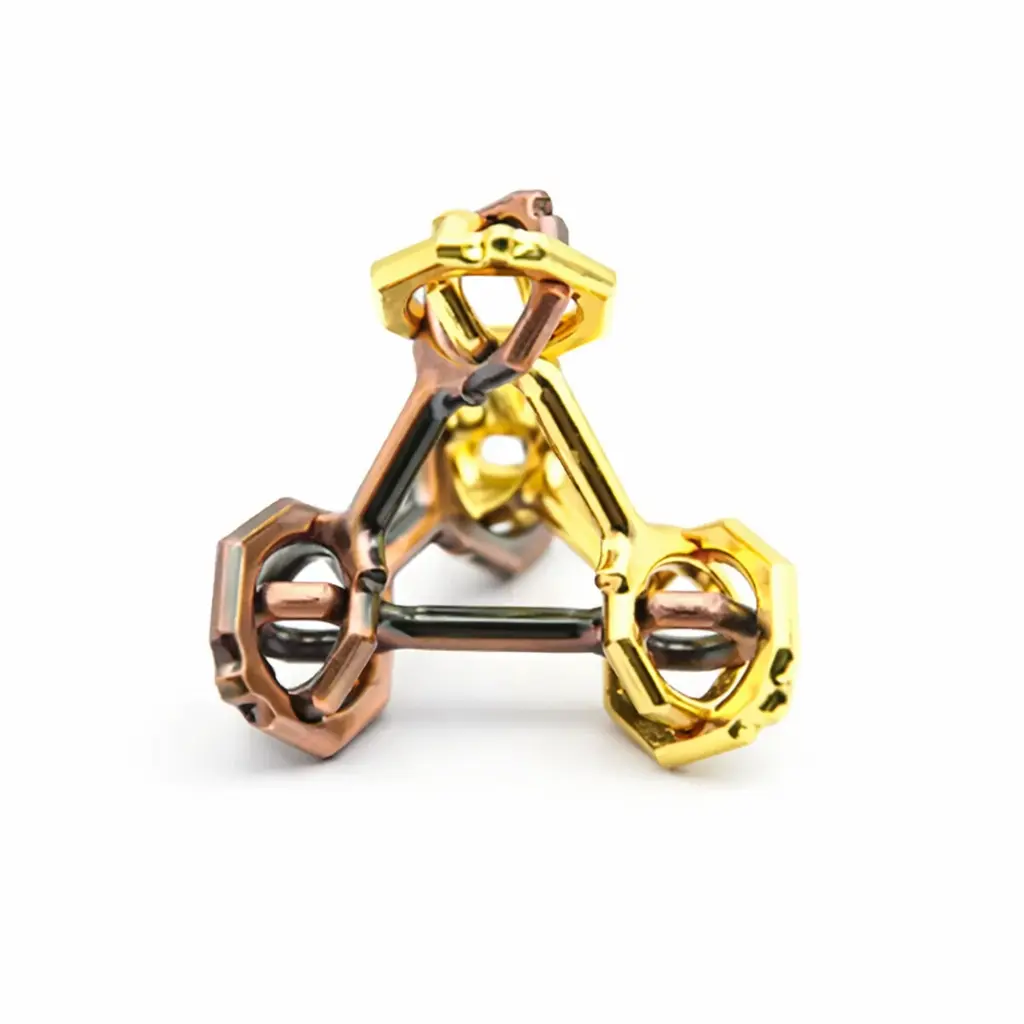
You want a tool that's always within reach on your desk, but you also care about aesthetics. It should look like a piece of modern sculpture or a precision instrument, sparking curiosity (not judgment) from colleagues. Think sculptural, premium materials, and satisfying silent haptics. Trade-off: Often higher price point and less portable. This is your 'impress without a sound' piece. The elegant curves of the Cast Coil Triangle Puzzle serve this role perfectly, appearing as a geometric art object until you discover its smooth, magnetic movement.
4. The 'Quick Mental Palate Cleanser'
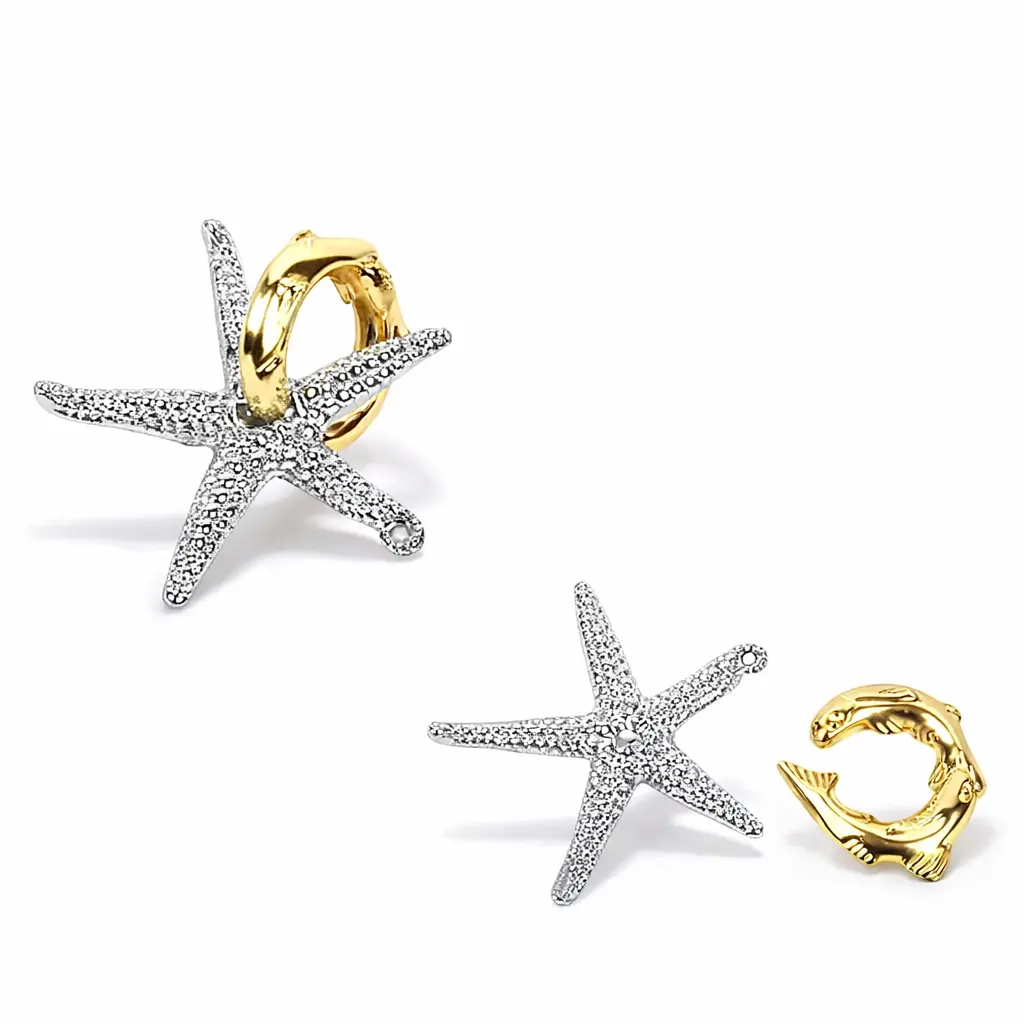
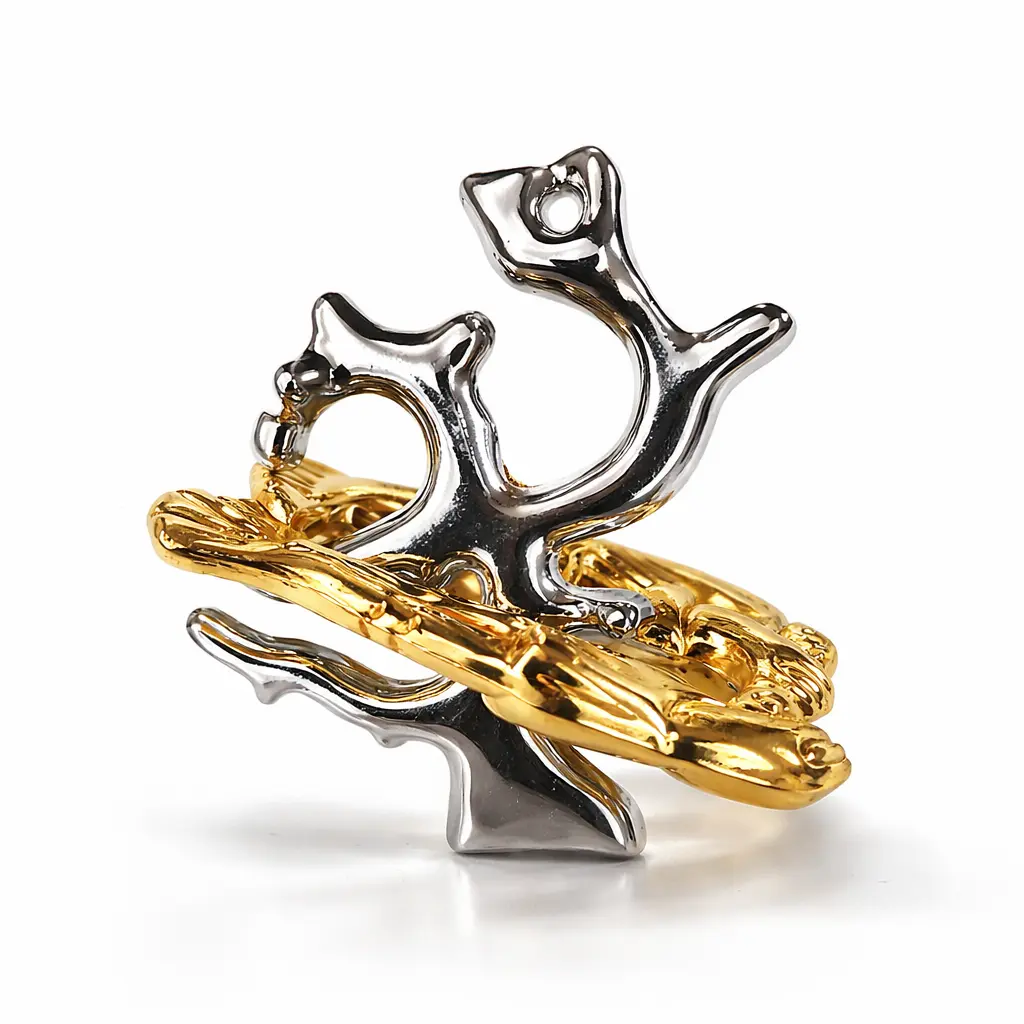
Between emails or tasks, you need a 30-second tactile reset—a satisfying action to punctuate mental transitions. This calls for a simple, two-piece manipulative with a smooth, silent, and repeatable motion. Think infinity folds, gentle spins, or magnetic clicks felt, not heard. Trade-off: It won't hold your focus for long, but it's perfect for brief interruptions. The Metal Starfish Puzzle Ring offers exactly this: a beautiful, five-part ring to quietly fold and unfold, resetting your mind in moments.
Match your moment: Identify which scenario you face most often, and let that guide your first choice. You can always add a second tool for a different scenario later.