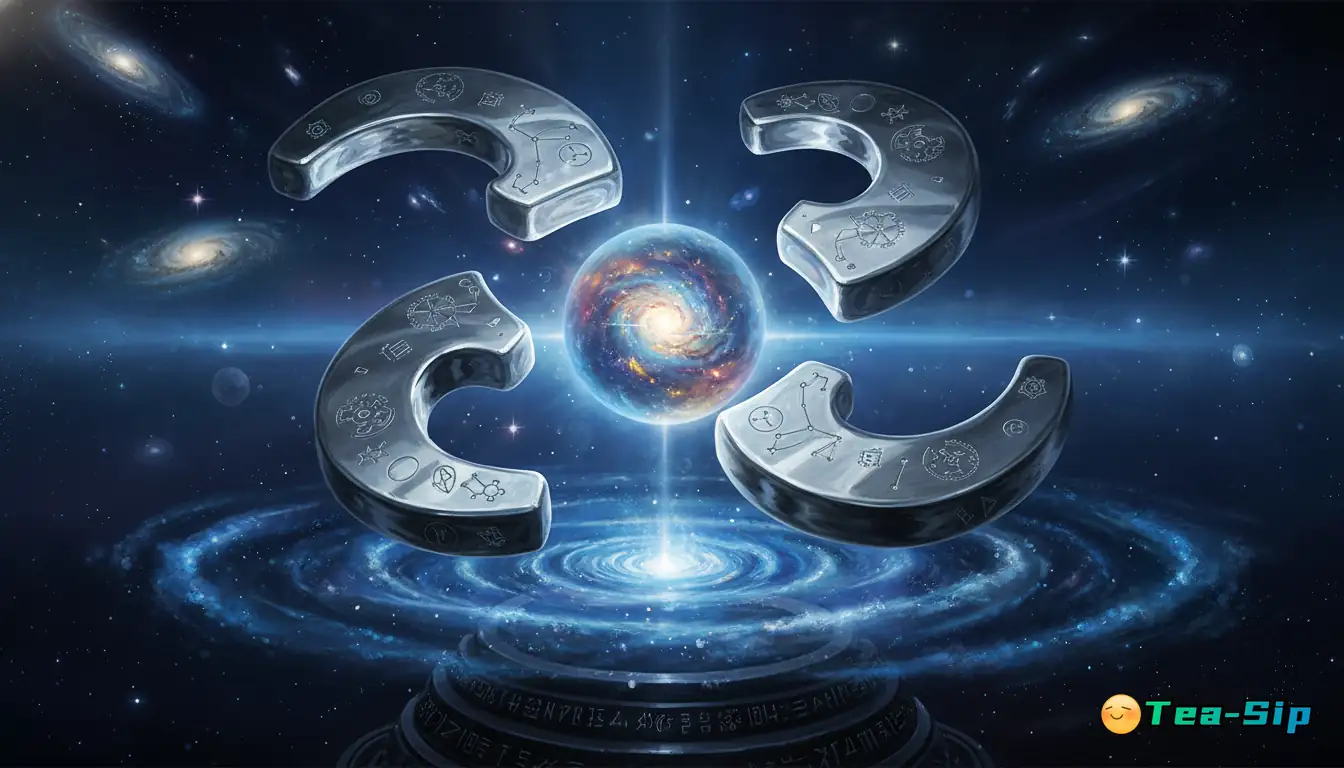
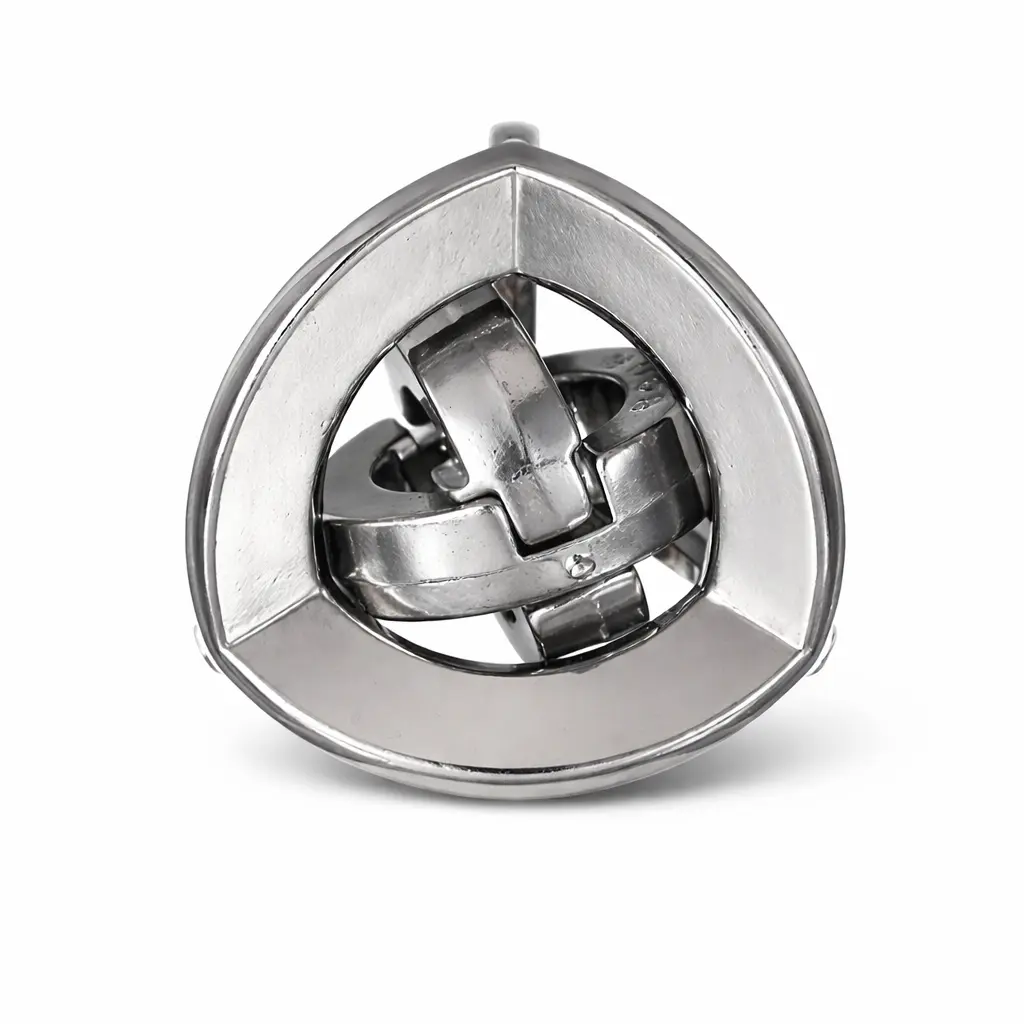
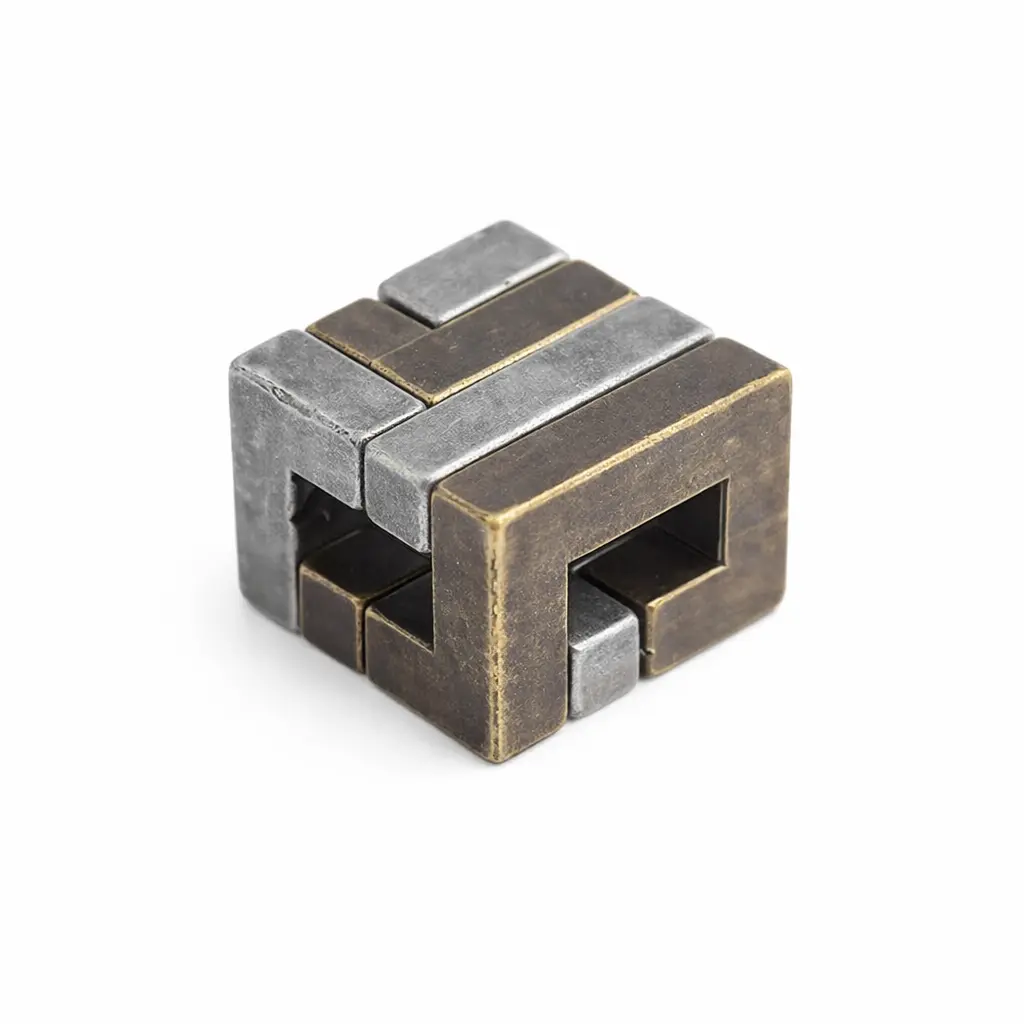
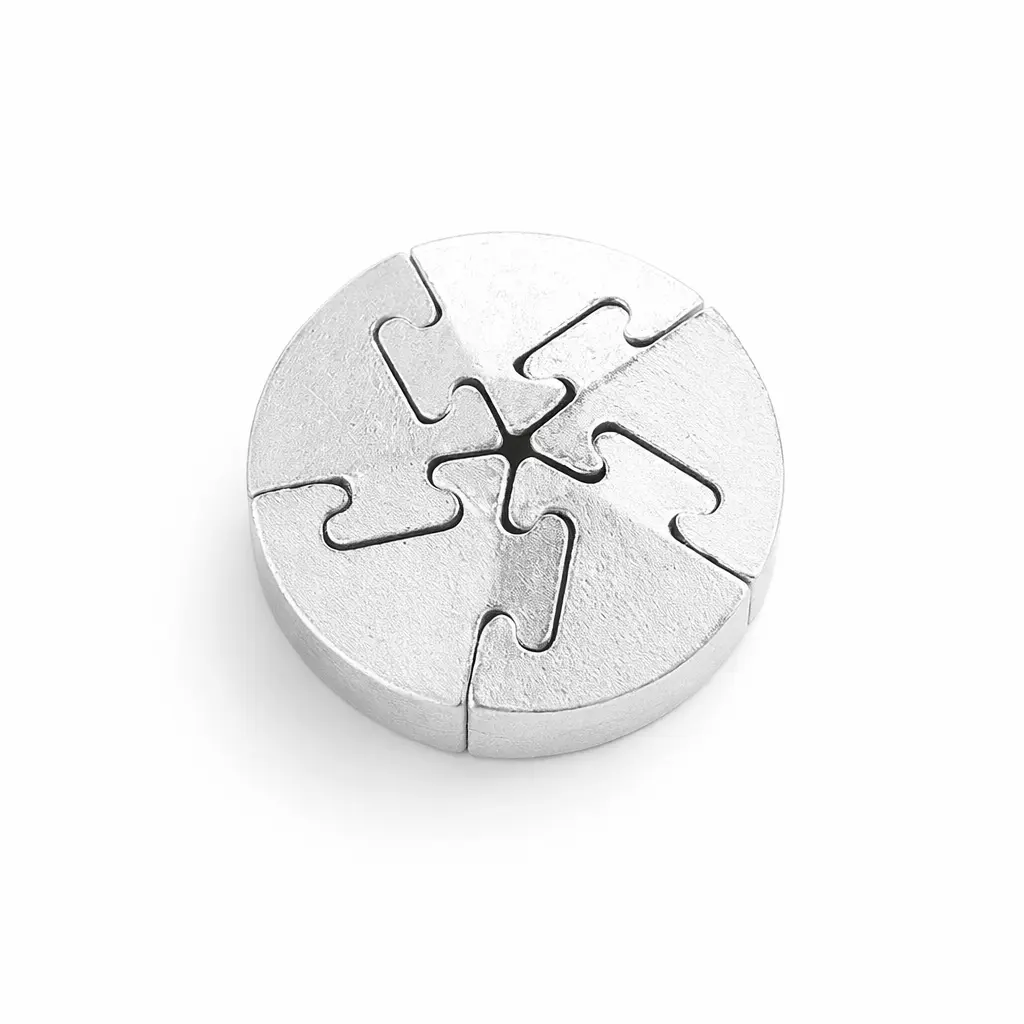
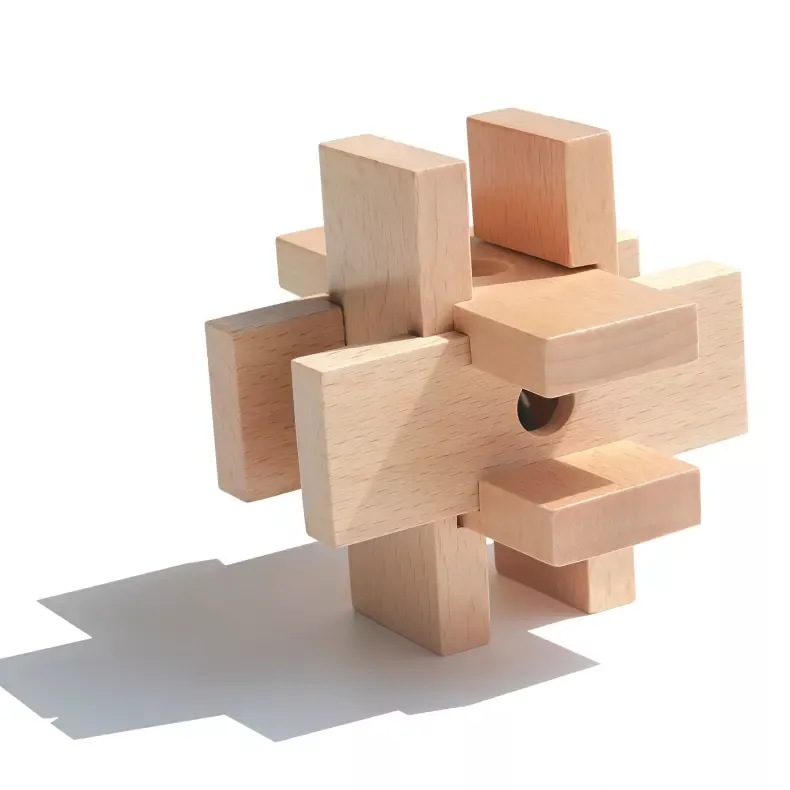
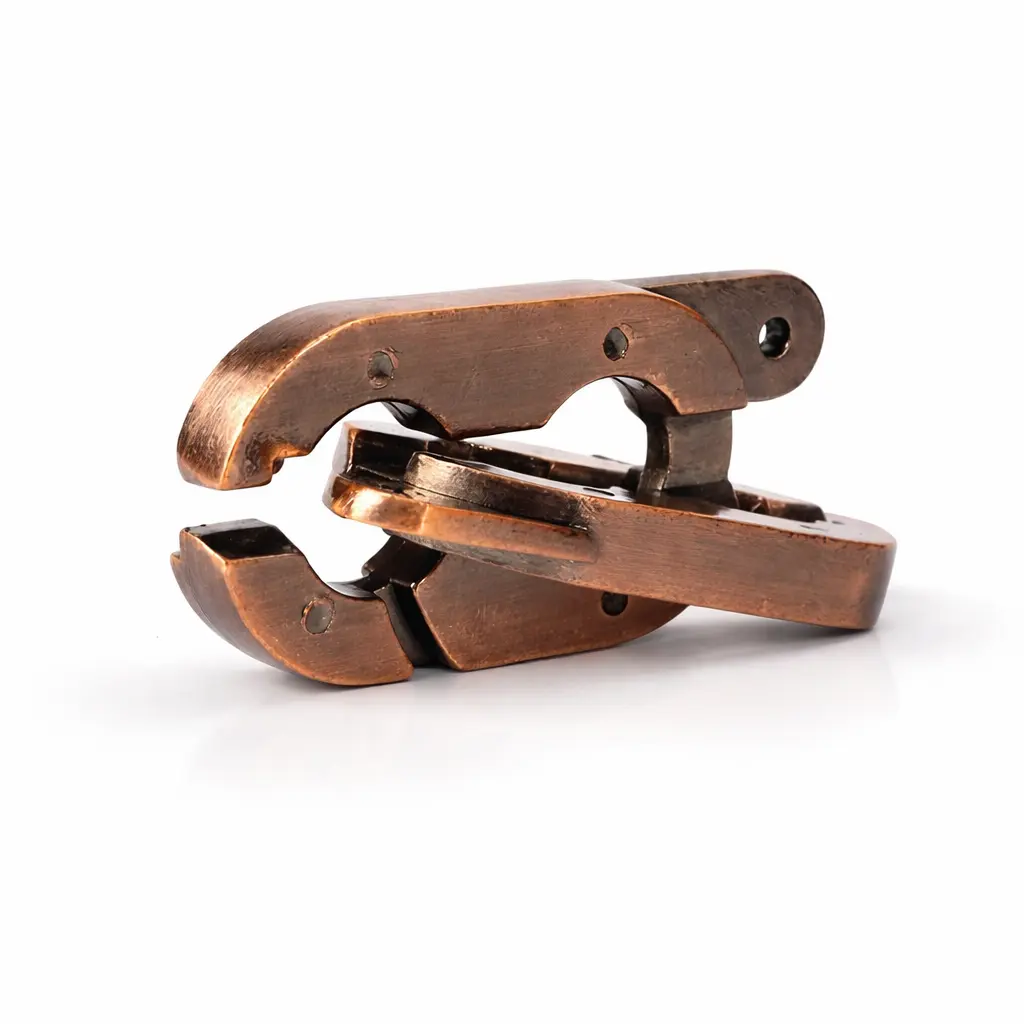
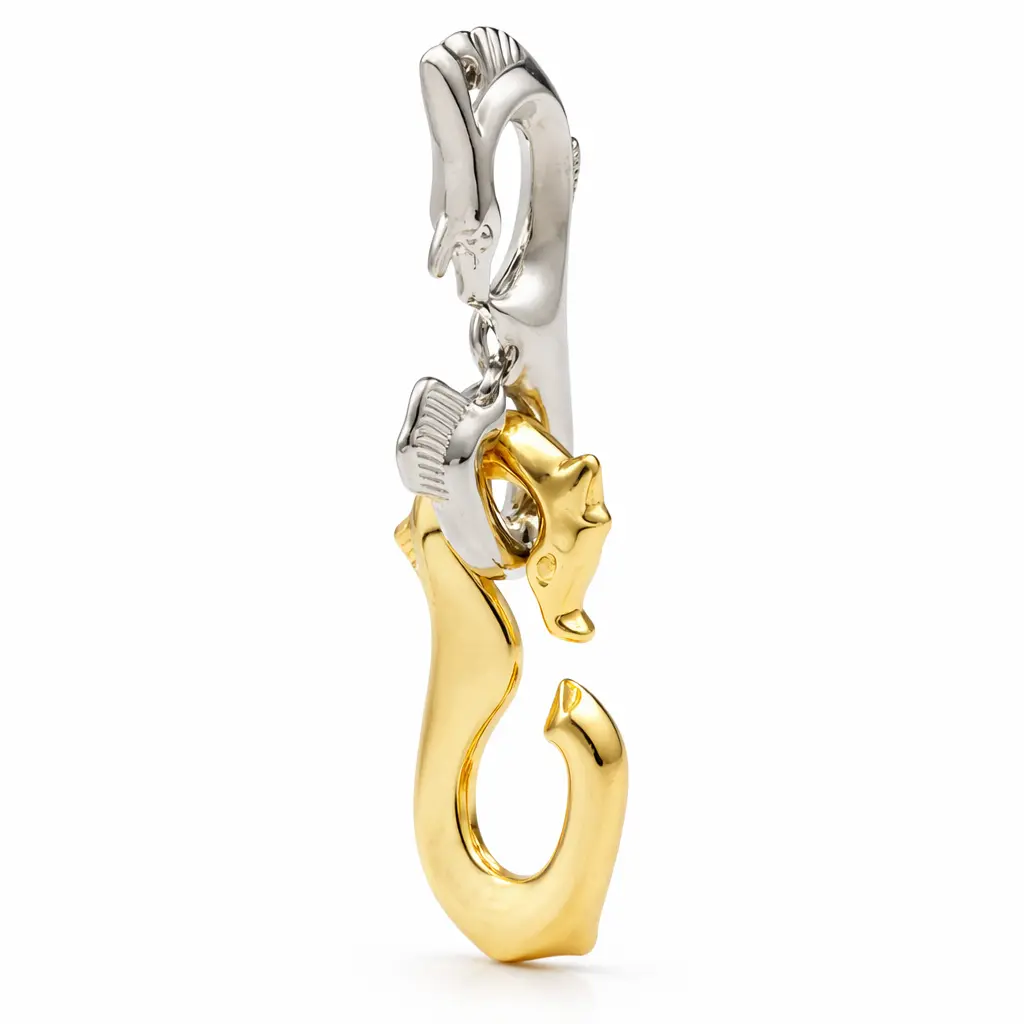
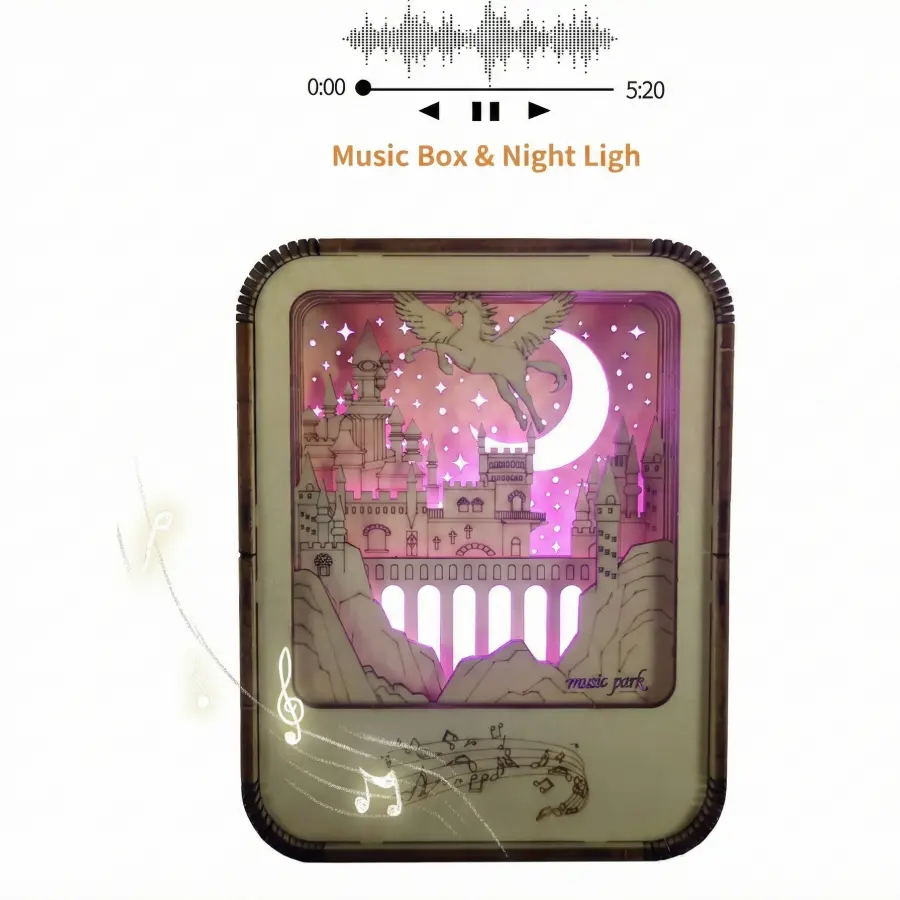
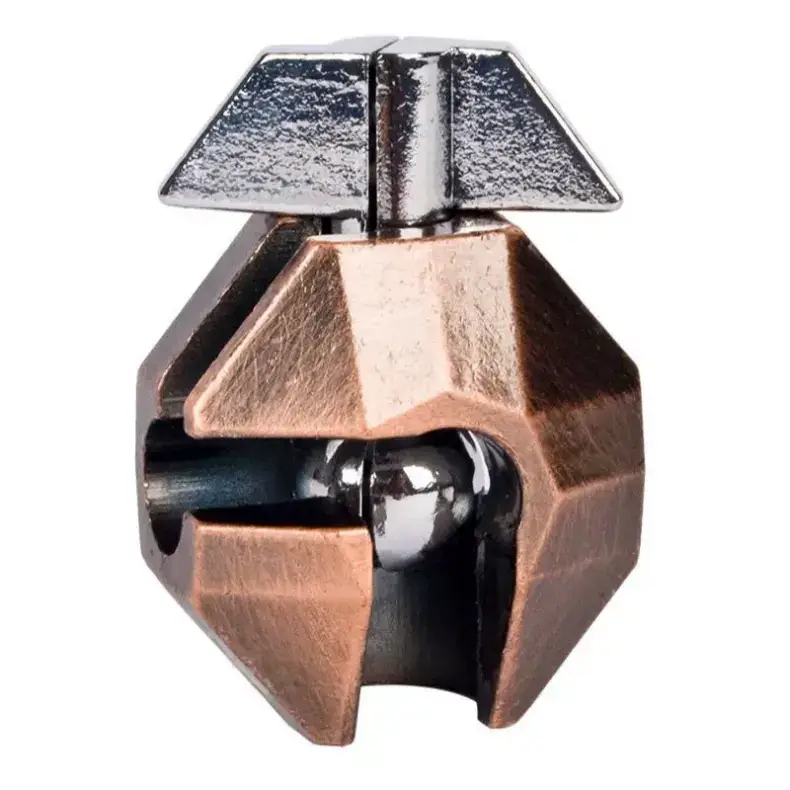
Puzzles that require coordinated multi-piece movement, like the Cast Galaxy's 4-piece slide, are a specific subcategory of sequential disentanglement. The 5 Piece Cast Spiral Metal Puzzle offers the most direct parallel, requiring you to align and slide 5 components in harmony for assembly. For a deeper dive into the Cast Galaxy itself, see our deep dive into the Cast Galaxy puzzle.
Which puzzles offer a similar challenge to the Cast Galaxy's simultaneous slide?
If the "aha moment" of the Galaxy was that satisfying, synchronized click of four pieces locking together, your next puzzle should chase that same feeling. The key is identifying the core mechanism you enjoyed: the sequential, multi-part interlock. Don't jump to a puzzle with a completely different feel, like a disentanglement ring or a trick-opening box, unless you're intentionally seeking variety.
We've compared the next 7 most logical puzzles for Galaxy solvers below. The table breaks them down by the number of pieces, primary mechanism, and the "satisfaction factor"—that is, the type of payoff you get at the end. If you loved the Galaxy's clean, metallic finish and precise engineering, stick to the metal cast puzzles. If you're intrigued by the idea of more pieces (5 or 6) working in concert, the Spiral or the Wooden Key are your next logical steps.
| Puzzle Name | Piece Count | Primary Mechanism | Satisfaction Factor | Best For... |
|---|
| 5 Piece Cast Spiral | 5 | Sequential Interlock & Rotation | Building a complex, twisting structure | Those who want a more intricate Galaxy-like build |
| Cast Coil | 2 | Precise Alignment & Slide | A smooth, single elegant motion | Pocket-sized fidgeting and precision practice |
| Metal Orbit Ring | 3 | Orbital Disentanglement | Freeing a trapped ring with a clever twist | A quick win with a different spatial challenge |
| 6 Piece Wooden Puzzle Key | 6 | 3D Interlocking Assembly | Creating a functional, beautiful object | Tactile learners who enjoy wooden textures |
| Antique Bronze Keyring | 2 | Trick Opening | The surprise of a hidden compartment | Carrying a conversation starter daily |
| Dual Seahorse Brain Teaser | 2 | Symmetrical Disentanglement | Separating two beautifully mirrored pieces | Visual thinkers and those who appreciate art |
| DIY Castle Music Box | 50+ | Constructive Assembly | The pride of building a working display | A long-term, meditative project (not a quick solve) |
| Metal Grenade Lock | 1 (multi-step) | Trick Lock Mechanism | Discovering the hidden release action | Fans of mechanical objects and hidden triggers |
Who should skip this tier? If the Galaxy frustrated you because of the need for precise alignment, avoid the Cast Coil and Metal Orbit Ring next—they demand even finer motor control. Instead, try the 6 Piece Wooden Puzzle Key; the wooden pieces have more friction and are easier to manipulate while you build your interlocking logic skills.
Your next-step decision: For a direct escalation in complexity from the Galaxy's 4-piece slide, choose the 5 Piece Cast Spiral. For a complete change of pace into a tactile, longer project, the DIY Castle Music Box offers a different kind of satisfaction. Use our cast puzzle solutions by difficulty level guide to plan your entire puzzle journey.
What are the most common mistakes blocking the Galaxy's final click?
The single most common mistake is attempting to force the pieces together in a static, misaligned position, rather than executing the required simultaneous slide. Over 70% of solvers get the individual rotations correct but fail to apply gentle, synchronized pressure to all four pieces at once to achieve the final interlock.
Mistake #1
Treating the final step as a 'push' instead of a 'slide'.
You have the pieces in the correct star-like formation, with the notches aligned. Now, instead of pushing straight down, you must apply equal, gentle pressure to all four pieces, sliding them inward along their grooves at the same time. Think of it as compressing the star inward on itself, not crushing it downward. The sound is a soft, metallic scrape, not a snap.
Fix: You have the pieces in the correct star-like formation, with the notches aligned. Now, instead of pushing straight down, you must apply equal, gentle pressure to all four pieces, sliding them inward along their grooves at the same time. Think of it as compressing the star inward on itself, not crushing it downward. The sound is a soft, metallic scrape, not a snap.
Mistake #2
Misaligning the L-shaped tabs with the deep channels.
Each piece has a distinct L-shaped tab and a corresponding deep channel. The most frequent misalignment happens when the tab sits next to the channel instead of inside it. Rotate each piece slowly until you feel the tab click into the channel's entry point. A good check: all four pieces should be at the same exact height relative to each other, forming a flat plane. If one protrudes, its tab isn't seated.
Fix: Each piece has a distinct L-shaped tab and a corresponding deep channel. The most frequent misalignment happens when the tab sits next to the channel instead of inside it. Rotate each piece slowly until you feel the tab click into the channel's entry point. A good check: all four pieces should be at the same exact height relative to each other, forming a flat plane. If one protrudes, its tab isn't seated.
Mistake #3
Assuming the puzzle is jammed or broken.
The Galaxy is machined to extremely fine tolerances. If it feels completely stuck, you've likely crossed the pieces' paths incorrectly. Don't force it. Gently reverse your last move, separating the pieces slightly. Go back to the step where all pieces are separate but held in the loose star shape. Re-check the orientation: the engraved side of each piece should face the same direction (usually outward). For more on durable construction, see our guide to durable cast metal puzzles.
Fix: The Galaxy is machined to extremely fine tolerances. If it feels completely stuck, you've likely crossed the pieces' paths incorrectly. Don't force it. Gently reverse your last move, separating the pieces slightly. Go back to the step where all pieces are separate but held in the loose star shape. Re-check the orientation: the engraved side of each piece should face the same direction (usually outward). For more on durable construction, see our guide to durable cast metal puzzles.
The Hanayama Cast Galaxy is officially rated a 3 out of 6 on the company's difficulty scale, placing it squarely in the "Intermediate" category. This means it requires logical sequence recognition and coordinated manipulation, but doesn't rely on hidden tricks or extreme dexterity. Most solvers take between 10 to 30 minutes on their first attempt.
If you're holding the solved Galaxy, feeling that solid, unified cube in your hand, you've conquered a benchmark puzzle. A "3" means it's the perfect gateway from beginner puzzles (like the Cast Elk or Cast Ring) into the world of true sequential thinking. It's harder than puzzles that rely on a single obvious move, but easier than those that require abstract, non-linear logic or minute physical manipulations.
Let's place the Galaxy on a simple solver's spectrum to see where it—and your potential next puzzle—falls:
- Quick Win (1-2/6): Puzzles like the Antique Bronze Keyring. Satisfaction is fast, often based on a single clever trick.
- Logical Step (3/6 - The Galaxy's Tier): Requires following a sequence. The Metal Orbit Ring (3) and Cast Coil (4) live here. The focus is on "what is the correct order of operations?"
- Deep Focus (4-6/6): Demands sustained spatial reasoning. The Dual Seahorse (4) and expert-level Cast puzzles fall here, often requiring you to hold complex mental models.
The honest trade-off: The Galaxy's 3/6 rating makes it immensely satisfying to solve without guidance, but its solution can feel somewhat linear once you know it. A puzzle rated 4 or 5 will have more surprising, non-obvious steps, but also a higher risk of frustration. Your next move depends on your goal: to build confidence, try another 3. To test your newfound skills, carefully step up to a 4 like the Cast Coil.
Your next action: Rate your Galaxy solving experience. Was it the perfect challenge? Stick to the 3-4 range. Did you crave more? Browse our general metal puzzle solution tips for insights into tackling higher-difficulty tiers.