Not every puzzle suits every moment. The right one matches your mood and goal. Here’s how to match a puzzle to four common scenarios, so you get the exact experience you're looking for.
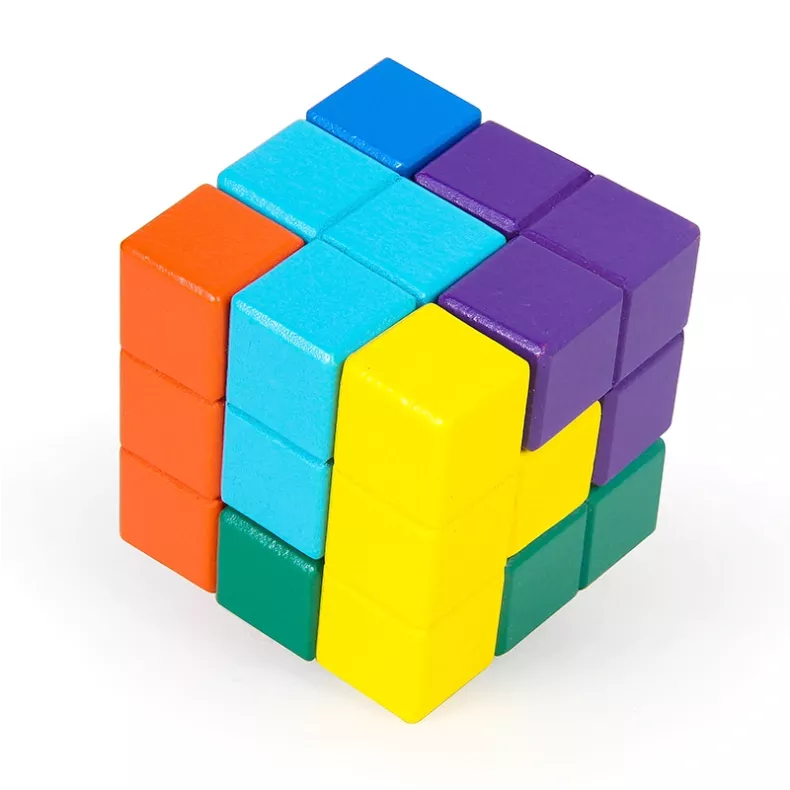
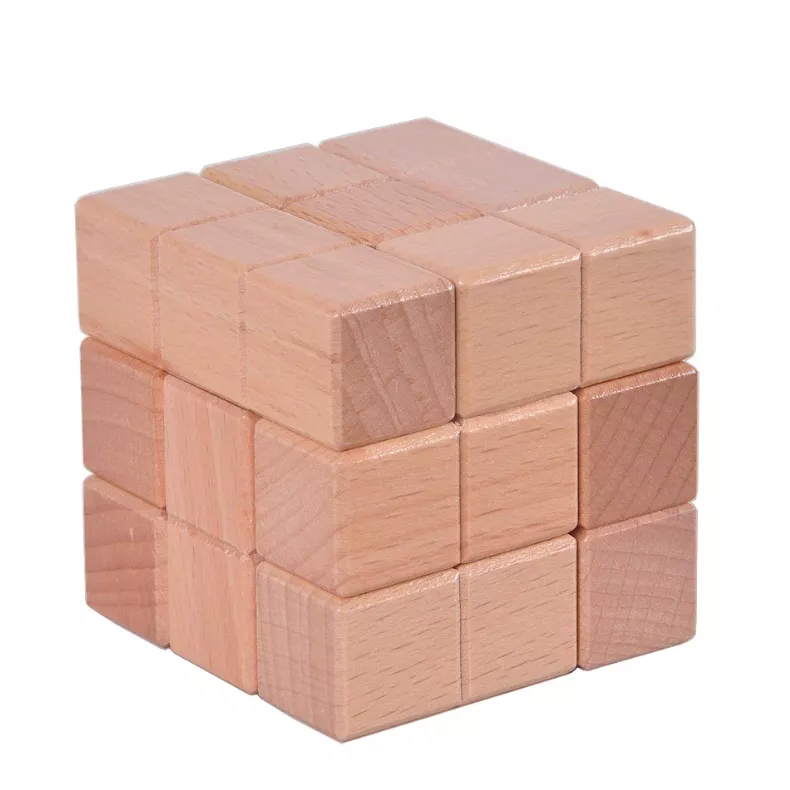
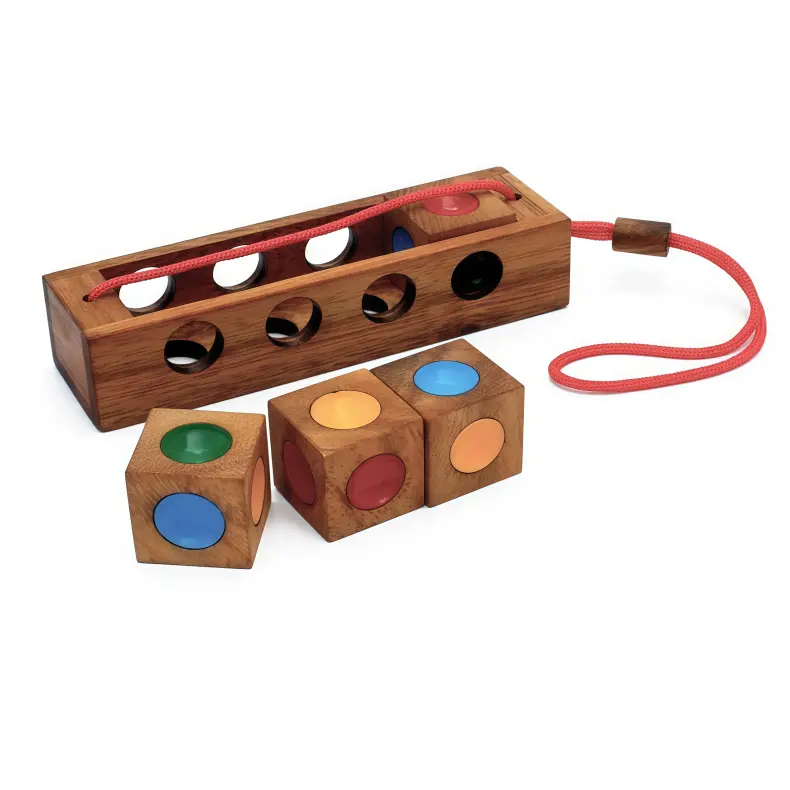
Scenario 1: Your First Cube Ever. You want proof you can do this. The priority is a gentle learning curve. Choose a puzzle with distinct pieces and a rebuild goal. The 7 Color Soma Cube Puzzle is ideal here. The different colored blocks act like a friendly map, and rebuilding the 3x3 cube is a classic, achievable challenge. The weight of the beechwood feels substantial in your palm, and the soft *clack* as pieces fit is your reward. The honest negative? Once you memorize the shape combinations, the 'puzzle' diminishes—but by then, you'll be ready for the next one.
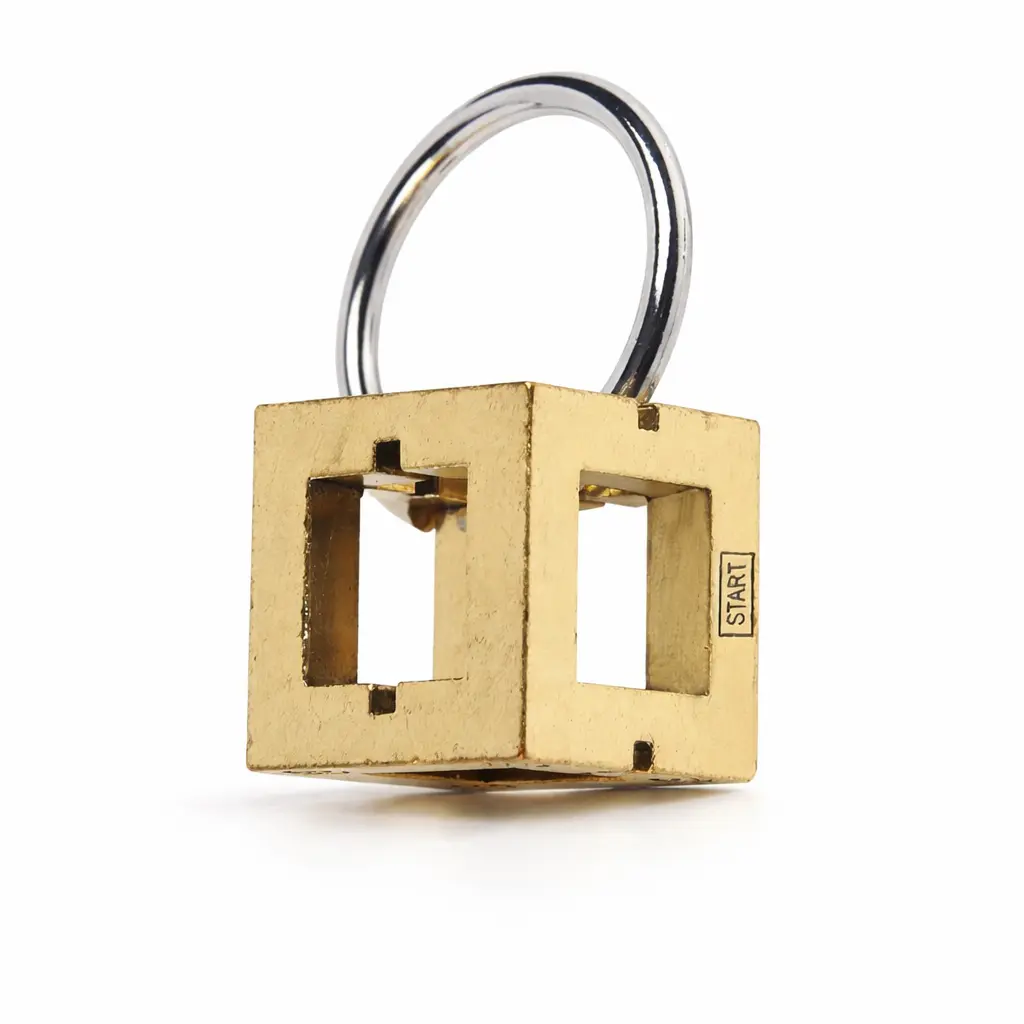
Scenario 2: A Desk Fidget Cube. You need something to occupy your hands during calls or deep thought. It should be satisfying to solve repeatedly, not a one-time brain burner. The Brass Cube Maze Puzzle Keychain is perfect. Its cool metal weight and the tactile journey of the ball bearing through the maze are deeply grounding. It’s an intermediate challenge you can solve in a few minutes, providing a perfect mental reset. Keep it in your pocket or on your keys.
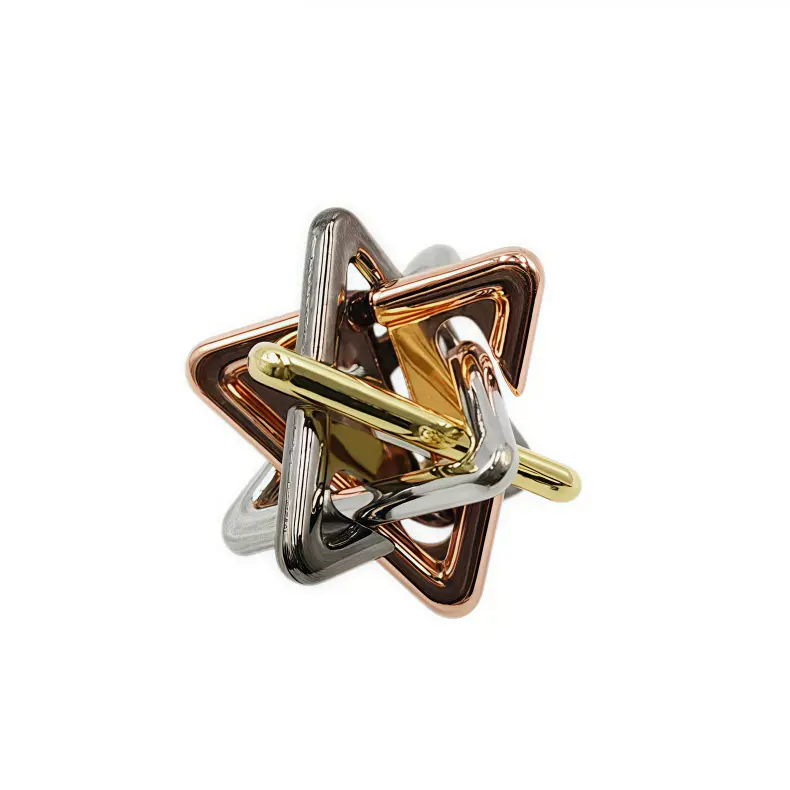
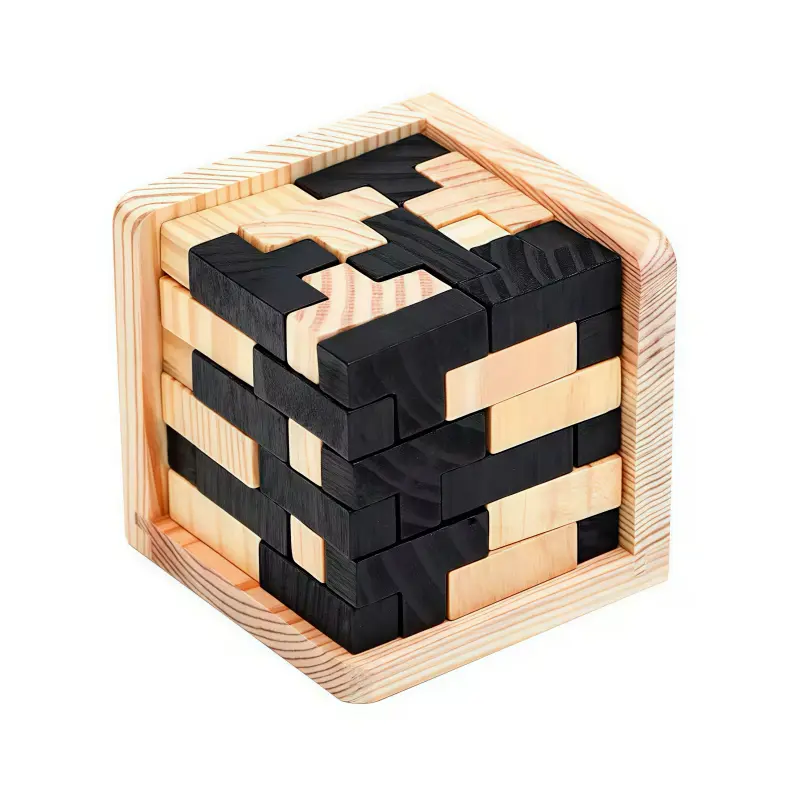
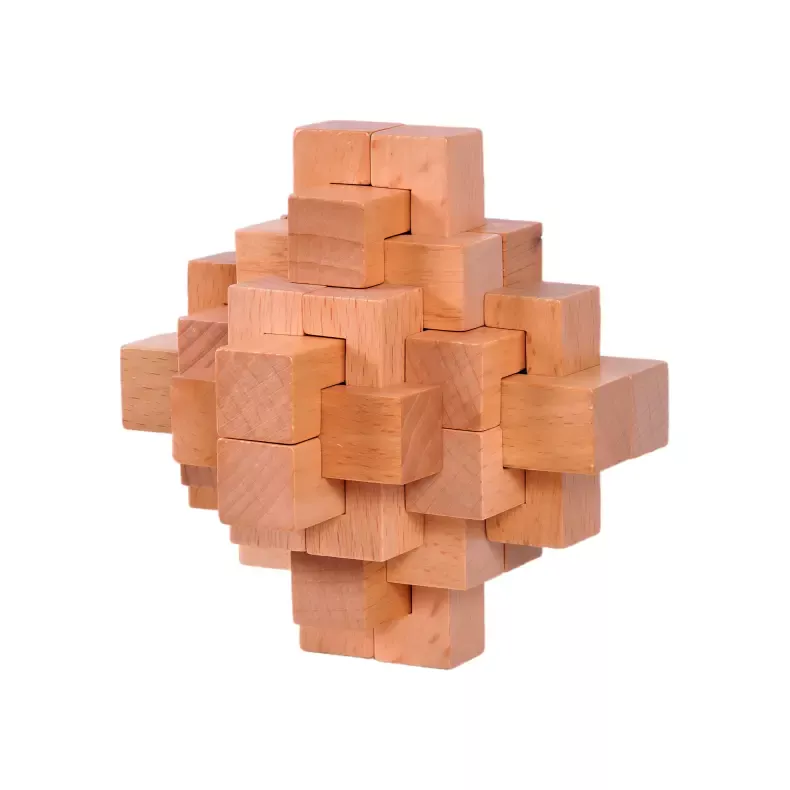
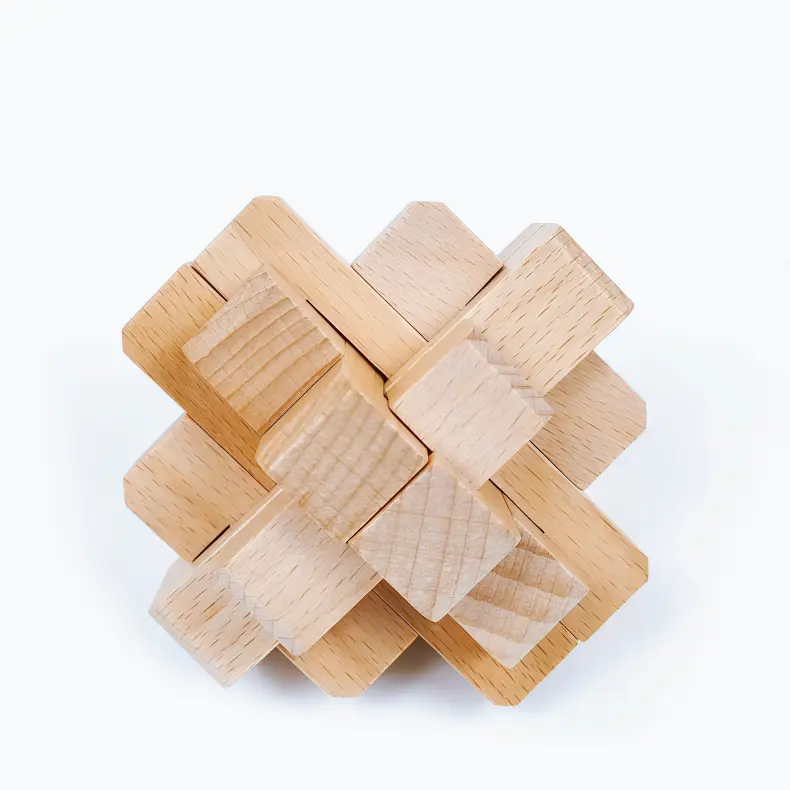
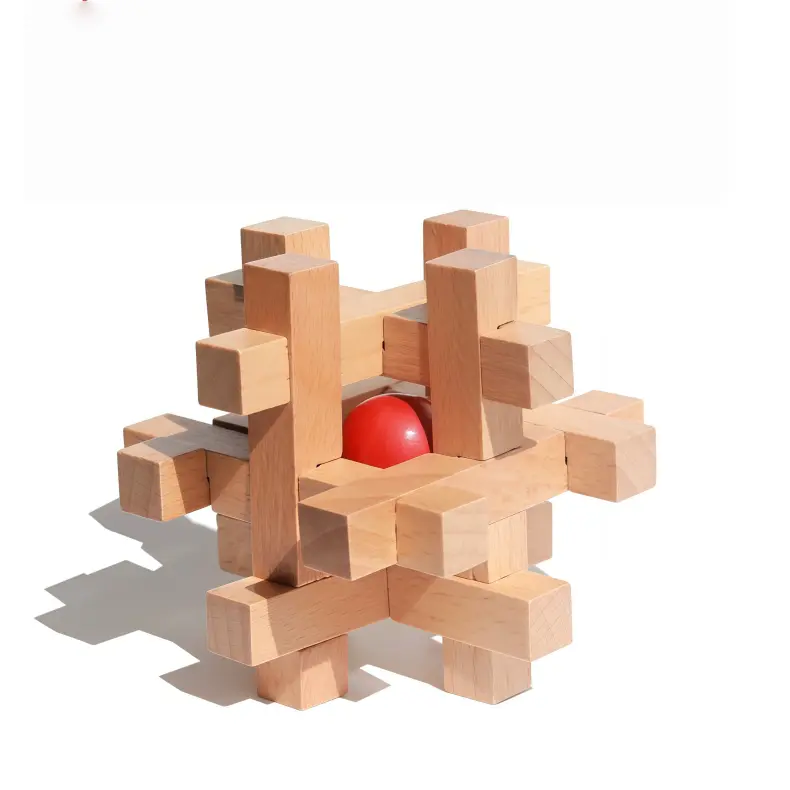
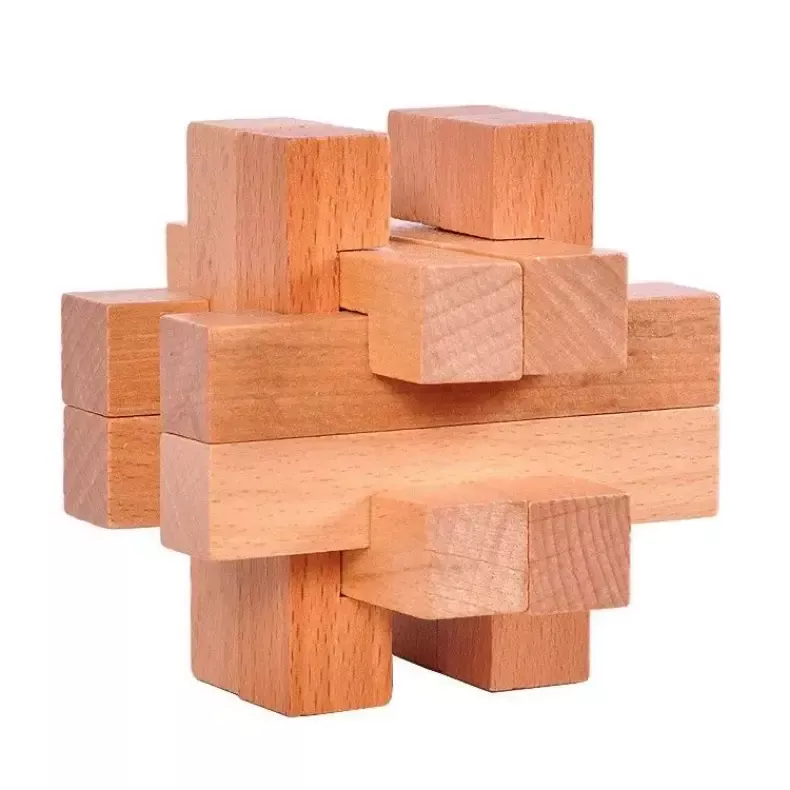
Scenario 3: A Satisfying Solo Challenge. You have a quiet evening and want to get beautifully, engrossingly stuck. You need a puzzle with layers of logic. The 54‑T Cube Puzzle offers this. It looks like a carved gem and solving it feels like discovering a secret architecture. Research in cognitive psychology points to the flow state achieved by such tactile challenges as a form of active meditation. The tradeoff? It may take a few sessions, and you might need to walk away and come back with fresh eyes—which is part of the fun.
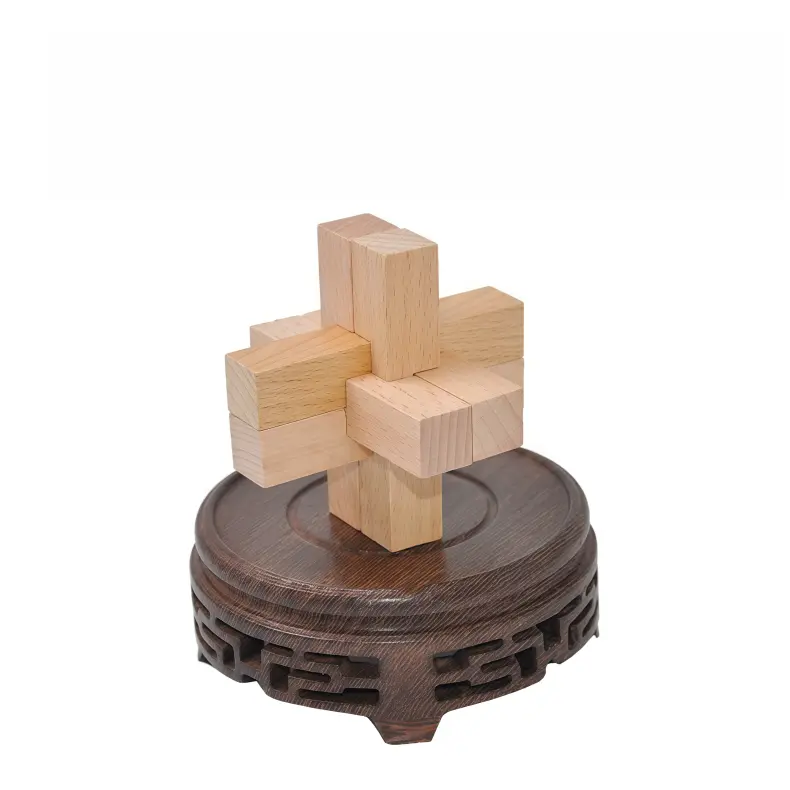
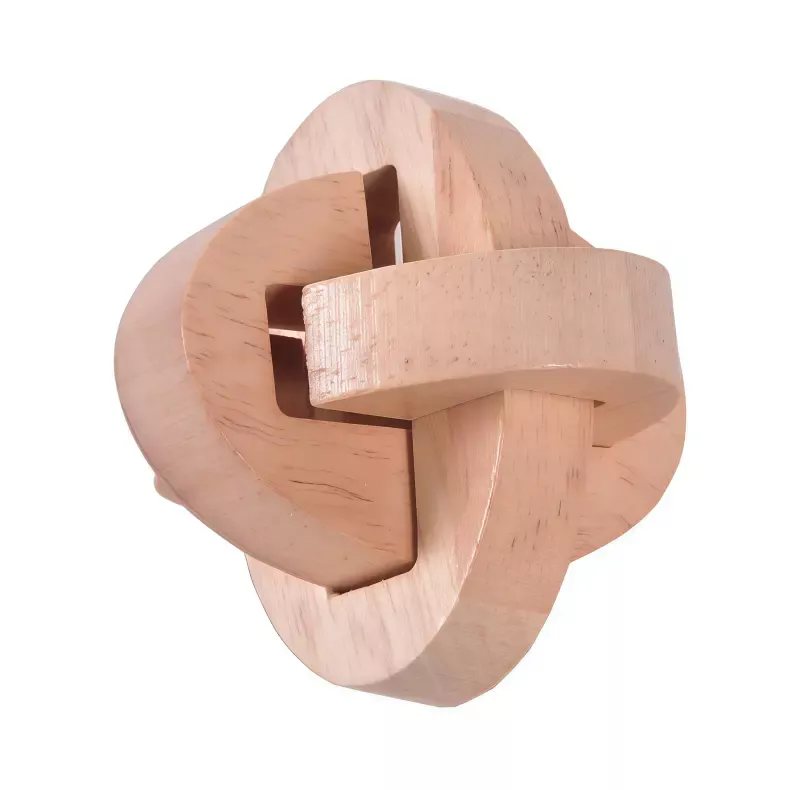
Scenario 4: An Impressive Gift for a Curious Friend. You want something that looks beautiful, feels premium, and offers a 'wow' moment upon solving. The Luban Cube Puzzle, inspired by ancient Chinese joinery, is a masterpiece. It feels more like a crafted artifact than a toy. The solve is a lesson in precision and patience, making the final disassembly feel like a magic trick. It says, "I think you're clever." The limitation? It's perhaps too precious for a complete novice; it's best for someone who enjoys a deliberate, thoughtful process.
Your next action: Which scenario felt most like you? Let that guide your click. For more on the mindful side of solving, see our gentle guide to solving puzzle cubes.