Your reason for having this ring changes the kind of help you need. Let's match your situation to the right mindset and resources.
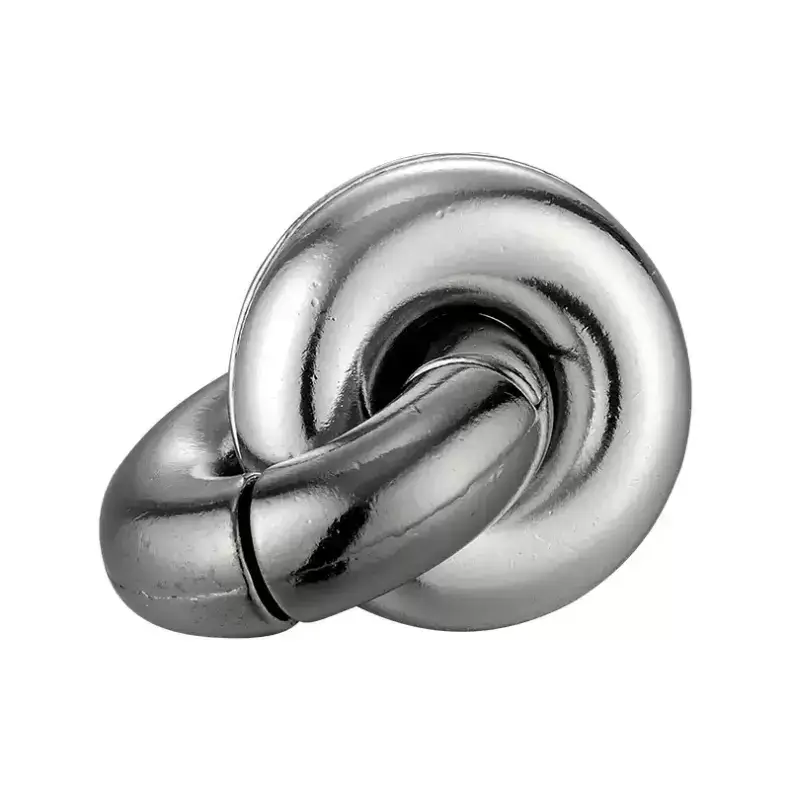
The Sentimental Re-assembler: This ring was a gift, an inheritance, or a souvenir. The pressure is high because it's irreplaceable. Your primary need is a damage-free method. Action: Re-read the "Mistakes" section above. Work on a soft, well-lit surface like a towel to prevent scratches and muffle drops. Take photos of the disassembled ring from multiple angles before you start; this is your backup map. Your goal isn't speed, but safe, successful reassembly. For a deeper understanding of its design heritage, reading about mechanical puzzles can be a comforting distraction if you get stuck.
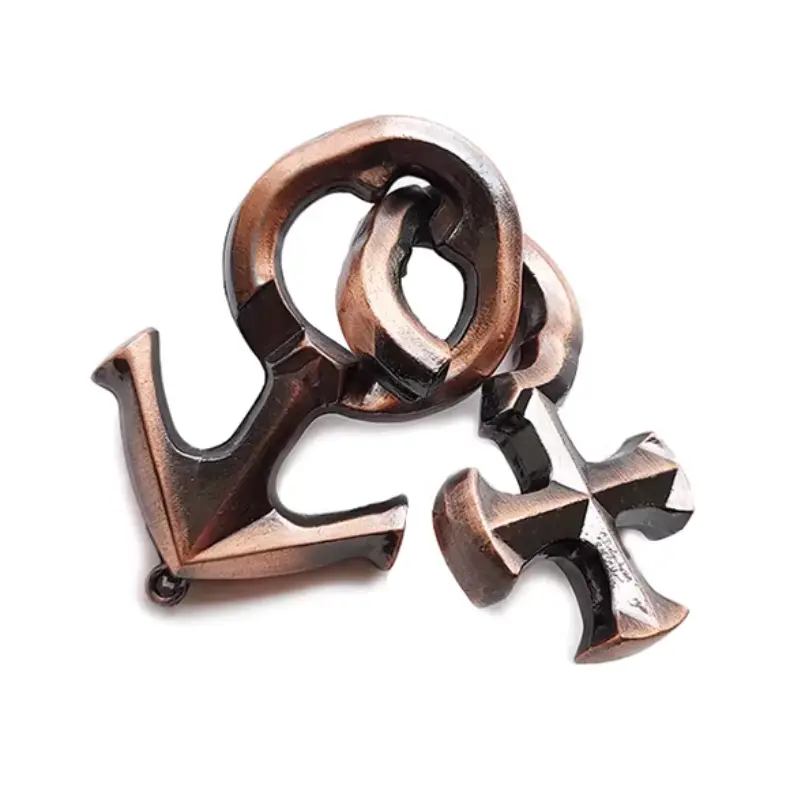
The Curious First-Timer: You bought this for fun, maybe off a market stall or online. Your blocker is often vague or missing instructions. Your need is for clear, visual, step-by-step steps. Action: Use this page as your master guide. Start with the product's listing page if you bought it from us—some, like the Cast Keyhole Gold & Silver puzzle, have specific solution hints. Don't just read; physically mimic the movements with your rings. If visuals help most, our general metal puzzle solving tips page emphasizes diagram-based learning.
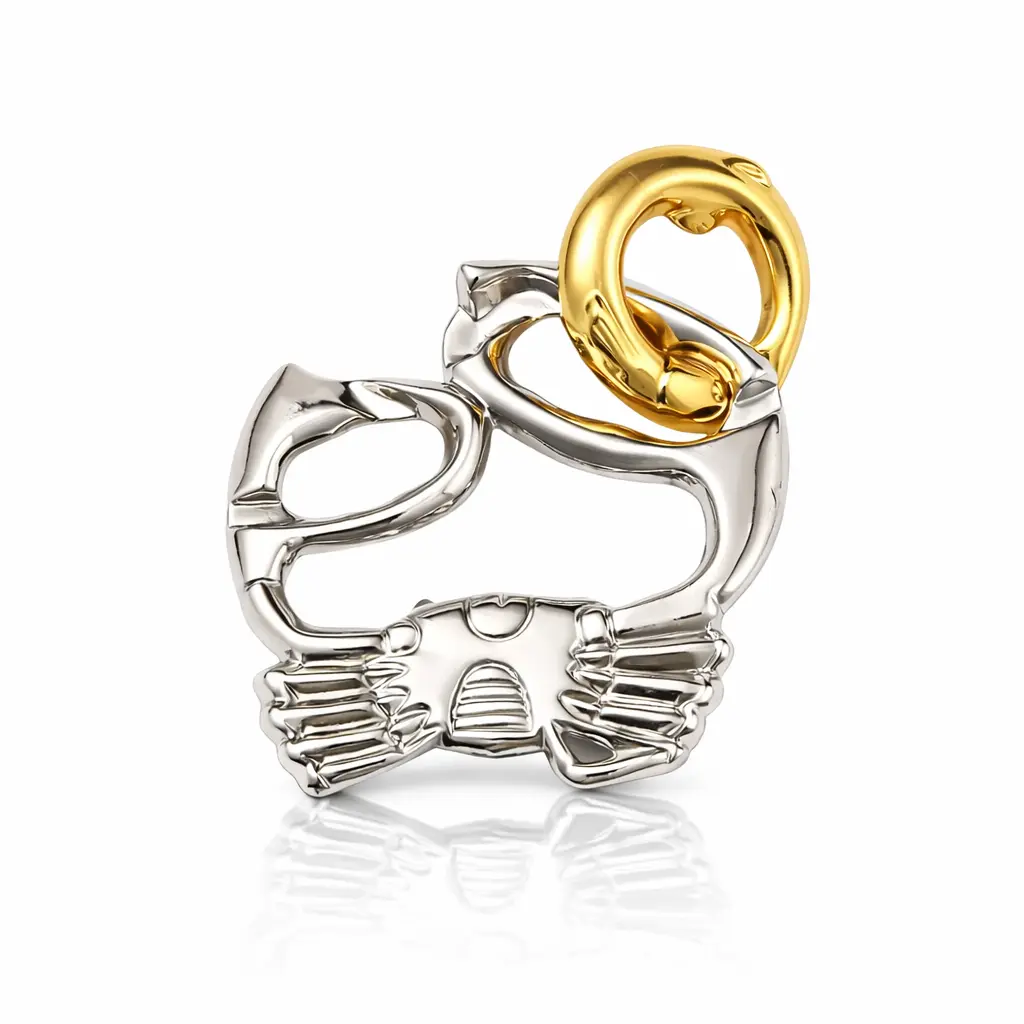
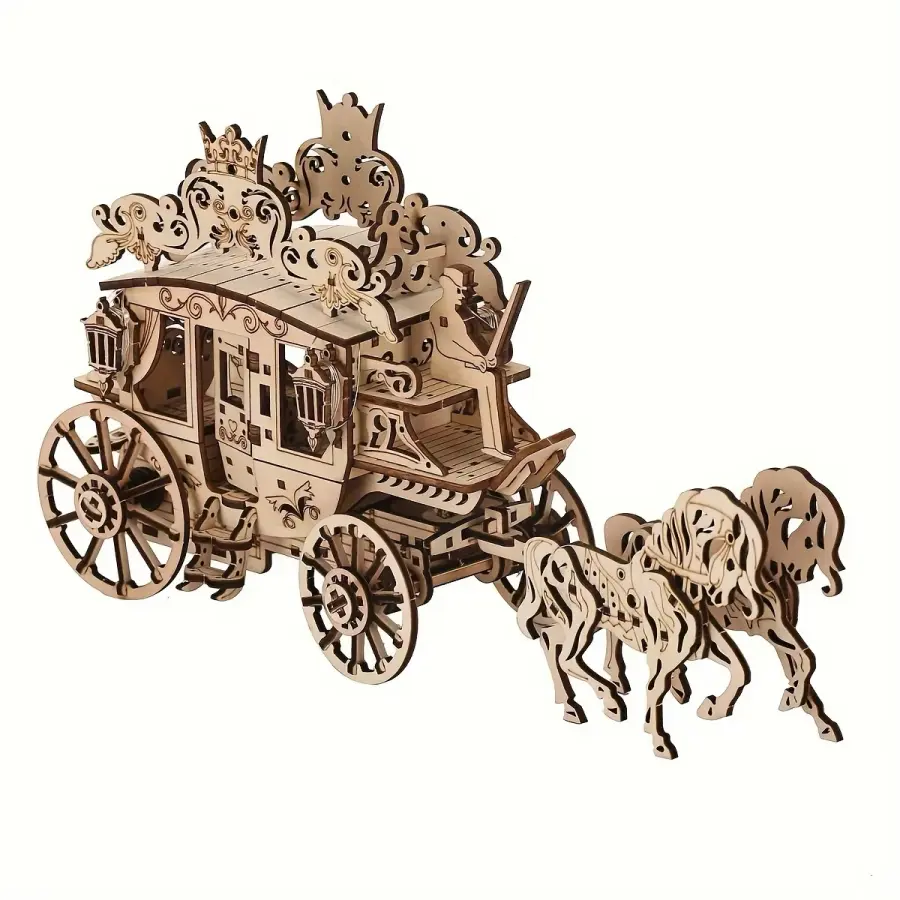
The Puzzle Progression Seeker: You've mastered your 4 or 6-band ring. The solve is now muscle memory, and you crave a new, satisfying click. You're ready for more complex interlocking mechanisms. Action: Explore puzzles that use similar logic but in different forms. The Metal Crab Puzzle Cast Brain Teaser involves finding the precise alignment to release a part, much like aligning the notches in a ring. For a complete shift, 3D wooden puzzles like the Royal Carriage 3D Wooden Puzzle offer a tactile, architectural challenge that progresses from a flat sheet to a complex structure.
Your Next Action: Name your scenario. Say it out loud: "I'm a Sentimental Re-assembler." This frames your goal and gives you permission to move at the careful, deliberate pace you need.