Not sure which product is right for you? Let's match your current situation to the perfect starting point. This isn't about your ultimate skill level, but about what you need right now to make meaningful progress.
1. The Absolute Beginner
You're intrigued but have never taken apart a mechanical puzzle. Words like 'tumbler' or 'sequential movement' are unfamiliar. Your pain point: Woodworking plans look like hieroglyphics.
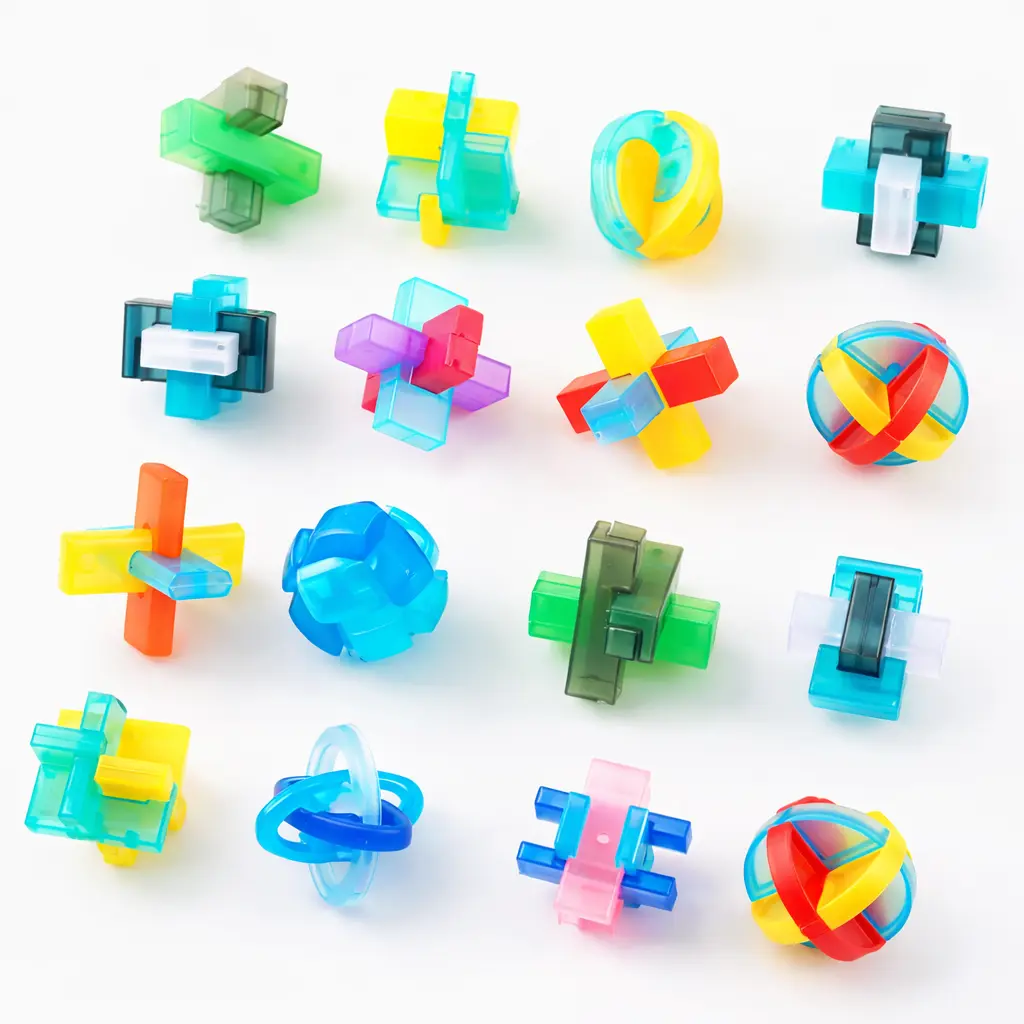
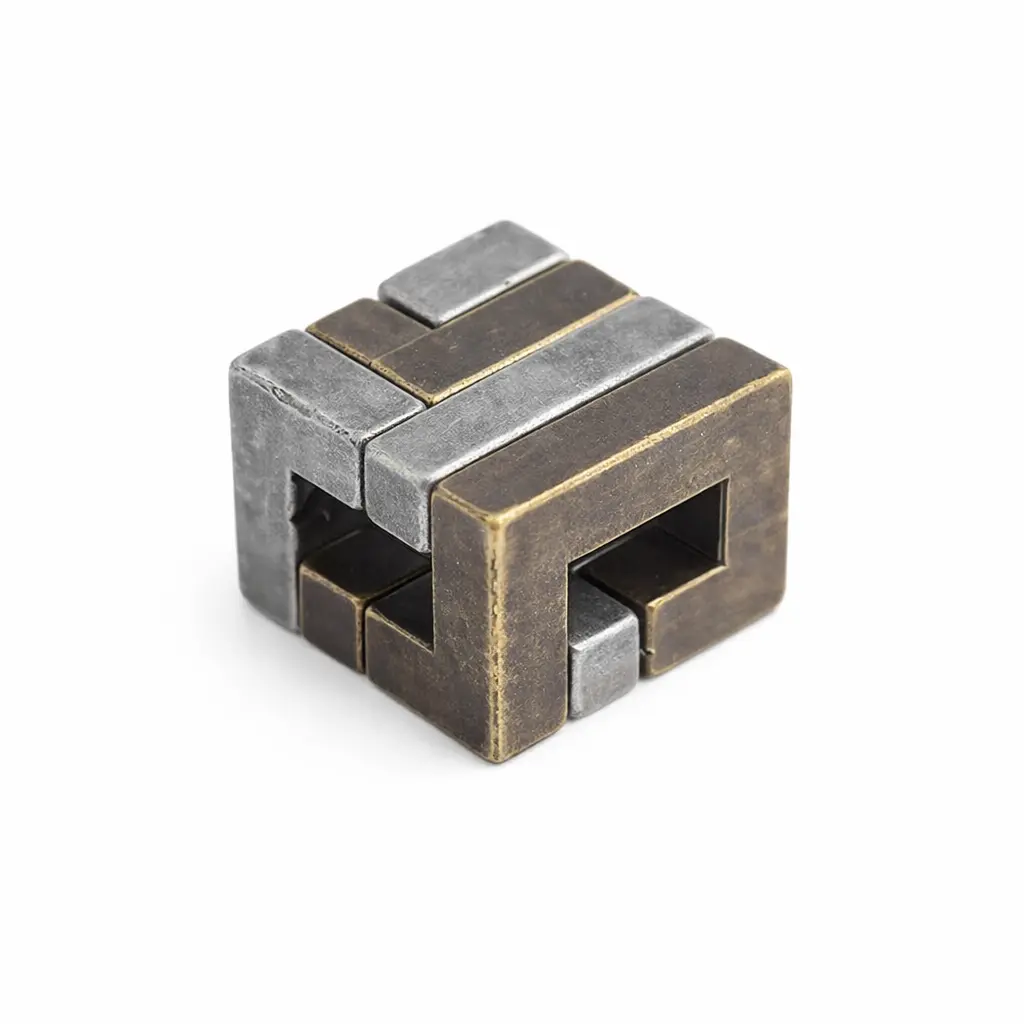
Your Start: You need the simplest possible lock mechanism. The goal is to hold it, feel how pieces block each other, and experience that first satisfying 'click' of release. Start with a single, small disentanglement puzzle or a basic set of Luban Locks. The transparent plastic of the Crystal Luban Lock Set is perfect—you can literally see how the pieces interact as you learn.
Next Action: Solve one lock. Then, without looking, try to reassemble it. This tests true understanding.
2. The Hands-On Learner
You learn by doing. Watching videos isn't enough; you need to physically put pieces together to see how they create a whole. Your pain point: Theory is boring. You want a tangible result from your effort.
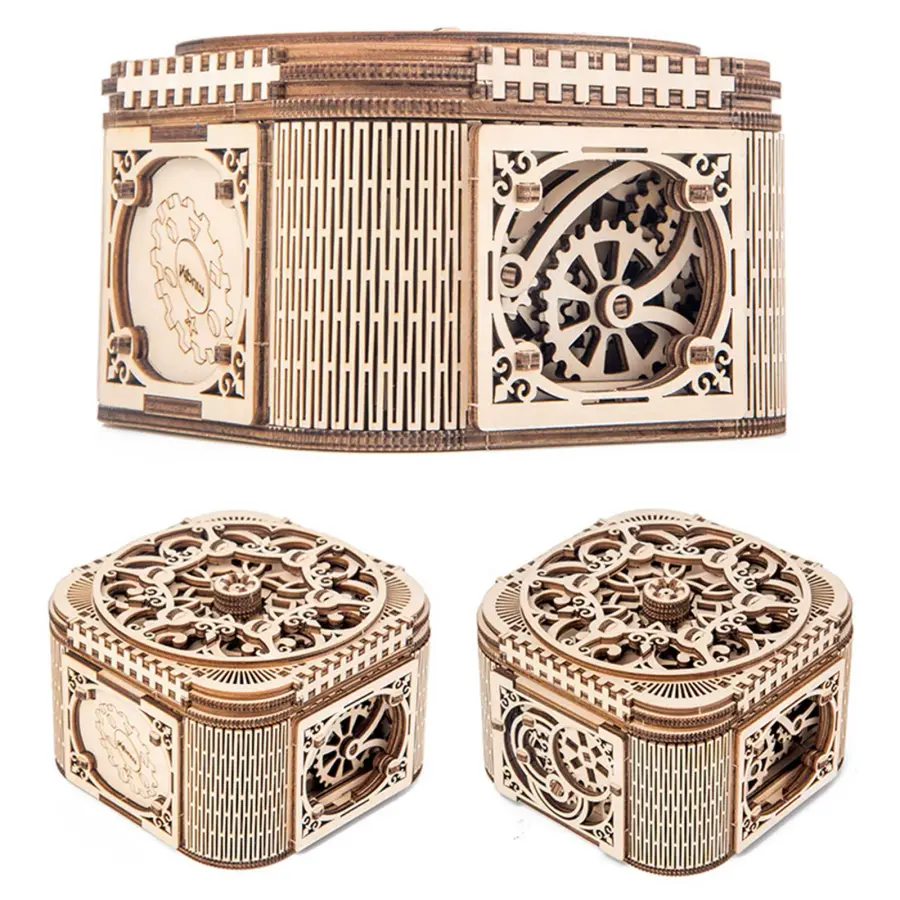
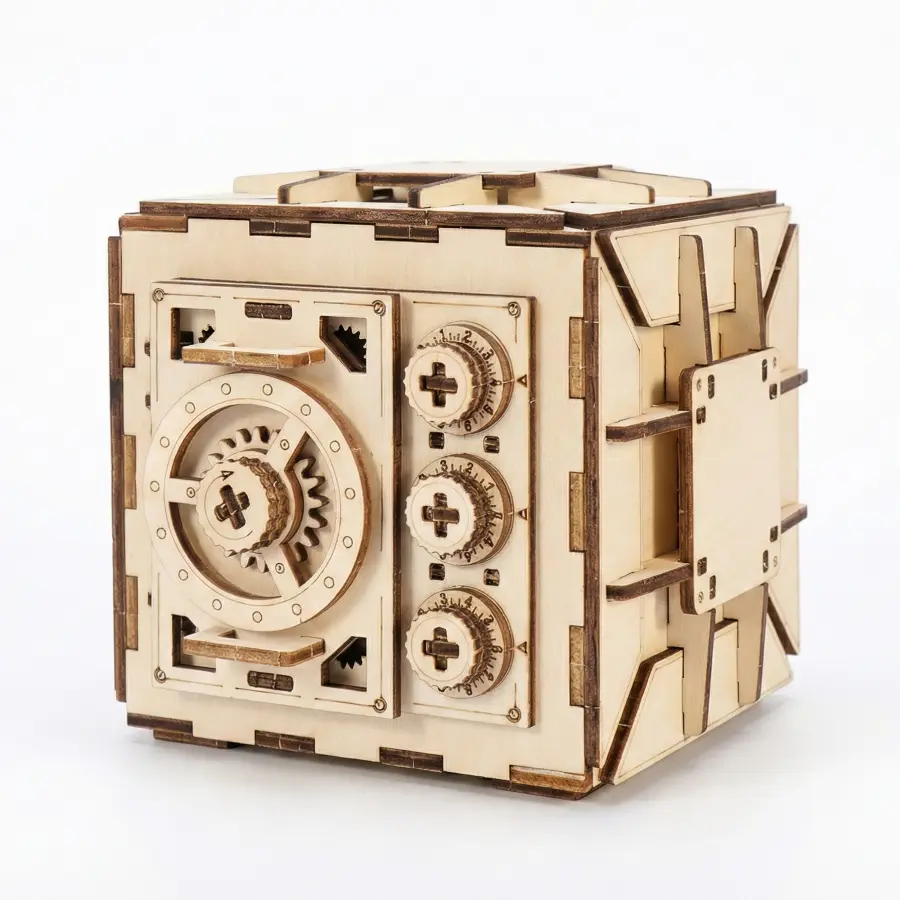
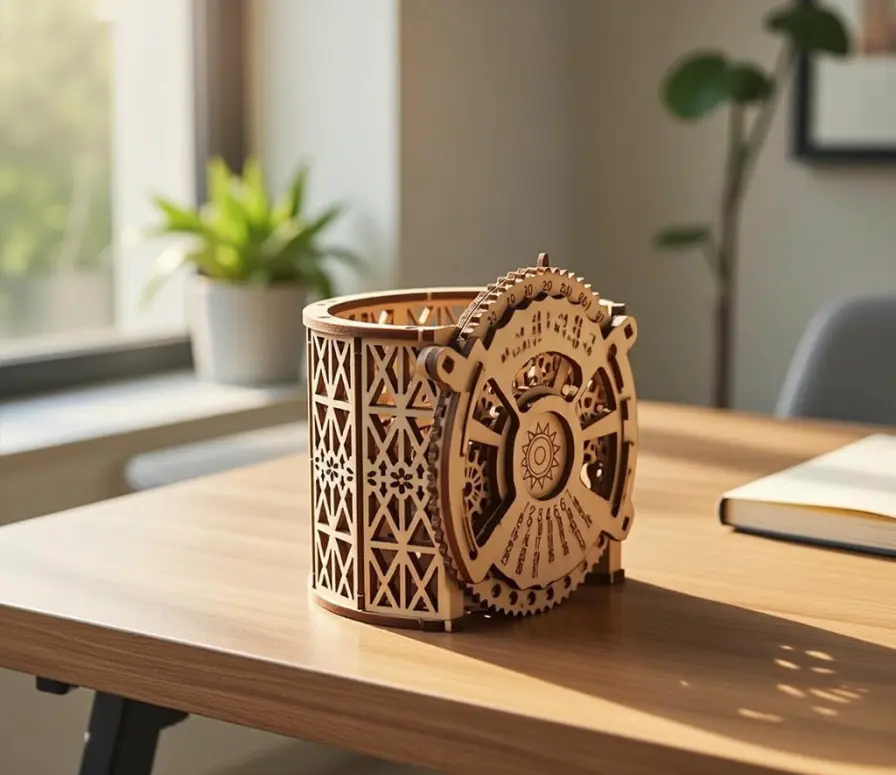
Your Start: A 3D wooden puzzle kit like the Treasure Box or Safe. These kits provide the immense satisfaction of building a functional object with your own hands. You'll learn how a decorative panel can also be a sliding key, or how a series of levers can create a combination lock. The instructions guide you, but the physical assembly cements the concepts.
Next Action: After building it, try to open and close it repeatedly. Map the steps in your mind. This is the foundation for designing your own sequence.
3. The Inspired Designer
You already have ideas for a custom box. You might be browsing for inspiration or a specific mechanism to incorporate. Your pain point: You don't want to copy a plan; you want to understand principles you can adapt.
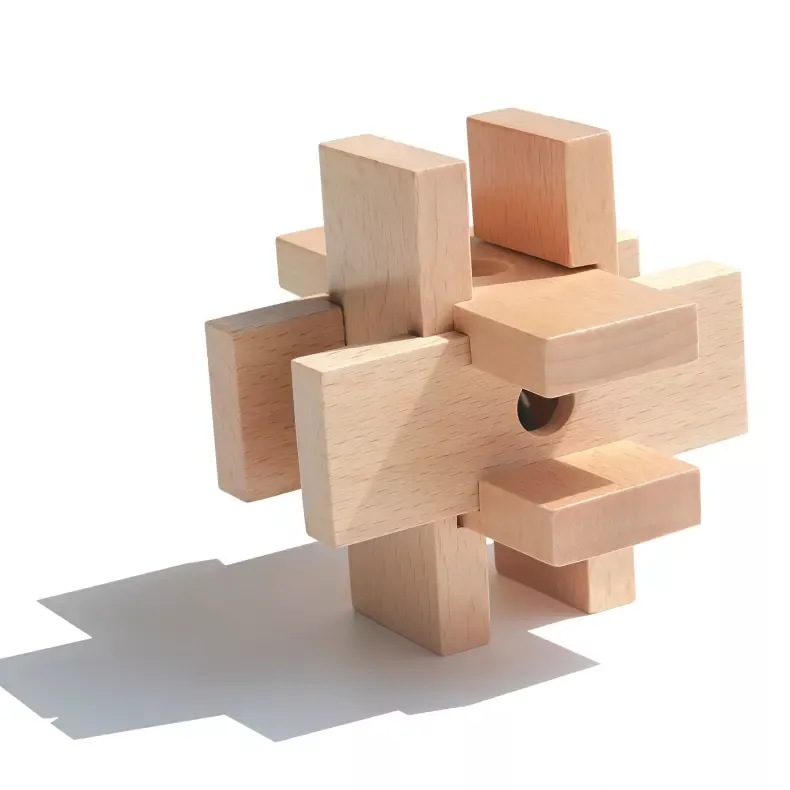
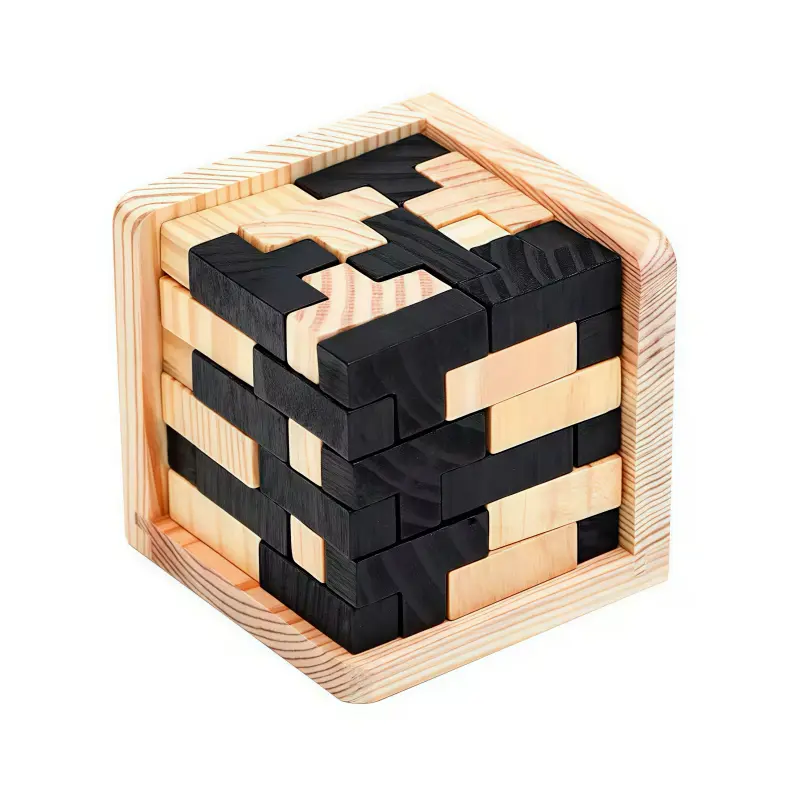
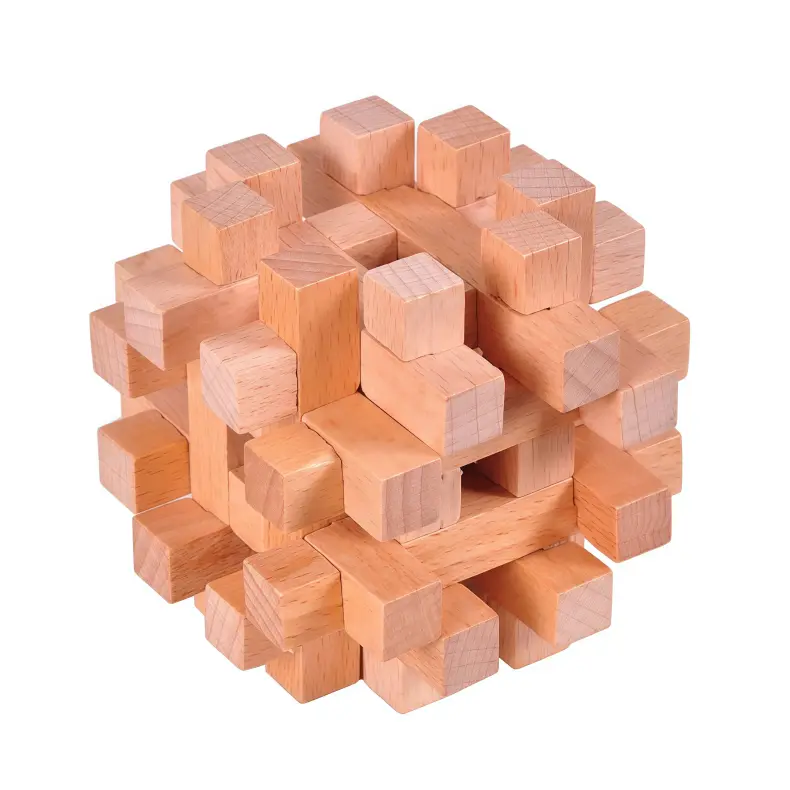
Your Start: Study advanced, non-box puzzles. The 54-T Cube or Double Cross Cage are masterclasses in interlocking wood. Your job isn't just to solve them, but to ask: "How is this joint cut?" "How does this rotation create a lock?" "Could this be miniaturized inside a box wall?" These are your mechanism textbooks.
Next Action: Solve the puzzle, then document (with notes or sketches) one specific movement that surprised you. How could it be used?
4. The Gift Giver
You want something impressive, fun, and maybe a little mysterious to give. The build process might be for you or for the recipient. Your pain point: Finding a gift that's unique, not just another consumable.
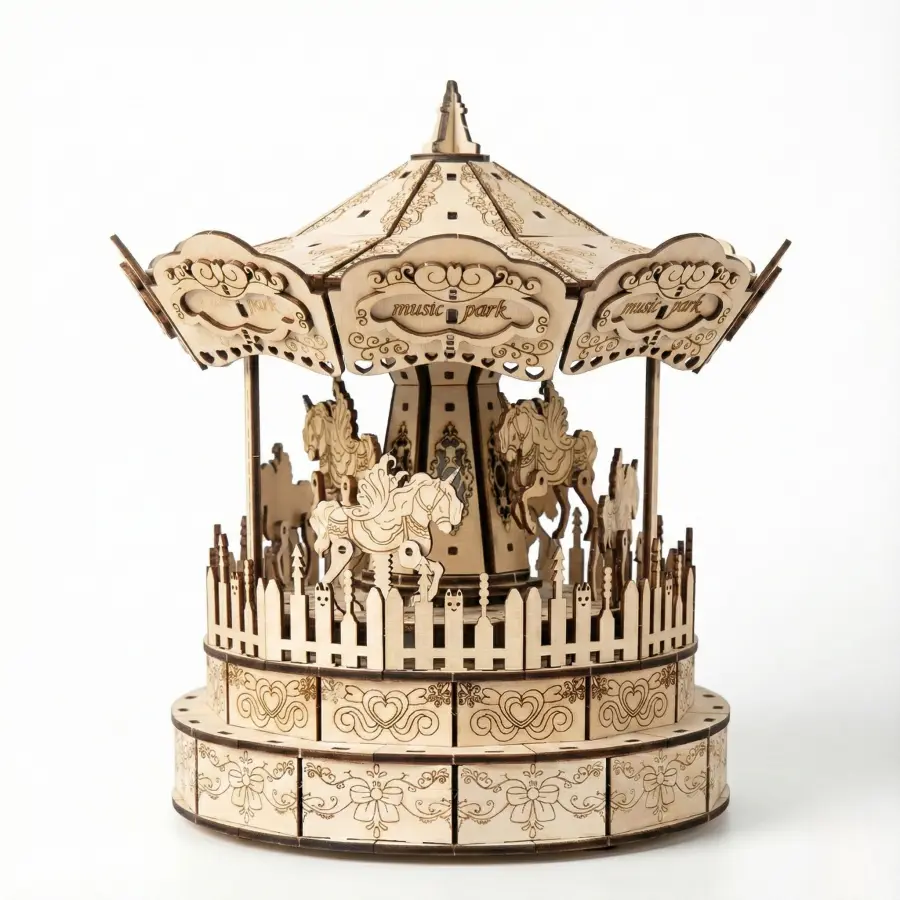
Your Start: A stunning, functional finished puzzle box. The Treasure Box or Carousel Music Box are perfect. They offer the double gift: the fun of assembly (if you give it unbuilt) and the lasting joy of a secret compartment or charming music. The key is choosing a puzzle difficulty that matches the recipient's patience.
Next Action: Decide if the joy is in the building or the solving. For builders, choose a kit. For solvers, consider assembling it yourself first to ensure it works perfectly.