Not every puzzle box project has the same goal. Are you after a quick win, a skill drill, or pure inspiration? Map your mood to the right starting point.
Scenario 1: The 'First Weekend Project'
Goal: A single-sitting build with measurable progress and a functional, gift-worthy result.
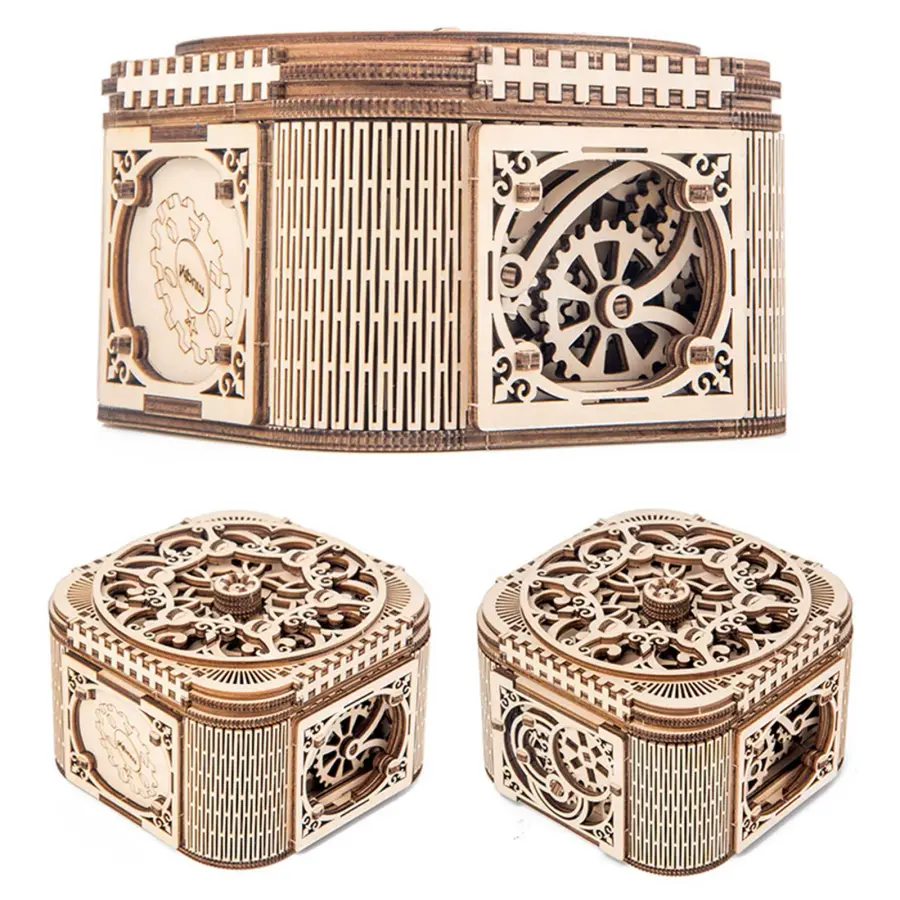
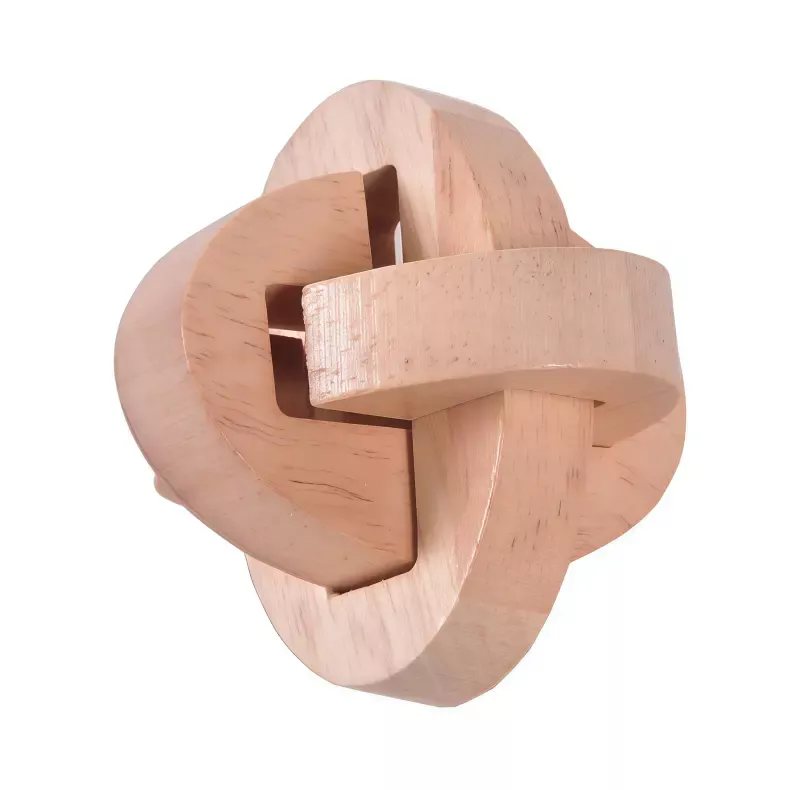
Your Kit: The 3D Wooden Puzzle Treasure Box. This is your on-ramp. The pre-cut pieces fit together like a 3D puzzle, teaching you how sliding panels can conceal a latch. You'll finish with a genuine secret box.
Tool Check: Sandpaper, wood glue, a clamp or rubber band. Done.
Scenario 2: 'Skill-Builder for Joinery'
Goal: To understand how pieces interlock under tension, a fundamental concept for designing your own boxes.
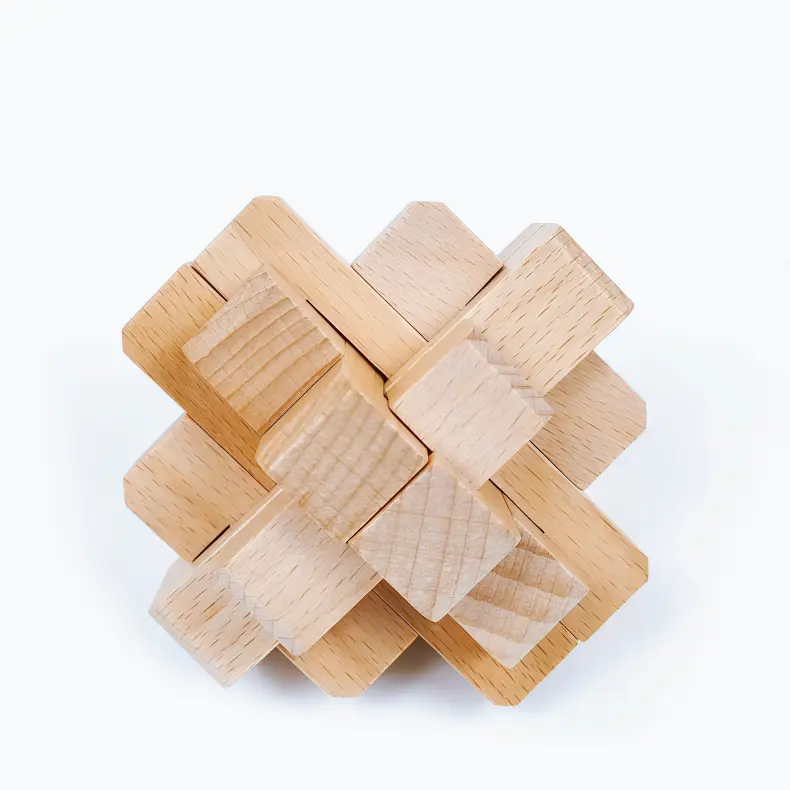
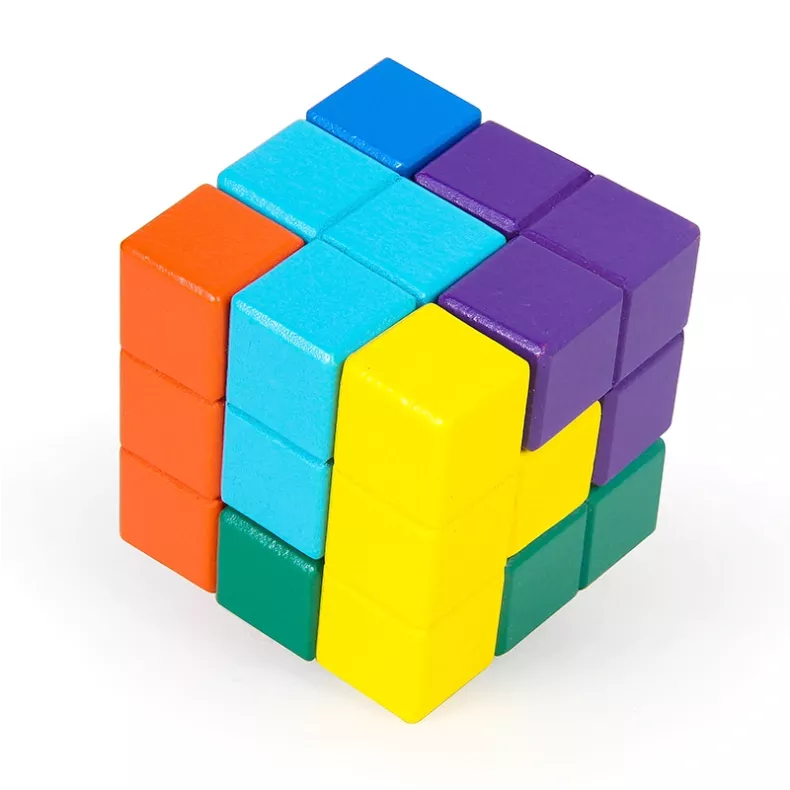
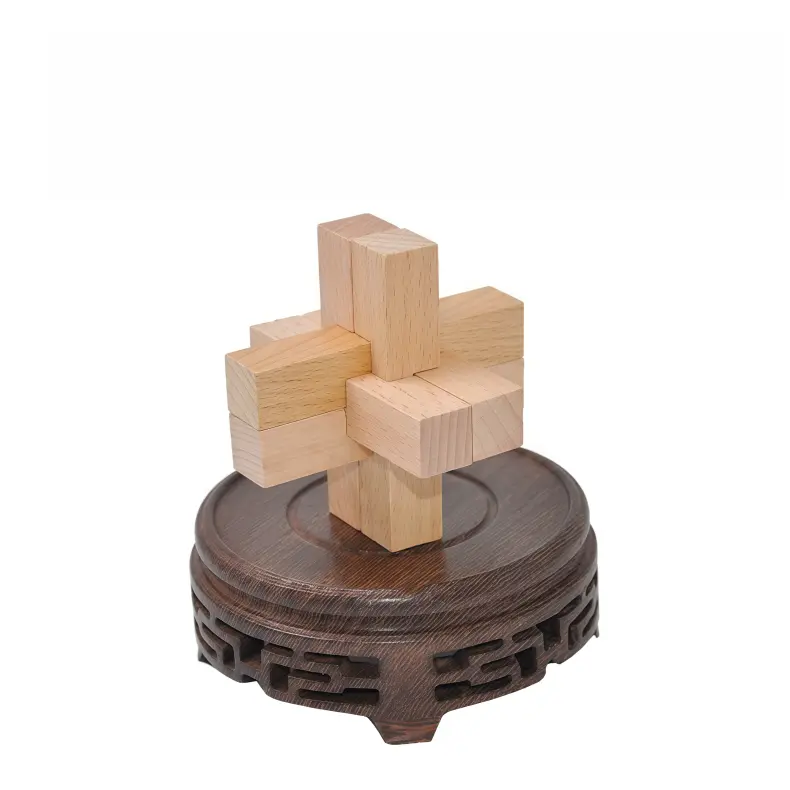
Your Puzzle: The Six-Piece Burr Puzzle and 7 Color Soma Cube Puzzle. These aren't boxes, but they're masterclasses in 3D spatial reasoning and friction-based assembly—the DNA of complex puzzle boxes. Disassembling and reassembling them trains your brain for design.
Tool Check: Just your hands and patience.
Scenario 3: 'The Ultimate Showpiece'
Goal: A stunning, mechanical conversation piece that does more than just open.
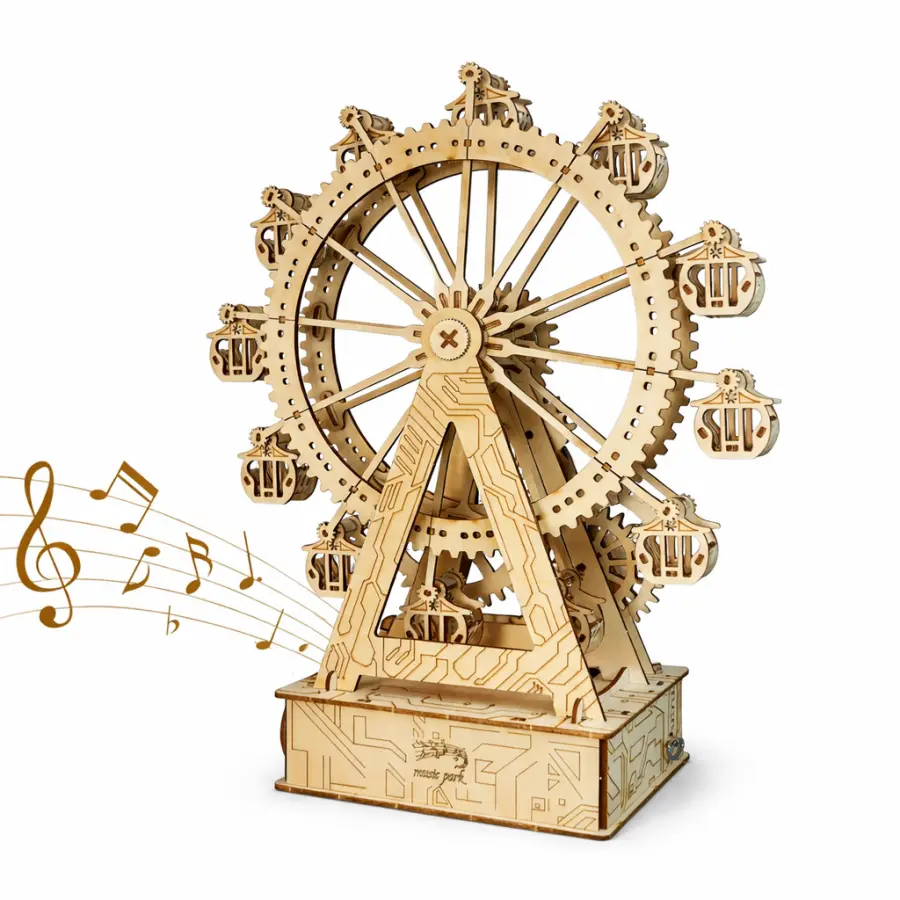
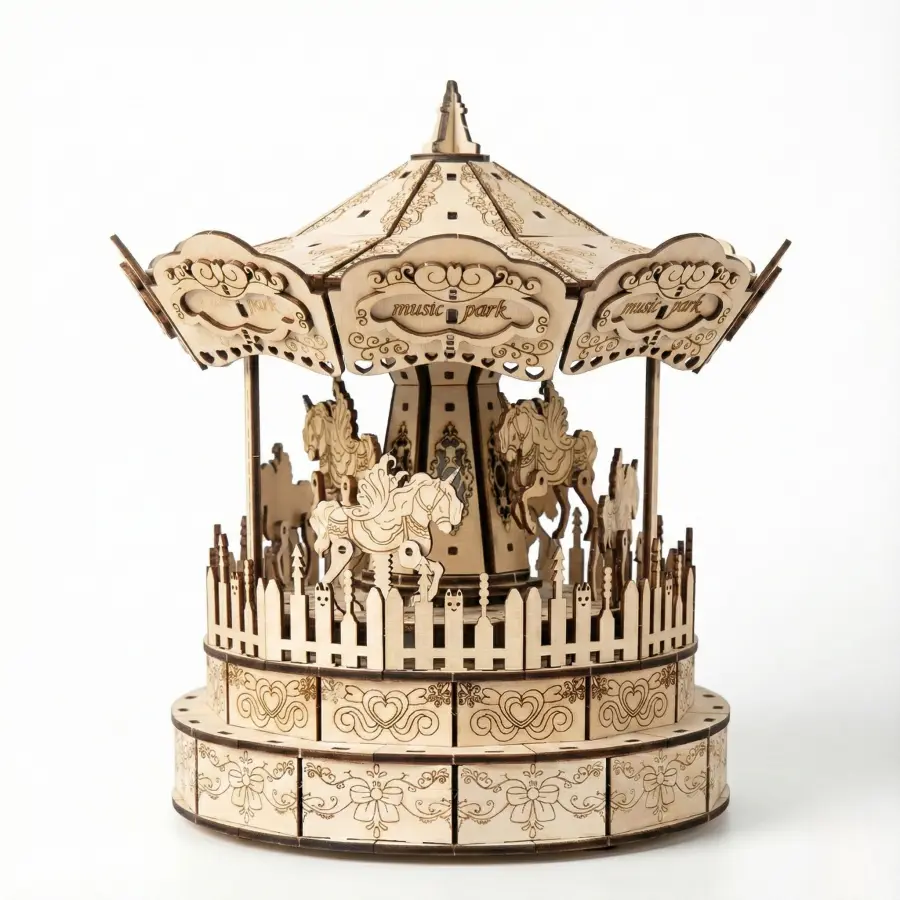
Your Kit: The Wooden Ferris Wheel Music Box Kit or the 3D Wooden Carousel Music Box. These combine puzzle-like assembly with kinetic motion and music. You're learning gear alignment, axle placement, and structural framing.
Tool Check: Requires finer tools: small pliers, precision screwdriver, and time for careful sanding.
Scenario 4: 'Mechanism Inspiration'
Goal: To handle and solve different locking principles to fuel your own designs.
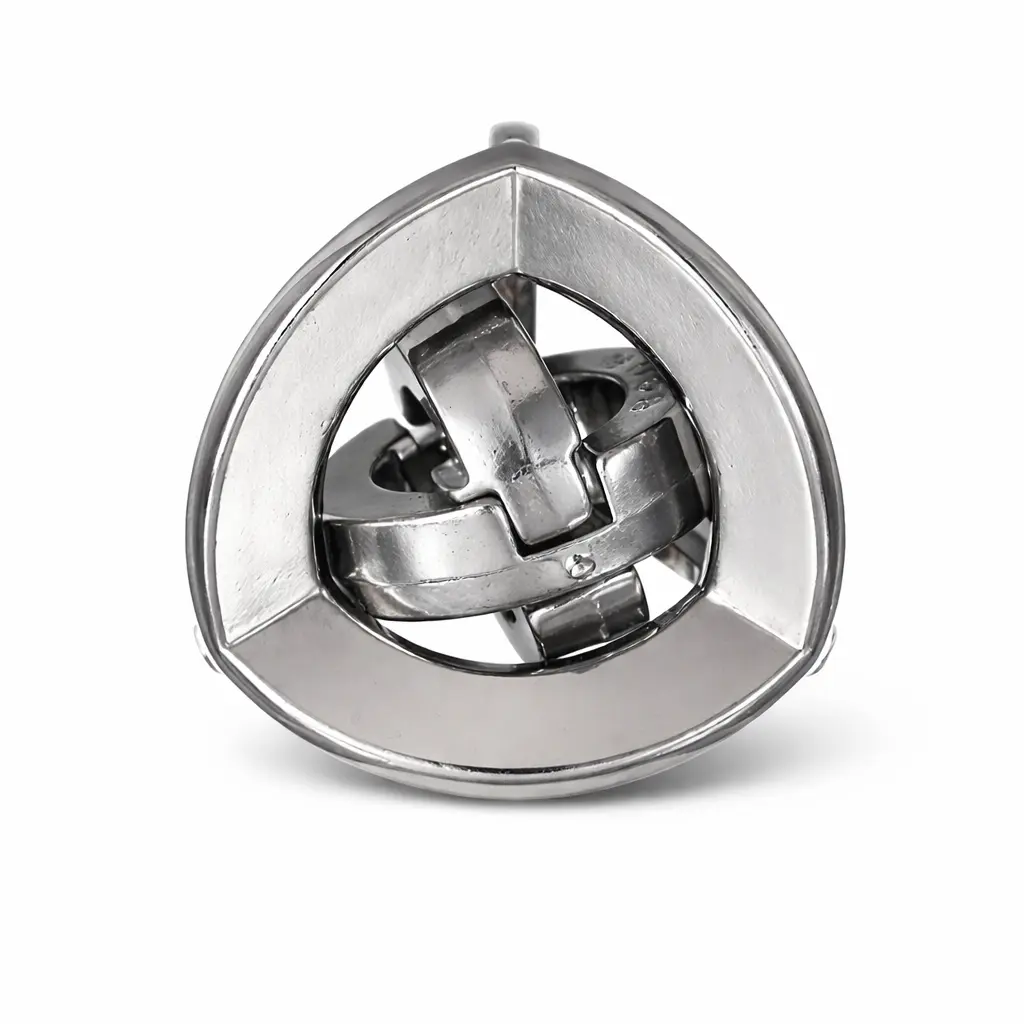
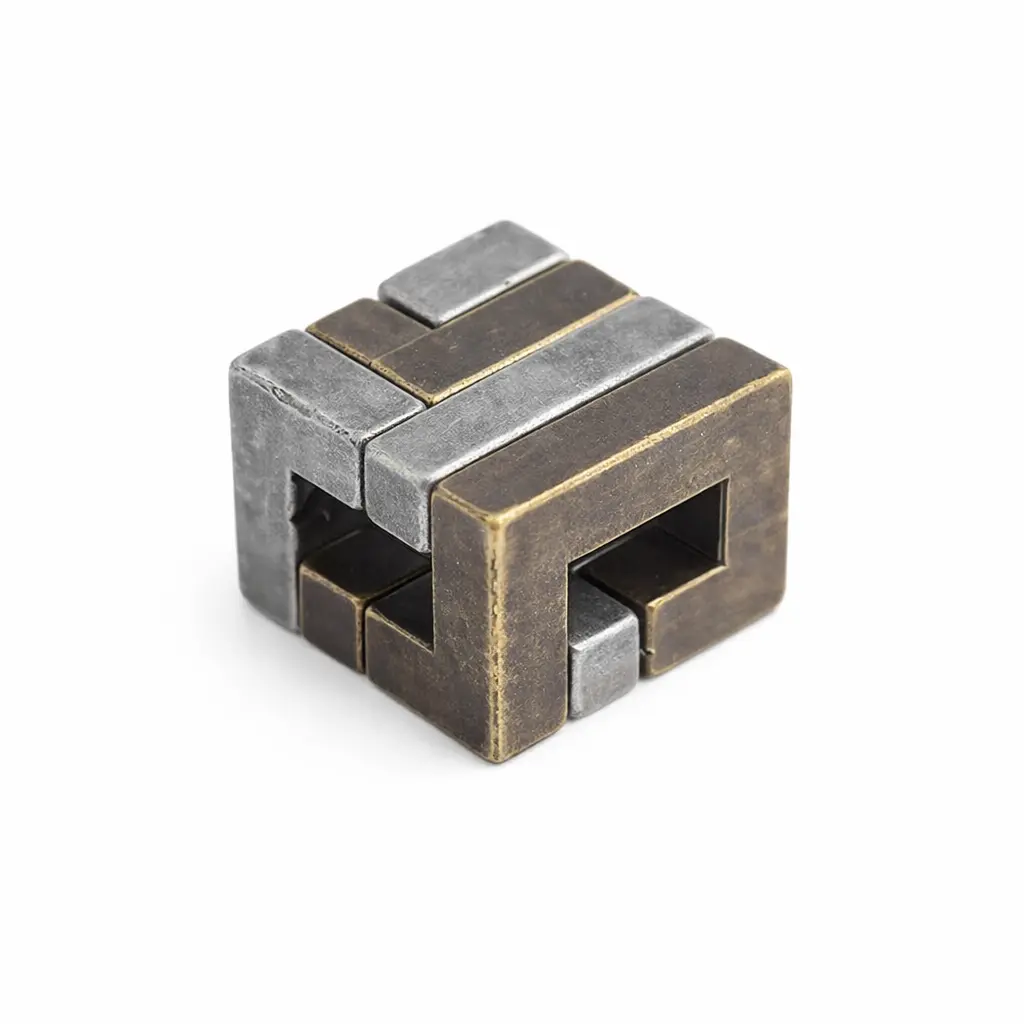
Your Puzzles: The Circular Lock (sequential discovery), Metal Orbit Ring Cast Puzzle (disentanglement), and Cast Coil Pocket Puzzle (trick opening). These small, tactile puzzles are pure mechanism labs. Feeling how they work is better than any diagram.
Ready to sketch? Download our free guide below, then pick the scenario that calls to you.