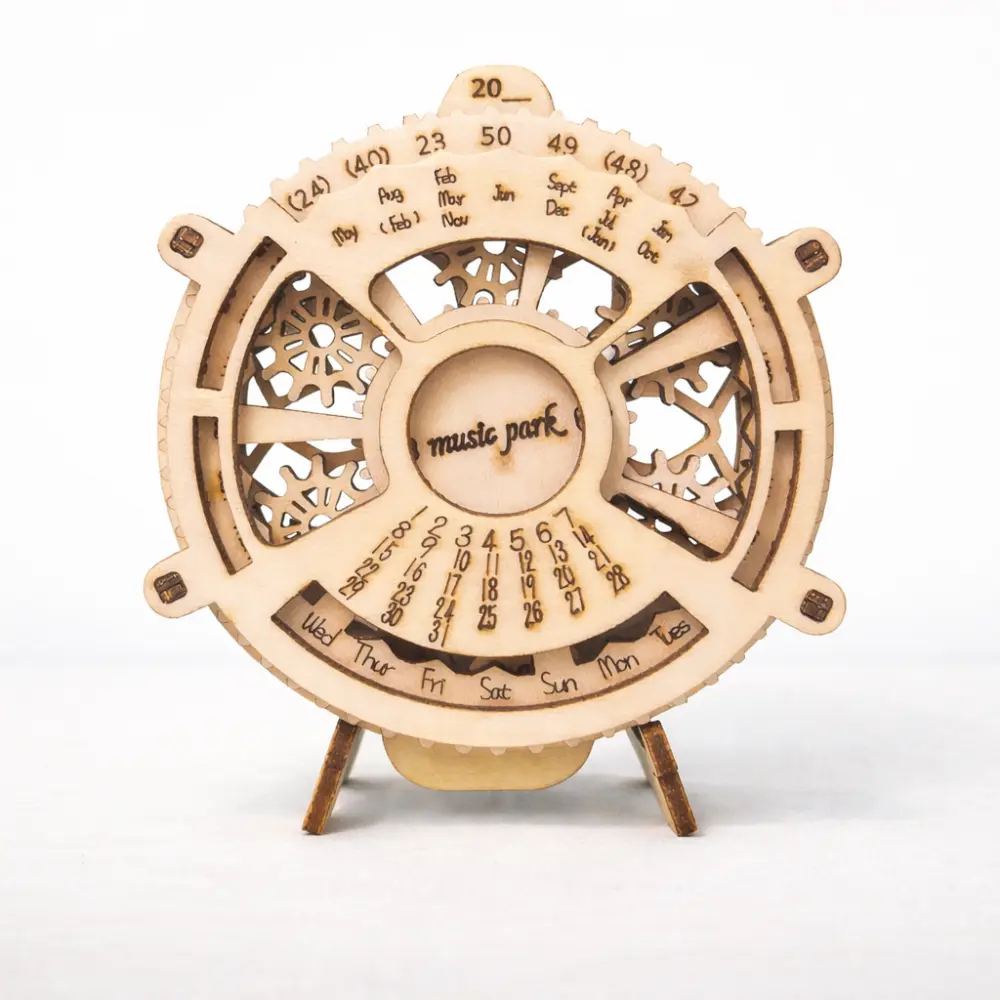
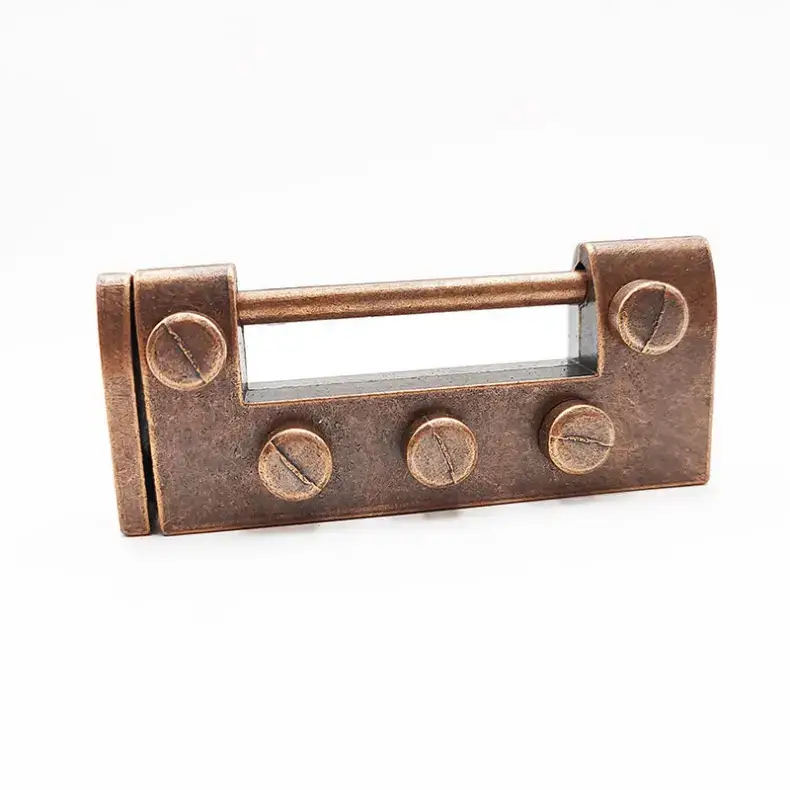
You have your box. Take a deep breath. The goal isn't to open it in 10 seconds; it's to discover how it opens. Follow this observational process.
Step 1: The Visual & Tactile Inspection (5 minutes): Don't try to open it yet. Just explore. Under good light, examine every millimeter. Note all seams, lines, and patterns. Are any pieces slightly different in color or grain? Run your fingernail along seams—does it catch anywhere? Feel the weight distribution. Gently press on every surface, listening for creaks or feeling for slight give. This data-gathering phase is crucial.
Step 2: The Gentle Probe: Now, apply minimal pressure. Try sliding every visible panel in all directions (up, down, left, right, diagonally). Try rotating any protruding elements. Try depressing any inlays. Do this systematically. Your goal is to find the one piece that has movement. That's your entry point. If nothing moves, consider if it's a trick box—try tilting, shaking gently, or placing it on different sides.
Step 3: Hypothesis and Test: Once you find a moving piece, move it and observe. Does it reveal anything? Does it make another piece movable? Does it create a new sound? Form a hypothesis ("If I slide this, then maybe that will unlock") and test it. If it leads nowhere, return the piece and look for another starting point. Remember the principle of sequential movement—the first move enables the second.
Step 4: Patience and Reset: If you get lost, carefully try to return all pieces to their original position. A clean slate is better than a half-solved, jammed state. Walk away if needed. The solution will come. For a more detailed walkthrough focused on wooden boxes, our step-by-step wooden puzzle box guide offers extended techniques.
Your Next Action: Pick up a puzzle and commit to just Step 1 for five full minutes. You'll be amazed at what you notice.