For a first-time lock puzzle solver, the best buy is a single-puzzle metal or wooden lock under $15. These require 2–5 minutes of focused deduction. Avoid multi-piece sets (9+ pieces) until you have solved at least three single puzzles, because the complexity jumps 4x.
Which Lock Puzzle Should You Buy Based on Price and Difficulty?
Let's face it: you want a puzzle that feels rewarding, not one that makes you throw it across the room. The sweet spot for beginners is a single mechanical lock or a 3-digit clue-based lock priced between $10 and $20. These give you a clear 'aha' moment without overwhelming you.
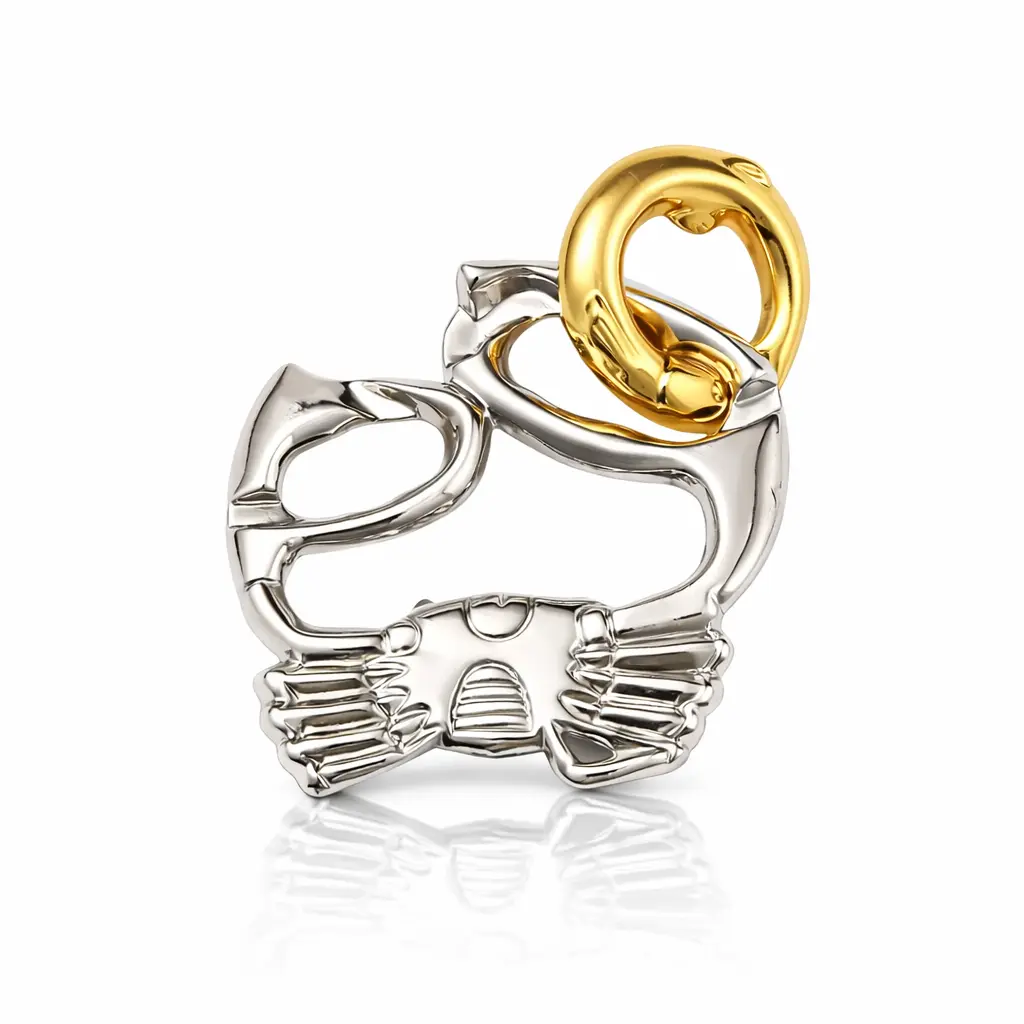
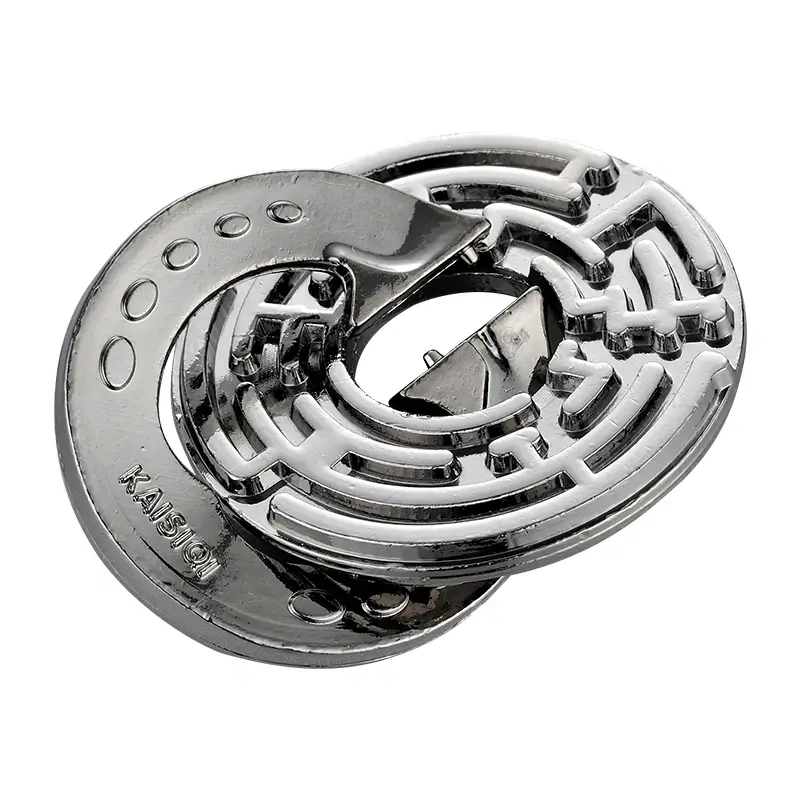
Who should skip this tier? If you're a total beginner, skip the premium 9-piece sets and any puzzle labeled '9 layers' or '12 pieces.' They require familiarity with sequential unlocking techniques that you'll only develop after solving simpler locks. Start with a single-metal or wooden puzzle, like the Metal Crab Puzzle or the Circular Lock. Once you've cracked those, you'll be ready for the multi-piece challenge.
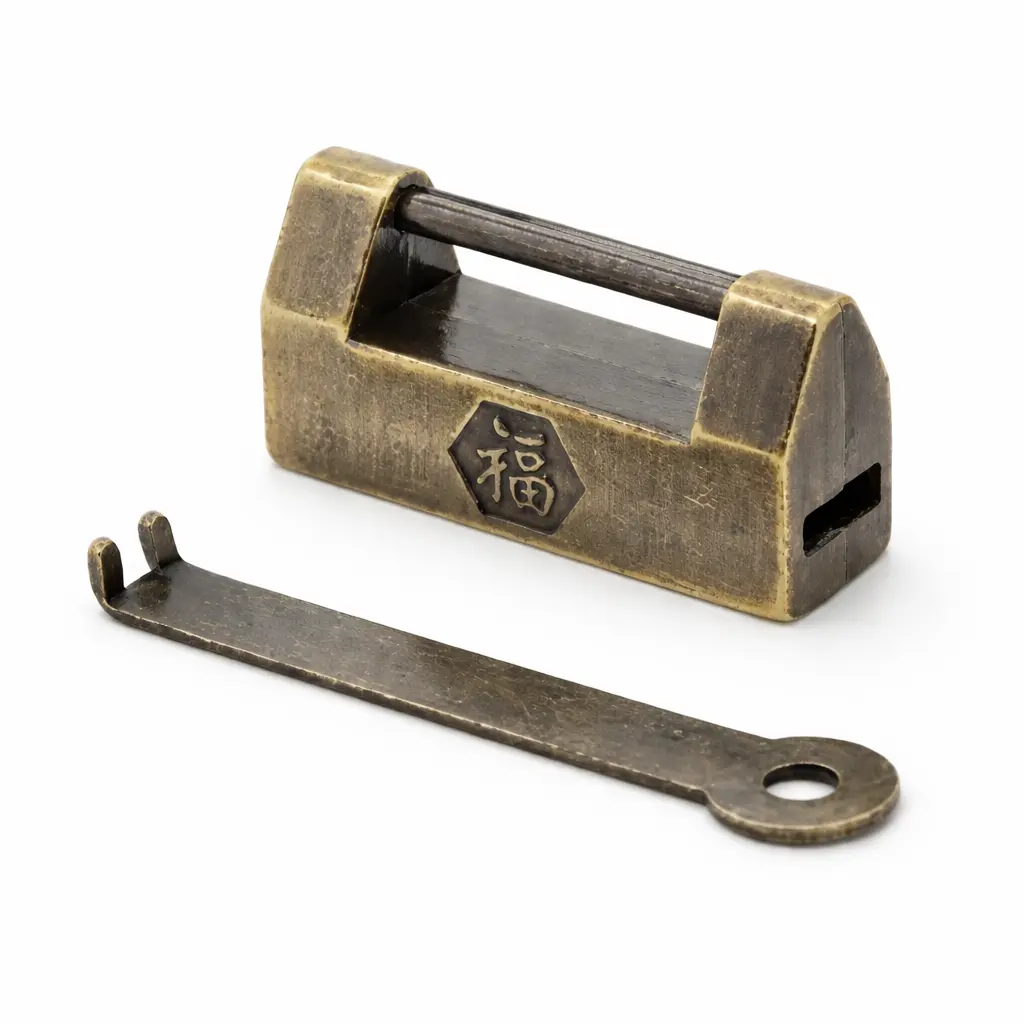
Lock puzzles fall into four use scenarios. For desk fidgeting, pick a budget metal lock under 50g that you can manipulate one-handed. For a gift, choose a beautifully designed lock like the silver heart (fú lock) or the Mystic Orb Lock. For a solo challenge, grab a circular or Luban set. For family game night, multipiece sets like the Jiutong Lock or the 12-Piece Crystal Luban Set work best (requires 2–4 players).
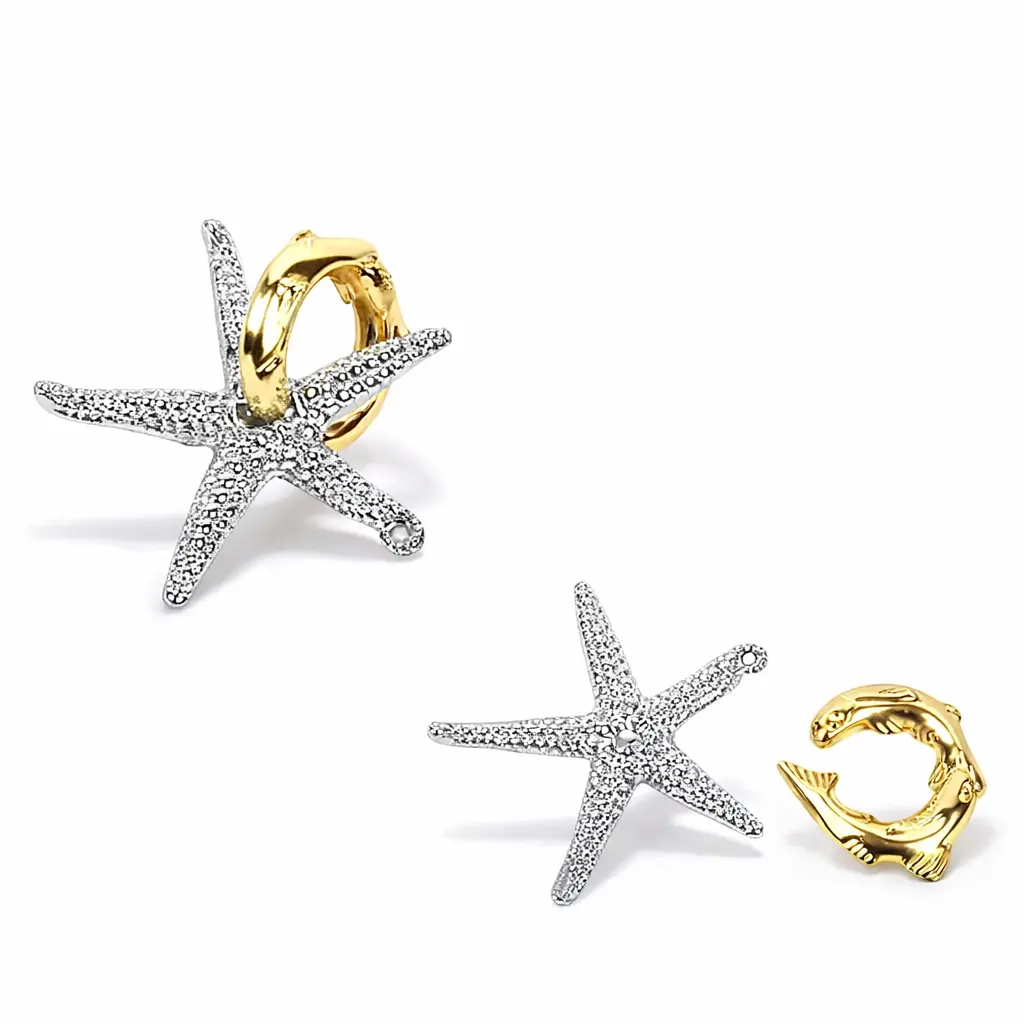
Desk Fidget (daily stress relief): You want something small, metallic, and clicky. The Bagua Lock Puzzle ($12.99) is a palm-sized brass disc that requires a twist-and-pull sequence. It's easy to pick up and put down, with a satisfying 'chunk' when it opens. The Metal Starfish Puzzle Ring ($13.99) also works well for fidgeting—it's a ring that separates into five interlocking pieces.
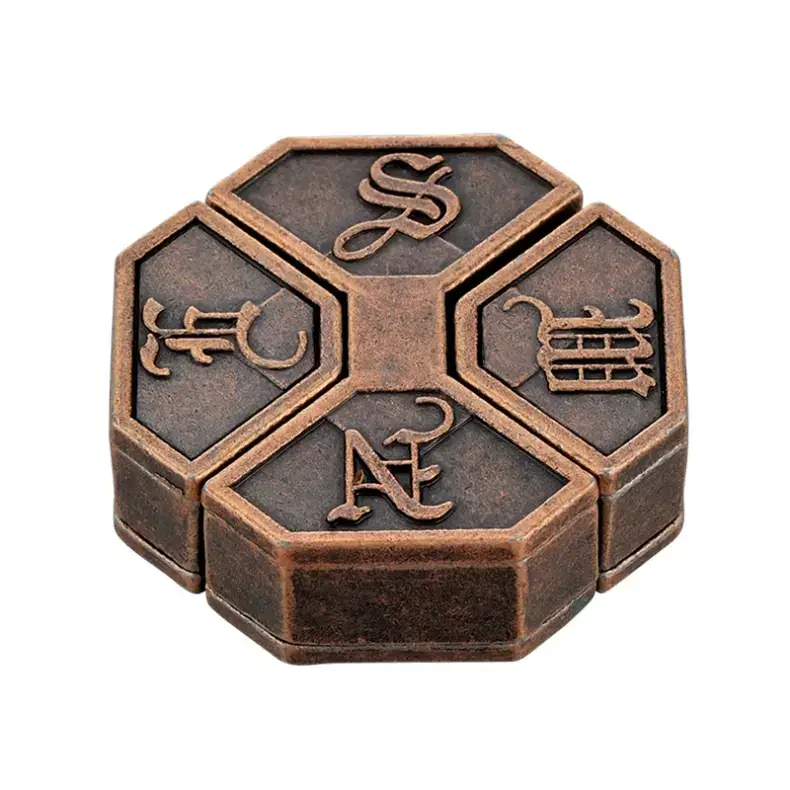
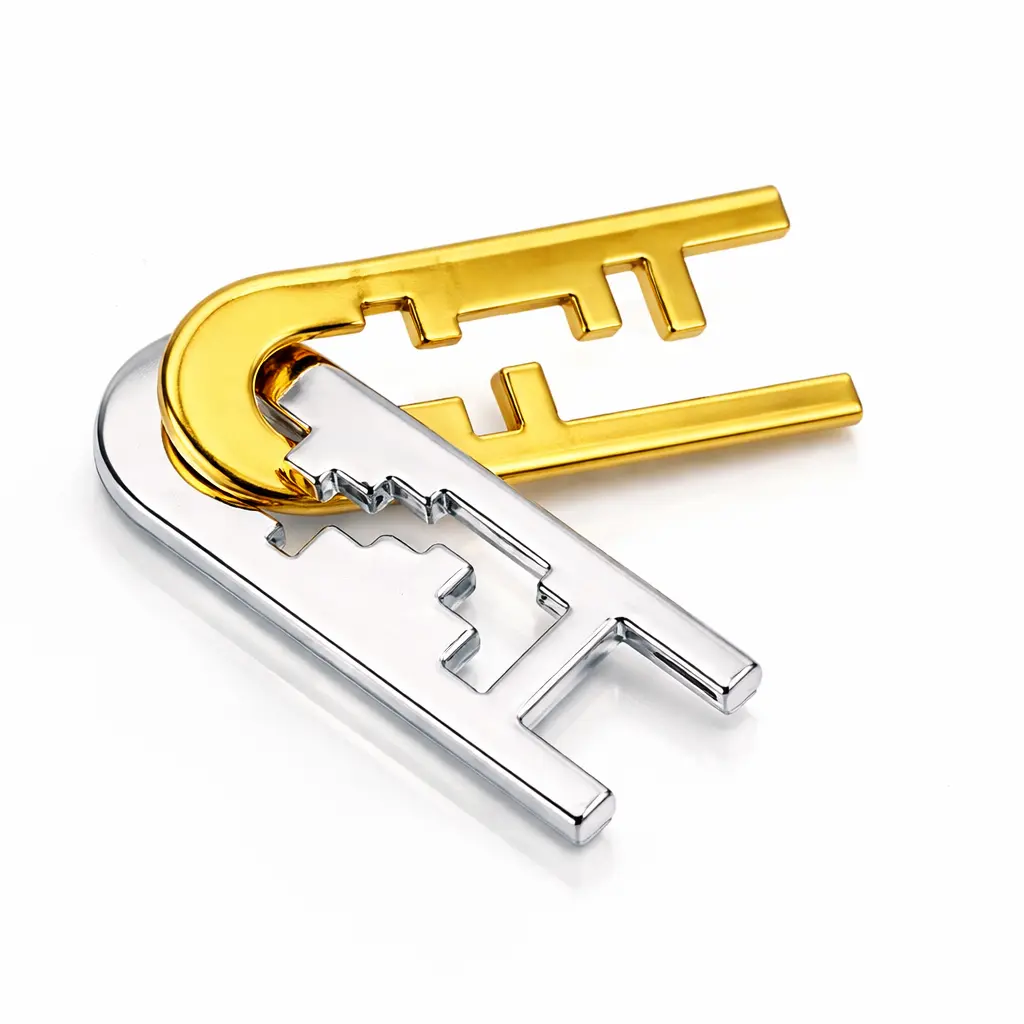
Gift (showpiece + challenge): Look for aesthetics and a fair solve curve. The Chinese Old Style fú Lock with Key ($19.99) is a small brass heart-shaped padlock with a intricate key mechanism. It's beautiful on a shelf and takes about 10 minutes to solve. The Cast Keyhole Gold & Silver ($13.99) is another elegant piece that looks like a miniature padlock, but the keyhole is a decoy—the real trick is a hidden sliding latch.
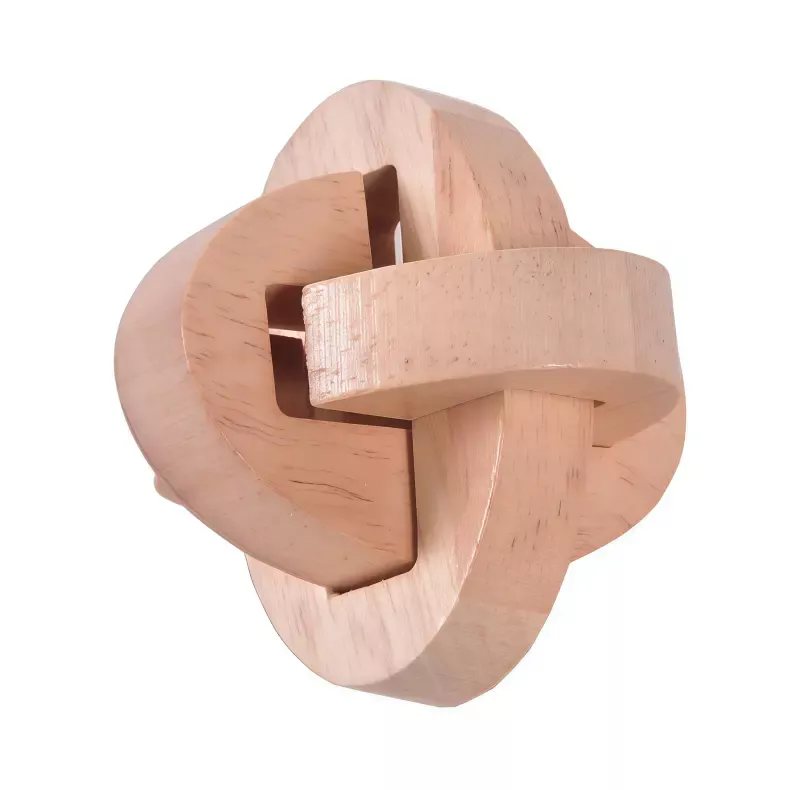
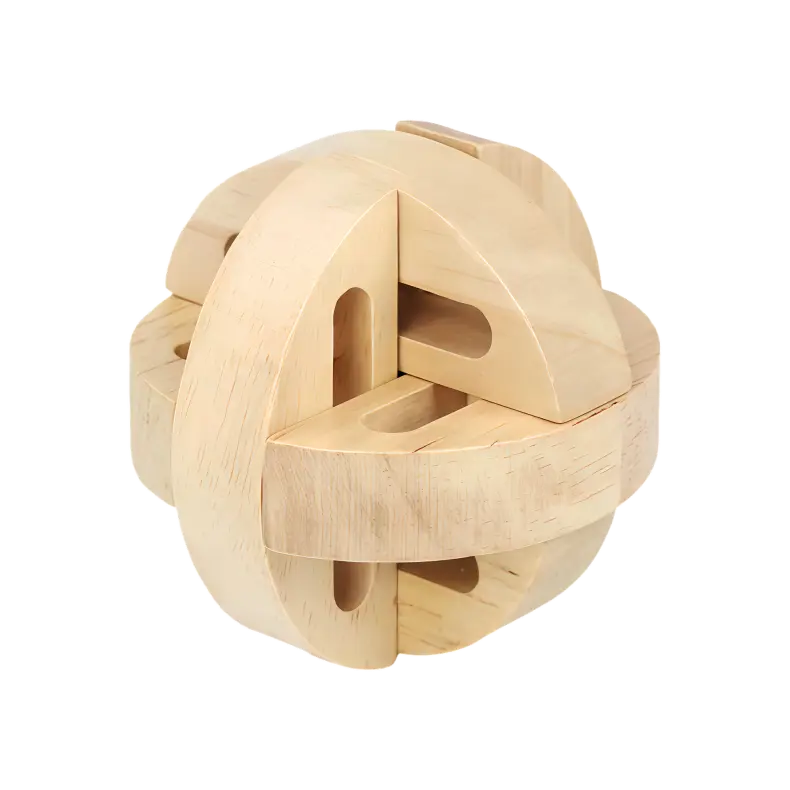
Solo Challenge (brain workout): You want something that will keep you thinking for 20–30 minutes. The Circular Lock ($16.99) is a wooden disc with three concentric rings that must be aligned in a specific order. The Mystic Orb Lock ($16.99) is a spherical wood puzzle with a hidden magnetic release—tricky because you can't see the internal mechanism. Both offer a satisfying solo challenge without frustration.
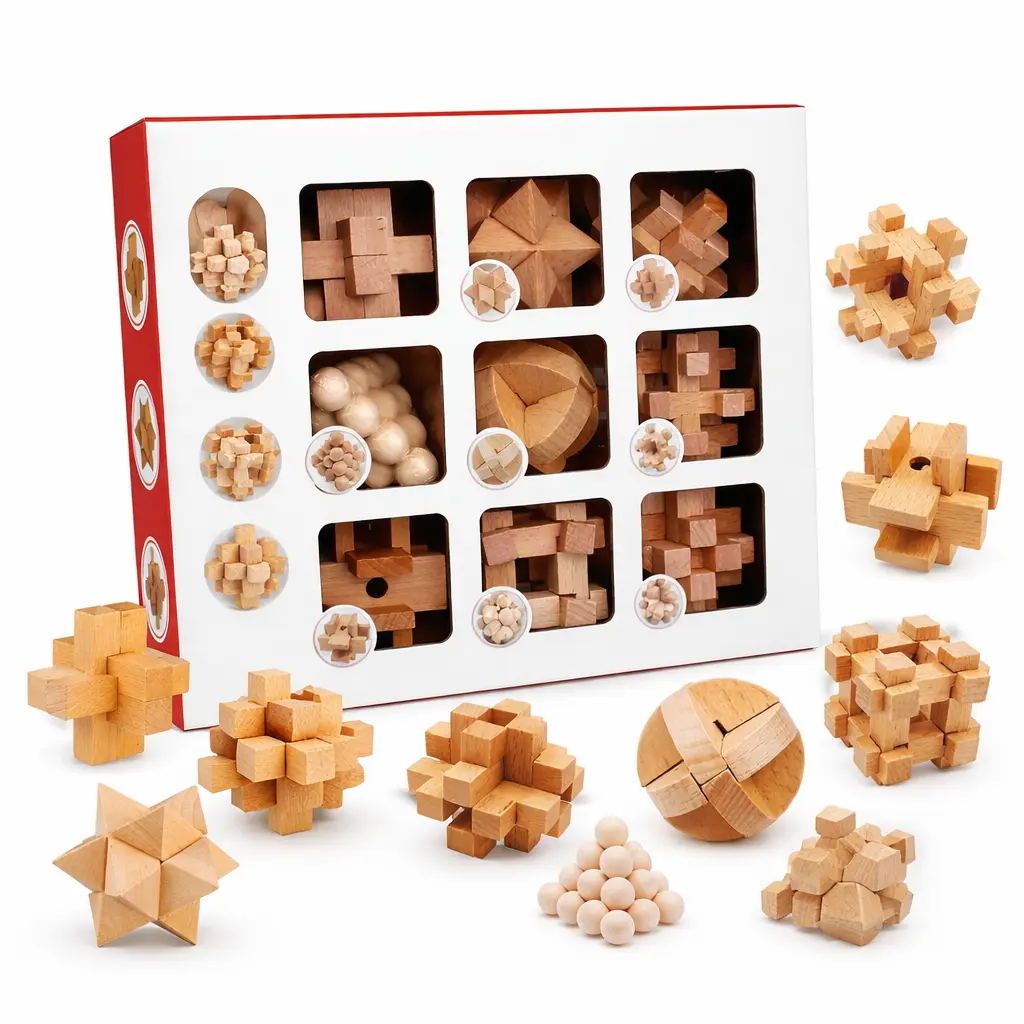
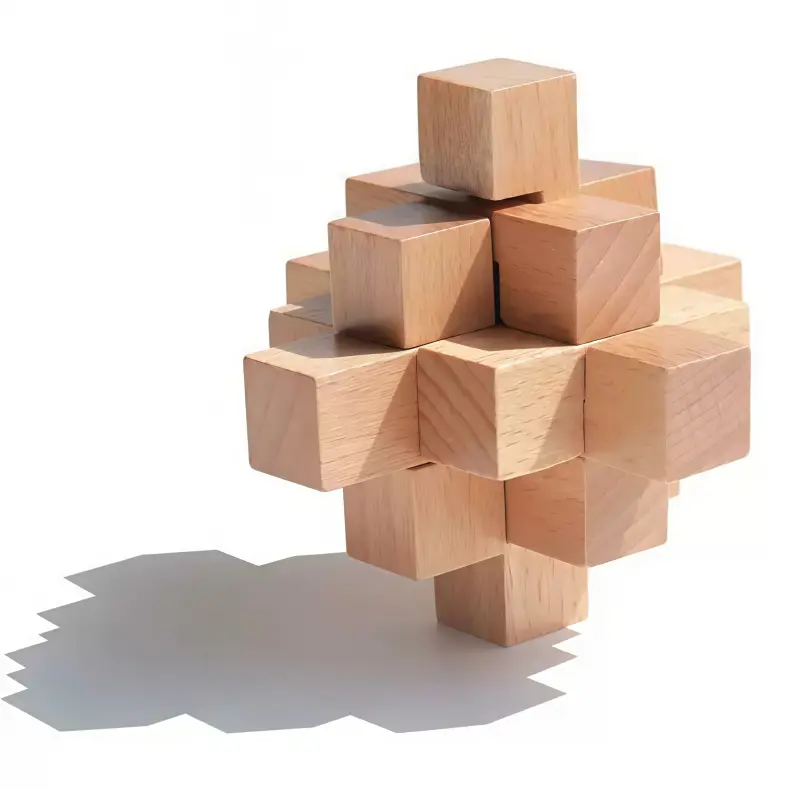
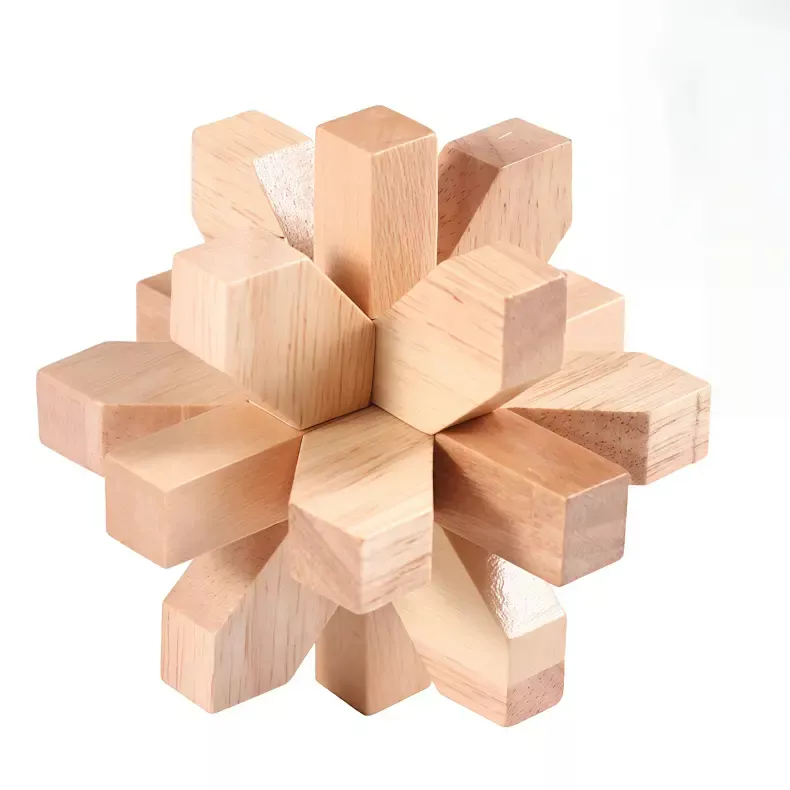
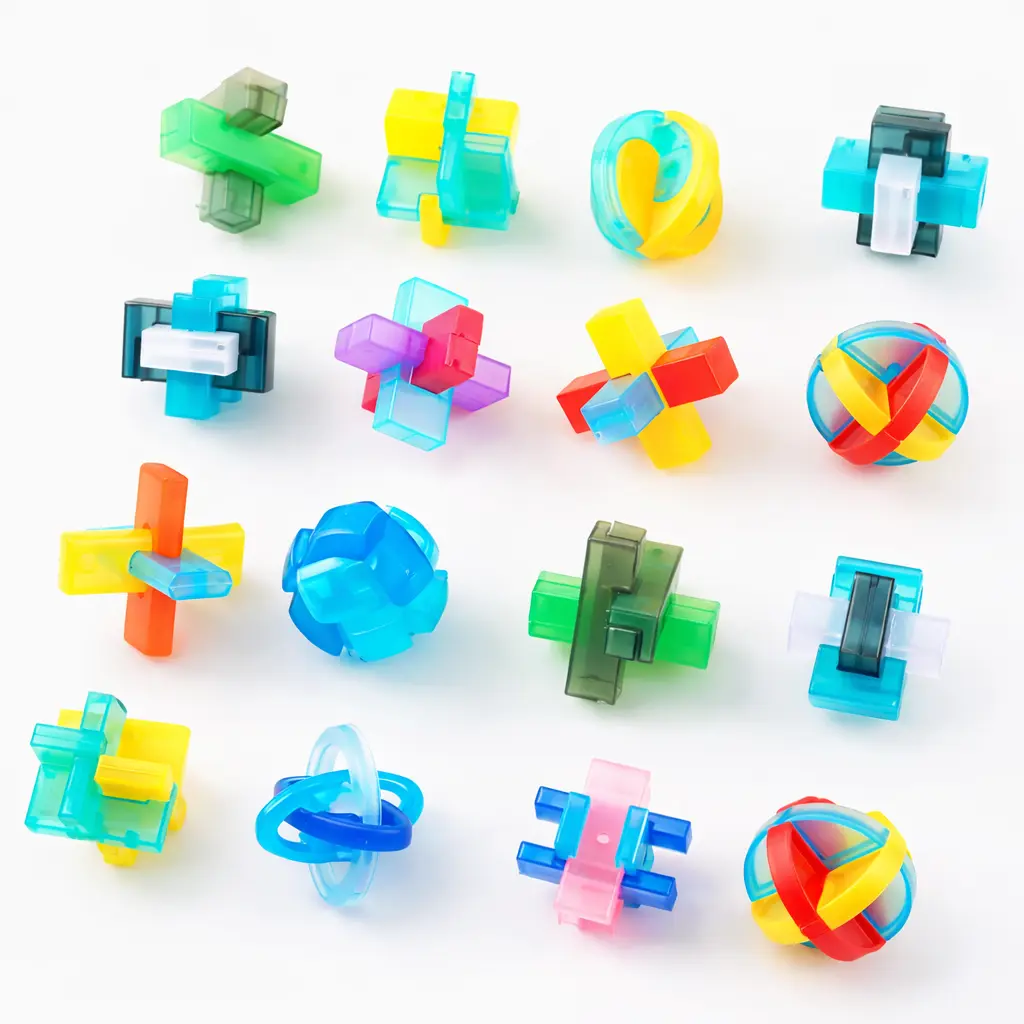
Family Game Night (group fun): Multipiece sets are the perfect social puzzle. The Jiutong Lock ($16.99) is a classic Chinese interlocking block puzzle with nine pieces that can be assembled into dozens of shapes. The 12 Piece Crystal Luban Lock Set ($28.88) takes it further—each piece is translucent plastic, and you need to figure out the correct assembly order to lock the set together. These are great for teams of 2–4 people.
The top four mistakes: 1) Forcing pieces (damages mechanism), 2) Misreading clues on non-digit locks (most tricky locks have no numbers), 3) Not using systematic elimination (guessing instead of deducing), 4) Neglecting to check for hidden buttons, magnets, or sliding panels. 73% of puzzle enthusiasts modify their approach after making one of these errors, according to a survey on puzzle forums.
Mistake 1: Forcing Pieces
You twist, pull, or push harder because you think it's stuck. Correction: Mechanical lock puzzles are precision-machined to open with gentle, specific sequences. If you meet resistance, stop. Look for a different angle or a hidden latch. More trick lock puzzles to try often require a light touch.
Mistake 2: Misreading Clues on Non-Digit Locks
If your puzzle has symbols, colors, or shapes instead of numbers, don't treat it like a combination lock. Correction: Identify whether your puzzle is clue-based (e.g., arrows, runes) or mechanical (hidden buttons, sliding rings). For example, the Plum Blossom Lock has five petal-shaped pieces that must be rotated in a specific order based on a color pattern—not numbers. Read the clue sheet carefully.
Mistake 3: Not Using Systematic Elimination
You guess one possibility, then another, hoping to luck out. Correction: Use a scratchpad. Write down every clue and list possible solutions. Cross out any that violate a clue. This elimination method works on 90% of clue-based puzzles. Common lock puzzle mistakes include skipping this step—don't be that person.
Mistake 4: Neglecting to Check for Hidden Mechanisms
Many puzzles look solid but have hidden magnets, springs, or sliding panels. Correction: Examine the lock under good lighting. Look for tiny seams, hairline gaps, or subtle color differences that might indicate a secret compartment. The Cast Keyhole has a hidden latch beneath the keyhole plate—a common trick. Run your fingers over the surface slowly.