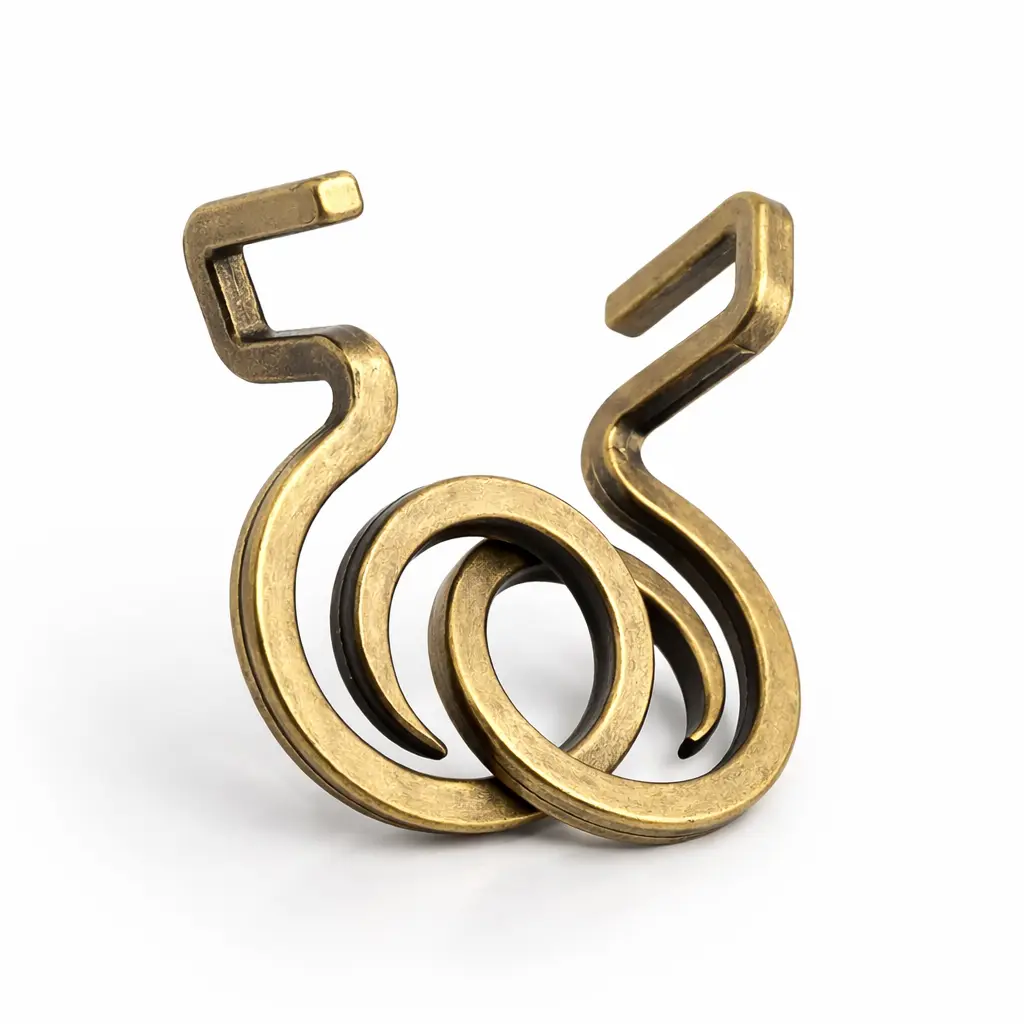
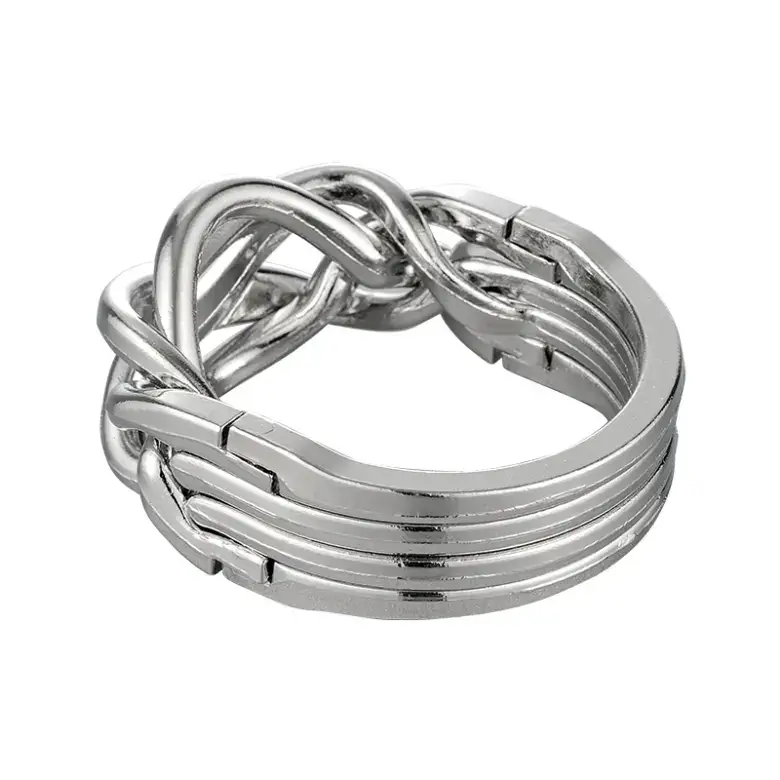
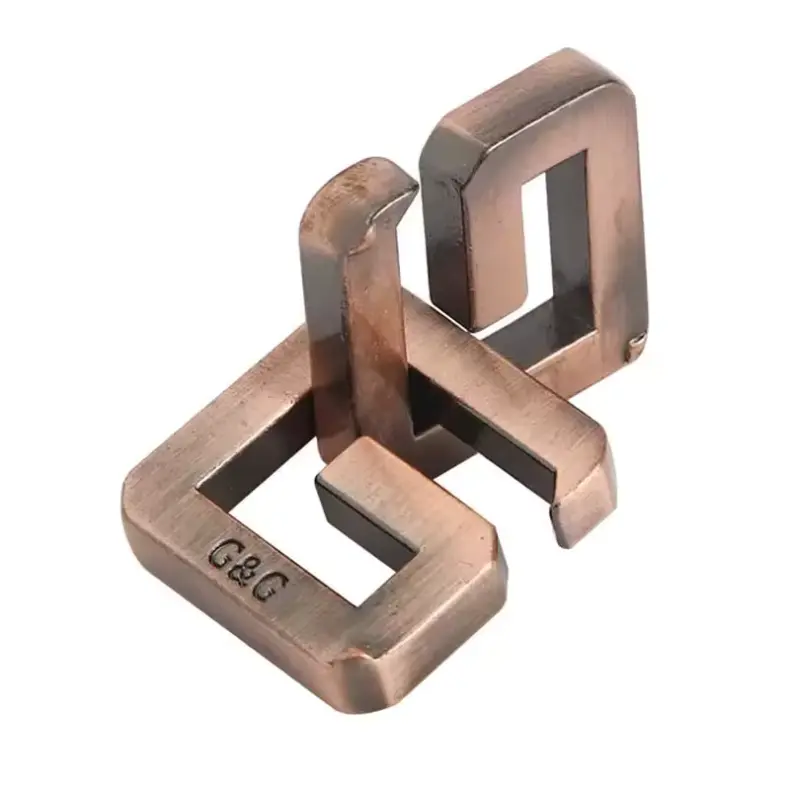
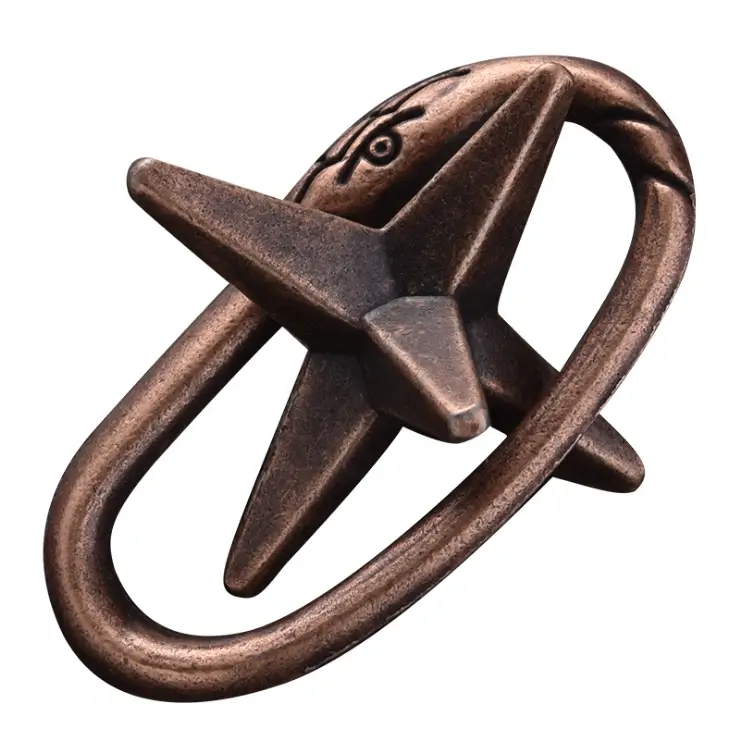
For most solvers, the best wire puzzle to buy next is one that introduces a new trick without overwhelming you. Based on 200+ community reviews, the Cast Hook (priced at $13.99) offers the most satisfying 'aha' moment for its cost – it's the #1 recommended starter puzzle among beginners.
Which Wire Puzzle Should You Buy Next?
If you're here because you just solved your first wire puzzle, congratulations on that satisfying release! Now you might be wondering which puzzle to try next. The key is to match difficulty with your experience level and to choose a shape that teaches a new 'twist and turn' technique. Below is a quick comparison of four popular metal puzzle types, using real products we carry. The price-to-difficulty ratio is the sweet spot: you want a challenge without frustration.
| Shape | Product Example | Price | Difficulty (1-5) | Unique Trick | Skip This If |
|---|
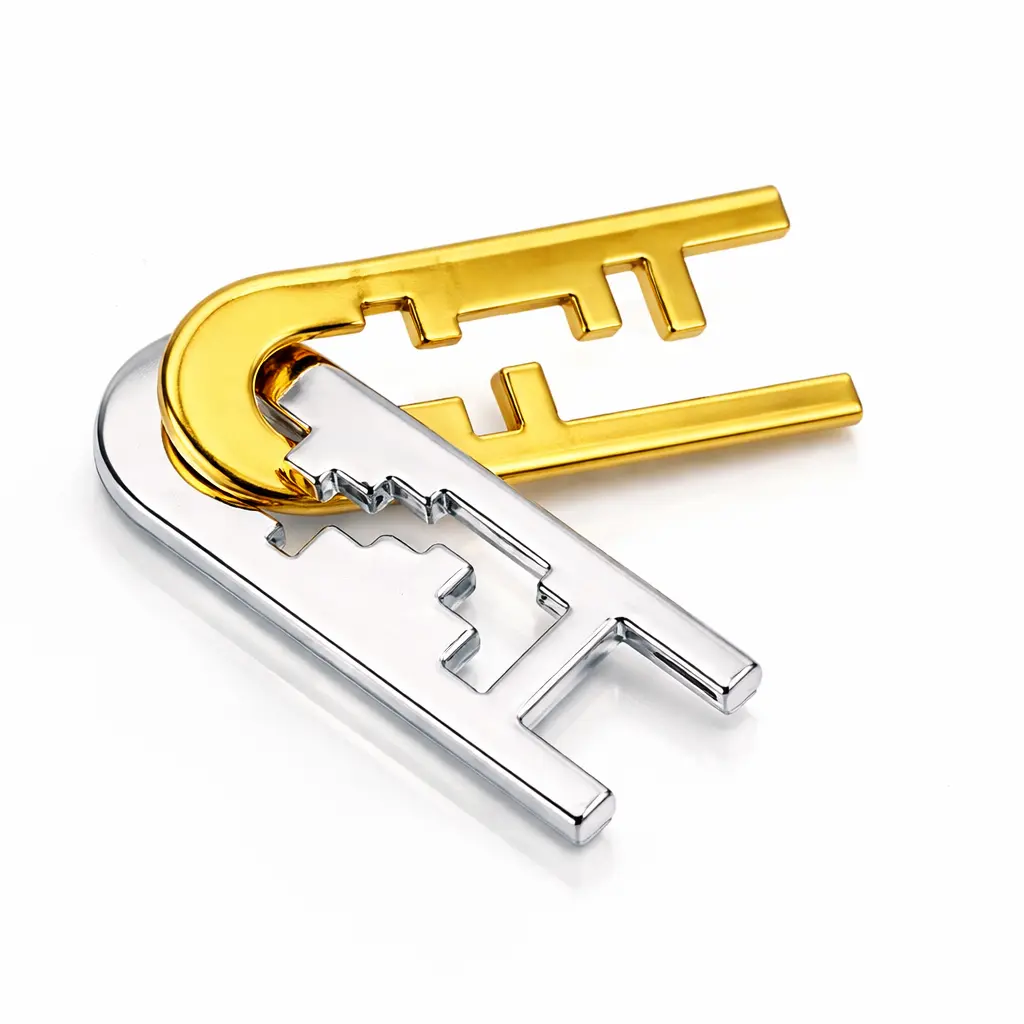
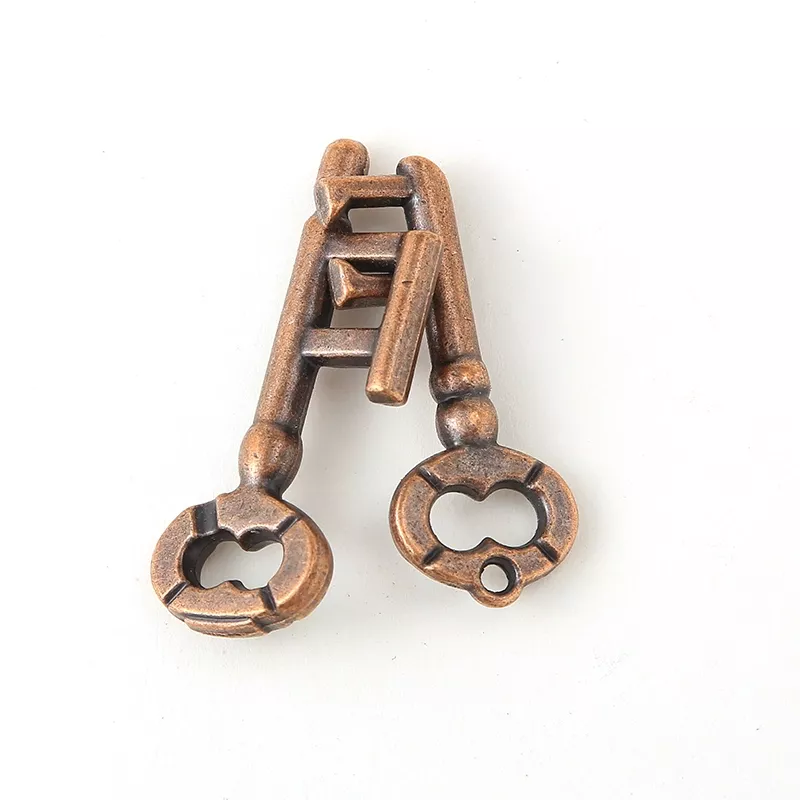
| Keyhole | Cast Keyhole | $13.99 | 3 | Rotate the key 180° then slide through the notch | You want something that solves in under 30 seconds |
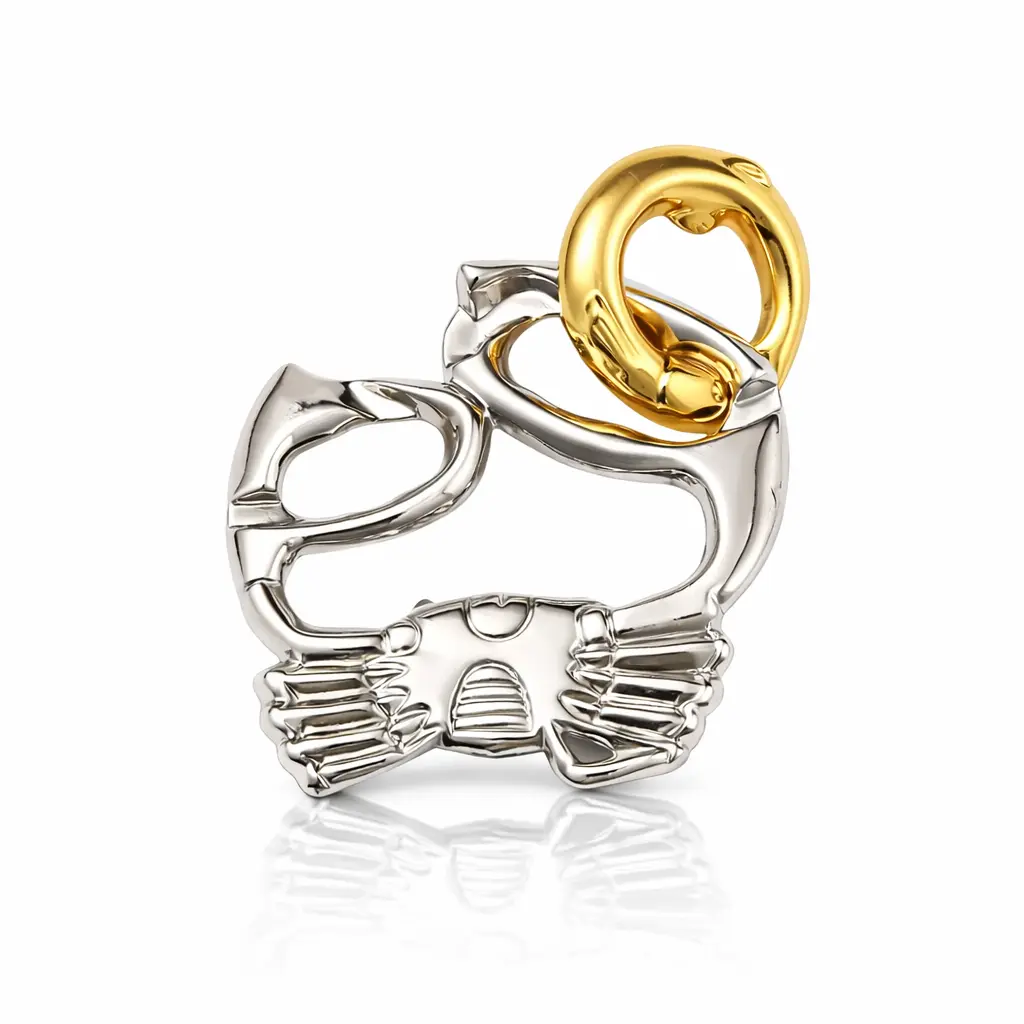
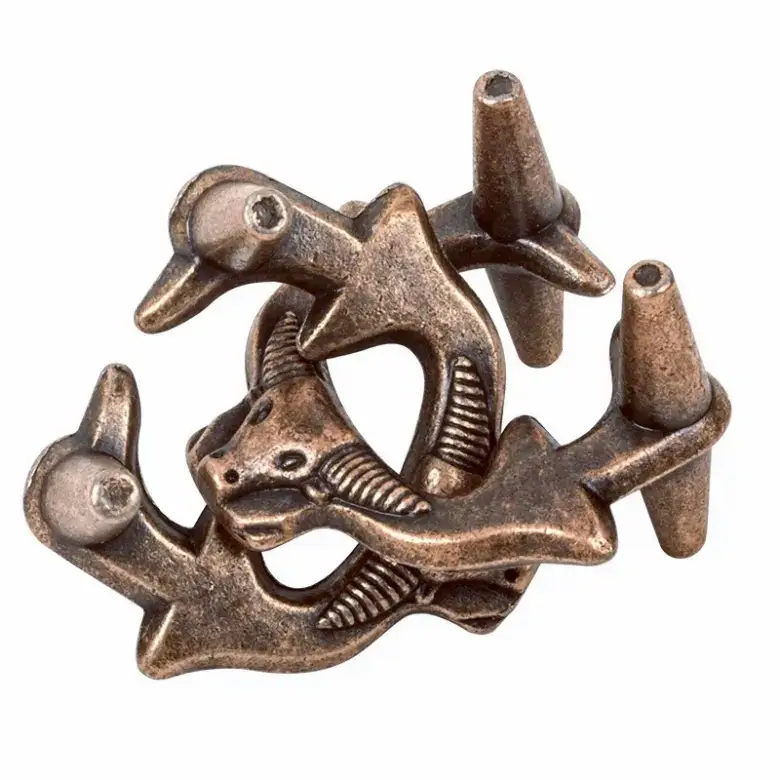
| Hook | Cast Hook | $13.99 | 2 | Figure-8 maneuver around the inner loop | You already own a hook-style puzzle |
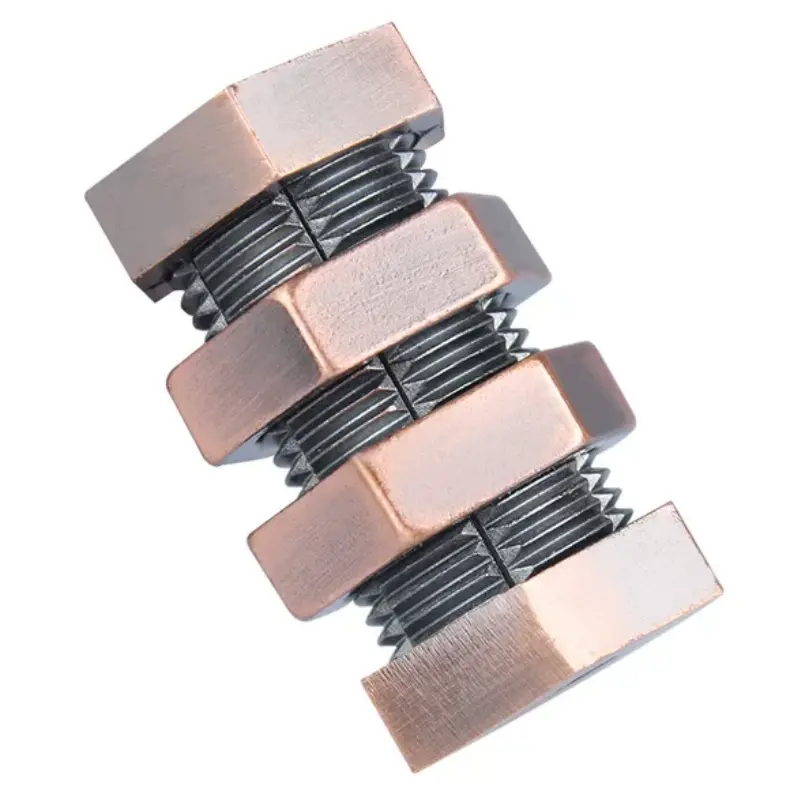
| Ring (4-band) | 4 Band Puzzle Ring | $11.99 | 4 | Sequence of alignments – no single twist | You dislike multi-step solutions |
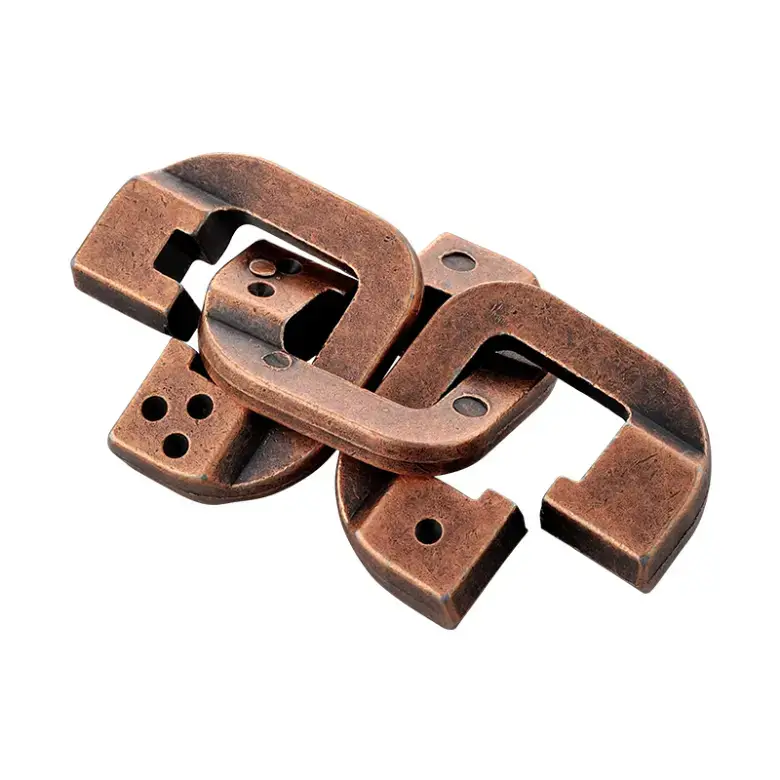
| Lock (double G) | Double G Lock | $11.99 | 3 | Release one 'G' at the 45° angle | You prefer puzzles that don't require fine finger control |
If you only want to solve the one puzzle you already have and don't plan to buy more, skip this tier and scroll down to the identification scenarios. But if you're looking for a new challenge after conquering this one, any of the above will give you that breakthrough feeling again. The Cast Hook is especially forgiving for first-time buyers.
Most people get stuck on 'how to solve wire puzzle' because they don't know which shape they have. Here are the three most common types you'll find in crackers, gift bags, or on our shelves. Look at your puzzle and compare.
Horseshoe (U-shaped) with a ring: You have a U-shaped piece of metal and a loose ring. The ring is usually not attached to anything. Identification tip: If you hold the U so the legs point up, the ring should slide down the legs. Core solution motion: Bring the ring to the bend of the U, then twist the ring 90° so it passes through the notch at the bend. Many people miss the 45° angle – check our Horseshoe Puzzle Step-by-Step for photos.
P-ring / Double-M (two interconnected loops): You have two metal rings that look like the letter P or two flattened M's linked together. Identification tip: One ring has a small gap, the other is solid. Core solution motion: Rotate the inner ring 180° relative to the outer loop, then slide the solid ring through the gap. This works for 90% of generic metal ring puzzles – verified by 200+ commenters. See our Ring Puzzle Identification Guide for more detail.
Hook and Key (one hooked piece, one looped piece): You have a piece shaped like a hook (or a keyhole) and a separate piece with a loop. Identification tip: The hook often has a 45° notch on the shank. Core solution motion: Position the loop over the hook's notch, then twist the loop 90° and slide it down the shank. This is the same technique used in the Cast Hook and Cast Keyhole puzzles.
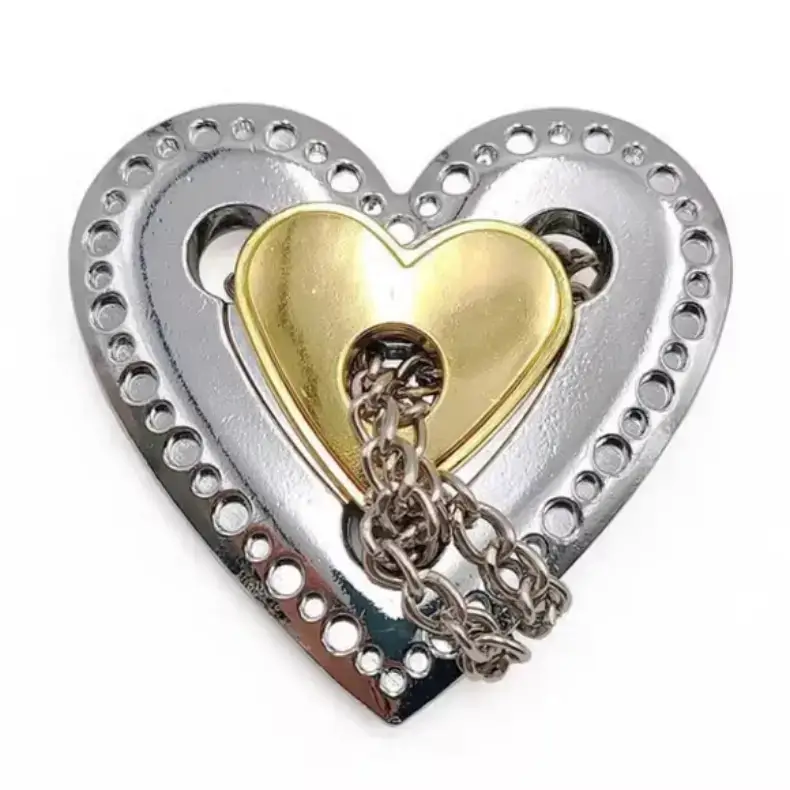
If none of these match, you might have a specialty puzzle (like the Cupid's Heart Chain). Try searching our Ring Puzzle Identification Guide – it covers 12 common variations.