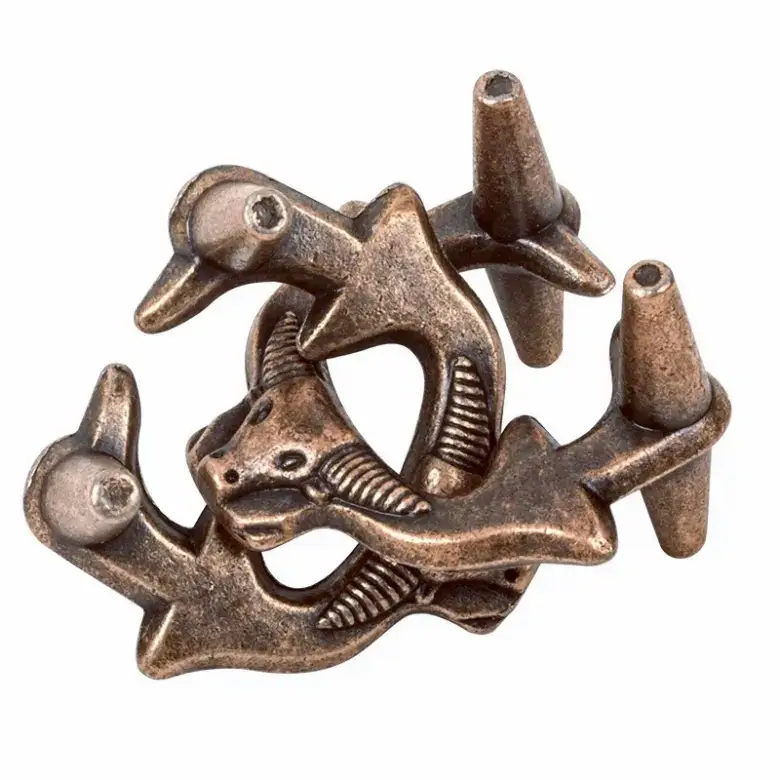
Judge a puzzle by three pillars: the cleverness of its sequential mechanism, the tactile heft and precision of its build, and its replay value after you know the secret. Skip any puzzle where the keys or lock body feel thin or flimsy (under 40g total weight often signals this), as these are often instantly-solved imposters. A genuine challenge involves 3-5 distinct mechanical steps for first-time solvers.
How Do You Spot a High-Quality Two-Key Lock Puzzle Worth Your Time?
You’re not just buying pieces of metal; you’re investing in 25-45 minutes of focused, screen-free intrigue. The market is flooded with look-alikes that disappoint in seconds. To avoid that, ignore the surface decoration and focus on the mechanical heart of the puzzle. Here’s your comparison framework:
| Comparison Point |
What to Look For (The Good) |
What to Avoid (The Bad) |
Why It Matters to You |
| Cleverness of Mechanism |
Multi-Step, Sequential Logic. The puzzle requires using the keys in a specific, non-obvious order, often involving intermediate states (e.g., a key locks into a hidden slot, rotates the internal chamber, or aligns a secondary gate). The solution feels like a mini detective story. |
The Single Trick. If the solution is simply “insert Key A, then pull Key B,” you’ll solve it in under a minute. These lack the layered challenge that creates the ‘Aha!’ moment. |
This is the core of your purchase. A clever mechanism delivers the intellectual satisfaction you’re seeking. For a masterclass in mechanical grammar, see our blog on understanding the mechanical grammar of puzzles. |
| Tactile & Build Quality |
Substantial Heft & Precise Fit. Keys and lock body have weight (think 50-100g total), a smooth but not sloppy fit, and a clean, durable finish (e.g., antique bronze, nickel plating). You can feel the quality in your hand. |
Flimsy, Sharp-Edged Metal. Thin, lightweight metal that bends if you apply slight pressure. Poor casting with flash (excess metal) that impedes movement. These feel cheap and break the immersion. |
Heft equals durability. A well-machined puzzle provides smooth, consistent tactile feedback—every click and slide is part of the experience. It won’t bend or warp, ensuring the challenge remains intact. |
| Replay Value & Presentation |
A Sealed Solution & Clear Goal. Includes a solution in a separate, sealed envelope. The objective (“unlock the ring”) is stated upfront. The design is elegant enough to pass to a friend or display. |
Vague Instructions, No Solution. Leaves you guessing if you’re even solving it right. Once solved, it’s a one-time trick with no way to easily reset for others. |
This alleviates solve-time anxiety. Knowing a solution exists lets you relax into the challenge. Good presentation means it’s a shareable experience, not a disposable novelty. |
Who Should Skip This Tier Entirely? If you’re looking for a child’s first puzzle or a simple fidget item, these are not for you. These puzzles are built for adults and older teens who appreciate mechanical intrigue and a moderate challenge. For a curated list of options across different styles, check our guide to the expert picks for best metal disentanglement puzzles.
Your Next Step: Scan the product details below for weight (a good sign) and look for mentions of “sequential steps” or “internal mechanism.” Our top pick, the Two Key Lock Puzzle, is the benchmark for this category.
Difficulty is defined by the number of genuine mechanical steps, not marketing labels. A true 'Intermediate' puzzle like our top pick involves 4-5 distinct, non-obvious actions. First-time solve surveys consistently clock it at 25-45 minutes. 'Beginner' puzzles are solvable in 15-30 minutes with 2-3 key insights.
Seeing ‘Challenging’ on a product page tells you nothing. Let’s translate that into real-world, time-based expectations based on the mechanics, not hype.
The Satisfying Weekend Project (25-45 Minutes): This is the sweet spot. It’s the difficulty of our flagship Two Key Lock Puzzle. You’ll pick it up, try the obvious things, hit a wall, put it down, and pick it up again with fresh eyes. The breakthrough comes from noticing a subtle alignment or a hidden interaction between the keys. This timeframe indicates a well-designed, multi-step mechanism that respects your intelligence.
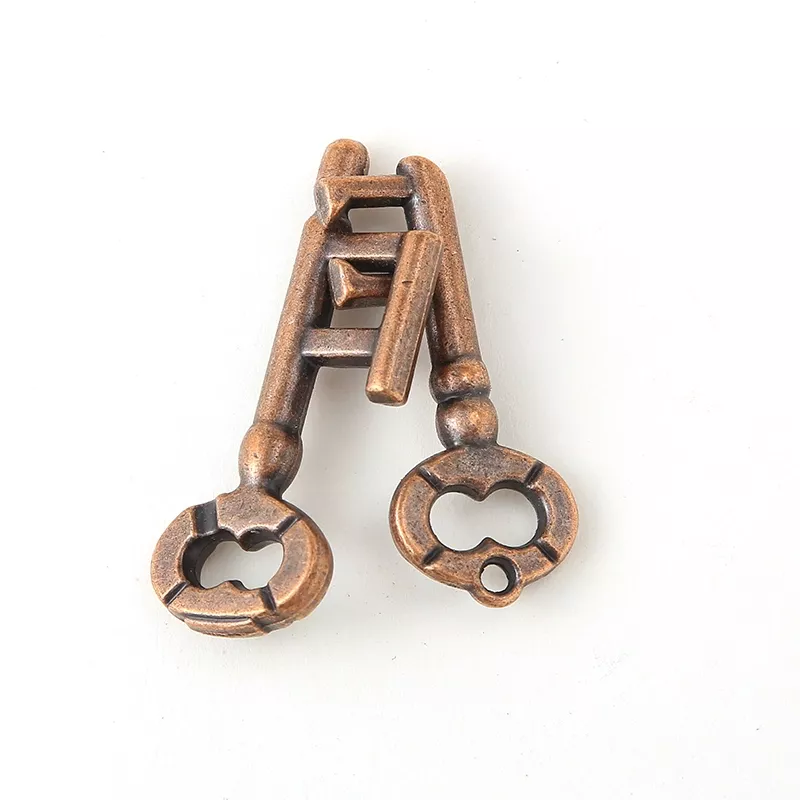
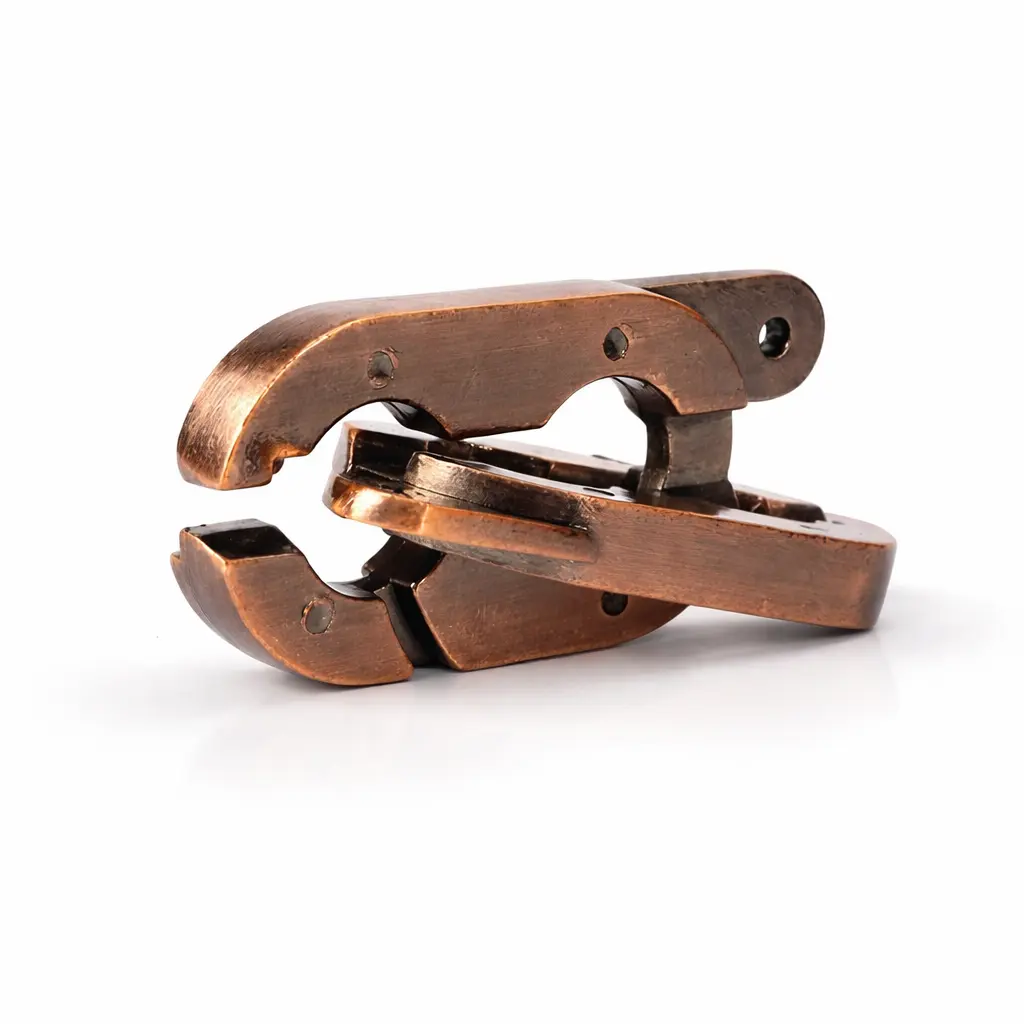
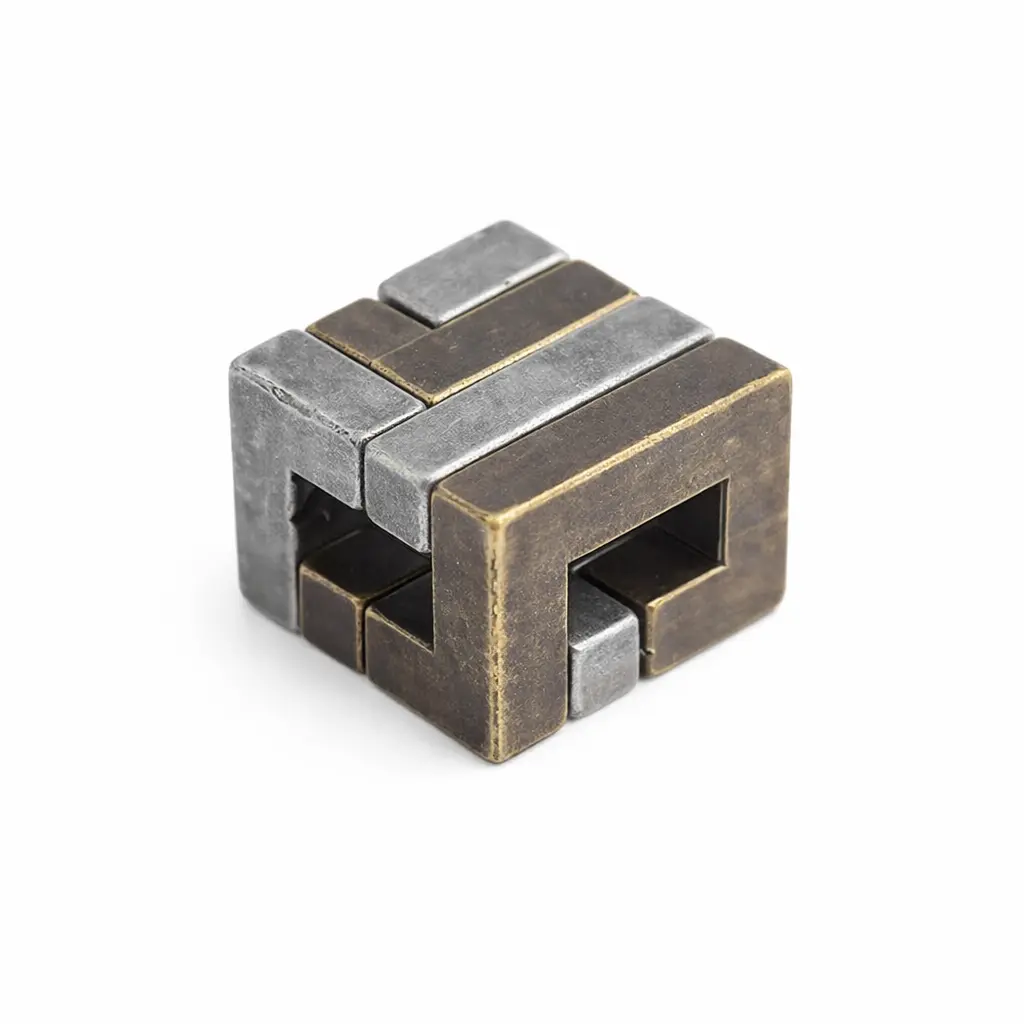
The 15-Minute Coffee Break (10-30 Minutes): Puzzles like the Antique Bronze Keyring Puzzle or the Cast Keyhole often fall here. They have a clever trick, but once you discover the key interaction (often a specific rotational alignment or a cleverly disguised opening), the solution unfolds quickly. Perfect for a satisfying mental reset without an evening-long commitment.
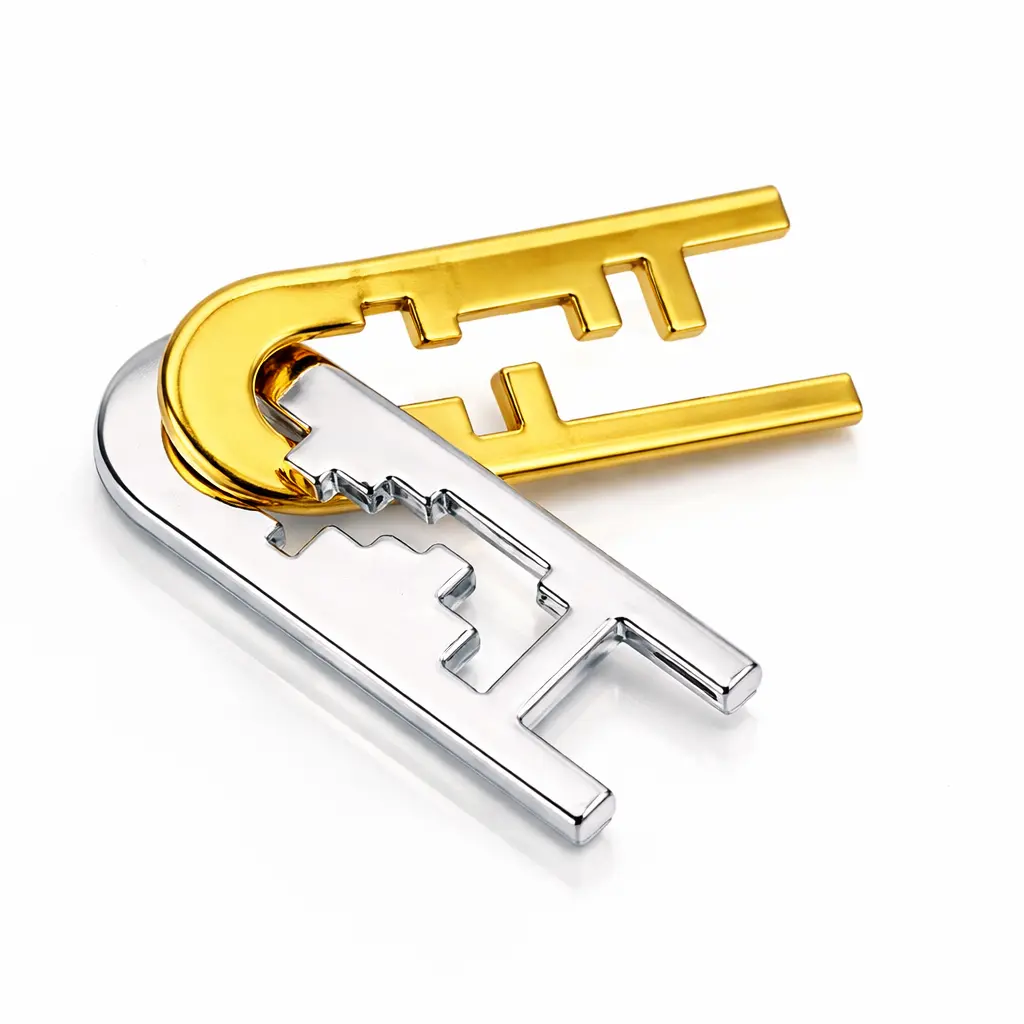
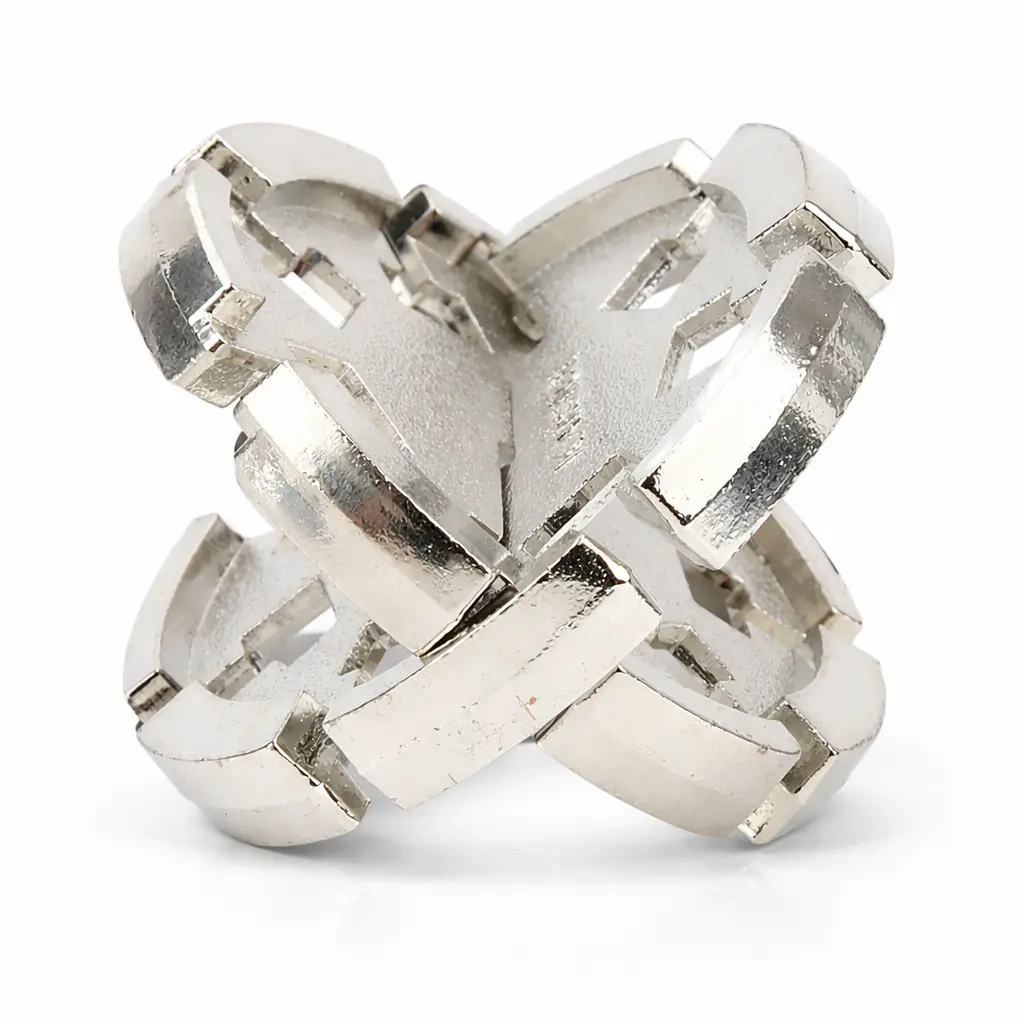
The “Not a Two-Key” Confusion: Some puzzles, like the beautiful Interlocking Metal Disk, are fantastic—but they are disentanglement puzzles, not lock-and-key mechanisms. Their difficulty comes from spatial maneuvering, not sequential unlocking. It’s a different type of challenge entirely. Understanding this taxonomy is key to matching a puzzle to your desired experience.
Your Next Step: Be honest about your patience level. If you want a guaranteed ‘win’ in one sitting, aim for the Coffee Break tier. If you want to be genuinely stumped and rewarded, choose the Weekend Project. All our puzzles include a sealed solution to curb any frustration.