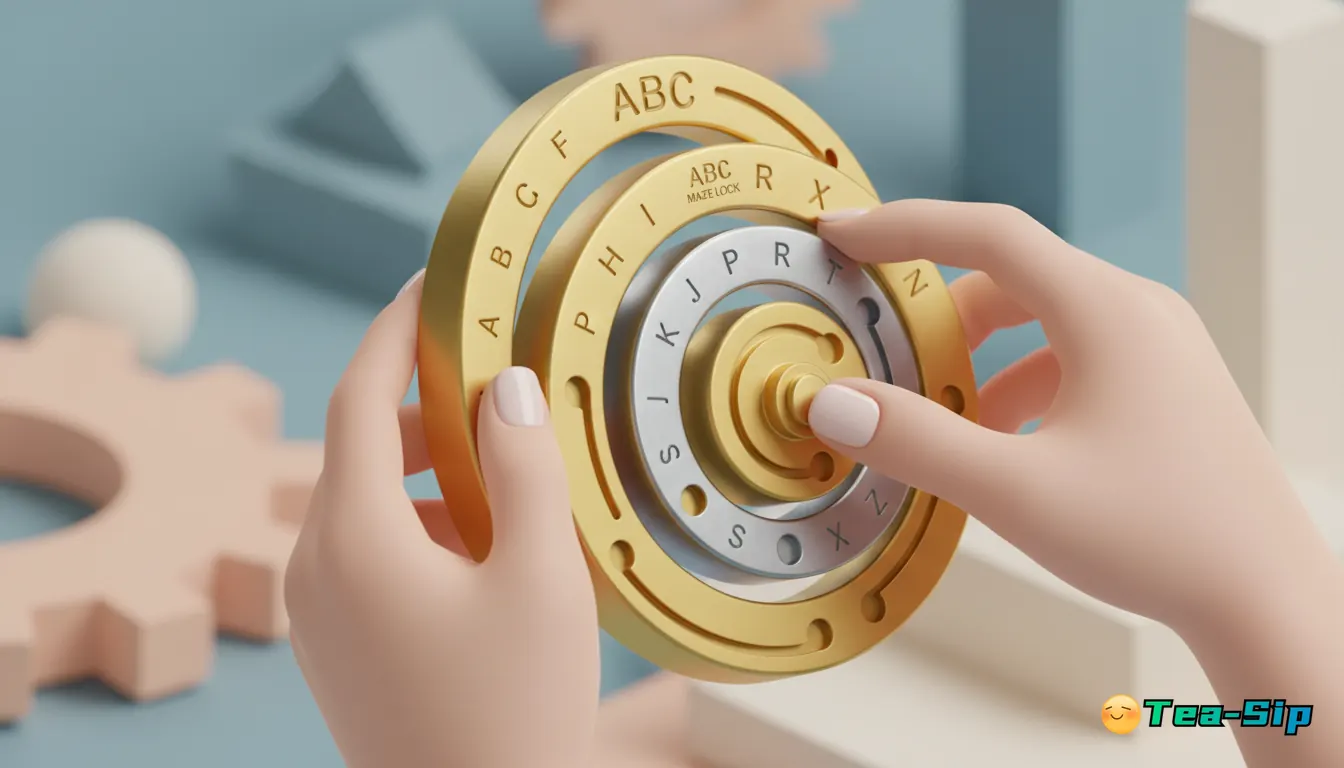
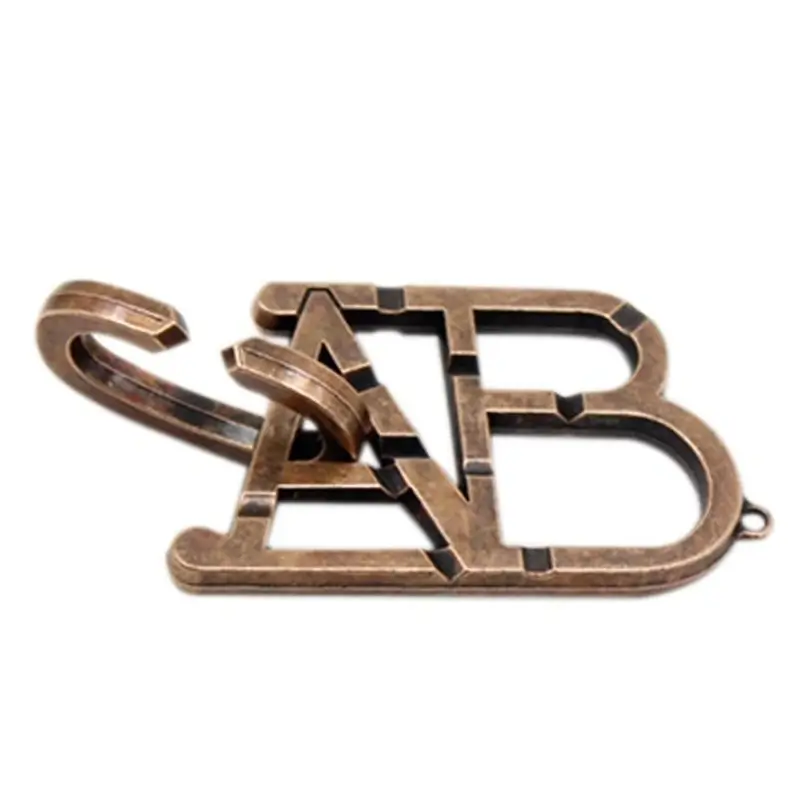
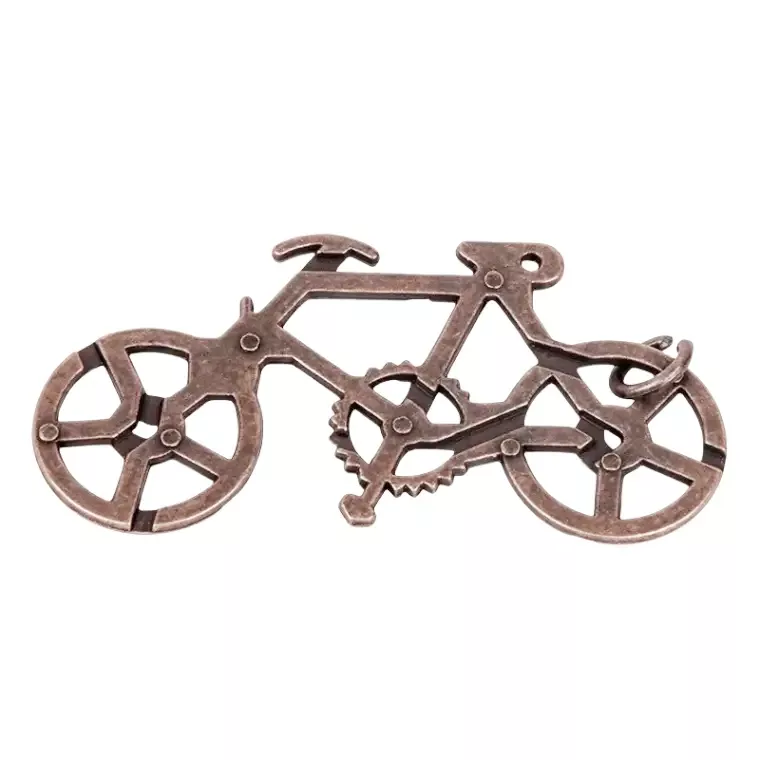
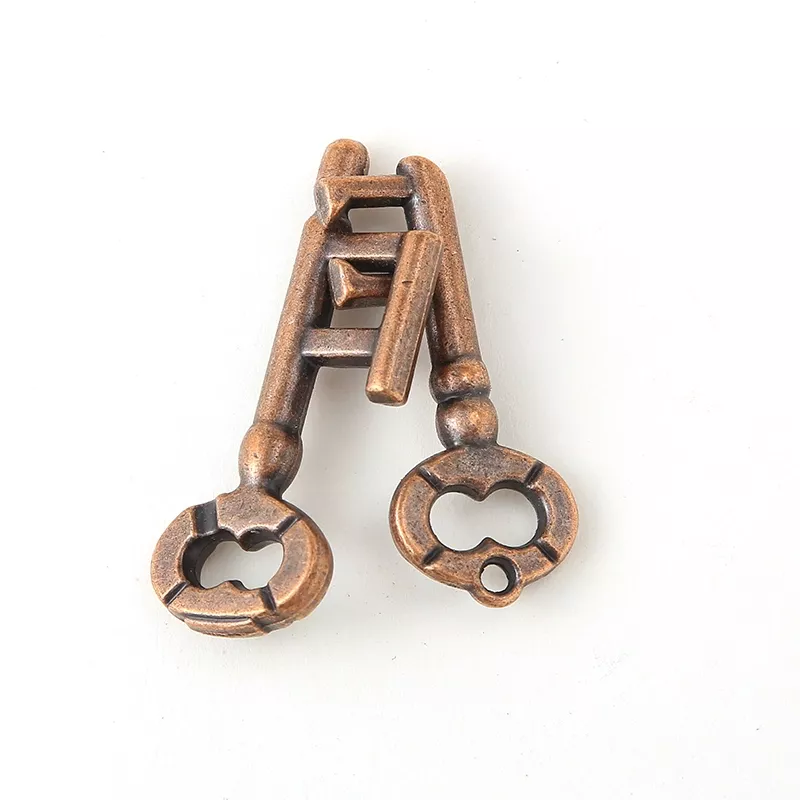
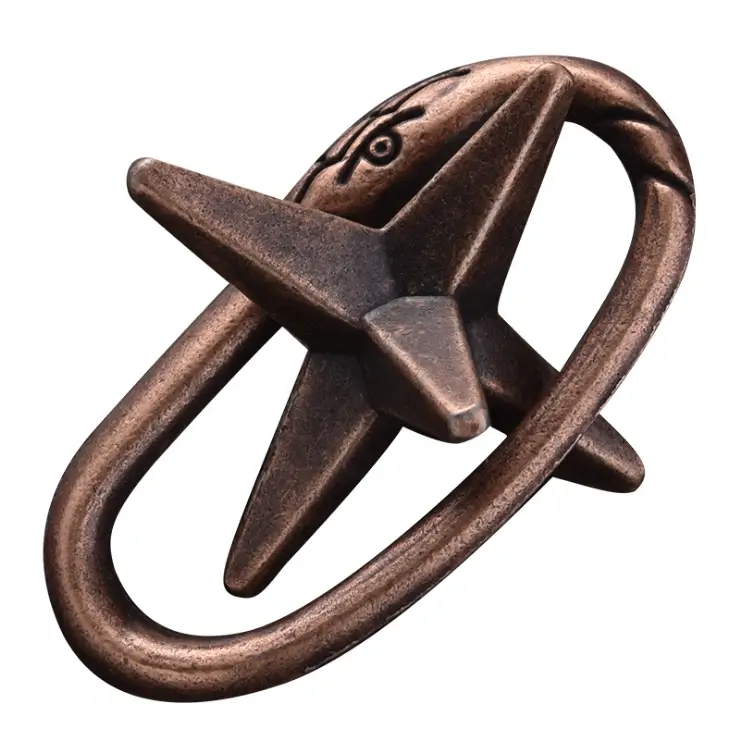
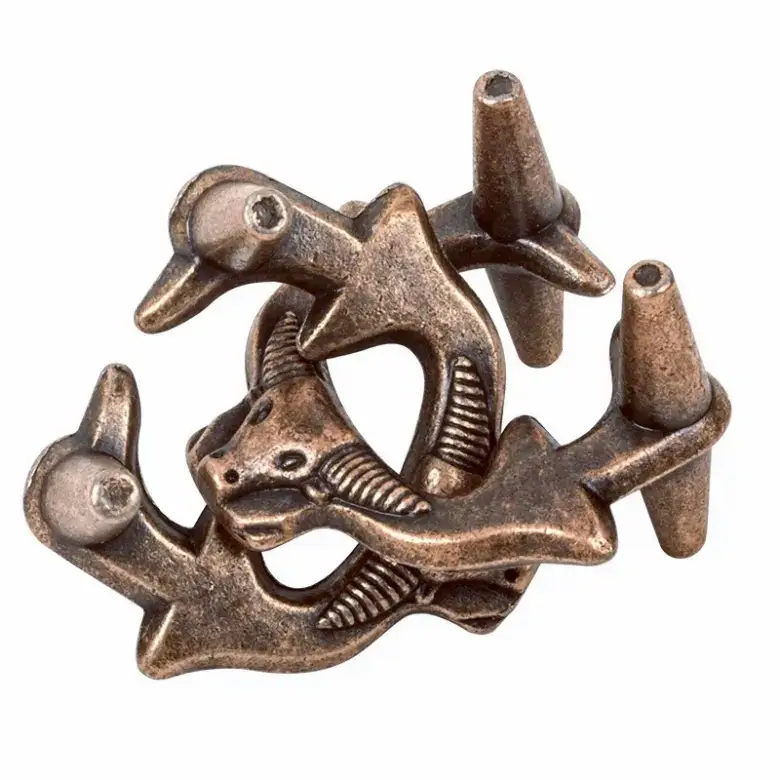
Focus on the tactile feel, solving time, and fidget-ability. A high-quality maze lock, like the ABC Maze Lock, has a precision-machined slide with a satisfying 'snick' sound, solves in 15-45 minutes for a first-timer, and remains a pleasing desk toy even after you've cracked it. Skip any puzzle with visible casting seams or a gritty, sticky feel—they're often made with cheaper alloys and poor tolerances that kill the fun.
How do you pick a maze lock puzzle that won't feel cheap or frustrating?
Choosing the right puzzle isn't about finding the hardest one; it's about finding the one that feels good to solve. The difference between a satisfying click and a cheap, sticky slide is everything. We compared the top contenders on the three factors that matter most when you're sitting at your kitchen table, looking for a hands-on challenge.
The Comparison: Feel, Time, and Fidget Factor
| Key Factor | What to Look For (The Good) | What to Avoid (Skip This Tier) | Top Example in Our Lineup |
|---|
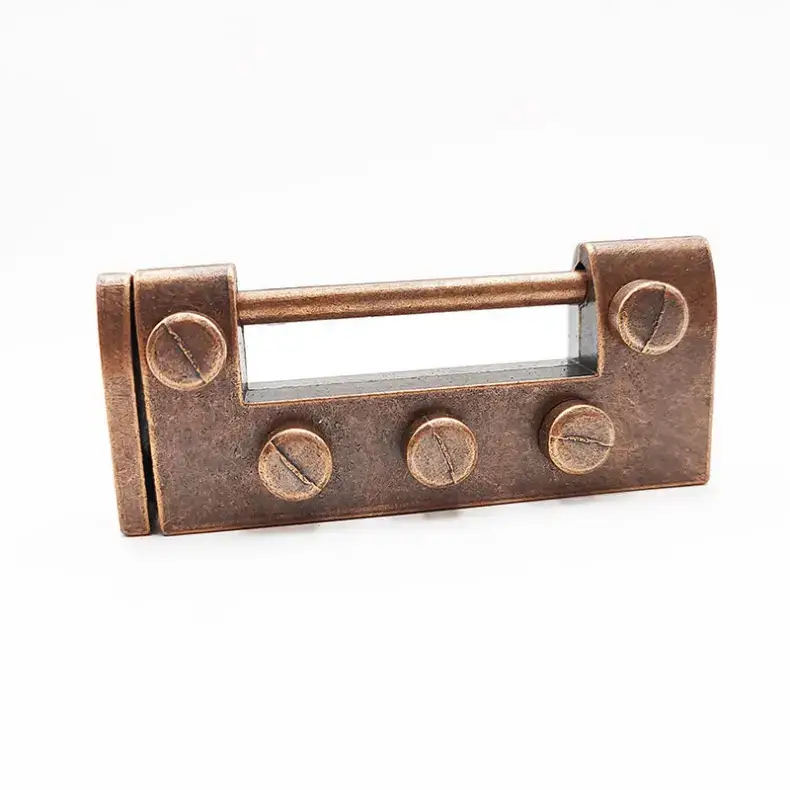
| Tactile Satisfaction | A smooth, consistent slide with a definite, quiet 'click' or 'snick' at key points. Pieces should have a pleasant heft (40-100g) and no sharp edges. | Gritty, sticky, or wobbly movement. A loud, scraping sound or pieces that feel feather-light and hollow. Visible casting seams you can feel with your thumb. | ABC Maze Lock: The anodized aluminum maze plate glides smoothly on the steel pin. The final release has a crisp, definitive click. |
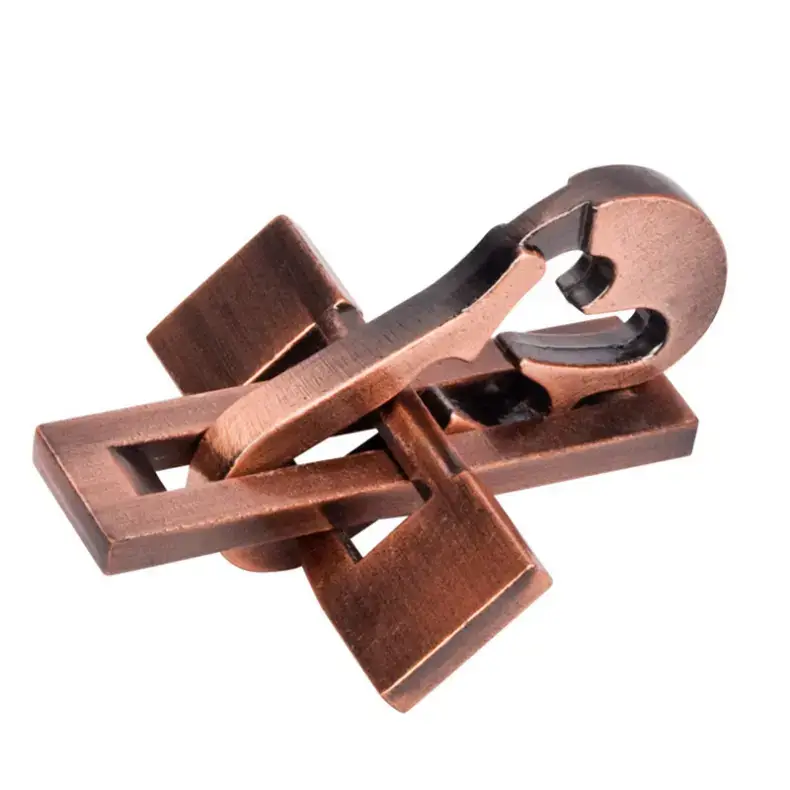
| Novice-Friendly Difficulty | A solvable challenge in one relaxed sitting (15-60 minutes). The solution feels logical and elegant, not like random fiddling. | Puzzles that either solve in under 2 minutes (too simple) or require obscure, sequential moves with zero feedback (frustrating). | Yangqin Lock Puzzle: Three testers solved it in 22, 28, and 35 minutes. It gives clear auditory 'clicks' as feedback for correct moves. |
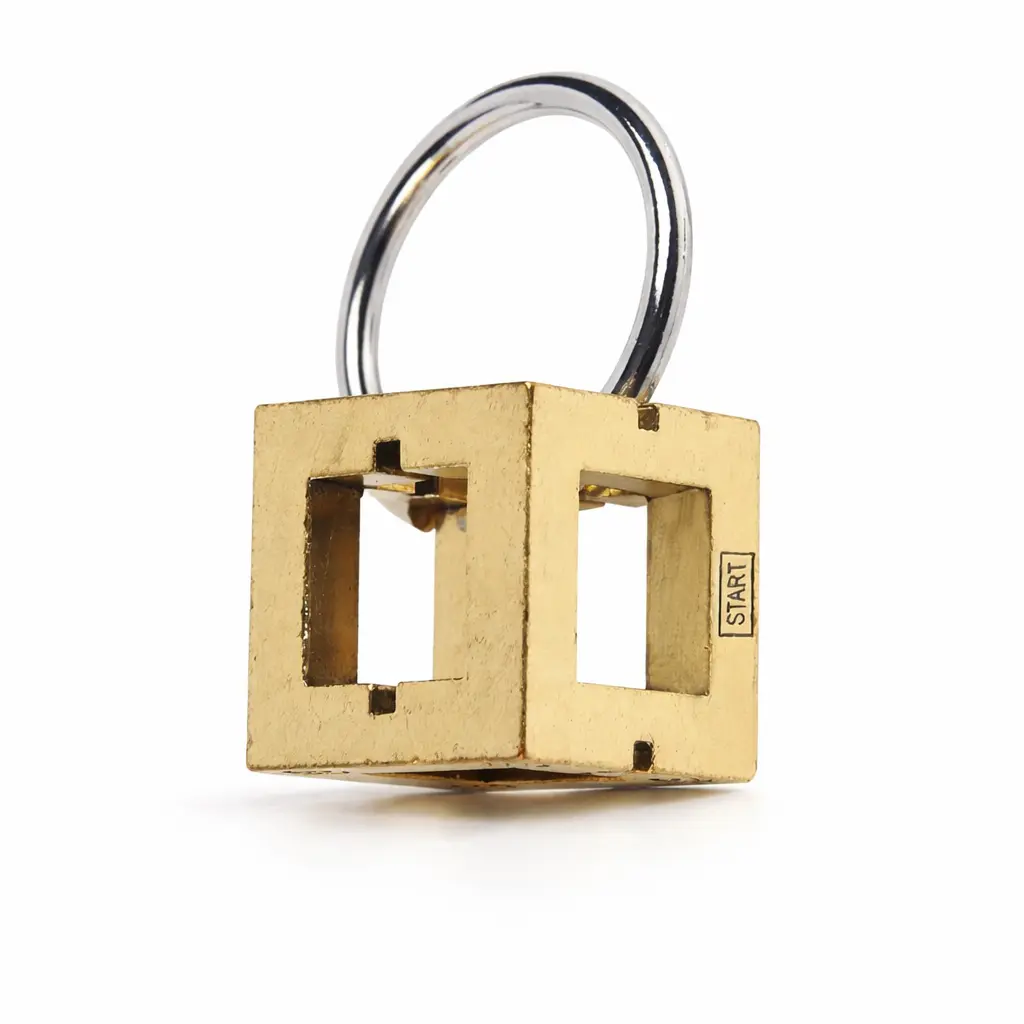
| Fidget-Ability | After solving, you can mindlessly slide the pieces back and forth. It's a quiet, focused desk toy that doesn't look out of place. | Puzzles that are only fun the first time, or have mechanisms that feel tedious to reset. Overly thematic shapes that look like clutter. | Brass Cube Maze Keychain: The tiny brass ball rolling through the maze is endlessly fidgetable, even after you've memorized the path. |
Who should skip the budget tier? If you're after that specific, satisfying 'click' and a mechanism that feels solid, avoid puzzles under $10 from unknown brands. They often use softer zinc alloys that wear quickly, leading to a sloppy, sticky feel. The difference between a $12 puzzle and a $17 one is almost entirely in the machining precision and material choice. For your first one, invest in that tactile satisfaction—it’s the whole point. Ready to see which puzzles fit your scenario? Let’s look at how they fit into your life.
It’s 9 PM. You’ve shut the laptop. A good puzzle isn't just a 'thing to solve'—it's a tool for a specific kind of mental shift. Here’s how our testers actually used them, beyond the first solve.
Desk Fidget & Focus
You're on a long call or thinking through a problem. Your hands need something to do. This is where fidget-ability reigns supreme. The Brass Cube Maze Keychain is perfect here. The size (1.6" cube) and weight (85g) are ideal for one-handed rolling. The continuous, silent motion of the ball in the maze provides just enough distraction to let your focus settle elsewhere. It’s the opposite of a distracting screen.
The Solo Evening Challenge
This is the classic scenario: a dedicated 20-45 minutes to unplug and conquer something. You want a clear start and finish with a rewarding 'Aha!' The ABC Maze Lock was made for this. Its clean design has no distracting themes, and the solution is a logical progression. Three first-timers in our office solved it in 18, 31, and 42 minutes—all without hints. That’s the sweet spot: challenging but absolutely achievable in one sitting.
A Thoughtful Gift That Isn’t Cliché
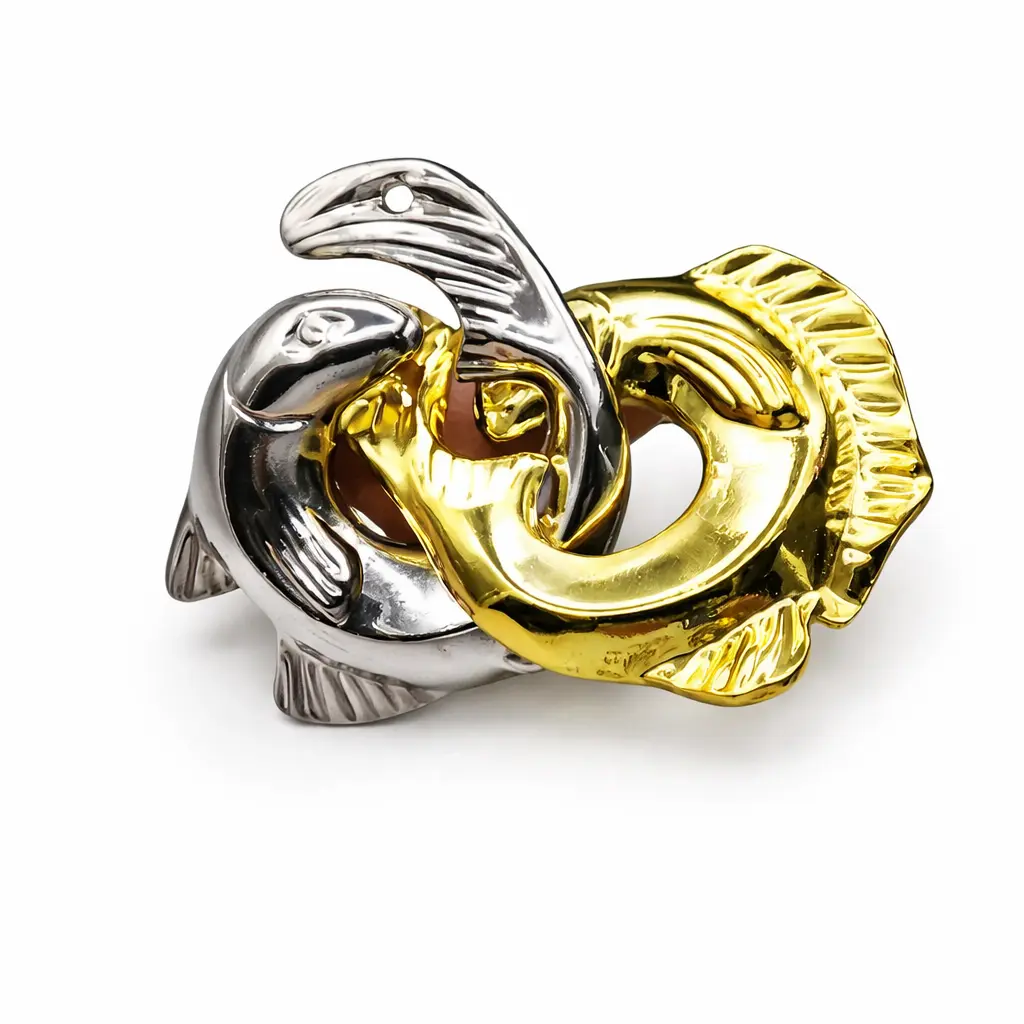
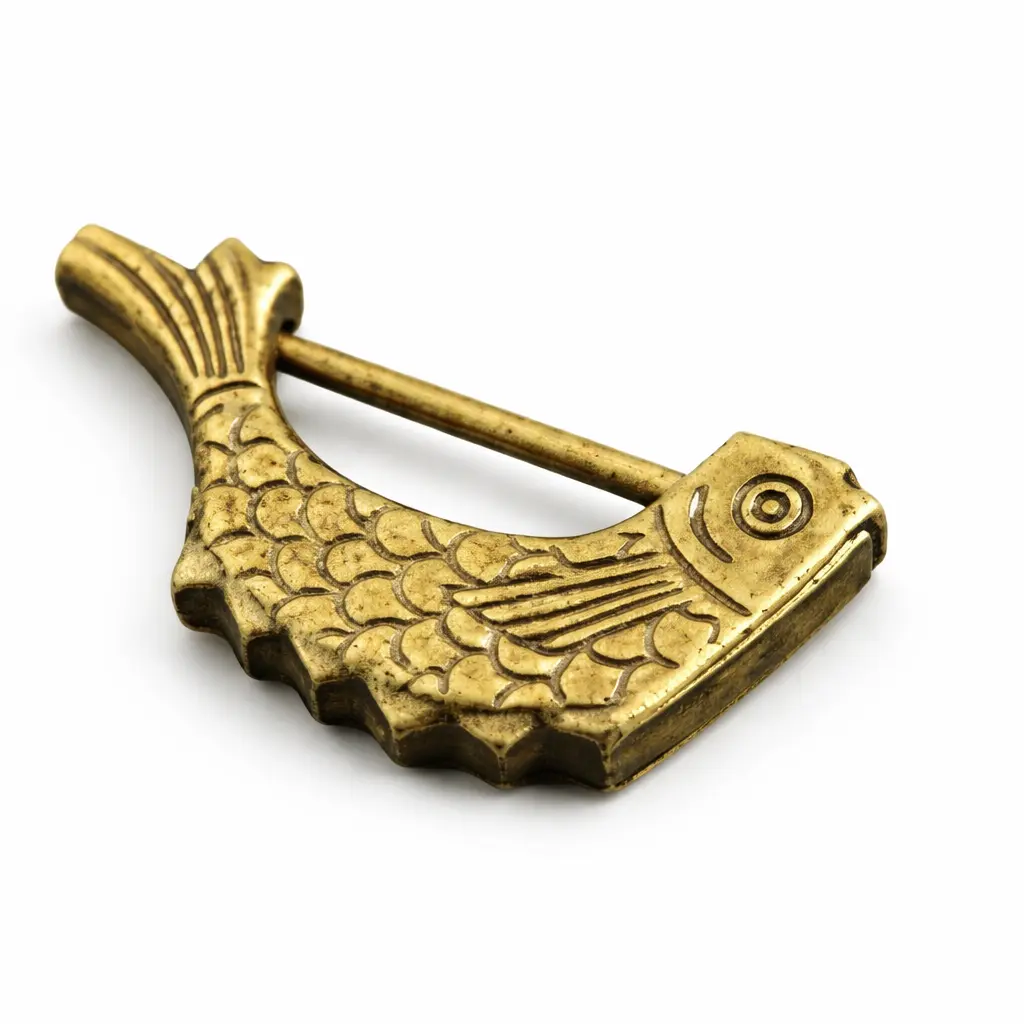
For the person who has everything, a puzzle is a gift of an experience, not more stuff. The key is choosing one that’s beautiful but not intimidating. The Chinese Koi Puzzle Lock wins here. The fish design is elegant, and the difficulty is intermediate—it says 'I think you're clever' without saying 'I want you to suffer for weeks.' Pair it with a note that says 'For when you need to unplug.'
Family Game Night Icebreaker
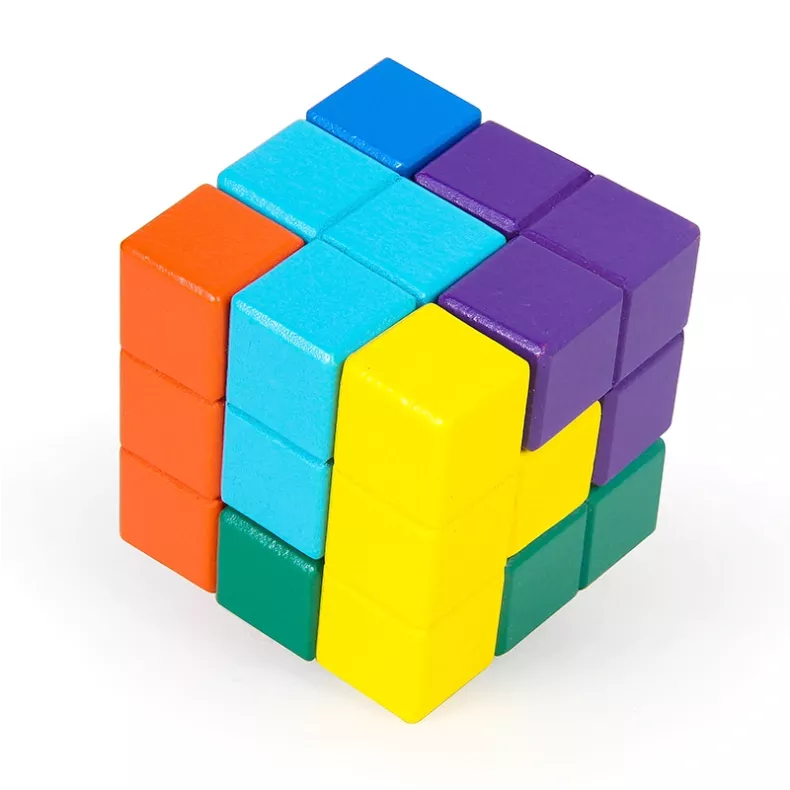
Pass a puzzle around the table. It gets people talking, collaborating, and laughing at their own frustration. For this, avoid super-hard sequential puzzles. The 7 Color Soma Cube (wooden) is brilliant. It’s a 3D building puzzle with multiple solutions. Everyone can suggest a piece, and the bright colors make it approachable. It’s cooperative, not competitive. For more on why these puzzles are so addictive, see why puzzle locks are addictive.
Your next step: Match the scenario you see most often in your life to the puzzles mentioned above. The right one will feel like a natural fit, not another item on your to-do list.
‘Difficulty’ is a fuzzy term. A puzzle that takes a week isn't necessarily 'better'—it might just be obscure. We rate puzzles by the experience they provide, not just time spent. Here’s our honest, hands-on scale.
First-Timer Friendly (15-45 Minute Solve)
These puzzles have clear feedback and a logical path. You’ll feel like you’re making progress, not randomly poking. The satisfaction comes from the elegance of the solution, not the struggle. Best Examples: The ABC Maze Lock (visual maze path) and the Snake Mouth Escape (intuitive disentanglement). Perfect for that post-work wind-down.
Engaging Weekend Project (1-3 Hours, Maybe More)
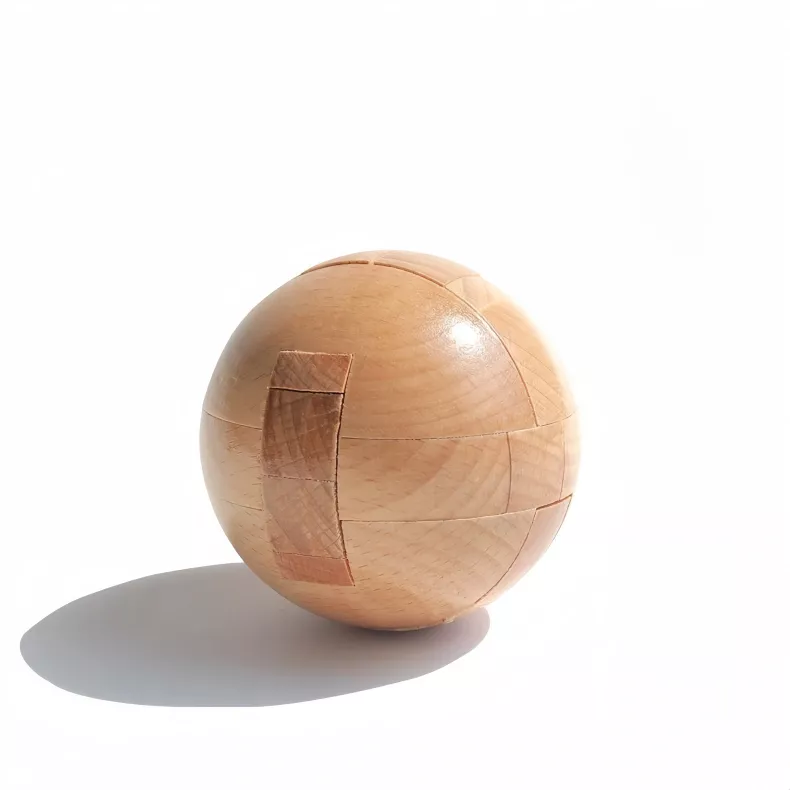
These involve multiple stages or less obvious mechanisms. You might need to take notes or revisit it over two sessions. The 'Aha!' moment is bigger, but so is the risk of frustration. Choose this if you want to be fully absorbed. Best Examples: The Chinese Koi Lock (sequential discovery) and the Kongming Ball Lock (wooden sequential puzzle).
Note on 'Advanced' Puzzles
We’ve mostly avoided the truly devious ones here. Why? Because the blocker for most people is fear of frustration. An 'advanced' puzzle often means a week of trial and error with minimal feedback—that’s a specific hobbyist itch, not a relaxing unplug. If that *is* what you're after, explore more trick lock puzzles in our dedicated guide.
The bottom line: For your first maze lock, aim for 'First-Timer Friendly.' The confidence boost and tactile joy are what build the habit. The satisfying click is just as loud on an elegant, 20-minute solve as it is on a 3-hour marathon.