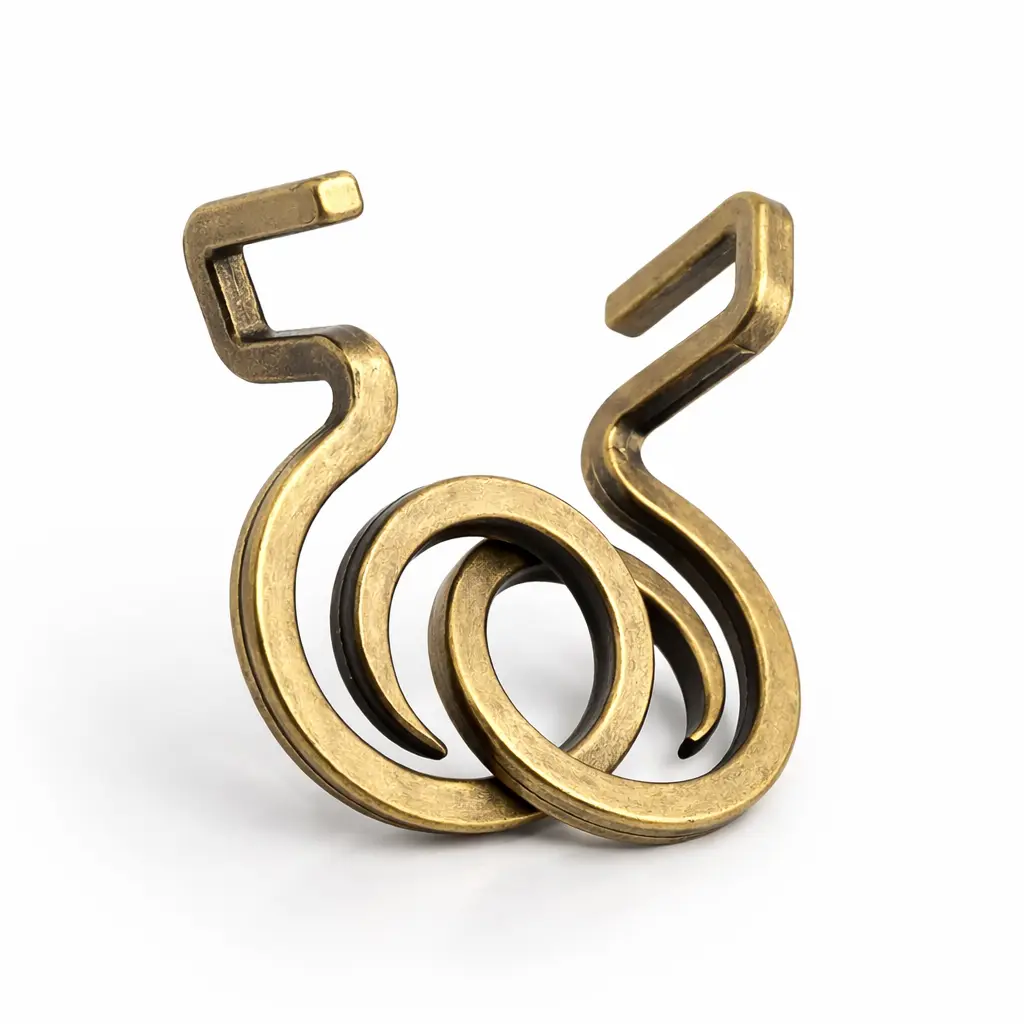
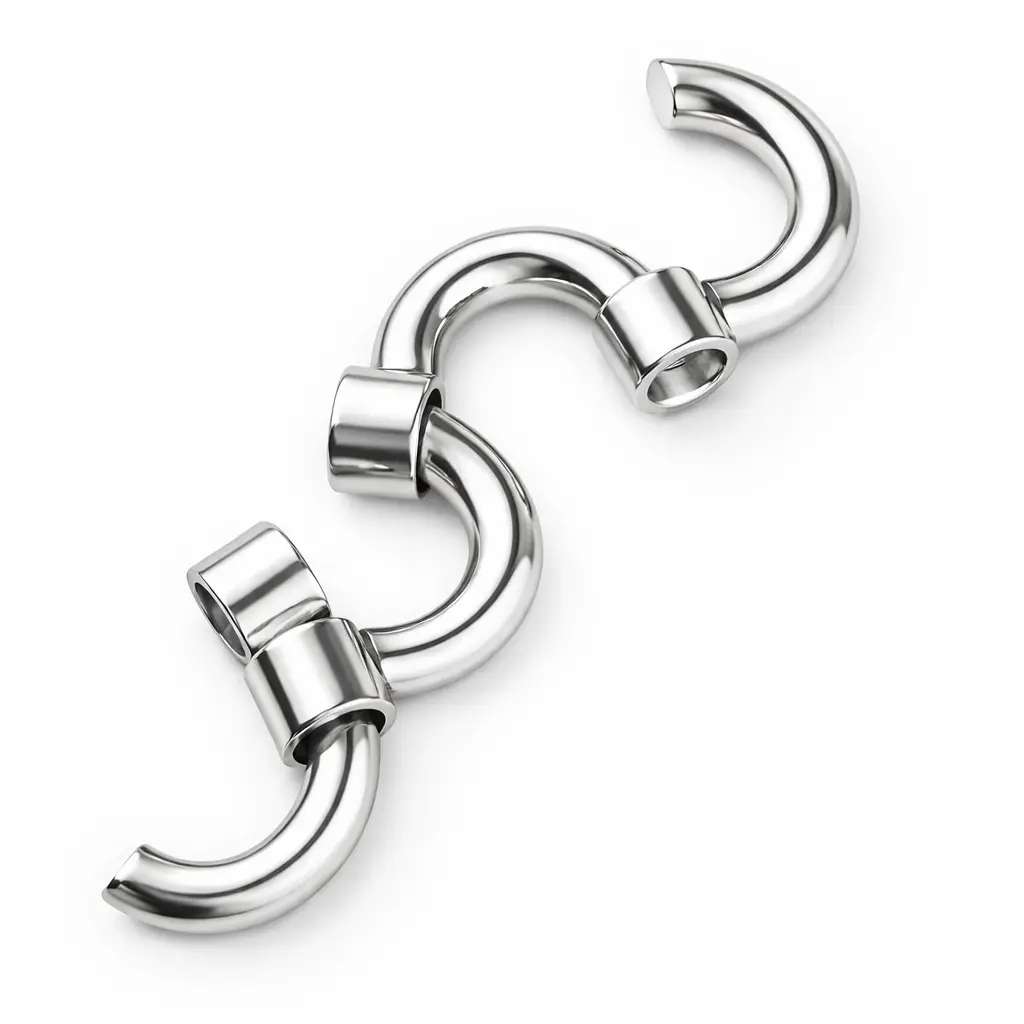
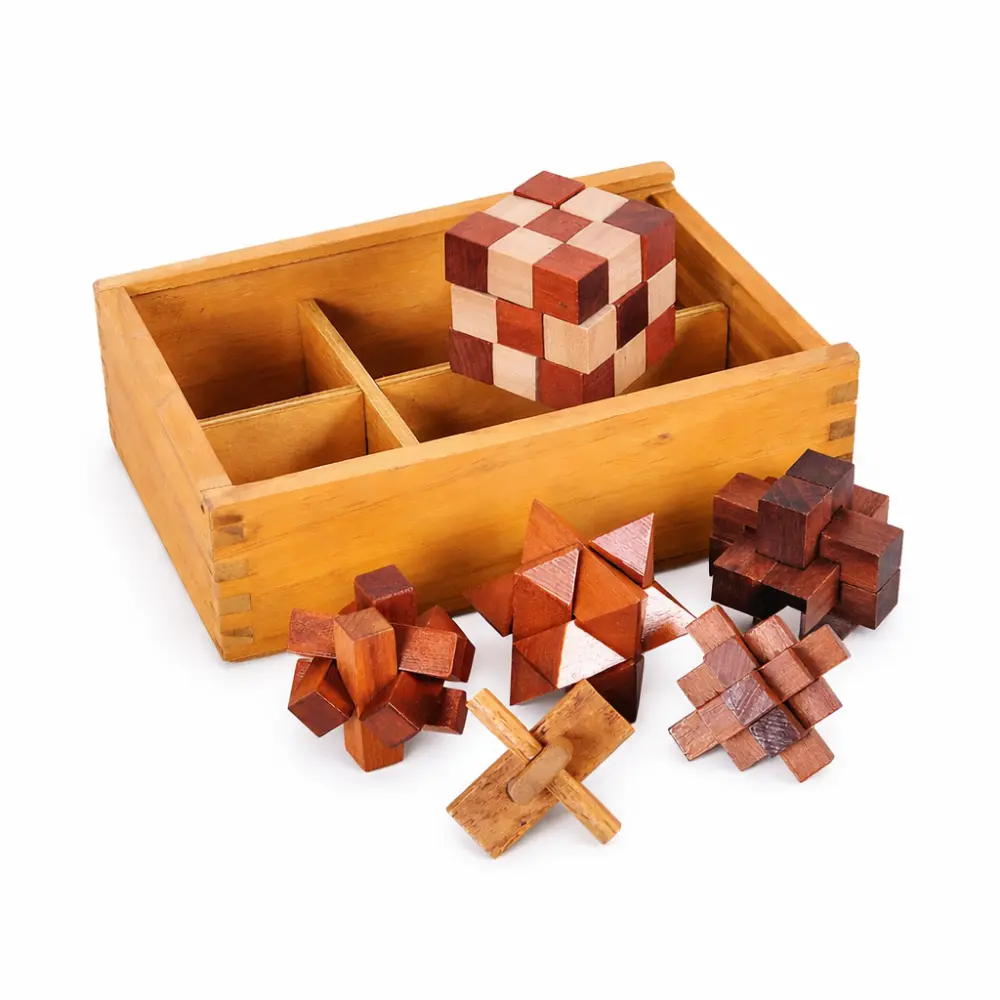
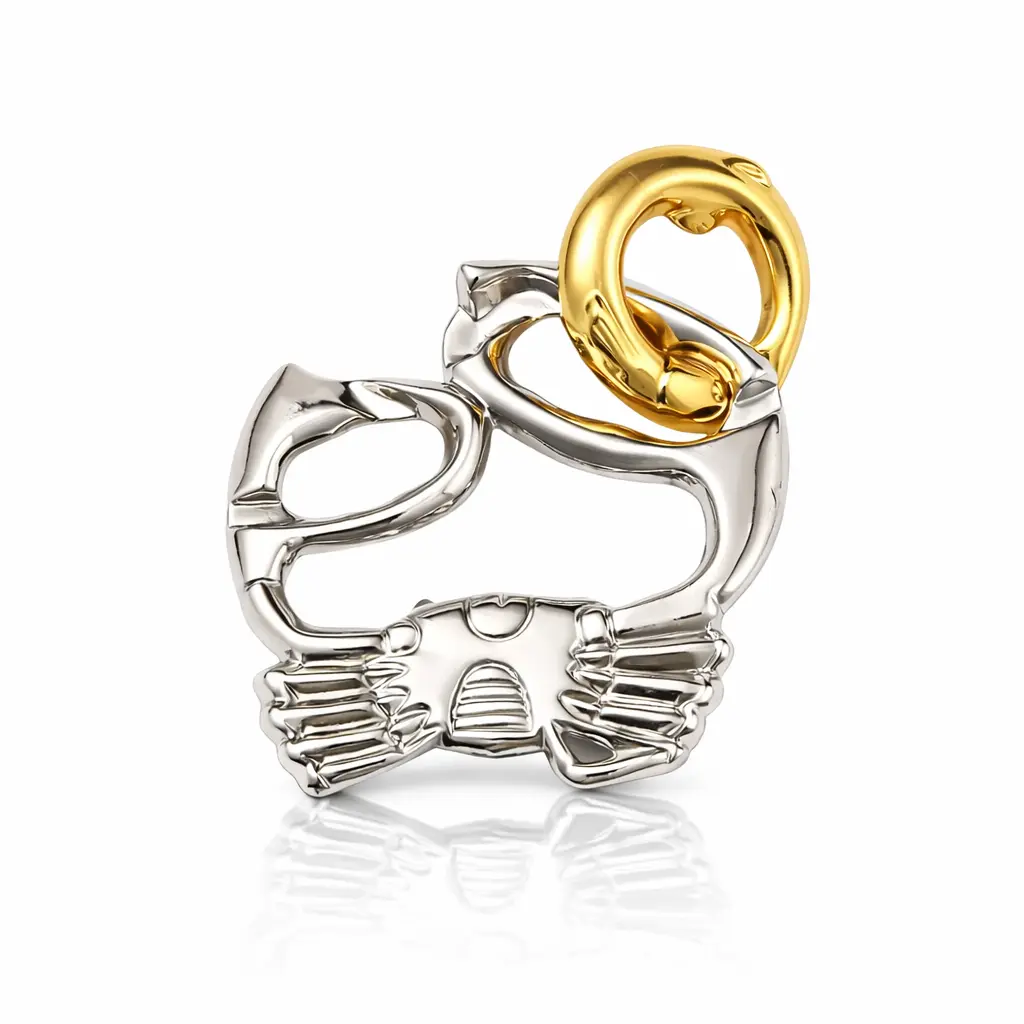
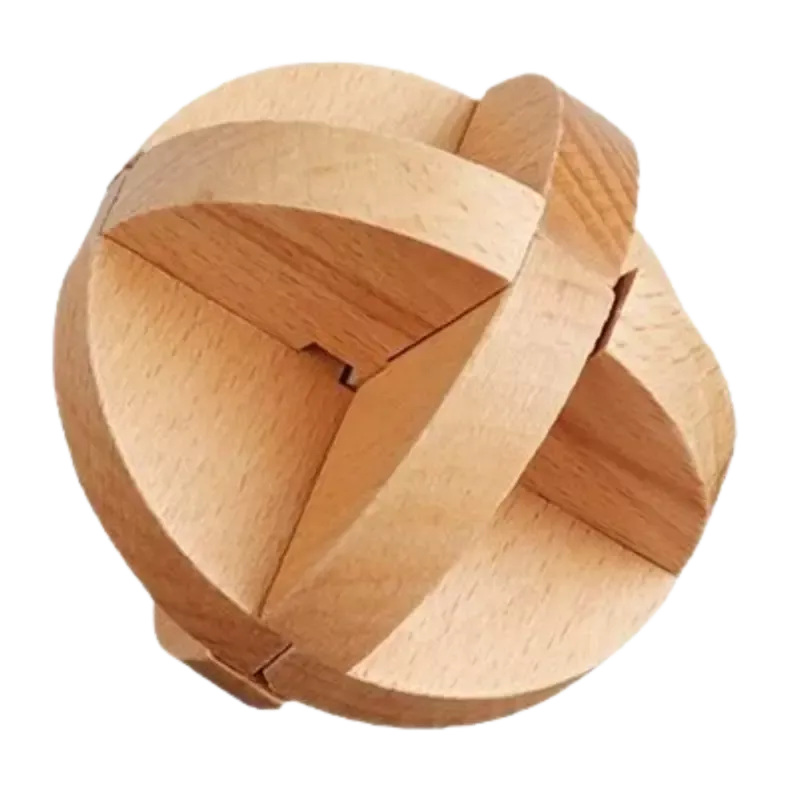
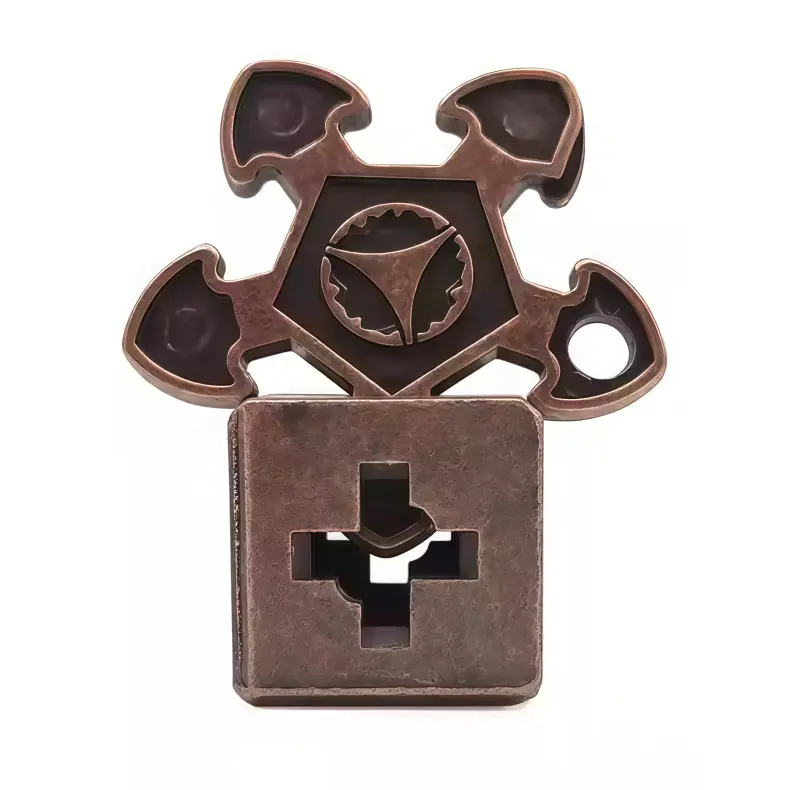
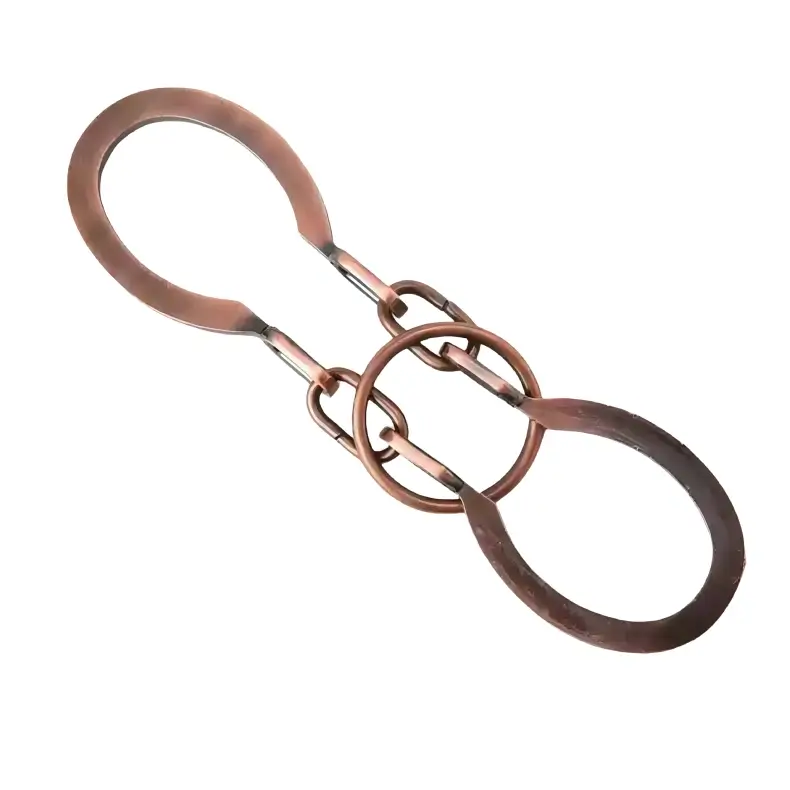
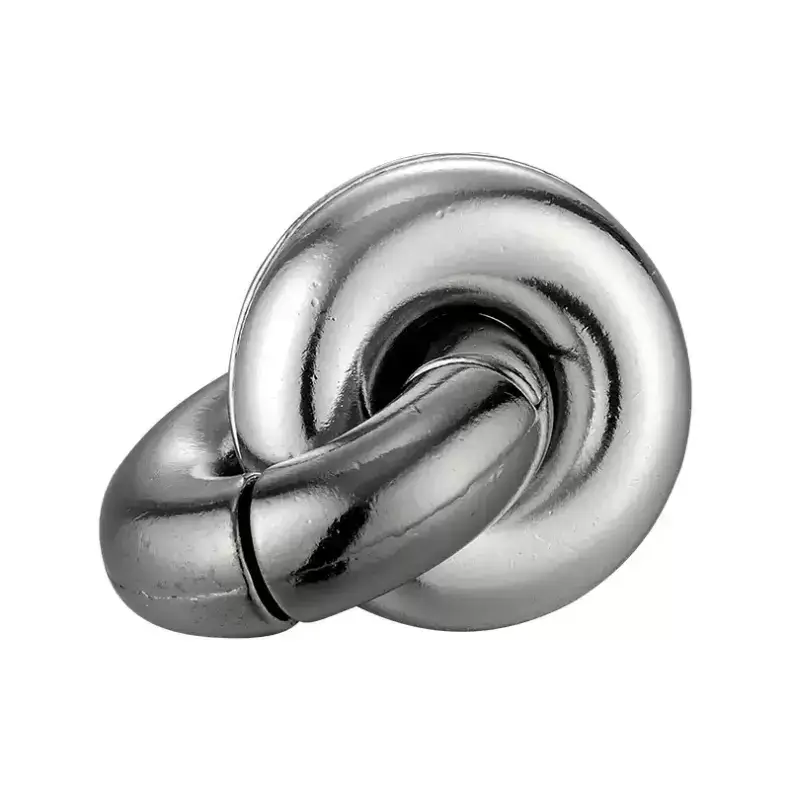
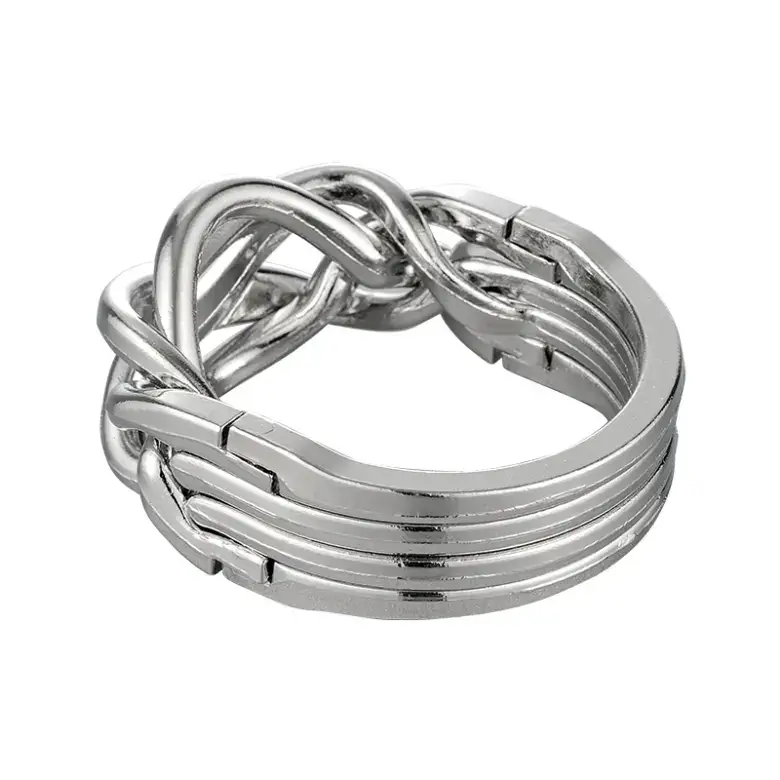
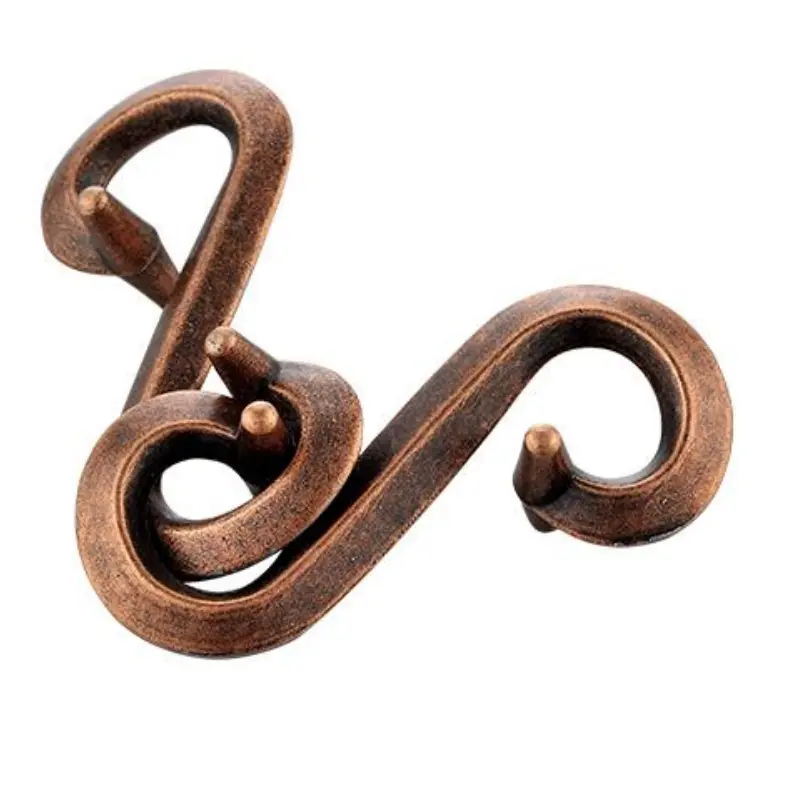
For effective team building with metal puzzles, plan for one puzzle per 2-3 people for a collaborative session. Groups larger than 3 around a single puzzle lead to disengagement. For a quick 5-10 minute icebreaker with a team of 8, you need 3-4 puzzles. The average solve time for ideal team-building puzzles is 5-15 minutes; puzzles taking over 20 minutes cause frustration in a group setting. Our 12-person marketing team solved the Cast Hook puzzle in 8 minutes as a small-group challenge.
How many metal brain teasers do you need for your team size?
You're not buying a desk ornament; you're buying an experience for a group. The biggest mistake is ordering one fascinating puzzle for ten people. Here’s the concrete math to get it right.
Think in terms of ‘puzzles per team size’ and ‘average group solve time’. A puzzle that takes one person 20 minutes of focused effort might take a pair 8 minutes through collaboration, or a trio 5 minutes with multiple perspectives. Your goal is the shared ‘aha’ moment, not solitary confinement.
| Your Team Size |
Puzzles Needed (Ideal) |
Activity Format |
Target Avg. Solve Time |
Facilitation Ease |
| 4-6 people |
2 puzzles |
Pairs or trios |
5-10 minutes |
High. Easy to brief and debrief. |
| 8-12 people |
3-4 puzzles |
Small groups of 2-3 |
8-15 minutes |
High. Run as a small-group challenge with a race element. |
| 15-20 people |
5-7 puzzles |
Station-based rotation |
5-12 minutes each |
Medium. Requires more setup but creates high energy. |
Skip this tier if: You are looking for an individual genius-level challenge for a puzzle enthusiast. For team building, avoid puzzles marketed as ‘extremely difficult’ or with known solve times over 25 minutes—they derail the energy. Instead, prioritize puzzles with intuitive tactile manipulation that reward verbal communication and hypothesis-testing.
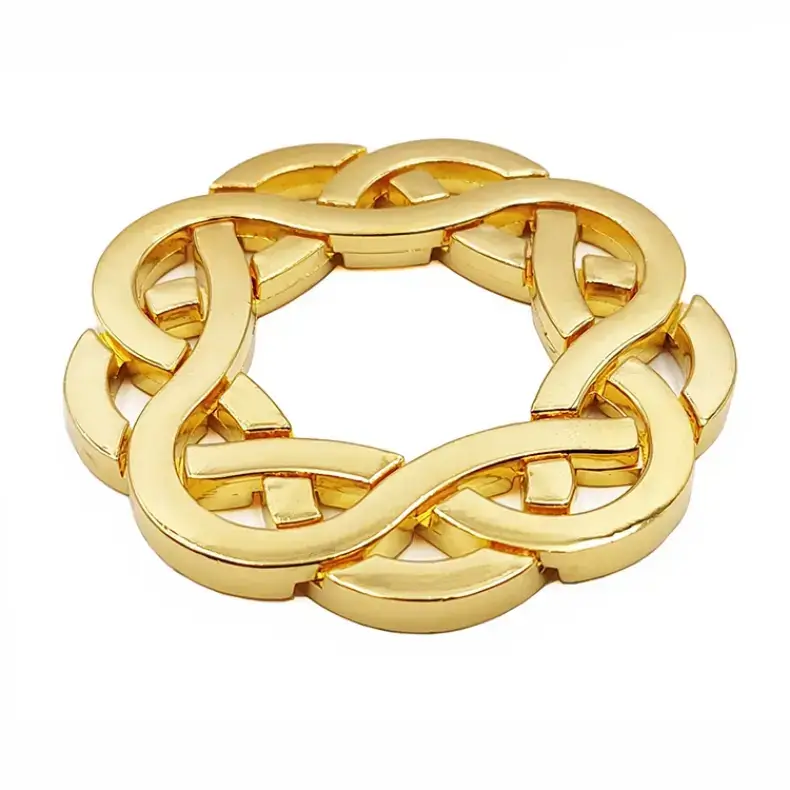
The best team-building puzzles are Intermediate in difficulty. They have a clear goal (separate the pieces, remove the ring, open the lock) and provide enough resistance to require discussion, but not so much that they stall. Products like the Cast Hook and Golden Chinese Knot are perfect examples. For a longer session, consider a multi-puzzle set like the 6-in-1 Wooden Set for variety.
Your next action: Count your attendees, use the table above, and add that number of intermediate-difficulty puzzles to your cart. Need a ready-made bundle? See our recommendations in the ‘Scenarios’ section.
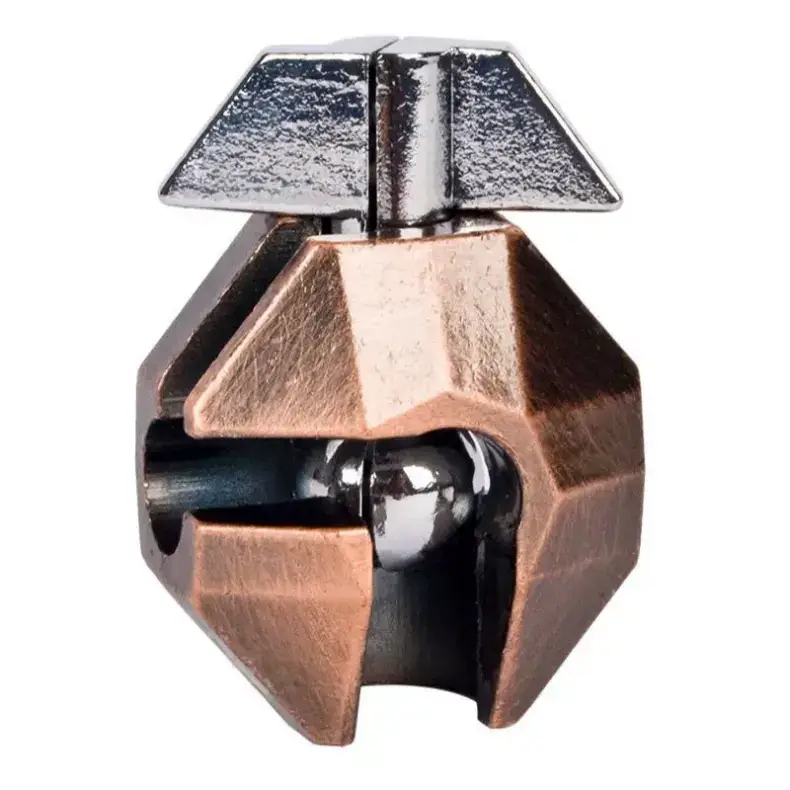
Metal brain teasers map to four core team-building scenarios: The 5-Minute Icebreaker (1 puzzle per 3 people), The 15-Minute Small-Group Challenge (1 puzzle per 2-3 people with rotation), The Paired Communication Exercise (1 puzzle per pair), and The Energizing Break Activity (puzzles left in a common area). For a 15-minute all-hands segment with 10 people, use 4 puzzles like the Cast Hook and Metal Grenade Lock in small groups, providing the clear goal: 'Separate the pieces. You have 12 minutes. Go.'
A generic ‘team building puzzle’ is useless. You need a script. Here’s how to deploy these tactile tools for maximum impact, based on your meeting's time slot and goal.
The 5-Minute Icebreaker
Group Size: Any, in groups of 3. Puzzles Needed: 1 per trio. Time: 5 mins total.
How: As people enter, place a puzzle like the Shuriken Dart Gear Puzzle on each table. Introduce it: "Before we start, the table that frees the gear first wins a quick round of applause. No instructions—just figure it out together." The immediate, hands-on task breaks formality fast.
The 15-Minute Small-Group Challenge
Group Size: 8-20. Puzzles Needed: 3-5 different ones. Time: 12 min solve, 3 min debrief.
How: Form small groups. Give each a different puzzle (e.g., Cast Galaxy, Horseshoe Lock). Set a clear timer. After time, ask: "Which strategy did your group try first? Did someone take the lead, or was it a collective effort?" This format highlights communication styles under a low-stakes challenge.
The Paired Communication Exercise
Group Size: Even numbers. Puzzles Needed: 1 per pair. Time: 10 mins.
How: Pair up colleagues who don't usually work closely. Give one person the puzzle (like the Interlocking Double-Ring) and the other the printed solution guide (but they can only use words, no gestures!). This forces precise instruction-giving and active listening—a powerful metaphor for workplace projects. Explore more logic puzzles suited for this in our guide to logic puzzles for focused teams.
The Energizing Break Activity
Group Size: Informal. Puzzles Needed: 2-3 in a common area.
How: Place puzzles like the Metal Crab Puzzle on a breakout table with a sign: "Brain Break Zone. Can you solve it?" It becomes a self-forming, organic collaboration spot throughout the day, relieving screen fatigue.
Your concrete plan: Match your available time slot to a scenario above. For the most common '15-minute all-hands slot,' the Small-Group Challenge is your winner.