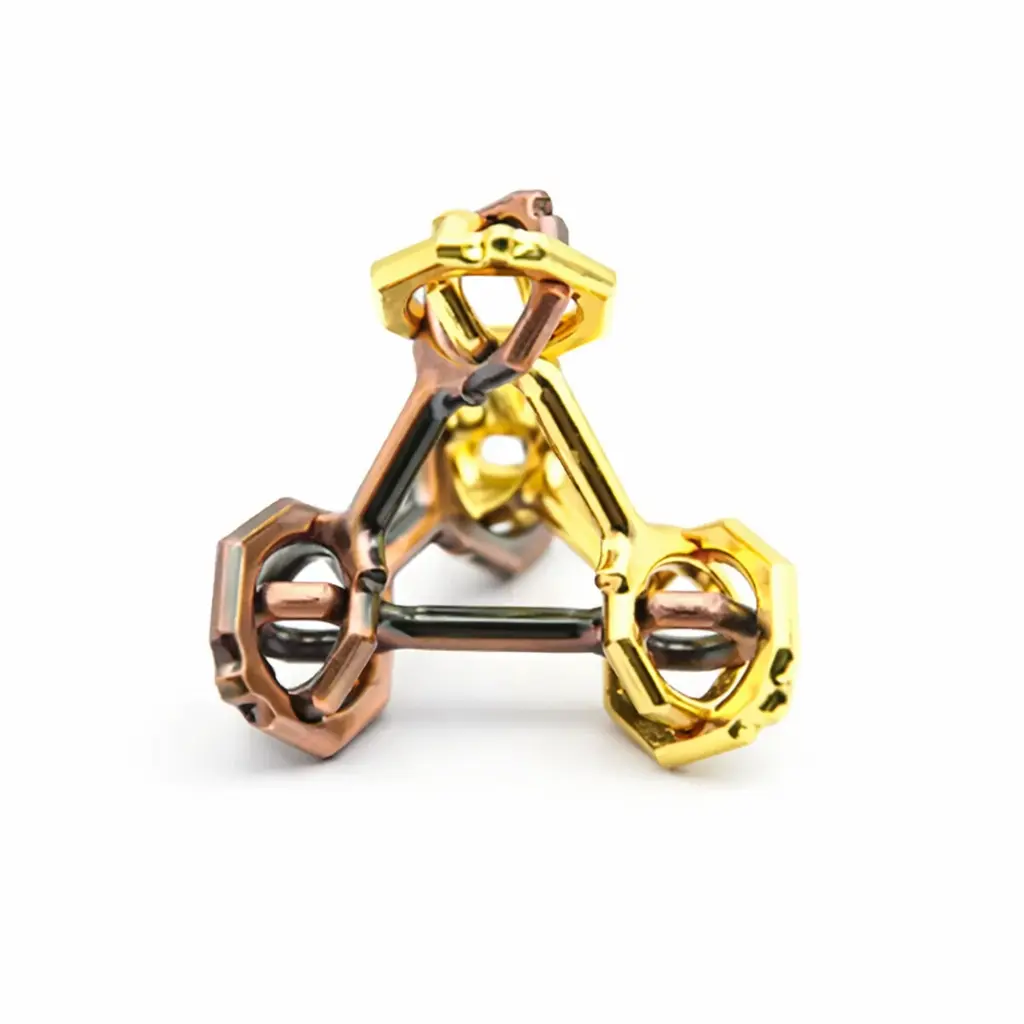
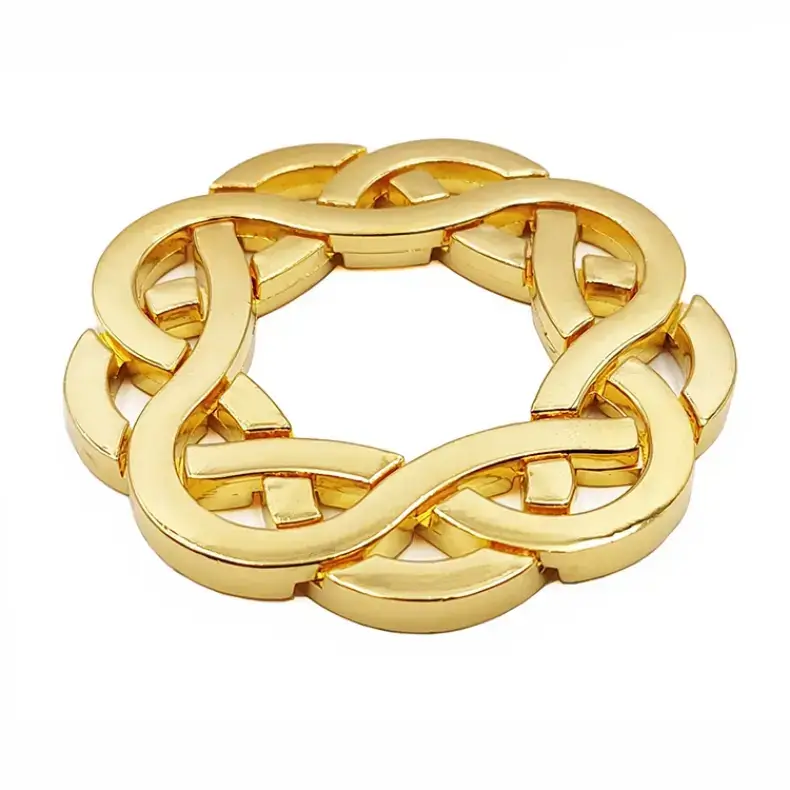
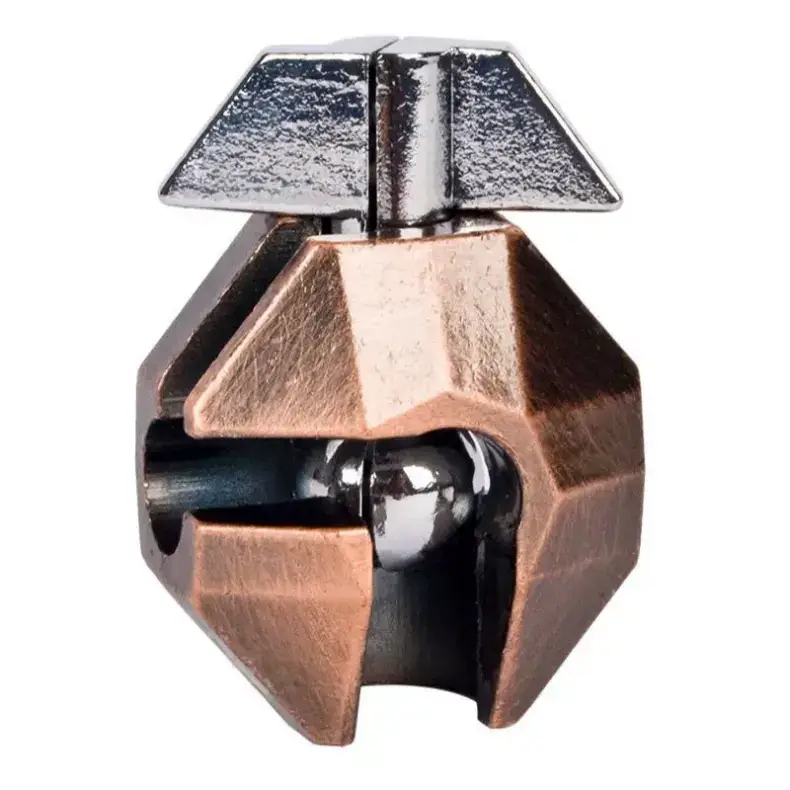
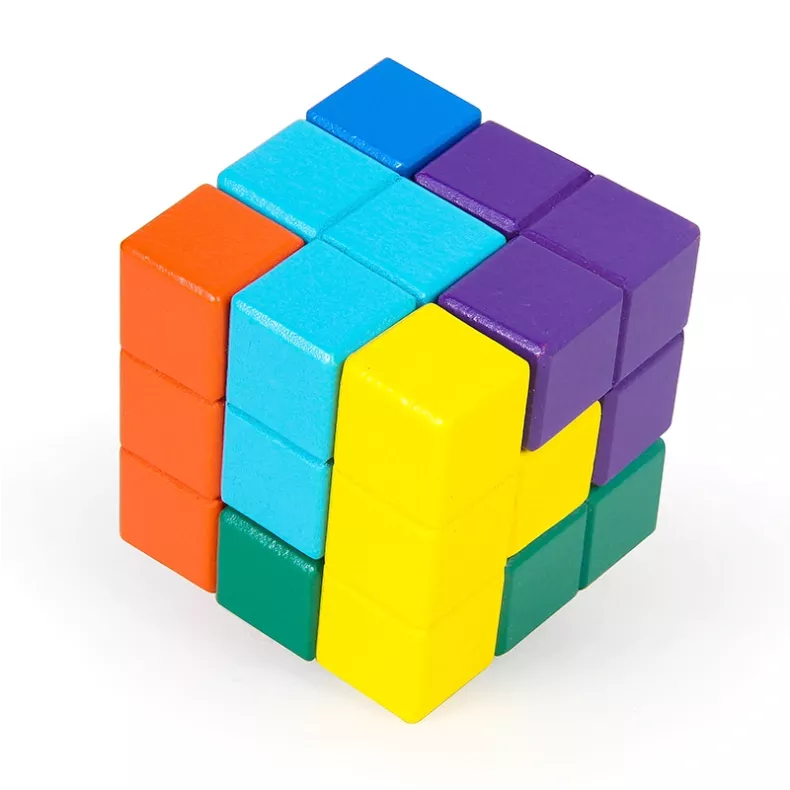
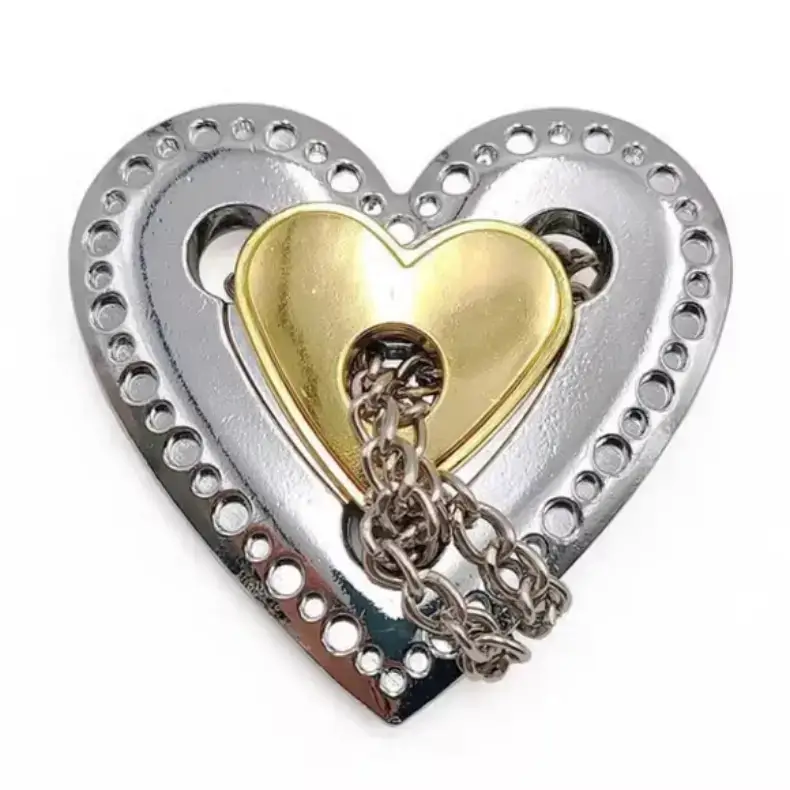
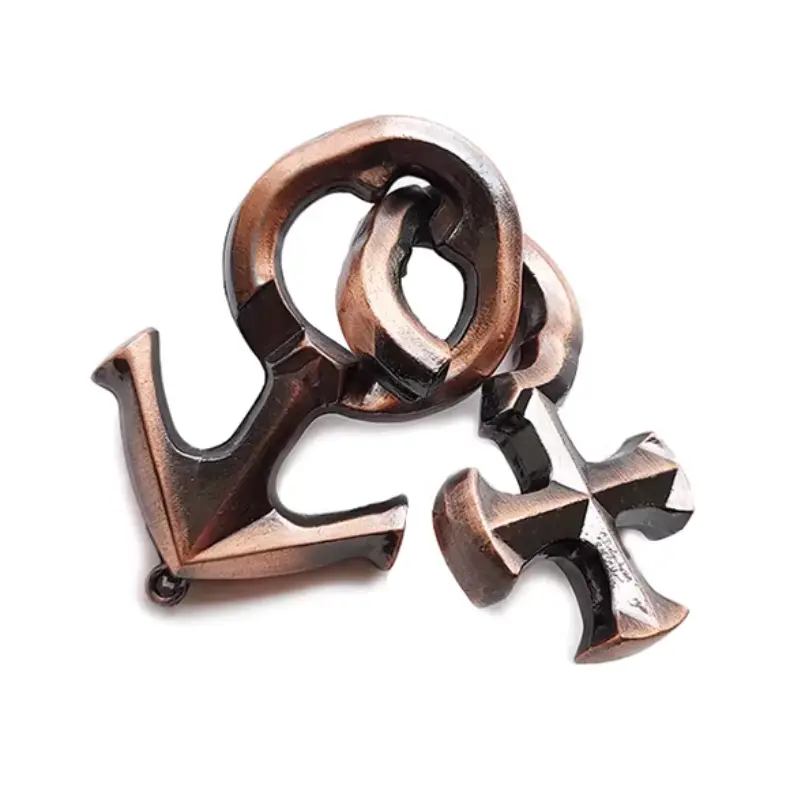
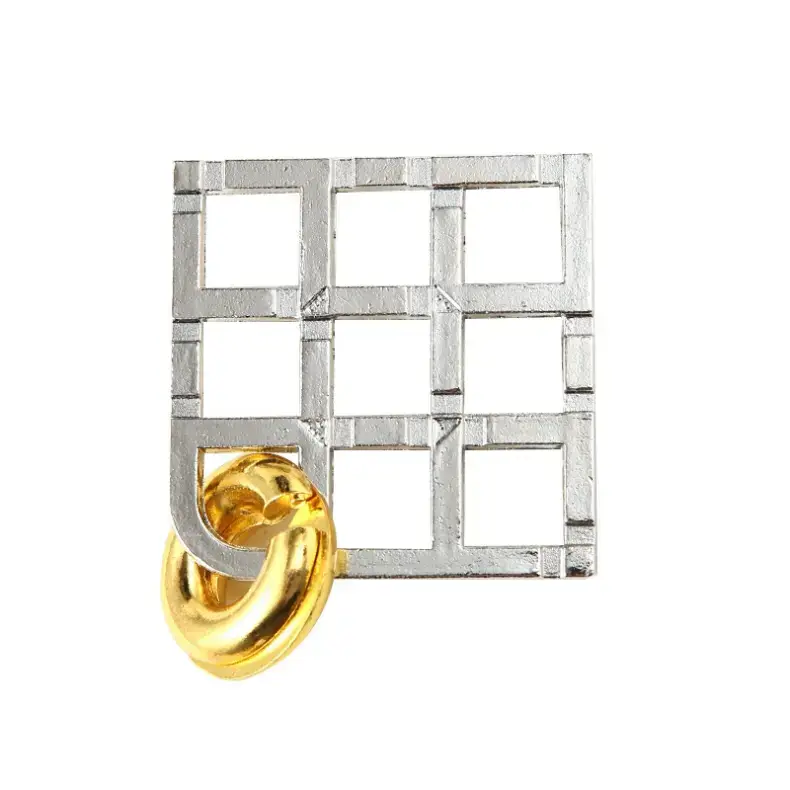
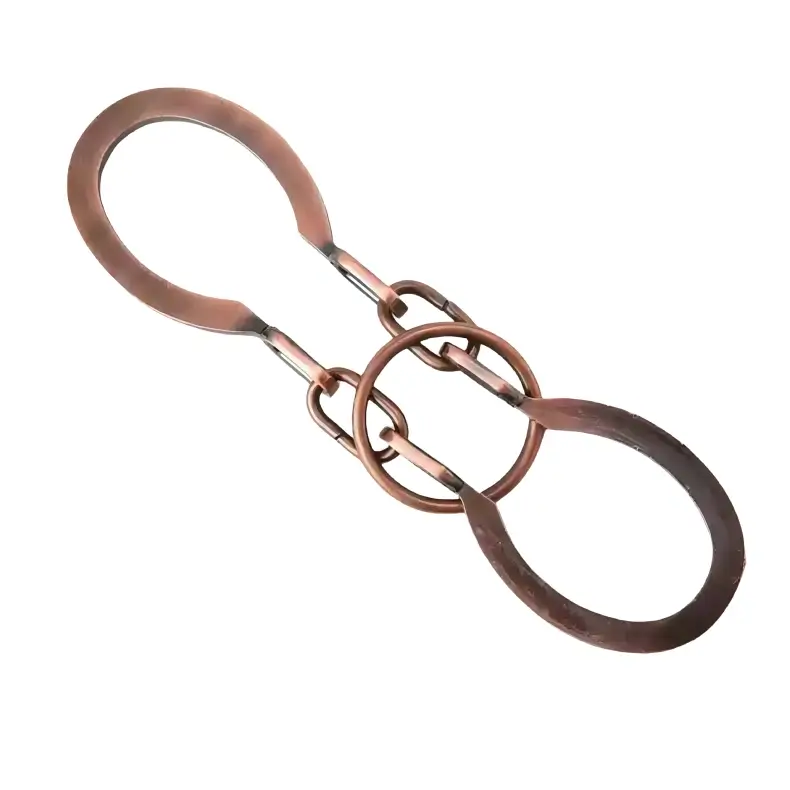
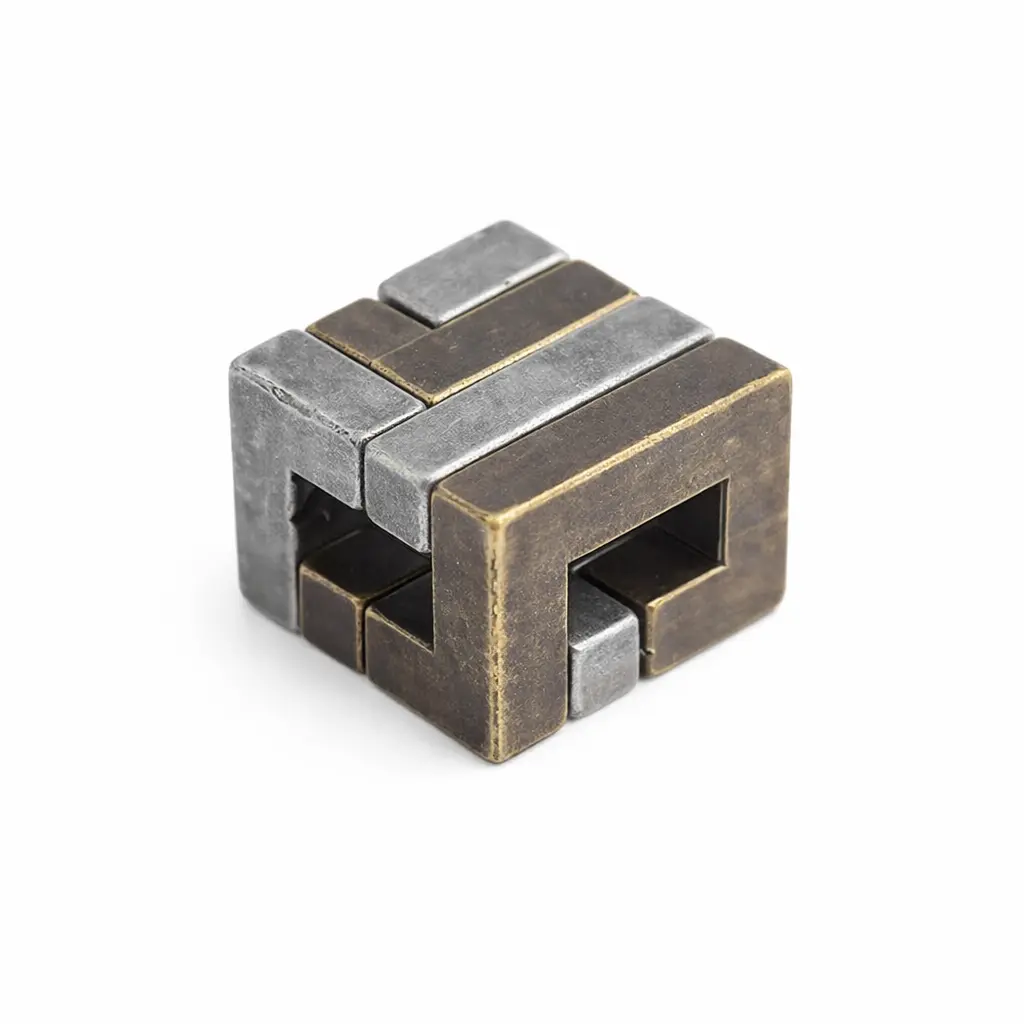
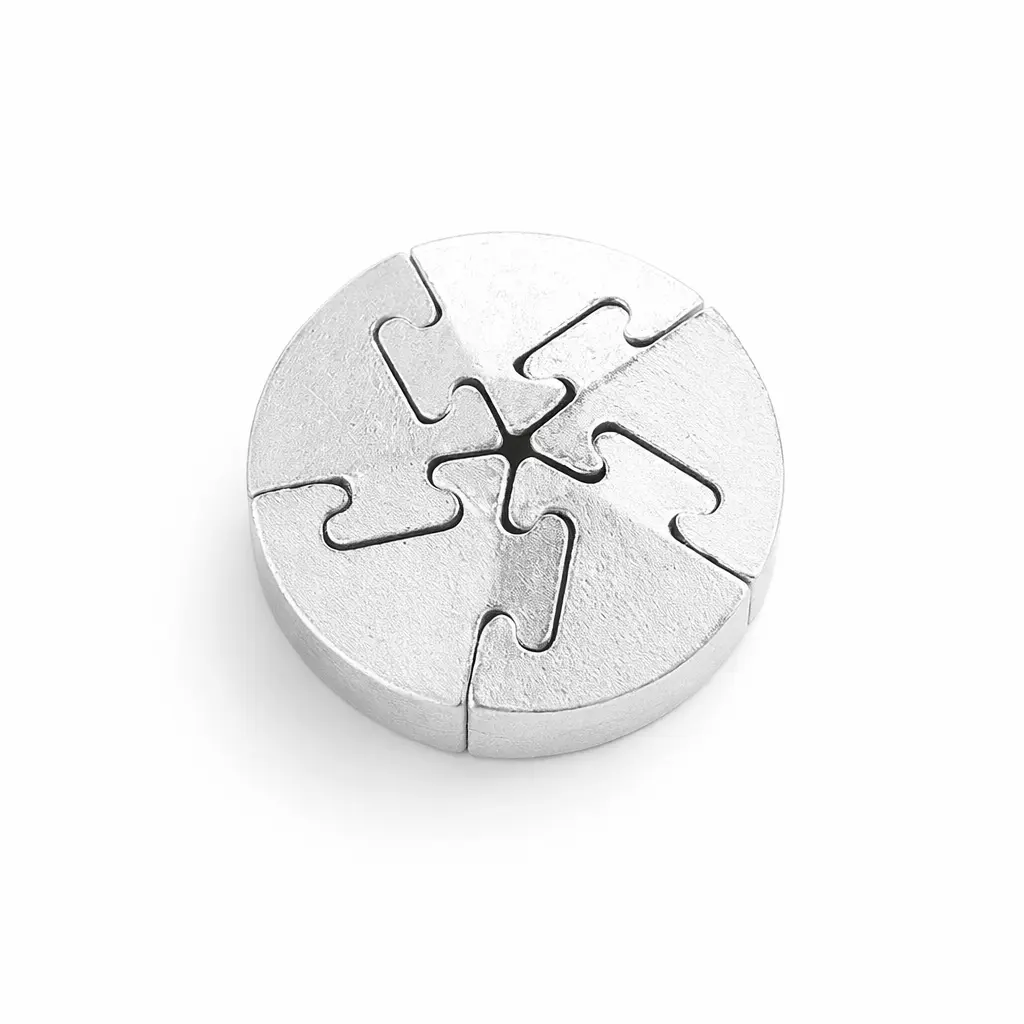
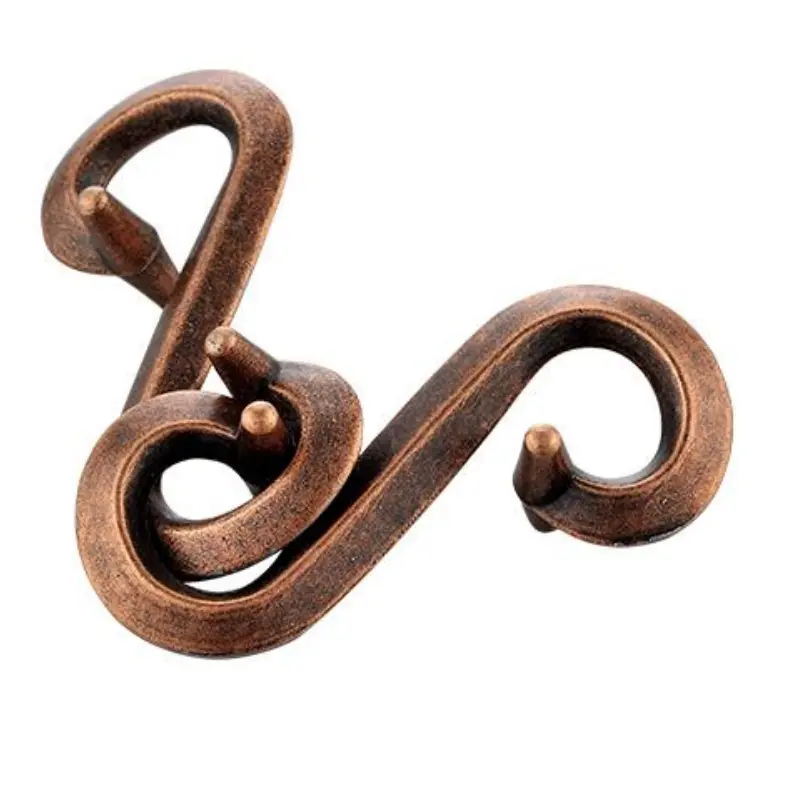
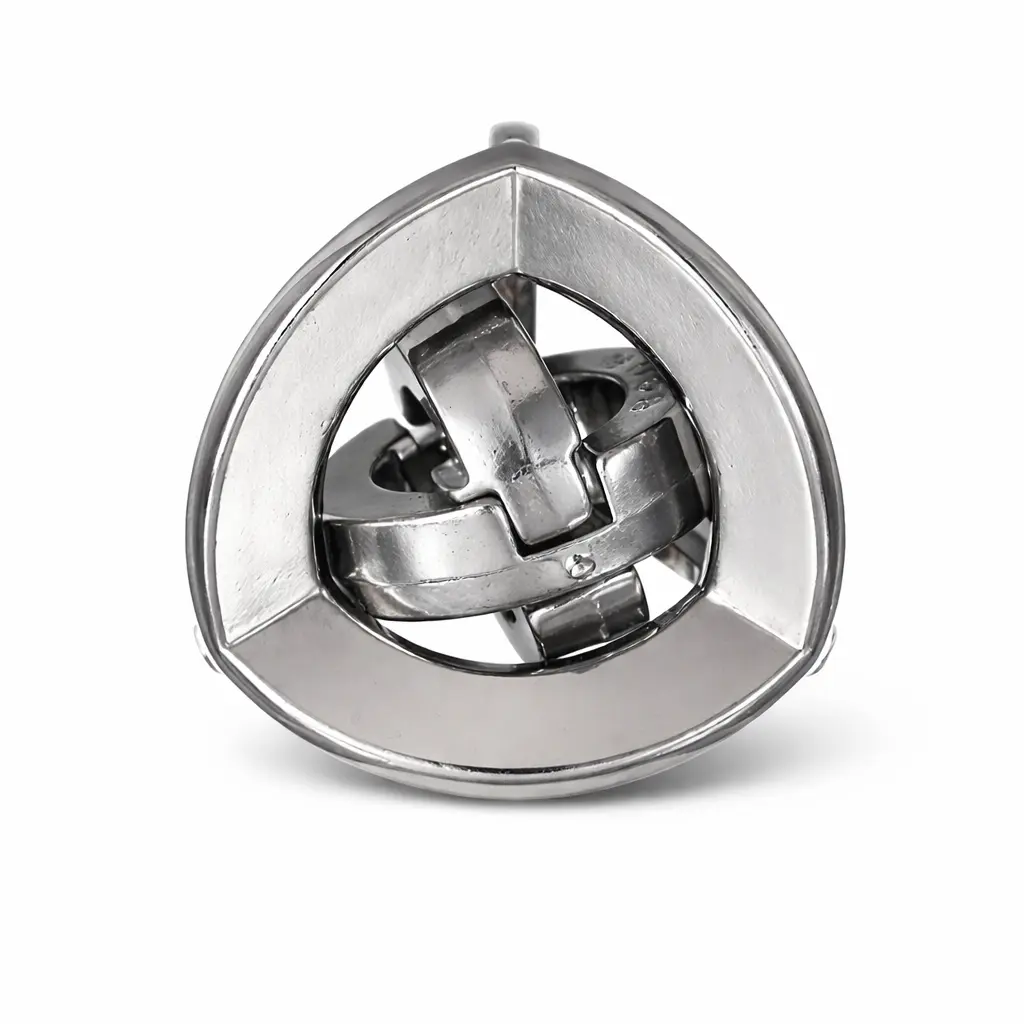
Choose based on Solve Time, Satisfaction Type, and Display Factor. For a quick, satisfying win, pick a 5-15 minute disentanglement puzzle like the Cast Coil Pocket Puzzle. For a project that becomes a desk trophy, choose a 30+ minute sequential discovery puzzle like the Cast Coil Triangle. Skip overly simple puzzles if the giftee enjoys complex problems.
Which metal puzzle should you buy for an adult birthday gift?
You're not buying a piece of metal; you're buying 30 minutes of focused, satisfying brain-unwind. The key is matching the puzzle's personality to the person. Get this wrong, and it feels like a chore. Get it right, and it's the gift they text you about after solving. Here’s the real breakdown:
| Puzzle Name | Solve Time | Satisfaction Type | Display Factor | Skip This If… |
|---|
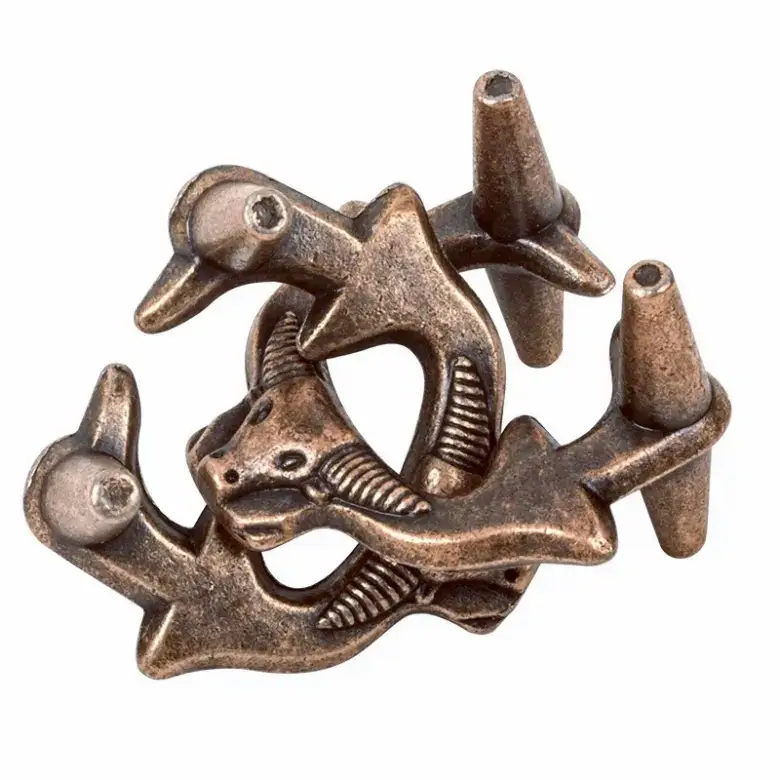
| Cast Coil Triangle | 45+ min (Project) | Deep "Aha!" moment; sequential discovery | High – a real desk trophy | They get impatient easily or want a quick win. |
| Golden Chinese Knot | 10-20 min (Quick Win) | Tactile, rhythmic solving | Medium – pretty but small | They prefer mechanical, clicky puzzles over symbolic ones. |
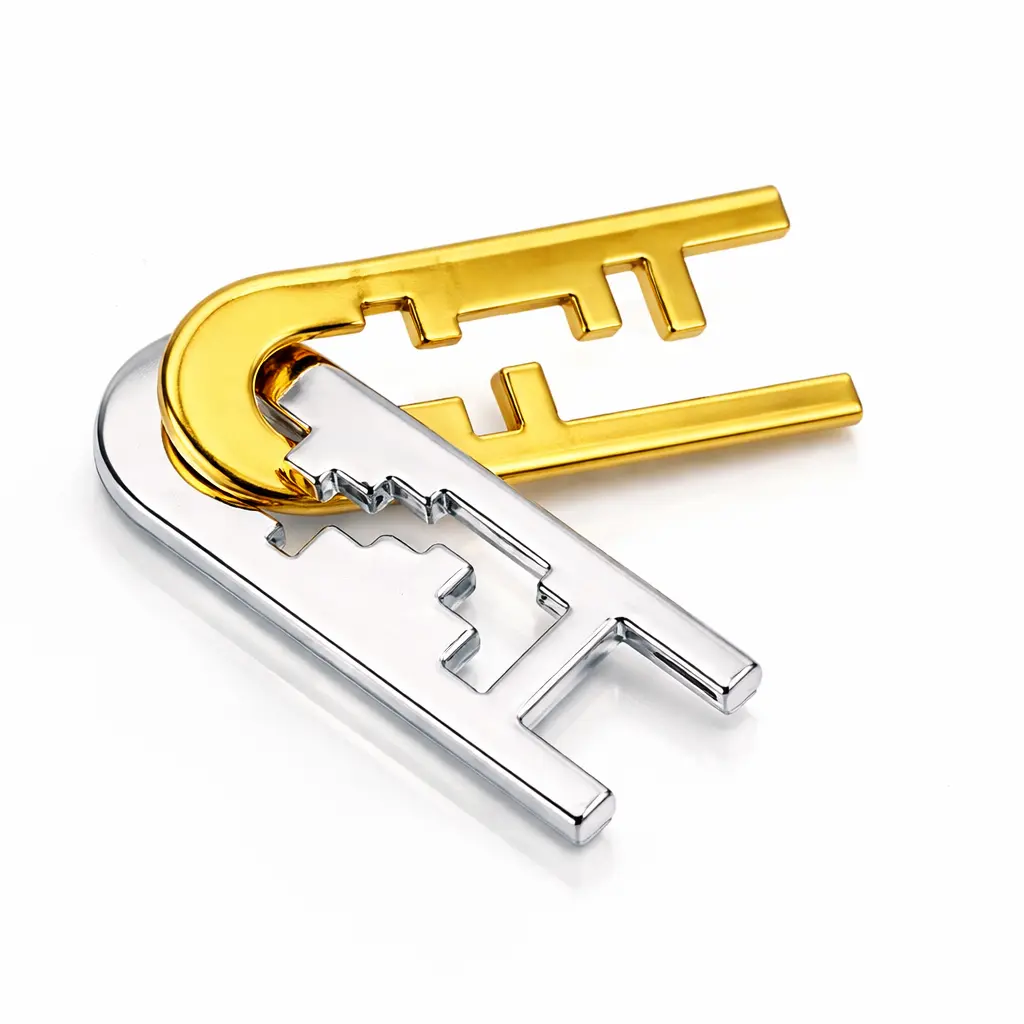
| Cast Coil Pocket | 5-10 min (Fidget) | Instant gratification, fidget-friendly | Low – it's a pocket piece | You want something that looks impressive on a shelf afterward. |
| 7 Color Soma Cube (Wood) | 15-30 min (Project) | Spatial reasoning challenge | High – colorful conversation piece | The giftee is strictly into metal; this is a wooden 3D building puzzle. |
| Metal Grenade Lock | 20-35 min (Evening) | Thematic, surprising mechanism | High – very cool looking | They might be sensitive to military-themed objects. |
Who should skip the ‘Quick Win’ tier? If the person loves deep-diving into a single problem for an hour (think: assembling a model, solving a tough crossword), a 5-minute puzzle will feel trivial. Go for a ‘Project.’ Conversely, if they enjoy short mental breaks between tasks, the ‘Quick Win’ puzzles are perfect. The R/MechanicalPuzzles Verdict: On the Cast Coil Triangle, users often say, “It looks simple but the solution is incredibly elegant.” That’s the sign of a great project puzzle.
Still overthinking? Here’s a guide to choosing metal puzzles that dives deeper into mechanisms.
The presentation and context are 50% of the gift. Always choose puzzles with Gift-Ready Packaging, gauge the recipient's patience level, and write a card that sets the right expectation (e.g., “For your next coffee break challenge”). This transforms it from an object into an experience.
You've picked the perfect puzzle. Now, let's make sure it lands. A puzzle thrown in a gift bag feels like an afterthought. A puzzle presented as a ‘desk trophy waiting to be earned’ feels intentional and cool.
1. The Unboxing: Look for the ‘Gift-Ready Packaging’ badge. Puzzles like the Cast Keyhole come in a sturdy, presentable box that makes wrapping easy or can be gifted as-is. It screams, “This isn't from a random bin.”
2. Gauge Their Puzzle Personality:
- The Fidgeter: Always clicking a pen? They want a pocket-sized puzzle with a quick, repeatable solve.
- The Patient Engineer: Likes manuals and diagrams? They’ll appreciate a multi-stage sequential discovery puzzle.
- The First-Timer: Say, “I got you something for your hands to do during calls.” It reduces pressure.
3. The Card Message (This is key): Don’t just write “Happy Birthday.” Write the invitation. For a quick puzzle: “For when you need a 5-minute brain reset.” For a hard one: “A project for your next lazy Sunday. The solve is worth it.” This frames the experience and eliminates any “I’m not smart enough” anxiety.
One Honest Limitation: These aren't great for group gifts unless everyone is into puzzles. It’s a personal, one-on-one with your mind kind of thing. For more ideas on engaging presents, see puzzles adults can't put down.
Match the puzzle to their daily habits, not just ‘they're smart.’ The Desk Fidgeter needs a quick, tactile puzzle; the Patient Engineer wants a complex project; the First-Timer needs an approachable, satisfying win. This scenario-based matching guarantees the gift fits their life.
Generic advice fails. Let's match the puzzle to the person in your life.
Scenario 1: The Desk Fidgeter. This person is constantly clicking pens, spinning quarters, or bouncing their knee. They need a tactile break, not a deep dive.
The Pick: Cast Coil Pocket Puzzle (Solve Time: 5 min). It’s small, has a satisfying mechanical click when solved, and the solution is intuitive enough to solve repeatedly during calls. It’s a deceptively simple fidget tool that looks cooler than a stress ball.
Scenario 2: The Patient Engineer (or Any Deep Thinker). They love the process, the diagrams, the “how does this even work?” mystery. They want a weekend project.
The Pick: Cast Coil Triangle Puzzle (Solve Time: 45+ min). This is engineer-approved puzzling. It involves hidden steps, sequential discovery, and the final solution feels like unlocking a secret. It becomes a displayed object of pride.
Scenario 3: The ‘I Want to Impress My Friends’ Giftee. The gift needs visual wow factor and a fun solve they can share.
The Pick: Metal Grenade Lock Puzzle (Solve Time: 20-35 min). The theme is an instant conversation starter, and the solve involves a surprising, clever mechanism they’ll want to show off. The ‘Display Factor’ is high.
Scenario 4: The First-Timer Nervous About Difficulty. You want to hook them, not frustrate them. Avoid anything labeled “Advanced.”
The Pick: Golden Chinese Knot or Alloy S Lock Puzzle (Solve Time: 10-20 min). These offer clear, logical progression and a definitive, satisfying “click” or separation upon solving. It’s a confidence-building win. Want a digital test first? Send them a free online puzzle game to gauge interest.
We rate puzzles honestly as Quick Win (5-15 min), Evening Project (30-60 min), or Weekend Warrior (60+ min). Using the Hanayama 1-6 scale as a benchmark, a ‘3’ is a perfect starter. Most gift-givers overestimate difficulty; a ‘Quick Win’ puzzle is satisfying, not trivial.
Let's be brutally honest: “Brain Teaser” tells you nothing. “Takes 45 minutes of focused trial, error, and one brilliant insight” tells you everything. We use a clear three-tier system so you know exactly what you’re giving.
Quick Win (5-15 minutes): These are for the satisfying mental snack. The path to the solution is relatively straightforward, often involving one or two clear manipulations. Perfect for the desk, a waiting room, or to kickstart a puzzling habit. Examples: Cast Coil Pocket, Alloy S Lock. Limitation: Hardcore puzzle fans will solve these very quickly.
Evening Project (30-60 minutes): This is the sweet spot for a thoughtful gift. It requires persistence, exploration, and might have a hidden step or trick. The solve provides a real sense of accomplishment. Examples: Metal Grenade Lock, Tian Zi Grid Lock. Reference Point: On the popular Hanayama difficulty scale (1=easiest, 6=hardest), these land around a solid 4.
Weekend Warrior (60+ minutes): For the dedicated tinkerer. These often involve multiple independent pieces or complex, sequential discovery where solving one part reveals the next challenge. They are puzzles you live with for a few sittings. Example: Cast Coil Triangle Puzzle. Honest Negative: There’s a small risk the recipient might give up and it becomes a cool paperweight they never solved. Mitigate this by gifting it to the right person (see Scenarios).
The Bottom Line: For a birthday gift, you usually can't go wrong with an ‘Evening Project.’ It shows thoughtfulness without being daunting. A ‘Quick Win’ is a fantastic side gift or for someone who appreciates elegant simplicity.