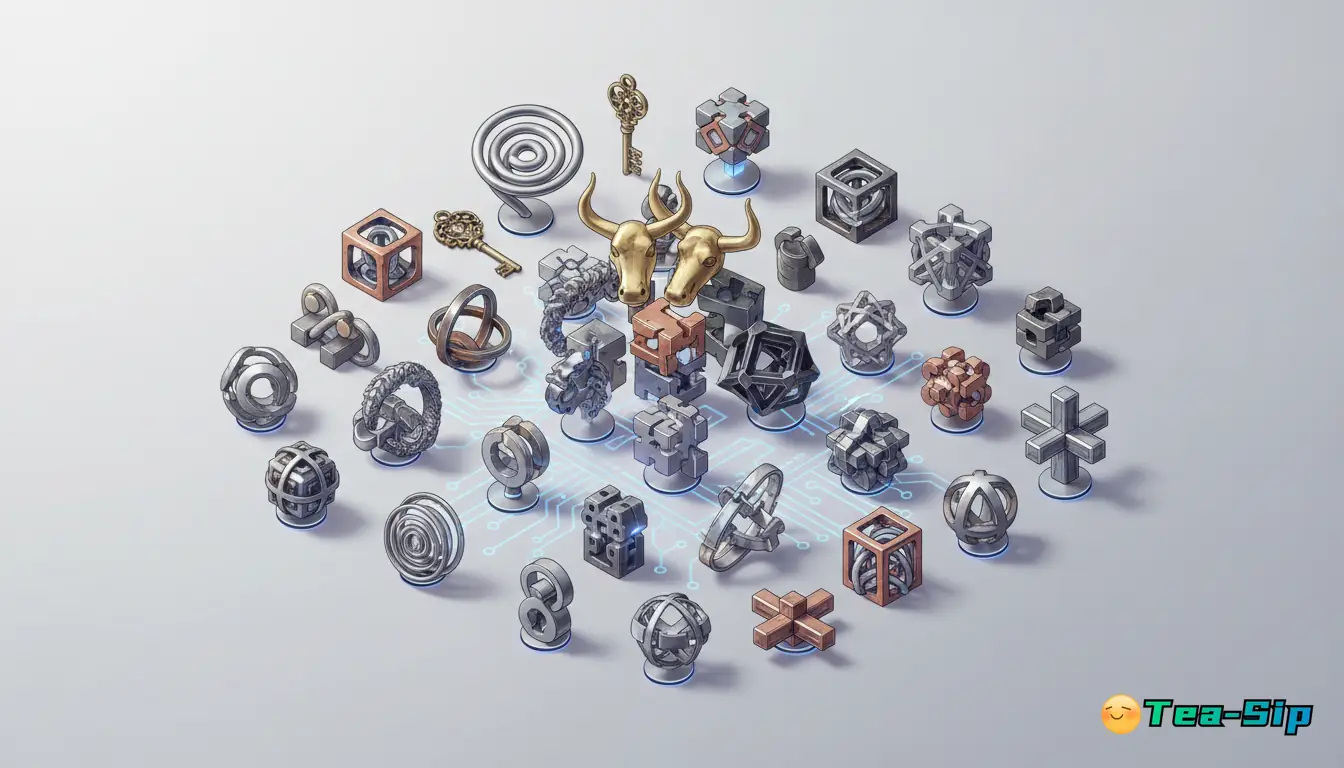
A good value set delivers at least 5 genuinely different puzzle mechanisms, is made of spring-back stainless steel that survives drops and bends, and orders puzzles from quick wins to head-scratchers to prevent boredom. Our test of top sets shows the key is mechanism taxonomy, not just piece count. Skip any tier offering only wire-and-ring variants.
What Makes a 16-Piece Metal Puzzle Set a Good Value?
For that Sunday afternoon search, value isn't just a low price tag. It's about lasting engagement. The fear that you're buying 16 slight variations of the same thing is real. Let's compare the three pillars of real value for a 10-year-old's hands and brain.
| Compare By | What It Means for Your 10-Year-Old | What to Look For | Who Should Skip This Tier |
|---|
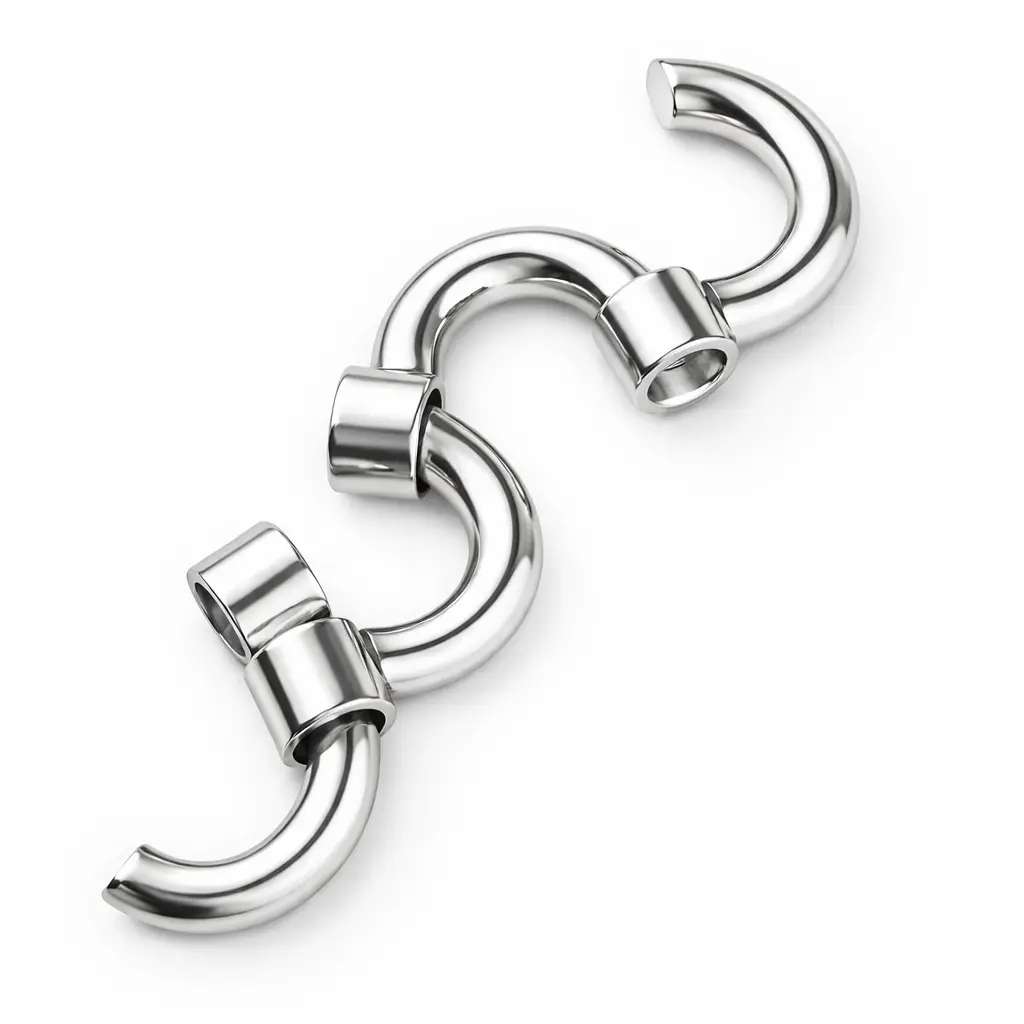
| Puzzle Variety & Uniqueness | This is the "will they get bored Tuesday?" factor. Real variety means different solve logic: disentanglement, trick openings, sequential discovery, 3D transformations. | A set with labeled photos showing distinct shapes like a Maze Lock, a morphing sphere, and animal figures. Look for at least 5 mechanism families. | Anyone considering a set where all pieces are just U-shaped wires and rings. That's one trick learned 16 times. |
| Durability for Fidgety Hands | The tactile feedback and 'will it break?' test. Good stainless steel should spring back if lightly bent, not hold the bend or snap. | Words like "stainless steel," not just "metal." A clean, burr-free finish. Weight that feels solid, not tinny. Our close-up video shows the spring-back test. | If your kid is exceptionally rough or tends to throw frustration, skip ultra-thin wire puzzles. Opt for chunky cast pieces like the Cast Galaxy. |
| Progression of Challenge | Prevents the "it's too hard, I quit" moment. A good set mixes 5-minute solves with puzzles that might take a weekend, building confidence. | A mix of difficulty ratings (like our 1-5 Brain Melt scale). Quick wins (Level 1-2) should outnumber brain-melters (Level 5). A logical next step after the Rubik's Cube is intermediate (Level 3). | Sets billed as "extremely difficult" only. A 10-year-old needs momentum from early successes. Check out our beginner tips guide for a smooth start. |
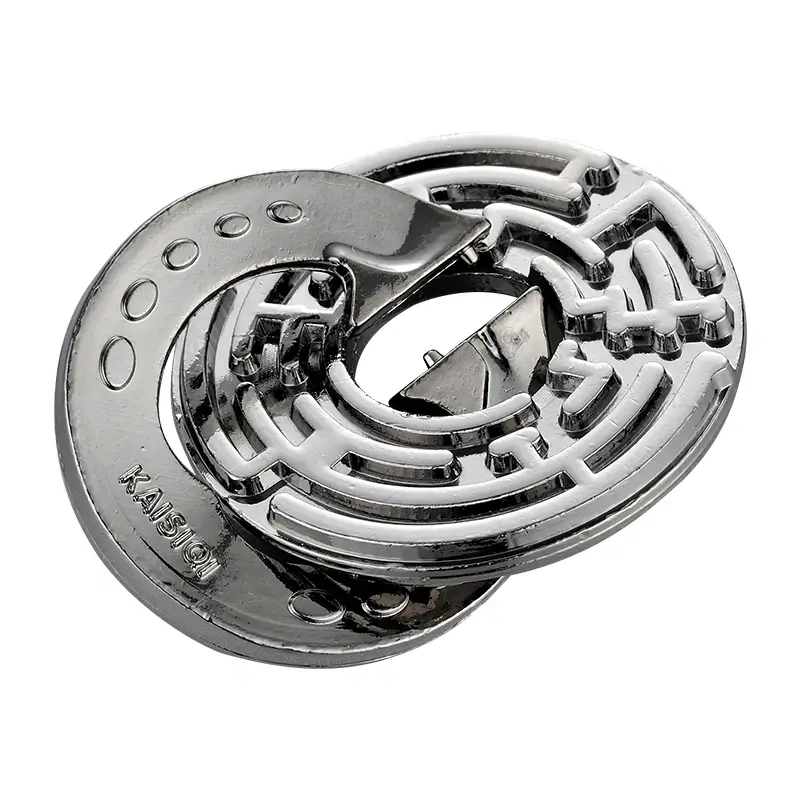
The sweet spot? A set where the puzzles look and solve differently, can survive being stuffed in a pocket, and give a mix of 'Aha!' and 'Huh?' moments. The table above helps you vet any set. For a curated starting point, look at the Cast Galaxy 4-Piece for its satisfying chunkiness, or the Maze Lock for a completely different, fidget-friendly mechanism.
Let's get practical. Where does a good puzzle set earn its keep? It's about fitting into the cracks of daily life where screens usually win.
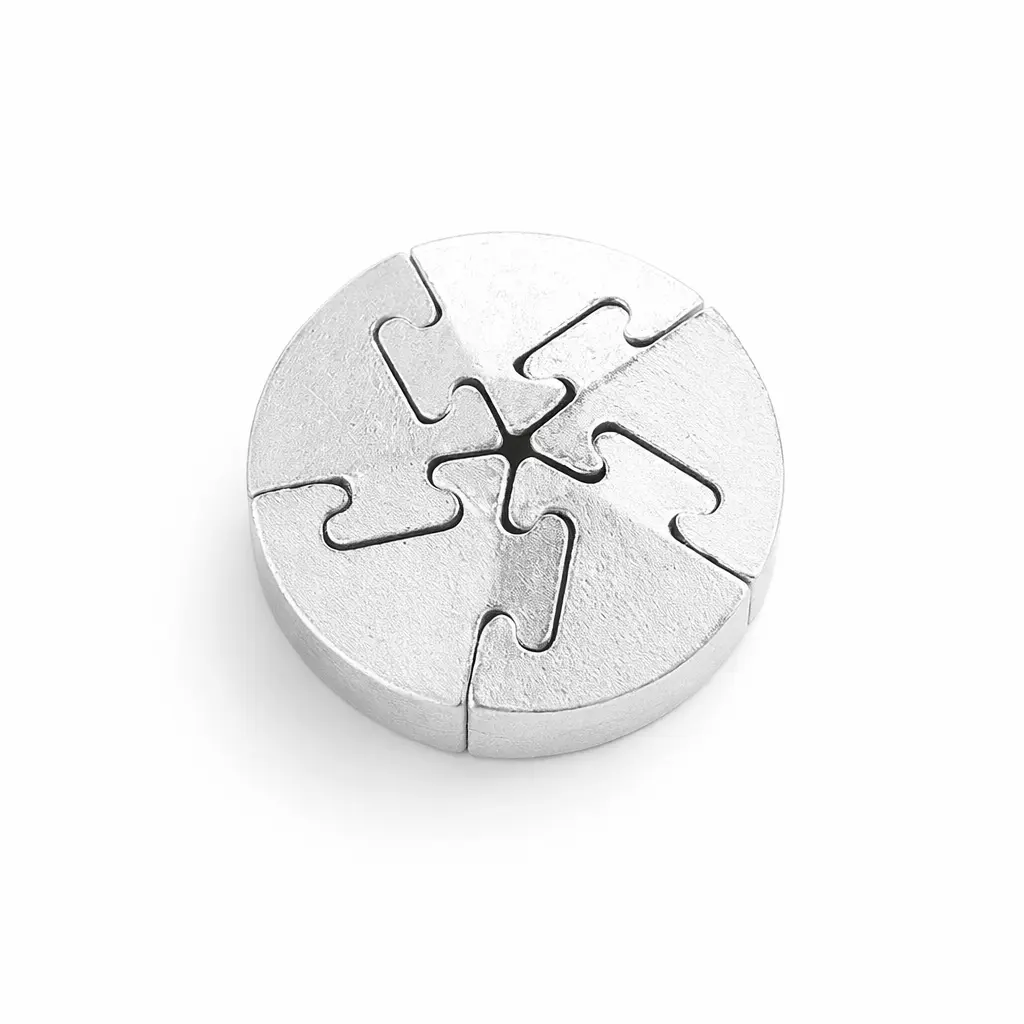
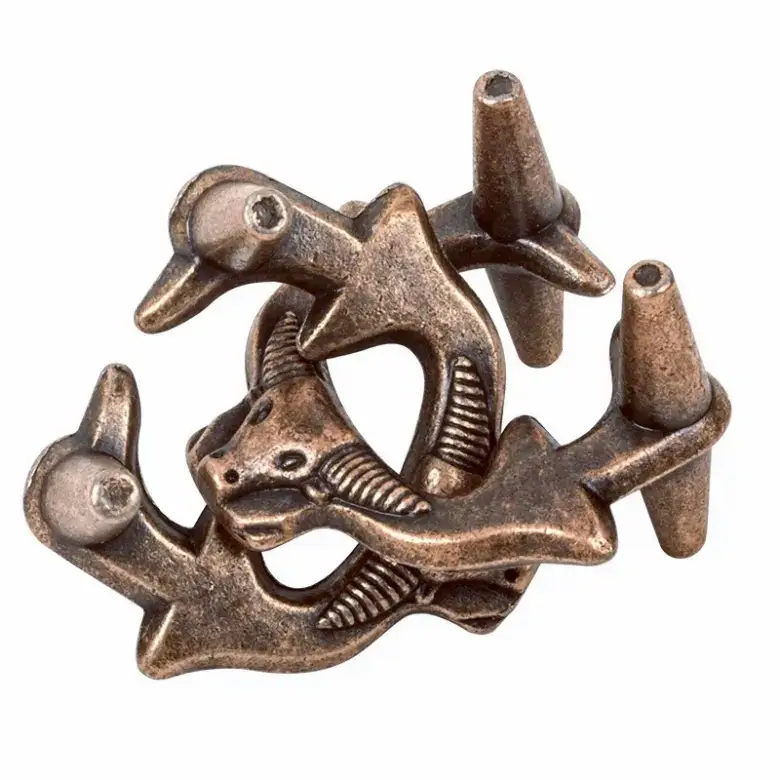
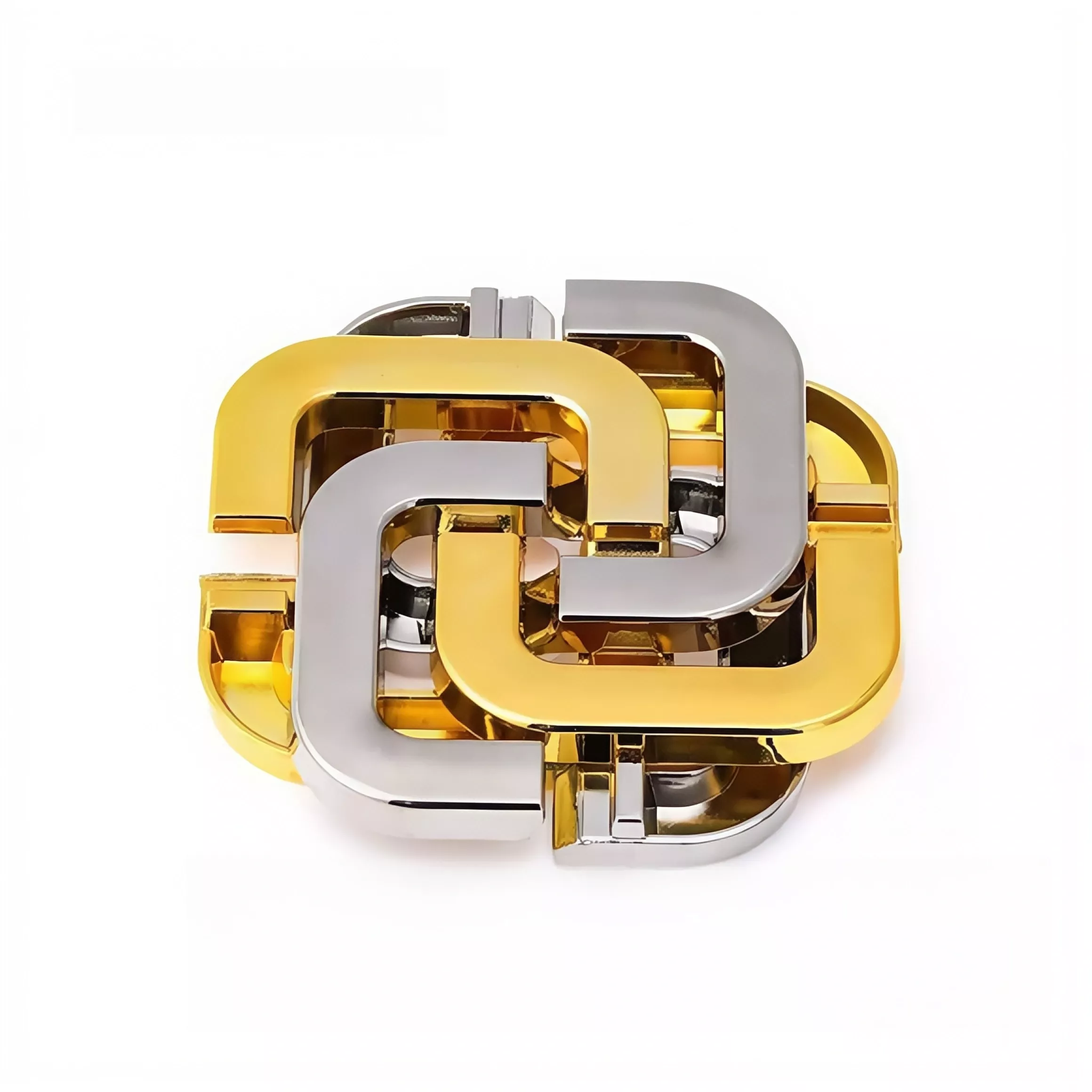
The Weekend Puzzle Marathon: It's raining. The 16 pieces are dumped on the living room floor. The goal isn't to solve them all, but to hunt for the next 'sure, I can get this one.' They'll group them by how mean they look, tackle a quick Four-Leaf Clover (a Level 2), then stare thoughtfully at the Two Bull Head lock (a solid Level 4). This is where variety pays off—there's always another type to try.
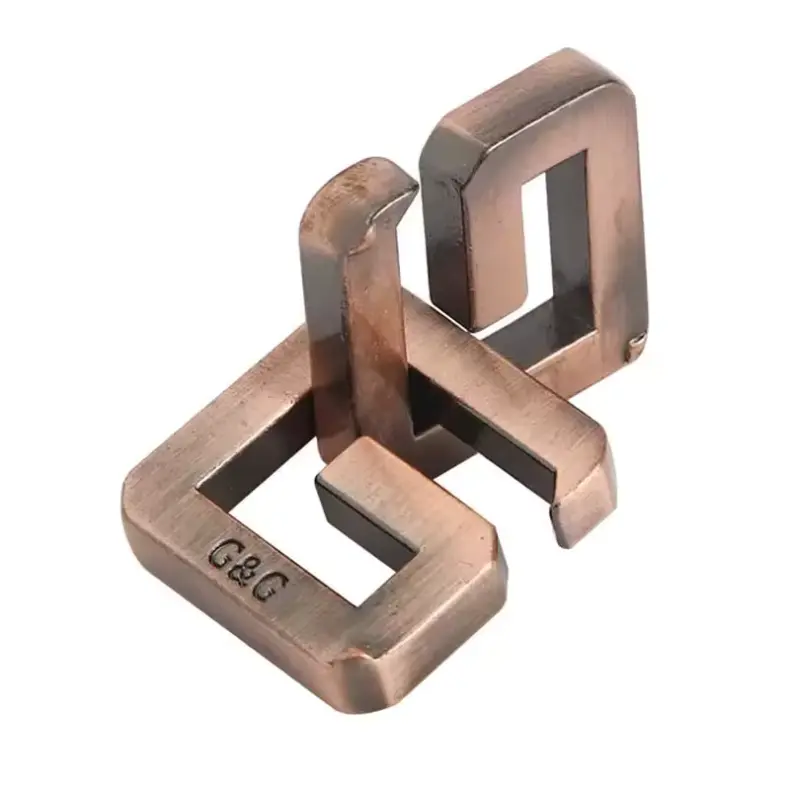
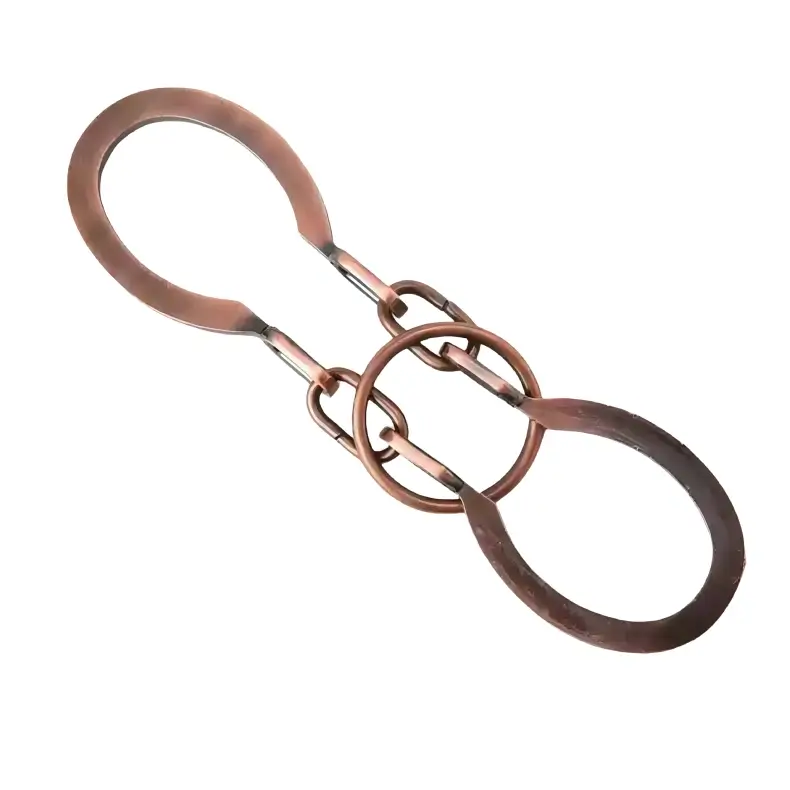
The Car Trip Companion: This is the fidget-friendly test. Puzzles need to be pocket-sized and not have tiny parts that vanish into seat abyss. The Antique Bronze Keyring can clip to a backpack. The tactile click and slide of the Maze Lock is perfect for miles of highway.
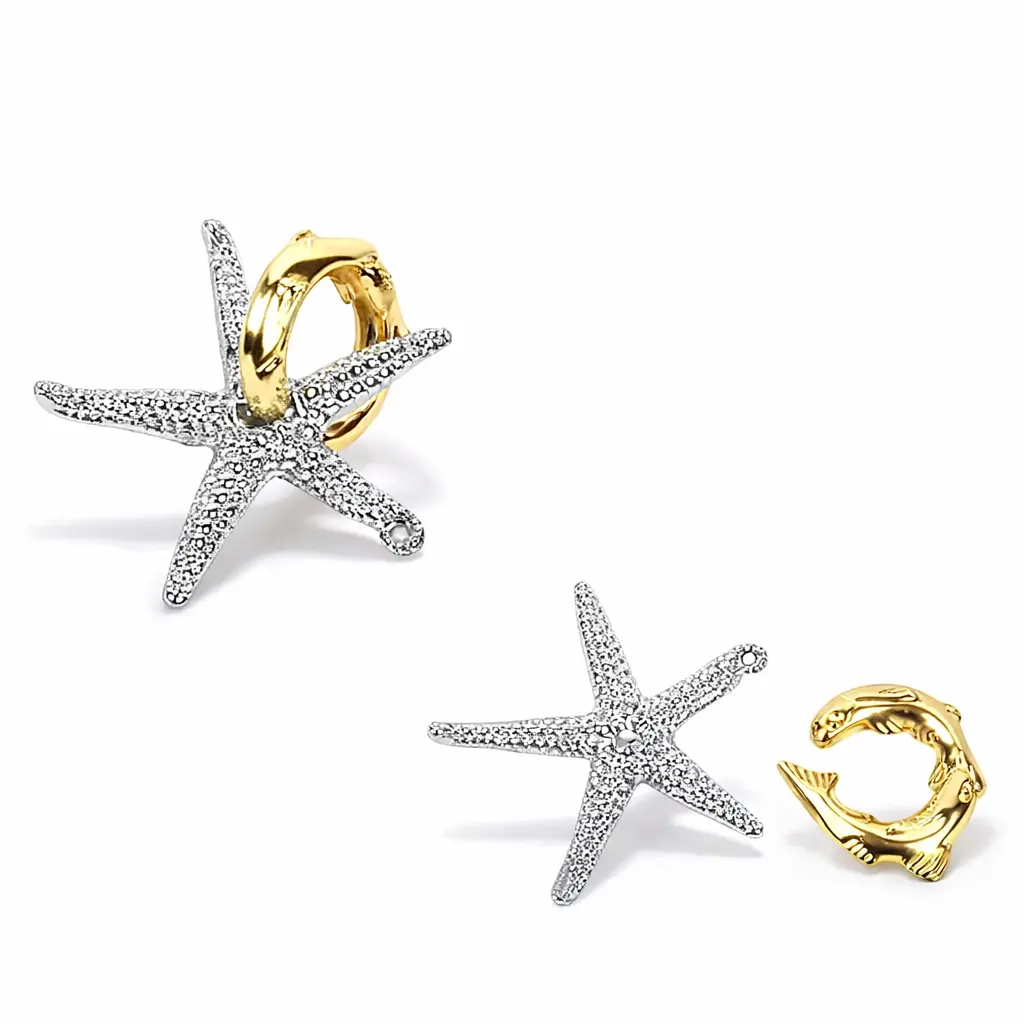
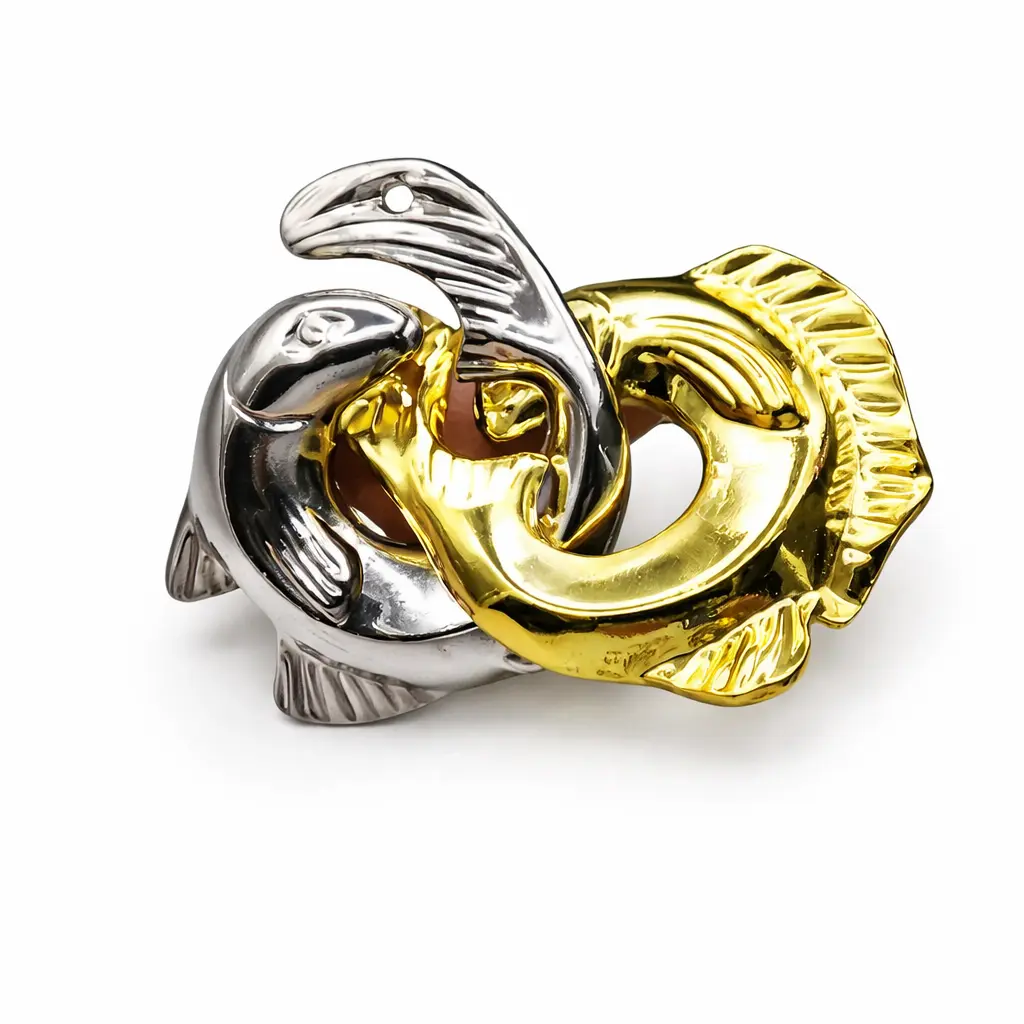
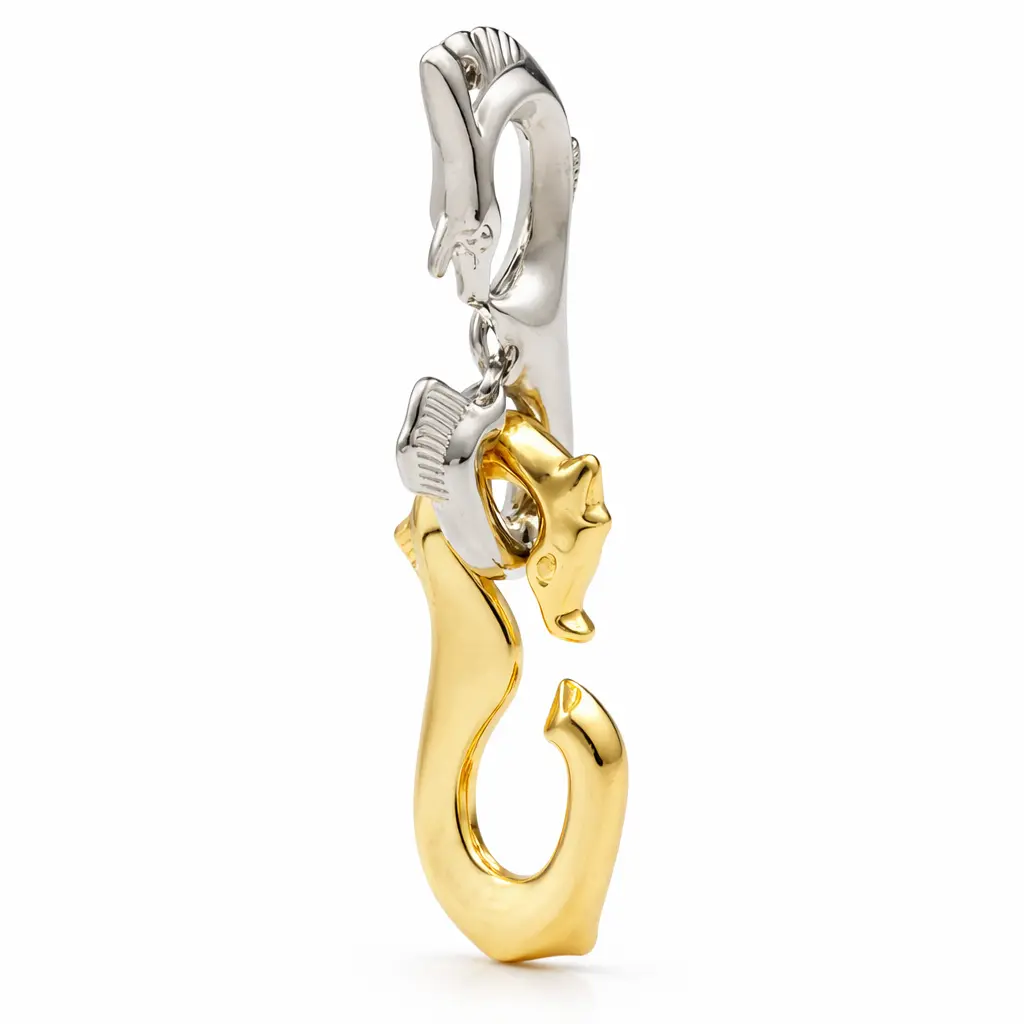
The 'Just Because' Gift Unboxing: The joy isn't one big toy, but a treasure chest of small challenges. Unwrapping 16 individually distinct items feels like more value. Lead with the beautiful ones like the Dual Seahorse or Starfish Ring for instant appeal.
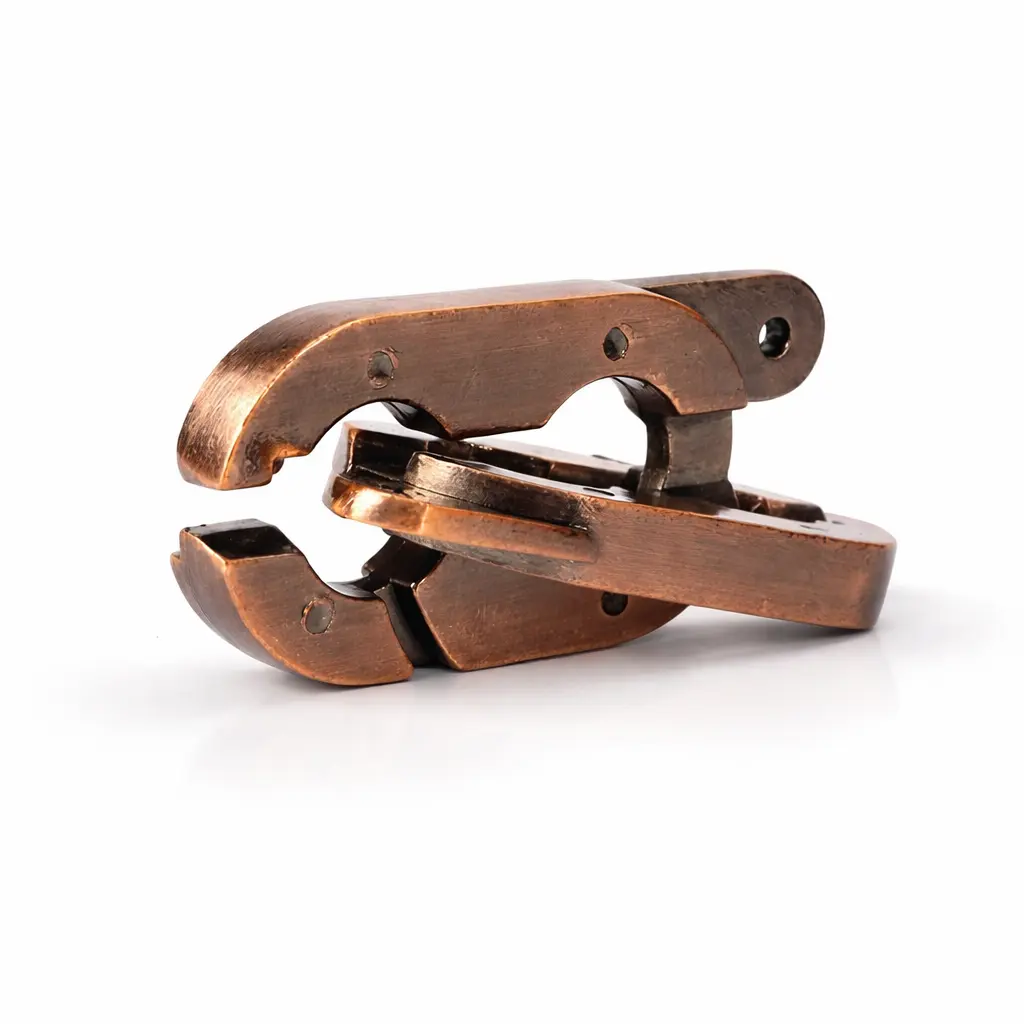
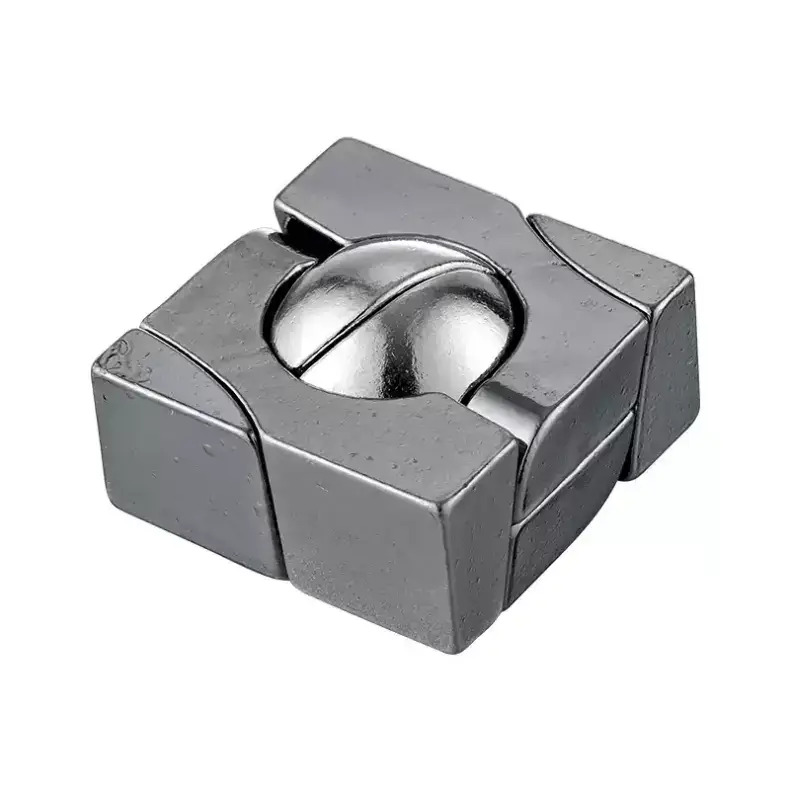
The Screen-Time Alternative: It's not a forced 'educational' thing. It's a 'your hands are busy, your brain is tickled' thing. The satisfying *snick* of two cast pieces separating provides a digital-free reward. Need a break? They can jump to a quick puzzle break with Snake and come back fresh. Your next action: Picture one of these scenes in your house. Which feels most likely? Let that guide your focus on portability or visual appeal.
Forget vague terms like 'challenging.' We asked our 10-year-old tester to rate them on a scale from 'Easy Peasy' to 'Brain Melt.' This gives you a real sense of pacing and where to start. The beauty of a 16-piece set is having puzzles at every level.
Quick Wins (Level 1-2: Easy Peasy to Got It!): These are the confidence builders. Solved in under 10 minutes, often by fiddling and exploring. They teach the basic 'feel' of how metal pieces interact. Think Starfish Ring (Level 2) or the Four-Leaf Clover (Level 2). Perfect for the first car ride.
Satisfying Challenges (Level 3-4: Thinker to Tough Nut): This is the sweet spot for a Rubik's Cube solver. They require a specific sequence or a clever hidden move. The 'Aha!' moment is huge. The Two Bull Head lock (Level 4) and the Dual Seahorse (Level 3) live here. They might take a few sittings, which is great for lasting engagement.
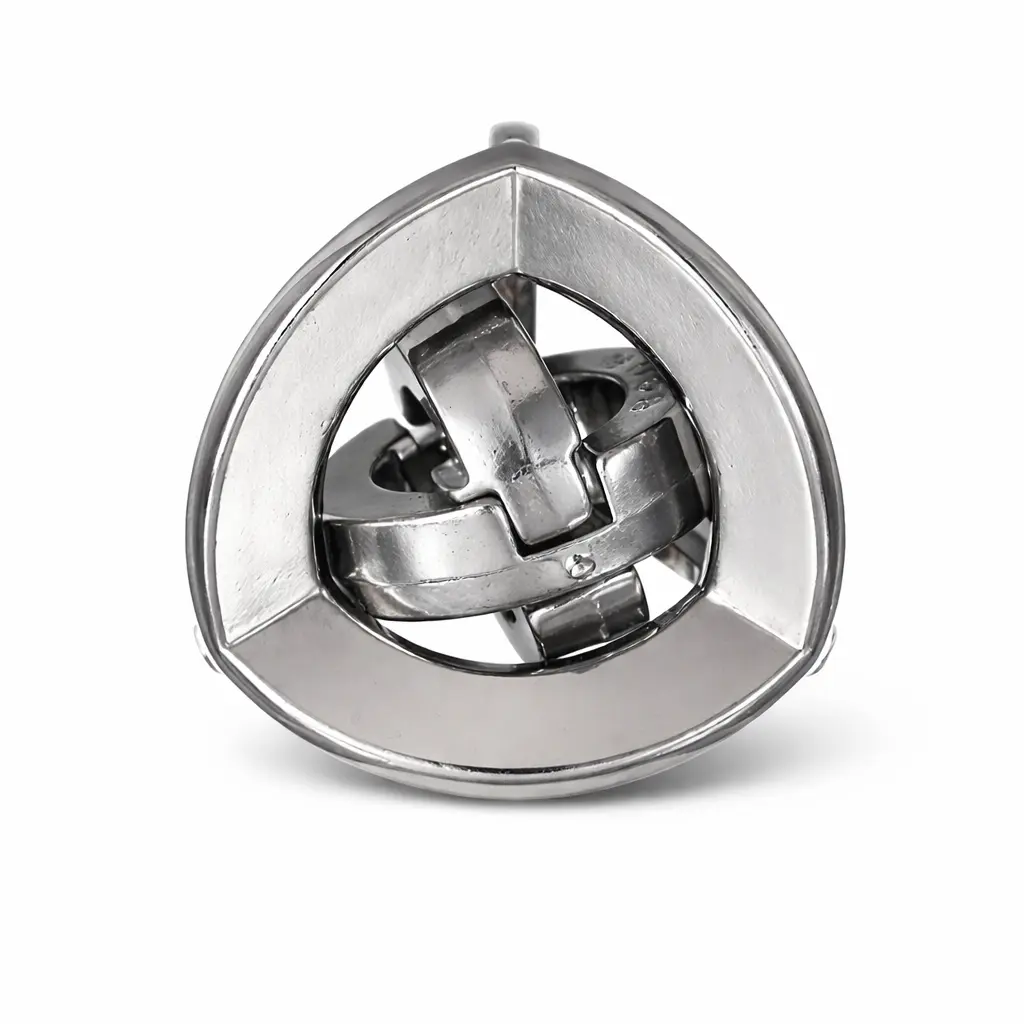
Head-Scratchers (Level 5: Brain Melt): The crown jewels of the set. These are the puzzles they'll come back to over weeks. The solution is non-obvious and deeply satisfying. The Sphere Morphs Into Cube (Level 5) is a classic here. Having 1-2 of these in a set extends its life dramatically. If they get stuck, a peek at our solution guides can offer a nudge.
Your next action: Scan the product descriptions below for the difficulty tags. Aim for a cart that has mostly 2s and 3s, a few 4s, and maybe one 5 for the long game.