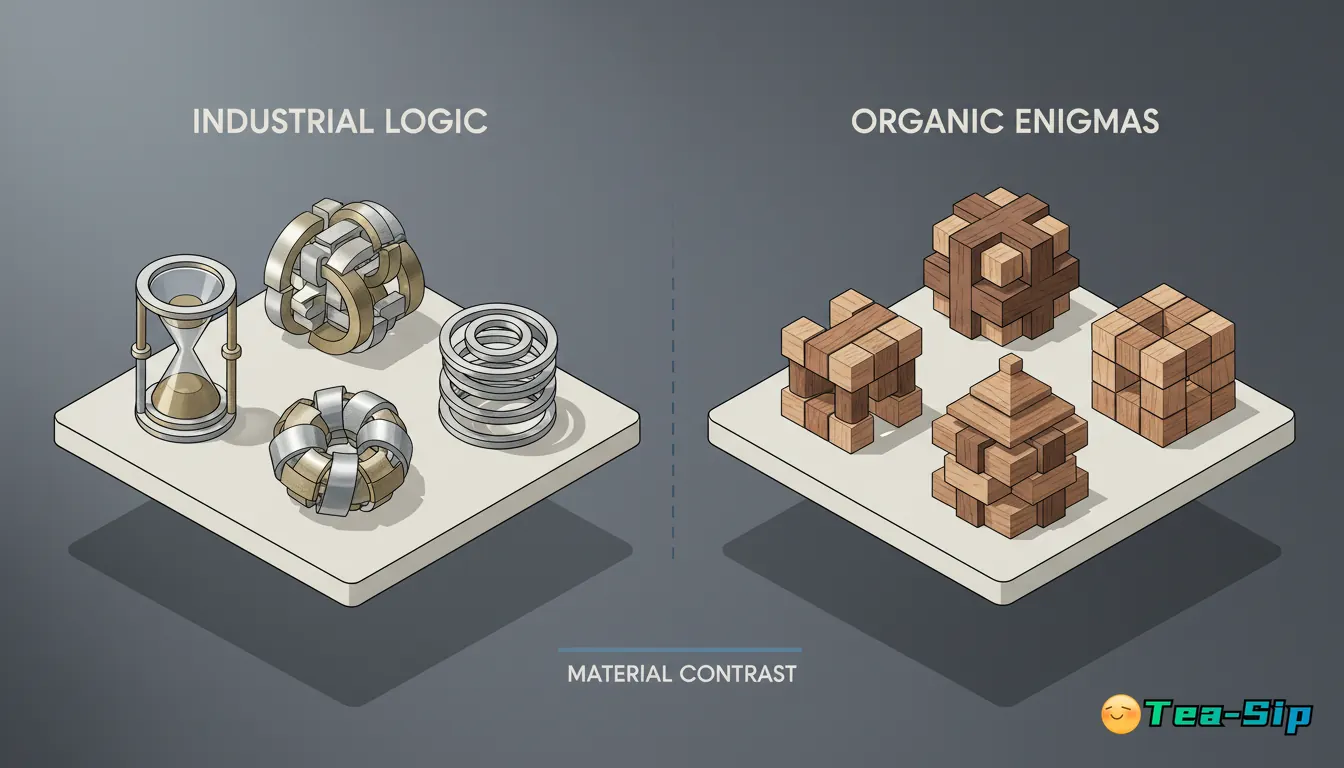
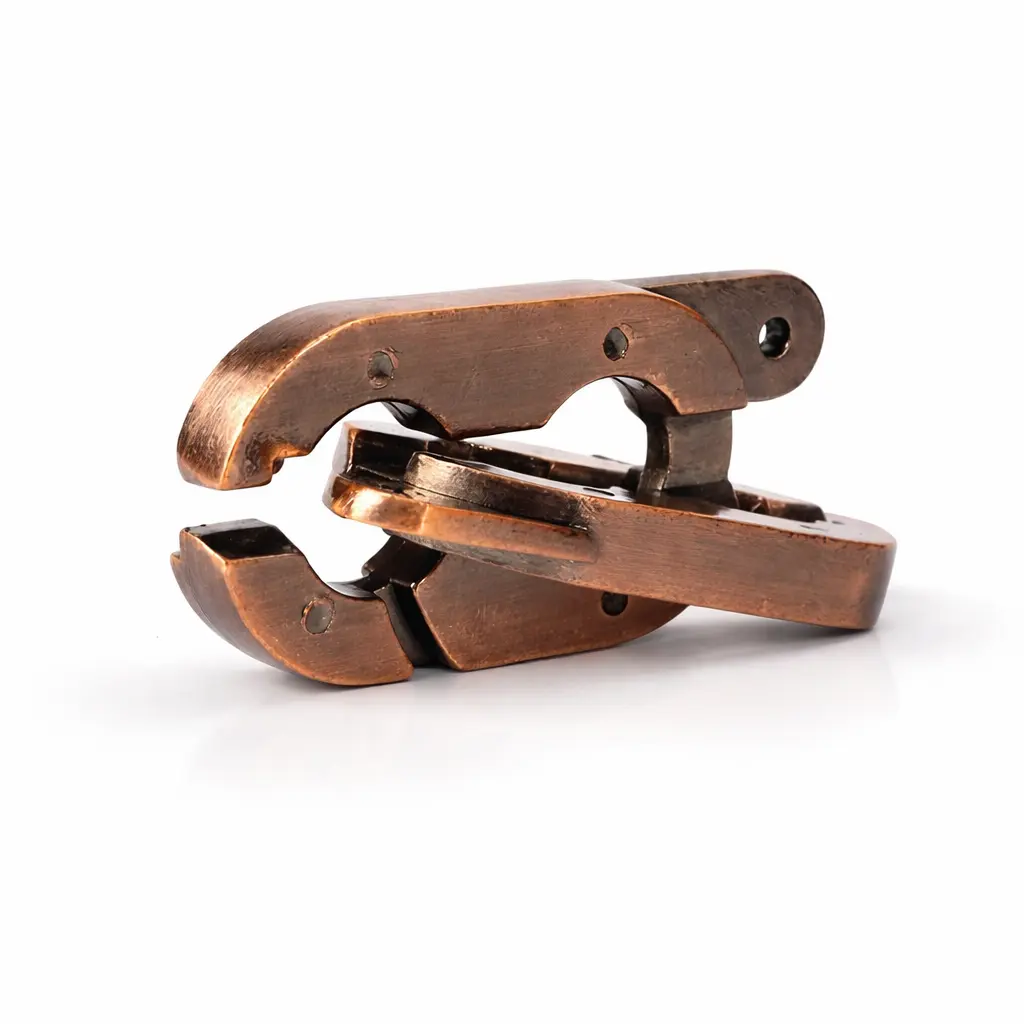
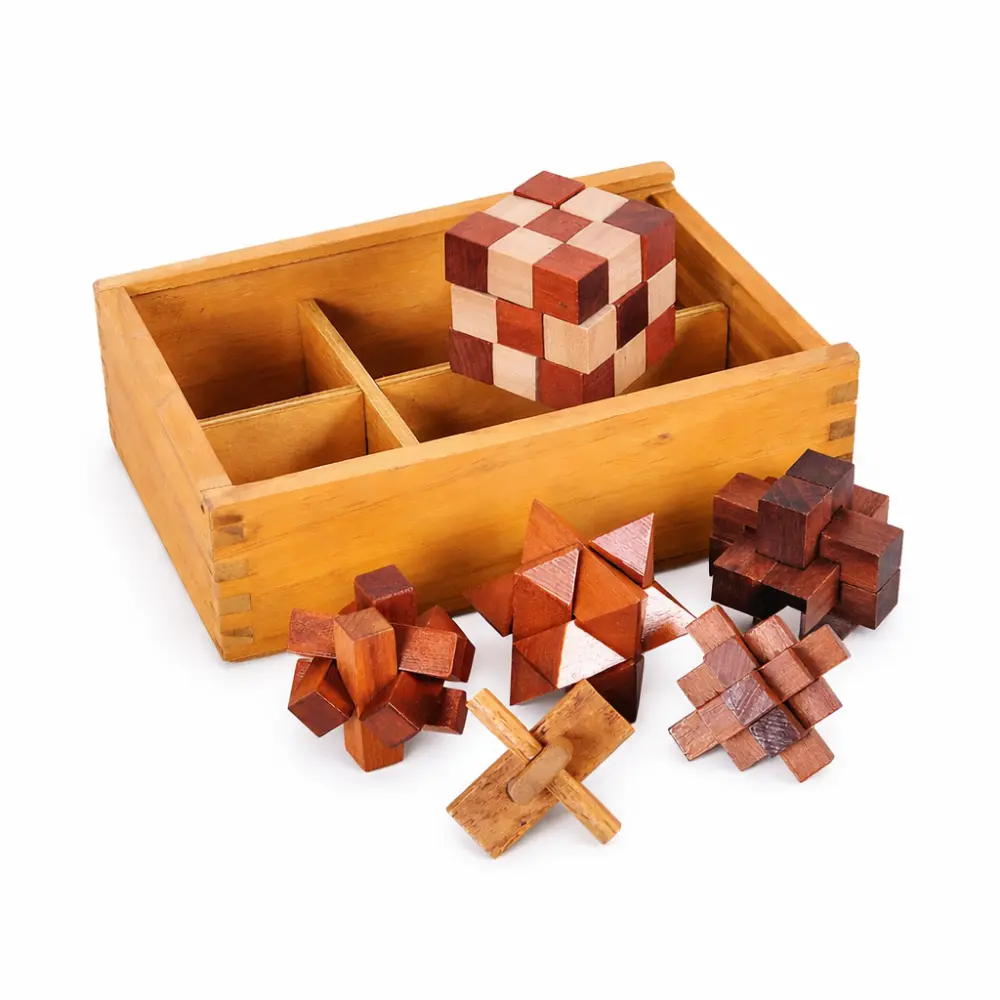
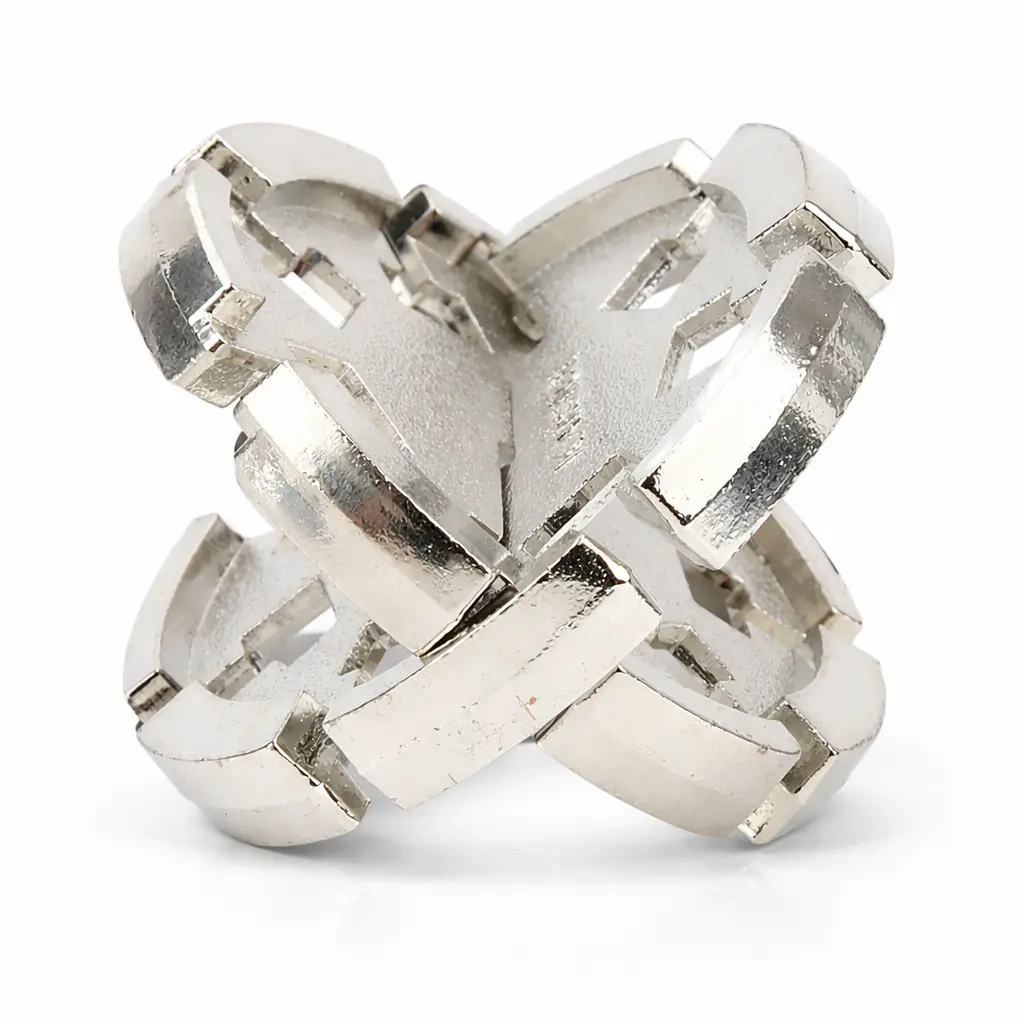
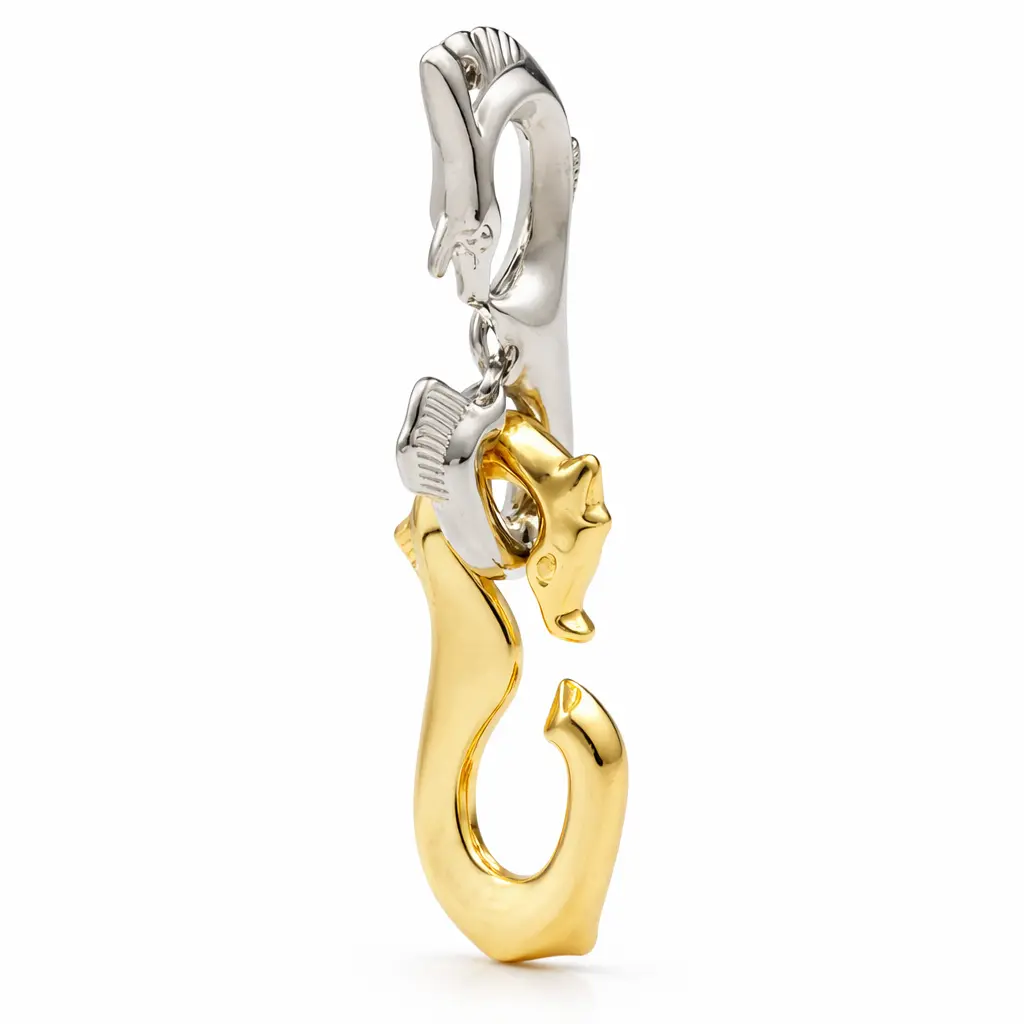
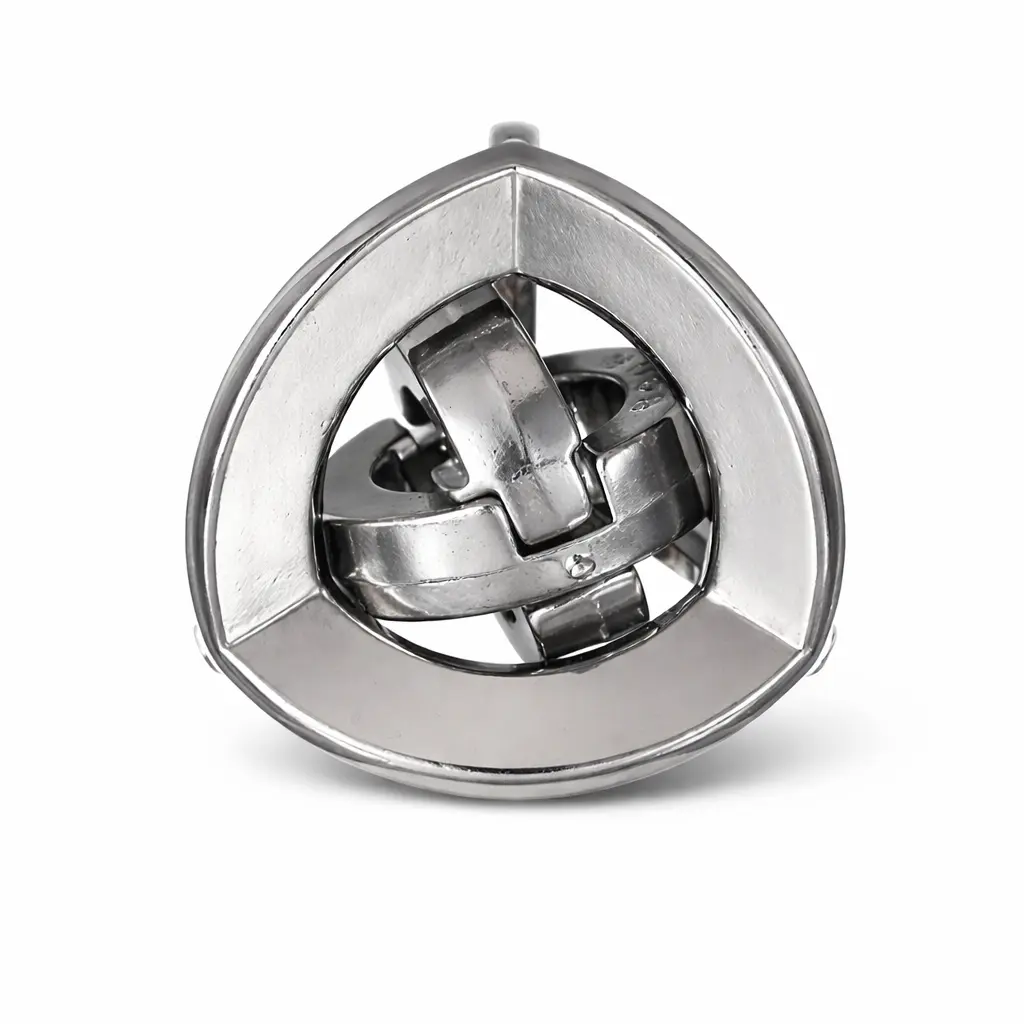
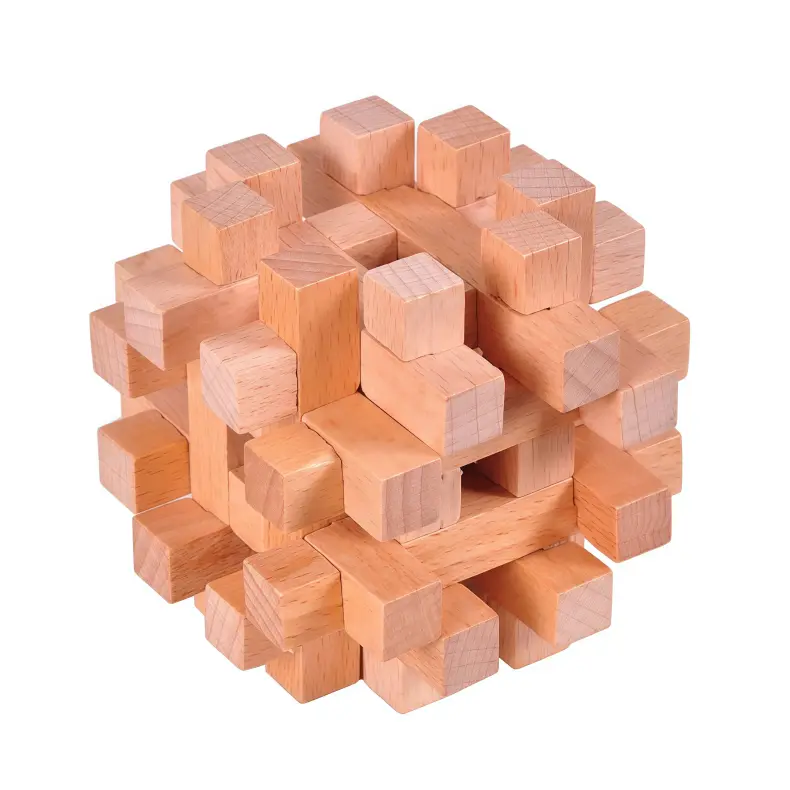
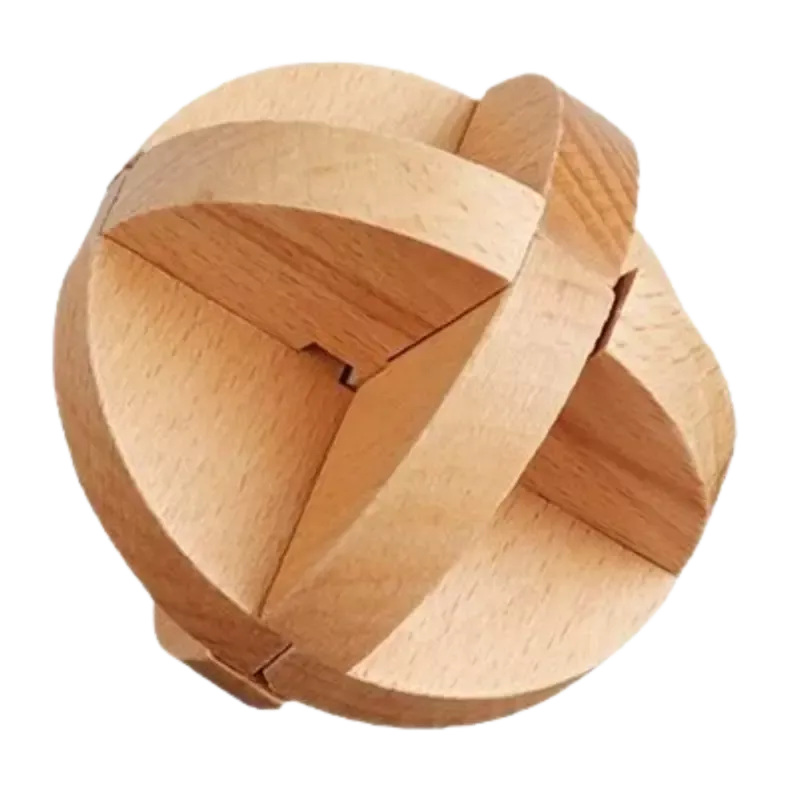
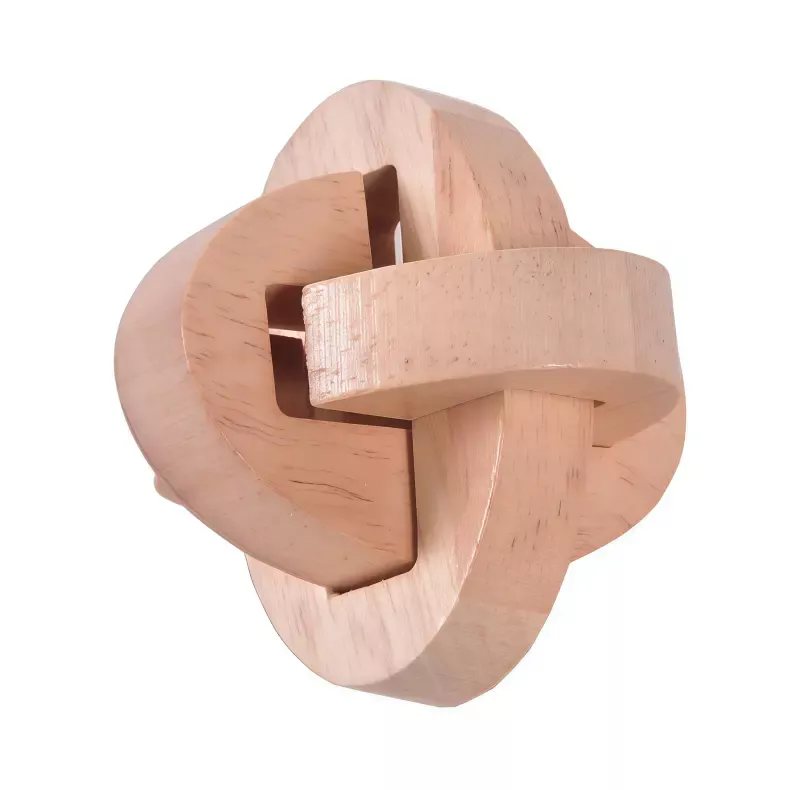
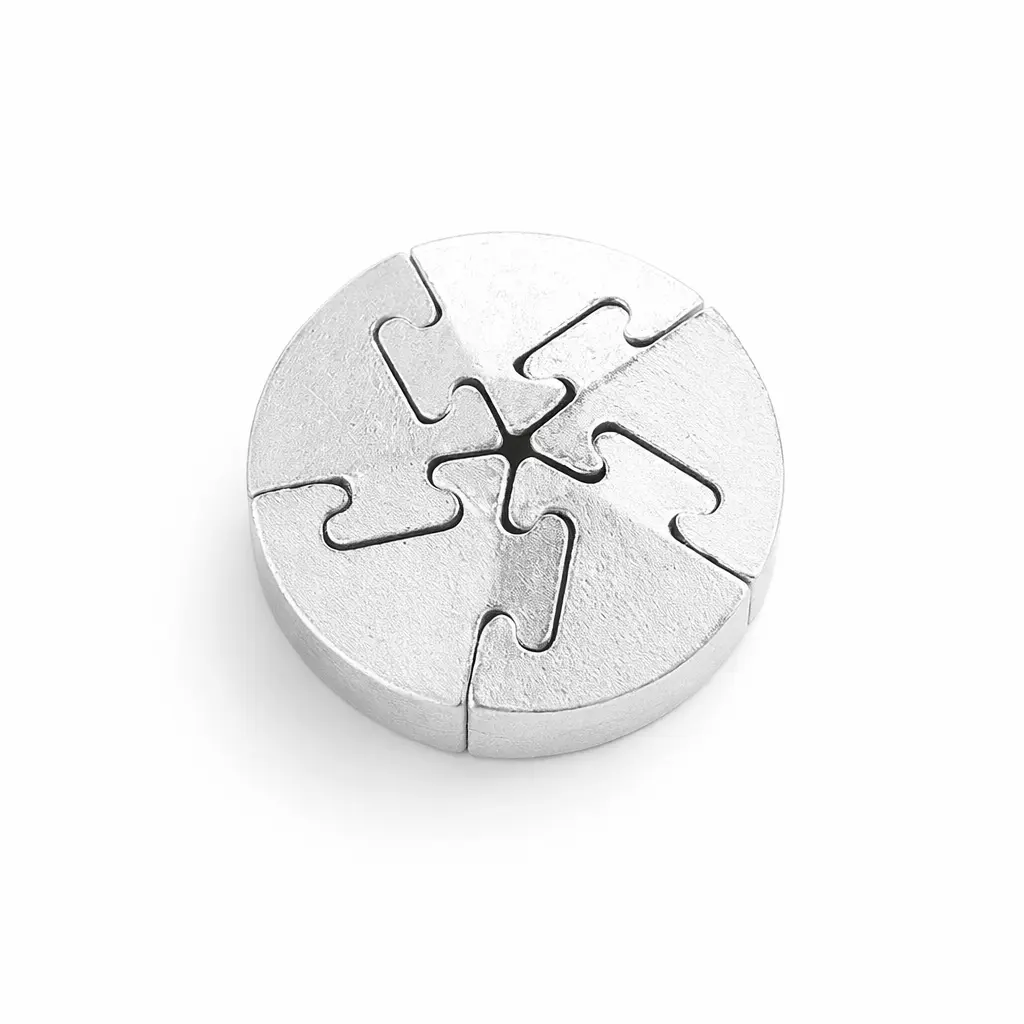
Metal puzzles are cold, weighty, and require precise manipulation for a 'desk trophy' finish. Wooden puzzles offer a warm, tactile snap and are more forgiving, making them ideal for a relaxing weekend build. The key difference is that metal puzzles are 80% about the logic of the solve, while wood is 50% assembly and 50% display.
What's the Real Difference Between Metal and Wooden Puzzles?
Choosing between metal and wood isn't about better or worse; it's about picking the right type of satisfaction for your mood and skill. Here's the side-by-side feel you can't get from a product description.
| Feature | Metal Puzzles | Wooden Puzzles |
|---|
| Tactile Feel & Sound | A cold, weighty glide and a quiet, metallic shick when pieces align. Movements are small and exact. | A warm, slightly resistant snap or click as pieces join. More forgiving with a hint of friction. |
| Display Vibe | Modern minimalist "desk trophy." Looks like a sleek sculpture or an impossible object. | Rustic craft or intricate model. Adds cozy, analog charm to a bookshelf or desk. |
| Time & Mindset | Shorter bursts (15-90 mins) of intense focus. It's a logic workout you fidget with. | Longer sessions (2-8 hours) of methodical assembly. It's a cozy project you sink into. |
| Dexterity Required | High. Requires fine motor control and a gentle touch to avoid bending. | Moderate. Pieces are larger and sturdier, suited for patient but not ultra-precise hands. |
| Best For... | The "Aha!" moment. The pride of solving something that looks impossible. | The "Flow State." The meditative joy of watching a complex structure emerge from pieces. |
Skip This Tier Alert: Avoid cheap metal puzzles with thin, flimsy wires—they bend if you breathe on them wrong, turning a logic challenge into a repair job. Similarly, skip wooden puzzles that are just 2D cutouts of simple shapes; you'll finish them in 10 minutes and feel no payoff. For your next step up, you need substance.
If the cozy, hands-on build is what hooked you, a well-chosen wooden set offers a deeper dive. If you're chasing that pure, elegant "click" of a perfect solution, it's time to learn the grammar of metal puzzles.
Don't just pick a material—pick the experience you want. Here’s exactly what to grab based on what you’re chasing.
1. The 'Desk Fidget & Focus' Seeker: You need something to do with your hands during calls or to pull you into deep work. Go Metal. The Metal Orbit Ring is perfect. It’s small, endlessly manipulable, and that satisfying, weighty click recenters your brain. Wooden puzzles here are too final—once built, they’re done.
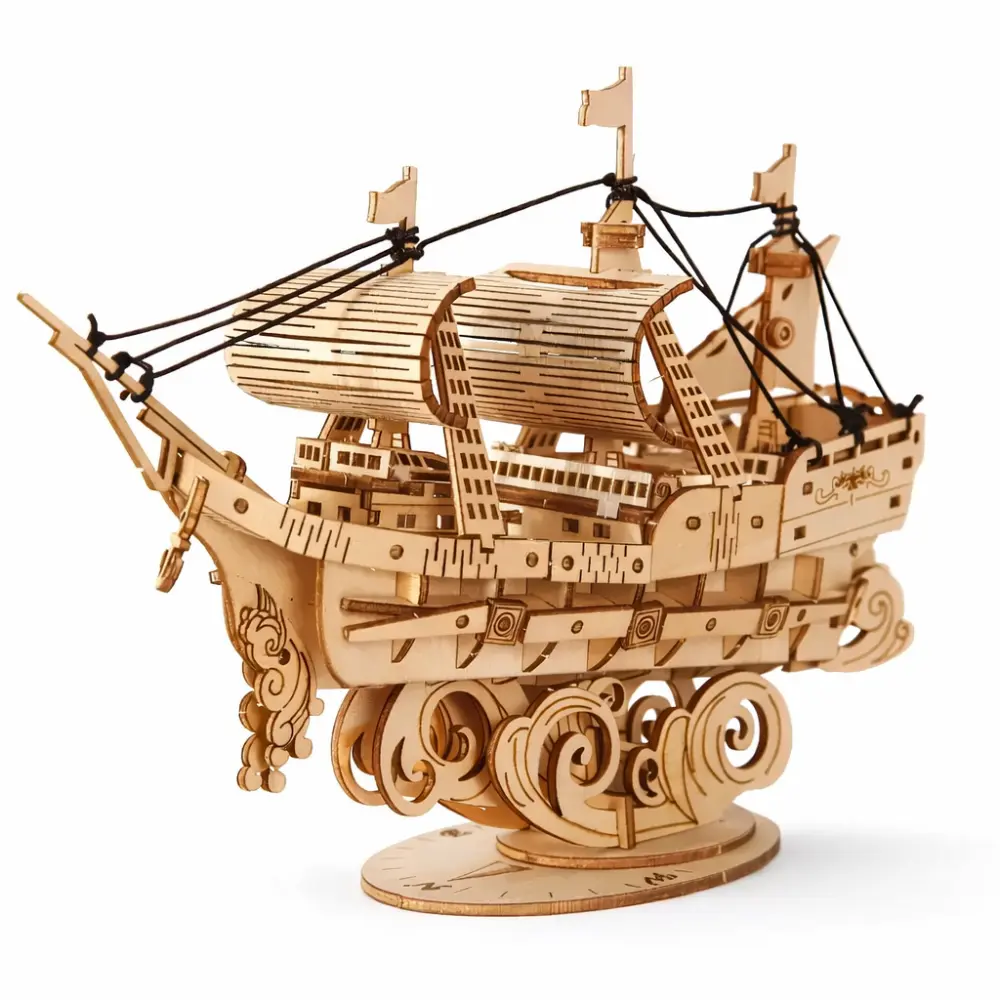
2. The 'Satisfying Weekend Project' Builder: You want to unplug for an afternoon and feel a tangible, visual result. Go Wood. A 3D model kit like the Galleon Ship delivers hours of therapeutic assembly and a gorgeous display piece. Metal puzzles in this slot often finish too quickly, leaving you wanting more.
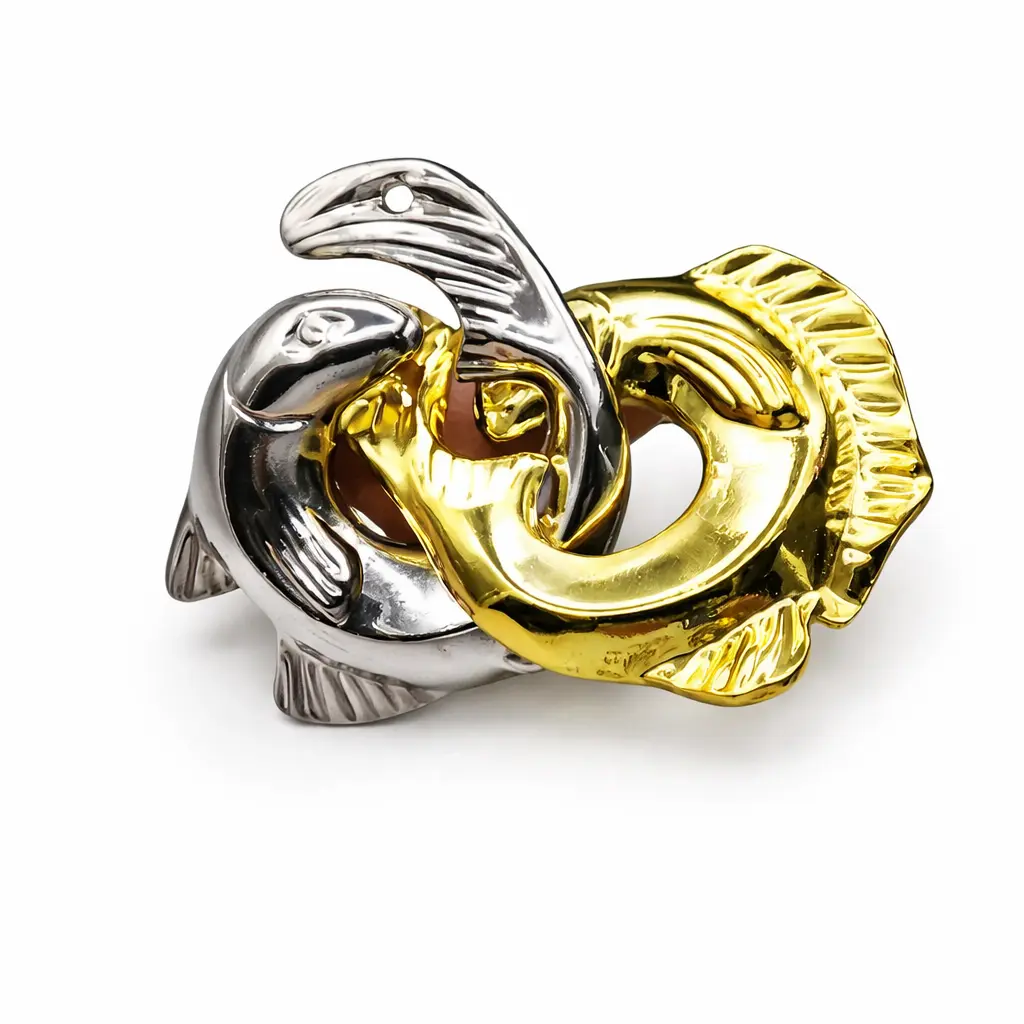
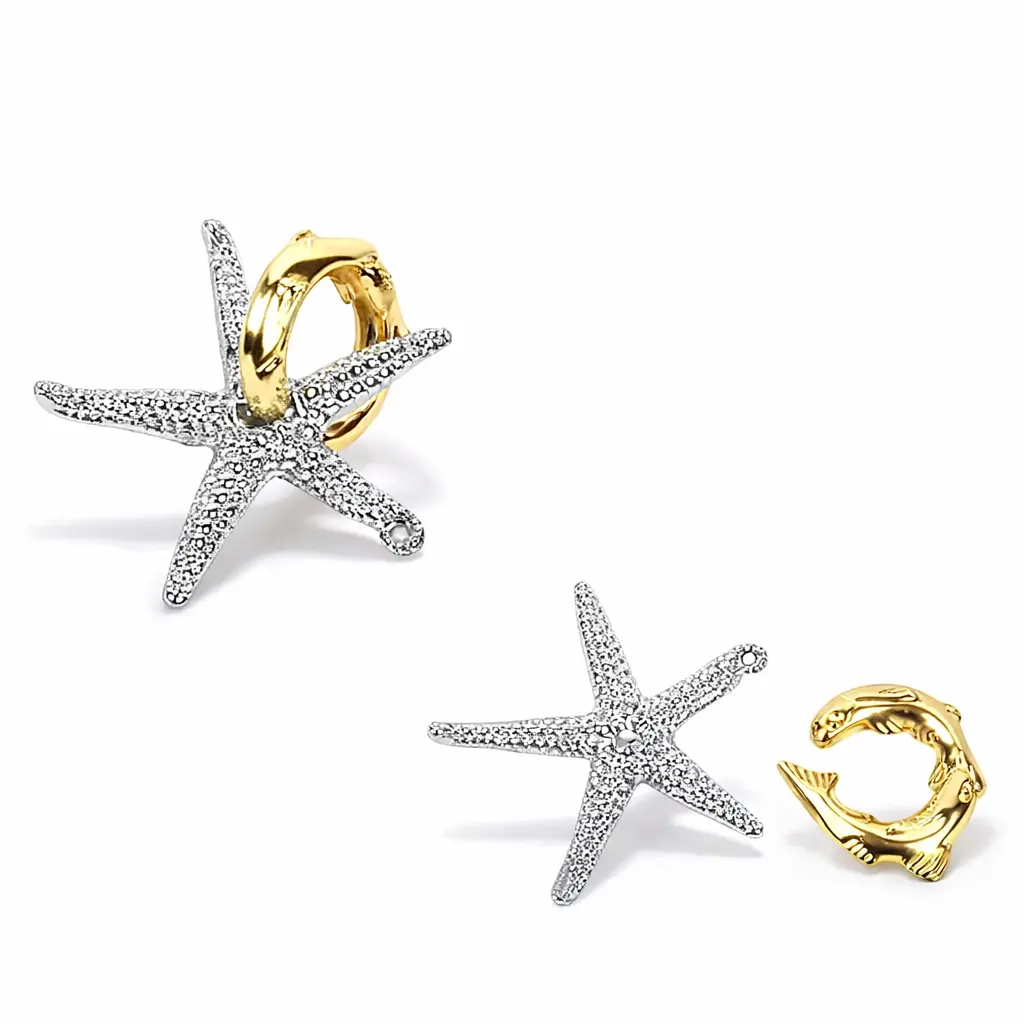
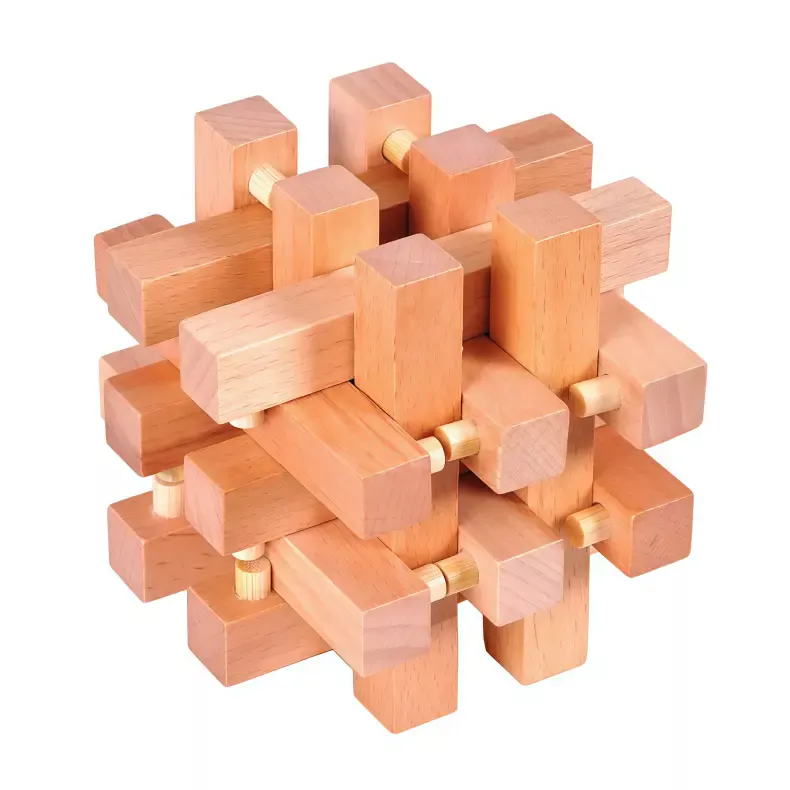
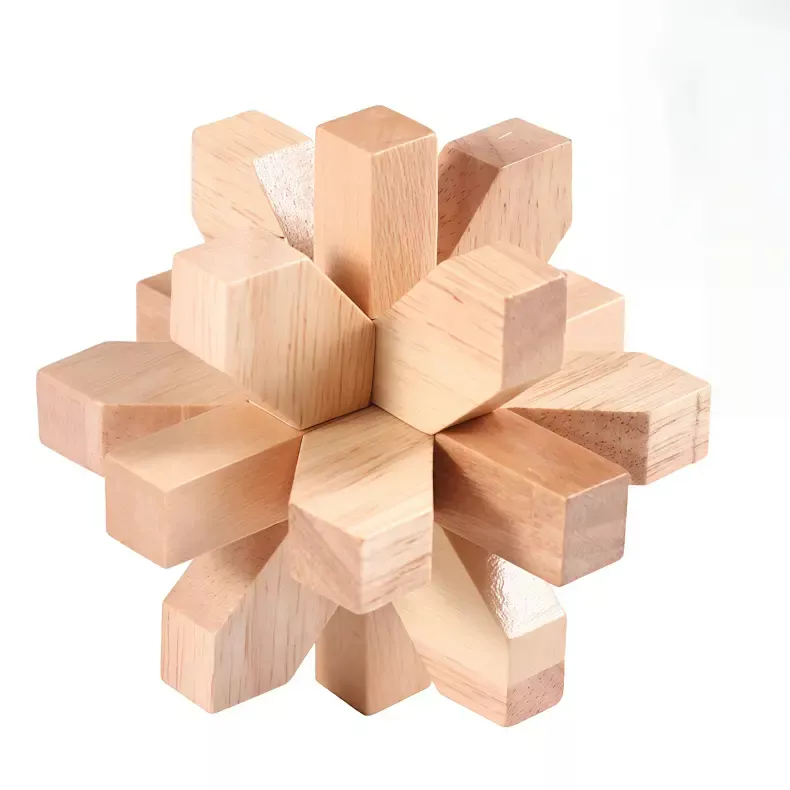
3. The 'Impressive Gift Giver': You want a gift that says "I know you're clever" and looks great unboxed. It depends. For the minimalist, a Dual Seahorse metal puzzle feels luxe. For the crafty friend, a beautiful wooden lock puzzle like the Plum Blossom Lock feels more substantial and approachable.
4. The 'Puzzle Collector Leveling Up': You've done a few and want a genuine challenge that won't feel cheap. This is the crossroads. If you want a complex but fair challenge, choose a multi-piece wooden puzzle like the 6-in-1 Set. If you're ready for pure, abstract logic, step into mid-level metal with the 5 Piece Cast Spiral.
Forget the 1-5 stars. Here’s an honest, experience-based rating system we use after solving hundreds of these. Apply this to any puzzle you're considering.
Relaxing Build (Wood Focus): Straightforward assembly with clear instructions. The challenge is in patience and fine motor skills, not head-scratching logic. Think: most 3D model kits, simple interlocking puzzles. Great for unwinding. Example: Galleon Ship 3D Model.
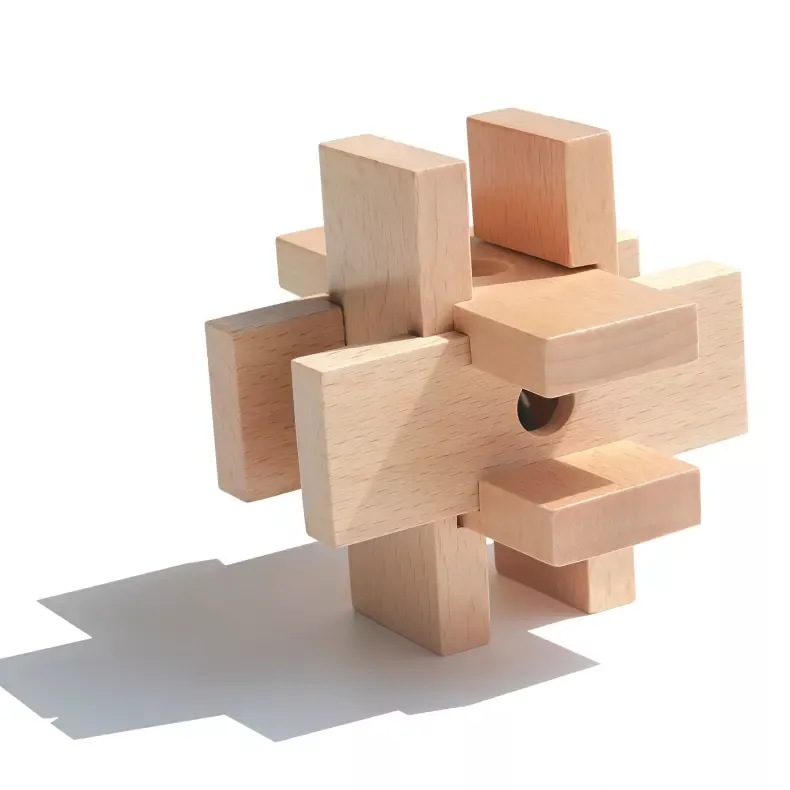
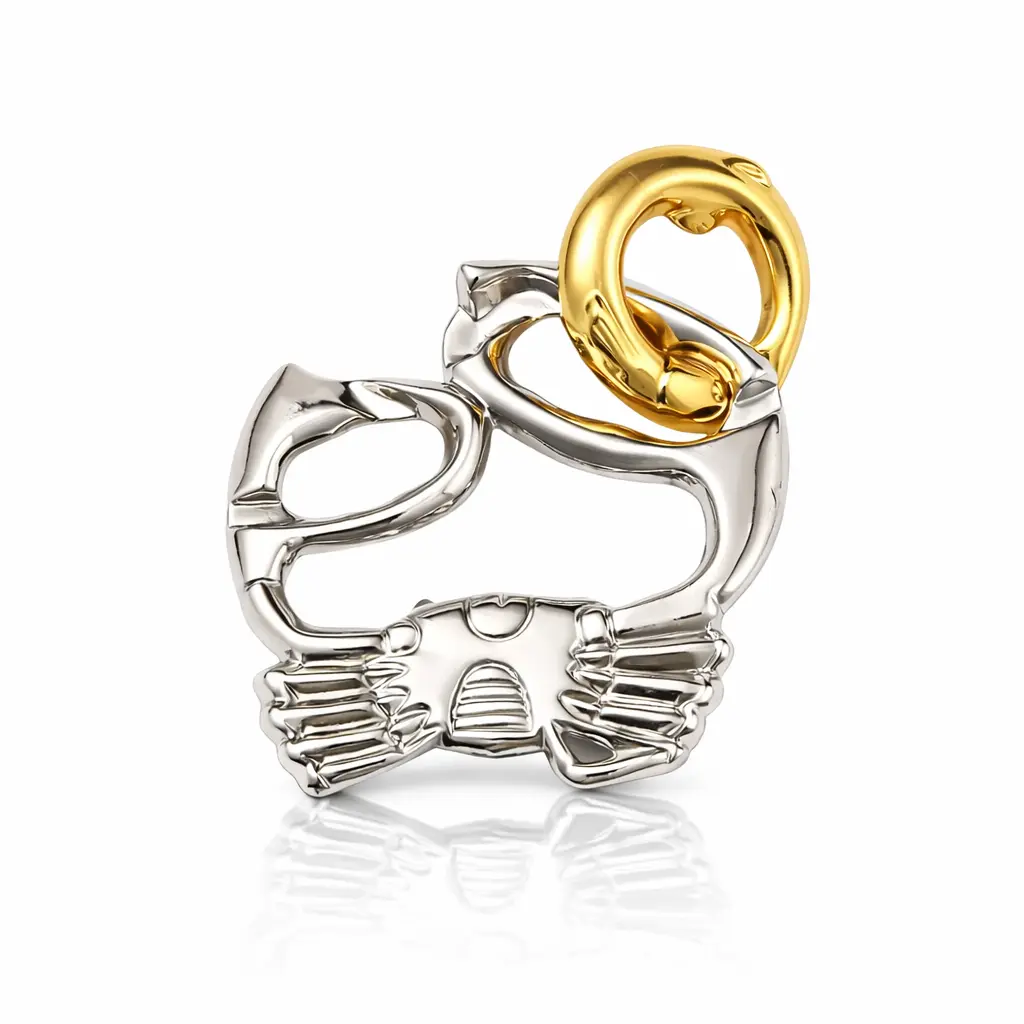
Logic Workout (Metal or Wood): Requires active problem-solving. You'll need to visualize spatial relationships, sequences, or hidden pathways. Might take a few sittings, but the solution feels logical in retrospect. Examples: 6 Piece Wooden Key (wood), Metal Crab Puzzle (metal).
Precision Patience Test (Metal Focus): The moves are tiny and exact. One wrong twist can reset your progress. It's less about grand 'Aha!' and more about maintaining flawless dexterity and concentration for 20+ minutes. Example: Double Cross Cage Puzzle.
Expert-Level Head-Scratcher (Mostly Metal): The solution path is deeply non-intuitive. It may require exploring blind alleys for hours and thinking in multiple dimensions. Solving it feels like a legitimate achievement. Example: 5 Piece Cast Spiral Metal Puzzle.
Pro-Tip: Most people overestimate their patience by one level. If you're new to metal, start with a Logic Workout, not a Precision Test. If your last wooden puzzle was a Relaxing Build, try a Logic Workout in wood before jumping to metal. Many wooden puzzle lovers find their way to metal eventually, but level up gradually.