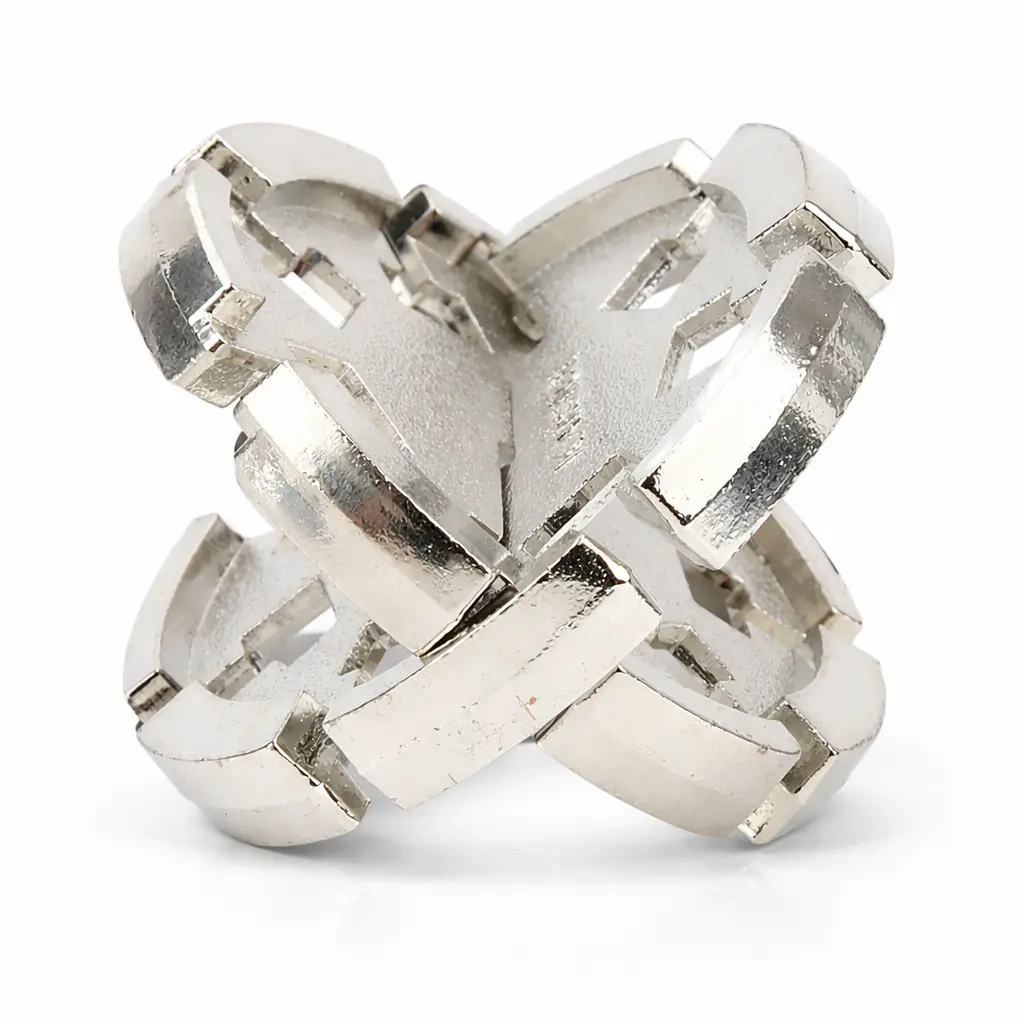
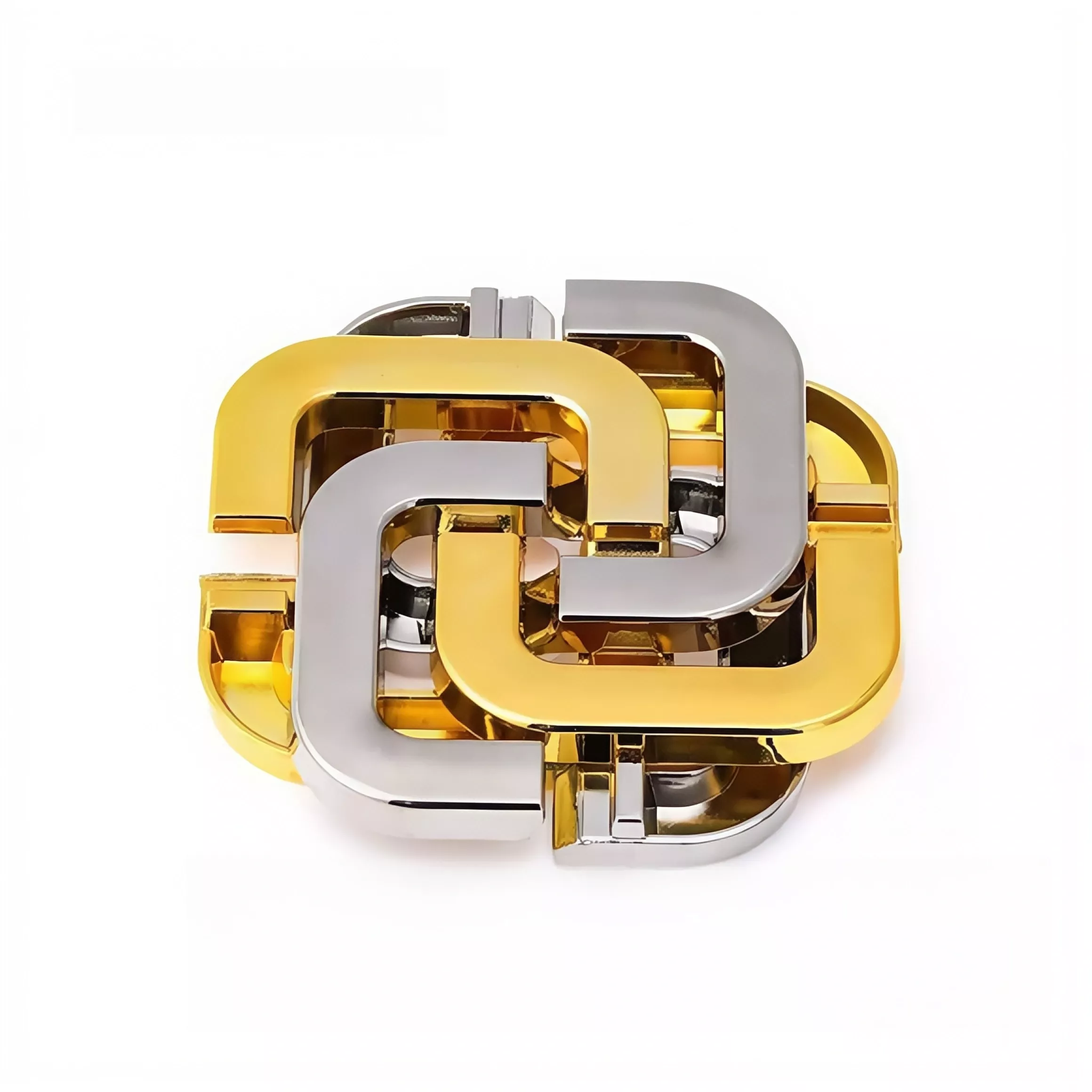
Choose a travel puzzle by prioritizing weight, noise, and 'lose-ability.' A perfect travel puzzle is under 5 ounces, fits on half a tray table, has zero detachable pieces, and operates in near-silence. For example, a single, solid metal cast puzzle is inherently safer than a wooden set with 7 loose cubes. Packability and frustration-to-fun ratio are non-negotiable.
How Do You Choose the Right Portable Brain Teaser for Travel?
You're not buying a puzzle for your coffee table; you're buying a survival tool for seat 14B. The wrong choice leaves you frustrated with a mess of parts in your lap. The right choice is a self-contained, fidget-friendly, solo challenge that fits the scenario. Skip the "family game night" toys and anything labeled "assembly required." Your main criteria are physical.
The Four Non-Negotiables:
1. Seat Tray Real Estate: The puzzle must fit comfortably on half a standard airline tray (approx. 10" x 7"). Better yet, it should be operable in your hands without a surface. Look for dimensions under 3" in any direction.
2. Zero Loose Pieces to Lose: Under-seat retrieval is not part of the fun. Opt for puzzles that are one solid object or have pieces permanently linked. Avoid anything that comes in a bag.
3. Noise Level (Clicks vs. Silence): Your seatmate didn't sign up for 90 minutes of frantic clicking. Metal-on-metal can be satisfying but loud. Wood and coated metal are generally quieter. Test the 'fidget factor' sound.
4. Mental Engagement per Ounce: This is your ROI. A good travel puzzle offers layers of challenge, spatial reasoning, or trick mechanics in a sub-5oz package. It should make time vanish.
| Feature | Why It Matters Mid-Flight | What to Look For | What to Avoid |
|---|
| Packability | Must slip into a seatback pocket or a bag's admin pouch without adding bulk. | "Packs Flat" guarantee. Dimensions under 0.5" thick. No protruding parts. | Irregular shapes, bulky boxes, or puzzles that require their own case. |
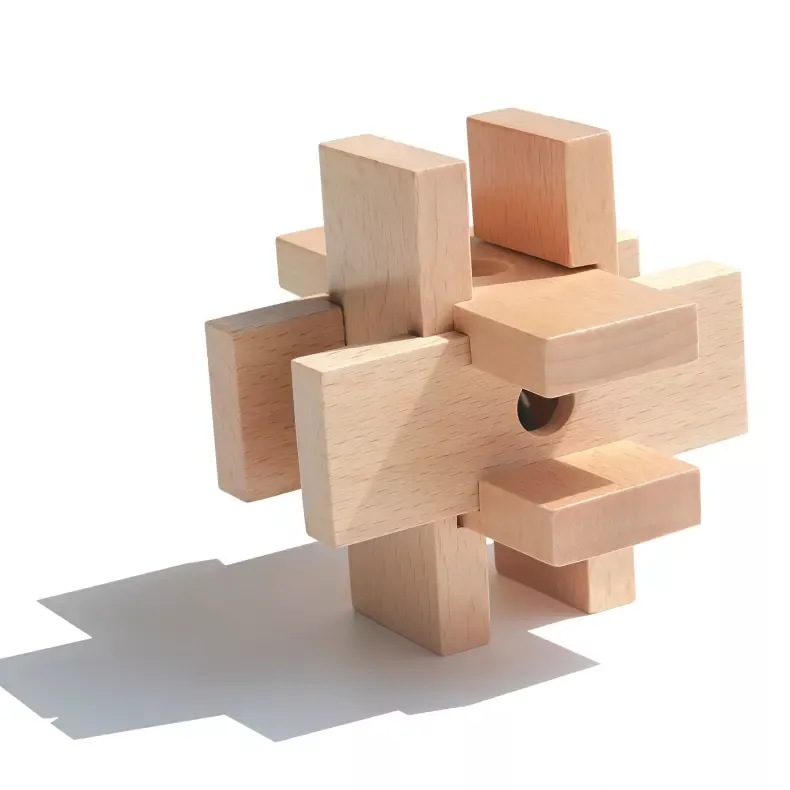
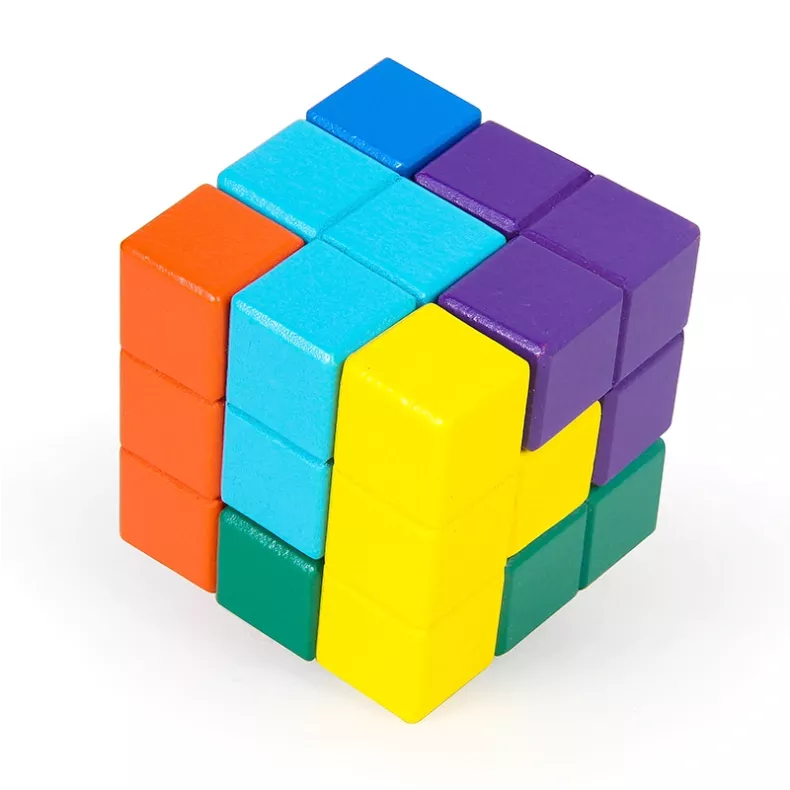
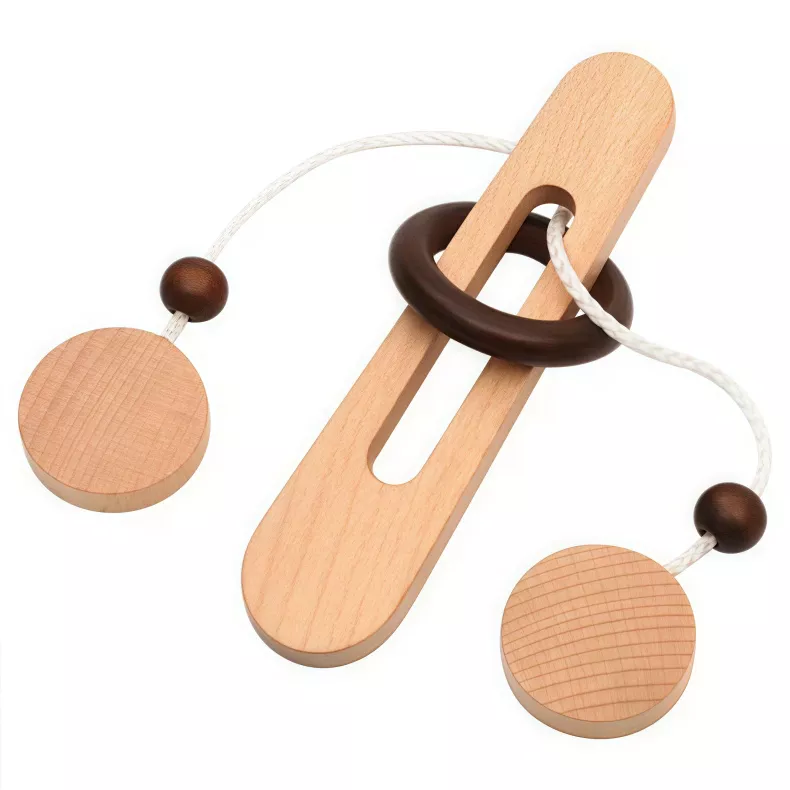
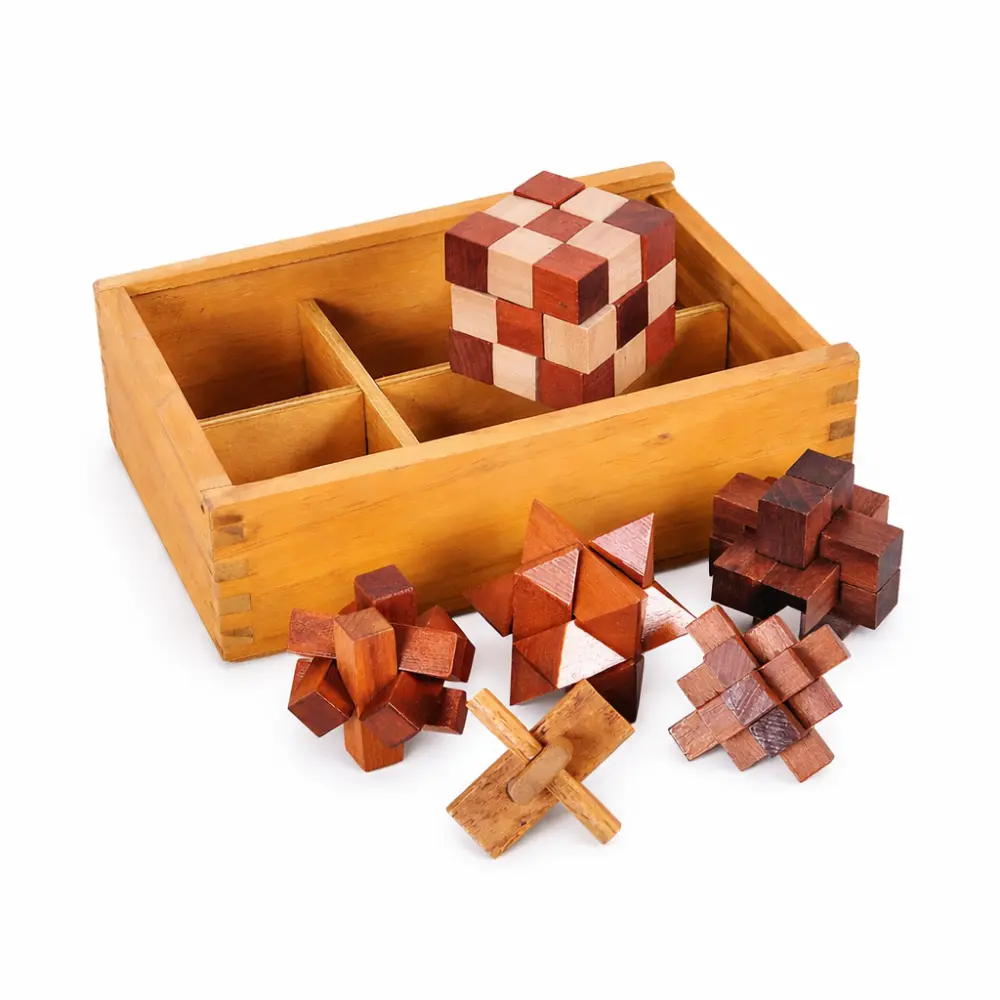
| Piece Count | Turbulence happens. A dropped single-piece puzzle is easy to find; a 12-piece set is a disaster. | One solid object (like a cast puzzle) or interlinked pieces that cannot fully separate. | Multi-piece sets (Soma cubes, disentanglement rings with loose bits). They belong at home. |
| Difficulty & Frustration | You want engagement, not rage-quit. A puzzle solvable in 20-60 minutes is ideal for a flight segment. | Intermediate difficulty. Look for puzzles with a clear "Aha!" moment. Read our guide on puzzle difficulty ratings. | "Extreme" or "Master" level puzzles. Save the 5-hour solve for your kitchen table. |
| Material & Feel | This is your tactile experience. It should feel substantial, not cheap. The heft and finish matter. | Zinc alloy or sanded wood with a smooth finish. A satisfying, precise mechanical movement. | Lightweight plastic, flimsy wire, or rough edges that snag on clothes. |
Who Should Skip This Tier Entirely: If you're tempted by those $5 plastic puzzles in the airport gift shop—don't. They're brittle, lack satisfying mechanics, and will break or bore you before you reach cruising altitude. That's the 'Skip-This-Tier' we're helping you avoid. Invest in a puzzle built for repeated, fidget-friendly solves. Your next step: Hold your carry-on in one hand and mentally picture its pockets. Your puzzle needs to live there.
Don't overthink it. Match the puzzle to your travel personality and the kind of focus you want. Here’s the breakdown by what you’re actually trying to achieve in that cramped seat.
For the Fidgeter (Needs to Keep Hands Busy)
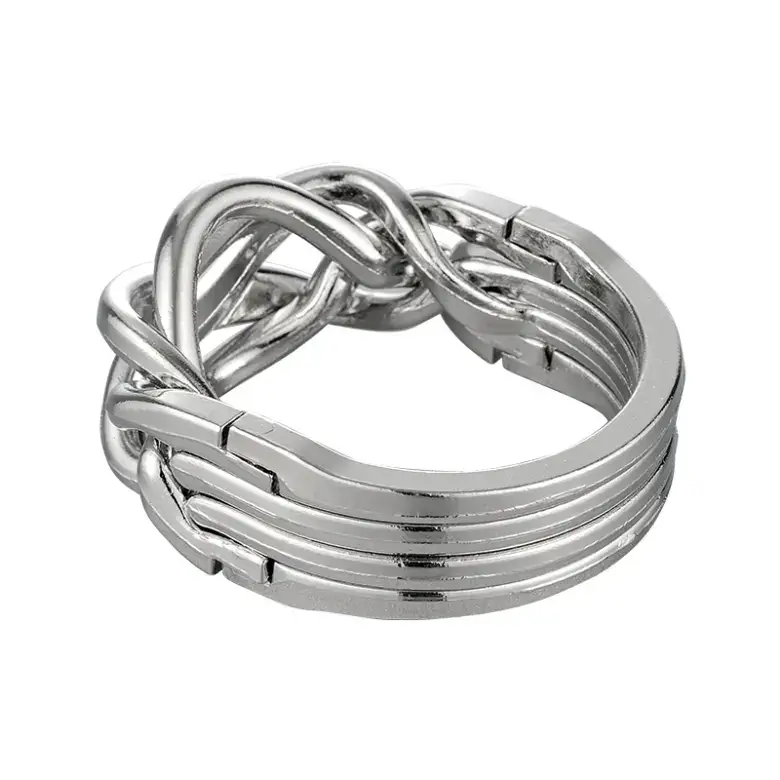
You don't just want to solve it once; you want to fidget with it subconsciously during the movie. These puzzles have a smooth, repeatable action that's almost meditative. Look for mechanisms that 'spin,' 'slide,' or 'click' in a satisfying, low-noise way. The 4 Band Puzzle Ring is perfect for this—sliding the bands around is pure, quiet tactile feedback. The Cast Coil Pocket Puzzle, with its endless twisting path, is another fidget champion.
For the Thinker (Loves a Spatial Challenge)
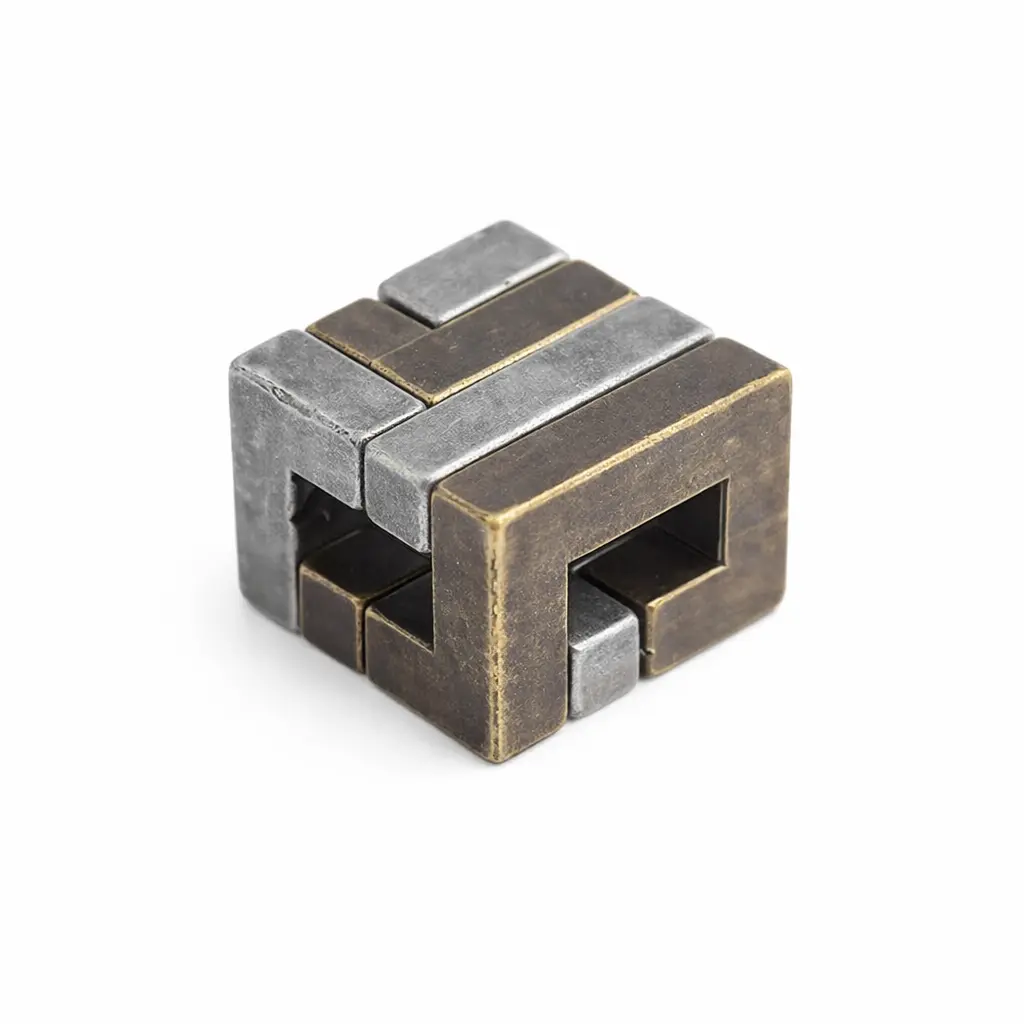
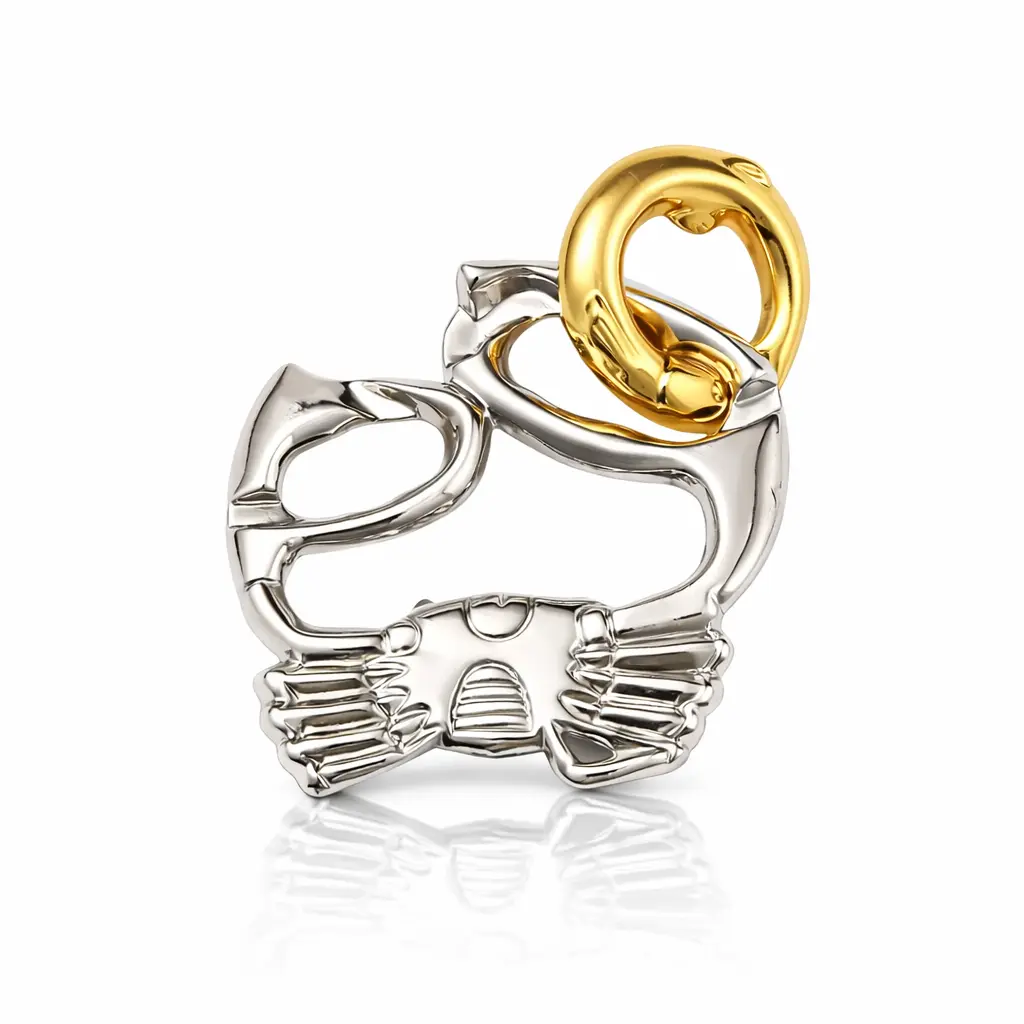
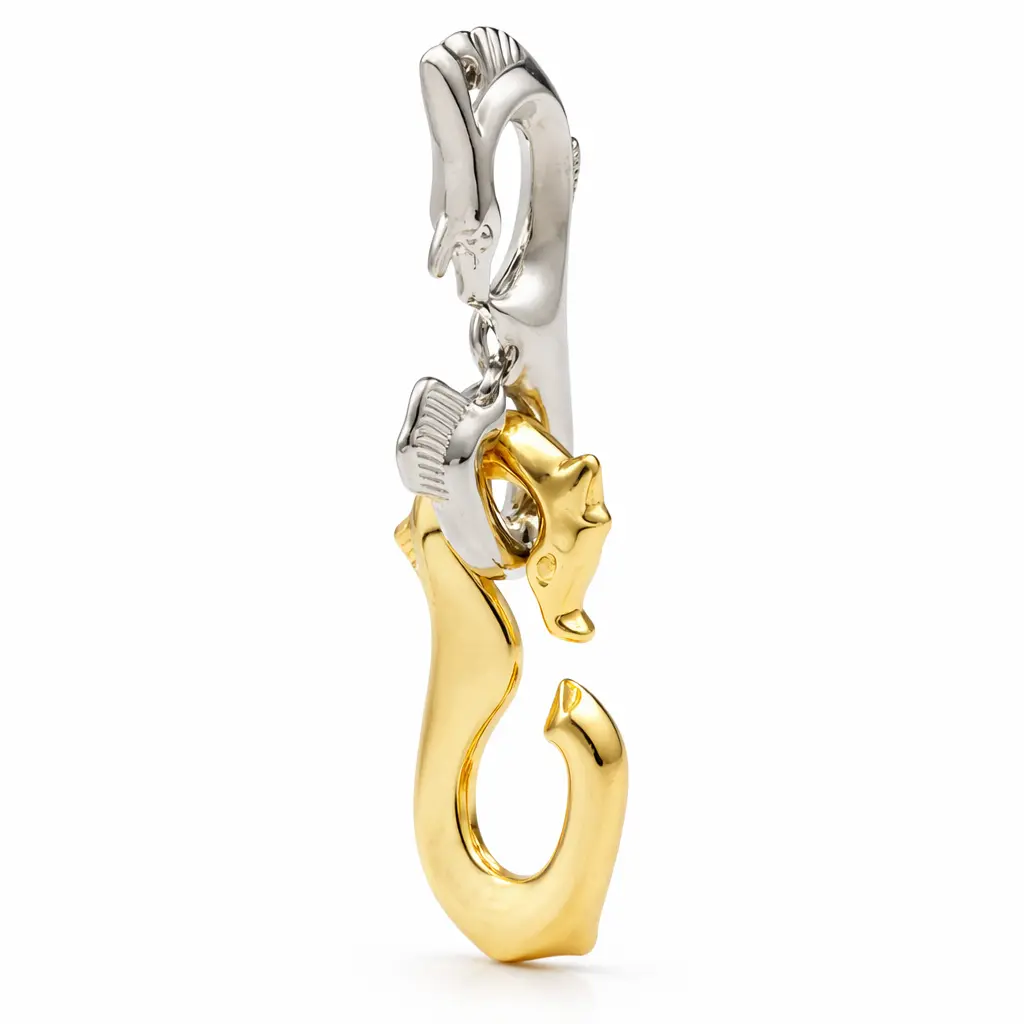
You want to get lost in a 3D problem. Your ideal puzzle involves alignment, hidden pathways, and visualizing movements in your head. It’s a logic workout. The Dual Seahorse is a classic here, requiring you to maneuver two linked pieces in space. The 7 Color Soma Cube is the ultimate spatial test, but remember the piece-count warning—only attempt this if you have a steady tray table and a pouch to contain the cubes.
Best for Beginners (Low-Frustration, High Satisfaction)
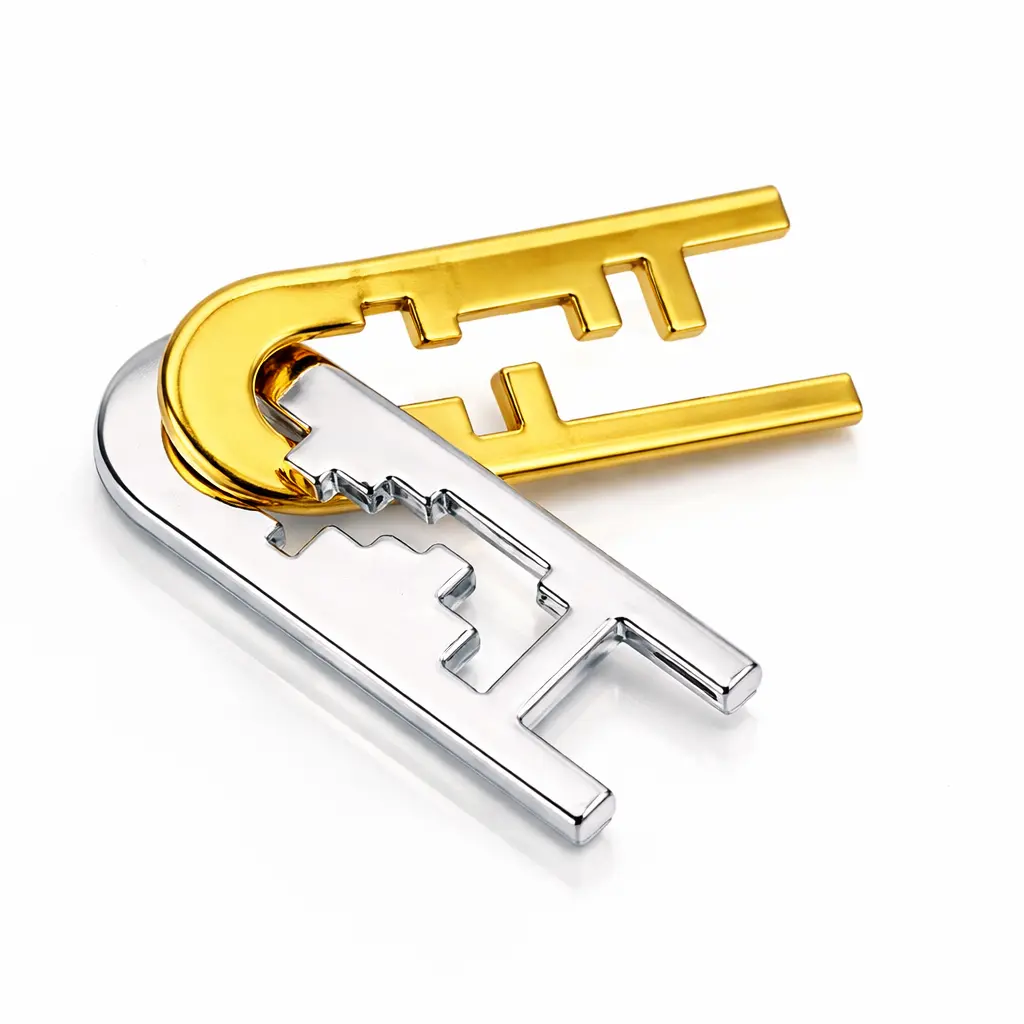
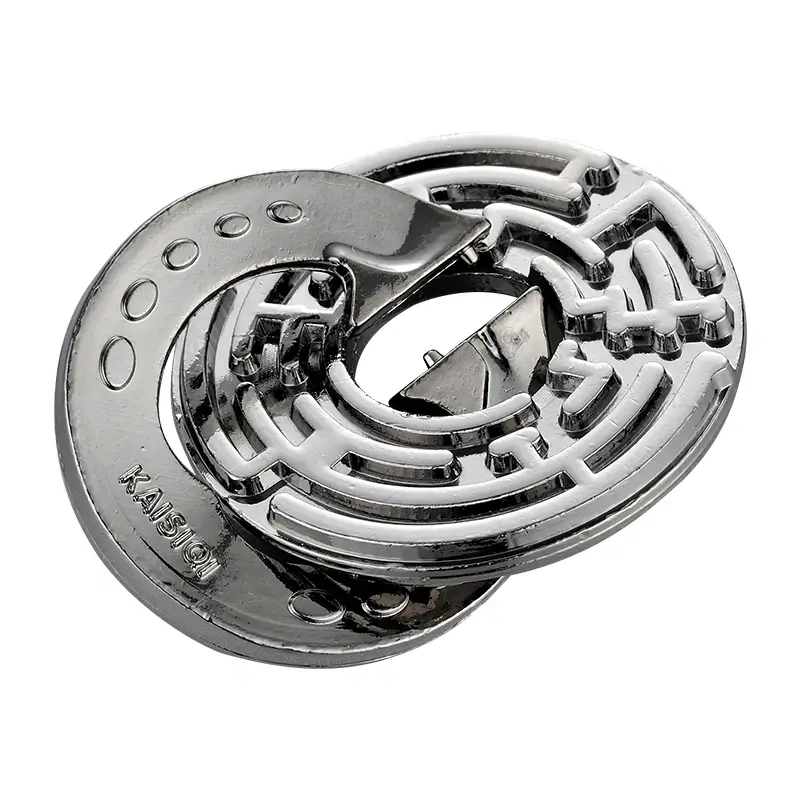
If you're new to metal or mechanical puzzles, start here. These have a clearer path to the solution, preventing that "I have no idea what I'm even supposed to do" feeling. The Cast Keyhole is famous for its elegant, intuitive solution. The Maze Lock is also fantastic—you can see the path, the challenge is in the execution. You'll get the win before landing, which is the whole point.
Your next step: Pick your category first, then look at the specific picks below. It narrows the field instantly.
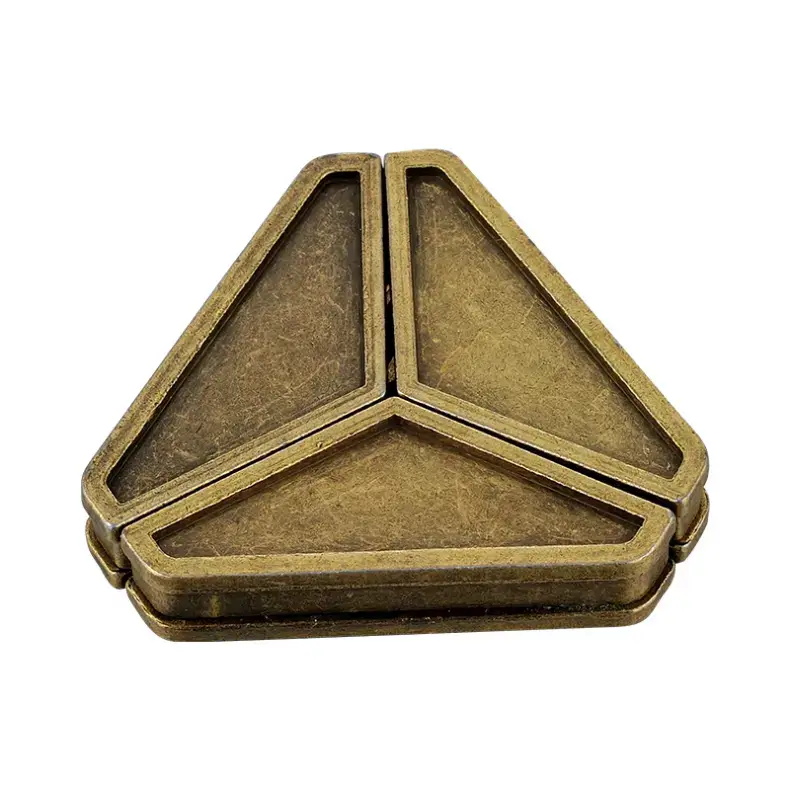
It's not just about battery life. Scrolling is passive consumption; your brain is along for the ride. A puzzle is active engagement. You're directing attention, manipulating objects in space, and working toward a goal. Neurologically, it activates different networks associated with problem-solving and reward. When you finally feel that tactile click of the solution, the dopamine hit is real and earned. It's the difference between watching a travel show and actually navigating a map. A good puzzle creates 'flow'—that state where you lose track of time, which is exactly what you want on a long flight. The Alloy Triangle Lock, for instance, demands your full focus to find its hidden axis, making the hour vanish. Your next step: Think of it as mental fitness equipment for your carry-on.