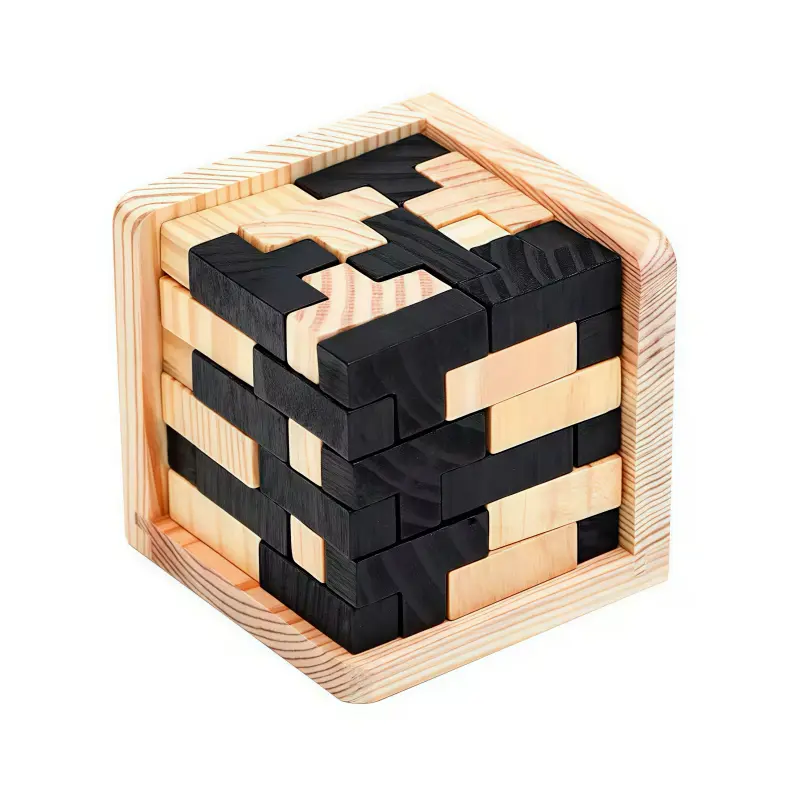
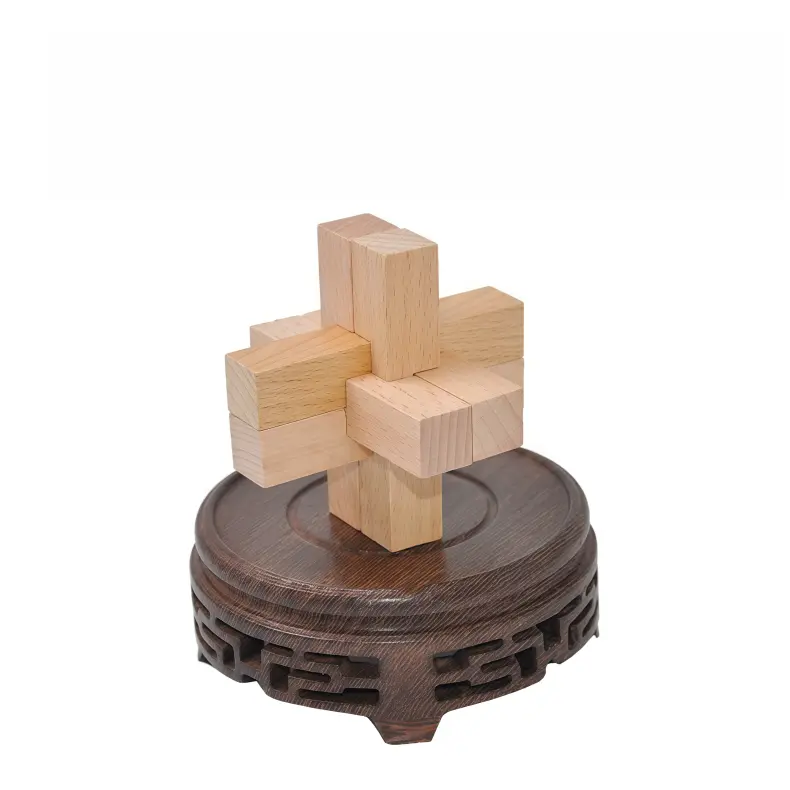
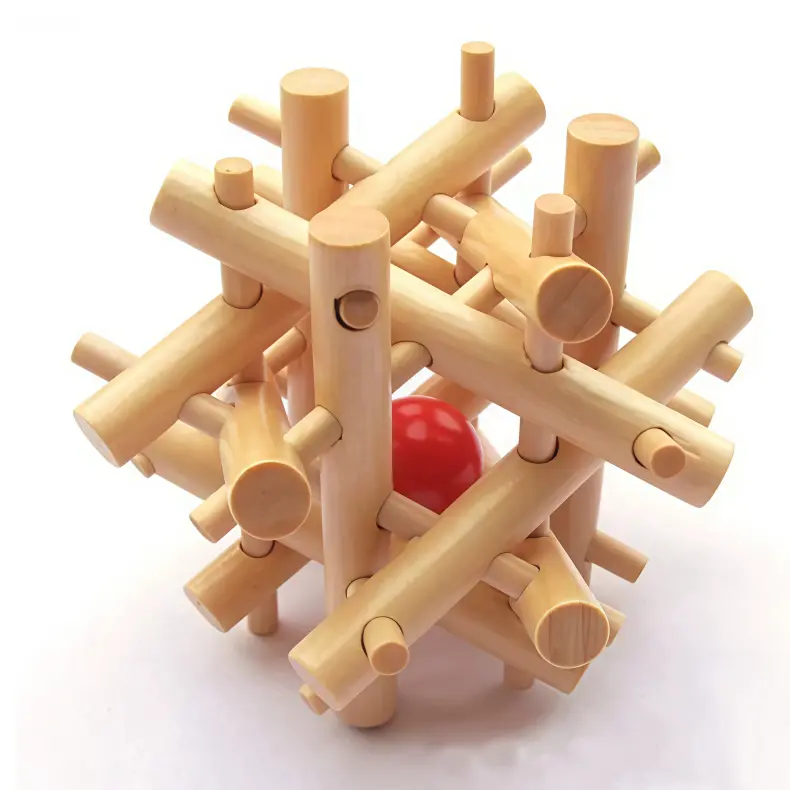
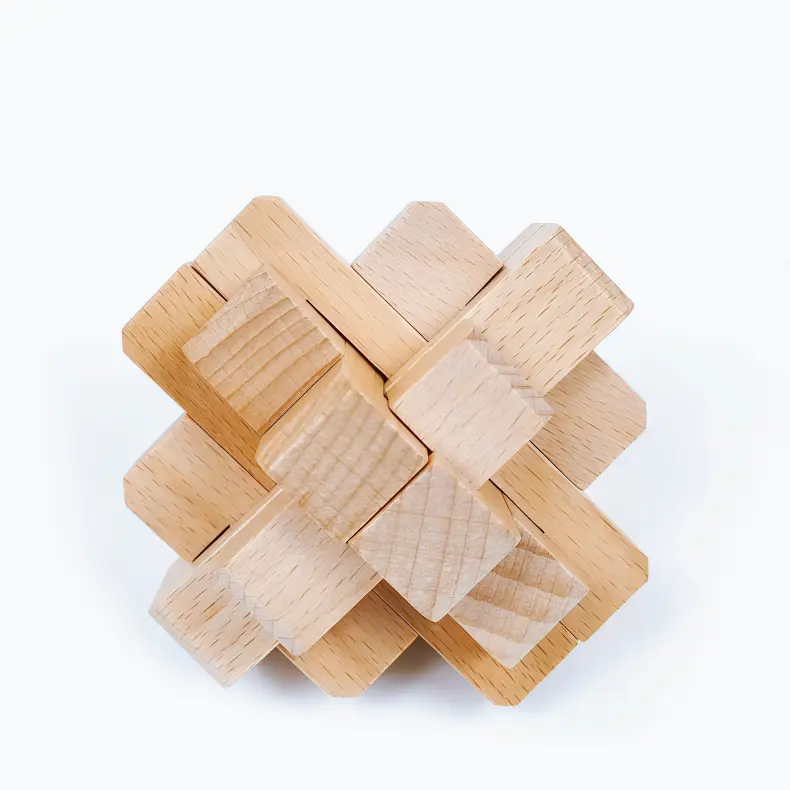
A puzzle's difficulty isn't just about age. It's about your child's patience and their experience with spatial thinking. Our simple 1-5 scale below is tied to the emotional experience of solving—frustration vs. satisfaction. The goal is a rewarding challenge, not a demoralizing wall. Most kids 8-12 thrive in the 2-4 range.
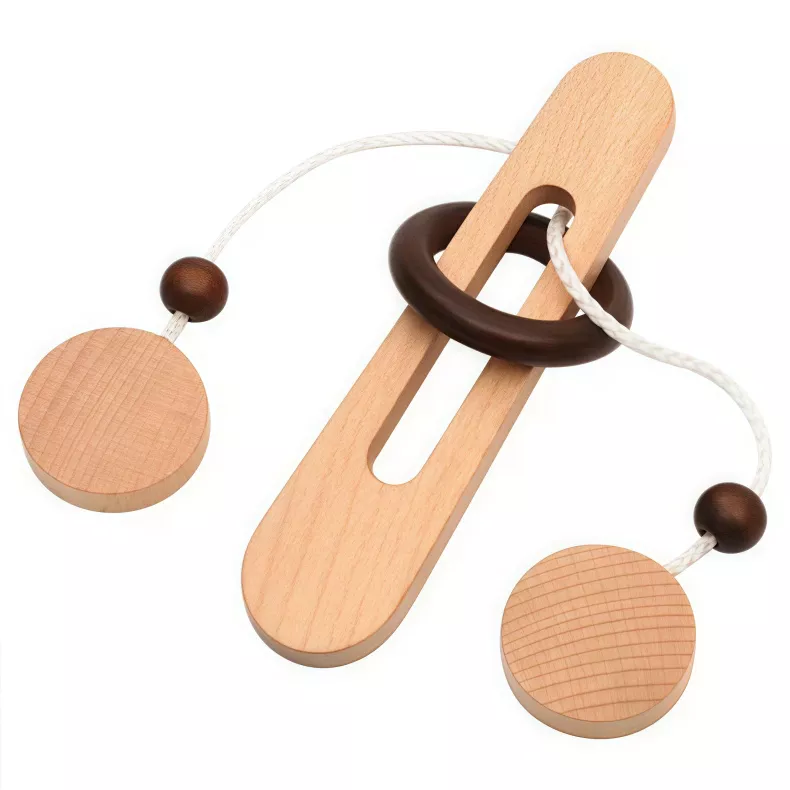
Level 1: Instant Gratification. (e.g., simple ring disentanglements). Solvable in under a minute once the method is seen. Best for very young kids or as a first-ever puzzle. For a 10-year-old, this might be too simple.
Level 2: A Satisfying Mini-Challenge. (e.g., Big Three-Link Puzzle). Takes 5-15 minutes of exploration. Offers a clear 'aha!' moment. Perfect for building confidence and introducing the idea that puzzles have secrets to discover.
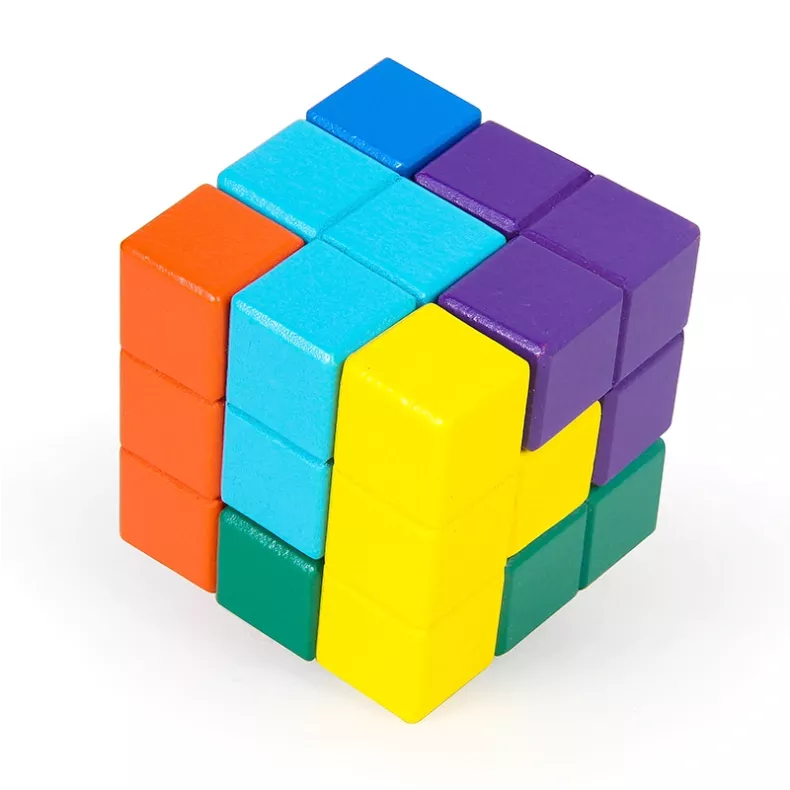
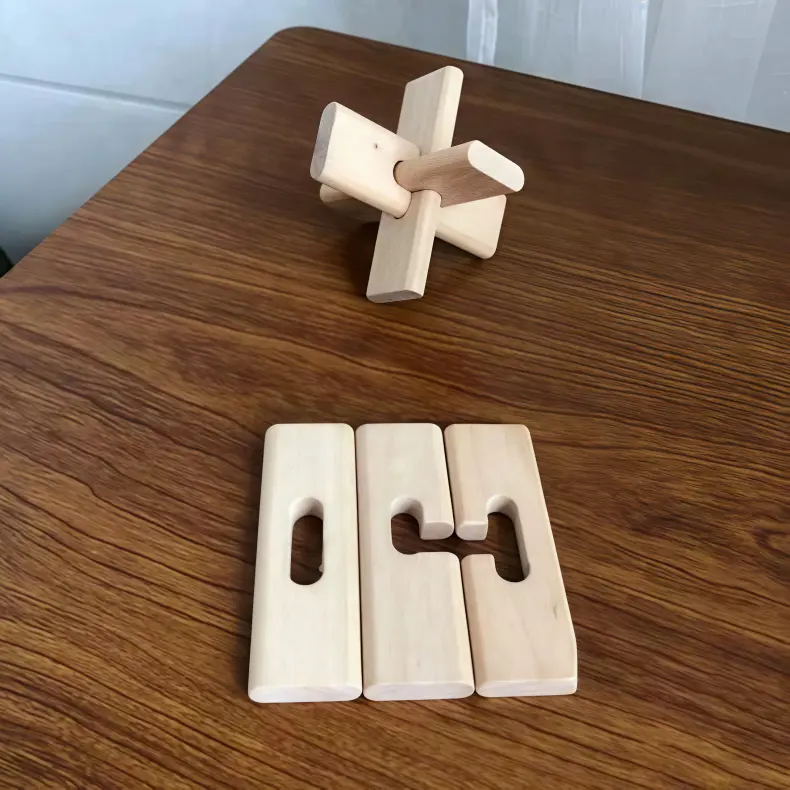
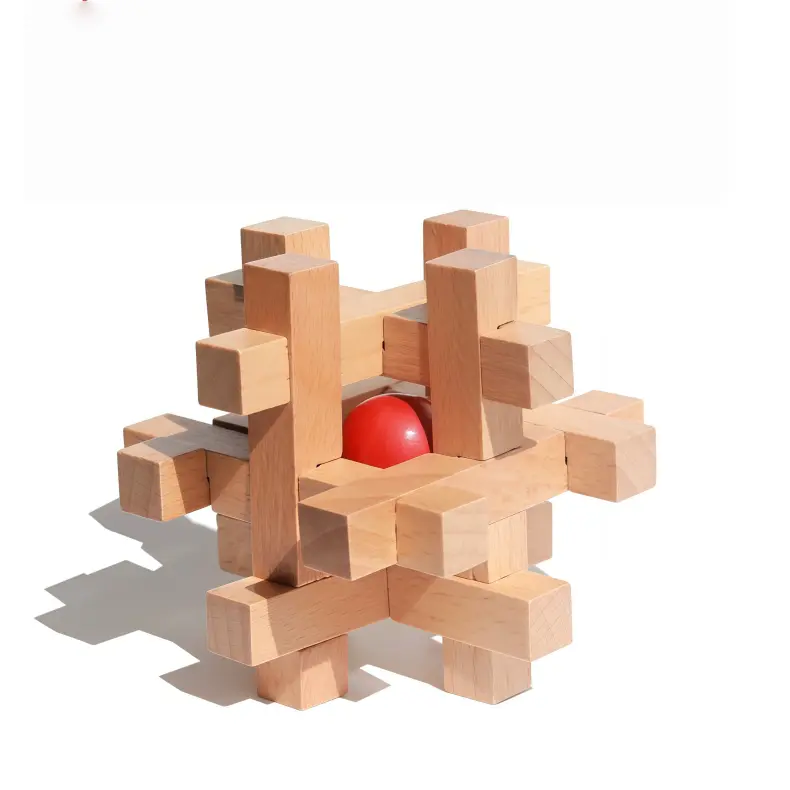
Level 3: The Engagement Zone. (e.g., Six-Piece Burr, Blockade Puzzle). This is our sweet spot. Requires 20-45 minutes of sustained trial, error, and logical thinking. The path isn't obvious, but it's discoverable. The solve brings real pride and the desire to do it again.
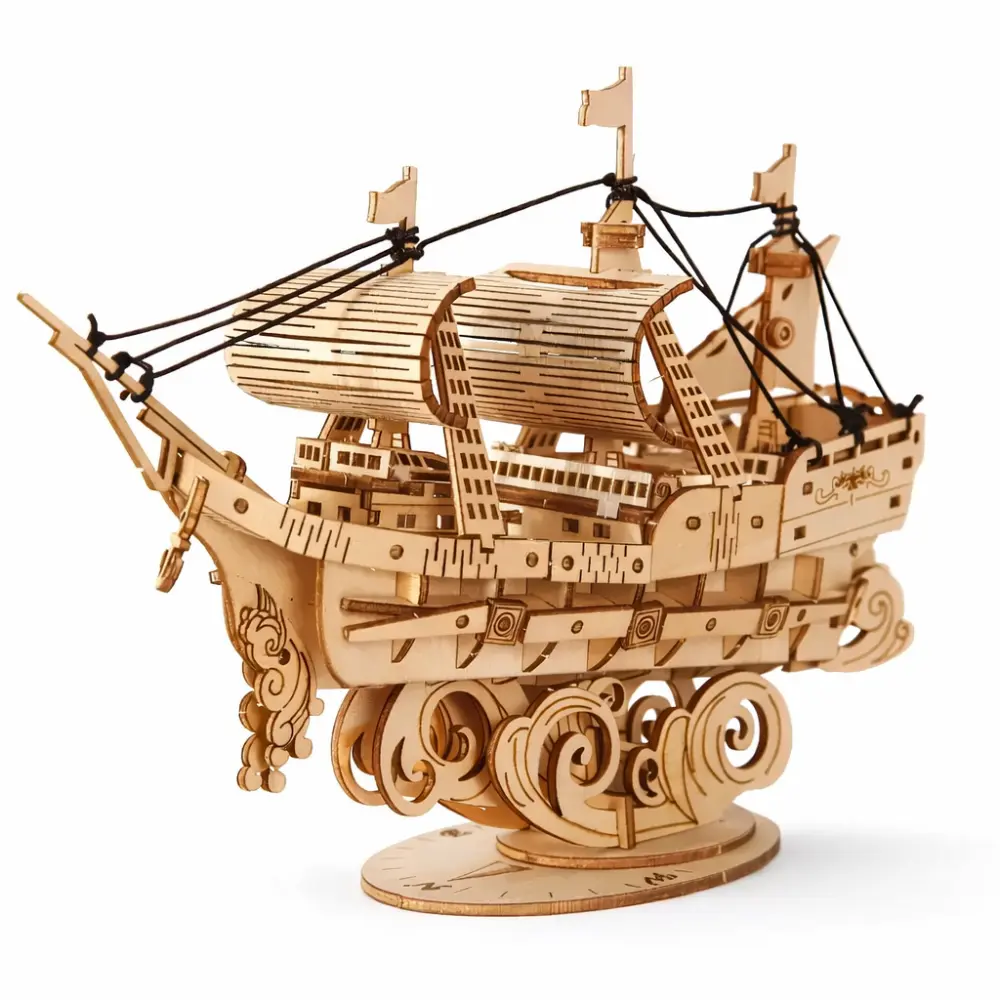
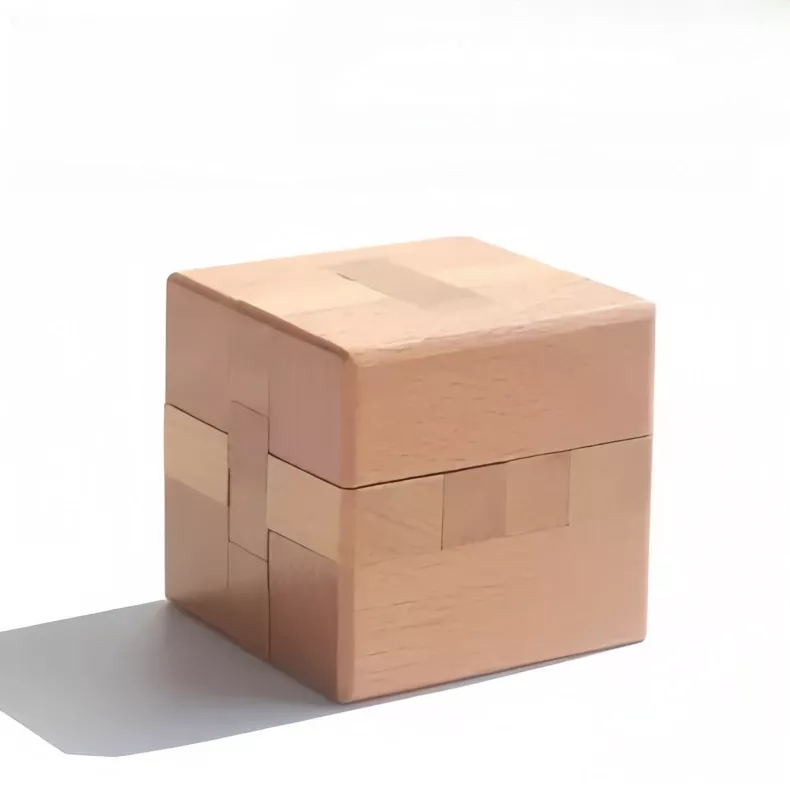
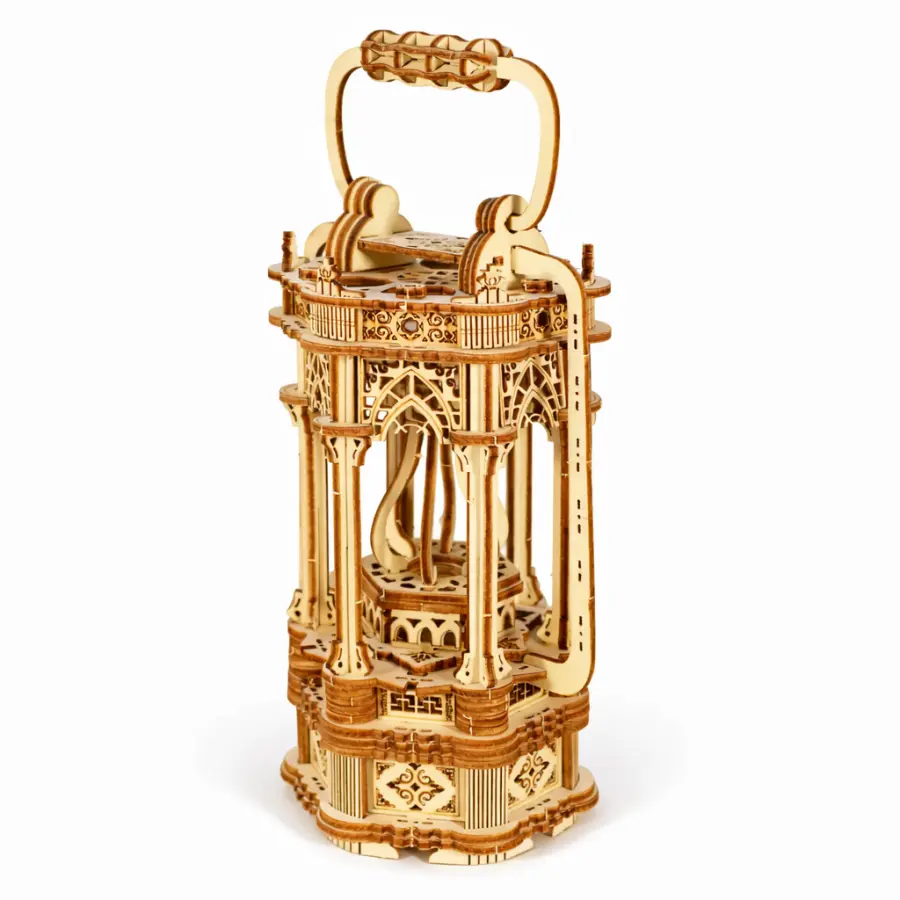
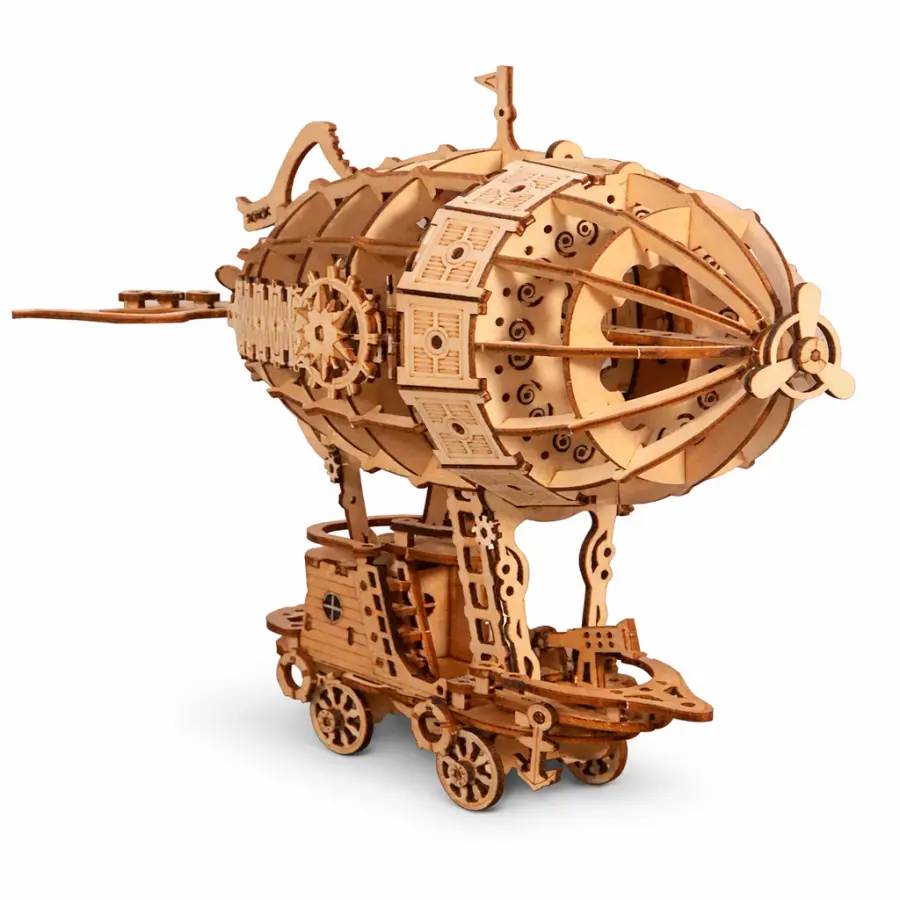
Level 4: The Multi-Session Project. (e.g., Luban Square Lock, complex 3D models). This is a commitment. It might take an hour or be worked on over several days. It involves sequential steps where one mistake can require backtracking. The triumph is major. Ideal for kids who love deep dives and aren't easily frustrated.
Level 5: The Specialist's Puzzle. Designed for dedicated puzzle enthusiasts. The challenge can be immense, potentially leading to frustration for a newcomer. It's less about playful engagement and more about dedicated solving.
Honest Trade-off: A more difficult puzzle isn't inherently 'better.' The best puzzle meets your child where they are. Starting slightly too easy is better than starting far too hard. You can always move up. Our complete wood puzzle guide has more on pairing puzzles with developmental stages.
Your Next Step: Think of your child's last 'win' with a challenging activity. How long did they stick with it? Use that as your gauge for their ideal level.