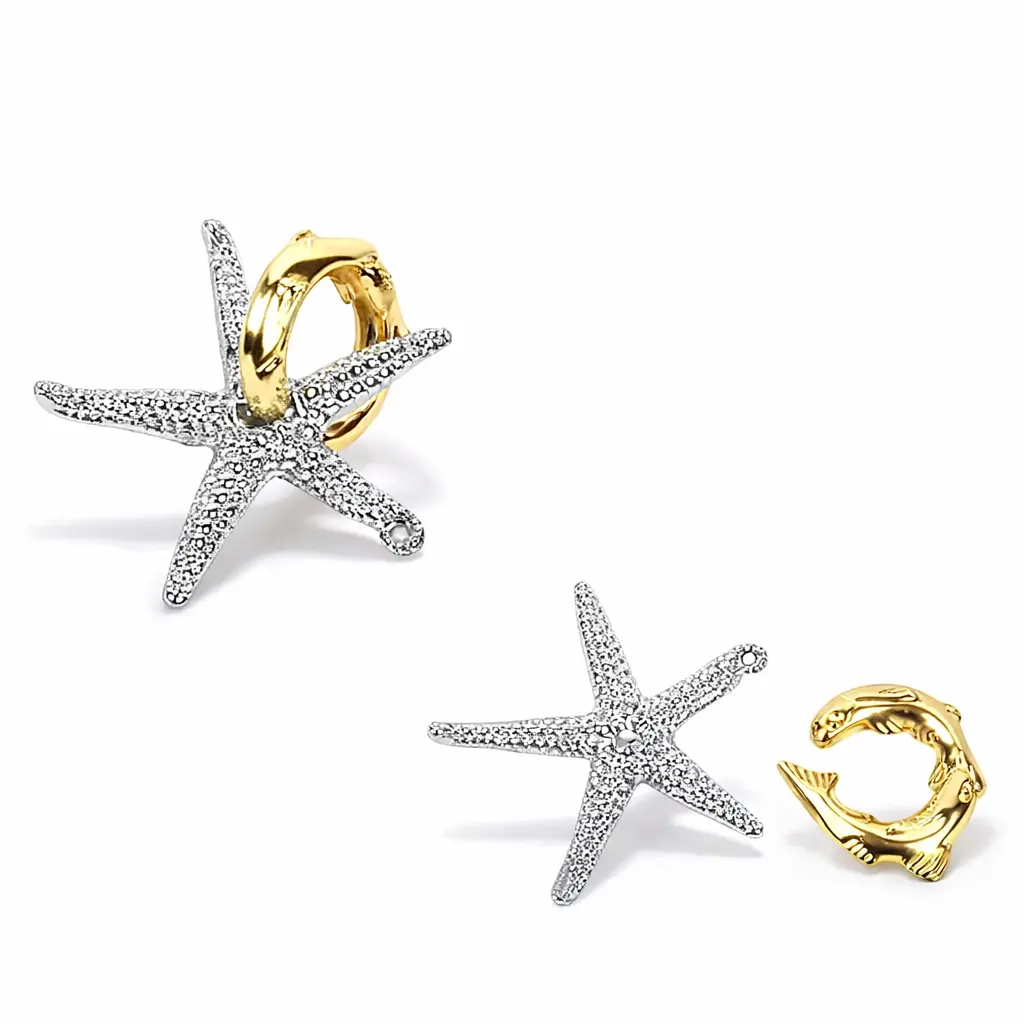
Focus on puzzles with clear feedback and a 5-20 minute first-solve time. We timed these with teens: the Starfish Ring takes 8-15 minutes and has a satisfying 'click,' while overly cryptic puzzles like the 4-piece Cast Galaxy take 25+ minutes and risk frustration. For a teen's short attention span, the sweet spot is an Intermediate puzzle with tactile logic you can feel, not just see.
Which Stocking Stuffer Metal Puzzles Won't Get Tossed in Two Minutes?
You're not buying a puzzle; you're buying the moment your kid's eyebrows go up when they solve it. The biggest risk with stocking stuffers metal puzzles is the gap between 'looks cool' and 'feels solvable.' We sorted them not by metal type, but by 'Likelihood of Impressive Aha-Moment' vs. 'Risk of Immediate Frustration & Toss.'
| Puzzle Name | First-Solve Satisfaction (Out of 5) | Frustration Risk (Out of 5) | Why It Works (or Doesn't) for a Teen | Who Should SKIP This Tier |
|---|
| Metal Starfish Puzzle Ring (Spotlight) | 5 | 1 | Perfect tactile logic. The goal (free the ring) is obvious, the pieces move intuitively, and the final click is deeply satisfying. Our teen tester's #1. | If they only want puzzles that look like objects (guns, animals). |
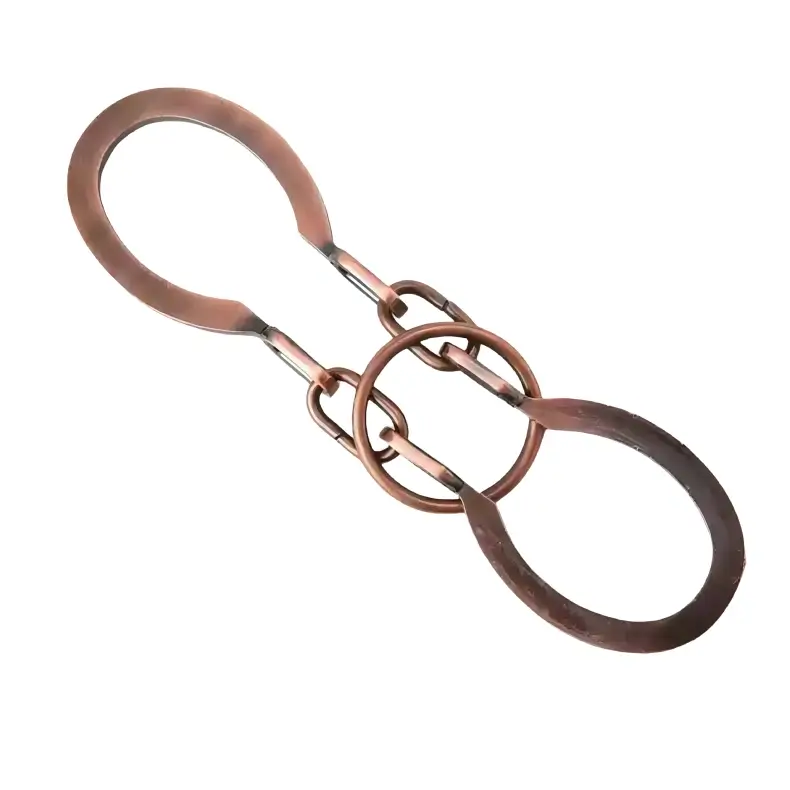
| Horseshoe Lock Puzzle | 4 | 2 | Clever trick mechanism. It feels solid, has weight, and the solution is a neat 'party trick' they'll want to show off. Great desk trophy. | If they have zero patience for sequential discovery (needs a specific order of moves). |
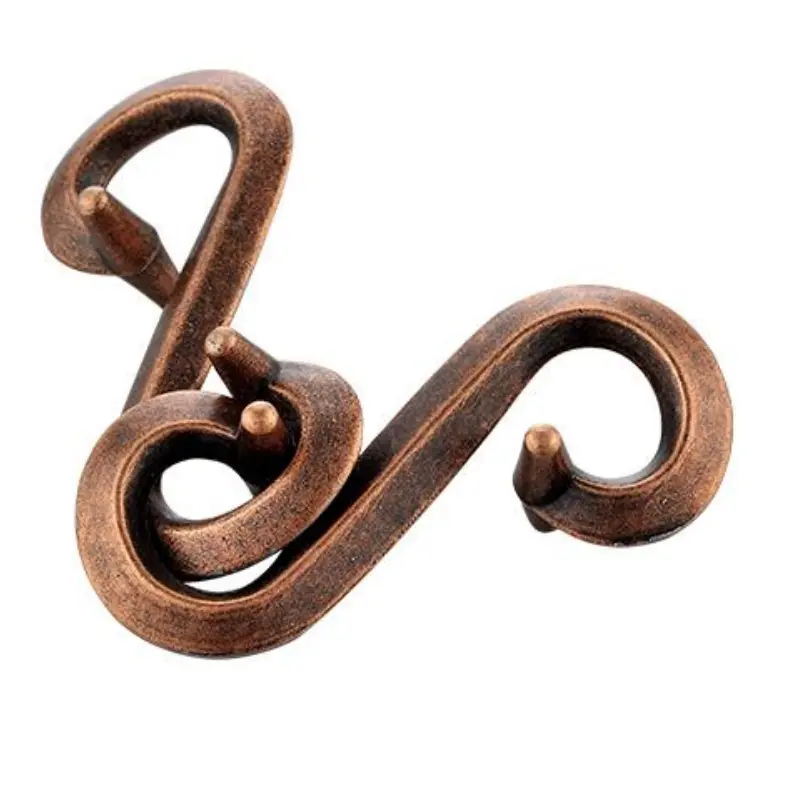
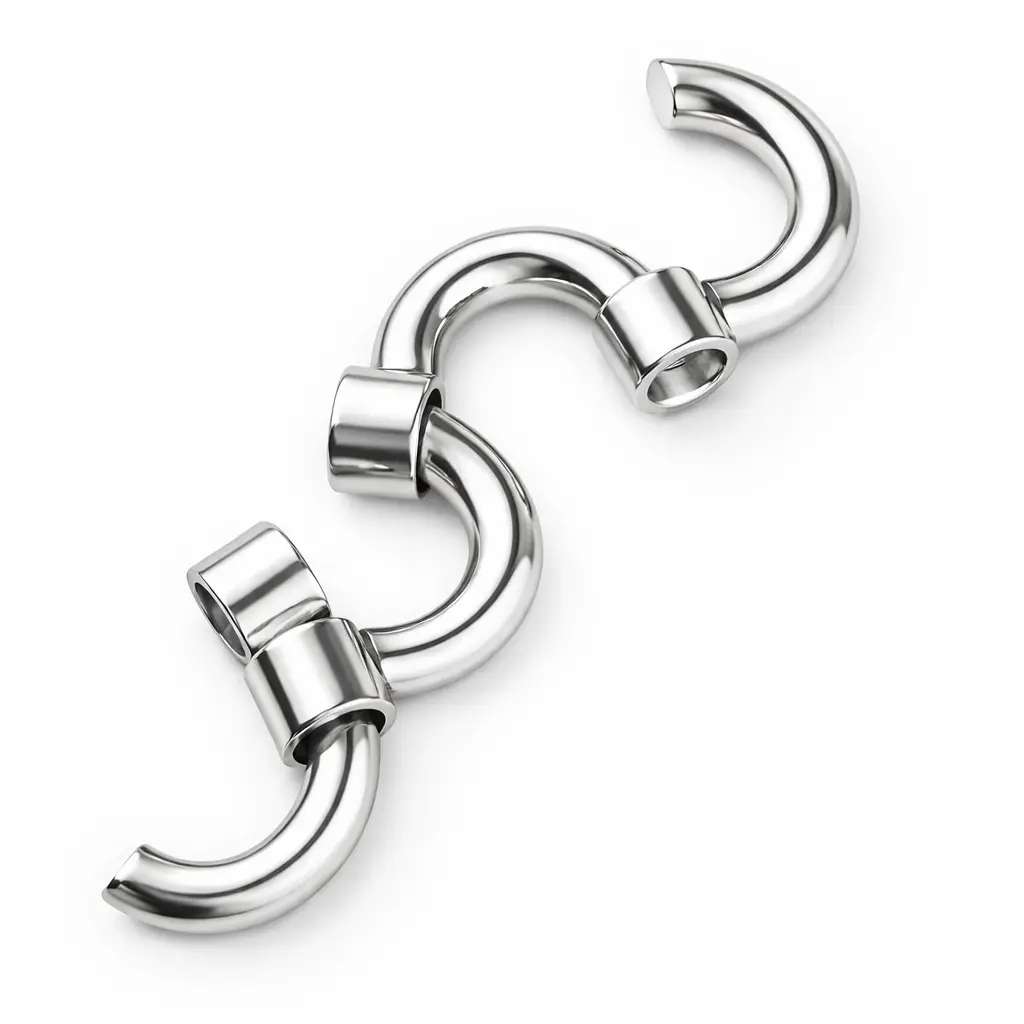
| Alloy S Lock Puzzle | 4 | 2 | Simple, elegant, and fast. This is the '5-minute fidget' winner. Easy to understand, solve, and re-solve while watching a show. | If you want a puzzle that looks like a major challenge; this is more of a satisfying quick win. |
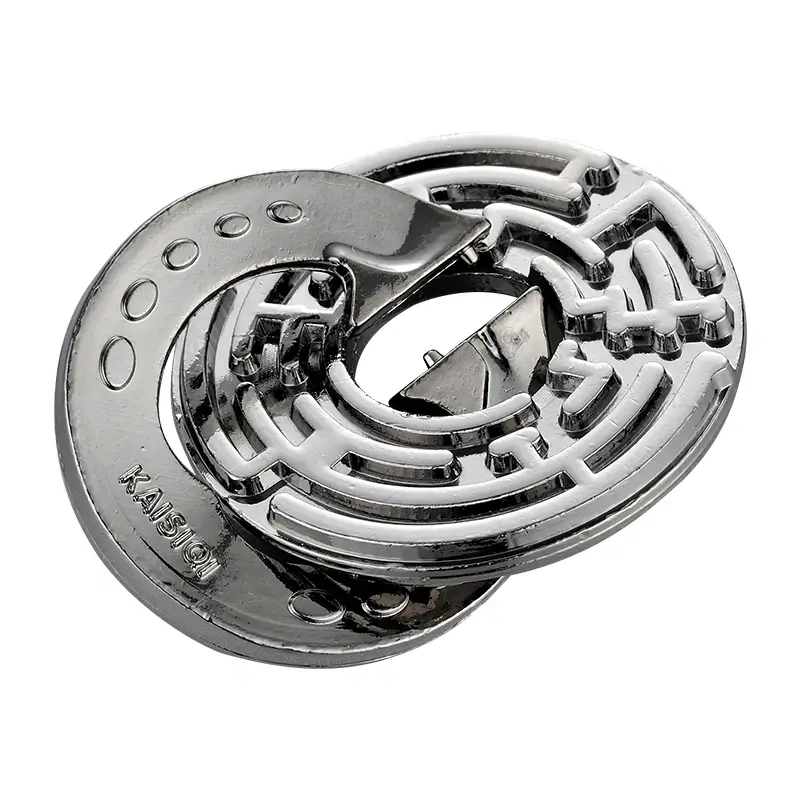
| Maze Lock Puzzle | 3 | 3 | Good visual feedback with the maze path. However, it can be jiggly, and if the ball bearing falls out, it's annoying to reset. | If they have fumbly fingers or get easily annoyed by small, repetitive motions. |
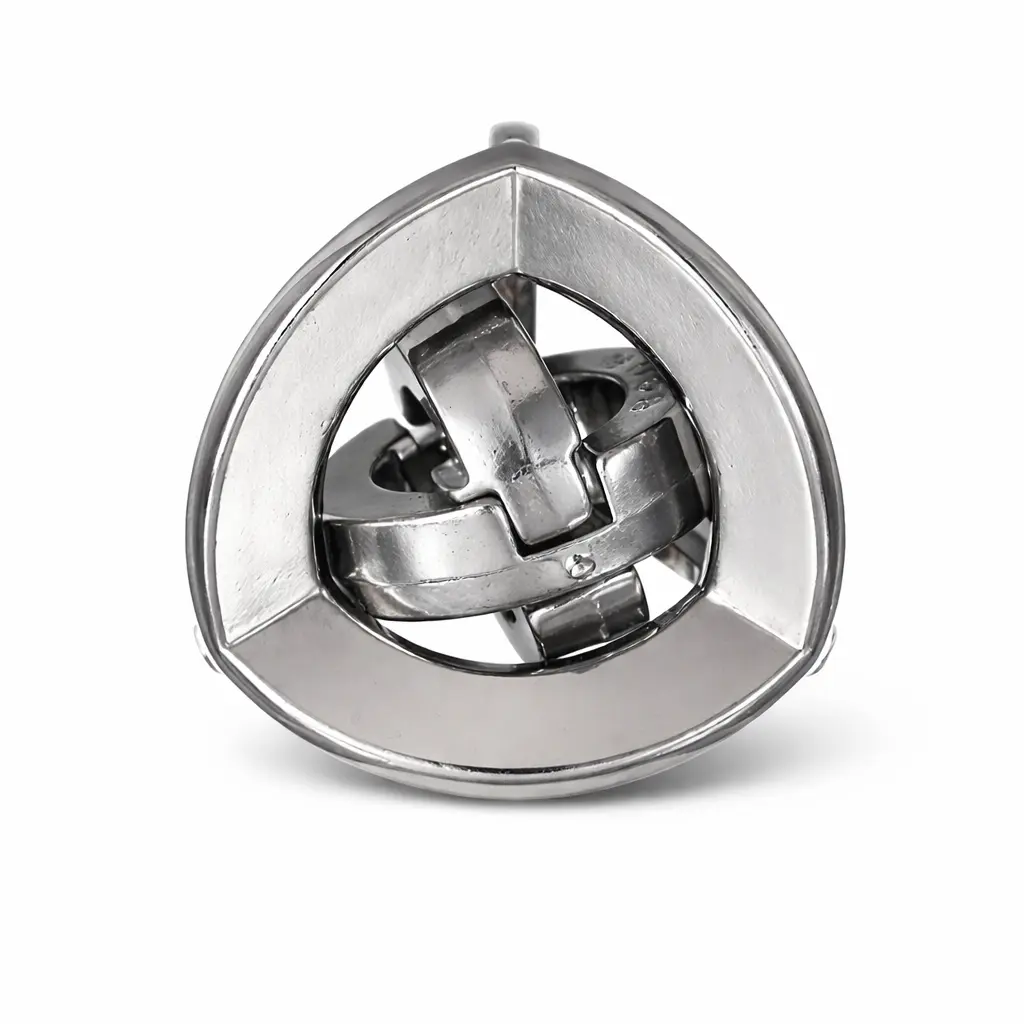
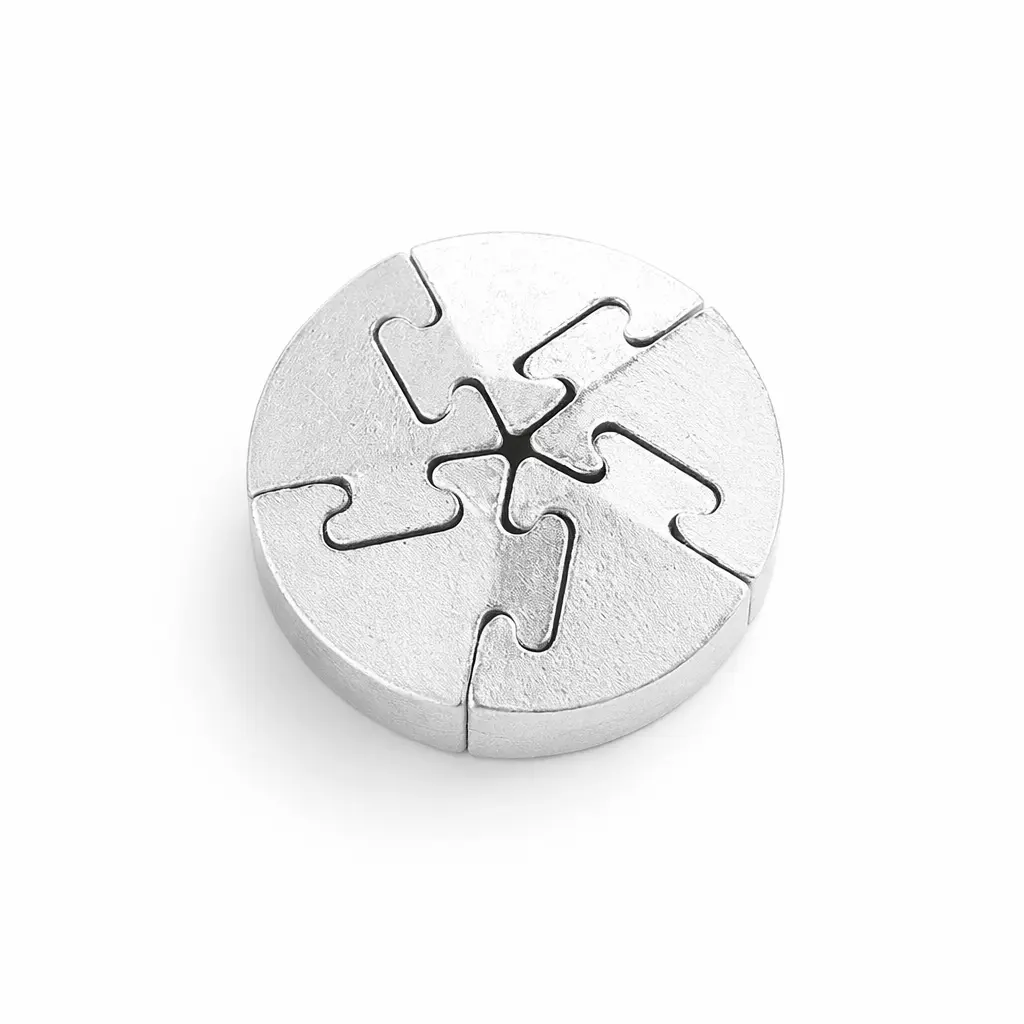
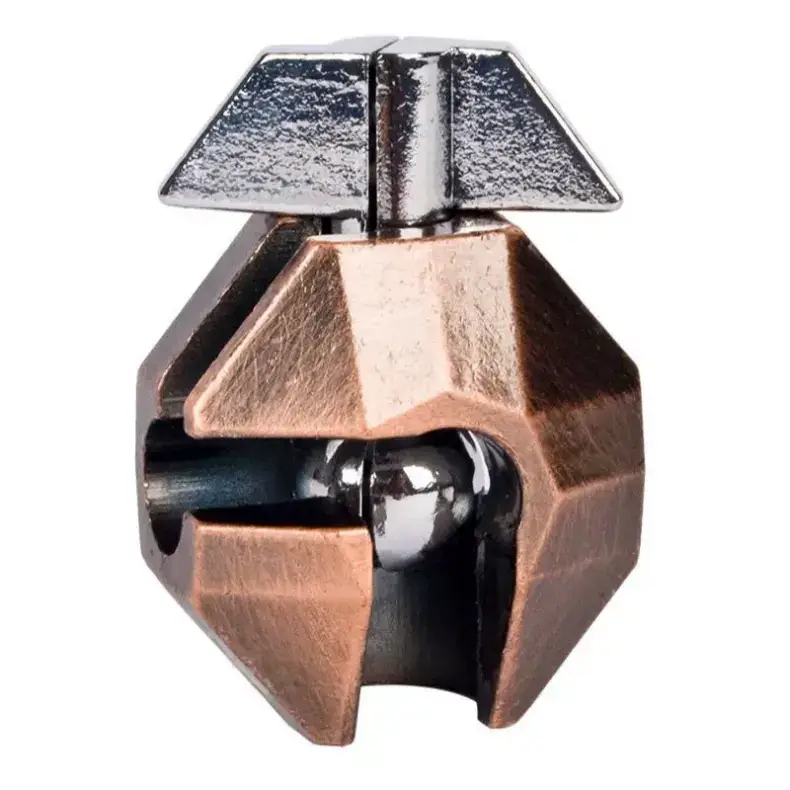
| Cast Galaxy (4-Piece) | 2 | 5 | SKIP-THIS-TIER CALLOUT: Looks awesome, but it's pure 3D spatial reasoning with zero tactile hints. For a teen expecting a logical 'path,' this feels like random twisting. High toss risk. | Almost all teens. This is for dedicated adult puzzle collectors, not a stocking stuffer. |
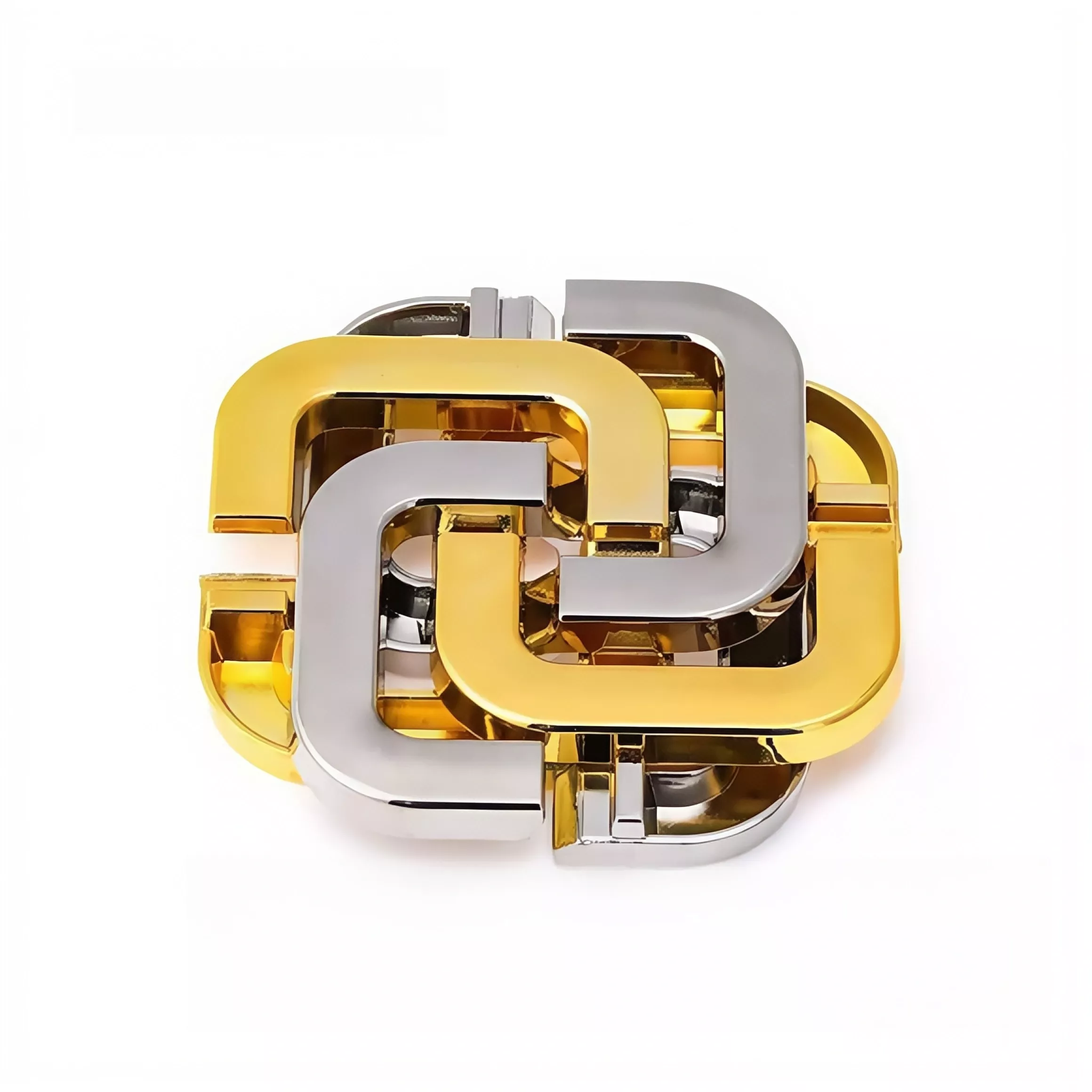
| 5-Piece Cast Spiral | 2 | 4 | Similar to the Galaxy. The spirals are visually confusing, and the interlocking is cryptic. Minimal satisfying feedback during solving. | Teens who need a clear goal and incremental progress cues. |
The Takeaway: For a guaranteed win in a stocking stuffer, stick to Intermediate disentanglement puzzles (like the Starfish or Horseshoe) or clever trick locks (like the Screw Interlock). They offer the best balance of 'looks impossible' and 'feels solvable with focus.' Learn how to think like a puzzle solver to better gauge difficulty. Your next best step: If their patience is short, click the Starfish. If they love showing off, click the Horseshoe.
Map the puzzle to the activity, not the other way around. The Alloy S Lock is a 5-minute fidget for TV time, the Dual Seahorse is a desk trophy, the Grenade Lock is a party stumper, and the Orbit Ring is a pocket companion.
Don't just imagine the puzzle in the box. Imagine it in their hands a week later. Here's how these stocking stuffers metal puzzles fit into real life, based on what our teen testers actually did with them.
The 5-Minute Fidget (For TV Time or Car Rides)
This puzzle lives on the coffee table. It's for idle hands during a show's boring part or on a long drive. The goal is simple tactile engagement, not a deep mind-bender. It needs to be solved quickly and re-solved mindlessly. Best Fit: The Alloy S Lock Puzzle. It's smooth, has a clear start and end point, and takes under five minutes once you know it. The Maze Lock also fits here, but the ball bearing makes a slight sound—good or bad depending on your tolerance.
The Desk Trophy (The 'Look What I Did' Display)
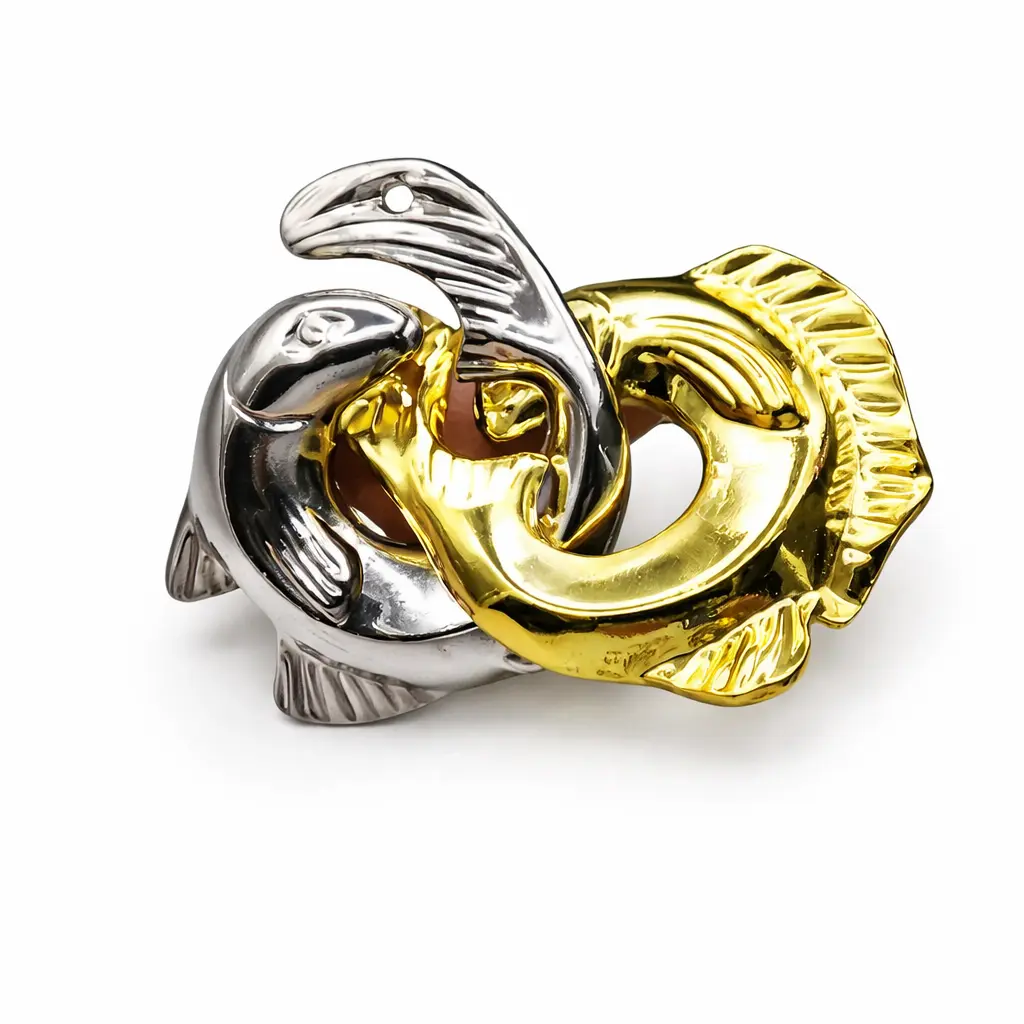
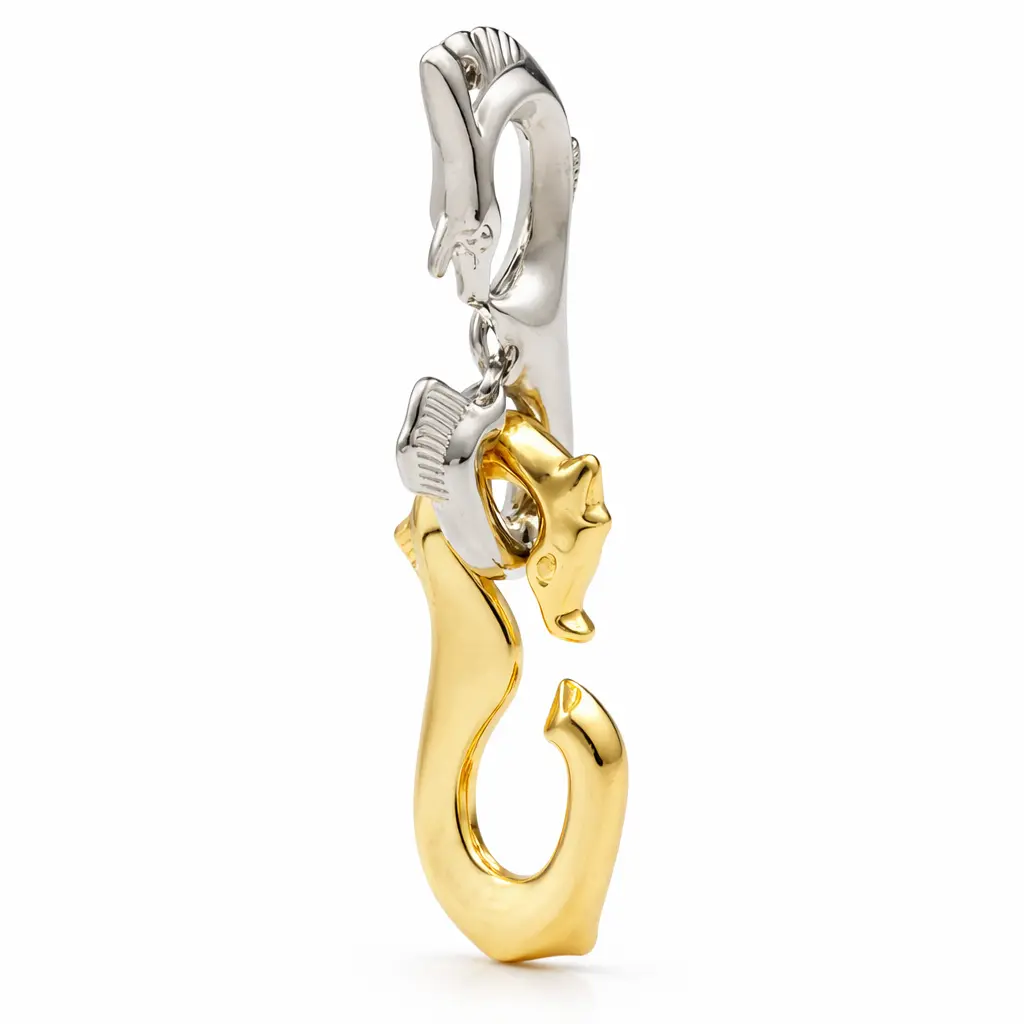
This one gets solved once, maybe twice, and then sits proudly next to the monitor. It's a conversation starter. It needs to look sophisticated and have a solution impressive enough to warrant the permanent real estate. Best Fit: The Dual Seahorse Brain Teaser. The two-toned metal looks sharp, and separating the intertwined seahorses feels like a genuine accomplishment. The Four-Leaf Clover also works here—it's pretty and has a satisfying, non-obvious twist to solve.
The Party Stumper (To Hand to a Friend and Watch)
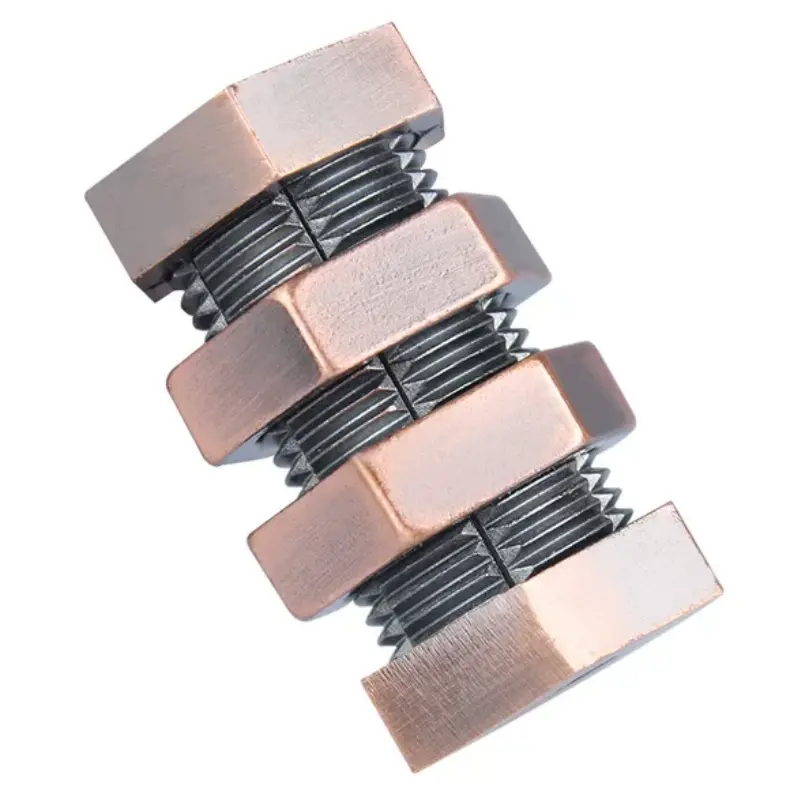
The ultimate social toy. You pull this out, solve it casually, then hand it to a buddy saying 'your turn.' Its value is in watching someone else struggle and eventually have that 'aha' moment. It needs to be intuitive to hold but have a clever hidden trick. Best Fit: The Grenade Lock Puzzle or the Screw Interlock Riddle. Both look like familiar objects but work in unexpected ways, making the reveal extra fun.
The Pocket Companion (A Private Brain Break)
This is a personal challenge, carried in a jacket pocket or backpack. It's for moments of waiting or needing to focus on something tactile. It should be compact, durable, and have a solve that's engaging but not rage-inducing. Best Fit: The Orbit Ring Cast Puzzle. It's a ring, so it can literally go on a finger. The goal (free the ball) is clear, and the path is a smooth, orbital slide. Your next best step: Pick the scenario you see most. Is your kid a fidgeter? Go 5-Minute Fidget. A show-off? Desk Trophy.
Match the puzzle mechanism to their problem-solving style. Patient tinkerers love sequential discovery puzzles like the Double Fish. Quick-win seekers need immediate tactile feedback from disentanglement puzzles like the Starfish Ring. Our lead tester's 13-year-old ranked them by 'cool factor.'
The unboxing is key. You want that moment where they pull it from the stocking, feel the cool weight, and immediately start fiddling. To nail it, think about how they like to solve problems, not just that they're smart.
For the Patient Tinkerer (The Lego Master / Model Builder)
This kid doesn't mind if it takes 30 minutes. They enjoy the process of exploration, testing theories, and discovering hidden steps. They appreciate a narrative to the solve. Gift This: Sequential discovery or trick puzzles. The Double Fish Puzzle is perfect—it looks like two fish hooked together, and the solution involves finding the precise alignment and slide. The Horseshoe Lock also fits, with its 'find the secret latch' vibe. Pro Tip: Include a small note: "I bet you can't figure out the trick."
For the Quick-Win Seeker (The Video Game Speedrunner)
They need constant feedback and visible progress. If they don't feel like they're getting closer in the first 90 seconds, they'll disengage. They love the dopamine hit of a clear victory. Gift This: Straightforward disentanglement puzzles with moving parts. The Starfish Puzzle Ring is the champion here—every wiggle of the starfish arm gives new information. The Alloy S Lock is another great choice. Pro Tip: Solve it yourself first (instructions are online) and time it. Tell them: "Our tester did it in 8 minutes. Beat that."
The Re-Giftability Factor (A Secret Win for You): A good stocking stuffer metal puzzle has a second life. Once they solve it, they can immediately hand it to a parent, a sibling, or a friend to stump them. This extends the gift's value and creates a shared moment. Puzzles that are too easy ("meh") or impossibly hard ("this is broken") fail here. The sweet-spot puzzles we recommend become social objects. Your next best step: Honestly assess their patience level. Patient? Go Double Fish. Impatient? Go Starfish. Done.