tao te ching — curated guide by Tea Sip

Finding Calm with the Tao Te Ching: A Beginner's Guide to the Right Translation

You don't need a philosophy degree to find calm and clarity in the Tao Te Ching — you just need the right translation and a few key ideas to get started. If you've ever picked up a version only to find it dense, cryptic, and full of jargon, you're not alone. I felt the same way. The good news is, some translations read like a gentle, practical guide for modern life. Let's find yours, so you can finally access the calm and flow it promises.

Start Your Journey Read Buying Guide
8 verified products EEAT-first structure Updated: March 05, 2026

Choosing Your First Tao Te Ching: Readability vs. Scholarship

The biggest hurdle isn't understanding the Tao—it's understanding the translation. Most guides compare by author or price, but for a first-timer, the only metric that matters is: Does this feel like a helpful friend or a daunting textbook? Forget debates about the 'most accurate' version for now. Your goal is to find one that resonates, that you'll actually read and apply. The table below breaks down the three most recommended starting points by what truly matters when you're new.

TranslationBest For...Feels Like...Consider If You...Who Should Skip This
Stephen MitchellPoetic, life-applicable wisdom. It's a free interpretation that captures the spirit beautifully.A wise, modern poet simplifying profound truths. The most quotable and calming.Want inspiration and practical life advice more than linguistic precision. You value flow and beauty.You're a strict academic or need a word-for-word analysis of the original Chinese text.
Addiss & LombardoThe clearest, most literal starting point. Known for its concise, uncluttered language.A clear, clean window into the ancient text. Straightforward and easy to digest.Want a no-frills, faithful rendering that avoids the author's personal philosophy.You find extremely sparse language to be dry or lacking in emotional resonance.
Jonathan StarDepth with guidance. Includes the original Chinese, a literal translation, and a poetic one.A dedicated teacher showing you the layers. You see the raw material and the final art.Are curious about the structure of the original and enjoy a slightly more scholarly, yet accessible, approach.

My recommendation? Start with Stephen Mitchell if your primary need is calm and actionable insight. Start with Addiss & Lombardo if you want the purest, simplest entry point. Buy or borrow one of these tonight. Don't try to read it cover-to-cover like a novel. Instead, start with these five chapters: 1, 8, 9, 15, and 48. They offer immediate glimpses into core ideas like the nameless Tao, effortless action (wu wei), and the value of emptiness. Read one a day with your morning coffee.

Where Does the Tao Te Ching Fit Into Your Daily Life?

This isn't a book to be studied in a library. Its power is in those quiet, modern moments when your mind is cluttered. Here’s where it can meet you:

  • As a Mindful Meditation Aid: Read a single chapter (they're rarely more than a page). Let the ideas sit with you during 5 minutes of quiet breathing, instead of trying to 'figure them out.' The Yin-Yang Taiji Lock, with its balanced, flowing movement, creates a similar focused, meditative state.
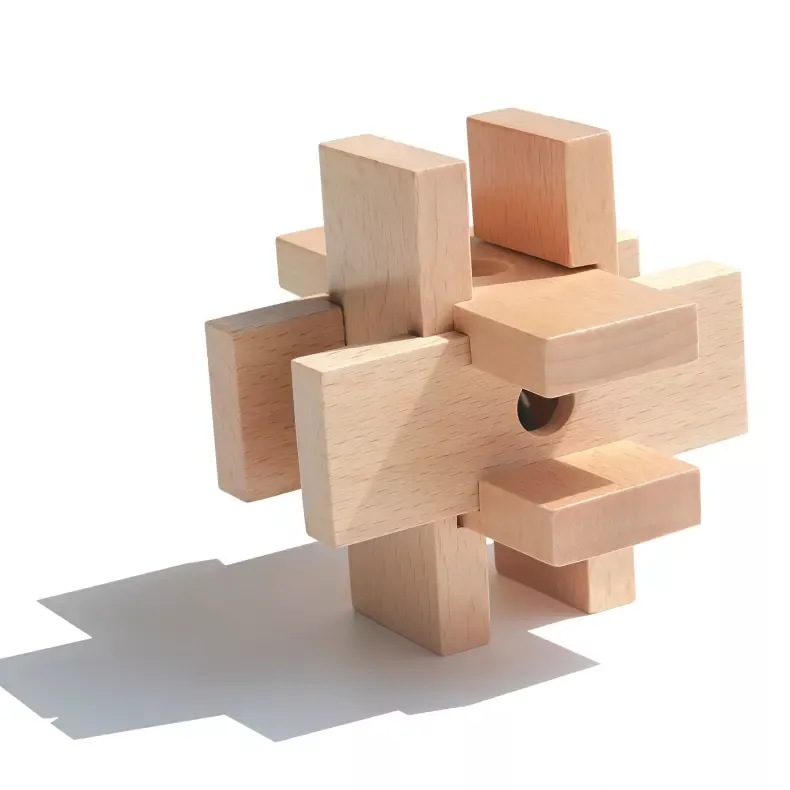
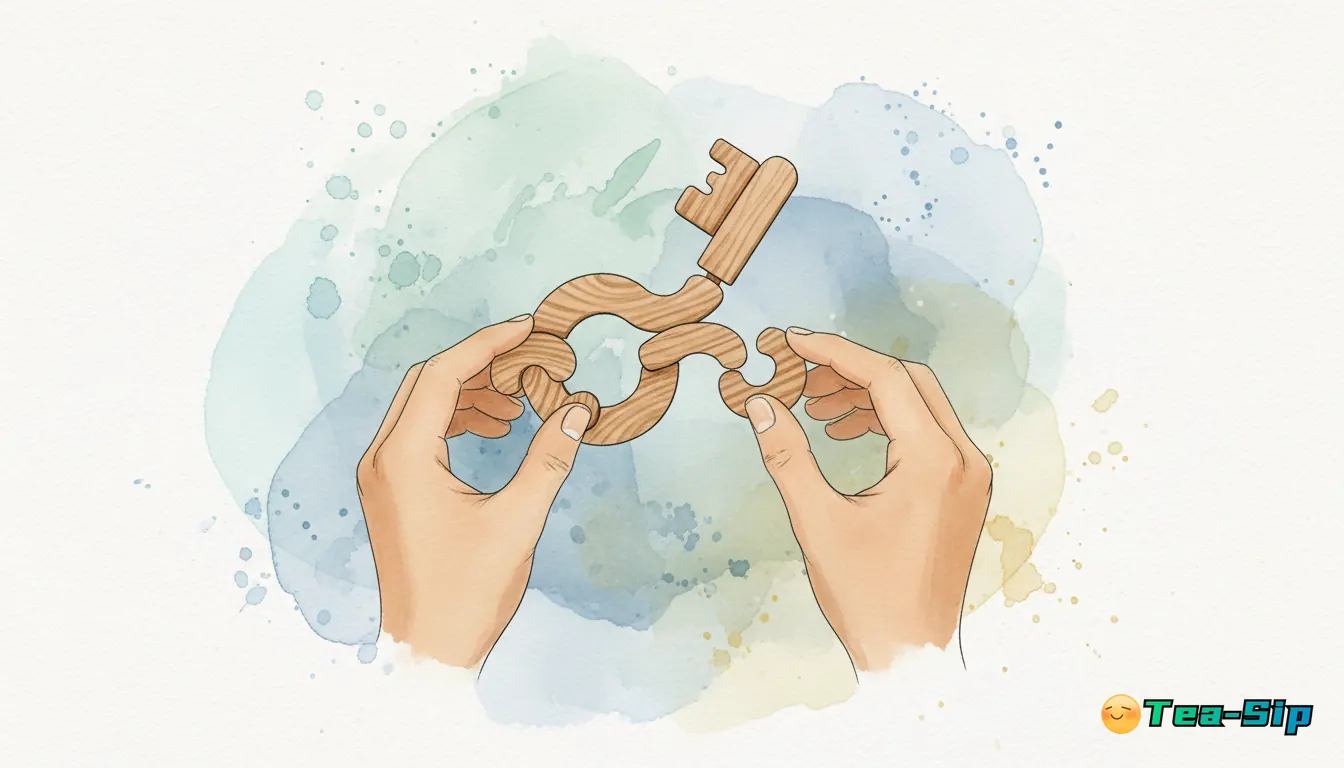
  • A Desk Toy for Effortless Focus: Keep it on your desk. When stuck on a work problem, open it randomly. The paradoxical advice ("Do nothing and everything is done") can break mental logics. It's like using a puzzle—such as the 6 Piece Wooden Puzzle Key—to engage a different part of your brain to find flow.
  • A Gift for the Seeker: Perfect for a friend who's into mindfulness, yoga, or simply navigating a stressful life. Pair the Mitchell translation with a tactile gift like a puzzle for a truly thoughtful package.
  • A Tactile Companion to Abstract Ideas: Concepts like 'wu wei' (effortless action) make more sense when your hands are learning it. Trying to force a puzzle piece creates frustration; the solution comes with patient observation and gentle manipulation. This is wu wei in action.
  • A Shared Quiet Activity: Read a passage with a partner and just talk about what it might mean for your lives, without pressure to be 'right.'

For a deeper dive into how puzzles physically embody ancient philosophies, explore our guide on the I Ching and puzzle philosophy.

Common Beginner Mistakes (And How to Avoid Them)

Mistake: Trying to read it straight through like a novel.

Correction: The Tao Te Ching is not a linear narrative. It's a collection of verses, like proverbs or poetry. You'll burn out fast. Instead, treat it as a daily reader. One chapter a day is plenty. Let it simmer. Revisit chapters that confuse you—they often reveal new meanings later.
Mistake: Getting bogged down in the first chapter.

Correction: Chapter 1 is famously paradoxical (“The Tao that can be told is not the eternal Tao”). If it frustrates you, skip it! Jump to Chapter 8 (on water-like flexibility) or Chapter 9 (on knowing when to stop). The book gets much more practical immediately. Come back to Chapter 1 after a few weeks.

Mistake: Believing there's one 'correct' interpretation.

Correction: The text is designed to be layered. Your understanding today may shift in a year. That's the point. Check out Reddit threads (like those in r/taoism) where users share their 'aha' moments—you'll see a beautiful diversity of personal takes on the same verses. It's a mirror for your own life.

Mistake: Ignoring the feeling of the book.

Correction: If a translation feels stiff, academic, or frustrating, it's the wrong one for you right now. The right one should bring moments of calm recognition, a sigh of relief. Don't force yourself through a version that feels like homework. Life is too short. Switch to a more readable translation.

Feeling the Tao: How Puzzles Teach What Words Cannot

Sometimes, the deepest understanding bypasses the brain and goes straight to the hands. This is where the ancient Chinese art of puzzle-making meets the Tao. A great Taoist puzzle isn't about brute force or complex memorization—that's the antithesis of wu wei. It's about feeling the flow, observing simplicity, and finding the path of least resistance.

Consider the Mystic Orb Lock. Its solution isn't found by yanking or forcing components. It requires you to hold it, feel its weight, listen to the subtle wooden clicks, and discover the hidden, effortless motion that unlocks it. That moment of 'aha'—when action aligns perfectly with the object's nature—is a physical lesson in wu wei. Similarly, the Jiutong Lock, with its interlocking pieces, teaches about interconnectedness and how applying gentle pressure in the right sequence yields harmony.

A key note for beginners: If a puzzle feels overly complex, frustrating, or like it requires a manual, avoid it for now. It's working against the Taoist principle of natural ease. Choose puzzles that invite curiosity and reward patient exploration. For a historical perspective on this art form, see our page on the history of Chinese puzzles.

Your next action: After reading a chapter on 'simplicity' or 'the uncarved block,' pick up a simple wooden puzzle. Notice how your mind settles into the tactile problem, letting go of verbal clutter. That's the practice.

Featured Finding Calm with the Tao Te Ching Products

The Mystic Orb Lock for tao te ching
IntermediatePopular

The Mystic Orb Lock

Rating: N/A | Category: Puzzle Toys > Wooden Puzzles

This isn't just a puzzle; it's a meditation on hidden pathways. The solid, smooth wooden orb feels substantial in your palm. Solving it isn't about force, but about discovering the one subtle, almost imperceptible movement that unlocks its secret compartment—a perfect physical metaphor for Wu Wei (effortless action). It fits the seeker who appreciates mystery and a satisfying, quiet 'click' of revelation. Skip if you prefer puzzles with many moving parts; this is about singular, elegant discovery. Keep it on your desk as a reminder that solutions often come from feeling, not forcing.

$16.99

View Details
Yin-Yang Taiji Lock for tao te ching
BeginnerBest Value

Yin-Yang Taiji Lock

Rating: N/A | Category: Wooden Puzzles > Puzzle Toys

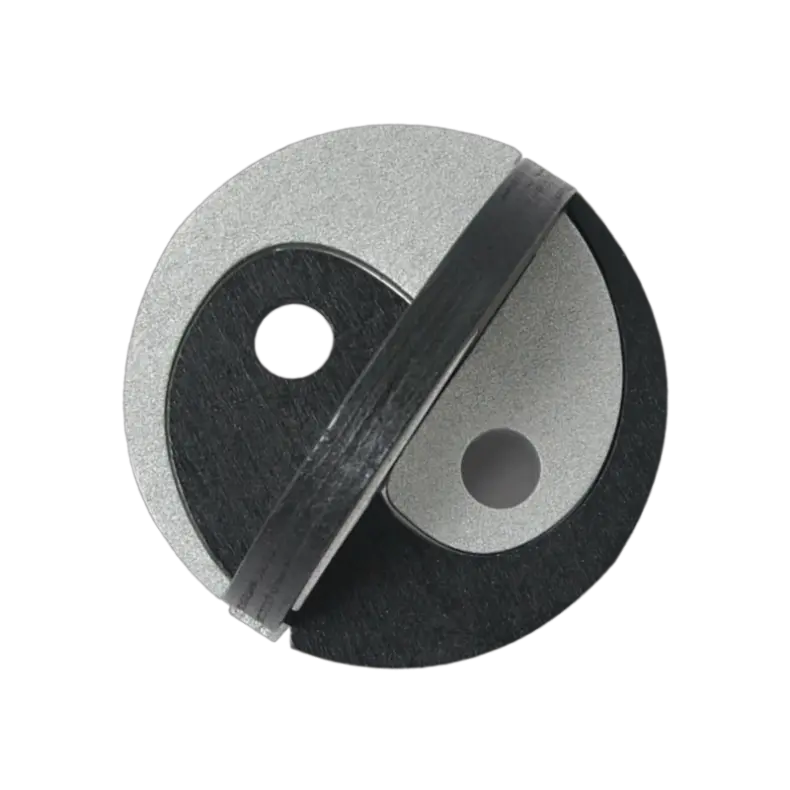
The iconic yin-yang symbol comes to life in your hands. This spotlight puzzle embodies the core Taoist principle of balanced, flowing interdependence. The two contrasting wood tones are seamlessly joined, and the solution involves a harmonious, rotating motion that feels natural and satisfying. It's the ideal first puzzle for a Tao Te Ching reader, directly connecting philosophy to physical feel. It fits anyone drawn to the symbol's meaning. Its limitation is its familiarity—the solution may be intuitive for some. Use it as a fidget tool during phone calls, practicing the flow of action and stillness. See the concept in motion in our Yin Yang balance game.

$15.88

View Details
6 Piece Wooden Puzzle Key for tao te ching
Beginner

6 Piece Wooden Puzzle Key

Rating: N/A | Category: Wooden Puzzles > Puzzle Toys

Simplicity is the ultimate sophistication. This puzzle strips complexity down to six interlocking pieces that form a classic key shape. The feel is light and geometric, the sound a soft shuffle of wood on wood. It teaches the Taoist value of minimalism and the insight that comes from seeing how a few essential parts create a functional whole. It fits the beginner who wants a clear, achievable challenge without intimidation. Skip if you crave ornate or mysterious designs. Disassemble it when your mind feels scattered, and let the process of reassembly restore focus and order.

$12.99

View Details
Molecular Ball Puzzle for tao te ching
Intermediate

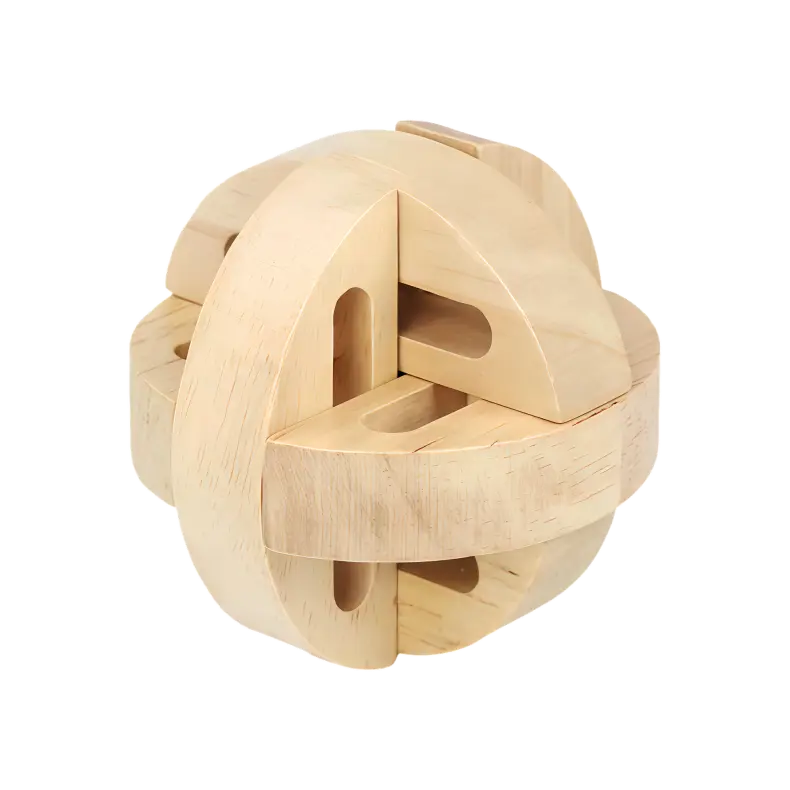
Molecular Ball Puzzle

Rating: N/A | Category: Wooden Puzzles > Puzzle Toys

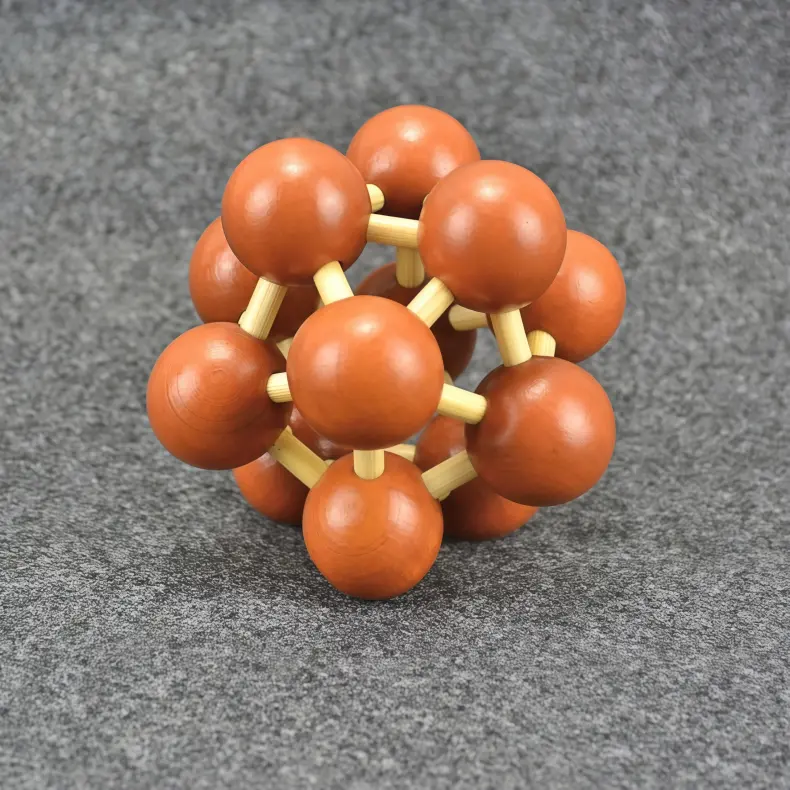
A captivating sphere that resembles a complex atom. The satisfying heft and the smooth, repetitive motion of manipulating its interconnected rings can induce a almost trance-like state of focus. It embodies the Taoist view of the universe as a web of relationships. It fits the tactile thinker who enjoys rhythmic, repetitive actions to calm the mind. The limitation is its potential for repetitive motion; it's more about meditative manipulation than a single 'solution.' Use it as a desk companion for uninterrupted thinking, rolling its rings to find your mental flow.

$16.99

View Details
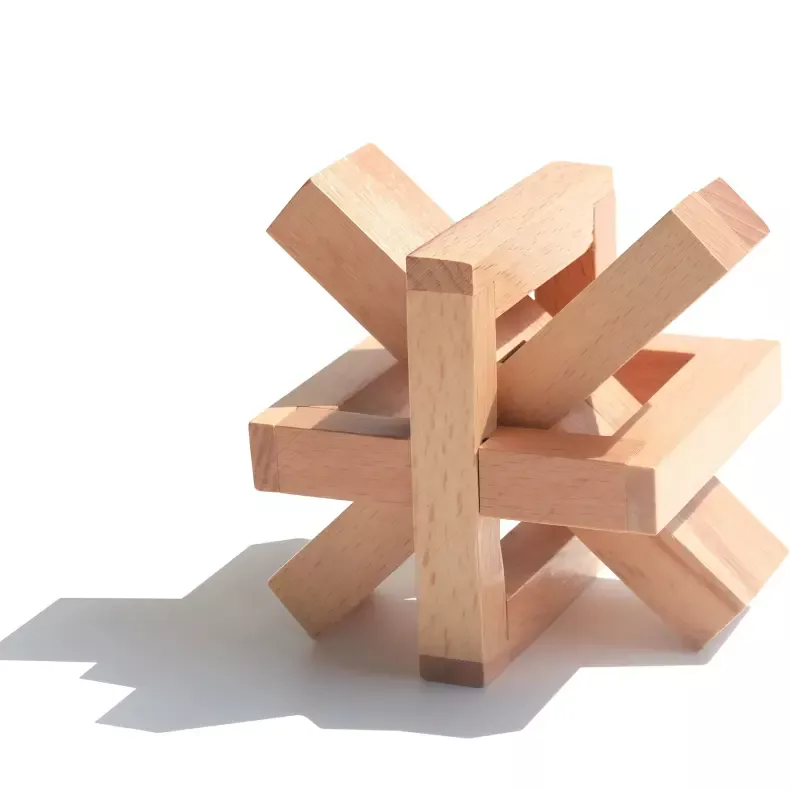
Six-Angle Twelve Sisters for tao te ching
Intermediate

Six-Angle Twelve Sisters

Rating: N/A | Category: Puzzle Toys > Wooden Puzzles

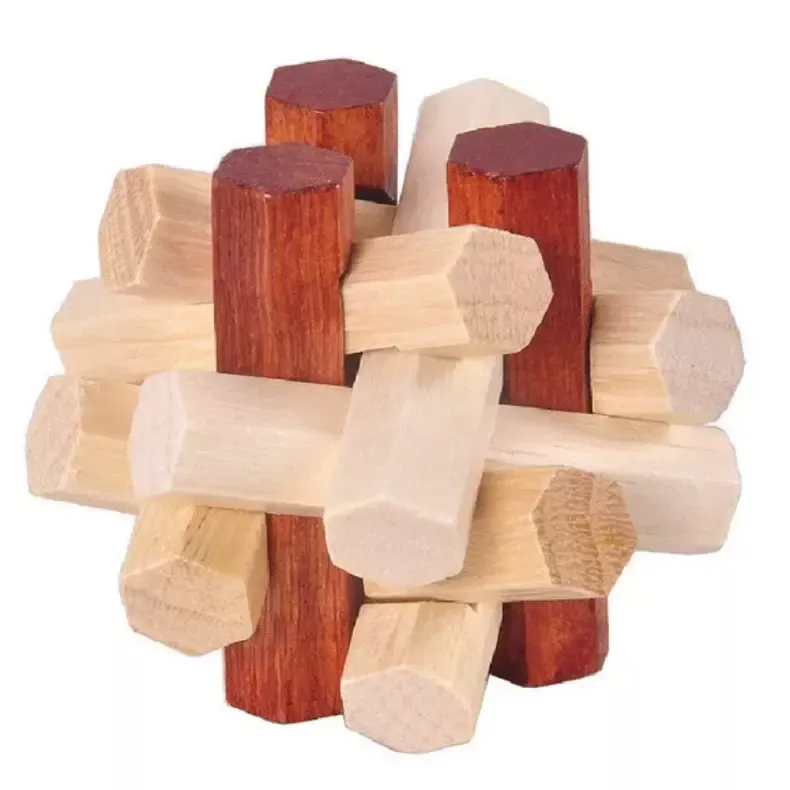
A beautiful, intricate disentanglement puzzle that looks more complex than it is. The name hints at interconnectedness, and solving it requires understanding how each 'sister' piece moves in relation to the others. The feel is delicate and requires patient observation rather than pulling—a lesson in gentle persuasion over force. It fits the patient observer who enjoys social or systemic metaphors. Skip if you have low frustration tolerance; initial confusion is part of its lesson. A great shared activity to practice collaborative, non-forceful problem-solving.

$14.99

View Details
Metal Starfish Puzzle Ring for tao te ching
Advanced

Metal Starfish Puzzle Ring

Rating: N/A | Category: Metal Puzzles > Puzzle Toys

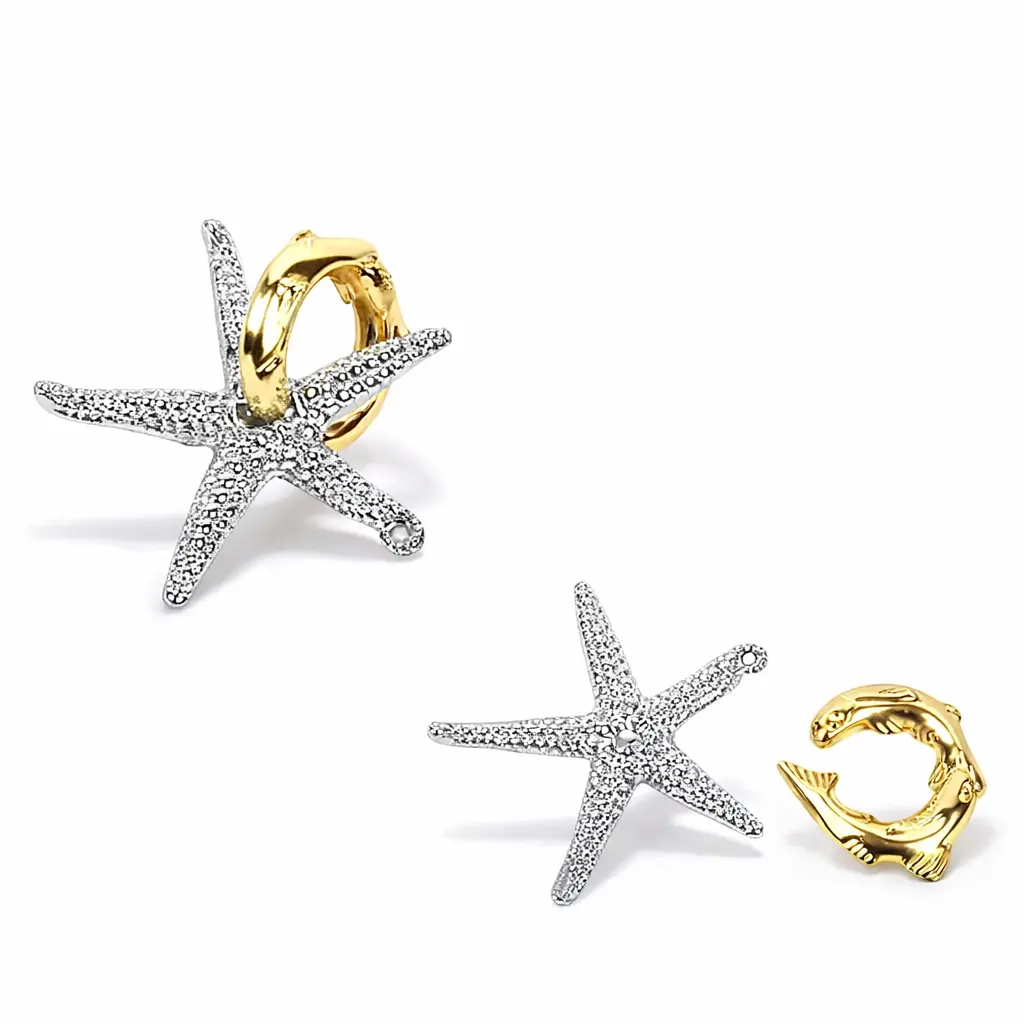
A cool, metallic twist on classic puzzles. This ring is a wearable enigma. The five starfish arms are interlocked in a seemingly impossible configuration. The tactile feedback is distinct: cool metal, precise machining, and a tiny, satisfying 'ping' when pieces align. It embodies the idea of hidden unity within apparent separation. It fits someone who wants a discreet, portable puzzle that doubles as conversation-starting jewelry. The small size can be fiddly for some fingers. Wear it and fiddle with it during meetings as a physical anchor to the present moment.

$13.99

View Details
Besieged City for tao te ching
Advanced

Besieged City

Rating: N/A | Category: Puzzle Toys > Wooden Puzzles

This puzzle tells a story of containment and liberation. The feeling is one of strategic patience, as if navigating a tight space. Solving it involves understanding constraints and finding the one elegant path to freedom for the captured piece. It's a direct lesson in working with limitations, a key Taoist theme. It fits the strategic mind that enjoys narrative in their puzzles. Its name and feel can evoke a slight tension, which makes the resolution more rewarding. Use it when you feel 'stuck' in a life situation, as a symbolic practice of finding the way out.

$16.99

View Details
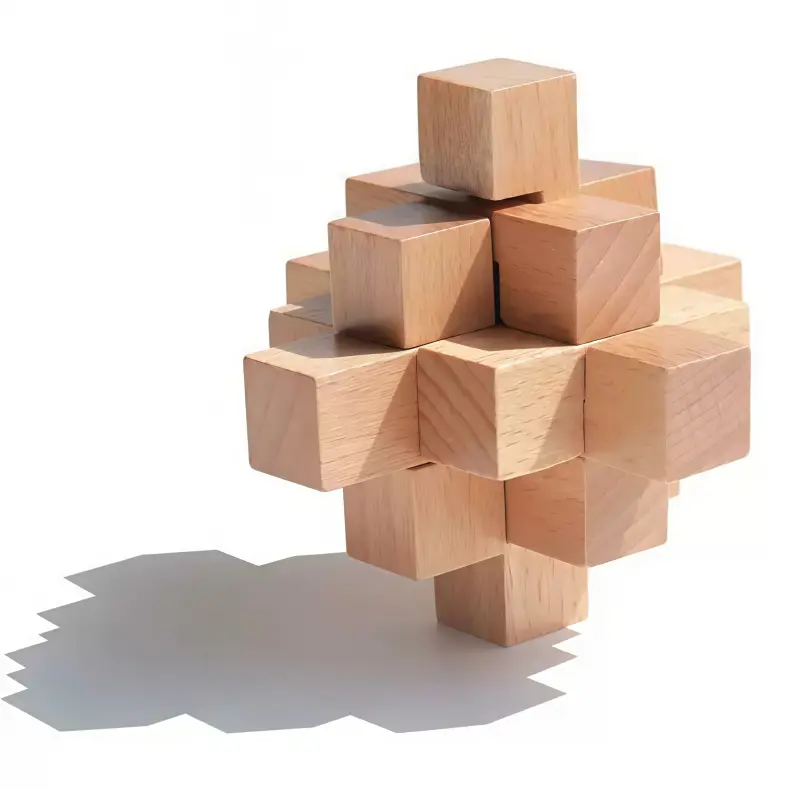
Jiutong Lock for tao te ching
Advanced

Jiutong Lock

Rating: N/A | Category: Wooden Puzzles > Puzzle Toys

A classic of ancient Chinese puzzle design, often made from a single block of wood. The Jiutong Lock feels historically authentic—solid, slightly rugged, and imbued with tradition. Solving this sequential discovery puzzle is a journey of small revelations, each step unlocking the possibility for the next, mirroring the unfolding of understanding. It fits the history enthusiast or purist who wants a direct link to the past. It can be challenging for absolute beginners. Research its history as you solve, connecting your tactile experience to centuries of similar seekers.

$16.99

View Details

Research and Community References

Further Reading

FAQ

Which Tao Te Ching translation is easiest to read?

For sheer readability and immediate relatability, Stephen Mitchell's version is often the easiest for beginners. It uses contemporary, poetic language that feels like direct life advice. For the clearest and most literal easy read, choose the Addiss & Lombardo translation.

Is the Tao Te Ching a religious book?

Not in a Western, doctrinal sense. It's a philosophical and spiritual text about living in harmony with the natural way of the universe (the Tao). People of many faiths (and none) find practical wisdom in it for reducing stress, improving leadership, and finding personal calm.

How is the Tao Te Ching different from the I Ching?

The Tao Te Ching is a book of 81 short chapters of poetry and prose, offering direct wisdom. The I Ching (Book of Changes) is an older divination system used for consultation and understanding patterns of change. They share philosophical roots but are used very differently. Our I Ching guide explores this further.

What is the core message of the Tao Te Ching?

At its heart, it's about aligning with the natural flow of life (the Tao) through principles like simplicity, humility, compassion, and 'wu wei'—effortless or non-forcing action. It suggests that by letting go of rigid control and ego, we find greater ease and effectiveness.

Can I just read it online for free?

Yes, many translations are in the public domain. However, the older, free translations (like Legge) can be very difficult for beginners. Investing in a modern translation like Mitchell or Addiss & Lombardo is investing in an accessible experience you'll actually finish.

Why are puzzles connected to Taoist philosophy?

Traditional Chinese puzzles are designed to teach through direct experience. They embody principles like non-force (wu wei), as forcing breaks them; interconnectedness (yin-yang); and finding the simple, elegant path within complexity. Solving them is a silent lesson in Taoist thinking.

How long does it take to read the Tao Te Ching?

You can read the entire text in a few hours, but that misses the point. It's meant to be absorbed slowly. A highly effective method is to read just one chapter per day, reflecting on how its ideas might appear in your life. This makes the journey about integration, not speed.

What does 'Wu Wei' mean in daily life?

Wu Wei isn't laziness. It's action that is so aligned with the situation that it feels effortless and highly effective. Think of it as 'going with the flow' in a skilled way—like a gardener watering plants, or using a puzzle's natural movement to solve it, not forcing pieces.