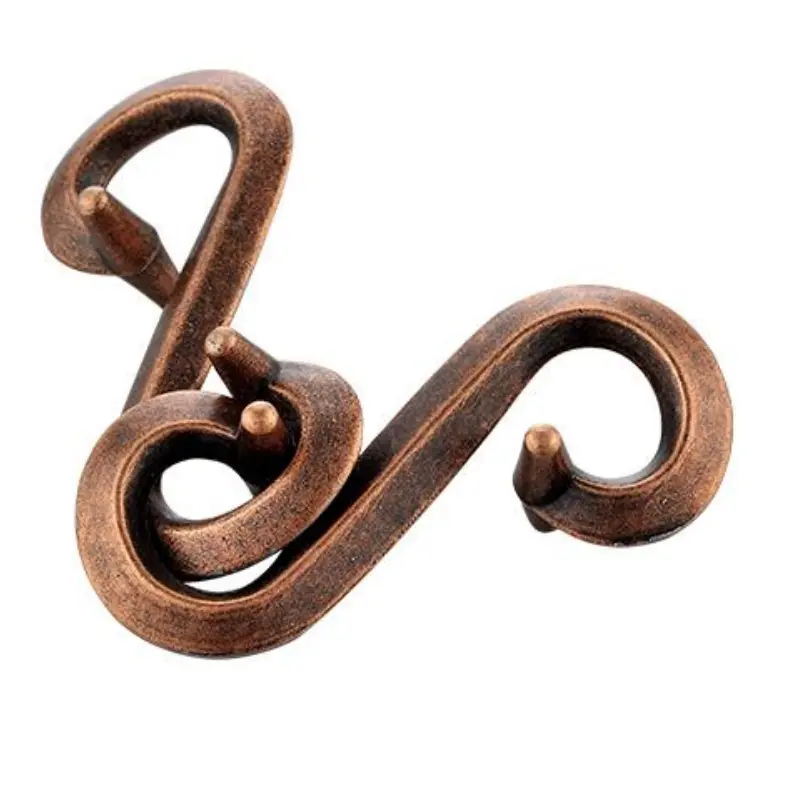
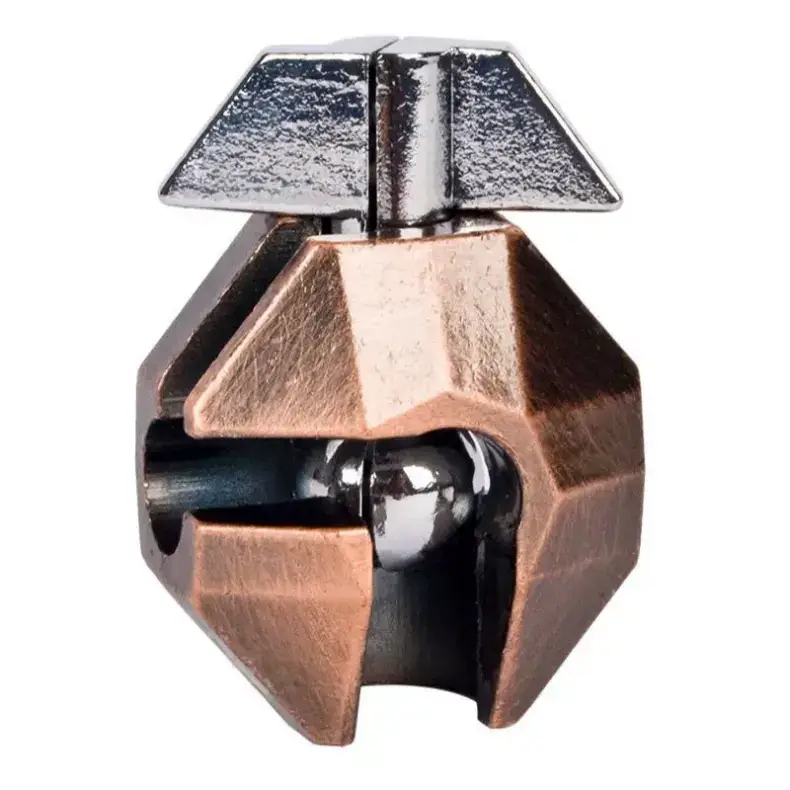
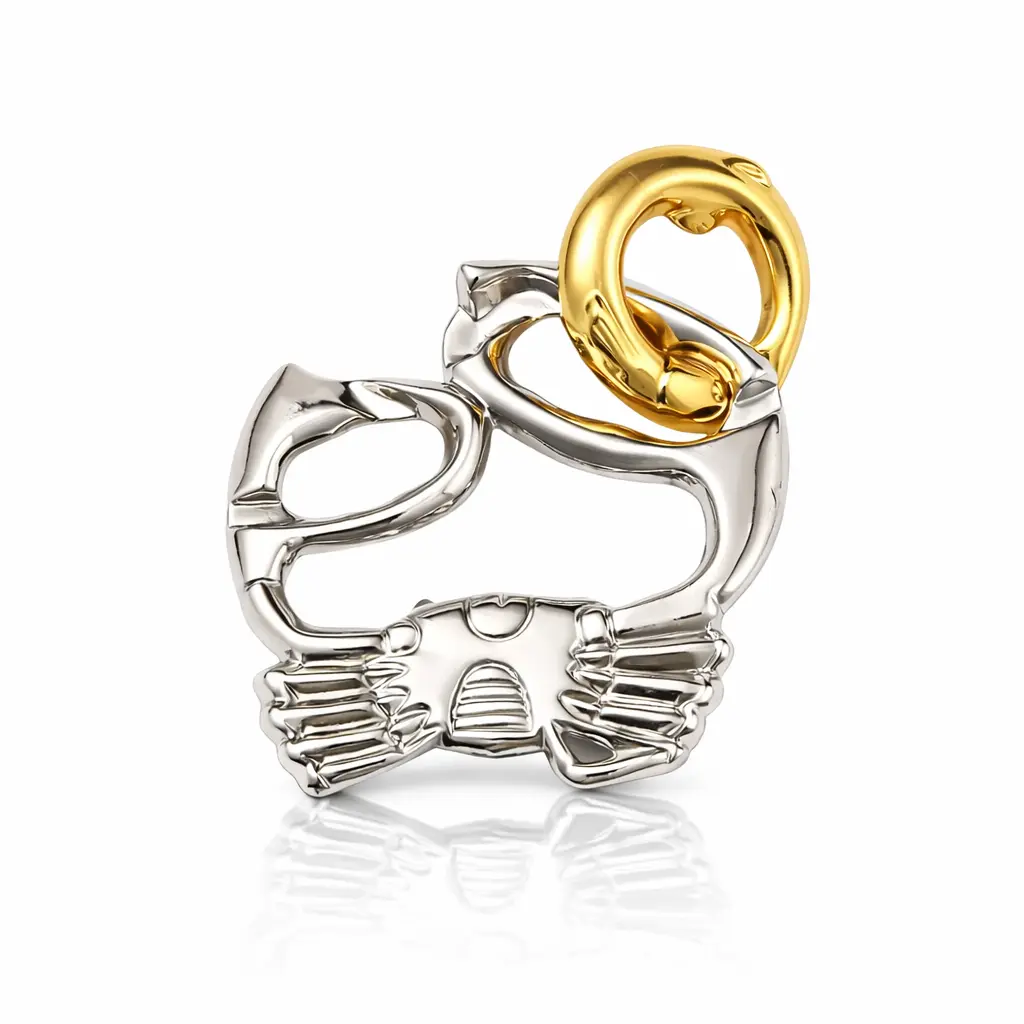
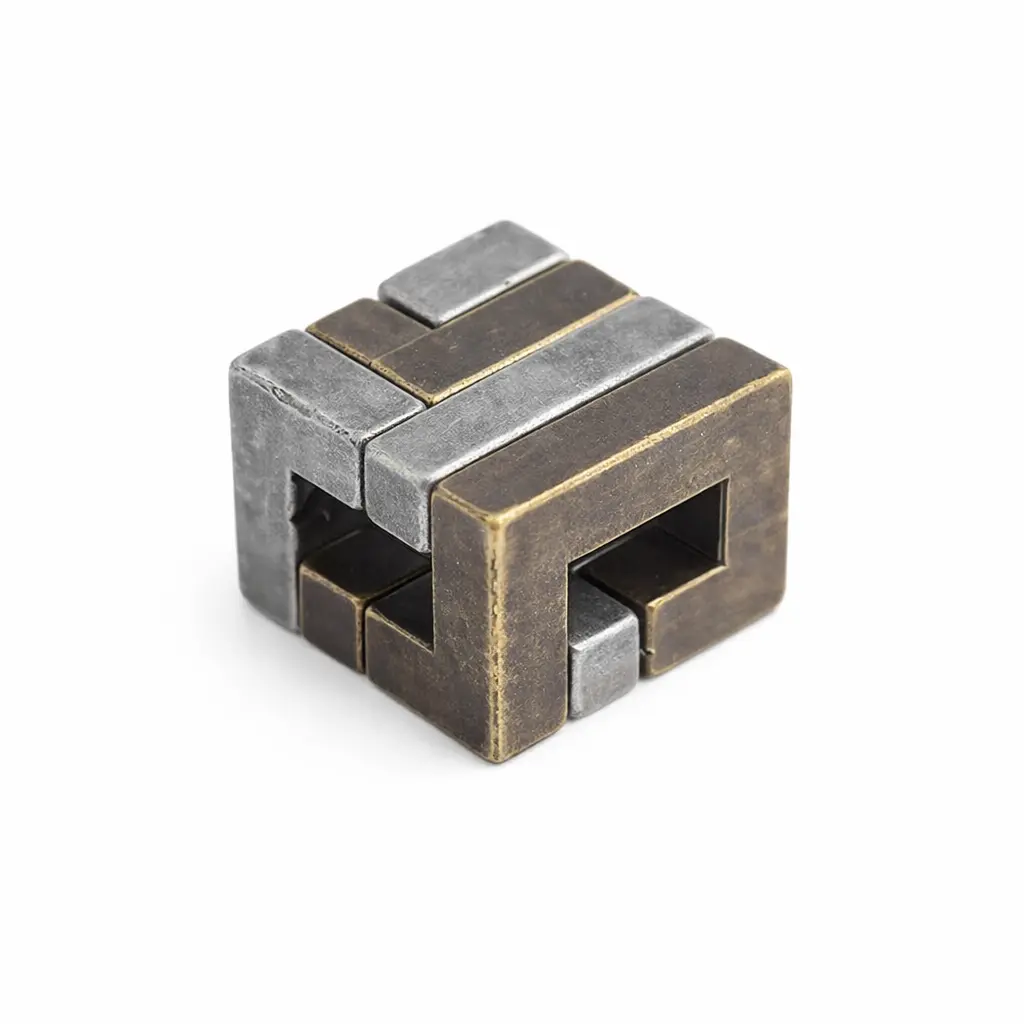
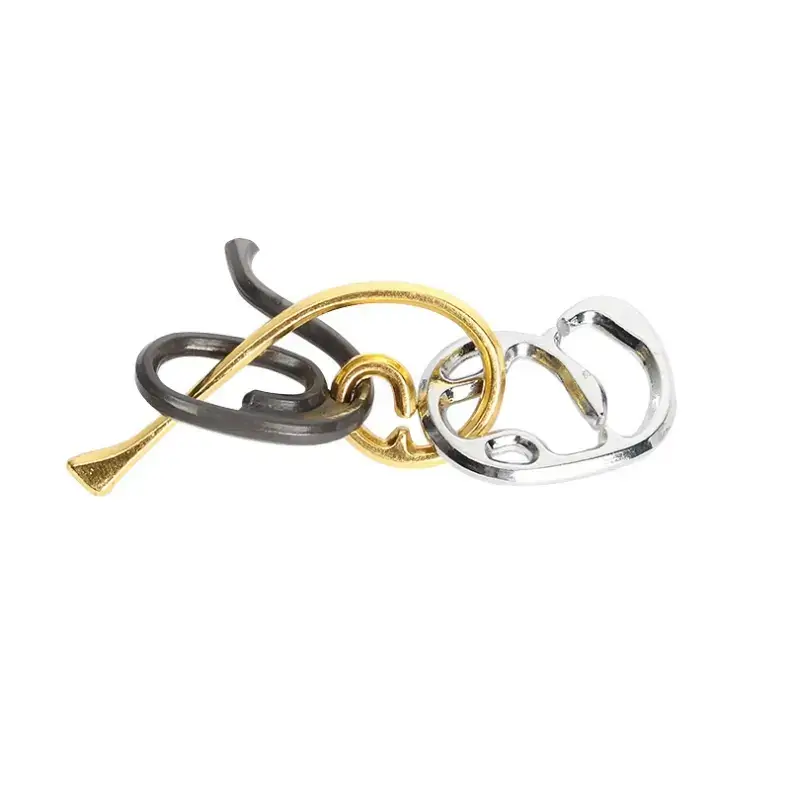
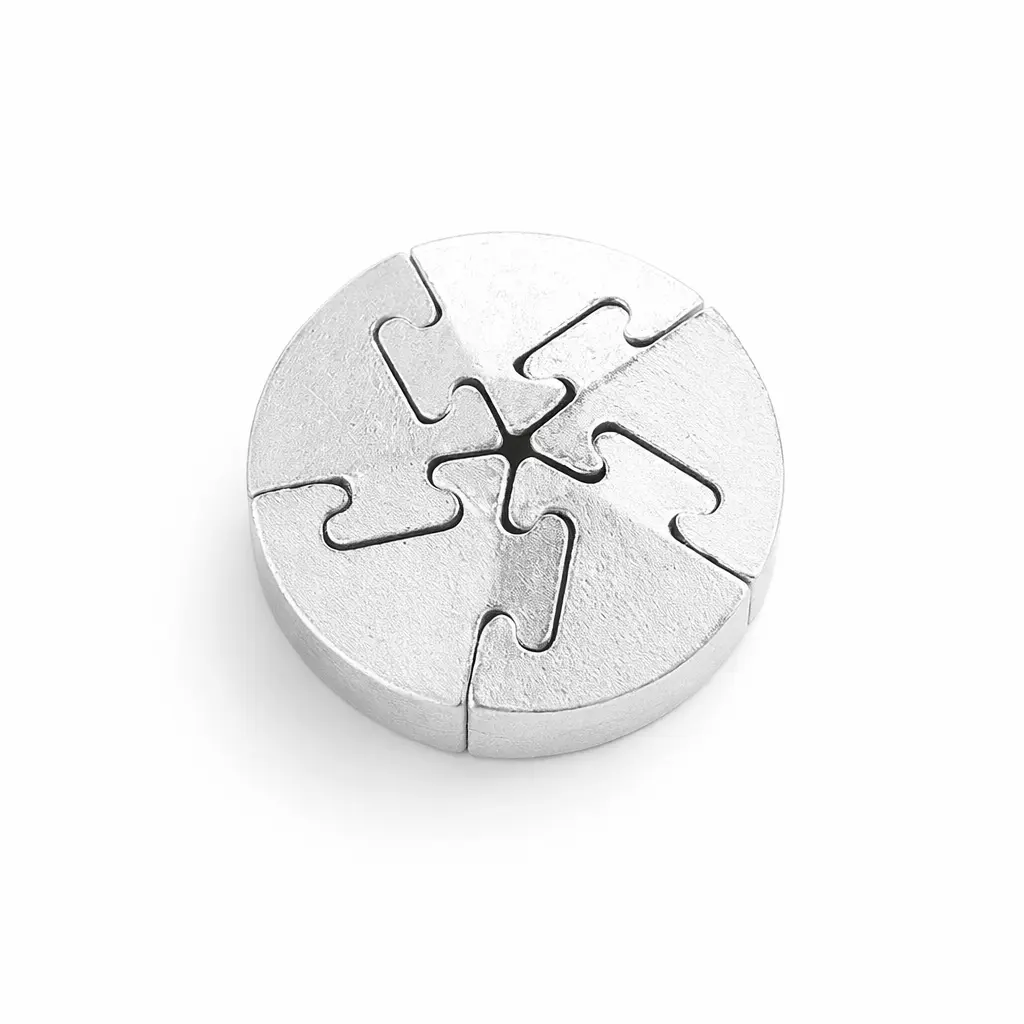
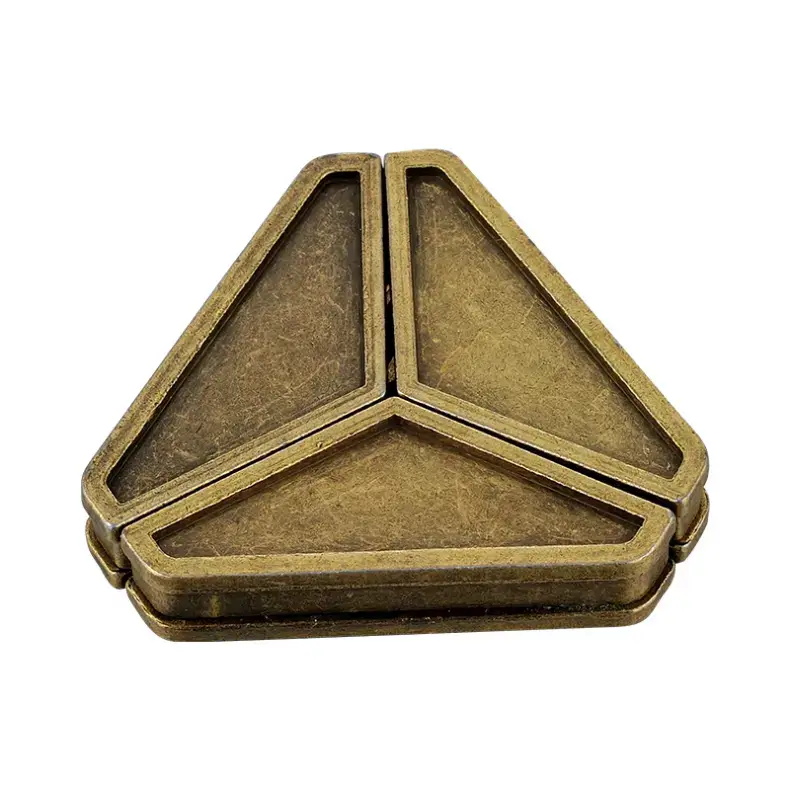
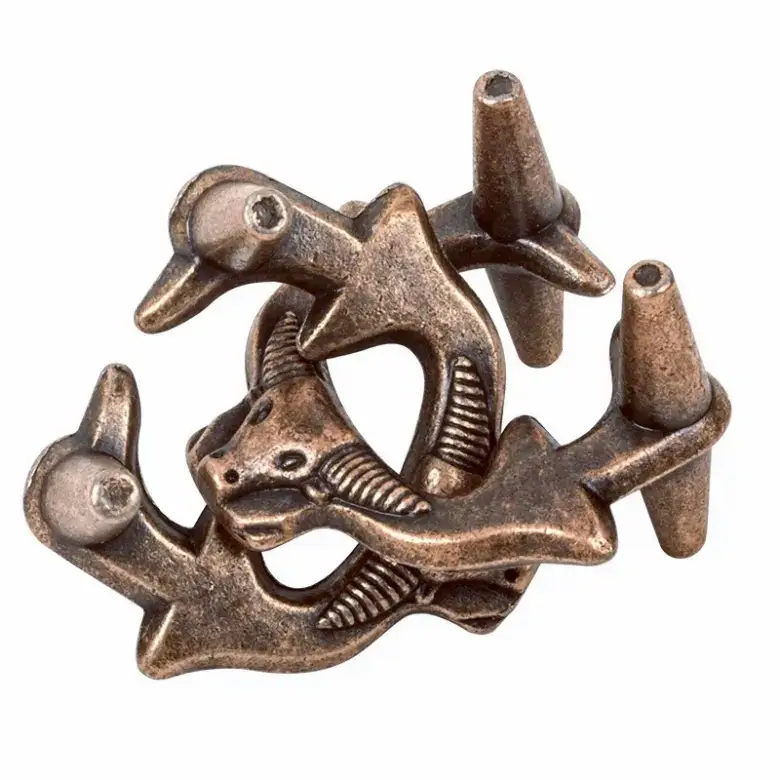
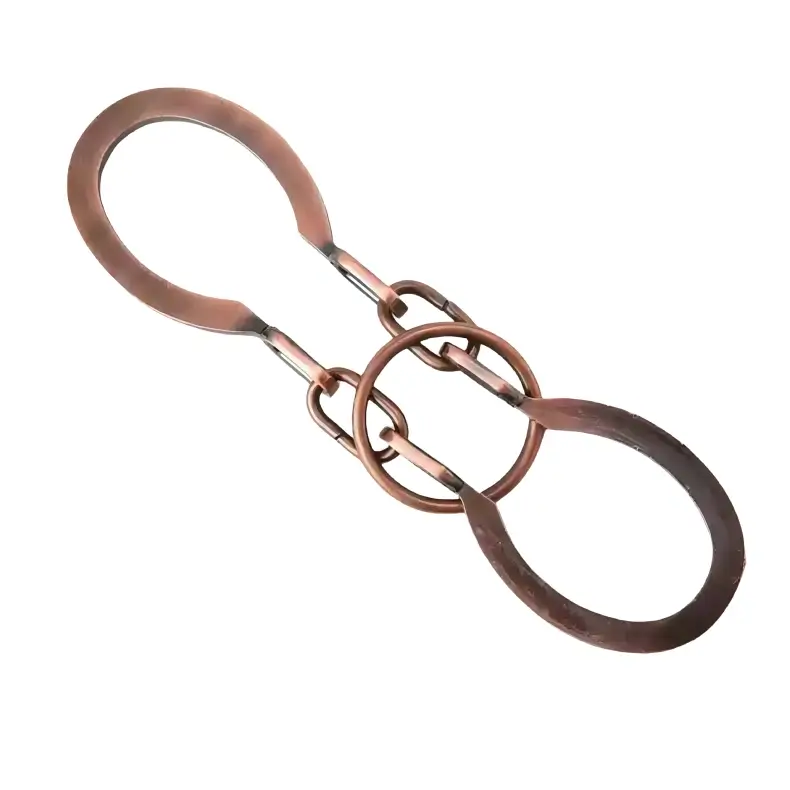
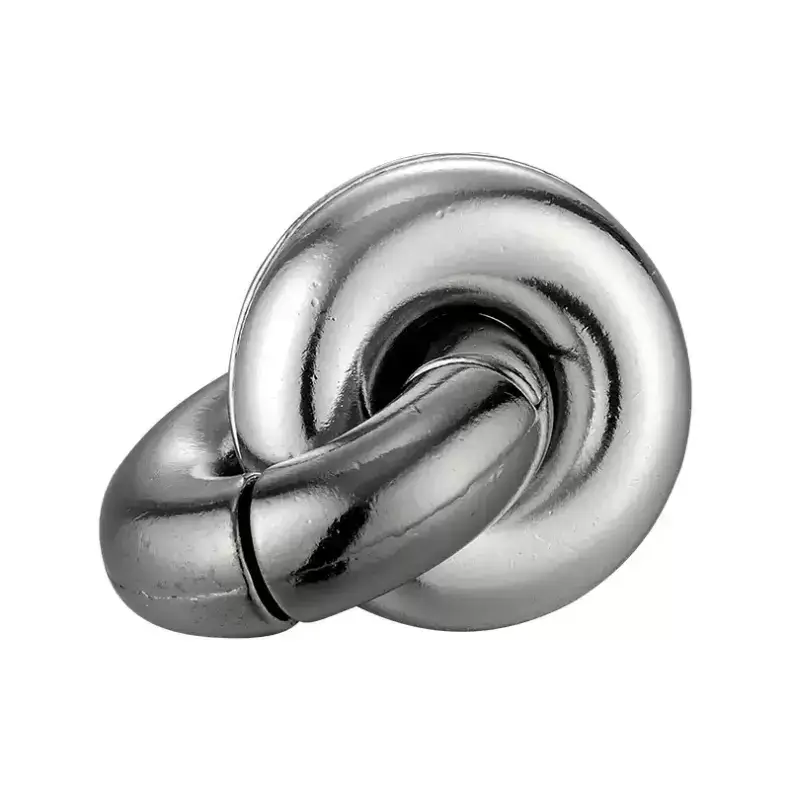
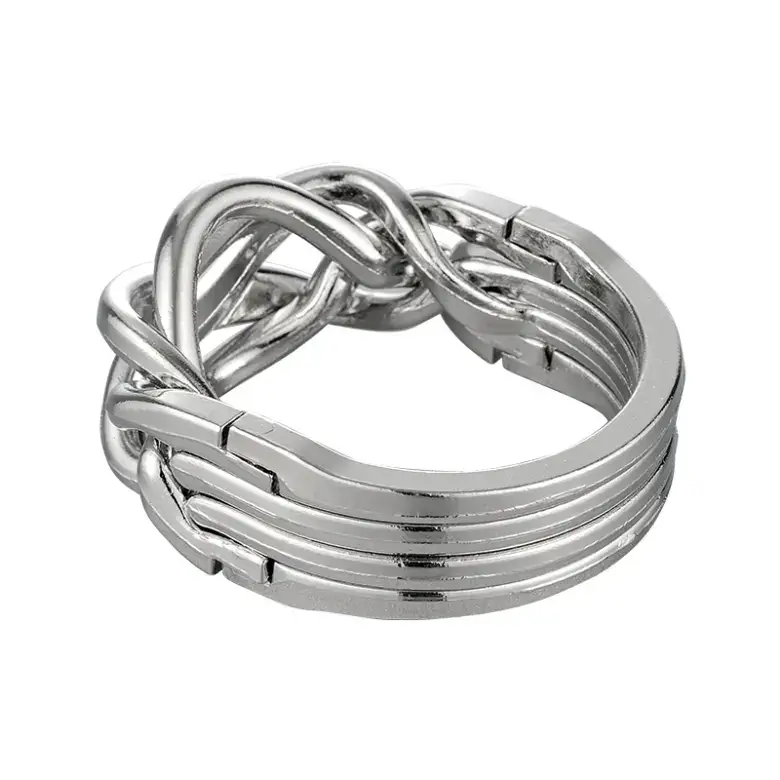
Choose based on how the solver likes to interact with a puzzle. Cast puzzles (like Hanayama) are for patient logic, with an average first-solve time of 30-90 minutes. Wire/Disentanglement puzzles are for tactile fiddlers and often solve in 5-20 minutes. For a quick overview, 70% of new solvers prefer starting with a Cast Level 3 or a simple wire loop puzzle.
Which Type of Metal Brain Teaser Is Right for You?
Let’s organize by what matters: the feel and the thinking style. Is your dad the type to fidget with something in his hands while thinking, or does he like to sit back, study a problem, and then execute a precise series of moves? The table below breaks down the four main types of metal brain teaser puzzles not by technical name, but by the experience they deliver.
| Type (What You'll See) |
Best For... |
Average First-Timer Solve |
How It Feels & Thinks |
Skip This Type If... |
| Cast Puzzles (e.g., Cast Coil, Dual Seahorse) |
The patient tinkerer. Someone who enjoys a deliberate, sequential logic workout. They like the heft and the satisfying click of parts aligning. |
30 min - 2 hours |
Feels: Solid, weighty, precision-machined. Thinks: "There's a hidden sequence. I need to find the key move." It's a mind-bending conversation starter for the desk. |
...the person gets frustrated easily or wants instant gratification. These require quiet concentration. |
| Disentanglement / Wire & Ring (e.g., Double-Ring Lian, 4 Band Ring) |
The fidgeter. Hands-on problem-solvers who love manipulating objects. Perfect for a pocket-sized challenge during a phone call or while watching TV. |
5 - 30 minutes |
Feels: Tactile, springy, sometimes bendy. Thinks: "If I twist this loop just so..." It's a fidget-friendly, spatial reasoning test. Here's our guide on solving ring puzzles if they get stuck. |
...they dislike repetitive motion or feel that 'bending wires' seems cheap. These are more about dexterity than deep logic. |
| Take-Apart / Lock Puzzles (e.g., S Lock, Grenade Lock) |
The quick-logic thinker. They enjoy a clear goal (open it!) and a clever, often trick-based solution. Great for a satisfying 'aha!' moment. |
2 - 15 minutes |
Feels: Mechanistic, like a tiny lock or weapon. Thinks: "What's the trick? Is there a hidden button or a specific twist?" It's a quick, satisfying puzzle to solve and show off. |
...they want a long, immersive challenge. These are often solved quickly once the trick is found and can feel less replayable. |
| Maze & Sliding Puzzles (e.g., Shuriken Gear, Magic Scroll) |
The visual-pattern solver. They like guiding a ball through a maze or sliding pieces into place. It's a smooth, often quiet, and meditative challenge. |
10 - 45 minutes |
Feels: Smooth, sliding, sometimes with rolling bearings. Thinks: "I need to map this path in my head." It's less about force and more about planning a route. Try a free online brain teaser game to see if they like this style. |
...they prefer 3D manipulation or hate small, precise movements. These can feel repetitive if you don't enjoy visual planning. |
How to use this table: Think about your dad's personality. Is he a fiddler? Look at Wire/Ring puzzles. A patient thinker? Go Cast. Wants a quick win? A Lock puzzle. This is the core decision that cuts through 90% of the confusion. As one Reddit user on r/mechanicalpuzzles put it: 'I wish I'd known the difference between cast and wire before I bought three frustrating puzzles I never touched again.' Don't let that be you. Check out our broader guide to the best metal puzzles for adults for more depth.
Let's match a puzzle to the person, not the other way around. Here are three common solver profiles and the types of metal brain teaser puzzles that will actually get used, not buried in a drawer.
Scenario 1: The Desk Tinkerer
Your dad enjoys having something in his hands during calls or while pondering. He likes smooth motions and doesn't mind a longer, quieter challenge. He appreciates good design that looks interesting on his desk even when not being solved.
Recommended Type: Mid-Level Cast Puzzles or Fidget-Friendly Mazes. These offer a satisfying heft and a solvable challenge that doesn't scream frustration. They're the ultimate desk toy.
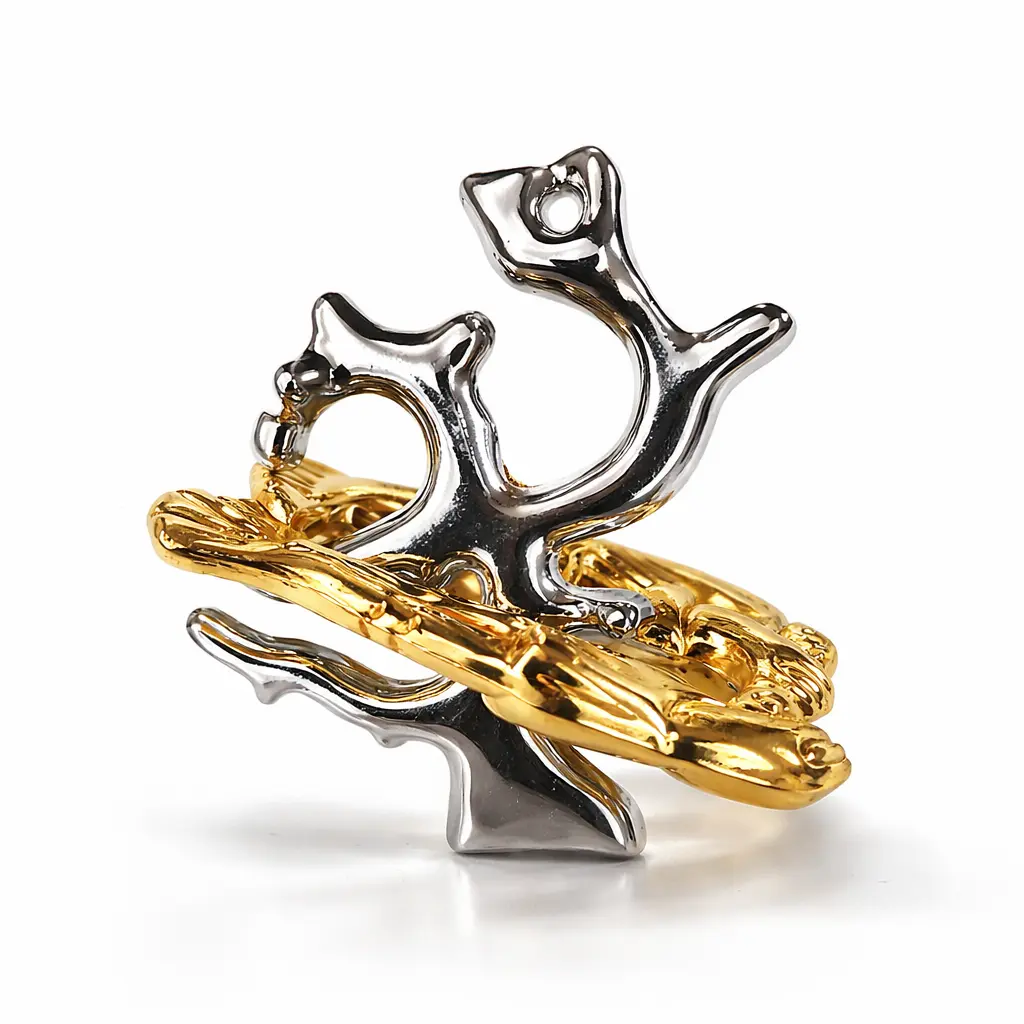
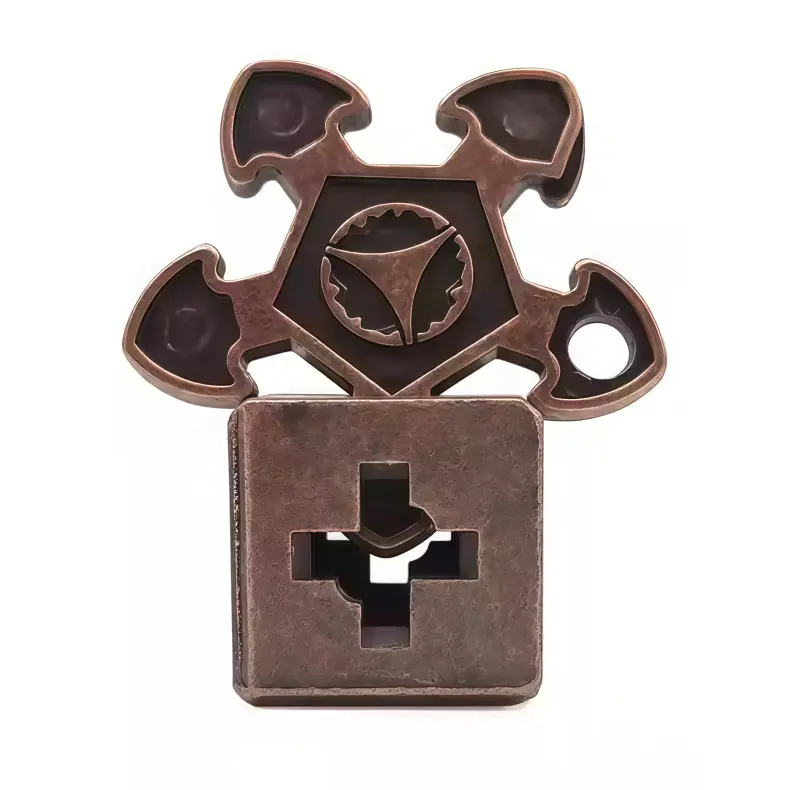
Top Pick: The Cast Coil Pocket Puzzle. It's a beautiful, spiraling logic puzzle with a incredibly smooth rotation. It feels amazing to manipulate, and the "aha" moment of its solution is deeply rewarding. It's a Level 3 difficulty—challenging but not demoralizing. For something more visual, the Shuriken Dart Edition Gear Puzzle is a silent, sliding maze that's mesmerizing to solve.
Next Step: Look for puzzles labeled around "Level 3" difficulty with words like "smooth," "rotating," or "coil." Avoid anything with sharp edges or tiny, fiddly parts.
Scenario 2: The Weekend Challenger
He sets aside time to crack a tough problem. He enjoys the journey as much as the solution and might not touch the puzzle again for a few weeks after solving it. He wants a feeling of genuine accomplishment.
Recommended Type: Multi-Part Cast Puzzles or Complex Disentanglements. These puzzles have clear steps and a definitive end state, providing a structured challenge perfect for a Saturday afternoon.
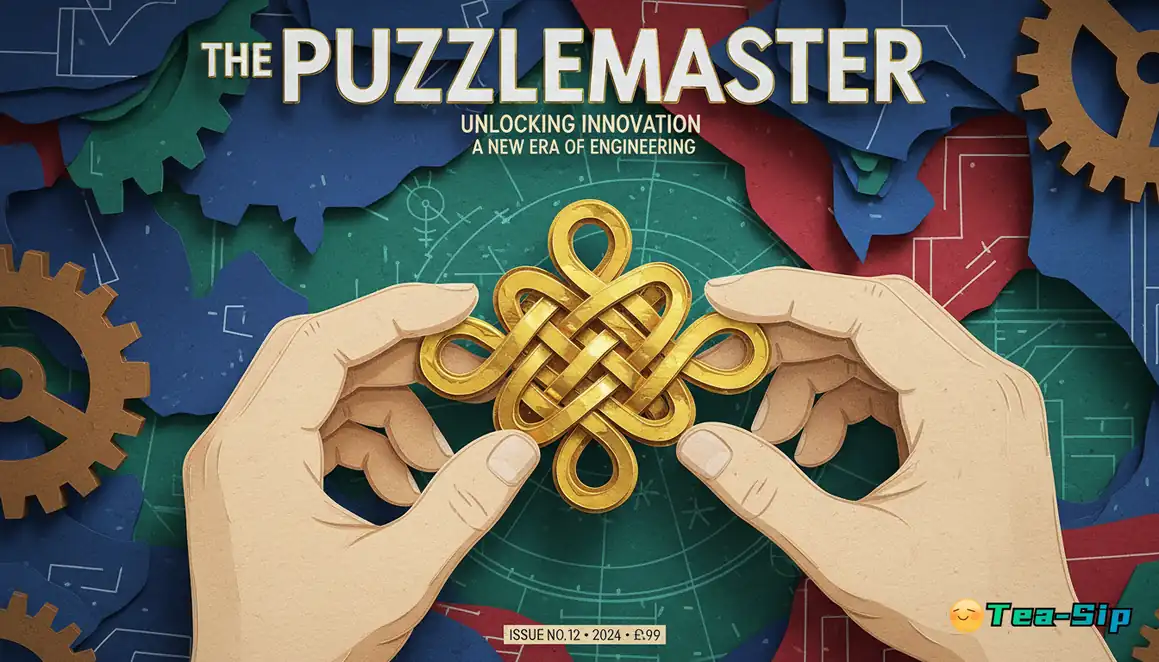
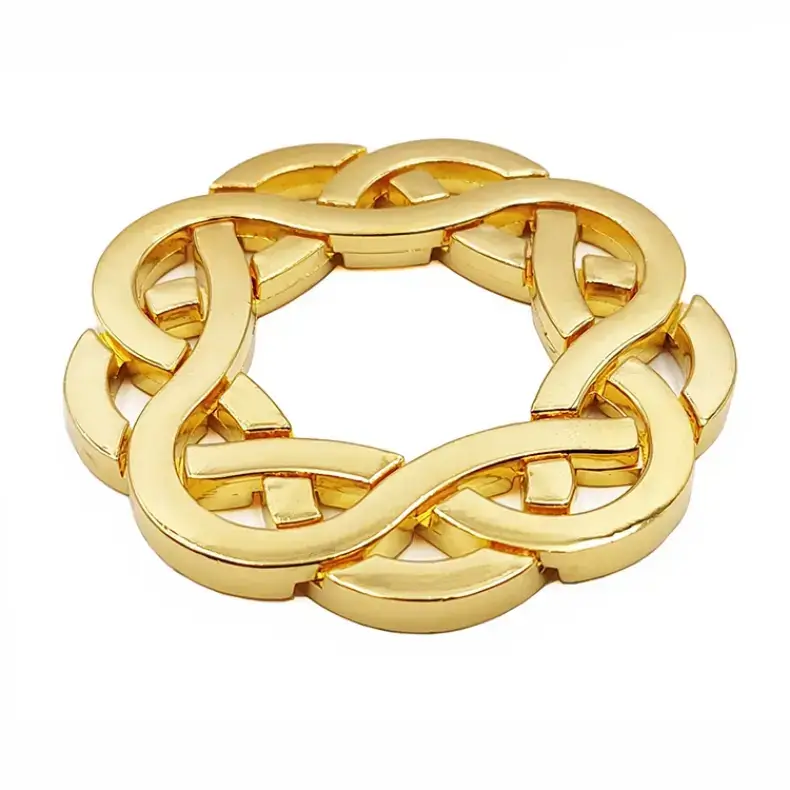
Top Pick: The 5 Piece Cast Spiral Metal Puzzle. This isn't a take-apart puzzle; it's an interlocking assembly challenge. Taking it apart is just the first step—the real test is putting it back together. It's a substantial, multi-stage logic workout. For a pure disentanglement test, the intricate Golden Chinese Knot Metal Puzzle is a beautiful and notoriously tricky classic.
Next Step: Seek out puzzles with multiple independent pieces or those described as "interlocking" or "assembly" challenges. The solve time should be advertised as 1+ hours.
Scenario 3: The Collector & Display Enthusiast
The puzzle is as much a visual art piece as a challenge. Your dad enjoys unique objects that spark conversation. The aesthetic is key—it must look good on a shelf or desk even when not in use.
Recommended Type: Figurative Cast Puzzles and Elegant Lock Designs. These puzzles have a strong thematic shape and are often made with two-tone metals for visual contrast.
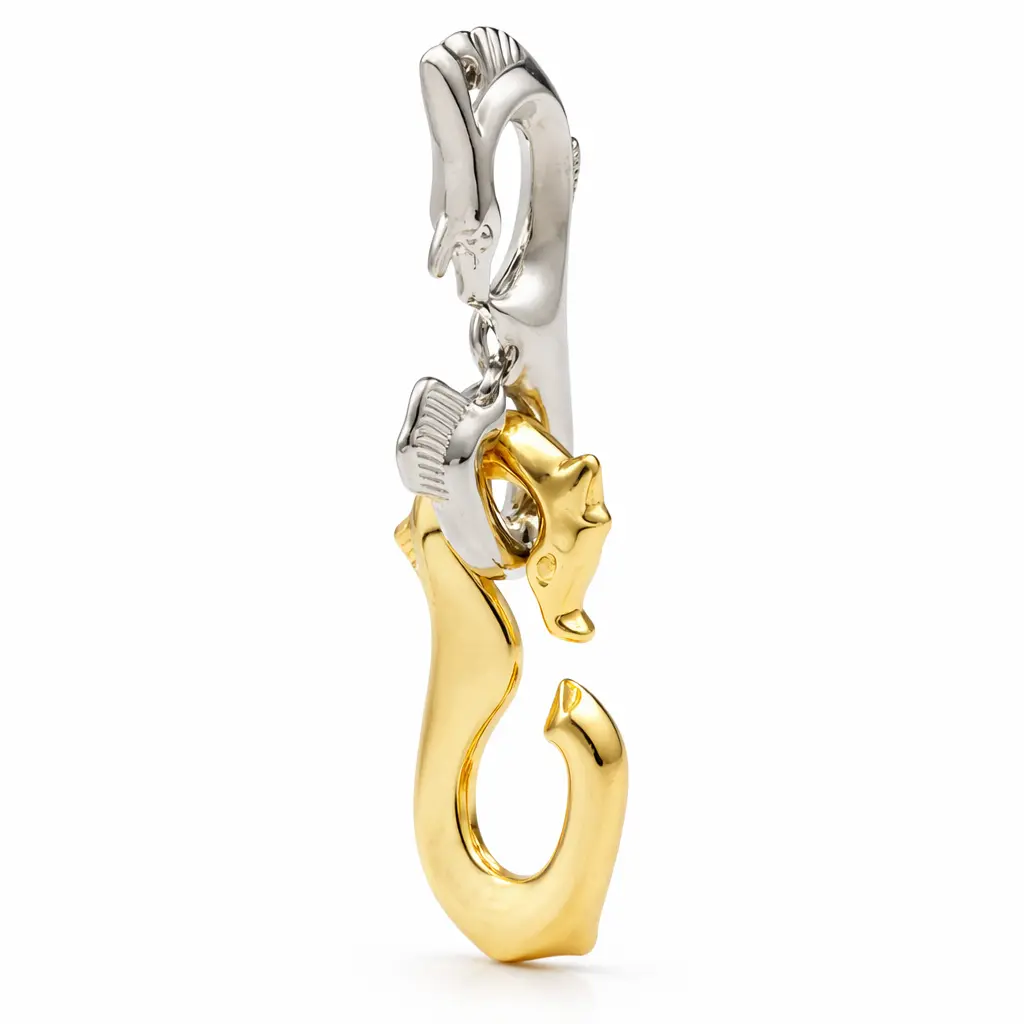
Top Pick: The Dual Seahorse Gold & Silver Brain Teaser. It's stunning. The gold and silver seahorses are intertwined in a way that seems impossible, making it a jaw-dropping display piece. The solution is clever and satisfying. For a more mechanical-art look, the Two Bull Head Lock Puzzle has a powerful, symbolic design that works as a sculpture.
Next Step: Focus on puzzles with animal, nature, or symbolic shapes. Two-tone metal finishes (gold/silver, bronze/silver) are a dead giveaway for display-worthy pieces. Read our skeptic's guide to metal brain teaser logic to appreciate the design thinking behind these.