Match metal puzzles to fine motor skills, not age. A child who can tie shoes easily and use small tools (typically 8-9 years+) is ready for entry-level metal puzzles. Research shows significant variation in fine motor control among 8-12-year-olds, making dexterity-based grading more reliable than broad age ranges.
How Do You Match a Metal Puzzle to Your Child's Actual Skill Level?
Forget the box. The real question is: can your child manipulate small objects with control, and do they have the patience to tinker? Here’s how to compare puzzles based on what actually matters for a successful, satisfying solve.
| Level & Price |
Fine Motor Skill Readiness |
Frustration Factor |
Coolness to Show Friends |
Skip This Tier If... |
Beginner ($11-$14)
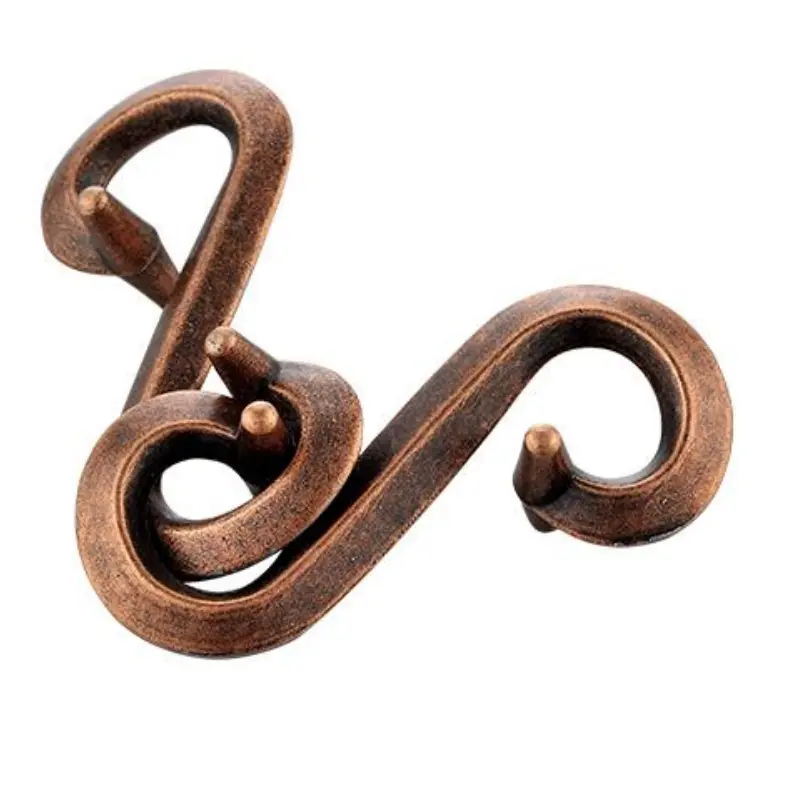
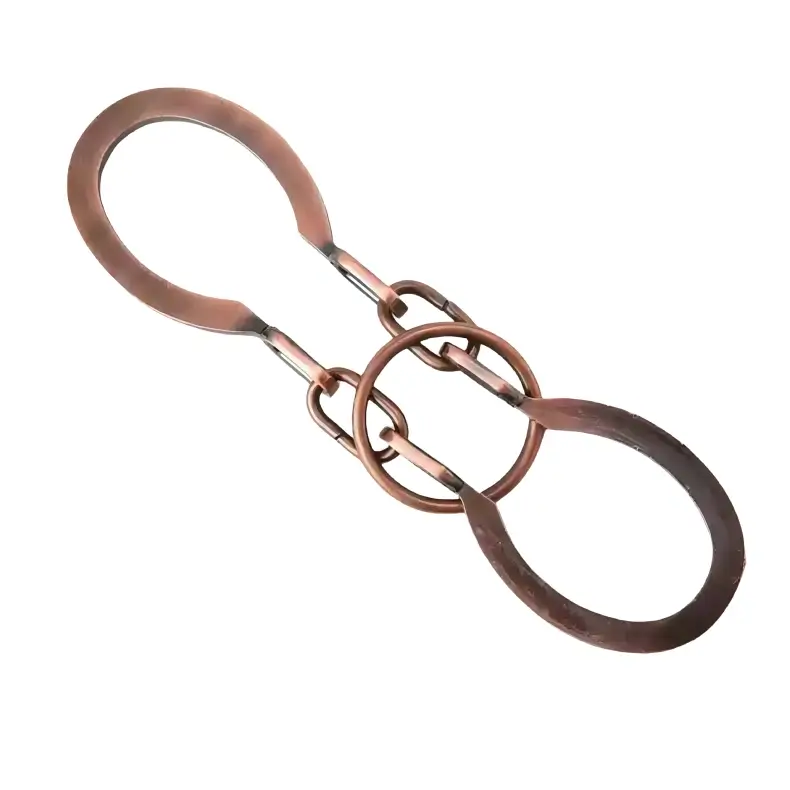
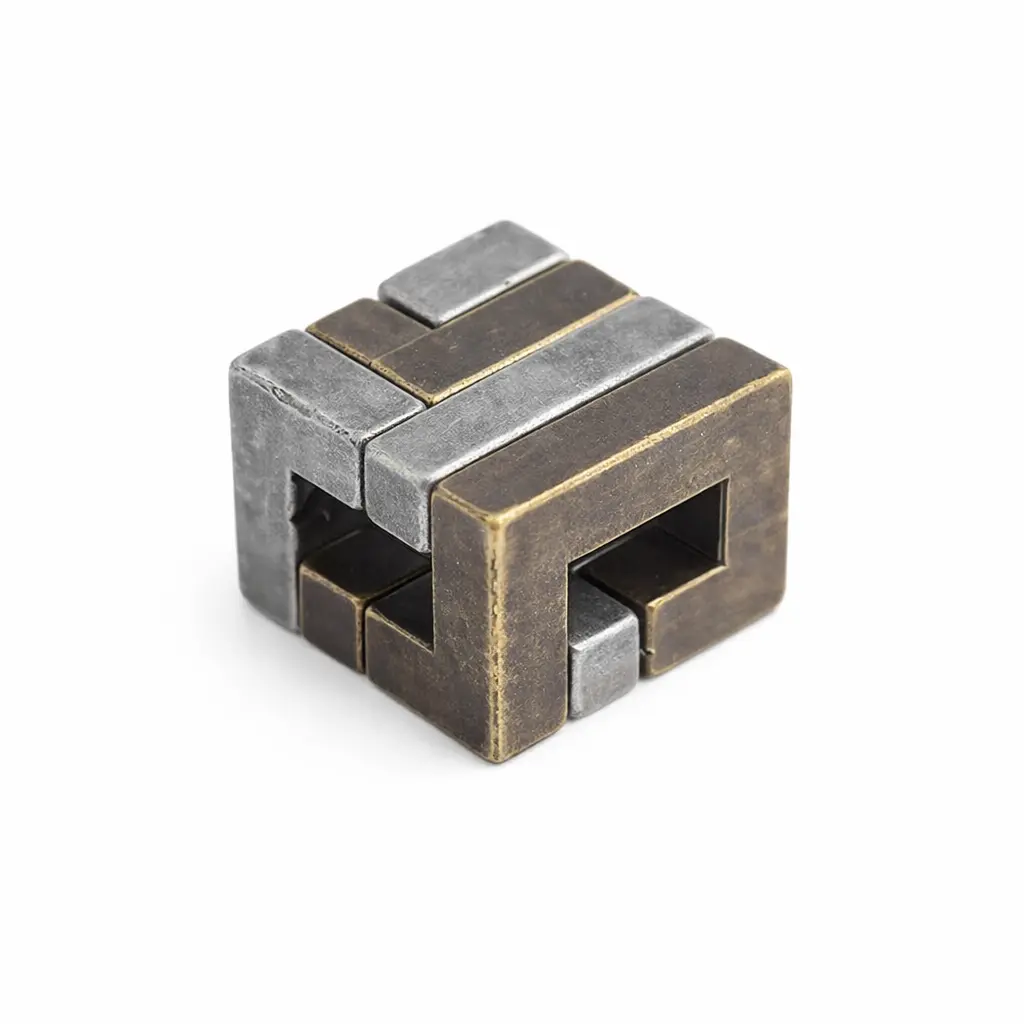
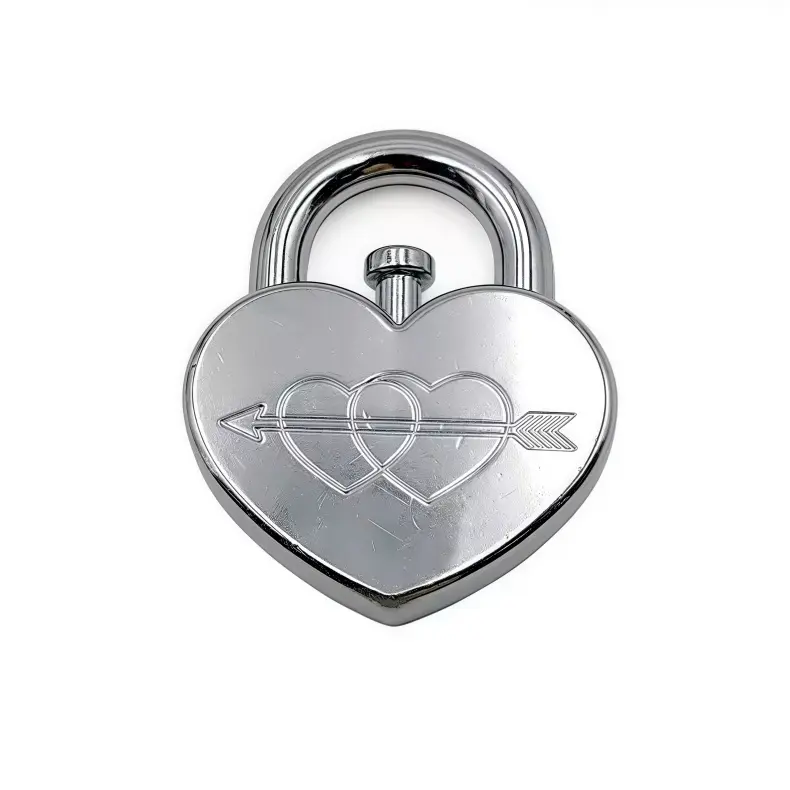
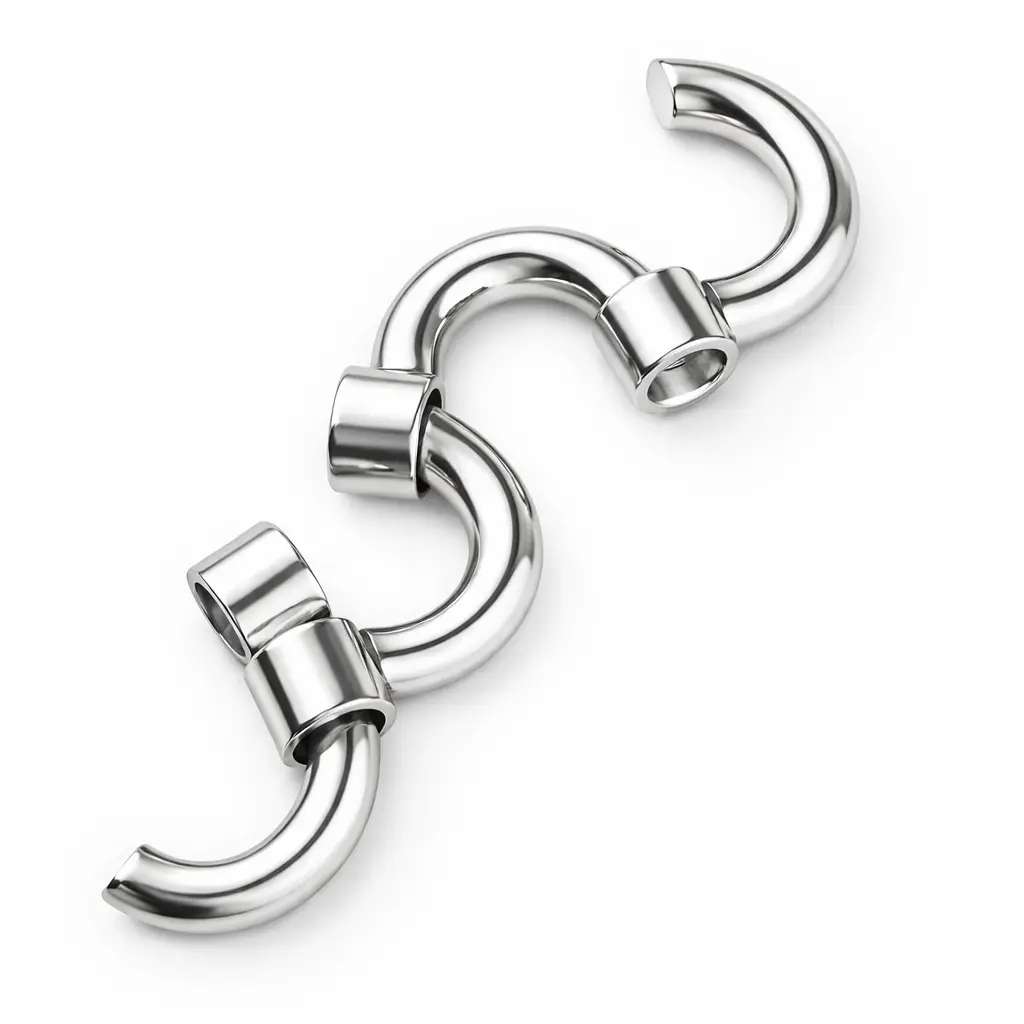
Example: Alloy S Lock, Horseshoe Lock |
Child can easily button shirts, build with small LEGO, use tweezers. Usually corresponds to a realistic starting age of 8-9+. Pieces are chunkier, movements are broader. |
Low-Medium. Solutions often involve 1-3 obvious moves. The 'aha!' moment comes quickly, building confidence. Perfect for that first metal puzzle win. |
Moderate. Looks neat but the solve is simple. The 'wow' is more about 'I solved a metal puzzle!' than the puzzle itself. |
...your child is easily bored by quick wins or has already mastered similar disentanglement toys. They need a steeper challenge. |
Intermediate ($13-$20)
Example: Cast Coil Pocket, Starfish Ring |
Excellent fine motor control: can do intricate crafts, manipulate small keys. Realistic age 10-11+ for bright, patient kids. Requires precise alignment and sequential thinking. |
Medium. May stump them for an hour or an afternoon. Involves hidden steps or trick moves. The satisfaction of 'figuring it out' is high. |
High. These often look like elegant objects or jewelry. Solving a sleek puzzle ring feels incredibly impressive to peers. |
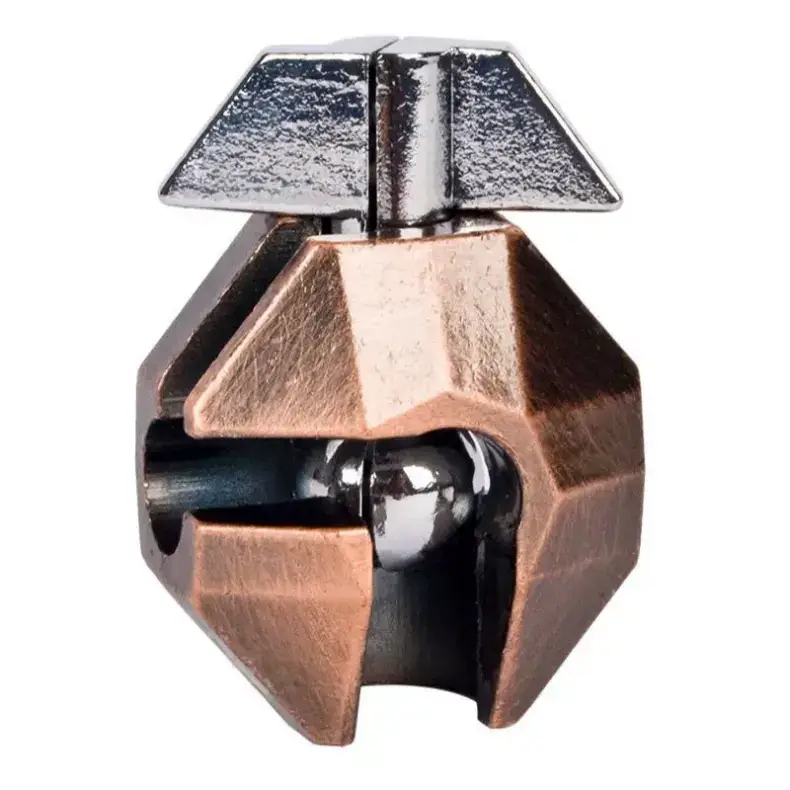
...your child gets frustrated easily without quick progress or has weaker finger strength. Start with Beginner to avoid shelf-dwelling. |
Advanced ($14-$26)
Example: Cast Coil Triangle, Cast Galaxy |
Teen-level dexterity and significant patience. Realistic age 13+. Requires manipulating multiple interlocked pieces with very small tolerances. Not about strength, but finesse. |
High. Can take days or weeks of periodic tinkering. Designed to truly challenge. The 'satisfying click' upon solving is epic. |
Variable. Some look abstract and cool to puzzle fans; others may look simple but are deceptively complex. The coolness is in the achievement. |
...this is a first-time gift or for a child who needs instant gratification. This tier is for the dedicated puzzle enthusiast ready to level up. |
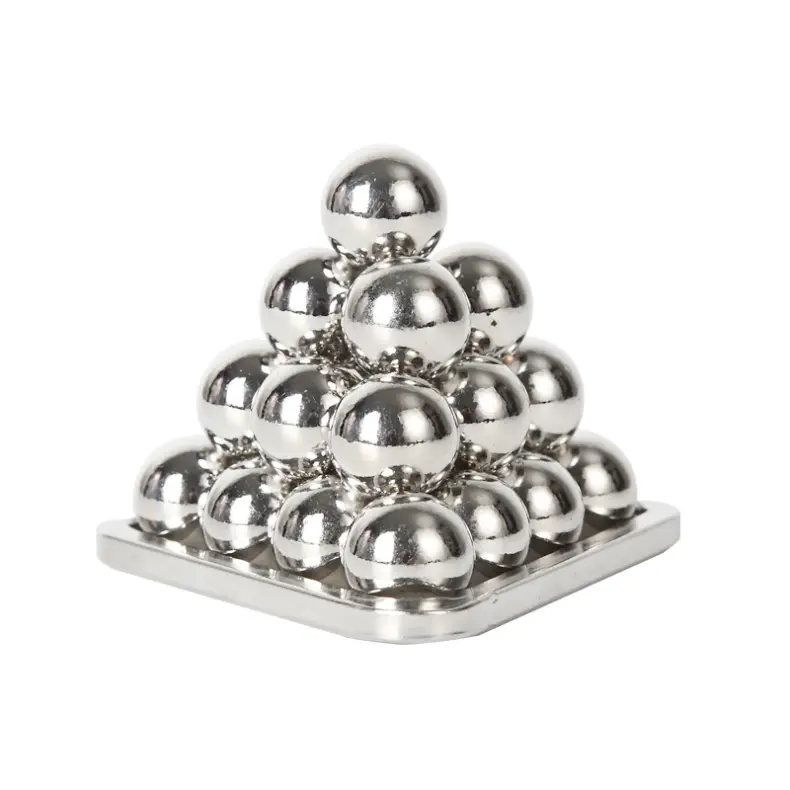
Safety Check for All Tiers: Thankfully, most modern metal puzzles for kids have rounded, burr-free edges. The real safety check is for detachable tiny parts (like the small steel balls in the Pyramid Puzzle). These are a choking hazard for under-3s and a 'lost under the couch forever' hazard for everyone else. For kids under 12, stick to puzzles that are one solid piece or have large, interlocked components.
Your Next Step: Think about how your child played with other toys. Were they meticulous with model kits? Start with Intermediate. Did they give up on a Rubik's Cube? Begin with Beginner. Then, pick one from the matching tier above.
It's not just about age or skill—it's about the moment. Matching the puzzle to the right scenario guarantees it gets used and loved. Here’s the real-world breakdown.
The First Metal Puzzle (Beginner)
The Situation: Your child conquered jigsaws and is eyeing your desk toys. They need a clear win to hook them. You want something with intuitive moves and no sharp edges.
The Pick: The Horseshoe Lock Puzzle. It’s chunky, feels great in hand, and the solution is logical. The 'click' when the ring releases is immensely satisfying. One parent on a forum shared, 'My 9-year-old solved it in 10 minutes and immediately ran to show dad—that confidence boost was priceless.'
Do This: Hand it to them assembled. Say, "Can you figure out how to get the ring off?" Let them tinker without hints.
The Desk Fidget (Tactile Satisfaction)
The Situation: You need an alternative to screen time that’s quiet, pocket-sized, and offers repeating tactile fun. The goal isn't to be stumped, but to enjoy the rhythm of solving.
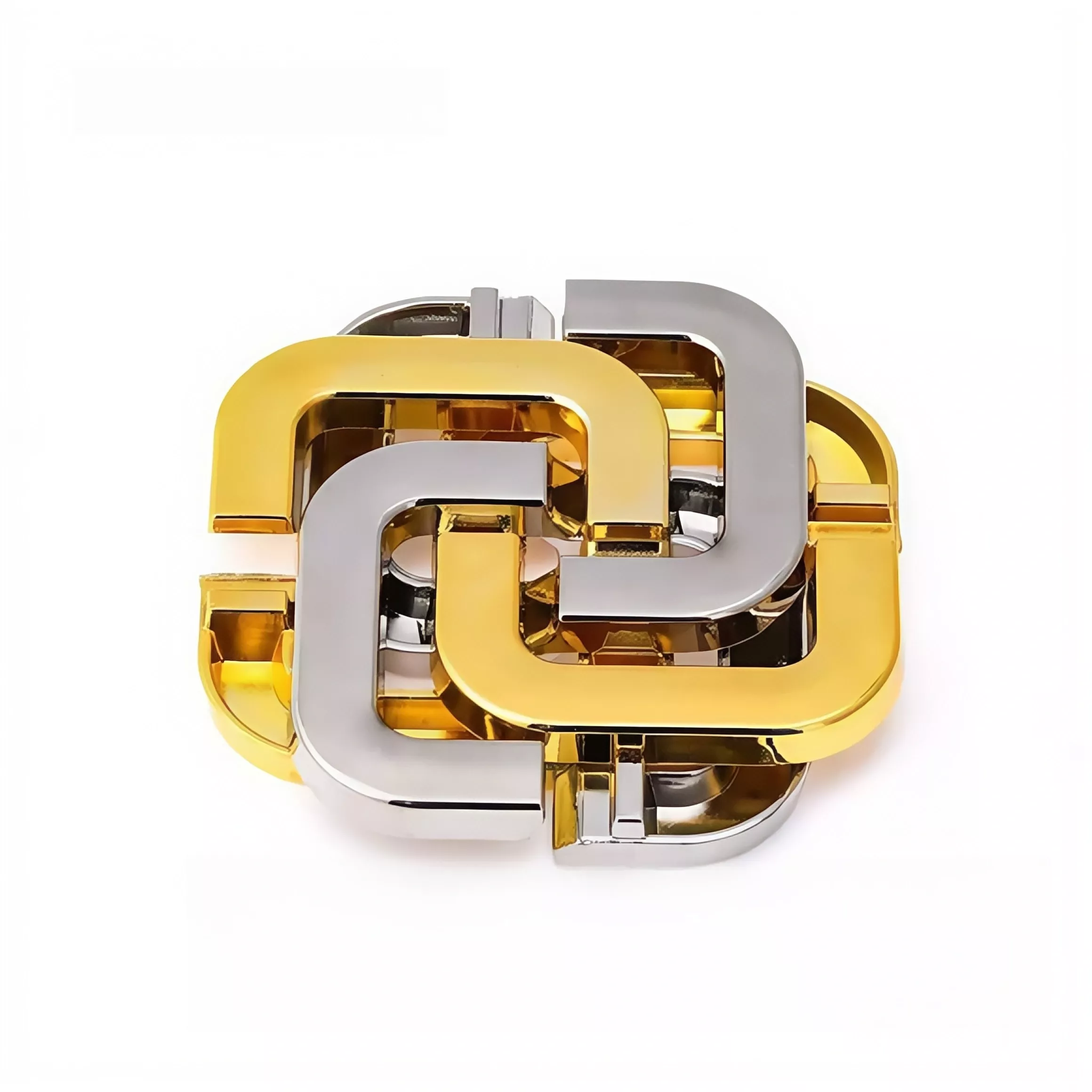
The Pick: The Cast Coil Pocket Puzzle. It’s a smooth, fidget-friendly sequential mover. Once learned, the solve is a calming, almost meditative series of twists and slides. Perfect for quiet time or long car rides.
Do This: Let them learn the solve, then challenge them to do it faster with their eyes closed. It becomes a personal dexterity game.
The Gift to Stump Friends (Social Challenge)
The Situation: The birthday kid loves being the expert. You want a gift that becomes a social centerpiece—something they can master and then delightfully watch their friends struggle with.
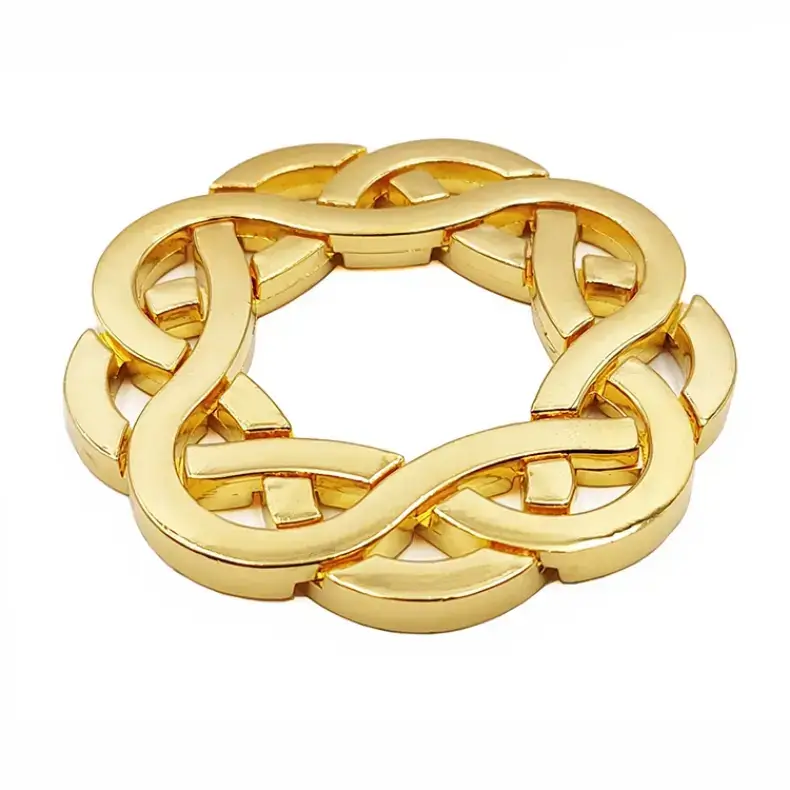
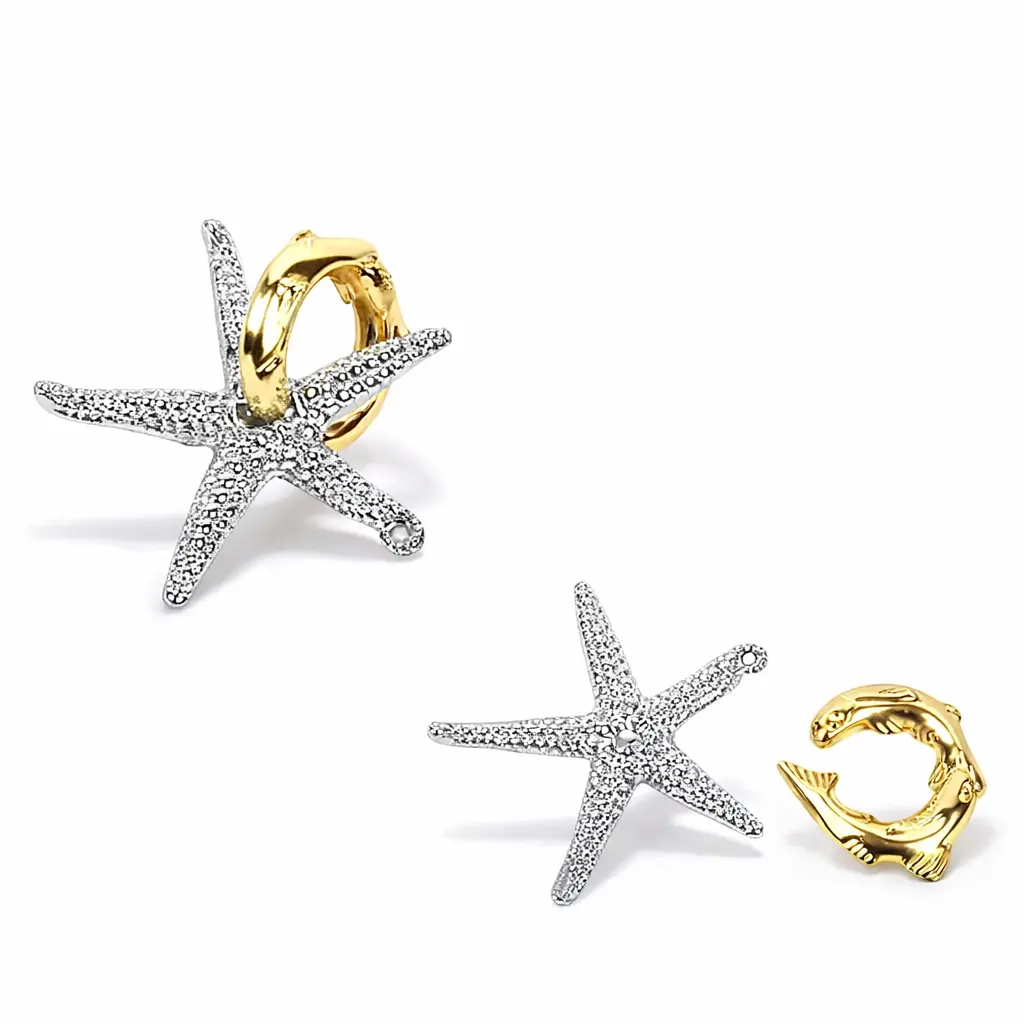
The Pick: The Metal Starfish Puzzle Ring. It looks like beautiful jewelry, not a 'puzzle.' The mechanism is clever but not impossible. As one Reddit reviewer noted, 'My 12-year-old daughter took it to a sleepover. They passed it around for an hour—total hit.'
Do This: Gift it solved on their finger. The implicit challenge is, "Can you take it off and put it back on?"
The Family Pass-Around (Collaborative)
The Situation: You want a shared activity, not a solo silo. This is for the coffee table, where different family members can pick it up, make a little progress, and leave it for the next person.
The Pick: The Cast Galaxy 4-Piece Silver. With four distinct pieces, it feels like a team project. It’s complex enough that brainstorming together is helpful, and the 'Eureka!' moment is shared. It’s a great gateway to parent-child learning through play.
Do This: Leave it on the coffee table with a notepad. Let everyone jot down ideas or sketches of what they tried.
The clock is ticking for that birthday party. Let's cut to the chase and match based on the kid's personality, not just their age. Here’s your last-minute gifting flowchart.
For the Patient Problem-Solver (The Kid who builds elaborate LEGO)
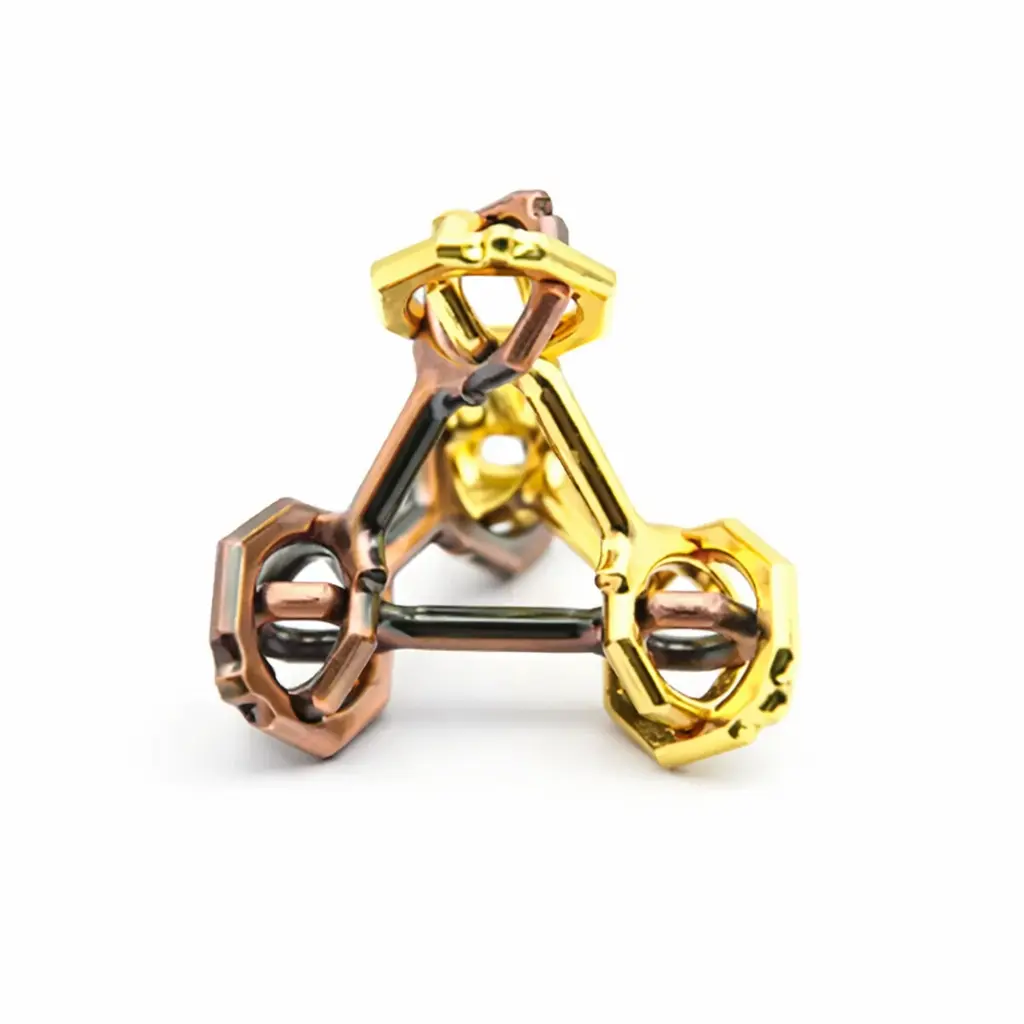
Gift: An intermediate challenge they can sink their teeth into. The Cast Coil Triangle Puzzle is a beautiful, substantial-feeling puzzle with a non-obvious solution. It will take dedicated tinkering over a few sessions.
Presentation Tip: Wrap it unsolved. Include a handwritten note: "For the master builder. Can you conquer the triangle?"
For the Visual/Tactile Learner (The fidgety artist)
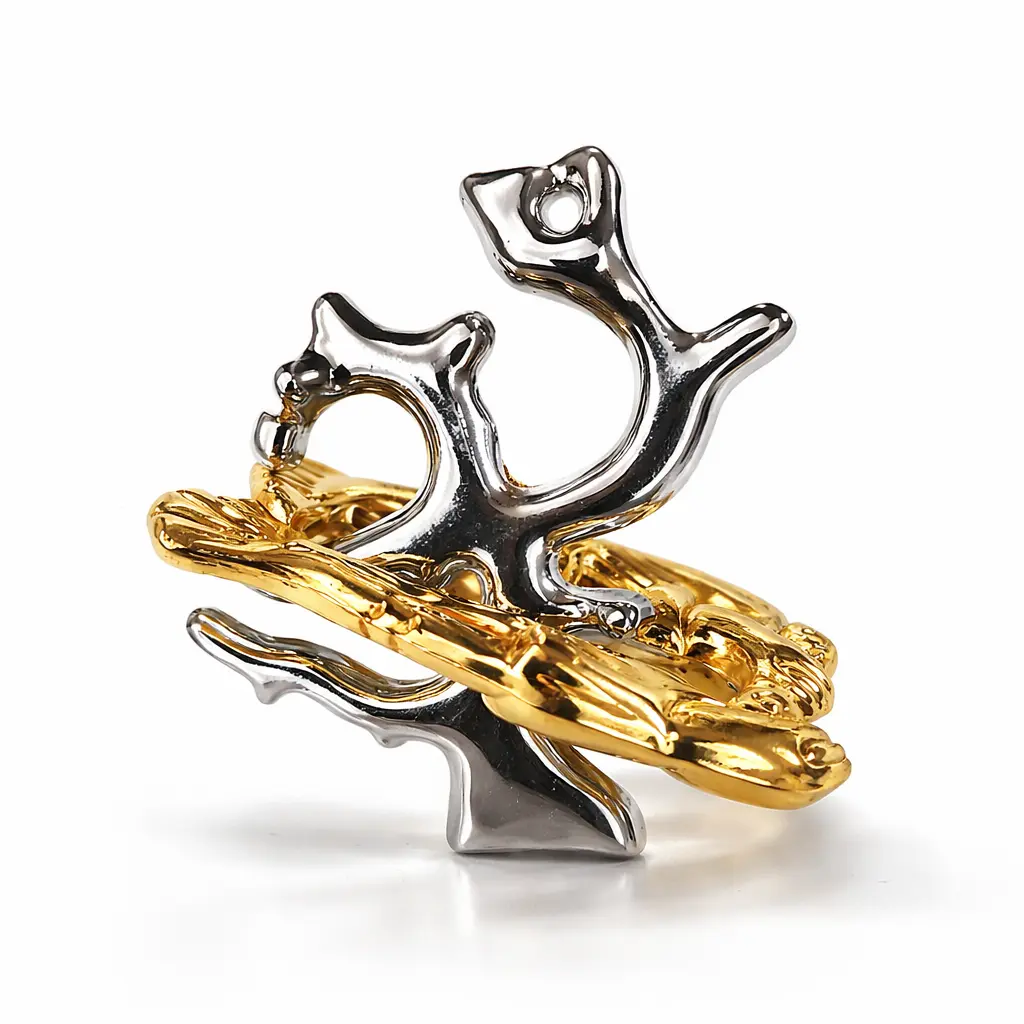
Gift: Something beautiful and manipulative. The Gold Fish & Silver Coral Reef Cast is stunning and involves aligning two detailed pieces. It’s as much about appreciating the design as solving it.
Presentation Tip: Present it solved as a display piece on a small stand or in the box. The challenge becomes, "Can you take it apart and recreate this art?"
For the Social Challenger (The kid who loves games with friends)
Gift: A pack with variety. While not a single product from our list, a set like the popular Coogam 16-pack (a common Amazon find) is ideal here. It offers multiple difficulty levels, so they can start easy, learn the 'language' of metal puzzles, and have a whole arsenal to stump their friends with. It’s the ultimate high-value, high-fun option for this personality.
Presentation Tip: Give them the whole pack. Tell them their mission is to become the 'puzzle master' and challenge everyone at the next party.
Urgency Frame: For a Saturday birthday, order a multi-pack like the Coogam by Tuesday for best shipping odds. It’s the safe, high-value choice with puzzles to grow into. If you want one stunning showstopper, the Hanayama Cast Ring (Level 2 equivalent) ships fast and almost always gets a 'whoa, cool'. Remember, the gift isn't just the object—it's the experience of figuring it out. A little presentation goes a long way.