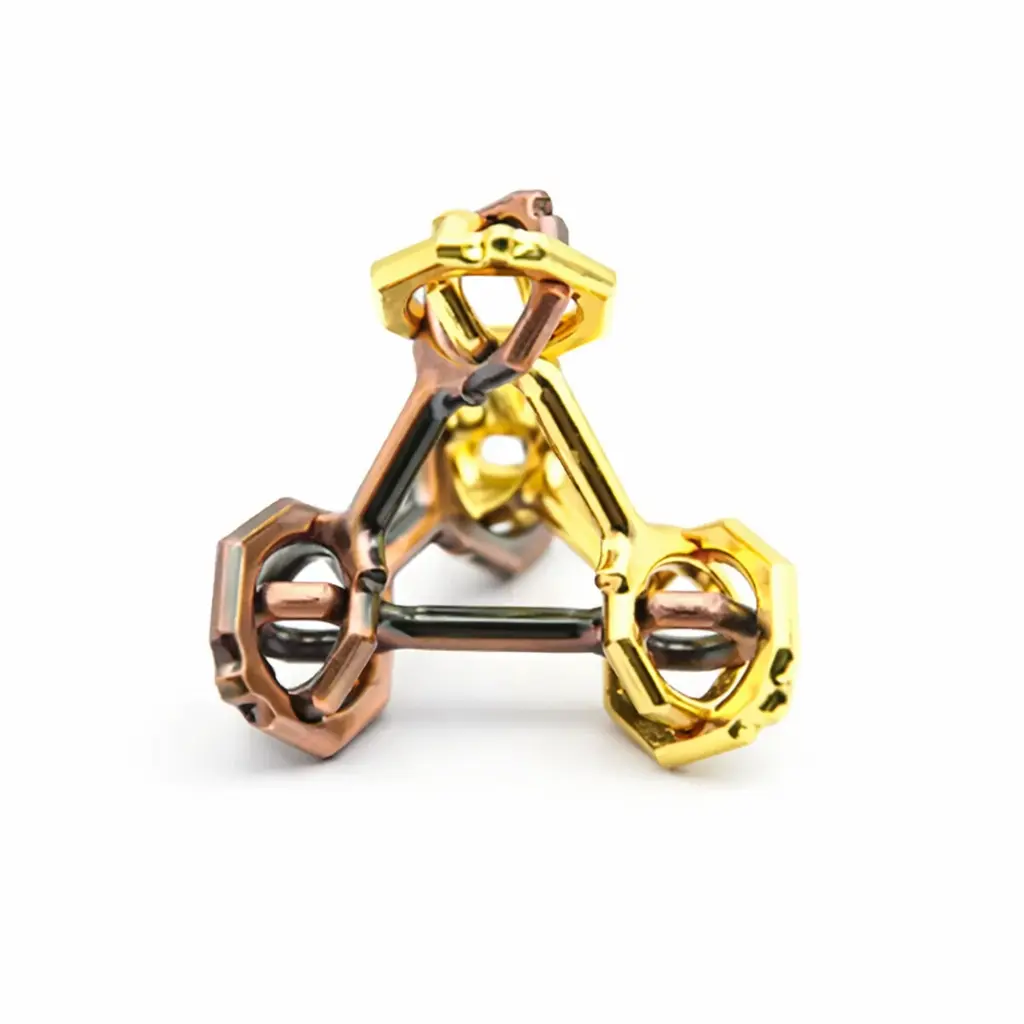
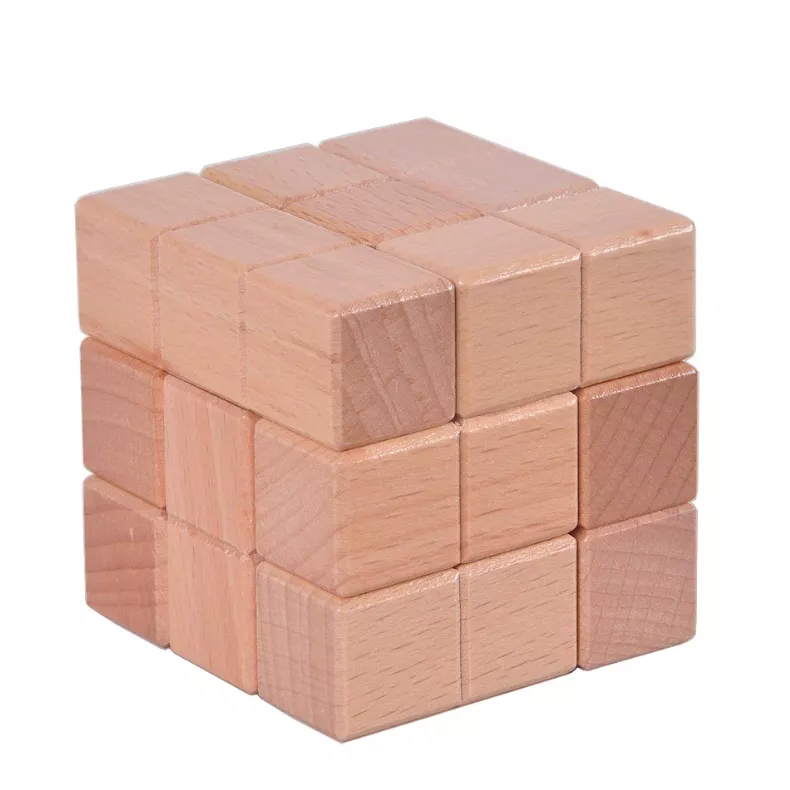
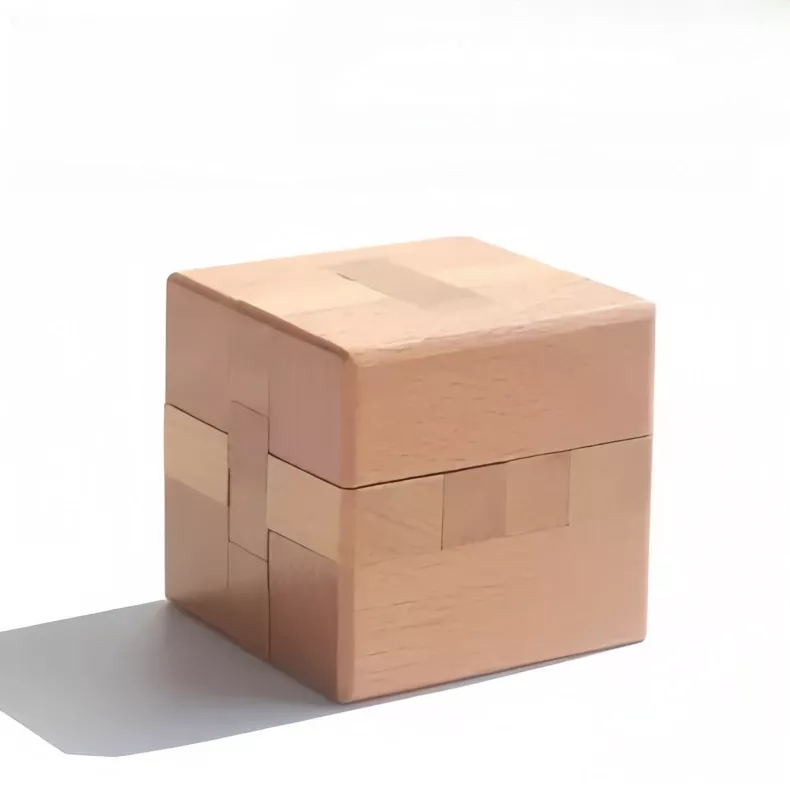
Choose your first disentanglement puzzle by prioritizing a high 'satisfaction factor' over raw difficulty. Opt for puzzles labeled 'Beginner' or 'Level 1-2' from reputable series like Hanayama, which have been tested for a logical, discoverable solution path. A 2018 study in the Journal of Problem Solving found that puzzles with clear, incremental 'aha!' moments significantly boost persistence and enjoyment in new solvers. Aim for a palm-sized, 2-4 piece metal or smooth wood puzzle under $20.
How Do I Choose My First Disentanglement Puzzle?
Think of your first puzzle like a first date—you want it to be engaging, not traumatizing. The goal is that sweet 'eureka moment,' not hours of silent rage. So, forget comparing just price or brand. Here’s how to shop like a pro, focusing on what actually makes a puzzle fun to own.
Skip-This-Tier Warning: If a puzzle is under $8, made of flimsy, sharp-edged metal or splintery wood, and looks like a Gordian Knot designed by a troll... skip it. These are the 'infuriating novelties' that end up in drawers. A good puzzle should frustrate your mind, not hurt your hands.
| What to Compare |
Why It Matters for Your First Puzzle |
What to Look For |
| Satisfaction Factor |
This is the core of the hobby. Does the solution feel clever and earned, or random and cheap? A high satisfaction factor keeps you coming back. |
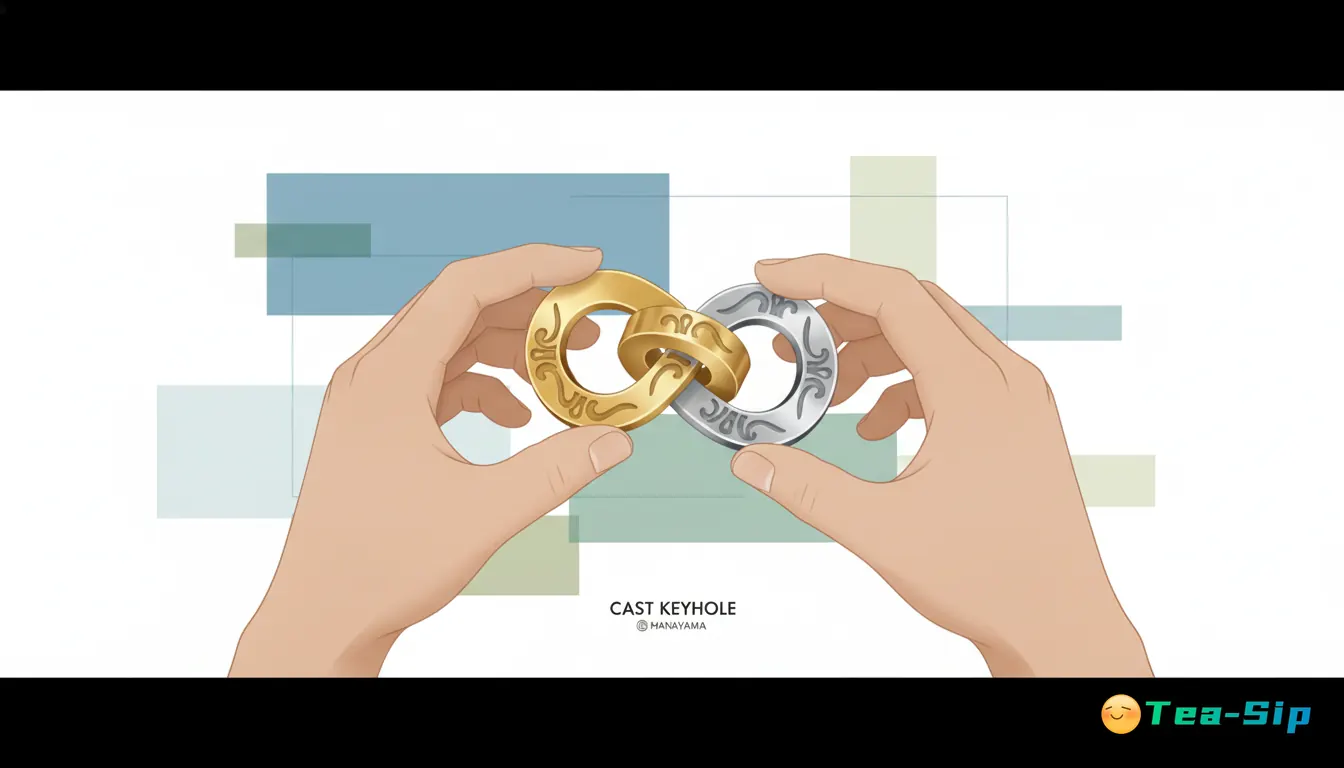
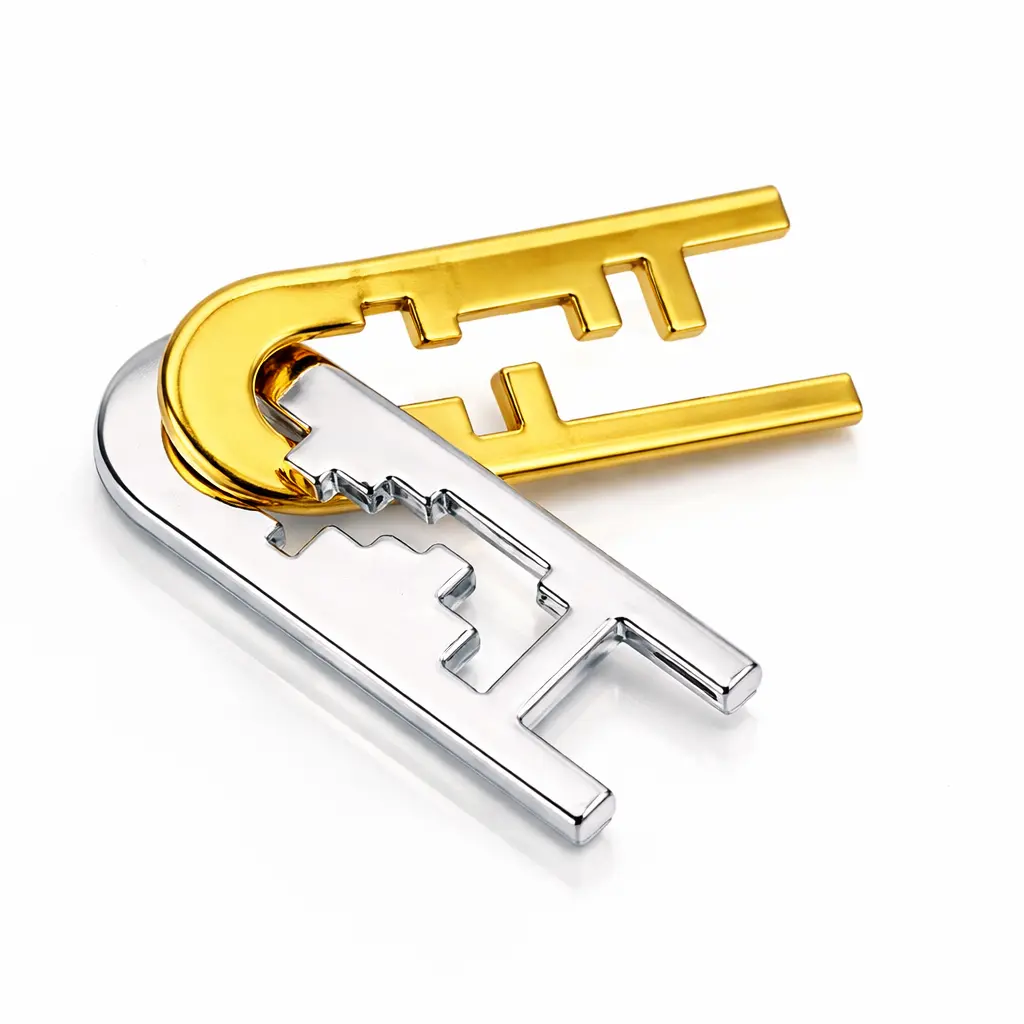
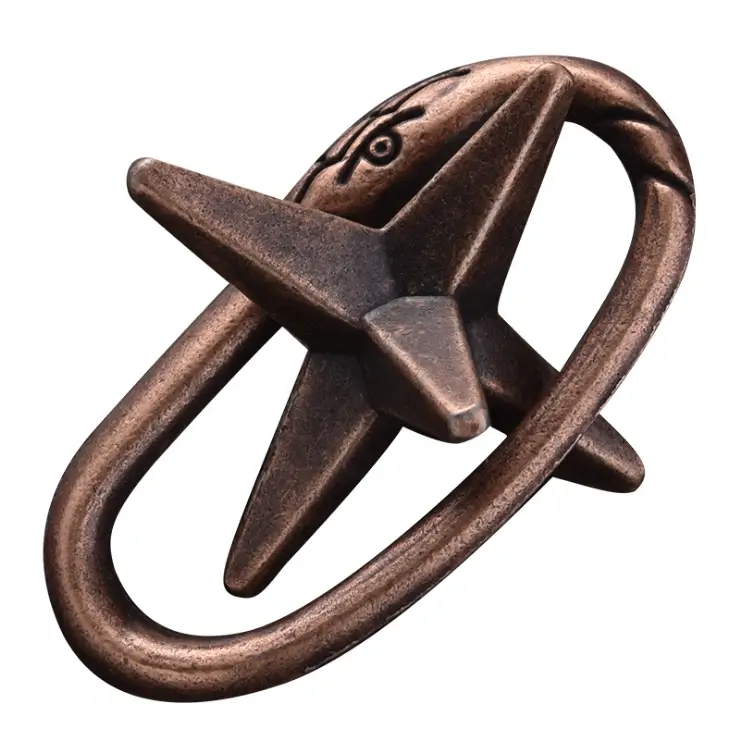
Puzzles where pieces move in unexpected but logical ways. The Cast Keyhole is a masterclass—the solution is deceptively simple but feels genius. |
| Commute-Friendly Size & Noise |
If you want a fidget for travel, size and clank matter. A loud, multi-part puzzle is not subway-friendly. |
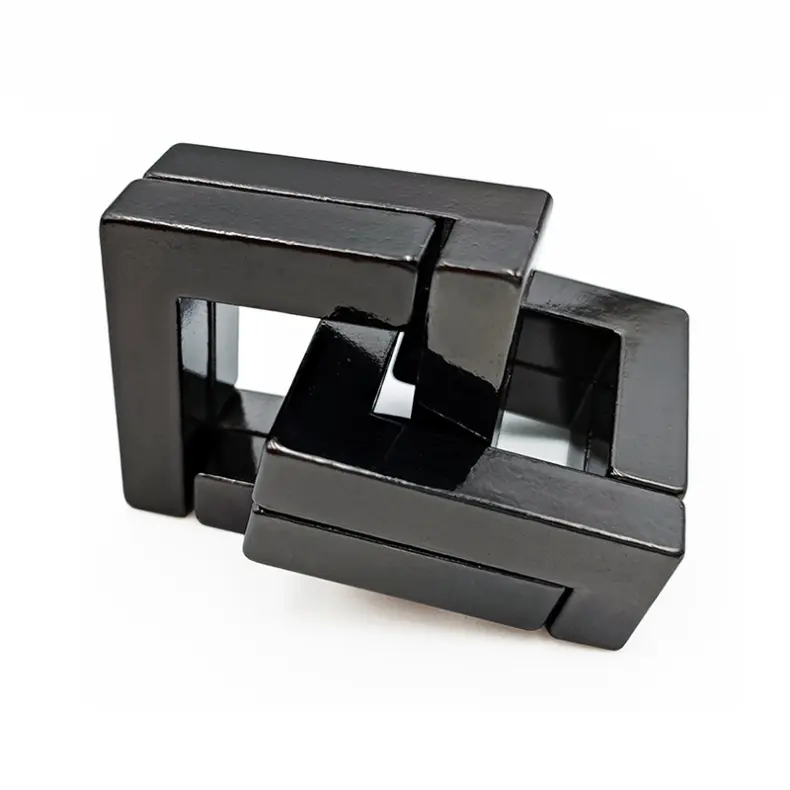
Pocket-sized, 1-2 primary pieces. Metal puzzles with tighter tolerances (like the Horseshoe Lock) click softly, don't rattle. |
| Material Feel (Tactile Satisfaction) |
The weight and texture are part of the experience. This is a hands-on hobby. |
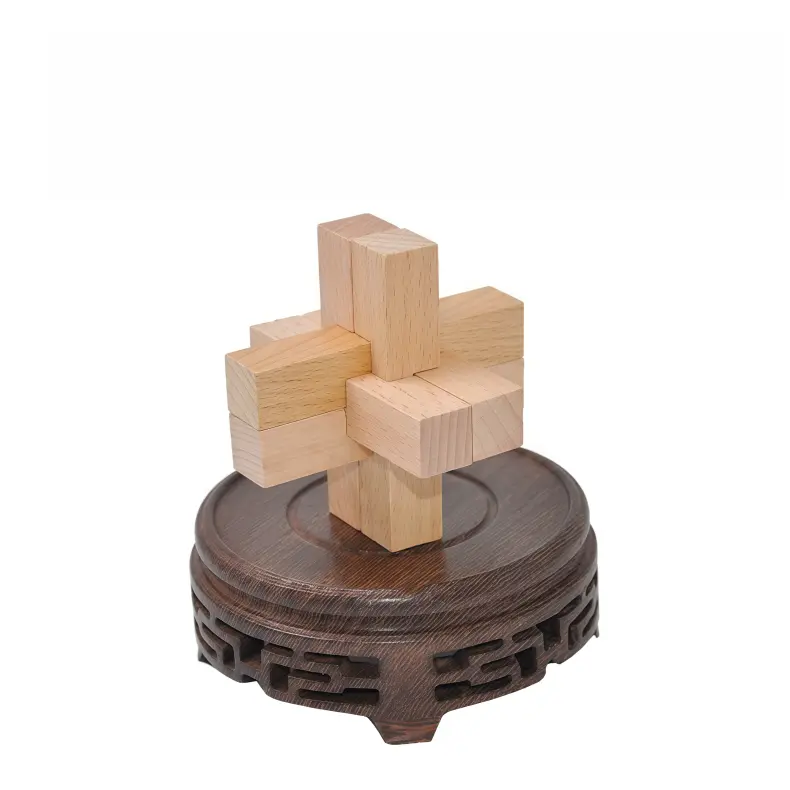
Smooth, rounded metal with a solid heft (think a satisfying door knob), or sanded, silky wood like in our Luban Cube. |
| Replayability |
Can you solve it again quickly, or is it a one-trick pony? Good replay value makes it a great desk toy. |
Puzzles with a satisfying, memorable sequence (like the Four-Square Lock) are fun to reset and solve periodically. |
The biggest takeaway? Start simple. A 'Beginner' puzzle from a trusted line guarantees a designed experience, not chaos. Solving it builds the confidence to tackle harder ones. For a deeper dive into metal-specific picks, see our list of expert-ranked metal disentanglement puzzles.
Your Next Action: Look at the difficulty chart below. Honestly assess your patience level today, and pick from the 'Beginner' or 'Confident Beginner' tier.
Not all puzzles serve the same purpose. Matching the puzzle to your moment is the secret to maximum enjoyment. Here’s a quick guide to finding your puzzle soulmate.
The Desk Fidget: You need something to busy your hands during calls or deep thought. This puzzle should be smooth, quiet, and infinitely replayable with a solve time of 1-5 minutes once you know it.
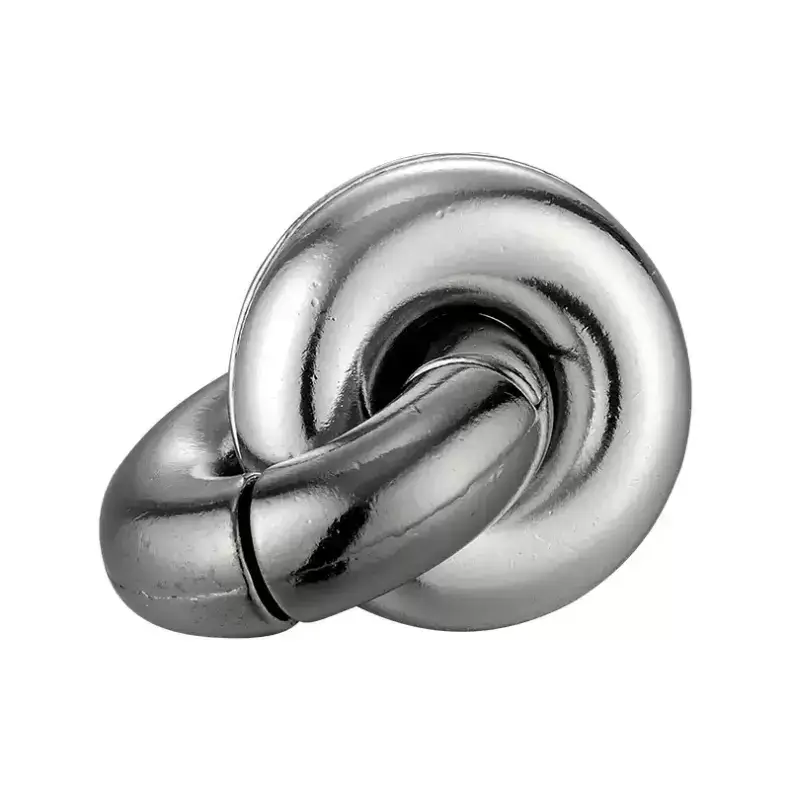
Perfect Picks: The Cast Coil Triangle (endless twisting) or the Tricky Wooden Ring (silent, rhythmic solving).
The Thoughtful Gift (That Says 'You're Clever'): It looks beautiful on a shelf, feels premium in the hand, and isn't so hard it ruins Christmas. Presentation and a satisfying 'aha!' are key.
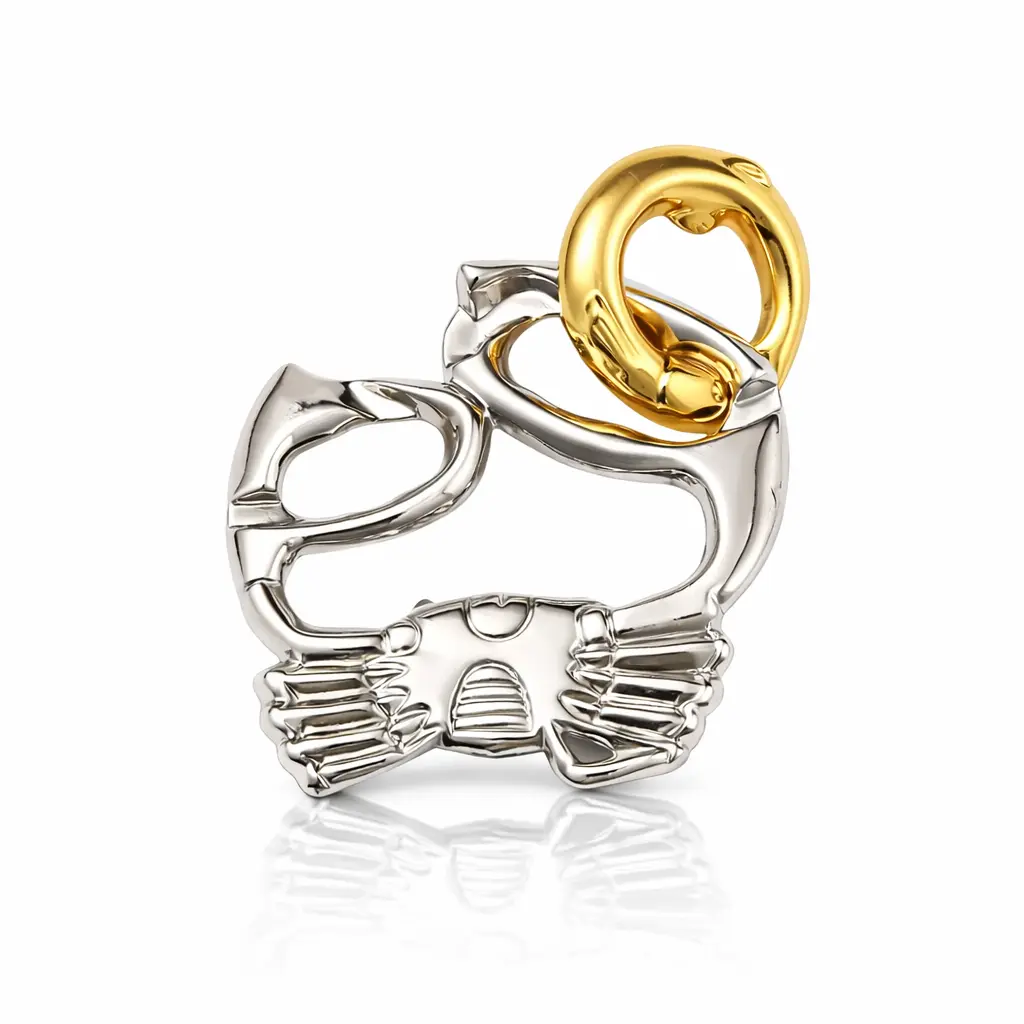
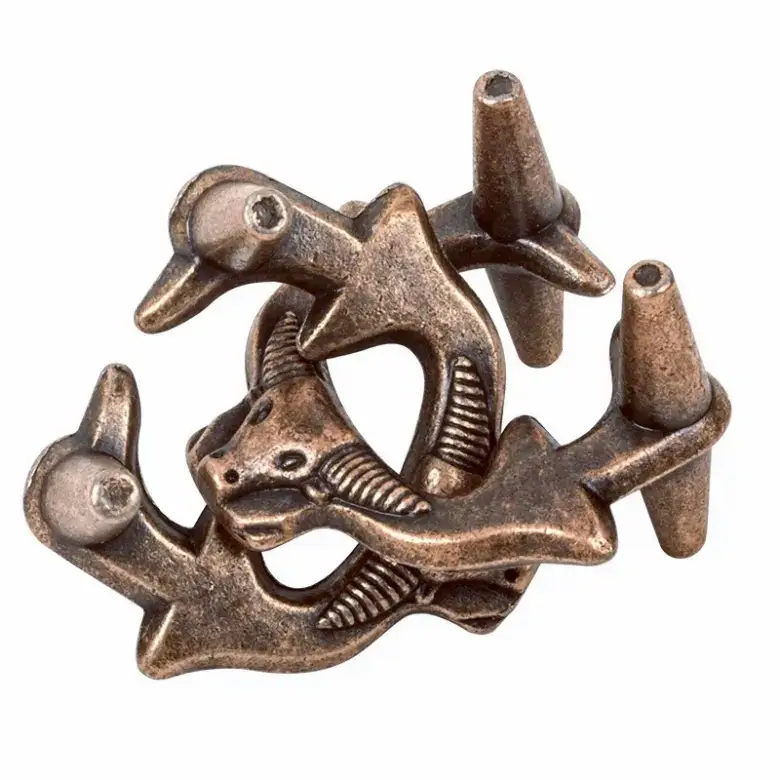
Perfect Picks: The gorgeous two-tone Cast Keyhole or the intricate Metal Crab Puzzle. They feel special and solve beautifully.
The Solo Deep Challenge: This is for a rainy afternoon when you want to truly disappear into a problem. You're okay with it taking days, with breaks. Complexity and depth are the goals.
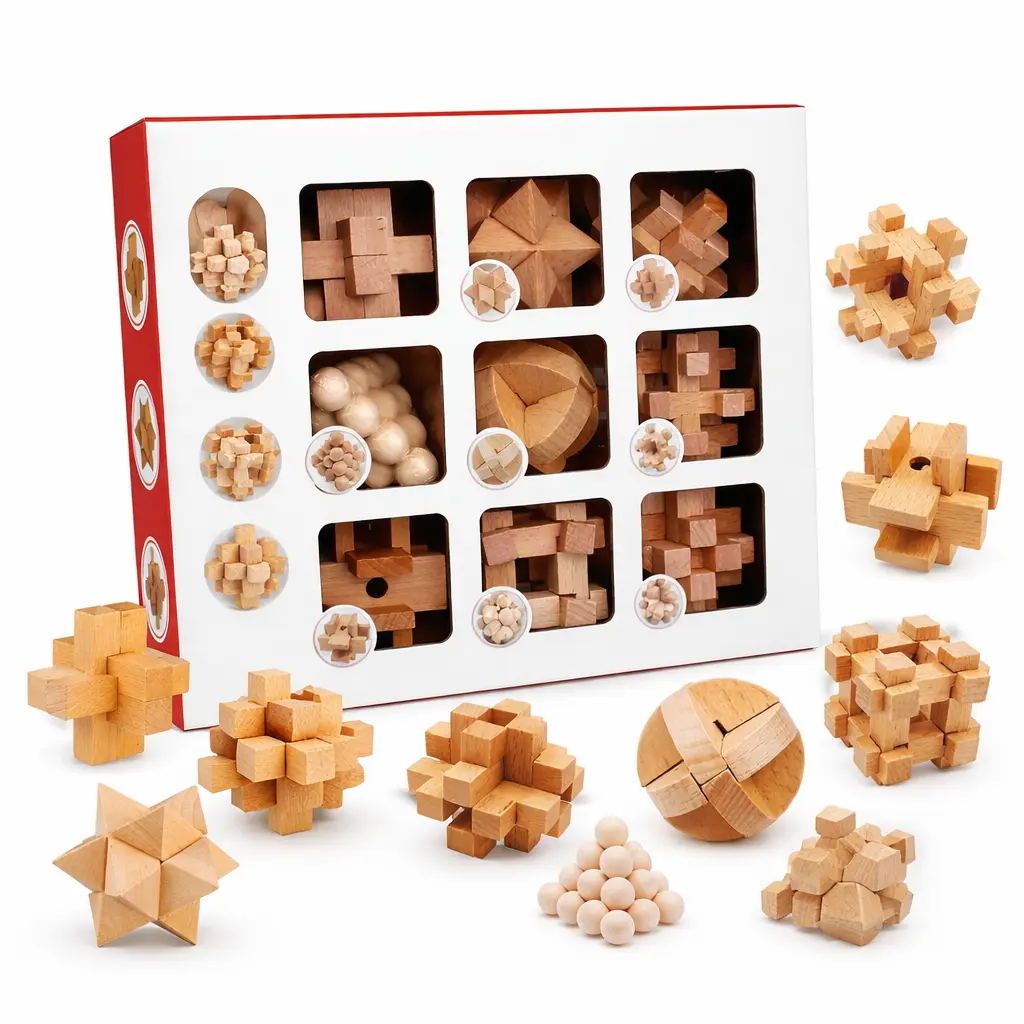
Perfect Picks: The multi-stage Snake Mouth Escape or the monumental 9-Piece Luban Lock Set. These are projects, not pastimes.
The Family Game Night Icebreaker: A puzzle to pass around that encourages teamwork and laughter. It should be intuitive to manipulate, visually clear, and not too fragile.
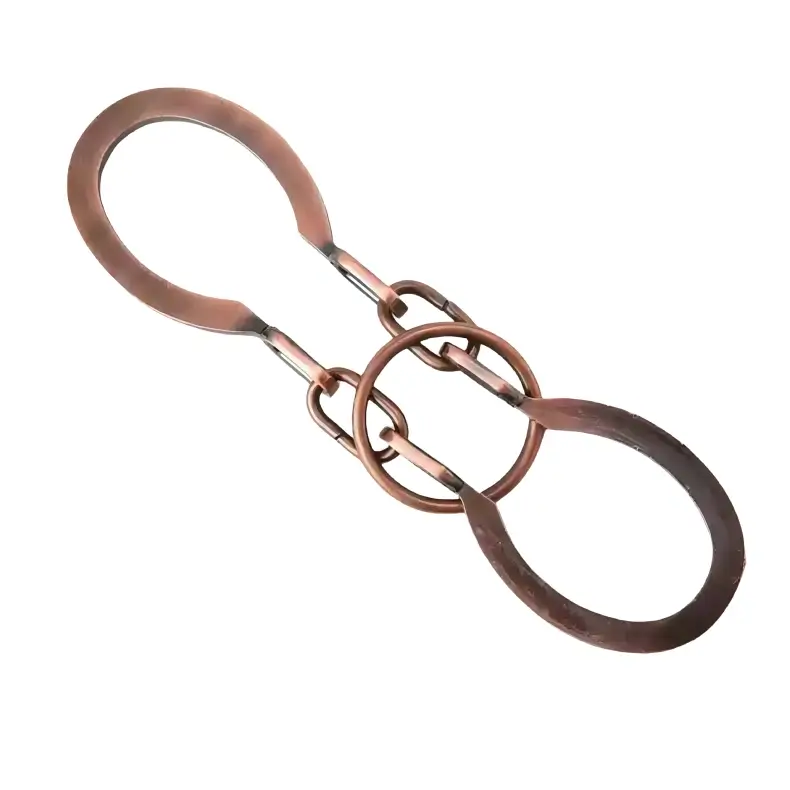
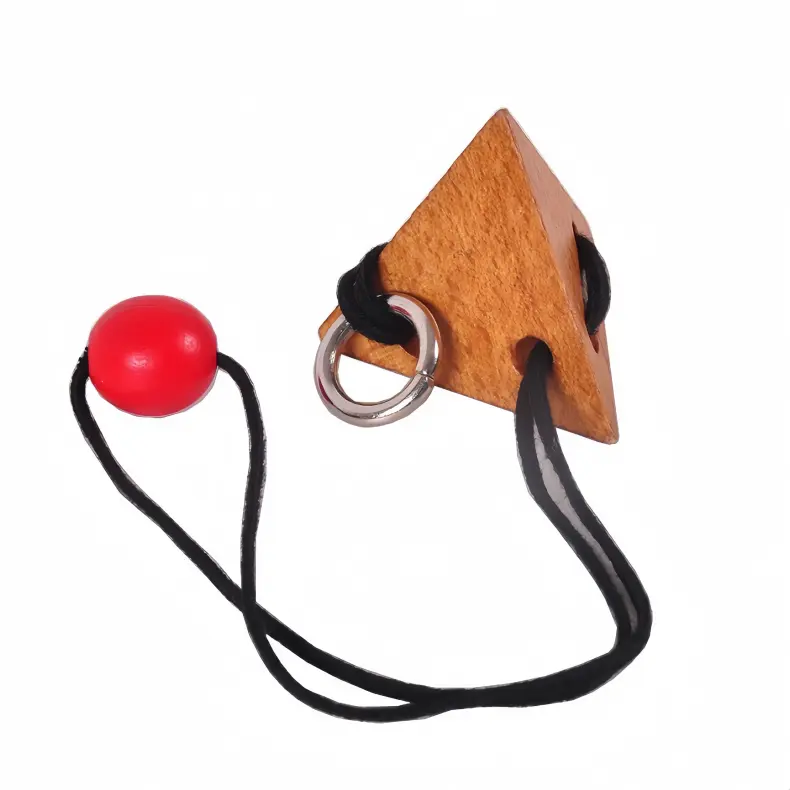
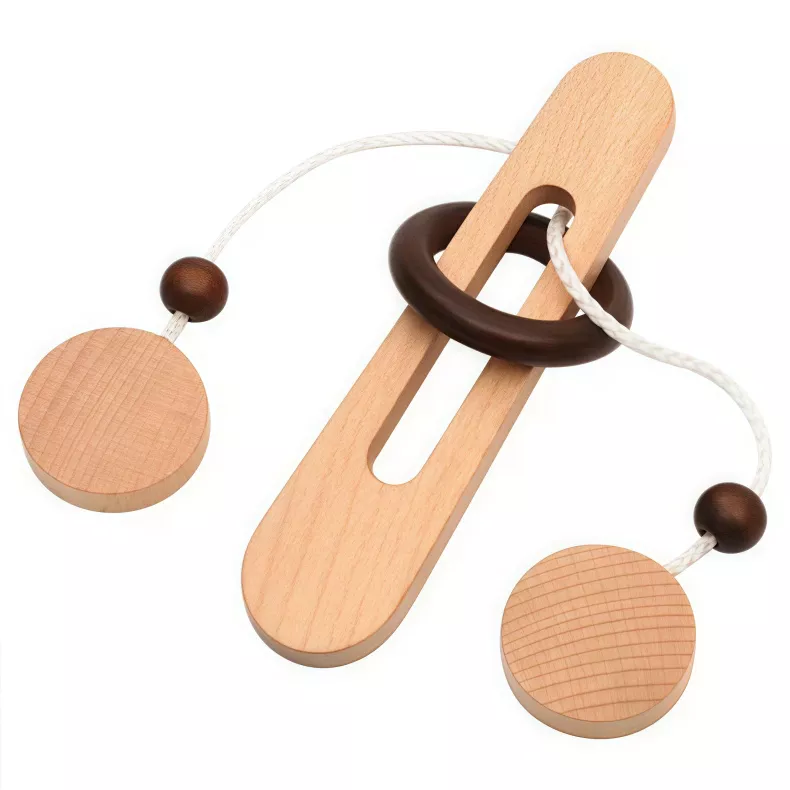
Perfect Picks: The Ring Rescue (clear goal) or the chunky, fun Six-Piece Burr. They invite collaboration without frustration.
See which scenario resonates, and let that guide your choice. For more on how wooden puzzles hold up over time, check out our long-term review of wooden brain teasers.
The short answer? They range from '5-minute satisfying click' to 'this may live on my desk for months.' The key is that true difficulty comes from clever design, not just complexity. A puzzle with 20 moving parts can be easier than one with just 2, if the 2-piece puzzle employs a brilliant, counter-intuitive trick.
We've sorted our puzzles into three practical tiers based on the experience of dozens of first-time solvers:
- Beginner (Solve time: 5-30 mins): The logic is discoverable through patient exploration. The 'aha!' moment comes quickly enough to feel rewarding, not defeating. Examples: Cast Keyhole, Horseshoe Lock.
- Intermediate (Solve time: 30 mins - Several Sessions): These introduce layered steps or more abstract spatial thinking. You'll need to put it down and come back. Examples: Four-Square Lock, Luban Square Lock.
- Advanced (Solve time: Days/Project-Level): For the dedicated enthusiast. These often involve sequential discovery, where solving one part reveals the next challenge. Examples: The full 9-Piece Luban Set, Cast Coil Triangle.
The Honest Negative: Even a 'Beginner' puzzle can feel impossible if you're tired or impatient. That's not a flaw in the puzzle—it's a signal to take a break. The best measure of a good puzzle isn't how long it stumps you, but how good it feels when it finally clicks.
Ready to understand the full category? Our complete guide to cast metal puzzles breaks down all the mechanisms.