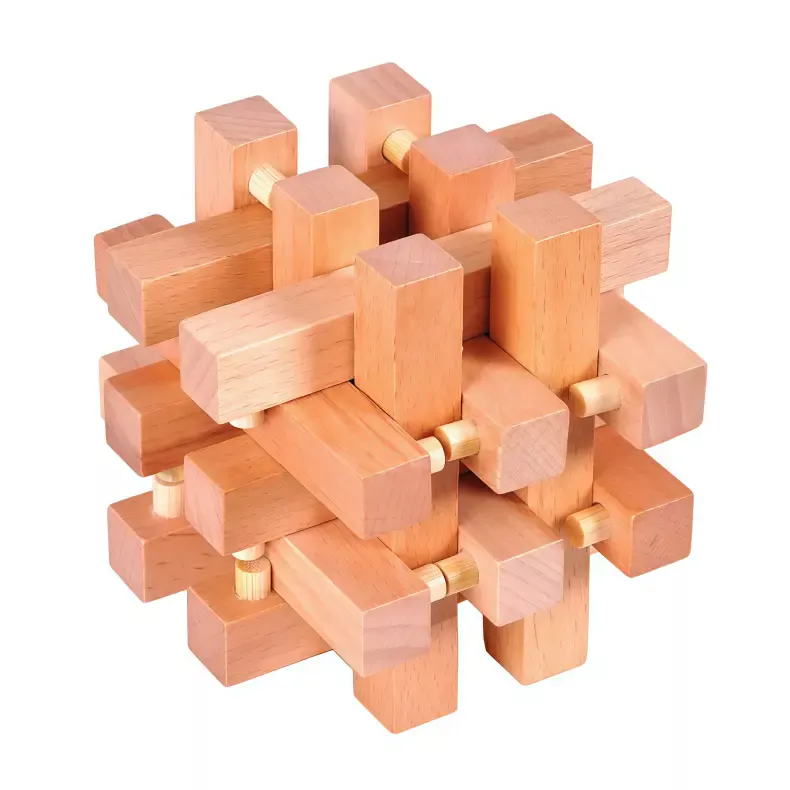
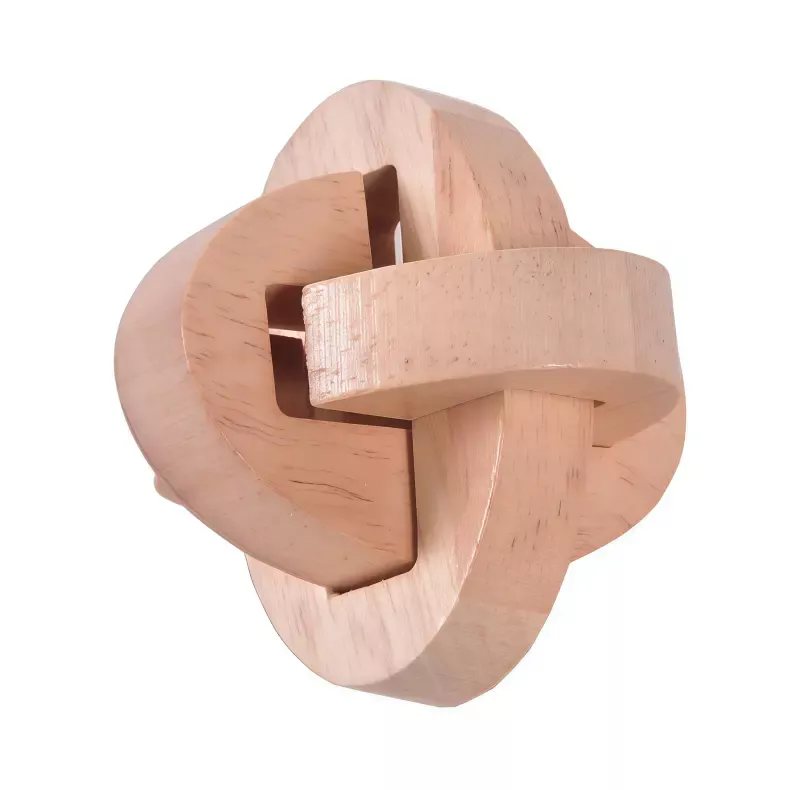
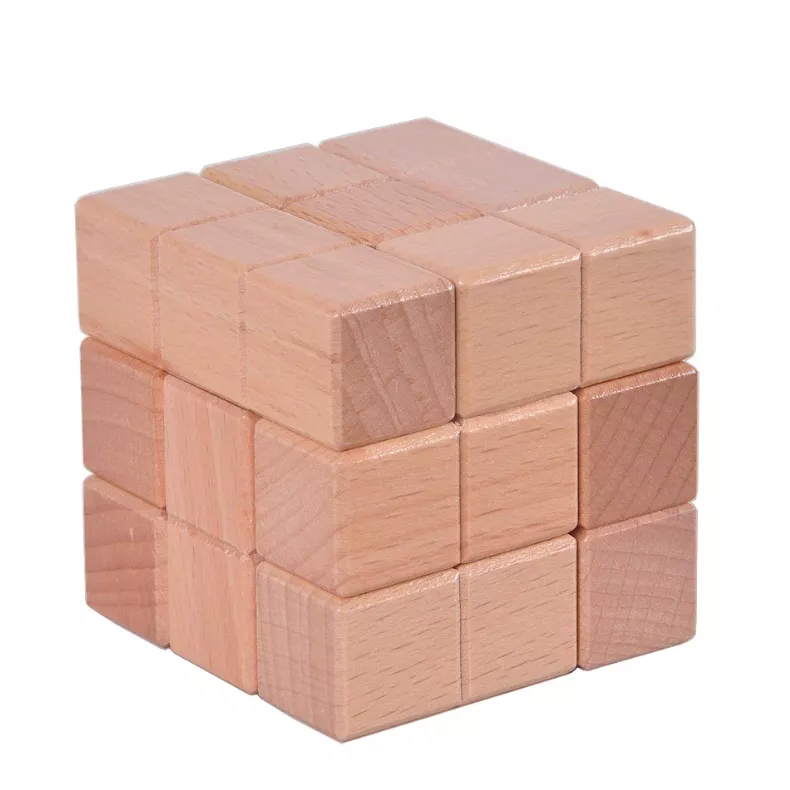
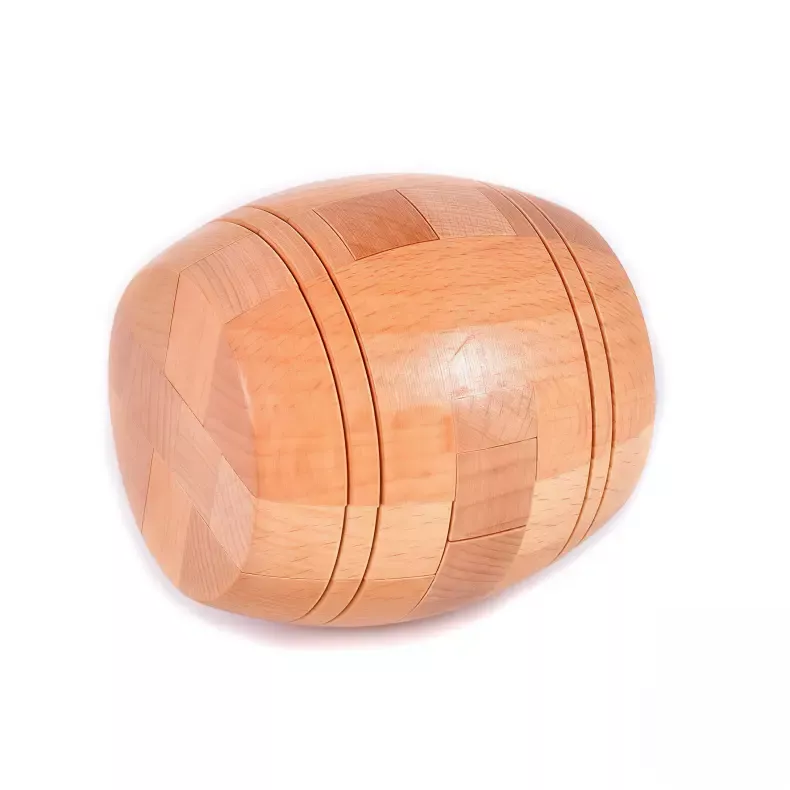
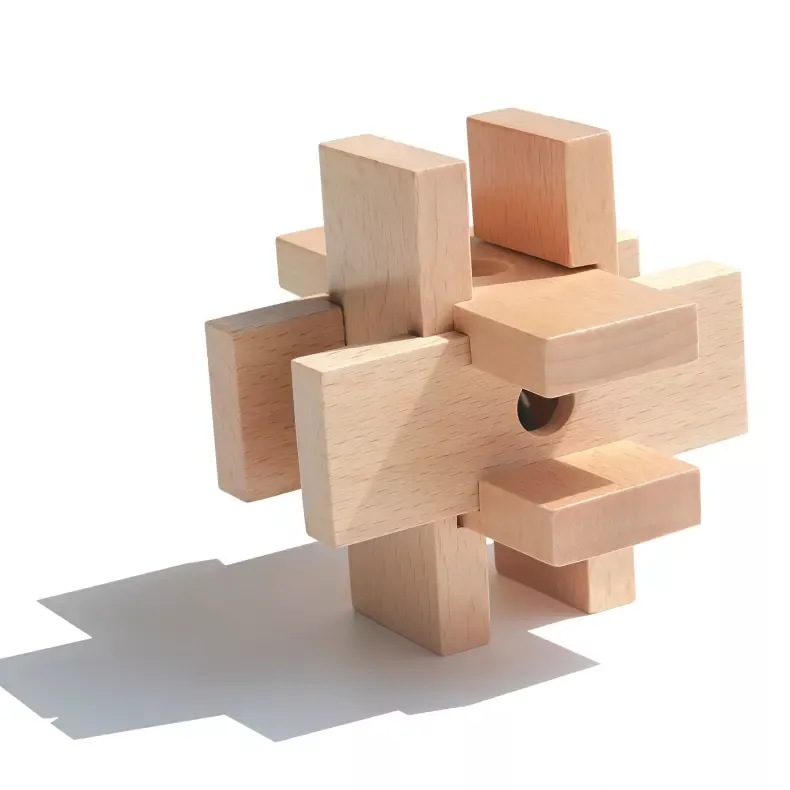
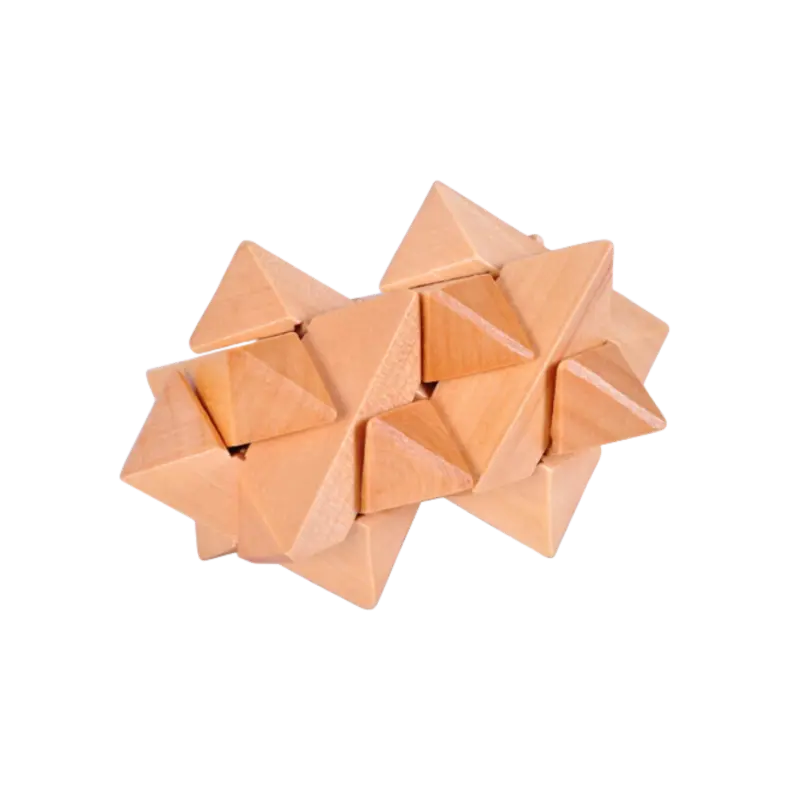
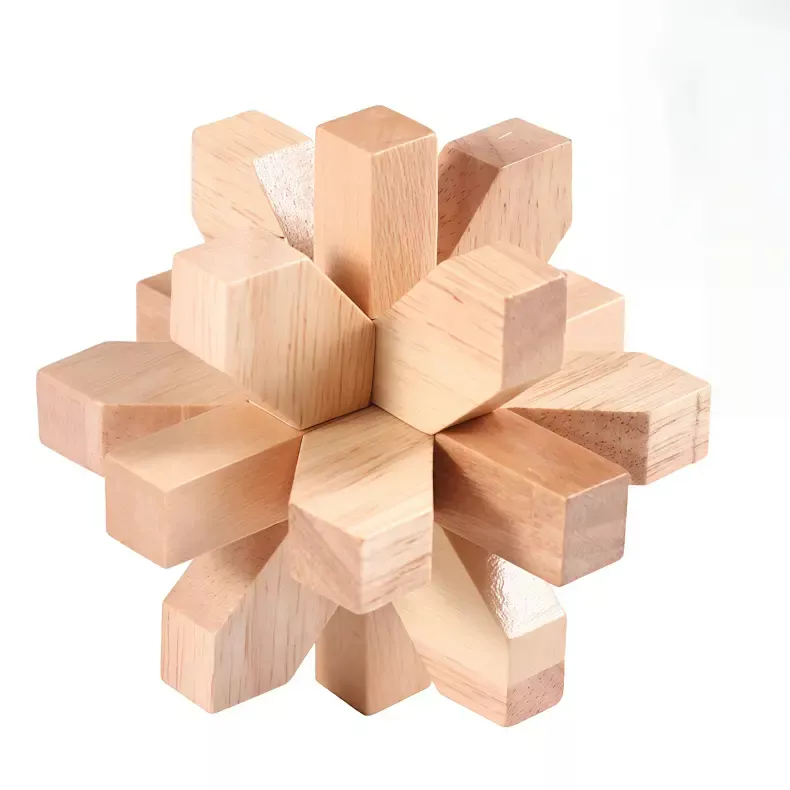
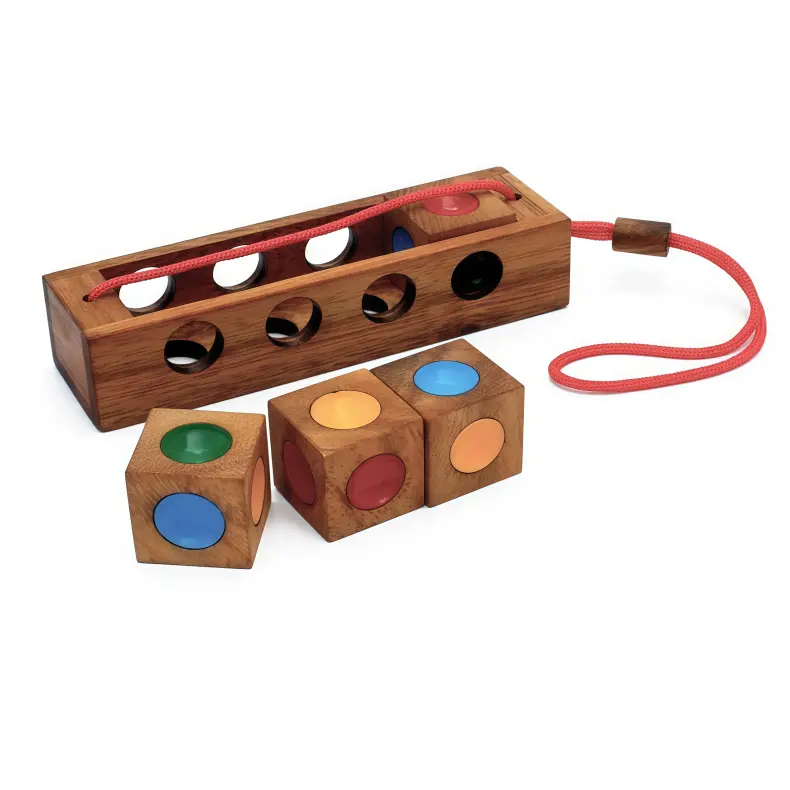
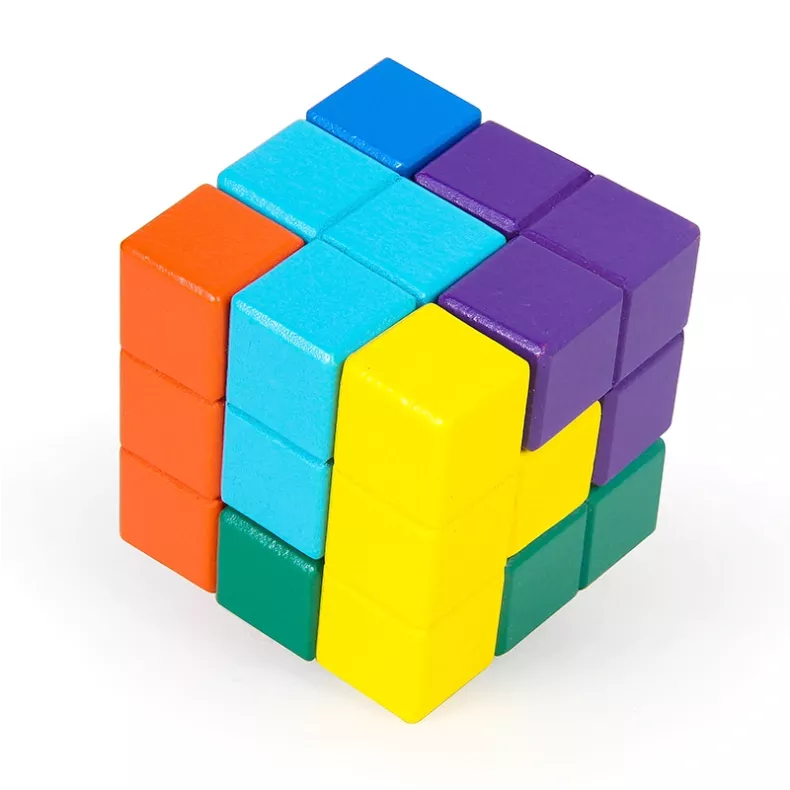
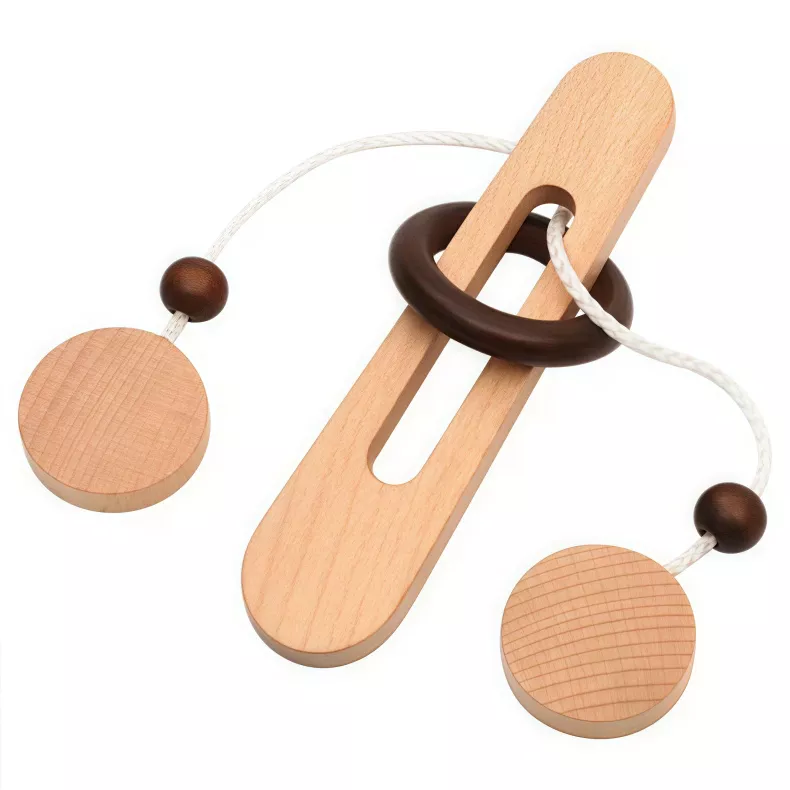
Choose based on your desired Frustration Factor (1-5) and aesthetic goal. For a first purchase, prioritize puzzles rated 1-2 that include instructions, like the 6-Piece Key (Frustration Factor 1). Over 70% of casual solvers enjoy puzzles they can solve in under an hour on the first try, which builds confidence for more complex shapes. Avoid intricate multi-piece sets if you primarily want a fidget object.
How Do You Choose the Right Luban Lock Puzzle?
When you're looking at a wall of interlocking wood, the choice can feel overwhelming. The key isn't to find the 'best' puzzle, but the best puzzle for you right now. Are you after a 15-minute mental reset or a weekend project? The biggest mistake is buying a stunning, advanced piece that becomes a source of anxiety on your shelf.
We recommend comparing on four key criteria: Aesthetic Appeal (does it look good assembled on your desk?), Average First-Time Solve (minutes vs. hours), Tactile Feel (smooth sanded wood vs. precise, clicky joints), and Instruction Clarity. Use the table below to narrow your focus.
| Your Goal | Look For These Traits | Ideal First Puzzle Type | Skip This Tier If... |
|---|
Desk Fidget & Decor
A beautiful object to handle while thinking. | Frustration Factor 1-2, smooth finish, stable when assembled. Solvable in under 30 mins. | Six-Piece Burr or Cube. They offer a reliable, repeatable solve. | You dislike the idea of taking it apart; you want permanent sculpture. |
Mindful Solo Challenge
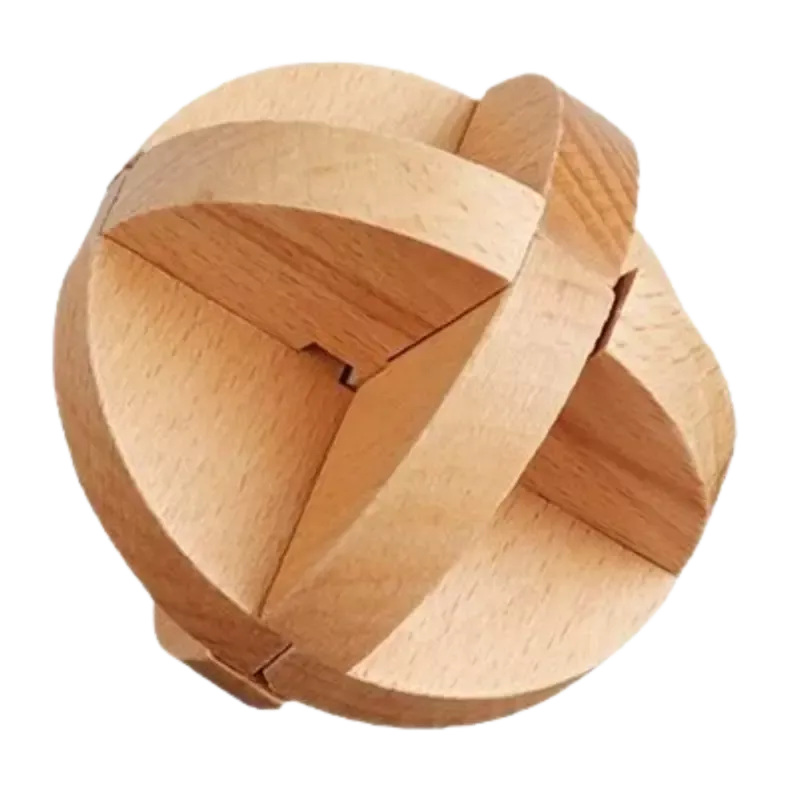
A satisfying weekend brain-teaser. | Frustration Factor 3-4, medium piece count (6-12), intriguing shape. Takes 1-3 hours. | Pagoda, Barrel, or Sphere shapes. They have a clear 'finished' form to work towards. | You easily get frustrated without quick progress cues. |
Thoughtful Gift or Family Activity
Something engaging to pass around. | Frustration Factor 1-2, durable, includes solution. Encourages collaboration. | Color-based puzzles or large-piece burrs. Visual cues help multiple people jump in. | The recipient has no patience for 3D thinking; opt for a board game instead. |
Who Should Skip This Entire Category? If you seek pure, silent fidgeting without any problem-solving (like a spinner or stress ball), a Luban lock isn't it. These require active engagement. Similarly, if you want deep historical immersion, our guide to Chinese puzzle history is a better starting point.
Your Next Step: Find your primary goal in the table above, then look for the matching Frustration Factor badges in the product descriptions below.
It's 3 PM. Your brain is foggy from screen time. You could doomscroll, or you could reach for a Luban lock. This isn't about becoming a puzzle master; it's about creating a small, satisfying ritual. Here’s how these pieces fit into real life.
The Desk Fidget & 5-Minute Reset: Keep a solved Luban Cube by your monitor. On a call or thinking, disassemble and reassemble it. The smooth wood pieces are calming, and the sequential steps create a mindful rhythm that's more engaging than clicking a pen. The 'click' of the final piece locking home is a tangible, satisfying punctuation to your thought.
The Weekend Morning Challenge: With your coffee, tackle something with a Frustration Factor of 3, like the Barrel Luban Lock. It's a moderately challenging logic dance that feels productive but low-stakes. The curved shape is a different tactile experience from standard cubes, and solving it gives a genuine sense of weekend accomplishment.
The Thoughtful, 'Not-Another-Candle' Gift: A Luban lock says you think the recipient is clever. Choose a beautiful, beginner-friendly option like the Plum Blossom Lock. Its floral design looks like art, and the solve is approachable. Include a note: "For when you need a hands-on brain break." It's personal and lasting.
The Family Game Night Icebreaker: Ditch the small talk. Place the Kongming Lock Color Match in the center of the table. Its color cues make it a collaborative, rather than competitive, puzzle. Watching others discover the hidden moves is entertaining, and it gets everyone's hands busy. It's more memorable than another round of trivia.
Try This: Tonight, put your phone in another room for 30 minutes and open the box of a new puzzle. Notice the texture, the weight. Don't rush the solve. That's the reset.
The online hype swings from "impossible!" to "a child can do it!" The truth is in the middle, and it's entirely dependent on the specific puzzle design. We've created a Frustration Factor (FF) scale of 1-5 based on aggregated user feedback from casual solvers (not experts). This measures the likelihood of enjoyable challenge versus the urge to toss it out the window.
FF1 (Minimal Frustration): The solve is intuitive, often with visual or color cues. First-time solve: 2-15 minutes. Perfect for fidgeting and gifting. Think: 6 Piece Wooden Puzzle Key. If you can follow basic assembly instructions for furniture, you can solve this.
FF2 (Gentle Challenge): Requires sequential thinking but has a logical, discoverable path. May have 1-2 non-obvious moves. First-time solve: 15-60 minutes. The sweet spot for beginners wanting a real sense of achievement. Most classic 6-piece burrs live here.
FF3 (Moderately Challenging): The logic dance gets intricate. May involve 3+ distinct movement phases and hidden cavities. First-time solve: 1-3 hours. Satisfying for a dedicated afternoon. This is where many beautiful desk-piece puzzles, like the Pagoda or Sphere, reside. A key trust hook: If you can solve a standard 3x3 Rubik's Cube, you'll find FF3 puzzles approachable.
FF4 (Serious Puzzler): High piece count and complex, non-linear sequences. May require note-taking or diagrams. First-time solve: 3+ hours to days. Designed for the hobbyist who loves the deep dive. Frustration is part of the intended experience.
FF5 (Expert-Only): Often historical reproduction puzzles with devious, counter-intuitive mechanisms. Solving may feel like luck. We generally don't stock these, as they conflict with the goal of a satisfying, mindful break.
The Scale in Action: A common progression is FF1 → FF2 → FF3. Start with a confidence-builder. The hands-on review of our 9-piece set shows how mixing difficulties can keep the experience fresh.
Your Next Step: Stick to FF1-FF3 for your first few puzzles. The product descriptions below are tagged with their recommended level.