You're not just buying a "puzzle." You're solving a problem: boredom, a gift need, a craving for a tangible challenge. Here's how our most common customers find their match.
1. The "Screen-Detox" Gift for a Tech-Savvy 12-Year-Old
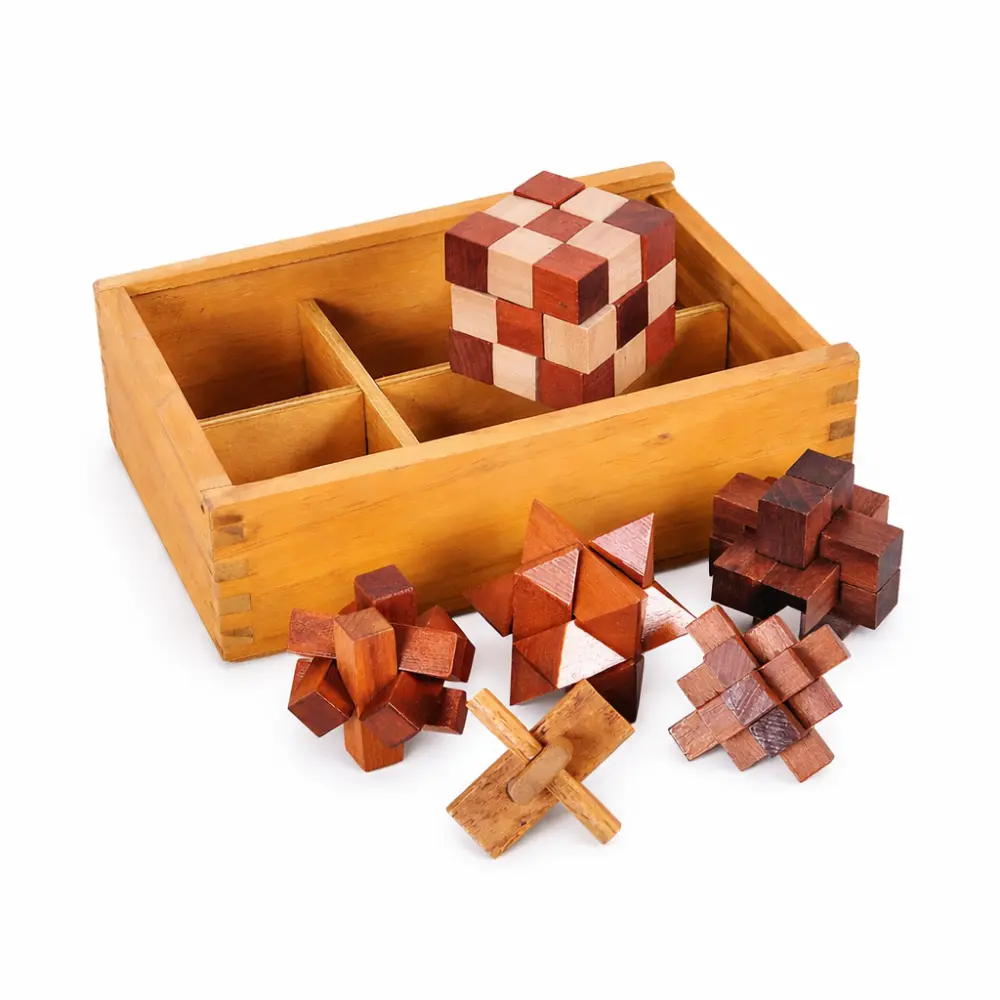
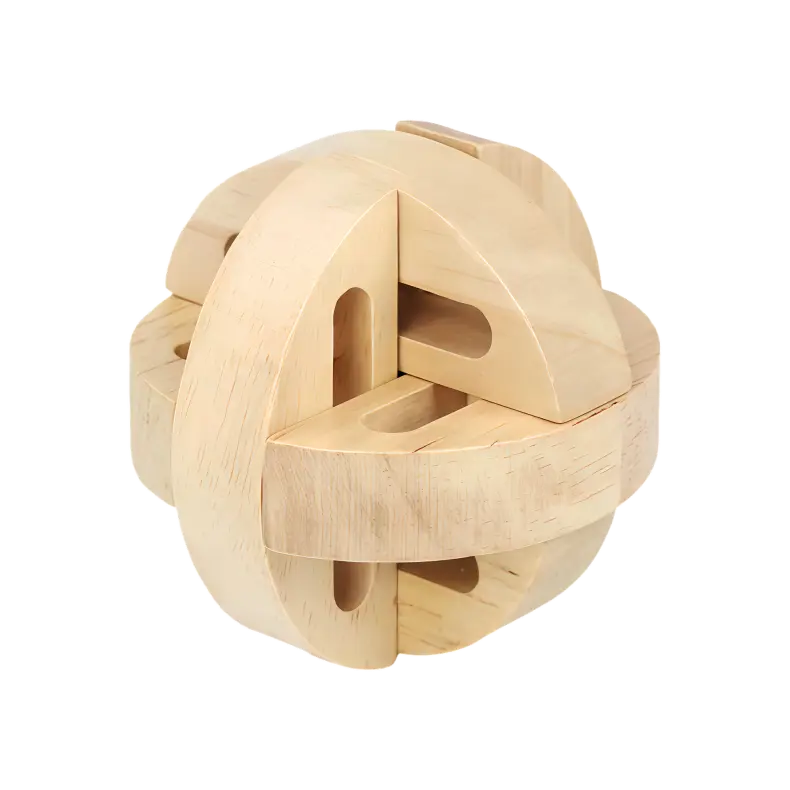
You need something that competes with instant video game gratification. The key is tactile, multi-step feedback. Look for a puzzle with physical cause-and-effect: slide this, that unlocks, turn that, a compartment appears. It should take 20-60 minutes to solve the first time. The 6-in-1 Wooden Brain Teaser Set is perfect here—multiple puzzles, varied challenges, and no single point of failure.
2. The Desk Fidget for the Office (That Looks Cool)
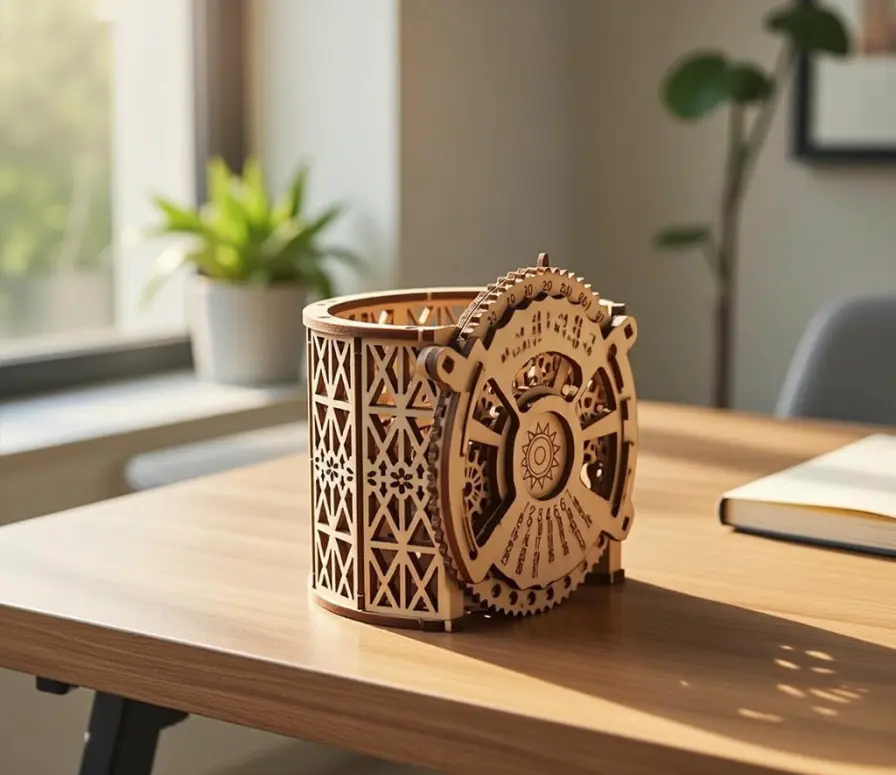
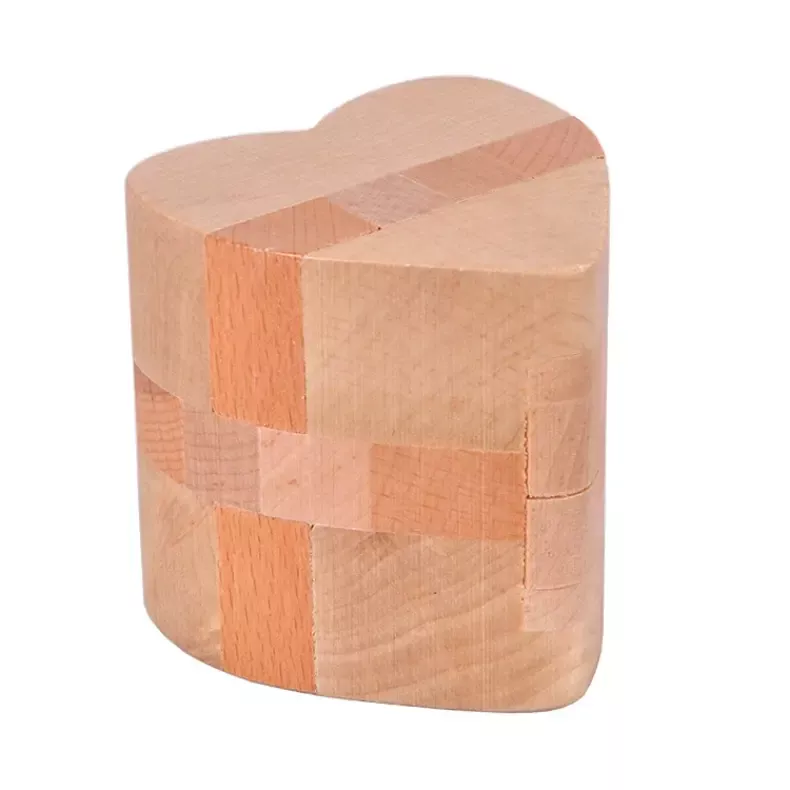
This needs to be solvable multiple times, with a satisfying mechanical feel that doesn't distract coworkers. It's a thinking desk toy. The mechanism should be smooth and quiet. A functional puzzle like the Desk Organizer doubles as a conversation piece and actually holds your pens. You solve it once to learn the trick, then it's a neat utility.
3. The Solo Weekend Challenge
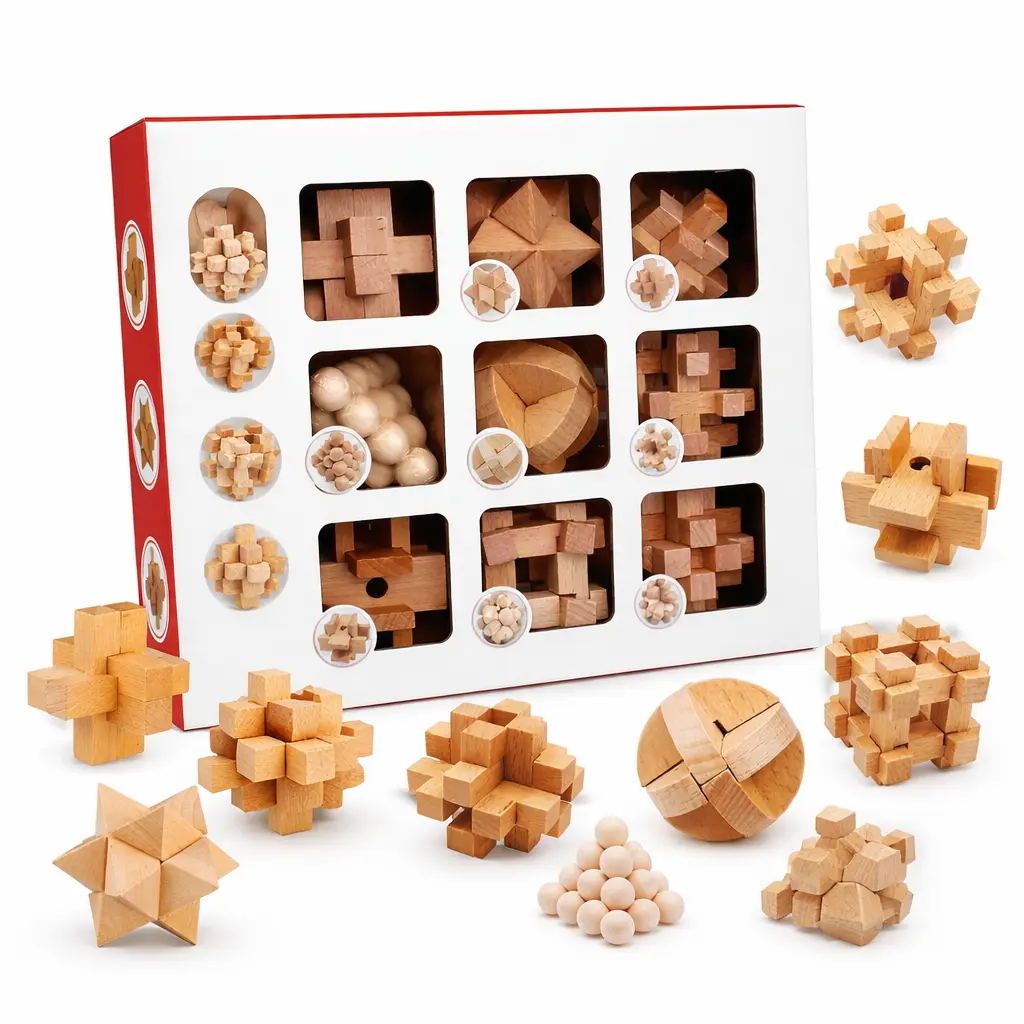
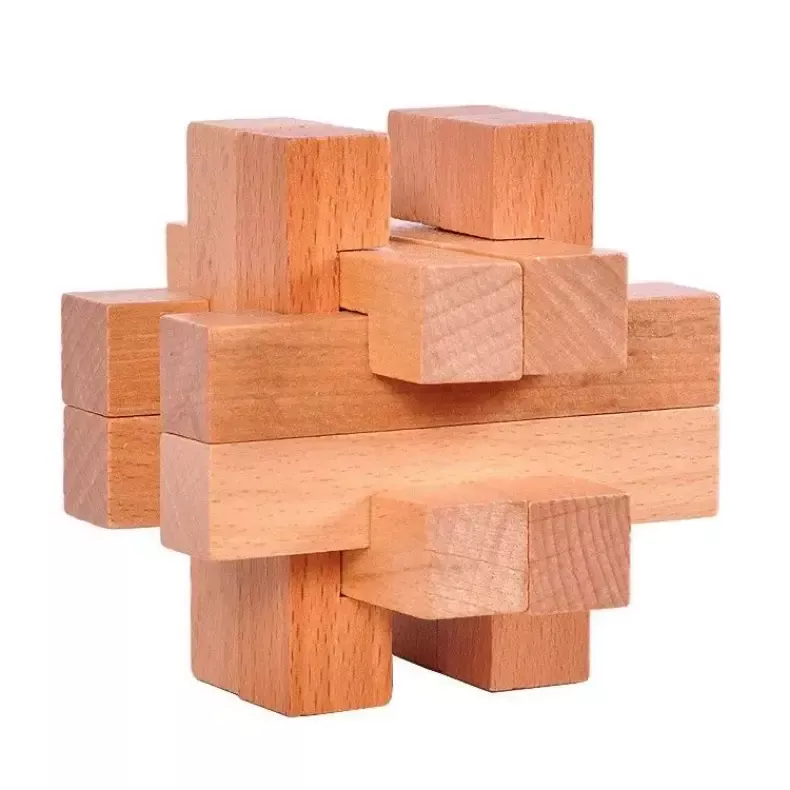
This is for you, after the kids are asleep. You want something that makes you pause, think, and figure it out over a couple of sittings. Aim for Intermediate to Advanced difficulty (3-4 on our scale). The journey is the point. Sets like the 9-Piece Luban Lock offer hours of sequential, logical engagement. It's just you versus the wood.
4. The Family Puzzle Night Centerpiece
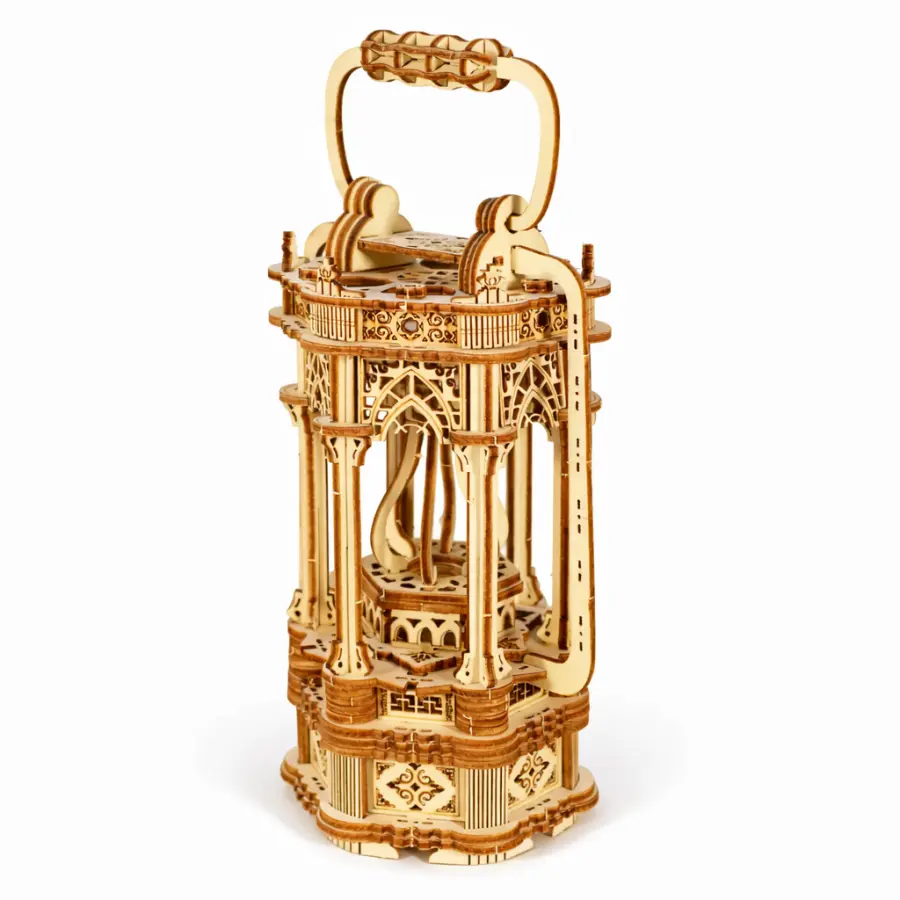
This puzzle needs to be approachable but not instantly solvable, allowing for collaboration and "what if we try this?" moments. A larger 3D puzzle model, like the Galleon Ship, is ideal. Everyone can work on a section, and the final build is a display-worthy trophy. Avoid overly cryptic puzzles that lead to family arguments.
Action: Which scenario rings true? Let that guide your click.