Quick Answer: 3D Crystal Puzzle Gift for Daughter: Match Age, Theme, and Difficulty
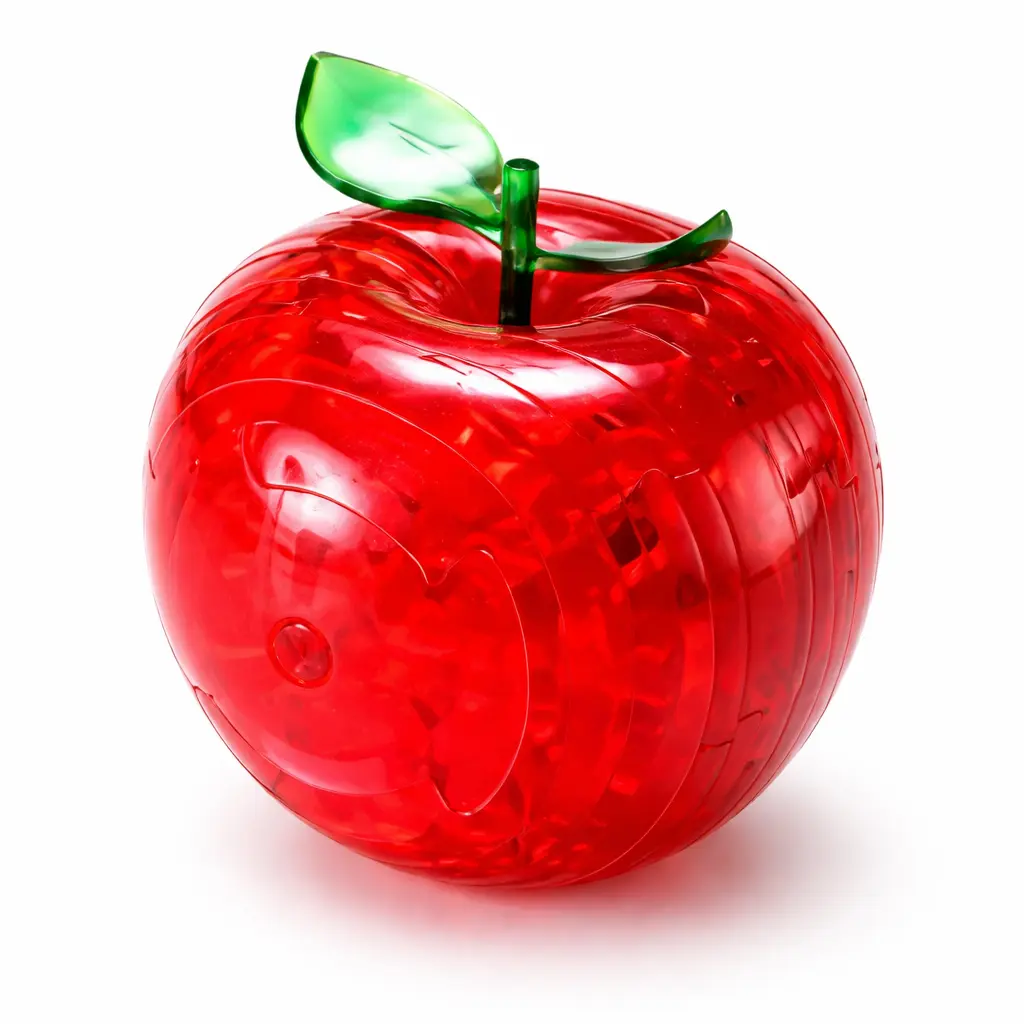
For most daughters ages 6–14, the 3D Crystal Apple Puzzle at $18.88 is the cleanest starting point — compact, translucent, and sized for a single sitting. Younger builders, Sanrio fans, and gift-occasion shoppers each need a different pick. Three checks narrow it down: age vs. piece count, theme match, and display value vs. solve-only.
The three checks that change the pick:
- Age vs. piece count. Box labels say 12+ across the category, but a parent-supervised 6–9 year-old typically handles 38-piece animals; 47+ piece designs stall most kids under 10.
- Theme match. Animals read ages 6–10, unicorn/butterfly/heart at 8–12, Sanrio/Hello Kitty at 7–13, fantasy/rose at 10–15, photo-crystal skews 13+.
- Display value vs. solve-only. A puzzle she’ll keep on her shelf earns its room; a solve-and-toss box rarely justifies the build time.
Quick comparison — Tea Sip crystal-style picks for daughters:
| Pick | Price | Age bracket | What to check | Best for |
|---|---|---|---|---|
| 3D Crystal Apple Puzzle | $18.88 | 7–12 | Piece count and age label on box | First crystal puzzle, shelf decor |
| 3D Crystal Rose Puzzle | $19.99 | 9–14 | Piece count and age label on box | Floral theme, birthday gift |
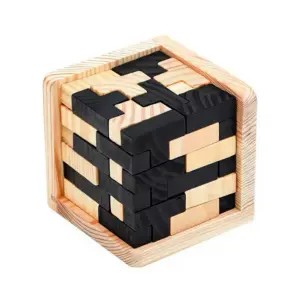
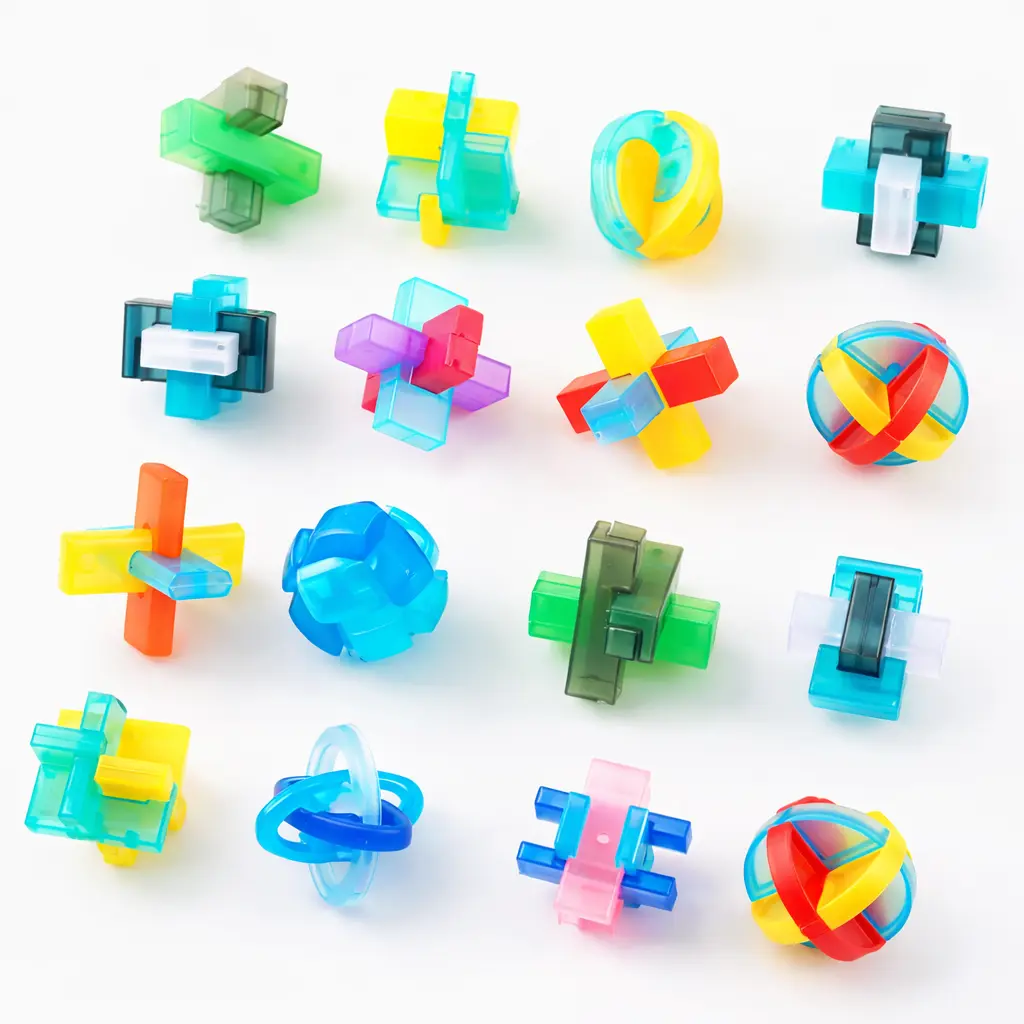
| 12-Piece Crystal Luban Lock Set | $28.88 | 10+ | Set contents on product page | Build-together project, teen aesthetic |
The apple lands in the safest middle — themed to the “nature/cute” cluster that recurs most in daughter-specific buyer reviews. Confirm the printed age label and piece count on the product page before checkout, since these vary by edition.
If she’s under 7, wants a unicorn or Hello Kitty theme, or you’d rather build it together, the picks in section 02 and 03 recalibrate the age-fit math.
01. Which 3D Crystal Puzzle Fits Her Age, and Why the ’12+’ Label Is Misleading
The “12+” label on every BePuzzled box is a small-parts safety floor, not a skill recommendation — and that single line is what breaks the age-fit math for most parents. Match the piece count to her age instead. Walmart reviewers who bought the 38-piece Elephant for adult relatives still call it “a challenge.” For 6–8, stay under 40 pieces with a simple shape; for 9–11, the 38–48 piece Original line is the sweet spot; for 12–14, the box label finally matches; for 15+, pick by display value.
For ages 6–8, the safe pick is a compact shape with under 40 pieces — a single animal, a heart, a small fruit. The 3D Crystal Apple Puzzle sits in this lane: low piece count, one recognizable silhouette, and a finished form small enough for a child’s hands to rotate. A 38-piece Elephant bought as a gift on Walmart produced reviews calling it harder than the buyer expected, so treat the piece count as a proxy for patience, not a guarantee of completion. Younger builders finish the same count in roughly half the time when an adult demonstrates the first three connections out loud.
What to check: Before checkout, look at the finished dimensions. Anything under 4 inches tall is much easier for small hands to manage. A 6-year-old will abandon a 6-inch carousel halfway through because the figure is too big to hold and rotate at the same time.
If you’d rather build it together instead of handing her a kit to fail at solo, a different format changes the math entirely: a 12-piece crystal lock set she and a parent assemble in fifteen minutes becomes a parent-daughter project rather than a test of patience, and it gives a 6- or 7-year-old a finished object she can show off the same evening.
Ages 9–11 is the sweet spot for the 38–48 piece Original line. Crystal rose, butterfly, and unicorn shapes fall into this range, and a focused tween typically finishes in 30–90 minutes, often in one sitting. The “12+” label still applies for solo builds with no instruction preview, but most 9- to 11-year-olds can complete a single-color shape with a brief adult hand-off at the start. The parent’s job at this age is to be in the room, not to hold the pieces.
What to check: Ask her whether she wants a puzzle she’ll display or a challenge she just wants to beat. Display-driven 9-year-olds gravitate toward unicorns, hearts, and butterflies; challenge-driven ones want the skull, the dragon, or the rose vase.
For ages 12–14, the box label finally matches reality. She can solo-build deluxe and special-edition shapes — castles, dragons, carousels — without help, and the finished figure becomes room decor rather than a one-time project. This bracket is also where the “no printed instructions” concern shows up most often for parents of tween and teen builders. Some BePuzzled puzzles ship with no paper instructions, so the practical filter is to confirm before checkout that the brand’s instructions page hosts a downloadable PDF for the specific model you are buying.
What to check: Type the puzzle name into the brand’s instructions index at 3dcrystalpuzzle.com and verify the PDF loads. If the listing doesn’t show an instructions link, skip it.
Fifteen and up opens the door to photo-crystal, LED-base, and deluxe display formats — pieces she’ll keep on a desk for years. At this age the puzzle is less about the build and more about the finished object. Pick by what she’ll look at every day, and consider whether the format is something she’ll keep or disassemble and pass on.
What to check: If she’s a college-bound teen, weight and a stable base matter. A delicate translucent figure doesn’t survive a dorm move in a backpack. Skip anything with a thin stem or protruding ear if she’s taking it to school.
The pattern is simple. Under 12, lower the piece count and sit beside her for the first ten minutes. Over 12, trust the box. The mistake most parents make is buying the deluxe 96-piece dragon for an 8-year-old because it looks more impressive on the shelf — it won’t reach the shelf.
02. Which Theme Cluster Will She Actually Display After Building
If the 96-piece dragon never makes it to the shelf, the theme is usually what failed — not the piece count. Pick the theme by what she’d want to look at six months from now, not what looks cutest in the box. A 3D crystal puzzle is a two-phase gift: the build (30–90 minutes) and the shelf life (years). Most parents optimize for the build and skip the second phase. The puzzles that earn permanent shelf space tend to fall into five clusters that show up again and again in buyer review language, and the cluster she lands in tells you whether the finished object will live on her desk or end up in a drawer by spring.
Animals (ages 6–10) are the safest starting point. Cats, dolphins, elephants, ladybugs — the shapes are familiar, the color palettes are saturated, and a finished elephant doesn’t need an explanation when a friend asks what it is. Walmart reviewers buying the Elephant Original for a daughter-in-law described it as harder than expected, which tracks: the theme is simple, but the assembly skill is the same as the unicorn or dragon. Theme drives display, not difficulty.
Unicorn, butterfly, and heart (ages 8–12) is where most of the “my daughter loved it” reviews cluster. Translucent butterflies catch window light, unicorns photograph well, and hearts replace a Valentine card. The theme-to-age mapping here is loose — a 6-year-old who loves unicorns will stay engaged with a 41-piece unicorn if a parent sits beside her, while a 12-year-old may find a 38-piece butterfly too short to feel like a project.
Sanrio and licensed cute (ages 7–13) changes the math. Hello Kitty, Melody, and Kuromi from the Sanrio Collection aren’t generic animals with a bow — they’re a specific character match, and a 7- to 13-year-old who recognizes the face will want it on her shelf in a way she won’t want a generic cat. The trade-off: licensed designs cost more and restock is unpredictable. Buy the character she actually names, not the one you assume is closest. If you’re weighing licensed BePuzzled designs against the Tea-Sip crystal lineup, the BePuzzled 3D crystal puzzle age guide shows where each licensed shape sits in the brand’s age bands, which makes the side-by-side decision faster.
Fantasy, pegasus, and dragon (ages 10–15) is the cluster where the display piece does the heavy lifting. A Walmart reviewer for the Deluxe Purple Dragon wrote that she “absolutely enjoyed doing with my daughter” and called out the color and finished look — the theme-to-display match is strong because dragons read as dramatic in translucent purple on a bookshelf. Piece counts here run 60–96, which is why the age floor sits at 10. A 7-year-old staring at 96 dragon pieces is a parent-daughter project, not a solo build.
Photo-crystal and LED-base formats (ages 13+) are a different category. The puzzle is a vehicle for an image or a light, and the display value does the work. A 15-year-old who finishes a translucent apple on a small light base will keep it on her desk through college if the base is stable. At this age the room-decor argument tips — she’d rather have something that looks intentional than something she had to struggle to finish.
The 30-second display check: after you narrow to a theme, hold the finished-size dimension against the space she has. A 6-inch dragon needs a 6-inch shelf. A butterfly needs a window. A heart needs a flat surface. If the space doesn’t exist, the puzzle goes in a drawer in three months.
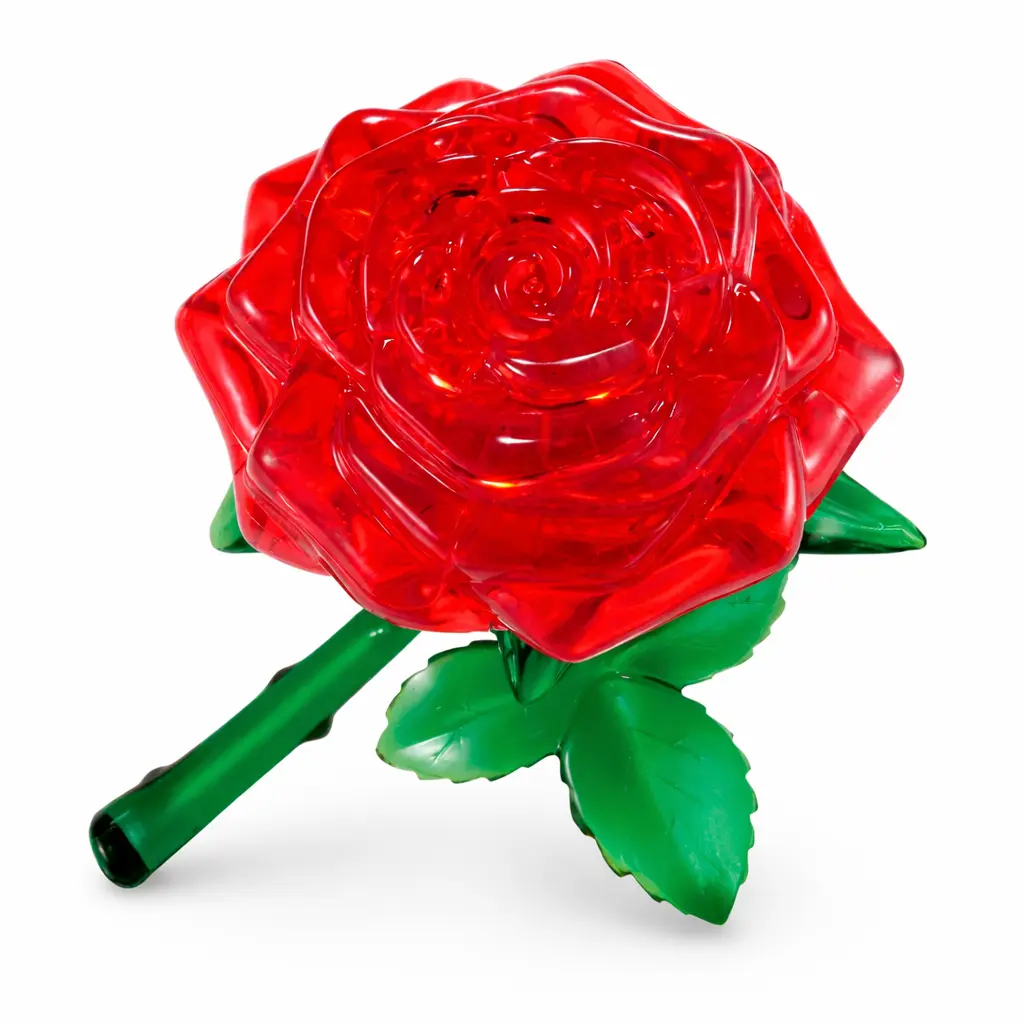
The 3D Crystal Rose Puzzle is the closest thing to a theme-neutral display pick in this category. It reads as a keepsake rather than a toy and slots into the 8–12 cluster, and the finished shape works on a desk, a nightstand, or a windowsill without looking out of place. At $19.99 it’s a safe “I wasn’t sure what to get her” pick that still feels personal.
Skip the theme you think she should like. Pick the theme she’d name herself.
03. Birthday, Holiday, or Build-It-Together: How the Occasion Changes the Pick
Once the theme is locked, the occasion decides the format — and format is what separates a gift she’ll remember from a present she’ll set aside. A birthday calls for one standalone, display-worthy pick. A holiday morning rewards a small bundle. A shared milestone, or a quiet weekend, turns the puzzle into a parent-daughter project, and that single format shift changes which age bracket actually fits.
Birthday: one piece, one moment, one finished object. Birthday wrapping wants a single object, not a stack. The 3D Crystal Apple Puzzle at $18.88 fits that brief — it’s one finished figure, it doesn’t need a light base or accessories, and it reads as a keepsake rather than a kit. Pair it with a short note about what the shape reminded you of, and the gift lands harder than the price tag suggests. For a teen who’d rather display than solve-and-toss, the 3D Crystal Rose Puzzle at $19.99 works the same way without repeating the fruit shape.
Holiday: two or three small shapes, spread across the morning. Christmas and Easter mornings move better with a small bundle. The 3D Crystal Apple Puzzle alongside the 3D Crystal Rose Puzzle runs under $40 total and gives her one to build while the coffee brews and one to save for later. Add the 12 Piece Crystal Luban Lock Set at $28.88 if she likes the lock-and-key mechanic — it sits next to the crystal pieces visually and adds a different hand challenge for the second day.
Build-it-together: the format competitors ignore. This is the one most guides miss. A 7- or 9-year-old who stalls alone on a 47-piece crystal puzzle finishes it when a parent sits next to her, and the finished object becomes “ours” instead of “mine.” Walmart reviews for BePuzzled’s Deluxe Purple Dragon show exactly this pattern — one parent wrote that she “absolutely enjoyed doing [it] with my daughter” and called the finished look “just beautiful.” That review describes the format working, not the puzzle being easy.
If the build-together format fits the moment, the Father and Daughter Bicycle 3D Wooden Mechanical Puzzle at $29.99 is the rarest match in the category — it’s literally named for the project.
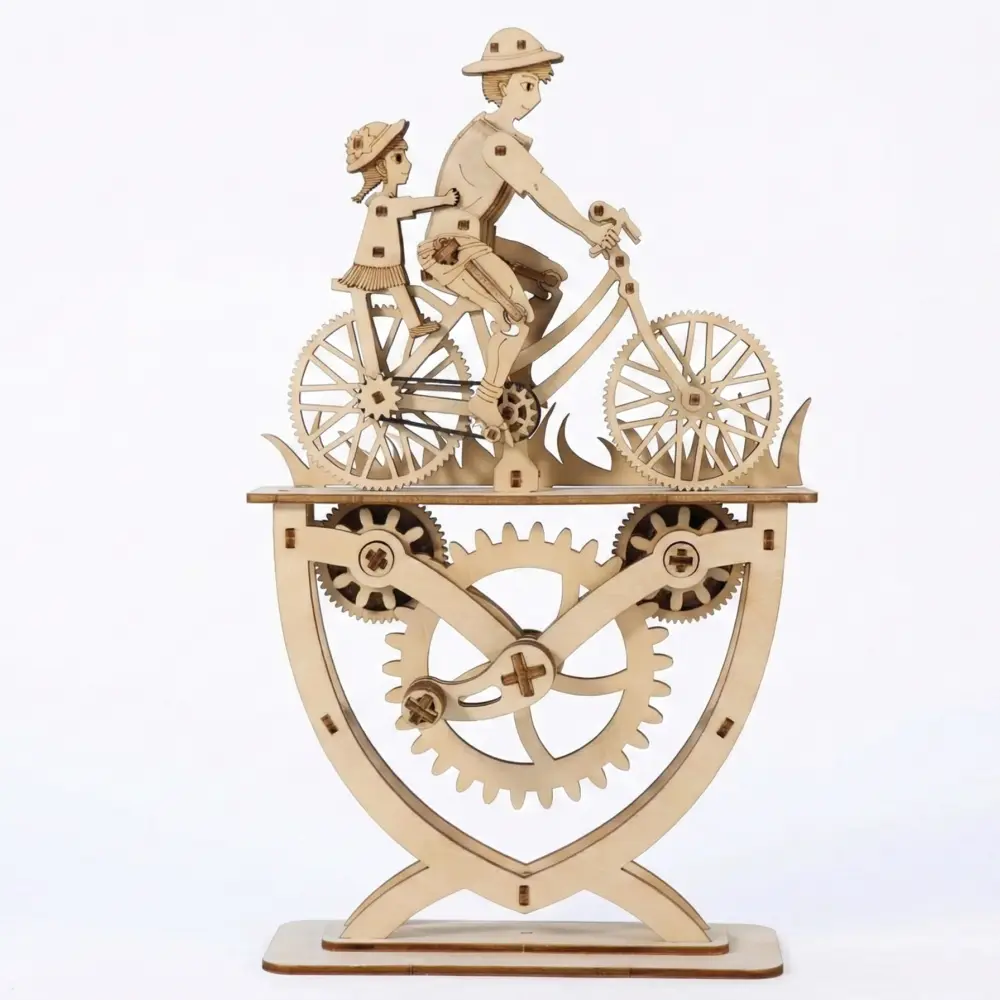
For a music-and-motion follow-up the next morning, the 3D Wooden Carousel Music Box at $43.99 extends the build into something she winds up and watches.
One pre-checkout step: Before you buy, confirm the seller provides downloadable instructions, because some 3D puzzles ship with no paper sheet. The brand’s own instructions page at 3dcrystalpuzzle.com lists every model and the chart to download, so save that link to your phone before you wrap it.
04. Five 3D Crystal Puzzles Compared by Age, Piece Count, Theme, and Price Band
Match the puzzle to her age bracket first, then read across to piece count, theme, and price. The table below leads with the lowest-friction crystal design, so the easiest entry point is always the first row — read top-down for difficulty, right for price band.
With the build-together format settled in the last section, here is the side-by-side. The BePuzzled market reference clusters at 38–48 pieces and prints 12+ on virtually every box (Walmart, Rainbow Resource), so the Tea-Sip lineup reads more graduated — piece counts and price points step up in clear tiers, and several models are sized for solo display rather than long-form building.
How to read this table: the “Best for” column names the age bracket and theme cluster. Where a verified piece count, age mark, or difficulty is not on the Tea-Sip product page, the cell reads “What to check” — verify before checkout, since brands update specs without notice.
| Pick | Best for (age + theme) | Piece count | Theme | Price band | Difficulty |
|---|---|---|---|---|---|
| 1. 3D Crystal Apple Puzzle | 7–12, fruit / cute-aesthetic display | What to check | Crystal apple, green translucent | ~$19 | Beginner (solo) |
| 2. 3D Crystal Rose Puzzle | 8–13, flower / keepsake display | What to check | Crystal rose, pink/red translucent | ~$20 | Beginner–intermediate |
| 3. 12 Piece Crystal Luban Lock Set | 10–15, brain-teaser lover | 12 pieces (per name) | Crystal Luban lock | ~$29 | Intermediate (solo) |
| 4. 3D Wooden Cello Puzzle Model Kit | 11–15, music / display theme | What to check | Wooden cello, display model | ~$30 | Intermediate |
| 5. 3D Wooden Carousel Music Box | 12+, music-and-motion keepsake | What to check | Wooden carousel, music box | ~$44 | Advanced (build-together) |
Three things stand out when you line them up.
The 3D Crystal Apple Puzzle is the safest bet for a first-time crystal-puzzle gift. The apple is a familiar shape, the piece count sits at the lower end of the crystal range, and the finished piece is a small, display-worthy translucent object she can shelve the same day. It doubles as room decor if she keeps it long-term, and it is the lowest-priced crystal option in the lineup — which matters when you are buying one birthday gift rather than a bundle.
The 3D Crystal Rose Puzzle at $19.99 is the natural upgrade if she has finished a crystal apple and wants a second display piece. The 12 Piece Crystal Luban Lock Set at $28.88 shifts the format from “build and display” to “solve and repeat” — different gift logic for an older daughter who has outgrown the build-and-shelve phase.
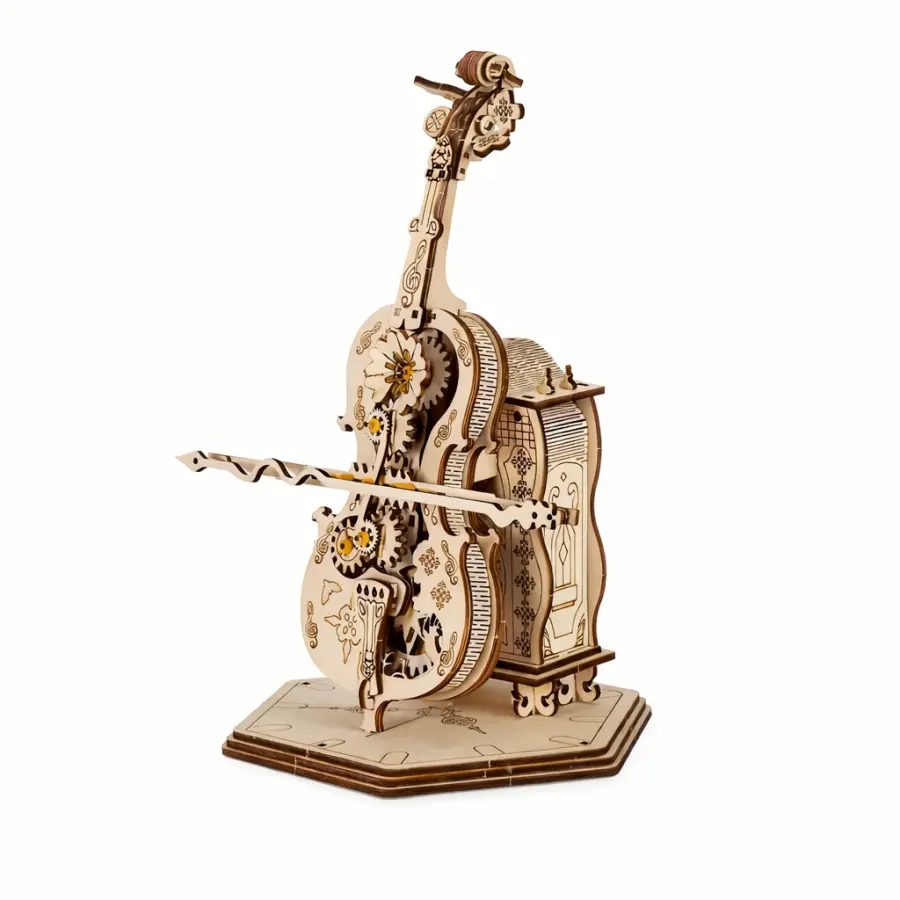
The 3D Wooden Cello Puzzle Model Kit at $29.99 is the crossover pick for a daughter whose interests lean musical or display-oriented. Not a crystal puzzle, but same price band and same build-and-display logic — worth a row if you are torn between crystal and wood.
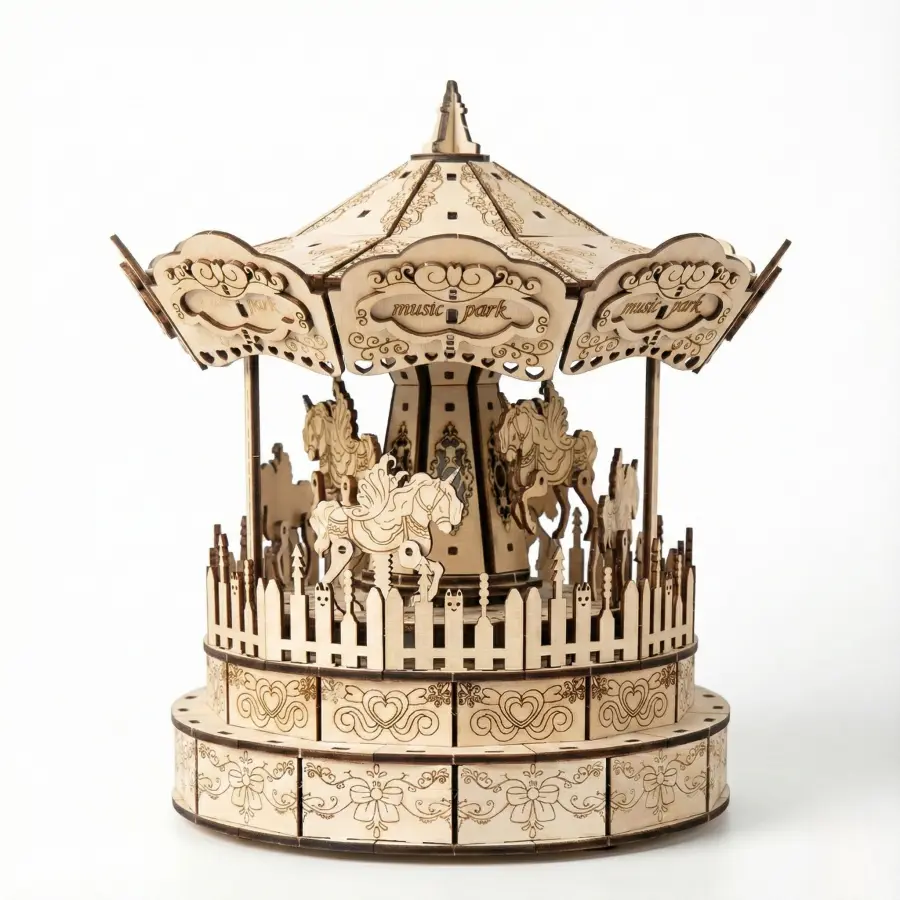
The 3D Wooden Carousel Music Box at $43.99 is the highest-effort pick and works best as a parent-daughter build rather than a solo gift. Its function outlasts the build — she winds it and watches it move — which makes it a shelf-worthy piece with a second life beyond the initial solve.
One verification step before checkout: age guidance on crystal puzzles runs conservative — BePuzzled prints 12+ on most boxes regardless of whether a 9-year-old can finish a 38–48 piece model with light help (Walmart, Rainbow Resource). Check the Tea-Sip product page for the exact piece count and material, then decide whether the build is solo, parent-helped, or parent-daughter. The verification matters more than the box label.
05. Missing Instructions, Glue, and Durability: Pre-Purchase Checks Every Parent Should Make
Check the brand’s instruction PDF before you add the puzzle to cart. This is the single filter that separates a smooth build from a frustrating one, and it is the step most parents skip because the box looks complete. If the instructions exist as a downloadable file on the brand’s site, print or save them now; if they do not, the build is going to stall and your daughter will blame the puzzle, not the missing sheet.
The missing-instruction problem is real and it is the first friction point. Some BePuzzled 3D puzzles ship with no paper instructions, so the practical filter is the brand’s own instruction portal, which hosts PDF assembly guides for most models in both English and Chinese. Before checkout, open that portal and confirm the exact model you are buying has a downloadable PDF. If the model is not listed, pick a different model. A daughter who runs out of patience at piece 19 is not going to appreciate the learning opportunity.
Glue is the second friction point and it is not optional if she wants to keep the model on a shelf. Translucent plastic shows every smudge, and most white glues fog the surface — finding a clear-drying, low-residue formula is the practical concern here. The verification step is a separate purchase. Look for a clear-drying, low-residue plastic cement or a UV-curing resin designed for acrylic, and test it on a scrap piece or an inconspicuous inner joint before committing the whole model. A tube of craft glue from a junk drawer will cloud the finish and undo the shelf-worthy appeal.
Piece fit and snap strength are the third check, and they are the reason age matters more than piece count. Younger builders press harder, twist when a piece resists, and crack tabs that older hands would have wiggled free. For a 6- to 9-year-old, stay in the 38–48 piece range where individual pieces are larger and more forgiving. For a 10- to 14-year-old, a 96-piece deluxe model is realistic but expect two or three pieces to need adult fingers. The 3D Crystal Apple Puzzle and the 3D Crystal Rose Puzzle from Tea-Sip both sit in the sweet spot where piece size and piece count balance, making them workable for a parent-helped build with a daughter in the 8–12 bracket. A 3D crystal puzzle is structurally a three-dimensional jigsaw puzzle — interlocking translucent tabs that snap into a fixed display figure — so the same care that applies to flat jigsaws (flat workspace, sorted pieces, patience with the last few tabs) applies here.
Display stability is the fourth check, and it is what separates a kept model from a closet one. Most daughter-themed crystal puzzles — the apple, the rose, the heart, the unicorn — have a flat base or a wide footprint, which means they sit on a shelf without tipping. Larger deluxe builds like a carousel or a castle often need a level surface away from the edge of a desk, and they benefit from a small dab of clear adhesive on the base once the build is finished. If your daughter plans to keep hers on a bedroom shelf, choose a model whose finished footprint matches the space she actually has, not the one the product photo implies.
The one next action: before you commit, do three quick checks in order — confirm the PDF instruction exists for the exact SKU, add a clear-drying plastic cement to your cart, and measure the shelf where the finished model will live. Two minutes of checking saves a Saturday of stalled frustration and turns the build into the keepsake moment you actually want to give her.
For parents who want to compare across the full crystal-puzzle category beyond the picks above, the 3D crystal puzzle comparison guide at Tea-Sip walks through the full set of crystal-style puzzles by age, piece count, and display use.
Frequently Asked Questions
A 3D crystal puzzle works as a daughter-gift when three practical checks line up: her age bracket, her theme cluster, and whether the finished model fits the shelf she will actually use. The questions below cover the exact friction points parents raise in reviews, from the “ages 12+” label on the box to the missing-instructions surprise.
Are 3D crystal puzzles OK for a 7- or 8-year-old if the box says 12+?
Yes, with conditions. Most “ages 12+” markings reflect the small-piece count and dexterity needed for a solo build, not the cognitive difficulty. Parents in Walmart reviews for the BePuzzled Elephant describe it as “harder than expected,” but younger builders in the 7–9 range typically finish a 38-piece animal or apple shape with a parent sitting beside them. The compact 3D Crystal Apple Puzzle from Tea-Sip sits in that same piece-count zone where a 7-year-old can manage with a helper and a 9-year-old can manage alone. Verification step: check the exact piece count on the product page and assume the lower age the smaller the count.
What if the puzzle arrives with no paper instructions?
Some BePuzzled 3D puzzles ship with no paper instructions, which is the most common friction point parents report. The fix is a 30-second pre-purchase check: look for a instructions page on the brand site (3dcrystalpuzzle.com and areyougame.com both host downloadable PDFs) and confirm the exact SKU has a file before you buy.
Can my daughter and I build it together, or is it a solo thing?
Both work, and “build it together” changes the age math entirely. A Walmart reviewer of the Deluxe Purple Dragon wrote that they “absolutely enjoyed doing with my daughter,” which matches the parent-daughter build pattern. For a shared project, pick a theme she loves rather than the lowest piece count.
Which 3D crystal puzzle is the easiest for a beginner?
The flat-based fruit and heart shapes tend to be the most forgiving, because the base gives you something to anchor while you work upward. The 3D Crystal Apple Puzzle and 3D Crystal Rose Puzzle from Tea-Sip both have wide, stable bases that hold their shape partway through the build, which keeps a first-timer from watching the whole model collapse mid-assembly.
Do the pieces stay together after she finishes, or does she need glue?
The pieces lock through interlocking tabs, so a well-built model will hold itself on a flat surface. Glue is only needed if you plan to move the model between rooms or if a tab feels loose after assembly. Look for a glue that dries clear and won’t fog the plastic; a small dab on the base seam is usually enough.
Are the deluxe or ‘special edition’ versions actually harder, or just bigger?
The piece count climbs on deluxe builds (the Carousel and Castle sit in the 90+ range), but the core assembly logic stays the same. “Deluxe” usually means more detail and a larger finished footprint, not a steeper learning curve.
How long does a 38-piece vs. a 47-piece crystal puzzle usually take a kid to finish?
Plan on 30–90 minutes for a 38-piece animal with a focused 10–12-year-old, and roughly 60–120 minutes for a 47-piece shape with the same builder. Younger kids stretch both windows, and a parent-helped build adds time but cuts frustration.
30-second closing checklist. Confirm the instructions PDF exists for your exact SKU. Add a clear-drying plastic cement to your cart. Measure the shelf where the finished model will live. Then start with the 3D Crystal Apple Puzzle — flat base, beginner-friendly piece count, and a theme that earns a spot on her desk long after the build is done.
Where to Start
If the recipient and occasion checks above match, start with 3D Crystal Apple Puzzle. Check the current product page for the specifications that matter to your choice.
Still comparing options? Revisit the comparison table in section 04 and the theme clusters in section 02 to apply the same decision criteria, rather than restarting the search from scratch.
Sources and verification
- Product details and current specifications: Tea-Sip product page
Last updated: August 18, 2026