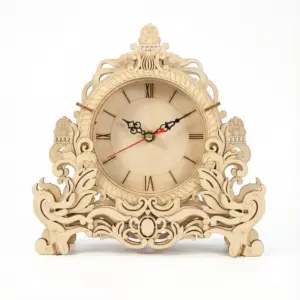
Quick Answer: 3D Wooden Puzzle Gift for Daughter: How to Pick the Right Theme
Choose a 3D wooden puzzle for your daughter by matching the theme to something she already loves — a music box for the pianist, a castle for the storyteller, an animal or unicorn for the dreamer — then verify the printed age range and the assembly time you can support. The three checks that change the pick: theme match, age/safety fit, and the unboxing moment.
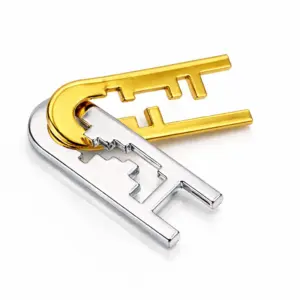
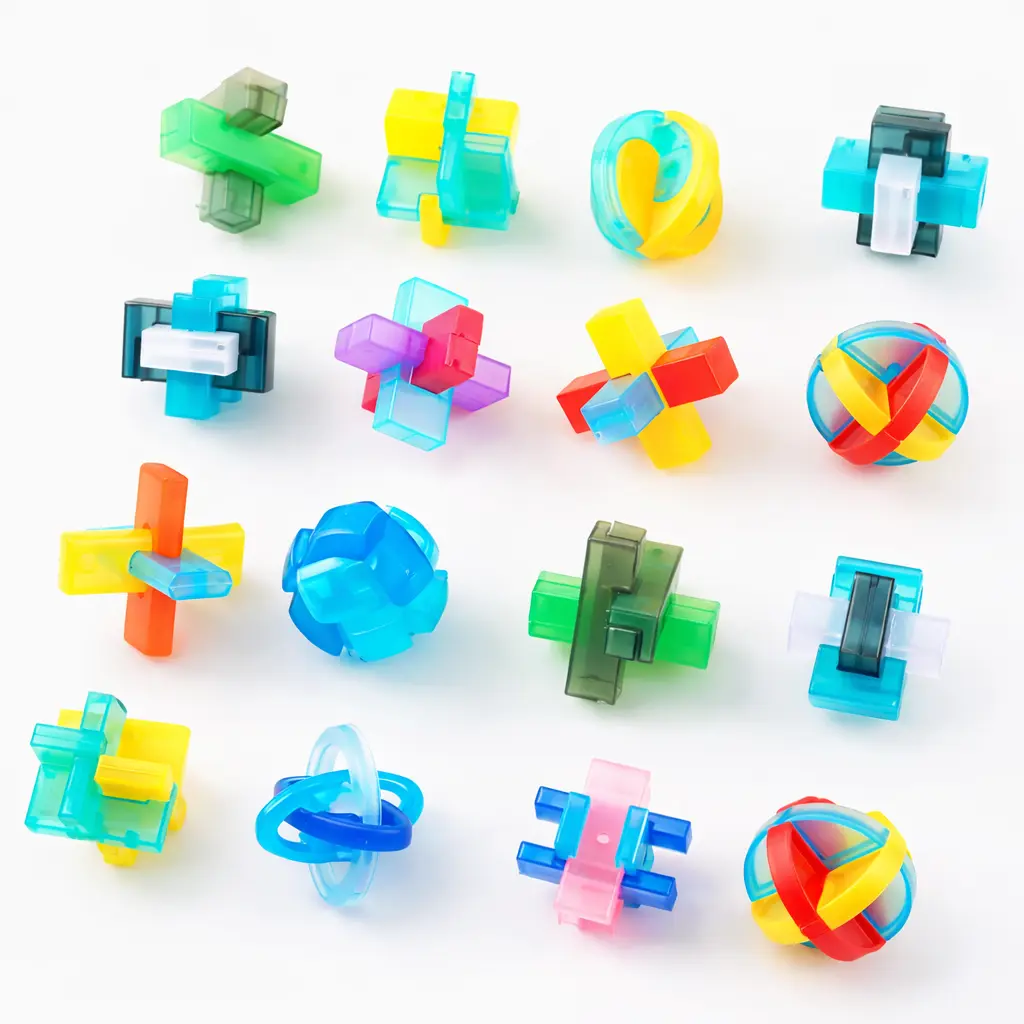
For a daughter who enjoys a quiet challenge she can return to again and again, the 12 Piece Crystal Luban Lock Set is a strong starting point — confirm the piece count, age range, and assembly notes on the product page before buying. It shares the same shelf-trophy appeal and screen-free focus as a 3D wooden model: the kind of object that lives on a desk and gets picked up between homework and bedtime.
| Recipient / Theme | Typical Age | Assembly Time | What to check before buying |
|---|---|---|---|
| Music box (pianist) | 8+ | 2–4 hours | Wind-up mechanism works, age label on box |
| Castle / dollhouse (storyteller) | 9+ | 3–6 hours | Piece count, small parts, glue requirement |
| Unicorn / animal (dreamer) | 6–8 | 1–3 hours | Printed age range, whether glue is required |
| Lock / mechanical (thinker) | 8+ | 30–90 min | Solvability level, small parts, piece count |
| Book nook (reader) | 12+ | 4–8 hours | Adult help needed for fine details |
01. How to Match a 3D Wooden Puzzle Theme to What She Loves
Theme match starts with the finished model, not the piece count. A 3D wooden puzzle gift works when the object she ends up displaying looks like something she already loves — a unicorn on a shelf, a music box she can wind, a castle with opening doors — and the age range printed on the box matches hers. Five clusters cover most of what a daughter is into; pick the cluster first, then verify the fit.
For the girl who points out every horse, owl, and dolphin she sees. A 3D wooden unicorn or animal model turns her favorite creature into a shelf trophy — a finished object she can dust, reposition, and name. UGears runs a 7–9 year-old girl series where the teddy bear actually strums a guitar and a mama whale’s back squirts water, so these aren’t static figurines, they’re small mechanical models with moving parts. Robotime and Hands Craft both publish decorative animal kits with laser-cut plywood, so the age label and the piece count on the box are the two numbers to verify. Animal puzzles with a mechanism feel more like a toy; animal puzzles without one feel more like a sculpture — pick based on whether she wants to wind it or just look at it.
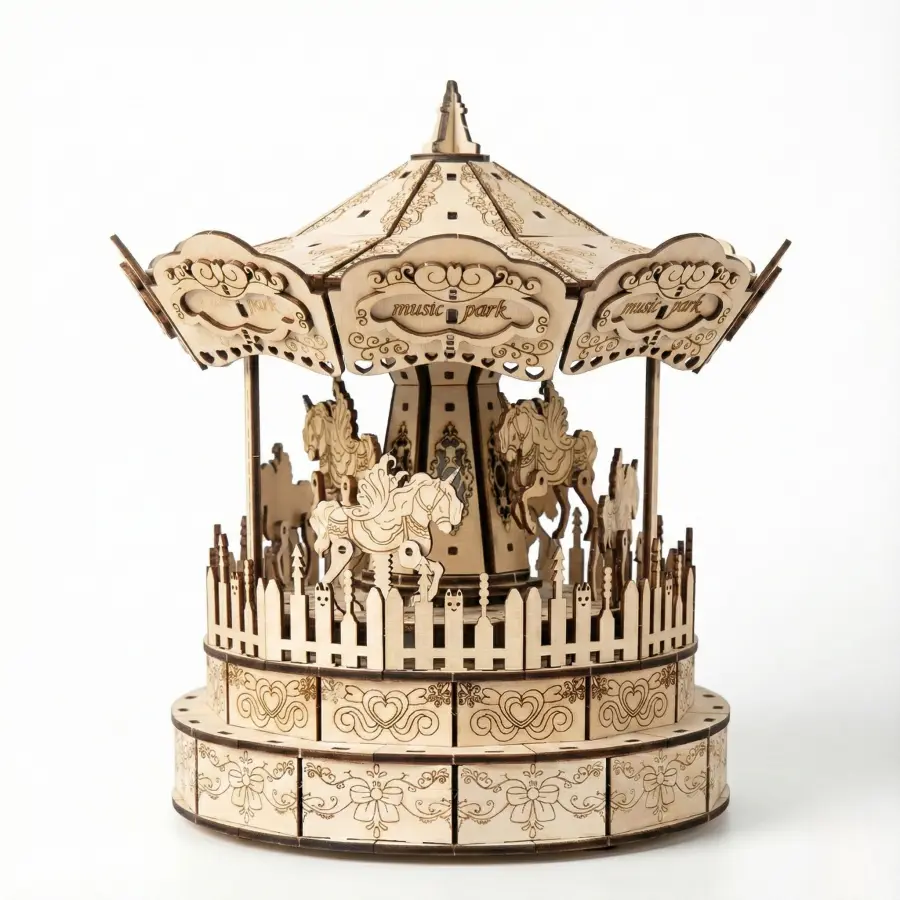
For the girl who hums while she plays. A wind-up music box 3D puzzle is a different kind of gift — the surprise isn’t the build, it’s the first time she turns the key and hears the melody. The 3d Wooden Carousel Music Box is the carousel-themed kit in the Tea-Sip lineup — check the product page for what is included, the assembly time, the recommended age range, and the type of movement. If a movement is part of the kit, younger builders around age 7 may need a parent to help seat it; an older daughter in the 10–12 range can usually do it alone. A wind-up cylinder is the easiest option for first-time builders if the product page lists one. This is the cluster where the finished display earns the most shelf time: a music box gets opened and wound repeatedly, not just glanced at.
For the girl who narrates everything. Castles, dollhouses, and miniature houses give her a stage — the finished model becomes the set for the stories she’s already writing in her head. Robotime and Hands Craft both publish themed miniature-house kits with multiple rooms, opening doors, and small interior details. The trade-off is piece count: the more interior detail, the higher the count, and the more likely she’ll need an adult on hand for an hour or two. Check the box for “ages 10+” or “ages 12+” labels, and assume any sub-200-piece castle is a parent-child project rather than a solo build. Many sets in this cluster also use glue-free assembly, so the build is just slots and tabs. As a screen-free alternative to a single-use plastic playset, a wooden dollhouse is the one that survives the year on the shelf.
For the girl who reads under the covers. A book nook kit slips between two books on a shelf and turns a row of spines into a doorway into another world. The category is newer than the others, and the magic is in the LED lighting and the layered scene inside — a lantern glow, a small staircase, a window looking out onto a street. Build time runs longer than other 3D wooden puzzles because the geometry is tight, so an older daughter (10+) handles it best, and a parent should plan to steady the bookcase during final placement. A book nook is the gift that says you noticed she reads — and it becomes a permanent part of her room’s décor, not a toy that migrates to the back of a closet.
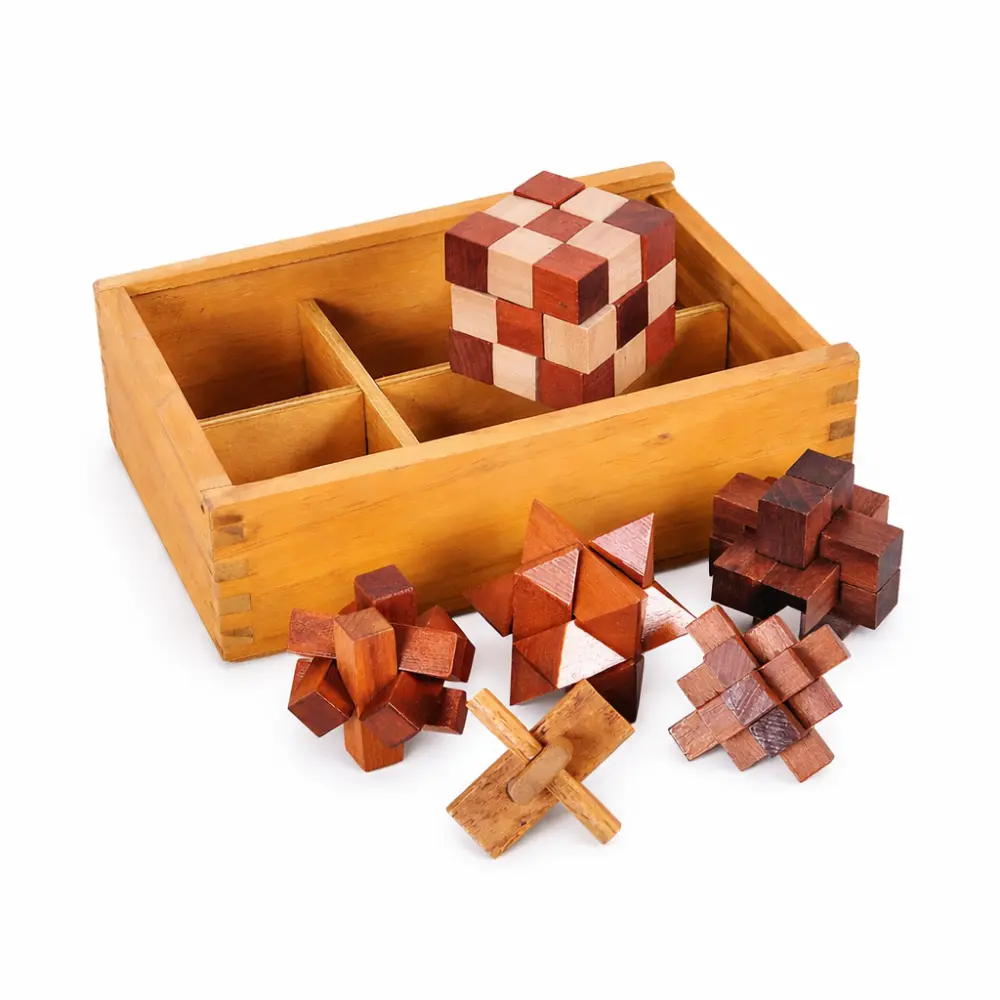
For the girl who takes things apart to see how they work. Mechanical 3D wooden puzzles — mechanical puzzles with actual moving parts like gears, pendulums, and marble runs — are the cluster for the builder, not the decorator. Robotime’s collection spans functional mechanical transmission models through decorative pieces, with difficulty increasing as the gear count climbs, and Wooden.City publishes sets at 300+ pieces aimed at older kids and adults. For a younger builder, the 6-in-1 Wooden Brain Teaser Set keeps the same mechanical logic but at a more approachable scale and with shorter assembly sessions. The verification step here is the piece count: under 100 pieces reads as beginner, over 200 starts to look like a parent’s weekend project.
The cluster framework is the test: name what she’s into, find the kit that matches it, and only then check the box. For the age-bracket shortcuts and finished-size assumptions that derail most first-time buyers, see what most people miss about wooden puzzle gifts.
02. What to Check on the Box: Age, Safety, and Assembly
Now that the theme is locked in, the box itself becomes the second test — the one that decides whether she feels proud by Saturday afternoon or frustrated by Sunday evening. Before you buy, run five checks on the package or product page: printed age range, small parts and magnets, piece count, glue-free assembly, and estimated build hours. A theme match without these checks is a gift that risks ending up half-built on the dining table.
1. The printed age range. Every reputable kit prints a recommended age on the front of the box. Treat that number as a floor, not a ceiling — a puzzle labelled for ages 8+ usually suits a focused 7-year-old with a patient adult nearby, and a 10-year-old will still enjoy it. What the printed age really tells you is the minimum developmental level at which the builder can follow the step sequence without losing interest. If the box says “ages 14+,” put it back on the shelf for now.
2. Small parts and choking hazards. Under age 3, every wooden kit is off the table. Between ages 3 and 6, scan the parts list for detachable pieces smaller than a coin — these are the ones that end up on the floor and in mouths. Check the finished dimensions on the product page; anything with parts under roughly 2 cm calls for closer inspection before checkout.
3. Magnets and metal hinges. Music boxes and mechanical puzzles sometimes contain small magnets to hold moving parts in place. Magnets are a separate safety concern from small parts because they’re hazardous if swallowed in pairs. Look for a magnet count in the specifications; if the box doesn’t mention them, ask the seller before committing. A model with no magnets and no metal hinges is the lowest-friction option for a younger builder and removes one category of worry entirely.
4. Piece count and complexity. Piece count is the single most useful proxy for build time. As a reference point, Wooden.City offers 3D wooden puzzles at 300+ pieces for builders who want a longer, more absorbing project, while beginner children’s kits typically sit in the 20–80 piece range. A rough rule: under 50 pieces for ages 5–7, 50–150 pieces for ages 8–10, and 150+ pieces for ages 11 and up — though piece count alone won’t tell you whether a model has fiddly sub-assemblies. A kit with 40 large pieces and clear step diagrams will go down easier than 80 small pieces with dense instructions.
5. Glue-free versus glue-required. Wooden.City explicitly markets its children’s line as glue-free assembly. Glue-required kits are common in display-grade architectural models and aren’t a mismatch for a 12-year-old with patience, but they’re the wrong call for a 7-year-old who wants to see results in one sitting. Check the assembly section of the product page for the word “glue” — if it appears, the builder is committing to a longer, messier project.
Estimated build hours. The box rarely gives you a precise number, and brands vary. A common range for children’s kits is 1–3 hours of focused time, while a 300-piece mechanical model can stretch to 6–10 hours across a weekend. Treat any published assembly time as the maker’s optimistic estimate and add 30–50% for a child builder with smaller hands. For a deeper walkthrough of the build itself, our phase-by-phase 3D wooden puzzle assembly tips cover what to do before piece one comes out of the frame.
The one decisive rule for age fit. Pick the kit whose printed age range sits one to two years below your daughter’s actual age. That’s the zone where she can mostly build it herself, call you over for the tricky steps, and finish the model feeling capable. Too easy and she’ll set it aside; too hard and you’ll be the one building it on Christmas night.
03. How Much Help Will She Need to Finish It
Pick the kit that matches the independence level you actually want at the dining-room table — not the difficulty level the box advertises. The right kit lets a daughter finish 80–90% of the build with her own hands, and the wrong kit puts you on the floor at 9 p.m. holding a tab that won’t seat. Use the three tiers below to sort any candidate before you commit.
Tier 1 — She builds it alone. This is the screen-free, solo-build zone for ages 7 and up. Look for slot-and-tab construction with laser-cut plywood pieces, no gears or moving parts, and a finished display size she can carry to her shelf in one hand. Wooden.City’s children’s line is described as glue-free assembly and is marketed for solo and family builds (Wooden.City 3D Wooden Puzzles For Children). A compact Luban-style set fits this tier well when the product page lists slot-and-tab construction with no gears or moving parts, so a child can re-seat a misaligned piece without breaking it. The 12 Piece Crystal Luban Lock Set is one option in this range. If the product page mentions a single moving element, expect a 30-minute stall when she hits it.
Tier 2 — A parent-child project. The shared zone. The theme matters more than the piece count: a music box movement, a rotating carousel, a book nook with tiny props. These kits in the parent-child cluster typically have one mechanical moment — a crank, a winder, a hinged door — that an adult should pre-fit while the daughter sorts the decorative parts. The 3d Wooden Carousel Music Box rewards this split when the product page lists a movement; she handles the panel-popping and visual assembly, you set the mechanism. Robotime notes that decorative and functional mechanical models span kids through adults, from beginner to expert builds, which is the honest way of saying plan to share the work (Robotime 3D Wooden Puzzle). Budget 2–3 sessions rather than one afternoon.
Tier 3 — An adult finishes it. Gear-driven models with rubber-band motors, multi-stage escapements, or 300+ pieces. These are advertised for ages 14+ and they mean it. The box will say 4–6 hours; the real number with a 10-year-old “helping” is two weekends and at least one snapped tooth. If you buy one for a daughter under 12, you’re really buying it for yourself, and the shelf trophy belongs to whoever stayed up finishing it.
The one decisive rule. Choose the tier where your daughter completes the model and you complete only the steps she can’t — and skip any kit that would flip that ratio. A finished object on her shelf, built by her hands, is the entire point.
04. How to Present a 3D Wooden Puzzle So It Feels Like a Gift
Now that you know what tier of build she’s ready for, the next decision is how the kit arrives and where the finished model will live. Treat the box, the unwrapping, and the eventual display spot as three separate decisions — because each one shapes whether the puzzle becomes a bedroom keepsake or drawer clutter.
Wrap the kit, not the finished model. A 3D wooden puzzle is a project, and the project is half the gift. Wrap the unopened box in kraft paper or a cloth wrap so she opens the kit itself, not a pre-built display. Tuck a handwritten card into the ribbon that names what she’ll own at the end — “a carousel that plays a waltz when you wind it” reads very differently from “a puzzle.” A second slip with a “first piece” rule — she pops out the first tab before anyone else touches the box — turns the build into a tradition she’ll repeat with future kits.
Stage the work area before she starts. A piece of felt, a tea tray, or a low cardboard lid catches the punch-out scraps and gives her a defined “puzzle table” for the duration. Sorted pieces mean fewer lost parts, and lost parts on a 200-piece kit are how the model ends up half-finished in a closet. This is where the assembly tier from the last section reappears: a Tier 2 build might genuinely be a weekend at grandma’s house, so the “gift moment” is the plan you make together, not just the unboxing.
Choose the kit by how it will look finished. Not every 3D wooden puzzle is a shelf trophy. Mechanical pendulums and marble runs are kinetic — they belong on a desk where they can run, not on a high shelf. Music boxes, miniature houses, and book nook kits are silhouette pieces: they read at a glance and photograph well, and a castle or a music box will sit on a daughter’s dresser for years. A complex gear model, by contrast, goes back in the box after a few weeks of playing with it.
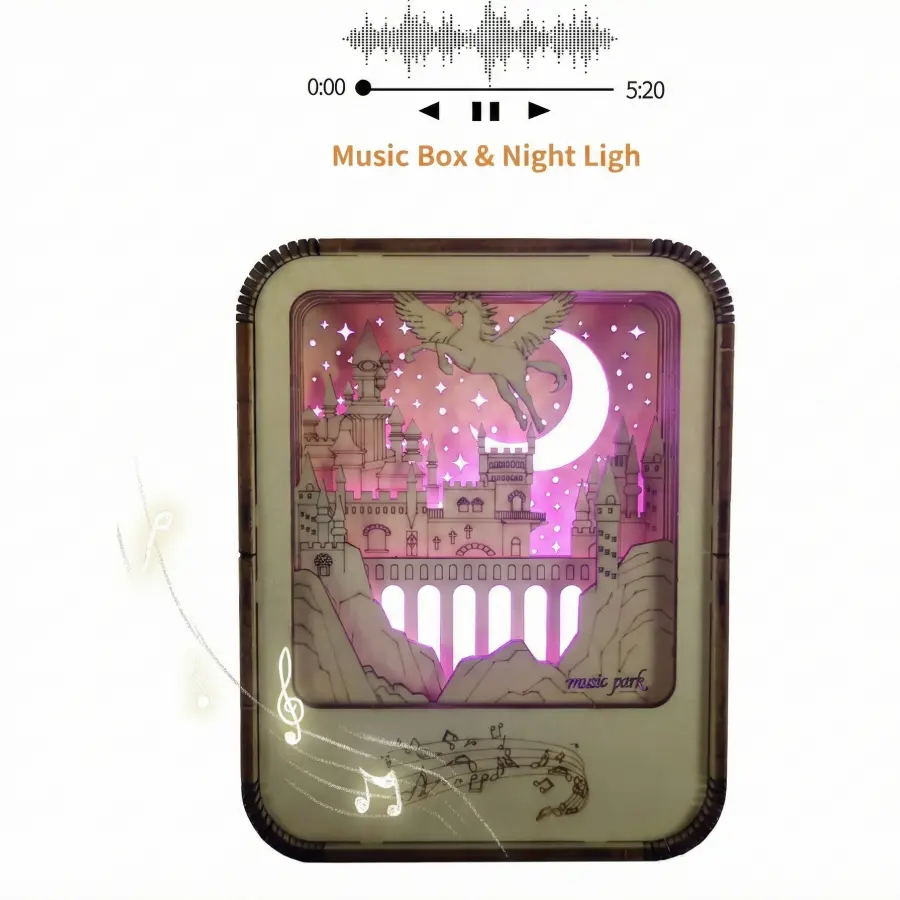
The DIY Castle Music Box Night Light Shadow Box Kit is the castle-cluster pick in the Tea-Sip roster — the name suggests a music box and a night light built into a shadow box. Confirm what is included and the footprint on the product page before buying. If a movement is part of the kit, pair it with a card that names the song it plays, and she’ll connect the sound to the build for years.
Compact options for a smaller shelf. A butterfly or a small carousel can sit beside a stack of paperbacks without dominating the room, and they make a better “first kit” if the shelf space is already crowded.
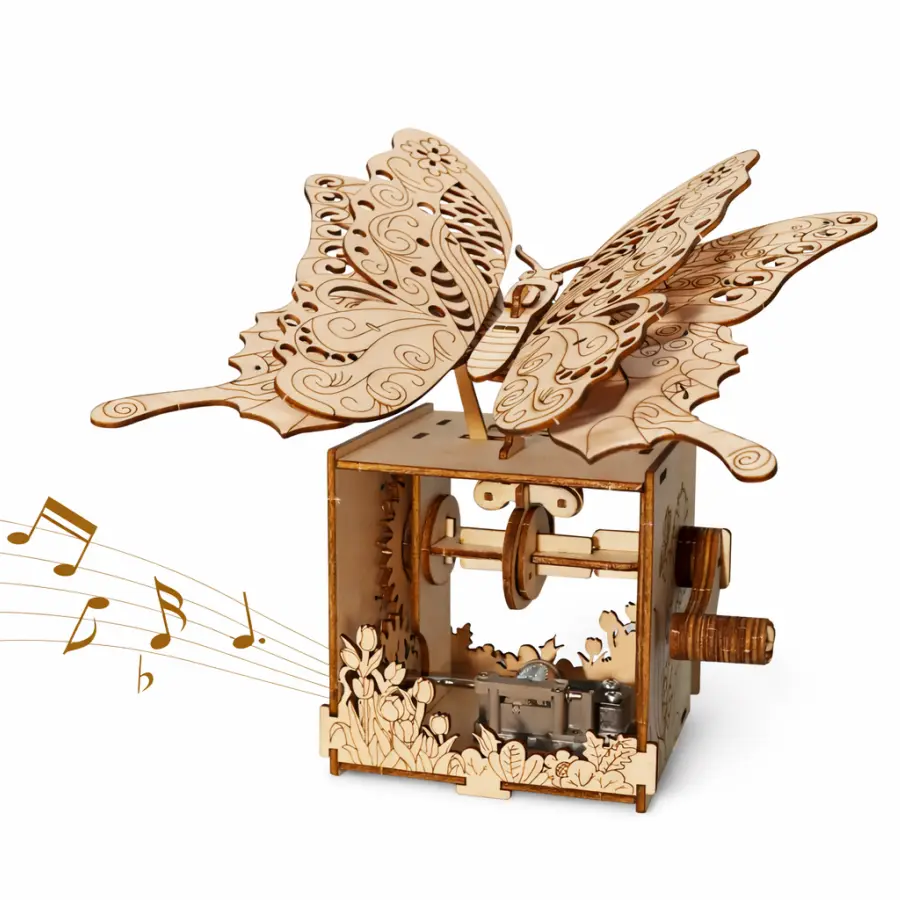
The Layered Butterfly Wooden Music Box fits that slot — a butterfly-shaped wooden music box sized to tuck into a reading nook without taking over. Confirm what is included and the finished size on the product page before buying.
For an older daughter, a desk trophy. If she already has a shelf full of toys and wants something that lives on her desk instead, the 12 Piece Crystal Luban Lock Set is a small crystal object — a lock-puzzle kit that’s the opposite of a big build project. At a listed $28.88 (check the product page for the current price), it sits between a first kit and a keepsake, and it skips the “where will this go?” problem that bigger models create.
The one decisive rule. Pick the display spot first, then buy the kit to fit it. A model that lives somewhere visible is a gift that keeps giving. A model that goes back in the box is a craft project, not a present.
For more on what to put in the box and how to stage the moment, the real way to unbox a wooden puzzle without ruining the moment walks through the ritual in detail.
05. Decision Table: Theme, Age Range, Build Time, and What to Check
The final decision comes down to four boxes: theme match, age range printed on the package, build time you can support, and the small-parts check. Use the table below to scan the Tea-Sip roster by what your daughter is into, then confirm those four details on each product page before you buy.
| Theme / What she’s into | Age Range | Build Time | What to Check |
|---|---|---|---|
| Crystal desk trophy — 12 Piece Crystal Luban Lock Set ← top pick for the “I’ll keep this on my desk” daughter | Verify on box | Verify on box | Confirm piece count, age range, and any included instructions on the product page |
| Music box / carousel — 3d Wooden Carousel Music Box | Verify on box | Verify on box | Whether a movement is included; the recommended age range on the product page |
| Castle / shadow box — DIY Castle Music Box Night Light Shadow Box Kit | Verify on box | Verify on box | Whether a movement and night light are included; the finished footprint vs. shelf space |
| Butterfly ornament — Layered Butterfly Wooden Music Box | Verify on box | Verify on box | Whether a movement is included; the finished size on the product page |
| Fairy-tale carriage — Royal Carriage 3D Wooden Puzzle | Verify on box | Verify on box | Confirm finished dimensions and any moving parts on the product page |
| Pocket brain teaser — 6-in-1 Wooden Brain Teaser Set | Verify on box | Verify on box | How many separate puzzles are in the set; whether any storage or travel case is mentioned on the product page |
One more check before you buy: read the small-parts warning on the product page. Any 3D wooden puzzle with detailed trim — carriage wheels, clock hands, music-box pins — is not a gift for a child who still mouths toys. Match the printed age range to the daughter, not to the theme she asked for.
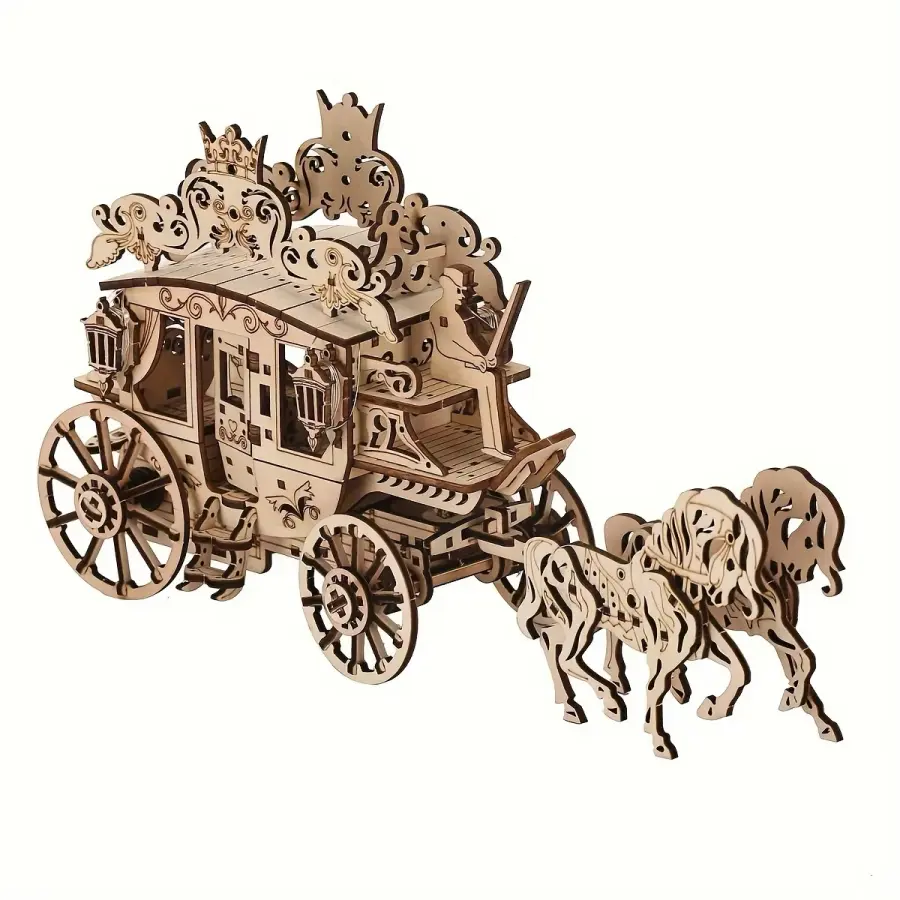
The decisive next step: pick the row that matches what she’s into, open the product page, and confirm all four columns. If any column gives you pause — wrong age range, too many build hours, mechanism not included — move to the row below it and repeat. The theme row that clears all four checks is the one to buy.
Frequently Asked Questions
A theme that matches her interest, a printed age range that fits, and a glue-free build she can handle alone — those three filters answer most of what trips parents up. The questions below fill in the specific details that still come up at the register.
What themes do 3D wooden puzzles come in for girls?
The mainstream clusters are unicorns and animals, music boxes with working movements, castles and dollhouse-style miniature houses, book nook inserts that slot onto a shelf, and mechanical or STEM models with gears. Music box and castle styles photograph best as shelf décor; mechanical styles tend to suit the girl who likes figuring out how something works rather than what it looks like.
Are 3D wooden puzzles safe for young children?
The kits are laser-cut plywood without sharp edges, but the printed age warning on the box matters. Most lines recommend age 8 or 10 and up, because smaller decorative parts — figurine heads, tiny gear pins — can detach during rough play. For a daughter under 8, look for kits explicitly labeled for younger builders and count the small parts on the spec sheet before buying.
Do you need glue for these kits?
Wooden.City’s children’s line, for example, is explicitly marketed as ‘glue-free assembly.’ Check the box or product page for the words ‘no glue’ or ‘snap-fit’ before buying, especially if you want her to build independently without making a mess.
How long does assembly take?
Realistic ranges run from 30–60 minutes for a simple 30–80 piece animal, to 2–4 hours for a mid-sized music box or dollhouse, to a full weekend for detailed 300+ piece sets. Piece count is the best proxy: check the number on the box and use it to estimate hours before you wrap it.
Can a 10 or 12 year old build one by herself?
Usually yes for any kit in the 100–200 piece range. A 10-year-old will likely need a parent to troubleshoot a stubborn gear alignment on a music box; a 12-year-old can typically finish a 200–300 piece model in one or two sittings without help. Independence is less about age than frustration tolerance — start easy and step up.
Where can I buy a 3D wooden puzzle kit for my daughter?
Start with the wooden puzzles category to filter by theme, age, and price in one pass. The current top pick — the 12 Piece Crystal Luban Lock Set — fits an older daughter who likes the “figure it out” challenge. Always confirm the age range and piece count on the product page before checkout, then picture it on her shelf before you wrap it.
Where to Start
If the recipient and occasion checks above match, start with 12 Piece Crystal Luban Lock Set. Check the current product page for the specifications that matter to your choice.
Still comparing options? Use the matching Tea-Sip collection to compare the same decision criteria, rather than restarting the search from scratch.
Sources and verification
- Product details and current specifications: Tea-Sip product page
Last updated: August 14, 2026