Quick Answer: 3D Wooden Puzzle Gift Set: Which Archetype Fits Your Recipient?
Choose a 3D wooden puzzle gift set when the recipient enjoys hands-on building and you want a present that doubles as a display piece; skip a “set” that is just several unrelated mini-puzzles stuffed into one box if the recipient prefers a single satisfying build. The label “gift set” is used three different ways in this category, so the decision rests on three checks: theme coherence, mechanism type, and packaging durability.
A true gift set falls into one of three archetypes. A variety box bundles several small puzzles around a shared theme. A themed collection gathers larger related builds under one subject (vehicles, music boxes, or gear sets). A master build kit is a single high-piece-count project in premium packaging. Most gift shoppers should start with the variety box archetype, then verify the set on three product-page signals. A definitive buyers framework for wooden puzzle sets extends this same decision logic across the wider category.
Set Archetypes at a Glance
| Set Archetype | Piece Count | Best For | What to Verify on the Product Page |
|---|---|---|---|
| Variety box (top pick) | 6–12 small builds | Recipients who like sampling challenges or sharing builds | Shared theme; individual dimensions; total weight |
| Themed collection | 3–5 larger builds | Hobbyists committed to one subject | Whether models are sold together; included storage |
| Master build kit | 1 build, 200+ pieces | Experienced builders | Stated difficulty rating; manual included; replacement-part policy |
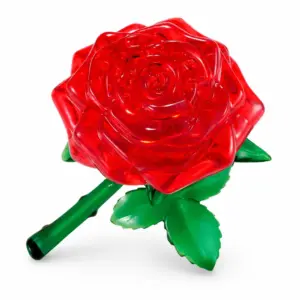
For a variety box that covers a dozen interlocking challenges in one presentation box, the 12 Piece Crystal Luban Lock Set ($28.88) is the strongest starting point. It pairs the variety box archetype with a clear theme (interlocking lock mechanisms), ships presentation-ready, and lets the recipient work through one build per sitting rather than committing to a single long project.
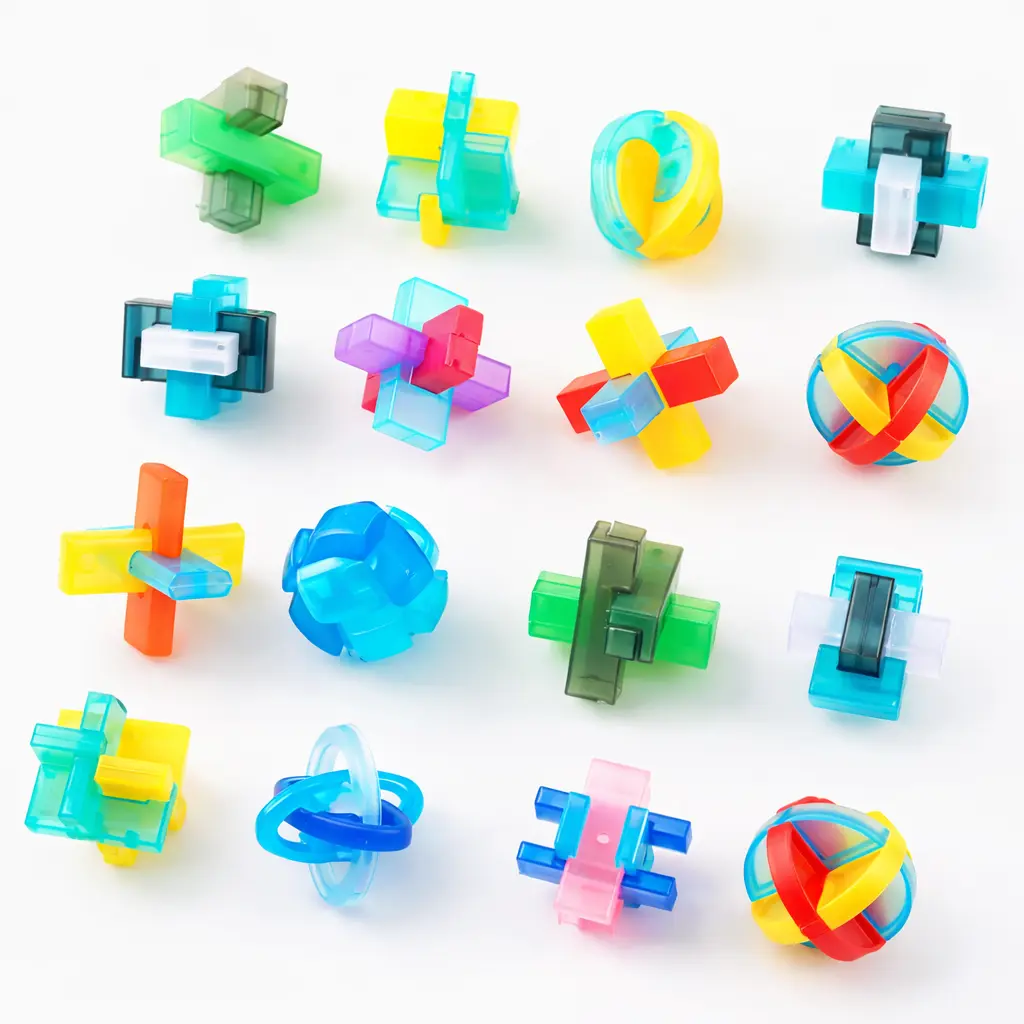
Before any purchase, confirm three things on the product page: total piece count across the whole set (not just one puzzle), the material (laser-cut ply or birch plywood signals better tolerance than MDF-only construction), and whether the box is designed to store finished builds or only the unbuilt parts.
01. What Counts as a 3D Wooden Puzzle Gift Set: The Three Archetypes
Three archetypes define what “gift set” means in this category. The right archetype depends on whether the recipient wants one satisfying build or a curated multi-puzzle experience, and the choice is usually visible on the product page before you add anything to cart. A set like the Amazon 6 Wooden Puzzle Gift Set in a Wood Box sits firmly in one archetype, while a single ROKR Locomotive kit sits in another—and the third lives somewhere between them. For a closer look at the piece-count trade-off, the 3-pack vs 9-pack dilemma for wooden brain teaser sets breaks down when fewer or more pieces makes sense for adult recipients.
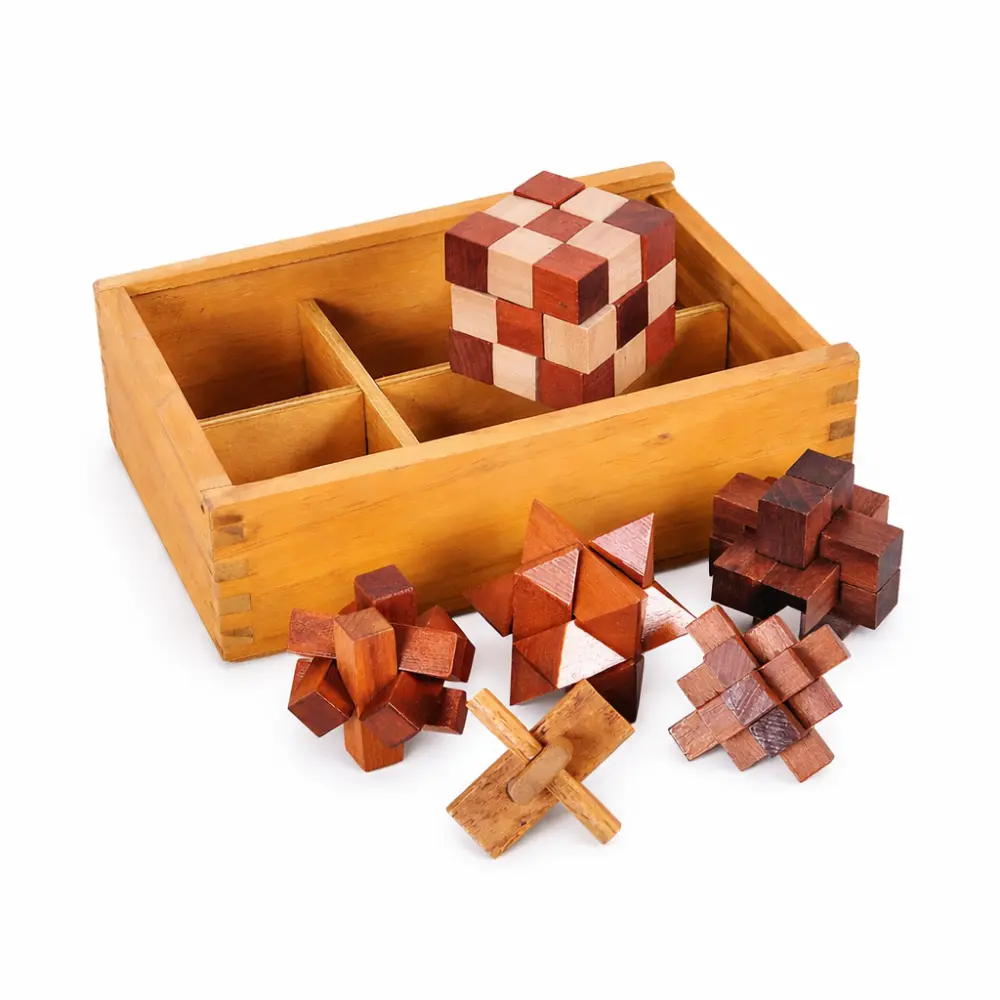
The variety box is the most common format, and it’s also the one most likely to disappoint if bought on photos alone. A variety box bundles several small, unrelated puzzles into one package—often a wooden storage box that holds them all, and sometimes a single printed sheet that tries to cover instructions for every puzzle inside. The Amazon “6 Wooden Puzzle Gift Set in a Wood Box” is the textbook case: six separate puzzles, each roughly 2 × 2 × 2 inches, packed in a shared wooden case. The appeal is breadth—several shapes to try, low commitment per build, and a box that doubles as a display tray. The risk is coherence: if the puzzles don’t share a mechanism type or aesthetic, the set reads as a parts drawer rather than a curated present. When comparing variety boxes, look for shared material—laser-cut ply or birch plywood throughout—since a mixed batch of MDF and plywood is the clearest sign the maker cut corners on tolerance.
The themed collection is the variety box with a point of view. Instead of random brain teasers, every puzzle in the set shares a theme, a mechanism family, or a visual style—so the recipient collects a coherent mini-gallery rather than a grab bag. ROKR marble-run coaster kits are a common example: several runs in one series, each building on a similar gear-and-track logic, so the builder learns a language across builds instead of restarting from zero. Robotime sub-brands like ROKR, Rolife, and Rowood publish many of these themed lines, and hobbyists on r/Hobbies frequently recommend sticking to one series when buying a first set because the piece tolerances, instruction style, and difficulty rating stay consistent across the run. A themed collection is the safest middle ground for a gift—more curated than a variety box, lighter commitment than a master build.

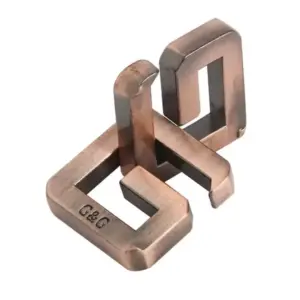
Luban Lock Set 9 Piece — $39.99
The master build is the opposite of a set—it’s a single, substantial puzzle meant to be the build, full stop. The ROKR Locomotive Mechanical Wooden Gear 3D Puzzle Kit fits this archetype: one finished object with hundreds of precision-engineered parts, a long build time, and a display-worthy end result. A master build is the right call when the recipient already builds 3D wooden puzzles and has clearly outgrown entry-level kits—or when the gift is meant to live on a shelf or desk afterward as a conversation piece. It’s also the format least likely to be mislabeled, because the single-model focus makes the product page unambiguous: one piece count, one skill rating, one finished photo.
The simplest way to read any product page: if the listing shows multiple finished objects in one box, you’re looking at a variety box or themed collection; if it shows one large finished object with a piece count in the hundreds, it’s a master build. The difference between the first two comes down to whether the puzzles share a mechanism type or theme—and that’s the single question worth asking before adding any “set” to your cart.
02. Match the Set to the Recipient by Age, Experience, and Occasion
Match the archetype to the recipient before matching it to a budget. A variety box suits a curious first-timer who wants options, a themed collection rewards someone with a specific interest, and a master build fits the hobbyist who already owns a shelf of completed models. The mechanism-or-theme question only becomes useful once the person opening the box is in view.
The variety box is the safe choice when the recipient has never built a 3D wooden puzzle or has only tried one. It spreads the risk: if one model bores the builder, the next three or four still offer a payoff. The Amazon “6 Wooden Puzzle Gift Set in A Wood Box” exemplifies the format—six compact puzzles, each roughly 2 by 2 by 2 inches, packed in a wooden storage box. The trade-off is shallow builds and almost no display value, which is why the variety box suits a birthday or a stocking more than a major gift occasion.
For a variety box, look for compact pieces that fit in one hand and solve in a sitting.
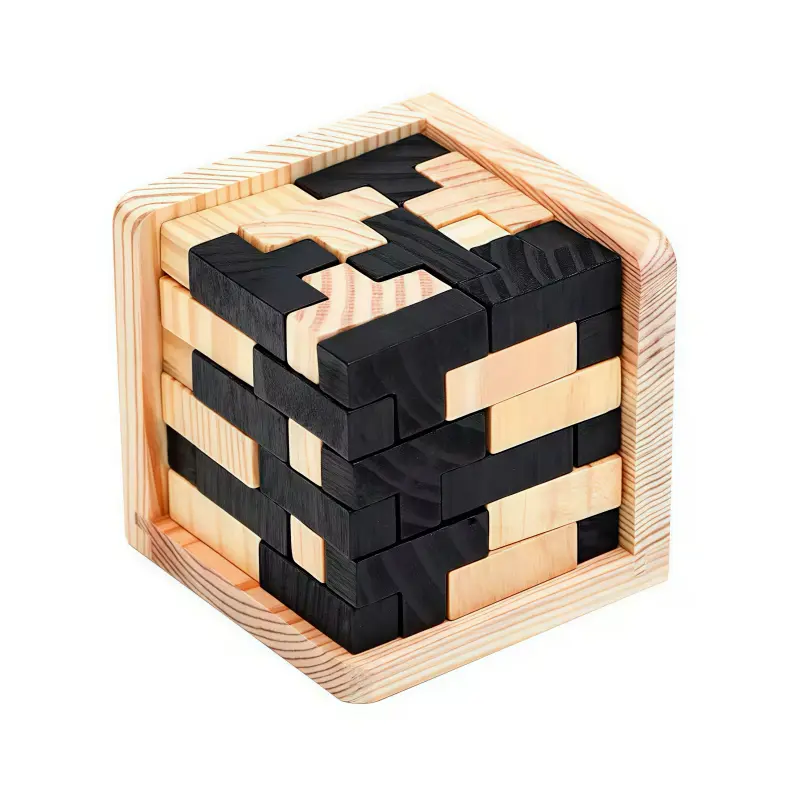
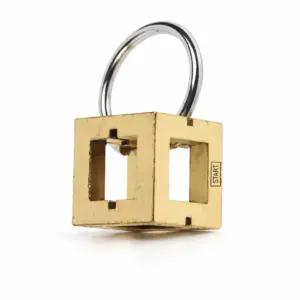
54‑T Cube Puzzle — $18.99
A themed collection shifts the trade-off. Same quantity, deeper coherence: every puzzle shares a mechanism or subject, so the recipient progresses across one logic system rather than bouncing between several. Hobbyists on r/Hobbies recommend this format for someone moving past the first few builds, because it teaches a category rather than just filling an afternoon. The risk is mismatch—if the recipient dislikes the theme, the whole set sits untouched. The 12 Piece Crystal Luban Lock Set is what this archetype should deliver: a 12-piece progression on one mechanism family, simple to advanced within one box.
A themed set works when the recipient already responds to a particular mechanism type.
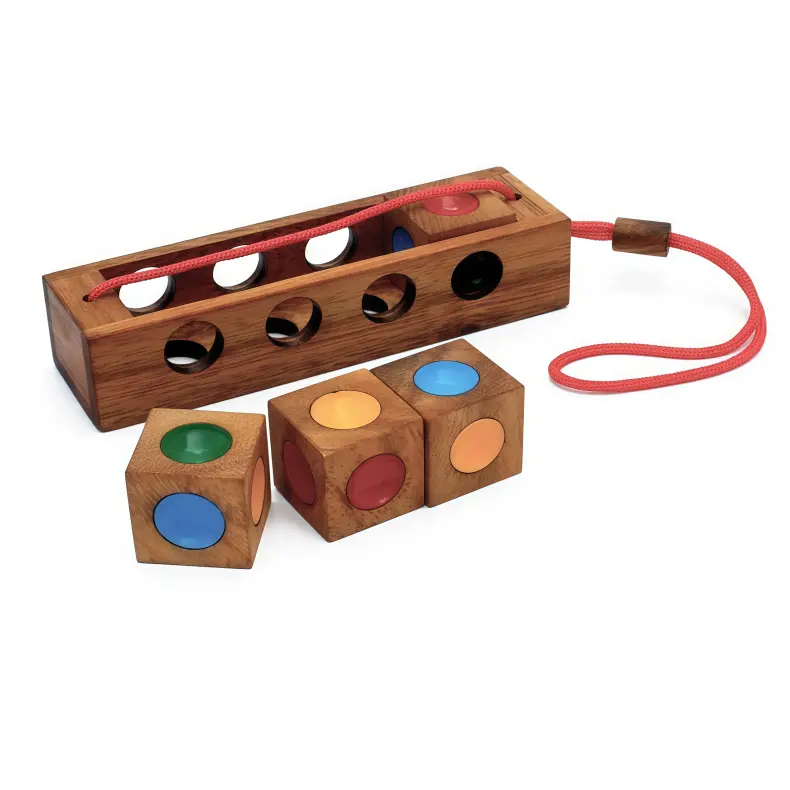
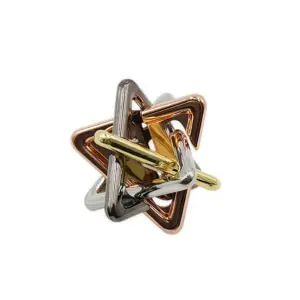
Kongming Lock Color Match — $16.99
A master build is the gift you give when the recipient already collects 3D wooden puzzles. A kit like the ROKR Locomotive Mechanical Wooden Gear 3D Puzzle Kit fits the master-build profile: hundreds of laser-cut parts and a multi-hour build that ends on a display shelf. Hobbyists who have worked through many 3D wooden puzzles across cars, marble runs, and music boxes reach for the master build when they want a project, not a pastime. Skip this format for a first-timer—hours of frustration is a poor introduction to the category.
Children change the equation. The packaging’s recommended-age range is the single signal to trust, because piece count alone does not predict whether small parts are safe. Look for simpler mechanism types, larger pre-cut pieces, and birch plywood over MDF for the cleaner cuts that survive rougher handling. The smallest beginner component still needs a parent’s eye on the age line, since a puzzle that fits a 10-year-old can be a choking hazard for a 6-year-old.
The occasion rarely overrides the recipient fit, but it shapes which archetype to choose. A housewarming favors a master build that becomes part of the new space; a Christmas morning favors a variety box that produces a finished object before lunch; a milestone birthday favors a themed collection that says you paid attention to the recipient’s interest. A last-minute purchase favors whatever archetype is in stock and presentation-ready, not whatever archetype is theoretically correct.
One label to check before adding any set to the cart: the “recommended age” or “difficulty rating” line on the box or product page. It is the only signal that crosses archetypes and brands, and the one detail the recipient cannot adjust on their own after the gift is opened.
03. Read the Set Before You Buy: Piece Count, Mechanism, and Packaging
The packaging is the strongest predictor of whether a “set” was curated or just bundled together. A true gift set arrives presentation-ready with a printed manual, a parts tray, and a box sturdy enough to survive wrapping and unwrapping without spilling sprues across the floor. Skip any listing where the “set” is described as several small puzzles sharing a plain brown carton.
Piece count is the easiest check, but it only matters once you know what the pieces are building. A variety box like the Amazon-listed “6 Wooden Puzzle Gift Set in A Wood Box” contains six small puzzles, each roughly 2″x2″x2″, and the total piece count stays low because each individual build is short — a 30-to-60-minute project per puzzle for a recipient who wants a different challenge every evening. A themed collection groups puzzles of similar complexity around one subject (vehicles, animals, architecture), so piece counts add up but each model stays in the beginner-to-intermediate range. A master build kit is a single model running 100 to 400+ laser-cut ply parts, with a box sized to hold the project, the manual, and the tools in labeled compartments.
Mechanism type tells you what the recipient will actually do once the build is done. Gear-driven sets produce a functional object that moves when a handle turns, and they sit inside the broader mechanical puzzle family of interlocking and assembly types common in wooden 3D sets. Makers like ROKR, Ugears, and Rolife publish a difficulty rating for these kits, though the scales are not standardized across brands. Marble-run sets route a ball through tracks and sit a step harder because the tolerances must be tighter. Music-box sets add a wind-up mechanism to a decorative enclosure, which adds a parts-count jump and a build time that frequently crosses eight hours. Snap-together assembly sets — where the puzzle itself is the experience, not a model to display — fit a recipient who wants a repeatable desk challenge rather than a finished object.
Materials signal where the set sits in the budget range. Made-in-China product listings confirm that MDF (medium-density fiberboard) dominates the budget tier, while birch plywood appears in the mid-range and premium tier. MDF cuts cleanly for simple shapes but chips at the edges and absorbs moisture, which matters if the finished model will sit on a bookshelf for years. Birch plywood holds tighter tolerances and takes a stain or sealant without fuzzing, so it is the better choice for any set meant to become a display piece. The product page or box should name the material explicitly; listings that say only “wood” or “eco-friendly wood” are often MDF with a marketing veneer.
The packaging check is the tiebreaker. A curated set shows a parts tray with numbered slots, a printed manual bound rather than stapled, and a box that closes with a magnetic flap or a fitted lid — cues that hold up under wrapping paper and ribbon. A bundled set shows loose sprues in a plastic bag, a folded instruction sheet, and a plain brown shipper box. The Amazon “6 Wooden Puzzle Gift Set” ships in a dedicated wooden storage box, which signals the seller treats the set as a finished gift product, not a parts kit with a sticker on the front. Look at the second or third product photo; if the box is open and the parts are organized in trays, the set is presentation-ready. If the photo shows a sealed plastic bag taped to a cardboard backer, keep scrolling.
Build time is the check most buyers forget until the recipient is already mid-build. A 200-piece gear-driven set typically runs four to eight hours for a first-timer; a six-piece variety box totals two to four hours across all models combined. The product page almost never states a build time, so the verification step is to read piece count and mechanism type together: low piece count plus simple mechanism equals an evening project; high piece count plus gear or music-box mechanism equals a weekend project. For a milestone birthday, target the longer build because the recipient will remember the time spent more than the finished object.
The next action is simple: before adding any 3D wooden puzzle gift set to the cart, scan the listing for three signals — a named material (birch plywood, MDF, or basswood), a mechanism description (gear-driven, marble run, music box, or snap-together), and a packaging photo showing the box open with parts organized in trays. If any of those three signals is missing, the set is likely a bundle dressed up with the word “gift,” and the recipient will spend the first twenty minutes looking for the manual.
04. Translate Skill Ratings Across Robotime, ROKR, Ugears, and WoodTrick
Skill ratings are not standardized across the major 3D wooden puzzle brands, and treating a Robotime “Level 2” as the same challenge as a Ugears “Beginner” is one of the fastest ways to mis-buy a gift. A label that reads “easy” from one maker can describe a 300-piece gear build, while another maker reserves “easy” for snap-together models under 50 pieces. Before trusting any difficulty tag, translate the rating through the brand’s own piece count, stated build time, and mechanism language.
Robotime and its sub-brands (ROKR, Rolife, and Rowood) use a numbered difficulty scale, with the lower numbers covering small desk objects and the higher numbers reserved for large music boxes and clock mechanisms. Ugears splits its line into “Easy,” “Medium,” and “Hard” tiers, with marble runs and the more elaborate mechanical models sitting at the top of its range. WoodTrick leans on a piece count and age range rather than a numbered scale, and frequently labels a build “Intermediate” that Robotime would call a lower-tier number. A ROKR Locomotive Mechanical Wooden Gear 3D Puzzle Kit, given its large piece count and gear-driven mechanism, would map to the upper tiers of Robotime’s scale rather than the mid-range that the same parent brand might assign to a smaller locomotive.
The three-way translation is what protects the purchase. First, count the pieces: under 80 pieces is almost always an evening build regardless of brand; 80 to 200 pieces is a half-day project; above 200 pieces is a weekend commitment. Second, read the mechanism type — snap-together, gear-driven, marble run, or music box — because a 150-piece gear-driven clock moves much slower than a 150-piece interlocking burr. Third, read the brand’s own build time if listed, and if it isn’t listed, check community threads on r/Hobbies for a comparable model’s reported hours. Across hobby communities, marble runs, gear-driven vehicles, and movie projectors are described as occupying distinct difficulty bands even at the same piece count.
The concrete check before checkout: ignore the difficulty word on the cover, and read the product page for piece count, mechanism, and stated time. If the brand publishes none of those three, assume the rating is inflated and look for a hobbyist thread on the same model. A deeper breakdown of how brands assign those ratings is available in the guide to how puzzle difficulty is rated, which compares the labeling systems side by side. Once the piece count, mechanism, and time match the recipient’s available weekend, the rating becomes a confirmation rather than a guess.
05. What Reddit Hobbyists Say Separates a Gift-Worthy Set from a Skip
Now that difficulty, piece count, and mechanism are matched to the recipient, the next question is whether the kit holds together when the box is opened. Warped plywood predicts a bad gift set more reliably than any other complaint. Across r/Hobbies and other puzzle communities, builders flag sheets that arrive bowed, pre-separated, or with splintered edges as the single biggest reason a kit gets abandoned mid-build, ahead of missing pieces or vague manuals.
The signal that separates a gift-worthy set from a skip is consistent across communities. The r/Hobbies “3D wooden puzzle collection” thread is one place where hobbyists swap build photos and flag which kits survive the second build. If a recipient-friendly build exists on the official ROKR page, the marketplace listing is generally the same product in a different box. Before paying a premium for a “gift edition,” check whether the set is a relabeled standard kit at a markup.
Build-depth also signals quality. Repeat engagement across cars, marble runs, movie projectors, and printing presses only happens when sheets punch cleanly, tolerances hold, and the manual matches the parts on the sprue. A brand that survives many builds in one collector’s hands has already cleared the bar your recipient will set on their first afternoon with the kit.
When one brand’s “advanced” maps to another brand’s “intermediate,” community threads on r/Hobbies are one cross-reference, because official difficulty labels do not transfer cleanly between makers.
The final community tell is the complaint ratio. Search the brand name plus “missing pieces” or “warped” on Reddit, or scan the one- and two-star reviews on the product page before checkout. A handful of complaints is normal for any laser-cut kit, and birch plywood occasionally ships with a slightly off tolerance. A pattern of the same defect across multiple buyers is a skip. If the thread comes back clean, the set is gift-ready; if it does not come back at all, that is also a signal, because no hobbyist bothered to post about it, which usually means unremarkable rather than bad.
For a parallel look at how gift givers and puzzle enthusiasts evaluate the same product differently, how puzzle enthusiasts and gift givers approach brain teasers differently covers the same signals from another angle.
Frequently Asked Questions
The community feedback you just read is a verdict, but it does not answer the last few questions sitting in your cart. These answers draw from the same product pages, r/Hobbies threads, and brand specs the rest of the article leans on, and each one ends with a verification step you can run before clicking buy.
What is the difference between a 3D wooden puzzle and a 3D wooden puzzle gift set?
A single 3D wooden puzzle is one model, one box, one build. A gift set bundles multiple puzzles in one package—variety box, themed collection, or master build kit. The set label changes the experience: one project versus a sustained hobby arc. Check the product page for piece count and number of models in the box.
How many puzzles should a gift set contain?
Four to twelve pieces keeps a variety box fresh. The 6-piece set in a wood box works because each puzzle is small and quick. For themed collections, count projects rather than pieces—one 300-piece clock kit counts as its own set.
Do you need glue or tools to build a 3D wooden puzzle from a gift set?
Most kits use no-glue assembly through precision laser-cut joinery. You may need a small blade to free parts and a file for tabs. Verify “no glue required” on the product page; kits that list “assembly adhesive” are an older style.
Are 3D wooden puzzle gift sets suitable for kids or only adults?
Small brain-teaser sets work for ages 8-10+ depending on piece count. Large mechanical kits with small gears often need adult help. Check the printed age range; if absent, under 100 pieces is usually fine for tweens.
How long does assembly take?
Small variety-box puzzles take 15-45 minutes each. Mid-range mechanical kits run 4-10 hours; large master builds can exceed 15 hours. The product page usually lists build time; if not, assume roughly 30-60 minutes per 100 pieces for a beginner.
Can a 3D wooden puzzle gift set be displayed after assembly?
Functional models (music boxes, clocks, treasure boxes) display well. Single-use brain teasers are meant to be solved, taken apart, and shared. Check the product photos for “functional” or “display model” labels.
What should I look for on the box to avoid a low-quality set?
Skip the box that fails four quick checks. Confirm a difficulty rating with an age range, a material line (birch plywood or MDF), a mechanism description that names moving parts, and presentation packaging with foam inserts. If only an artist rendering and no exploded parts diagram appear, skip it.
The next step is simple: open the 12-Piece Crystal Luban Lock Set product page, run the packaging and piece-count checks above, and confirm it matches your recipient before checkout. A gift set earns its name when the box itself is ready to hand over—no wrapping paper required.
Where to Start
If the recipient and occasion checks above match, start with 12 Piece Crystal Luban Lock Set. Check the current product page for the specifications that matter to your choice.
Sources and verification
- Product details and current specifications: Tea-Sip product page
Last updated: August 7, 2026