Quick Answer: 7 Color Soma Cube Gift for Adults: Is It Actually Gift-Worthy?
Yes — a 7-color soma cube is gift-worthy for most adults when three conditions hold: the colors are saturated and colorfast (not chalky dye that rubs off on fingers), the seven pieces are individually cut with tight piece tolerance (no glued blocks or rough edges), and the packaging reads as display-grade rather than classroom bin. If all three check out, the recipient gets a tactile, screen-free focus object that doubles as desk decor. The 7 Color Soma Cube Puzzle at $21.88 satisfies these conditions as a starting point for most adult gift situations, and it is the right pick when the buyer wants a premium-feeling present without overspending.
Three checks that change the pick:
- Recipient’s hands and space — a recipient who works at a clean desk wants compact pieces that nest into a 3×3×3 cube; a recipient who likes to hold objects while thinking wants larger, chunkier pieces.
- Use case — solve-once-and-shelf buyers need a beautiful object; repeat solvers need tight piece tolerance so pieces don’t loosen over weeks of handling.
- Pairing needs — a single soma cube fits a “thoughtful small gift” budget; pairing it with a second tactile puzzle from the same material family turns it into a curated set.
Quick decision table
| If the recipient is… | Pick | Why | What to check |
|---|---|---|---|
| A desk minimalist who solves once and displays | 7 Color Soma Cube Puzzle — $21.88 | 7-color palette reads as art object, not school supply | Color saturation in product photos; finish on edges |
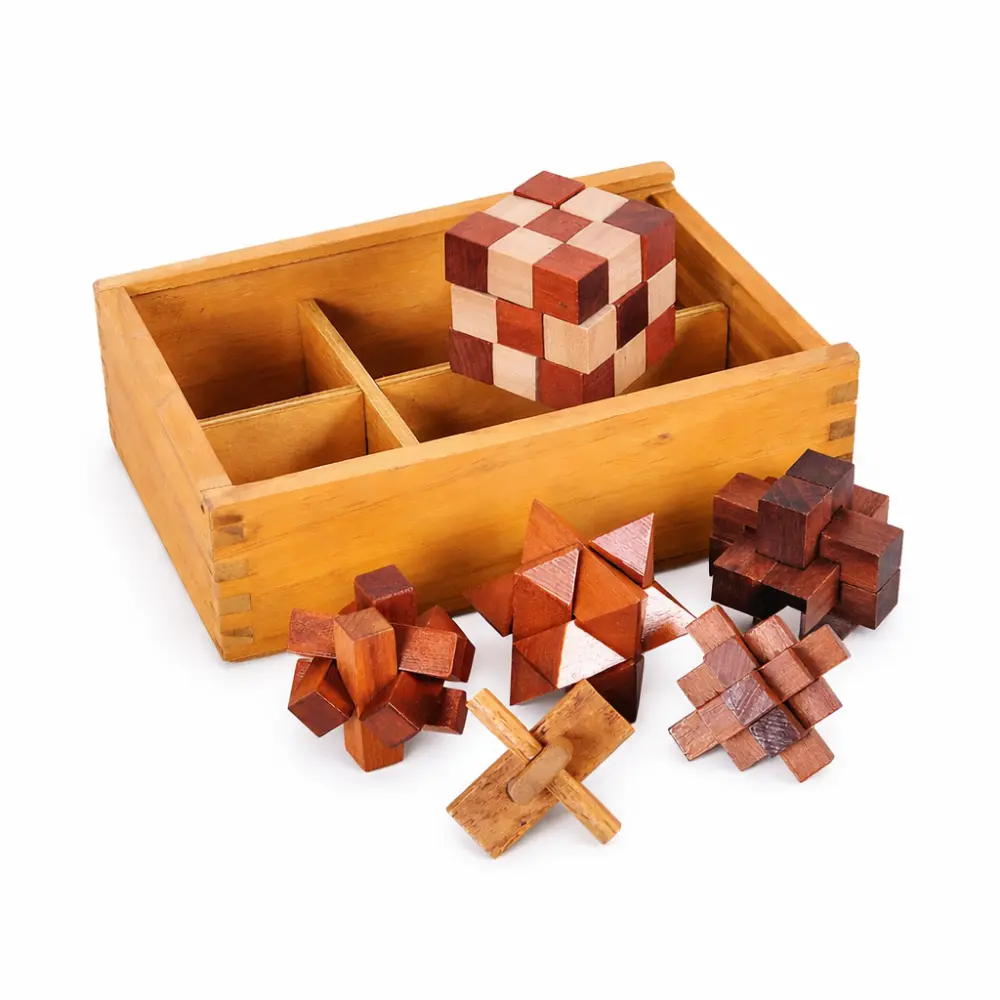
| A tactile puzzler who wants repeat play | 6-in-1 Wooden Brain Teaser Set — $38.88 | Multiple challenges extend engagement beyond the first solve | Piece tolerance; whether pieces are individually cut |
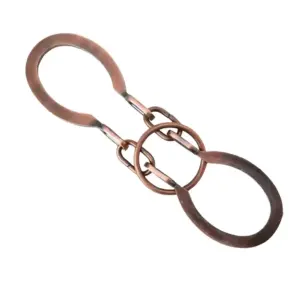
| A mindful fidgeter who likes metal in hand | Sphere Morphs Into Cube — $12.00 | Adds a different material and mechanism to the gift | Metal weight; transformation smoothness |
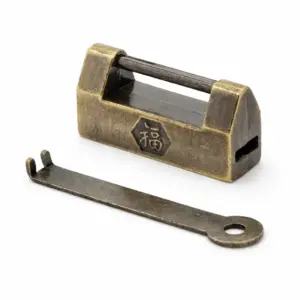
| A color-and-pattern lover | Kongming Lock Color Match — $16.99 | Pairs the soma cube’s color logic with a different shape challenge | Color matching clarity; wood finish |
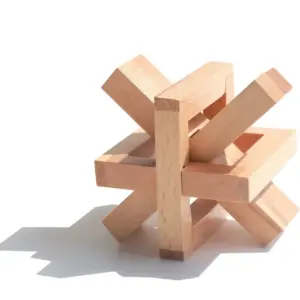
| A spatial-reasoning fan who wants harder | 54-T Cube Puzzle — $18.99 | Higher piece count, deeper challenge after the soma cube is mastered | Piece count; difficulty framing on product page |
The first row is the right answer for the majority of adult gift situations: the 7 Color Soma Cube Puzzle covers the “looks good, feels good, solves well” triangle at a price that reads as a genuine present, not an impulse add-on.
01. Why 7 Color Changes a Soma Cube from Toy to Gift Piece
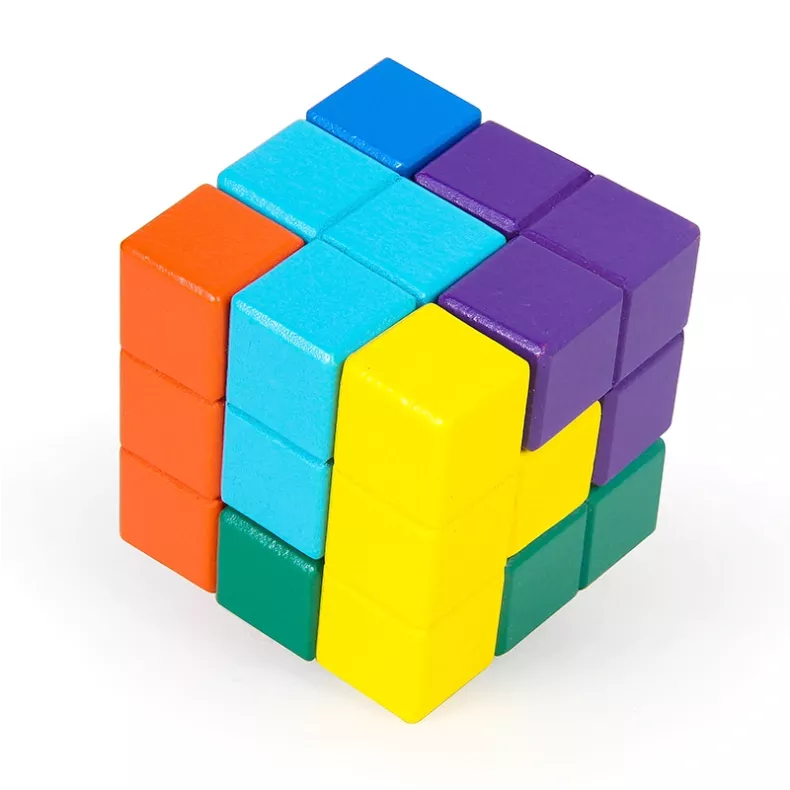
A 7-color soma cube is gift-worthy precisely because the seven colors are a deliberate solving tool, not decoration: each piece gets its own hue so a casual solver can track “the blue L” and “the red stair” through complex configurations without memorizing shapes. When the color count matches the piece count, the puzzle stops being a memorization exercise and becomes a visual logic problem any adult can approach on a coffee break. For buyers comparing across market options, the 7 color soma cube design rationale explains how the per-piece color scheme maps to the solving process.
That single decision — color one piece per shape, and only one — is what separates a gift-grade soma cube from the plain wooden version most adults remember from a classroom shelf. The classic monochrome set, typically stained in two or three natural wood tones, forces the solver to mentally label seven irregular pieces by silhouette alone. For someone sitting down with the puzzle for the first time at age 35 or 55, that label-by-shape requirement adds a layer of friction the colors quietly remove. The recipient still has to figure out how the seven pieces fit into a 3×3×3 cube; they just don’t have to figure out which piece they’re holding first. Which matters here, because the first ten minutes of engagement decide whether a gift gets revisited or shelved.
The math behind the puzzle explains why color-tracking earns its keep. A soma cube uses seven pieces built from 27 unit cubes — six four-cube pieces and one three-cube piece — and the pieces can be assembled into the 3×3×3 cube in roughly 240 distinct configurations. (The figure is widely cited across the mechanical puzzle literature and traces back to work first done in the 1960s, though the exact count varies slightly depending on whether mirrored arrangements are excluded.) For a casual adult solver, that 240-solution landscape is overwhelming without a visual anchor. The seven colors turn an abstract shape-matching problem into a pattern-recognition problem, which is the cognitive mode most adults already trust from crossword puzzles and jigsaws. In practice, a color-coded solver often reaches a first successful assembly in twenty to forty minutes; a monochrome solver working from memory alone can take two or three times that long. The colors don’t lower the difficulty. They redistribute it from memorization to spatial reasoning, which is exactly the kind of challenge an adult gift-recipient is hoping for.
That legibility is what gives a 7-color soma cube its desk presence. Set next to a stapler, a coffee mug, and a stack of notebooks, a color-coded wooden cube reads as a small art object — a Bauhaus exercise in seven hues rather than a child’s learning aid. A monochrome version in raw beech tends to read as office supply. The color is the difference between “something I want to look at” and “something that belongs in a drawer.” For a gift, that visual distinction does most of the work. The recipient doesn’t need to solve it on day one; they need to want to pick it up, and saturated color on warm wood makes that pickup happen.
If the recipient already gravitates toward a different tactile challenge, a color-themed puzzle in the same weight class might land better. The Kongming Lock Color Match applies a similar color-per-piece logic to a Chinese disentanglement form, and it shares the same “desk object, not toy” aesthetic at a comparable footprint.
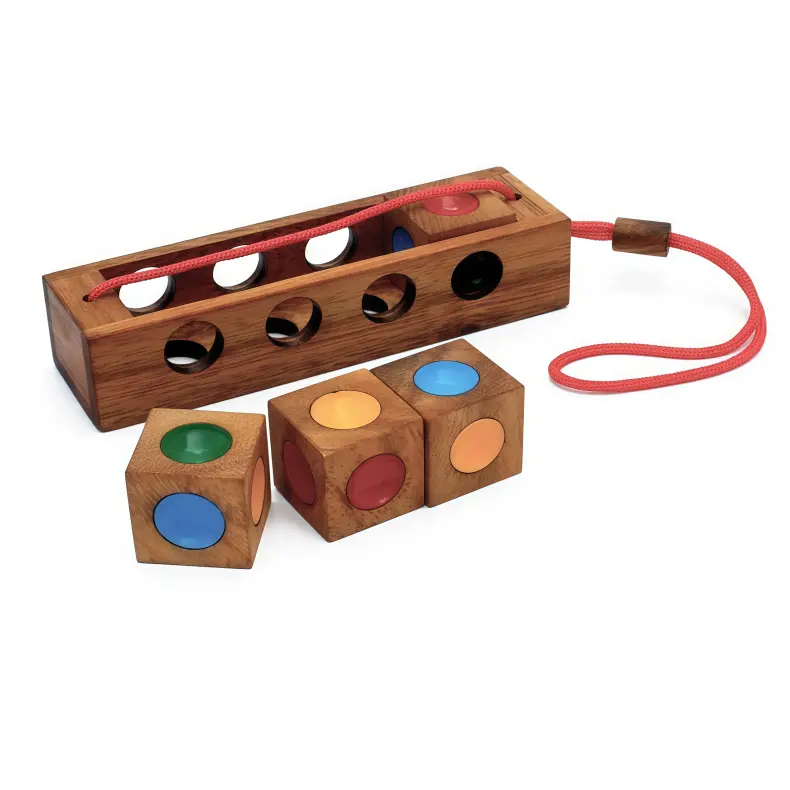
Kongming Lock Color Match — $16.99
One practical check before you buy: in the product photos, look closely at whether the colors appear to be dyed into the wood (a colorfast finish that survives handling) or painted on top of it (which chips at corners within a season of desk use). A gift-grade 7-color soma cube will show pigment integrated with the wood grain, not sitting on the surface. That single visible cue tells you whether the cube will look as good in a year as it does in the wrapping.
02. What Separates a Gift-Grade Soma Cube from a Classroom One
That color check is just the visible layer of a deeper decision. Run four observable tests before you buy: piece tolerance, colorfast dye, non-glue construction (solid wood or RE-Wood, not glued blocks), and packaging that signals display-worth. A soma cube that passes all four earns its place on a desk. One that fails any of them is a classroom toy in a gift box.
Piece tolerance is the gap between the seven pieces when they lock into a 3x3x3 cube. A gift-grade version fits snugly enough to hold its shape when you pick it up and rotate it in your hand, but loose enough that disassembly and reassembly don’t require force. Classroom cubes often have visible gaps, wobble, or pieces that click into place with an audible snap that signals over-tight machining. How to verify: look for product photos that show the assembled cube from a straight-on angle. A perfectly square silhouette with no light leaking through the seams suggests tight tolerance. An uneven outline or a cube that appears to sag on one corner is a red flag. If the listing doesn’t show this angle, ask the seller for a close-up before you commit. Buyers who want a deeper dive into what separates furniture-grade cuts from toy-grade cuts can read about true hardwood tolerance standards before comparing listings.
Colorfast dye is the difference between pigment that lives inside the wood and paint that sits on top of it. Dye-through finishes survive years of handling, desk lamp warmth, and the occasional fingerprint. Surface paint chips at corners within a season of regular use, especially on pieces that get rotated against each other during solving. How to verify: in product photography, color that follows the wood grain rather than masking it signals dye-through. Glossy, uniform surfaces with no grain visible signal paint-on-top. The Made-in-USA Color Soma Cube sold through thebabypenguin.com is constructed from wooden pieces, but the listing doesn’t specify whether the color is dyed or painted, which is a question worth asking the seller directly if the photos are ambiguous.
Non-glue construction means each of the seven pieces is cut from a single block of solid material, not assembled from smaller units bonded together. Glue joints fail over time, particularly in heated offices or air-conditioned homes where temperature swings stress the bond lines. Solid RE-Wood, a recycled wood composite used in educational and gift puzzles, sidesteps the problem entirely because each piece is one continuous material. The WISSNER 7cm soma cube documented on gomixlb.com is built from RE-Wood, which addresses the construction question out of the box. How to verify: check the product description for words like “solid wood,” “RE-Wood,” or “single-piece cut.” If you see “assembled” or notice multiple grain directions visible in a single piece in the photos, that’s a glue joint waiting to fail.
Packaging signals whether the seller thought of this as a gift or a stock item. A box with a magnetic closure, a printed interior, a velvet pouch, or a fitted tray says display-worthy. A plain brown shipping carton with a sticker label says classroom bin. How to verify: product photos that include the unboxing experience matter as much as the cube itself. If the seller doesn’t photograph the packaging at all, assume the worst and budget for your own gift wrap.
Three of these four checks can be run in thirty seconds from a product page. The fourth, piece tolerance, requires either a straight-on photo of the assembled cube or a direct question to the seller. The 7-colour variant listed on serltd.co.uk markets the color set as its distinguishing feature but provides no tolerance or construction details, which leaves the buyer to verify independently. That gap between a listing and a gift decision is exactly where a thoughtful purchase separates from a guess.
03. Matching the Soma Cube to the Recipient’s Space and Habits
Match the cube to the recipient, not to the listing: a compact 4cm version sits cleanly on a tidy desk, a 7cm version fills the hand of a tactile solver, and a tray-presented set suits someone who keeps a small ritual object in view. The size decision is the first gate, and the rest of the gift call — color saturation, packaging, price — gets obvious once the recipient’s habits are clear.
The desk minimalist keeps a clear surface, a single plant, and a small dish of pens. For them, color matters more than size, because the cube becomes a small art object on a coaster or shelf. Saturated, distinguishable colors — a true red, a clean blue, a clear yellow — read as intentional. Faded pastels or three near-identical browns read as a forgotten classroom prop. The 7 Color Soma Cube Puzzle hits this brief directly: seven distinct hues that hold their identity when the cube sits half-solved for a week.
The tactile puzzler already owns a Rubik’s Cube or a metal disentanglement and keeps them in a drawer. They want a hand-feel upgrade. Wood warms to body temperature; plastic stays cold. A 7cm version sits in one hand and rotates comfortably; anything under 4cm feels like a keychain. For this recipient, the solving challenge is the gift, not the display.
The mindfulness seeker keeps a worry stone, a spinning ring, or a small carved object on the nightstand. They want something to handle during a slow evening. Fidget toys are commonly described as objects used for sensory stimulation and focus, and a soma cube solved repeatedly fills that role without looking like a fidget spinner. A fitted tray is the right packaging here, because the recipient will keep the tray on the shelf and slide the cube in and out as part of a small ritual.
That last persona raises the question every adult gift-buyer eventually asks: will they actually use it, or will it gather dust on a shelf in three months? Three observable signals from product photography and packaging answer this directly.
Puzzle tray vs shrink-wrap. If the cube ships in a fitted wooden tray with a lid, the seller has thought about storage and repeated handling. If it ships shrink-wrapped to a brown box, the seller has thought about shipping. Guess which one the recipient will reach for twice.
Branded gift box vs polybag. A printed gift box with a magnetic closure or a ribbon tab signals that the seller imagined the unboxing as part of the gift. A resealable polybag signals that the seller imagined the inventory shelf.
Home setting vs classroom context. If the cube is shown on a desk next to a notebook and a coffee mug, the seller is selling to adults. If it is shown surrounded by crayons and small hands, the seller is selling to parents, and the adult recipient will need to mentally translate the gift before they use it.
A related companion piece for the tactile puzzler is the Sphere Morphs Into Cube, a metal mechanism puzzle in a similar price range. It offers a different solving motion — transformation rather than assembly — and trades wood warmth for cold metal weight, which is exactly the trade-off some tactile solvers prefer.
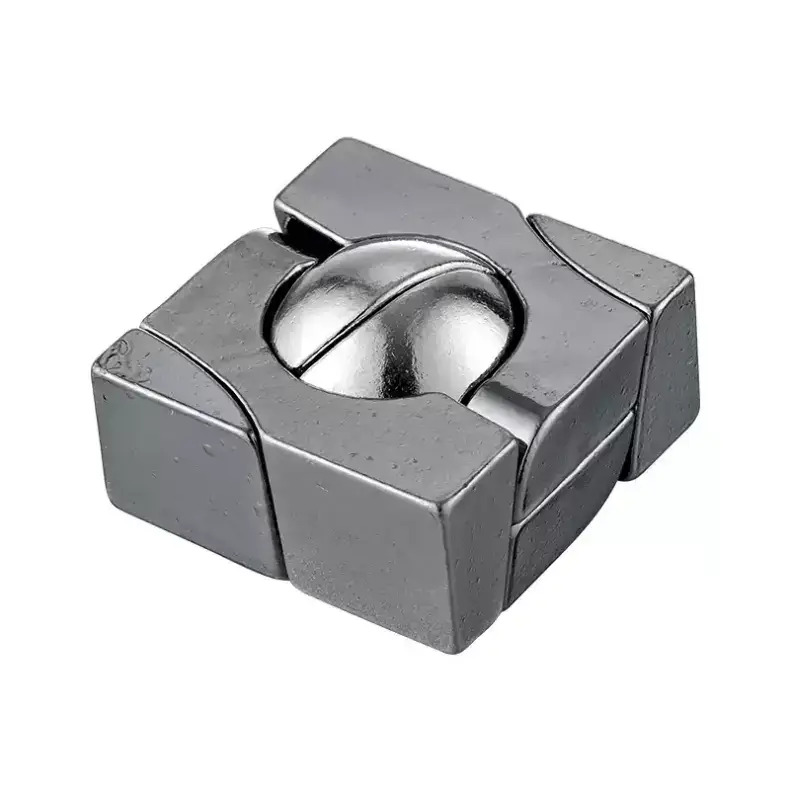
Sphere Morphs Into Cube — $12.00
Soma cubes belong to the broader category of mechanical puzzles, where the solution requires ingenuity and the object rewards repeated handling. That last quality is what separates a one-time gift from a desk companion. A crossword is consumed; a soma cube is revisited. The right recipient will leave it on a side table and reach for it during a long phone call, and the seven distinct colors will be what makes the cube legible at a glance instead of a blur of brown wood.
If the recipient already keeps small ritual objects on their desk — a worry stone, a paperweight, a small sculpture — the soma cube will land naturally. See how desk ornaments as mindful meditation read on a working desk before settling on a final form factor.
For an adult gift, the goal is not just a solved cube but a used one: picked up, set down, picked up again.
04. 7 Color Soma Cube Options Compared: What to Check Before You Buy
Compare each 7-color soma cube against the same six-criteria checklist rather than against a ranking, because the right pick depends on whether the recipient will hold it during phone calls or display it on a credenza. The decision table below puts the primary recommendation first, then shows where other market options sit on the same dimensions. Read “What to Check” as a verification prompt, not a guess. For a broader buying framework that covers wooden puzzles as a category, the wooden puzzle sets buying framework lays out the same decision logic across multiple form factors.
A soma cube that gets used repeatedly passes six checks. Colors are saturated and colorfast — visible through the wood or dyed into the material, not surface-painted in a coat that chips at the corners after a few months. Pieces are individually cut, not glued blocks — the non-glue construction matters because glued assemblies develop visible seams and rarely sit flush when reassembled. Piece tolerance is tight enough that the completed cube does not wobble on a flat surface, and loose enough that pieces still slide during solving. Material is real wood or a wood composite — wood feels warm in the palm during a five-minute break, plastic feels disposable. Packaging signals display-worthiness — a printed sleeve, a felt-lined tray, or a box the recipient keeps rather than recycles. Sourcing is traceable so the gift-giver can answer the inevitable “where is this from” question without guessing.
Comparison Table: 7-Color Soma Cube Options
| Product | Material | Size | Piece Count | Best For | What to Check |
|---|---|---|---|---|---|
| 7 Color Soma Cube Puzzle (primary pick) | Wood | — | 7 | Adult gift where desk presence and color signal matter most | Exact dimensions, colorfastness across all seven dyes, piece tolerance, packaging tier |
| WISSNER 7cm Soma (gomixlb) | RE-Wood (recycled wood composite) | 7cm | 7 | Tactile solving, classroom-adjacent gift | Whether RE-Wood feels warm in hand, whether color is through-dyed or surface-painted, edge finish |
| Color Soma Cube (thebabypenguin) | Wooden pieces, Made in USA | — | 7 | Made-in-USA sourcing, traditional wood feel | Dimensions, wood grain consistency, dye penetration at corners, joint finish |
| 7-Colour Soma Cube (serltd) | — | — | 7 | Buyers who prioritize the color signal above all else | Material and size details, color saturation, whether pieces are individually cut, packaging tier |
The Tea Sip pick leads because the category classification (Wooden Puzzles > Puzzle Toys) and the seven-color naming confirm both the material and the visual framing in a single product. The WISSNER 7cm sits close behind on tactile quality — RE-Wood is a recycled wood composite that holds dye well and tolerates handling — but its market positioning skews toward classroom sets rather than desk display. The Made-in-USA Color Soma Cube trades packaging polish for sourcing transparency, which matters for a gift-giver who values where things come from. The serltd 7-Colour variant exists mainly to confirm that the seven-color scheme is a real, distinct product line, not a marketing flourish on a monochrome set. Which matters here. Two products can both be “7 color” and sit on opposite ends of the gift spectrum.
For a recipient who already solves cubes and wants more challenge rather than more colors, a 54-piece T-cube offers a steeper climb without changing the tactile vocabulary.
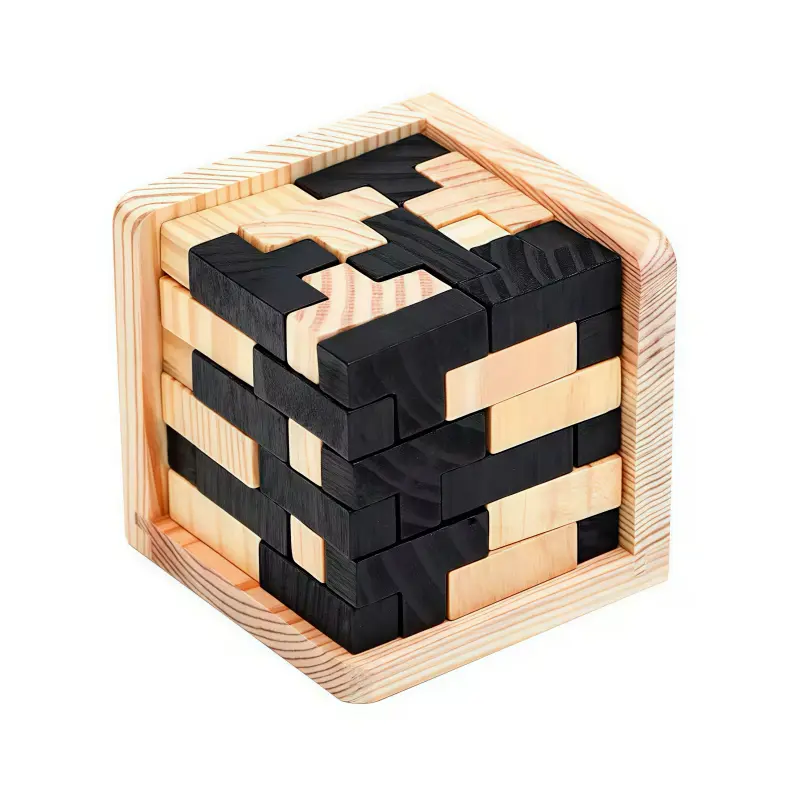
54‑T Cube Puzzle — $18.99
For a recipient who is new to tactile puzzles and might not commit to a single shape, a multi-puzzle set lets them try several mechanisms before settling on a favorite. The 6-in-1 set covers a range of disentanglements and assemblies in one box.
The One Question to Ask Before Checkout
Message the seller with a single question: “Are the seven colors surface-painted, dipped, or dyed through the material, and what does the finish look like after a few hundred assembly cycles?” A confident answer names the dye process, the wood or composite type, and either references a finish test or shows a worn sample. A vague answer — “premium finish” or “child-safe paint” — signals the same classroom-tier construction most of the market uses, and the gift will land as such.
05. Adult Soma Cube Gift Questions, Answered
The one question that settles most gift decisions is whether the recipient will pick the cube up after the first week. A soma cube earns permanent desk space when it rewards repeat handling with new configurations; a classroom version gets solved once and shelved. The eight questions below cover the adult-gift concerns that surface before, during, and after that first assembly.
Is a soma cube too easy or too hard for an adult who’s never solved one? The base challenge — assembling seven pieces into a 3×3×3 cube — sits in the same range as a Saturday crossword. First-time adult solvers typically work through it within an afternoon. The deeper appeal is the 240 valid configurations, which turn the puzzle into a repeat-play object rather than a one-time brain teaser.
How long does the first solve take? Anywhere from 20 minutes to a few hours, depending on whether the solver works by trial and error or visualizes rotations in advance. A simple check: ask whether they prefer jigsaw puzzles (visual matchers, faster) or logic puzzles (sequential reasoners, slower). Both groups engage, but time-to-solve differs.
Wooden versus plastic — which suits a gift? Wood feels warm in the hand, has natural grain that catches light, and reads as an object worth keeping on a desk. Plastic versions look mass-produced. For an adult recipient, wood signals intentionality. Verify by checking the product page material description for terms like “solid wood” or “RE-Wood” (recycled wood composite) rather than generic “wooden.”
Does the 7-color scheme actually help solving, or is it decorative? It genuinely helps. With seven distinct colors, a solver can track which piece is which across the 240 configurations, especially when comparing two assemblies side by side. Monochrome sets force solvers to memorize piece shapes by orientation, a higher cognitive load. The colors are both function and finish.
Is it a good gift for someone who does crossword puzzles? Yes. Crossword solvers enjoy pattern recognition; soma cube solvers enjoy spatial pattern recognition. The cognitive muscle is adjacent but different. A crossword person will likely approach the cube visually, which often leads to a faster first solve.
Can the colors chip or fade with regular handling? Cheaper surface paint can chip at corners where pieces meet, and dye-based finishes can fade with sun exposure on a desk. Check the product page for a finish description, and ask the seller about colorfastness — the right answer names the dye or stain process rather than vaguely promising “premium quality.”
What’s a fair price for a gift-quality version? The simplest check: a solid-wood version with individually cut pieces and saturated color typically costs more than painted plastic sets, and the price on the product page should match the framing you want. The 7 Color Soma Cube Puzzle lists at $21.88. Verify the current price and material detail before checkout.
Are there soma cubes made for adults versus kids? The physical product is the same; the framing, finish, and packaging differ. “Educational” versions lean toward lighter colors and softer tolerances; gift-oriented versions emphasize saturated dye, tighter piece tolerance, and a box that looks right on a shelf. The puzzle itself does not know its audience.
The next step: If the recipient already keeps a small object on their desk — a paperweight, a worry stone, a ceramic figure — a 7-color wooden soma cube is a quiet upgrade. The 7 Color Soma Cube Puzzle combines the saturated finish and solid construction this gift decision requires. Check the product page for the current price, send the seller the finish question covered in the previous section, and the gift will land as intended.
Where to Start
If the recipient and occasion checks above match, start with 7 Color Soma Cube Puzzle. Check the current product page for the specifications that matter to your choice.
Still comparing options? Compare the same decision criteria across alternatives, rather than restarting the search from scratch.
Sources and verification
- Product details and current specifications: Tea-Sip product page
Last updated: August 24, 2026