Quick Answer: Beginner Puzzle Set as a Retirement Gift: How to Pick One
For a retirement gift, the best beginner puzzle sets are 3-in-1 to 6-in-1 collections that progress from 100–300 piece jigsaws to a 500–750 piece build, so the retiree finishes something in the first sitting and builds confidence for the next one. Choose a set with a sorting tray, a large-print reference poster, and a non-glare matte finish if the retiree is 60+. For a true first-timer who has never puzzled, a compact 12-piece lock set applies the same graduation idea in a different form.
Three checks decide the pick:
- Piece-count progression. An easy-to-hard ladder is the beginner feature; a same-count bundle is just packaging.
- Age-appropriate features. Piece size, grip comfort, and a matte non-glare surface matter under reading-lamp light.
- Presentation. A hobby box that closes for the next build beats shrink-wrap that lands as clutter.
The pick shifts on the retiree’s hands and space. For a broader shortlist covering more retirement-party options, see 7 unique puzzle gifts for retirement party that spark connection.
Decision table: which set fits which retiree
| Set archetype | Piece range | Best for | What to check |
|---|---|---|---|
| Mechanical lock set (12-in-1) | 12 graduated locks | True beginner — one-sitting wins, no table needed | Piece size/grip, storage box, choking hazard for under-3s |
| Wooden brain-teaser set (6-in-1) | 6 challenges | Retiree who prefers wood; doubles as display | Choking hazard, solve-time listed, box closes |
| Multi-jigsaw collection | 100 → 300 → 500 | Solo first-timer wanting a multi-day hobby | Matte finish, reference poster, sorting tray |
| Single large jigsaw | 1000+ | Already-active puzzler | Skip for a first-timer — failure risk is high |
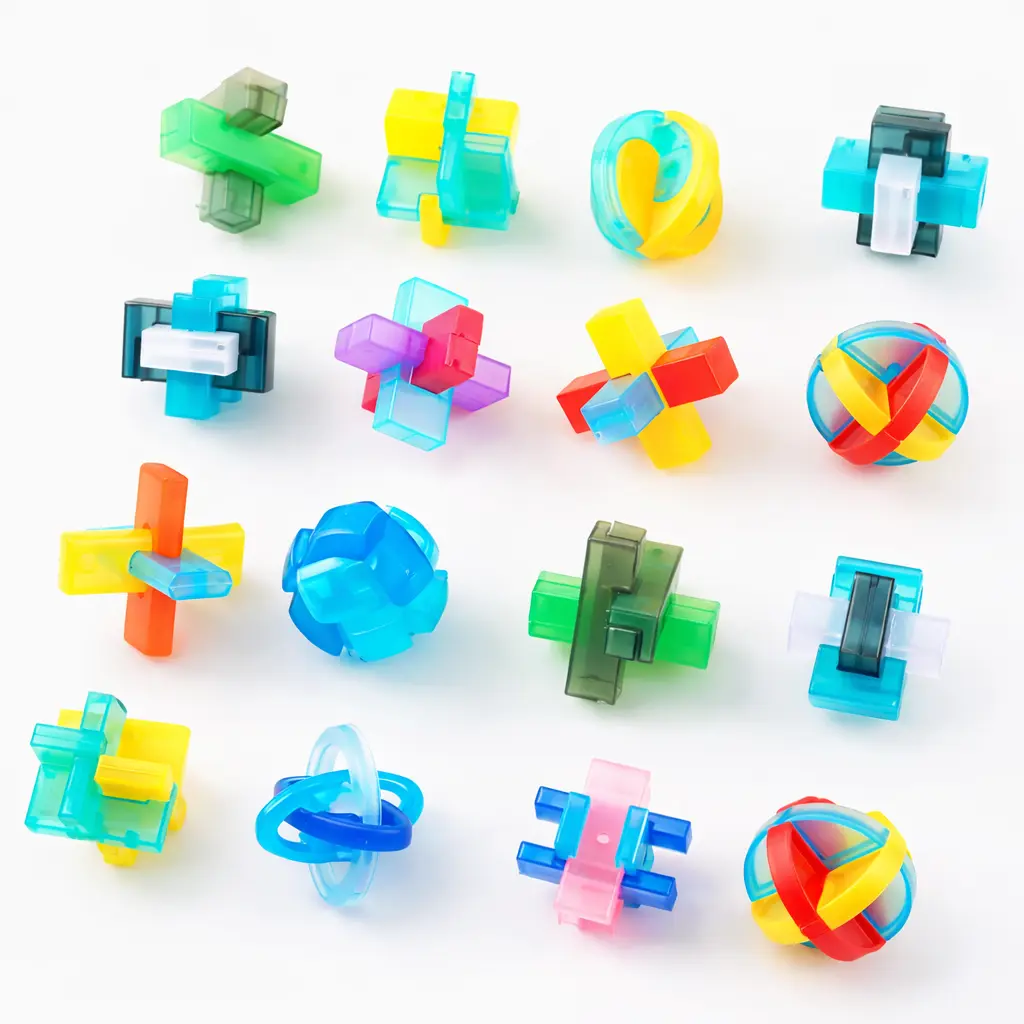
The 12 Piece Crystal Luban Lock Set is the most compact 12-in-1 starter on the Tea-Sip roster — twelve locks to pick up, solve, and set down in one sitting, then return to tomorrow. At $28.88 it sits in the typical retirement-gift price band and arrives as a single presentable box.
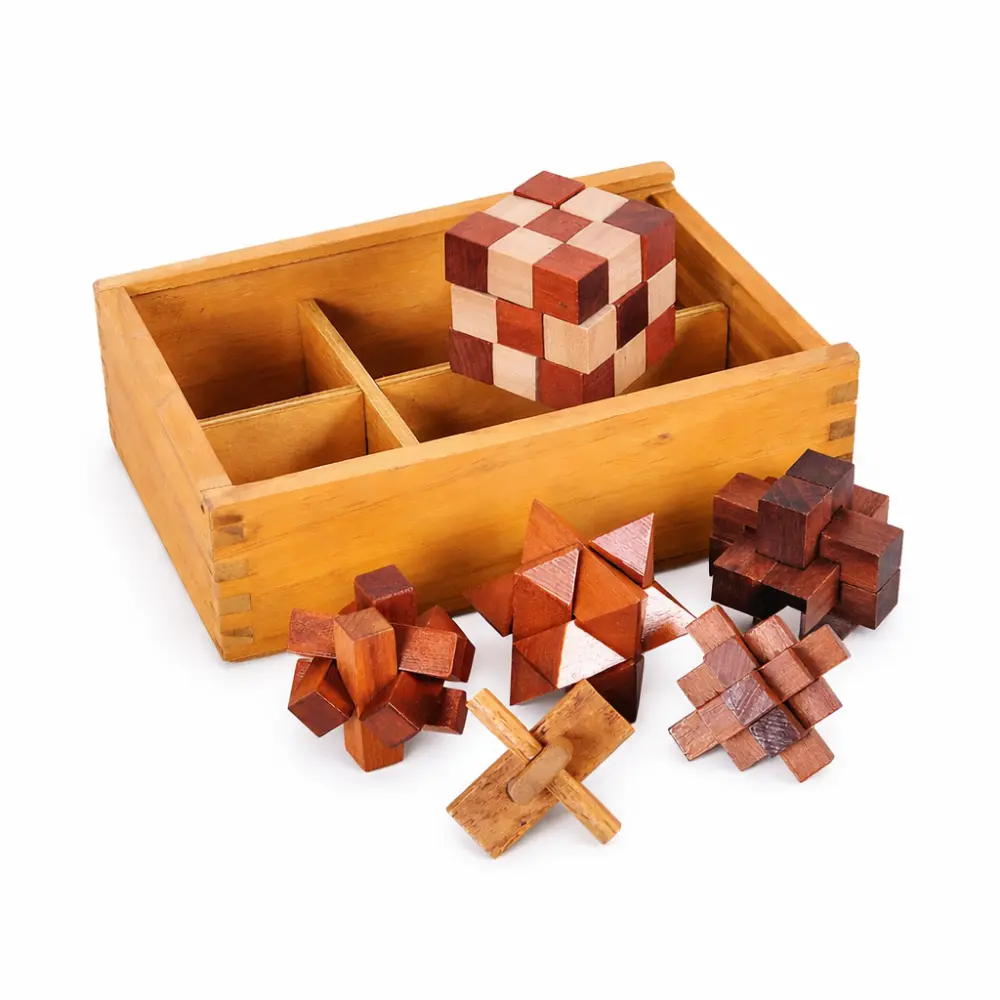
If wood suits the recipient, the 6-in-1 Wooden Brain Teaser Set applies the same graduated idea and lives on a side table between sessions. Confirm piece size, grip comfort, and box-closure on the product page before ordering.
01. Why a Puzzle Set Works Better Than a Single Puzzle for a New Retiree
Choose a graduated puzzle set over a single jigsaw when you want the retiree to finish something in the first sitting and keep going, not just receive one puzzle that may stay in the box. A piece-count ladder — 100 pieces, then 300, then 500 — protects against the new-retiree trap of opening a 1000-piece image, feeling overwhelmed, and shelving it unfinished.
The retirement transition is the first reason this matters. A new retiree suddenly has open mornings, quiet afternoons, and no standing meeting to fill them. A puzzle is a screen-free object that lives in plain view on a side table or dining table — unlike a card, a voucher, or a bottle of wine. The Opus Puzzles retirement guide describes a wooden puzzle as “a calm, screen-free, mind-engaging hobby in a box, warmer than a card or voucher” (Opus Puzzles). A graduated set extends that logic, because the hobby needs somewhere to go after the first box is done.
The cognitive case is the second. A very large puzzle can feel daunting and go unfinished — the specific risk the Opus guide flags for new retirees. A beginner set solves it with a piece-count progression: a same-day 100-piece win, a weekend 300-piece build, and a 500-piece project for the next stretch of free time. The first finish matters more than the final challenge. Once a small jigsaw is done in one sitting, the second box stops feeling like a risk and starts feeling like a routine.
The social case is the third. Many new retirees puzzle socially — with a spouse over morning coffee, a friend on the porch, or visiting grandchildren. Each box in a graduated set suits a different occasion. A 100-piece jigsaw is the table you leave out when the kids visit. A 500-piece build is the project you and your partner share over two weekends. One box rarely covers all those situations.
The keepsake case is the fourth. A set is a tangible object the retiree can see, stack, and revisit. A voucher is acknowledged and filed. The set, in contrast, says: I thought about your next chapter, not just your last job.
Most buyers miss the actual product feature. The piece-count ladder — 100→300→500 — is the design element that turns three ordinary jigsaws into a beginner curriculum. Theme is decoration. The ladder is the mechanism.
For a wood-side option that works as a graduated starter, the 6-in-1 Wooden Brain Teaser Set offers six sequential builds in one box. It suits a retiree who prefers wood to cardboard. Confirm piece size, grip comfort, and how the box closes between sessions on the product page before ordering.
A set also beats a single puzzle on storage. When the first jigsaw is done, the pieces need somewhere to live if the hobby is going to continue. A set that includes a sorting tray or stackable box leaves the retiree with a system, not a pile of pieces with no obvious home.
Your next action is simple. Before you read the theme, read the piece counts in order. If they climb from small to medium in clear sequence, you are looking at a beginner curriculum. If every box is the same size, or the set jumps from 300 to 1500 with no middle rung, the “set” is a bundle with a fancy label. For a wider evaluation framework that covers wooden sets across categories, see the wooden puzzle sets buyers framework.
02. Five Beginner-Friendliness Checks to Make on the Box or Product Page
A beginner-friendly puzzle set is verified by five observable features, all readable on the box or product listing before purchase. If even one is missing, the set is a bundle dressed up as a curriculum. These checks are how you tell a retirement-friendly starter kit from a discount multi-pack, and none of them require a guess.
The five checks sit in priority order. Piece-count progression is the spine of the whole set. Cut style, reference poster, matte finish, and storage make the spine usable in a real living room at 7 p.m. on a Tuesday. Reject the listing as soon as two checks fail.
1. Piece-count progression.
The piece counts should climb in order, not repeat. A 100→300→500 or 100→300→750 sequence gives the retiree a same-day win, a weekend build, and a longer project to sink into. A set of five 500-piece puzzles gives five identical challenges with no progression, and the retiree will either blaze through them in a week or stall on the second out of boredom. How to verify: read the piece counts on every box in the set, in order. If three boxes in a row say 500, the “set” is a bundle with a gift box wrapped around it.
2. Grid-cut vs random-cut pieces.
Grid-cut pieces sit in neat rows of the same shape, which makes them easy to sort by edge, color, and pattern block. Random-cut pieces vary in shape across the whole image, slowing a first-time puzzler down and turning a relaxing hobby into a chore. For a beginner over 60, grid-cut is the safer bet on the first two or three builds, with random-cut reserved for later once the habit is in place. How to verify: look at the product photos, not the marketing copy. If every piece in a sample shot looks identical in shape, it is grid-cut. If the shapes vary noticeably from piece to piece, it is random-cut.
3. Reference poster.
A large-print reference poster removes the need to hunch over the box lid for two hours. A full-size poster on the table, or taped to the wall next to the build, lets the retiree sit upright and sort at a comfortable reading distance. Box-lid reference images are usually small and force constant leaning in and out of a reading lamp. How to verify: check the product description for “poster included” or read the box contents list. If only a small insert image is mentioned, assume no full poster is included.
4. Matte (non-glare) finish.
Reading-lamp light on glossy cardboard creates a glare that washes out color and forces the eye to work harder to distinguish one piece from the next. A matte finish spreads the lamp light evenly and keeps the image readable at any angle, which is the difference between a relaxing evening and a headache by the second hour. For 60+ eyes, this check matters more than piece count. How to verify: look at the product photos. If you can see a clear reflection of the light source on the puzzle surface in the gallery shot, the finish is glossy. If the surface looks flat and even under the same lighting, it is matte.
5. Sorting tray or hobby box.
A set without a storage system creates the “finished the first one, what next?” problem: pieces from the second build end up mixed with the first, or shoved back in the wrong box, and the retiree loses a Saturday re-sorting before they can start. A sorting tray or stackable hobby box gives the pieces a permanent home between builds, so the retiree can rotate between the set’s puzzles without losing progress on either. How to verify: look for “sorting tray,” “puzzle box,” or “storage included” in the listing. If the listing only describes a flat retail box, plan to add a tray separately or accept that storage is on the recipient to figure out.
Once you have checked all five on a product image gallery, you can move on to theme, color, and price. If three or more checks are missing, skip the set and keep looking. A set that fails two checks will frustrate a beginner within the first sitting; a set that fails three will likely sit in a closet after the first build.
Your next action: open the product image gallery for any puzzle set you are considering. Look at the back of the box, the contents list, and any photo of a built puzzle in a real room. Confirm all five features before you add the set to your cart.
03. Matching the Set to the Retiree: Solo, Couple, or Grandparent-Builds
The piece-count ladder decides which set is the right one, and so does who is sitting at the table. A 1000-piece set for a solo new puzzler and a 300-piece set for a grandparent-plus-grandkid build are different purchases, even when they share the same box. Match the set to how the retiree will actually build, and you stop buying a closet decoration.
The solo enjoyer: plan for the multi-sitting build
A solo retiree who wants the puzzle to become a habit needs a set that survives being left mid-build. The work has to be pick-up-able tomorrow morning without re-sorting loose pieces off the carpet.
What to verify:
– The largest piece count is 500–750, not 1000. A solo beginner at 60+ who sits for an hour at a time is looking at a week of evenings, not a weekend.
– The pieces are grid-cut. Grid-cut means rows and columns the eye can follow; it is the feature that makes a solo build feel like progress instead of a hunt.
– The listing mentions a sorting tray, a puzzle mat, or a stackable hobby box. If it doesn’t, the first interruption kills the rhythm.
A graduated lock-based set works particularly well here, because each lock is its own short solve rather than a single long project. The 12 Piece Crystal Luban Lock Set functions as a 12-step beginner curriculum: each lock is a standalone challenge, the difficulty rises from piece to piece, and the retiree finishes a “puzzle” in one sitting before reaching for the next. That is the same logic as a 100→300→500 piece-count ladder, compressed into tabletop-sized challenges.
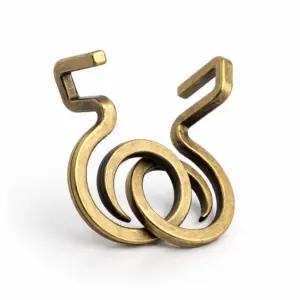
A small handheld puzzle also fits a solo sitter’s routine. The 4 Band Puzzle Ring lives on the side table and becomes a five-minute break challenge between longer builds — a pocket-sized hand-occupier in a retirement routine.
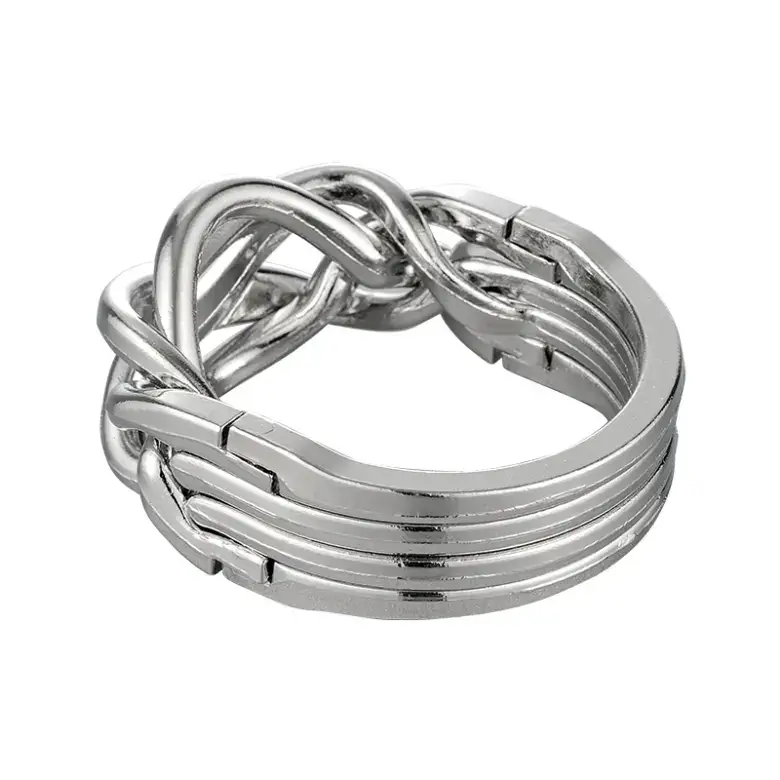
4 Band Puzzle Ring — $11.99
The couple: two readers, one table
A retired couple who puzzles together needs a set that does not require one person to babysit the other. The right set divides cleanly, so each person can work a section, an edge, or a color group without crossing wires.
What to verify:
– The piece-count range goes high enough that two pairs of hands stay busy — typically 500 pieces minimum, ideally 750 or above.
– The reference poster is large enough to read from both sides of the table. A folded letter-sized insert forces one person to stand and lean.
– The piece cut is forgiving of “wrong fits.” Random-cut pieces require more dexterity; grid-cut or large-piece cuts are friendlier to two people working at the same time.
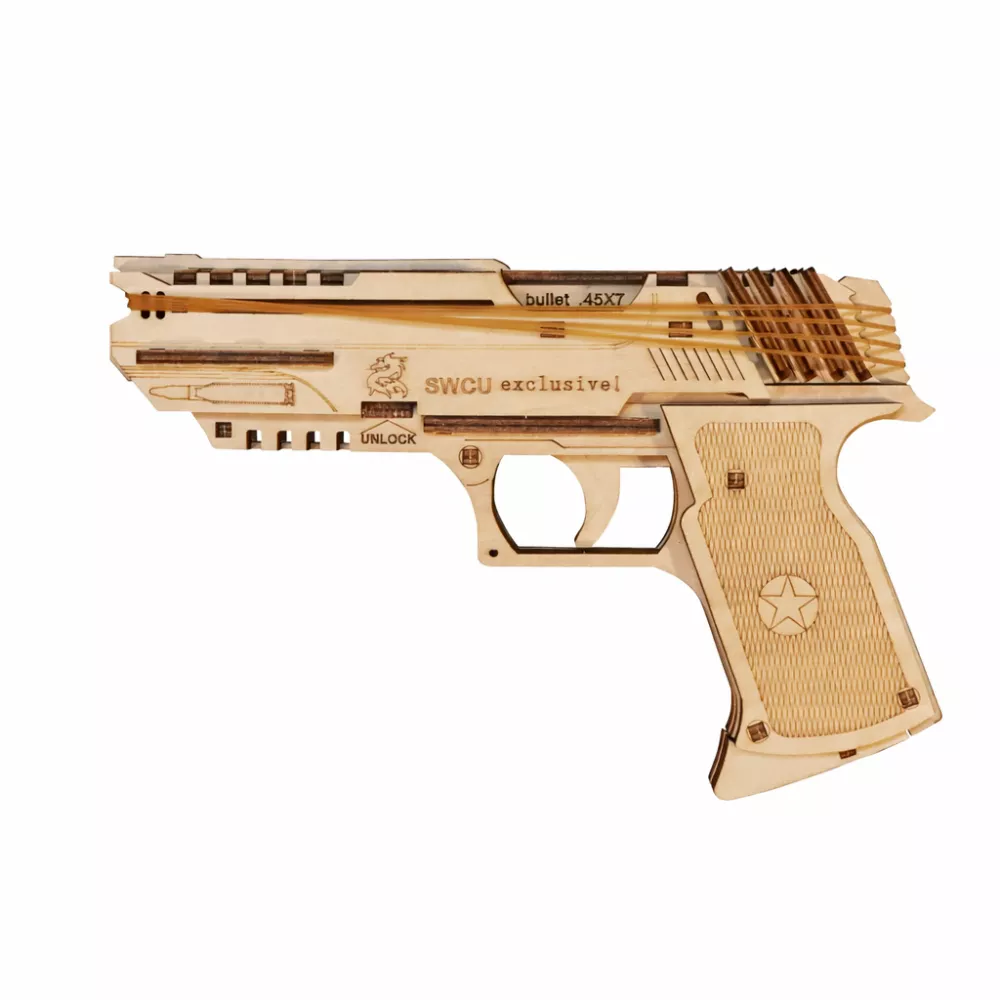
A 3D build also suits a couple who wants something to display when the project is done. The 3D Wooden Mechanical Pistol Kit takes two pair of hands across a weekend and produces a finished object on a shelf, rather than a broken-down box that gets folded back into storage.
The grandparent who builds with grandchildren
This is the profile that breaks the most gift sets. The 1000-piece jigsaw the grandparent would love is also the jigsaw a 5-year-old abandons after twenty minutes, and the 48-piece kids’ puzzle is finished before the grandparent has poured the coffee.
What to verify:
– The set’s smallest puzzle is in the 100–300 piece range. That is the shareable build — large enough for an older child to contribute, small enough to finish in an afternoon.
– The age recommendation on the box is checked against the youngest grandchild who will be in the room. Large-piece jigsaw sets typically list 6+ or 8+; wooden mechanical kits vary. Pieces small enough to pass through a cardboard toilet-paper roll are choking hazards for under-3s, and this is the single check most gift buyers skip.
– The image has clear landmarks. Children stay engaged when they can see the picture forming. A solid-color field with no edge contrast is a grandparent’s project, not a grandchild’s.
Reader action
Pick the profile first. Then read the set’s smallest and largest piece count on the product page. If both numbers fit the build that will actually happen at that table — solo, couple, or grandparent-plus-grandchild — the set is the right one. If only one number fits, keep looking.
04. Cardboard vs Wooden Puzzle Sets: What Changes for a Retirement Gift
Once the profile is set and the piece-count range matches the build that will actually happen, the next decision is material. Cardboard and wooden puzzle sets both work as a retirement gift, but they signal different things and last differently — pick by the recipient’s habits, not by which is generally better.
Three observable checks separate the two options. The buyer can confirm each one before checkout.
Weight and storage. A multi-puzzle cardboard set is light, often under two pounds for a 3-in-1 collection, and fits on a shelf next to the photo albums. A wooden puzzle set is heavier, usually presented in a rigid or felt-lined box, and earns a spot on a side table or a desk. If the retiree downsized at retirement, shelf space may be scarce. Weight also matters when the set moves between the kitchen table and the living room on a Sunday afternoon.
Longevity. Cardboard pieces wear at the tabs after repeated builds. The image on a frequently rebuilt piece starts to flake, and a tab that has been slotted and lifted too many times loses its grip. Wooden pieces tolerate being re-boxed many times, which matters because the whole point of a graduated set is that the retiree finishes the first puzzle and reaches for the second. If the set is meant to be rebuilt as a routine, wood is the longer-serving material.
The keepsake factor. A wooden puzzle reads as an object to keep on a side table once solved — something with weight, finish, and visible craft. A cardboard set reads as a hobby kit, valued for what it produces rather than what it is. Neither framing is wrong; they suit different recipients.
For the wooden side of this decision, options range from engraved single-puzzle keepsakes — like the personalized wooden retirement puzzles that can be marked with profession, name, and dates — to multi-puzzle wooden starter sets built around hand-to-brain problem solving. One good example of the latter is a compact wooden cube that fits in the palm and offers a fresh rearrange every time the retiree picks it up:
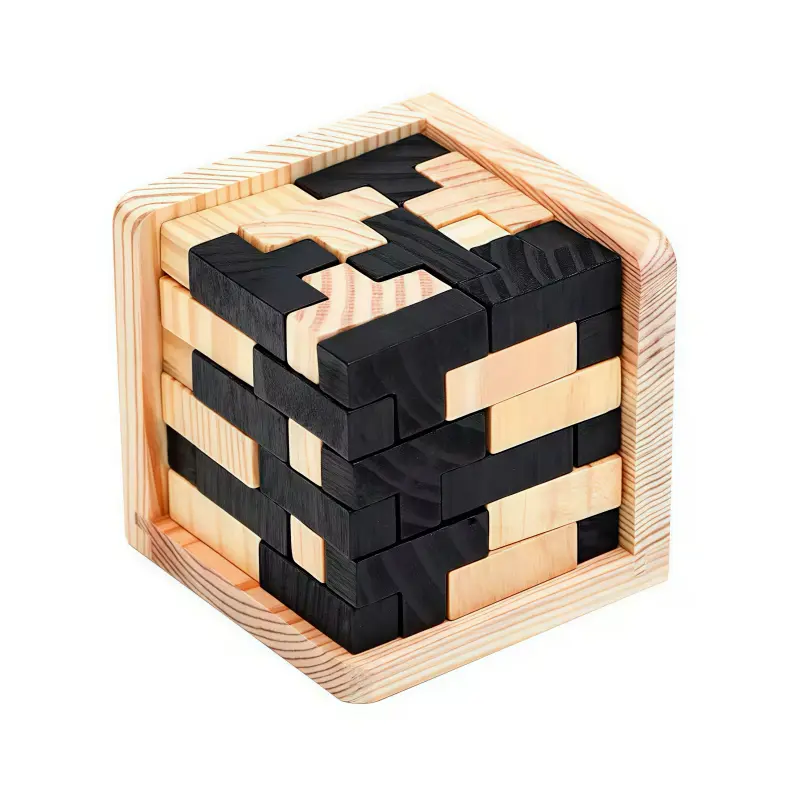
54‑T Cube Puzzle — $18.99
One industry framing worth noting: a wooden puzzle is described as “a calm, screen-free, mind-engaging hobby in a box,” a characterization that suits a retiree who wants the activity itself rather than a decorative object.
For the cardboard side, a graduated jigsaw set with a 100→300→500 piece ladder remains the most beginner-friendly path, because the early win is built into the design and the later puzzles are long enough to fill a rainy week without overwhelming a new hobbyist.
What to verify:
– A wooden set includes a felt, foam, or molded insert that keeps pieces in place during storage. Without it, smaller parts rattle against each other and the box becomes the second puzzle.
– A cardboard set’s box is reinforced at the corners. Cardboard corners crush when the set sits on a stack of magazines, and a crushed lid makes the box hard to re-stack for the next build.
– The listed price on the product page reflects the current price. Listings change; the number on a saved link is not always the number at checkout.
Reader action
Decide keepsake versus hobby-kit before browsing, because the listings look very different. If the retiree will leave the finished puzzle on display and reach for it again next winter, wooden is the better fit. If the goal is a first hobby that turns into a Sunday-afternoon routine, cardboard with a piece-count ladder is the better fit. Material is a habit question, not a quality question. For a deeper look at how metal and wooden sets compare across durability, feel, and display value, see the metal puzzle vs wooden puzzle comparison from 50 tested kits.
05. Set Archetypes Compared: Piece Count, Profile, and What to Verify
Four set archetypes cover nearly every retirement-gift scenario, and matching the archetype to the retiree profile narrows the search faster than browsing by price. The right pick after the keepsake-versus-hobby decision is the one that hands the recipient an early finish and a way to store pieces between sittings.
A mechanical puzzle is an object solved by ingenuity to separate or reassemble its parts — distinct from a jigsaw, which relies on pattern recognition. The Luban lock and the steel ball pyramid are mechanical; the graduated jigsaw sets are not. That distinction matters here because mechanical sets deliver same-sitting wins without a table, while jigsaw sets need space and a multi-day arc.
The four archetypes at a glance
| Archetype | Piece Count Range | Best-Fit Retiree Profile | What to Check on the Listing |
|---|---|---|---|
| 3-in-1 starter set | 100 → 300 → 500 | True beginner, solo or couple | Smallest finishes in one sitting; 300→500 jump is not a leap |
| 4-in-1 graduated set | 300 → 500 → 750 → 1000 | Retiree wanting a longer hobby arc | 1000-piece puzzle is grid-cut, not random-cut |
| Large-piece senior set | 100–300 throughout, oversized pieces | Grandparent-grandkid builds; shaky hands | Piece dimensions in cm; printed age range; any piece under 3 cm is a choking hazard for under-3s |
| Wooden or display keepsake | 1–2 puzzles, presentation box | Formal keepsake, office or mantel display | What is engraved; whether pieces sit in a felt-lined tray; whether it doubles as desk decor |
Reading the table
The 3-in-1 starter is the safest path when you do not know whether the recipient will stick with puzzling. A 100-piece build typically finishes in well under an evening and gives the retiree a completed first piece to point to. A 500-piece build is a weekend, not a fortnight. The graduated ladder guarantees the early win before the larger challenge.
The 4-in-1 graduated set suits a retiree who already enjoys crosswords, sudoku, or board games. The risk is the top rung. A 1000-piece random-cut puzzle can sit half-done on a card table for months. Ask the seller to confirm grid-cut on the 1000 before buying, because random-cut at that size is a different hobby.
The large-piece senior set is the right call when grandchildren visit weekly. Big pieces survive small hands, a 100-piece build is a shared afternoon, and the retiree can finish alone on the next visit. The two numbers to verify are piece dimension in cm and the printed age range. Anything sold as “large” without a measurement is a guess.
The keepsake archetype is where material and presentation do the talking. A wooden set with a felt-lined tray can sit on a sideboard for years. A single display puzzle serves the same role when the gift reveal matters more than the build. If you are weighing a smaller wooden set against a larger one, the 3-pack vs 9-pack wooden brain teaser set for adults comparison covers that trade-off directly.
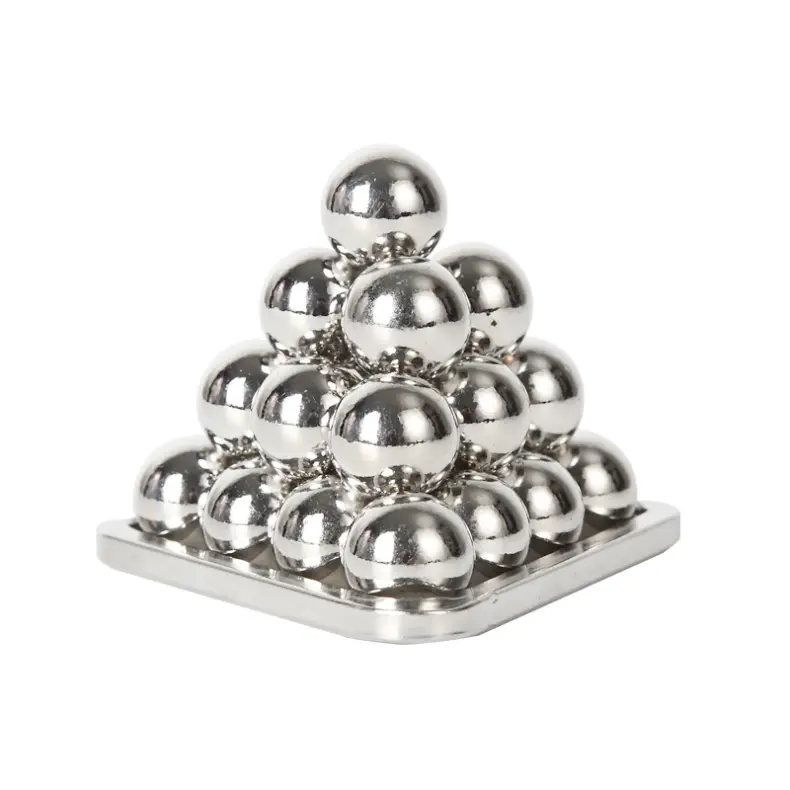
The pyramid sits on a desk and gets picked up between phone calls, the same screen-free habit a jigsaw set builds over a longer arc. It is a display piece first, a build second, and a workable answer when the gift has to fit in a card.
Reader action
Pick one archetype, then read the listing against the “What to Check” column before buying. If two archetypes fit, choose the one with the lower top piece count. An unfinished puzzle on a card table is the retirement gift to avoid.
Frequently Asked Questions
A 1000-piece puzzle is too hard for a beginner over 60 in most cases — start with a 100–300 piece build, then graduate. After that first decision, a few last questions tend to surface before clicking buy. Most of them come down to piece count, materials, and the awkward “what if they don’t like it” scenario. The answers below apply to the archetype model in Section 5, not to single-puzzle impulse buys.
Is a 1000-piece puzzle too hard for someone who has never done one?
Yes, almost always for a first-time puzzler over 60. A 1000-piece cardboard jigsaw can take many long sittings to complete, and an unfinished pile in the corner kills the habit. The piece-count ladder model in Section 1 exists precisely to avoid this. If the retiree has already said they enjoy long projects, 1000 pieces is reasonable as the third or fourth build, not the first. For a mechanical puzzle equivalent, start with a single 4 Band Puzzle Ring or 54-T Cube Puzzle before moving to a 12-piece set.
What is a good puzzle set for someone with arthritis or shaky hands?
Look for large, smooth-edged pieces that lift cleanly off the table without pinching. For jigsaw sets, that means 100–300 pieces with chunky cardboard or thick wood. For mechanical alternatives, the 6 Piece Steel Ball Pyramid Puzzle uses whole-hand grips rather than fingertip manipulation, and the 4 Band Puzzle Ring can be rolled on a flat surface. Avoid tiny locking pins, removable caps, or pieces smaller than a quarter — those get abandoned after one attempt.
Should I get a wooden puzzle or cardboard?
Cardboard jigsaw sets offer more image variety and lower prices, but a dropped piece or a damp basement can damage them. Wooden and acrylic sets last longer, sit on a shelf as display objects, and feel more like a keepsake for a one-time occasion like retirement. The Opus Puzzles guide frames wooden puzzles as “a calm, screen-free, mind-engaging hobby in a box, warmer than a card or voucher” — that “warmer” weight matters when the gift is meant to mark a life chapter.
How much should I spend on a retirement puzzle gift?
Spend what matches the occasion, not what matches the puzzle. A standalone jigsaw is fine under $25; a graduated set meant to become a hobby deserves the $30–$45 range. The 12 Piece Crystal Luban Lock Set is listed at $28.88, the 6-in-1 Wooden Brain Teaser Set at $38.88, and the 3D Wooden Mechanical Pistol Kit at $29.99 — all sit in a sensible mid-range for a retirement gift. Check the product page for the current price.
What if they don’t like the puzzle I picked?
Build a “first puzzle win” into the set by starting them on the easiest piece. If the recipient doesn’t engage, a mechanical puzzle has higher reuse value than a finished jigsaw because it can be re-shuffled, re-solved, or passed to a grandchild. Check the seller’s return and exchange policy on the product page before placing the order, and ask about exchanges within the same range if the first build doesn’t click.
Next step: Open the Tea-Sip puzzle set that fits your chosen archetype, read the listing against the “What to Check” column, and order with enough lead time for the gift wrap. The first sitting — the first finish — is the moment the hobby starts.
Where to Start
If the recipient and occasion checks above match, start with 12 Piece Crystal Luban Lock Set. Check the current product page for the specifications that matter to your choice.
Still comparing options? Return to the archetype table in Section 5 and narrow by piece-count range, then re-read the matching product listing against the “What to Check” column before you order.
Sources and verification
- Product details and current specifications: Tea-Sip product page
Last updated: August 18, 2026