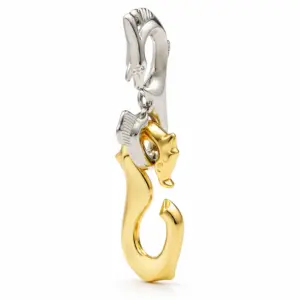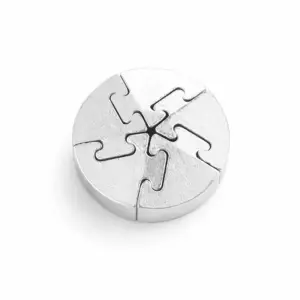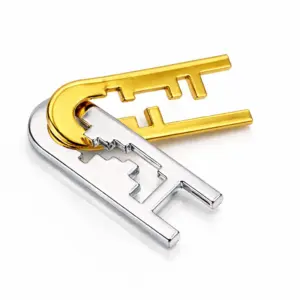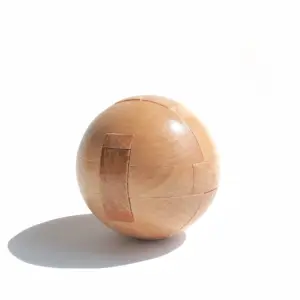
Quick Answer: Beginner Puzzle Set Gift for Brother: How to Choose Right
For a brother who is new to puzzling, pick a multi-puzzle bundle (3–5 different puzzle types in one box) when you want one gift that lets him find what he enjoys; pick a 250–500 piece jigsaw when he has asked for one; pick a compact mechanical puzzle set when the gift doubles as desk décor. Three checks decide which archetype fits: skill-level fit, gift presentation, and replay value.
Check 1 — Skill-level fit. “Beginner-friendly” on a box only matters when the age recommendation and piece count line up with your brother. For jigsaws, beginner-friendly typically means 300–500 pieces for first-timers — the range r/Jigsawpuzzles beginners converge on — with 500–1,000 as the upper beginner entry point per Make Your Puzzles. For mechanical puzzles, look for “progressive difficulty” — a step-up ladder — rather than a single hard piece. Verification: check the product page for an explicit difficulty range, not just the word “beginner.”
Check 2 — Gift presentation and included instructions. A set with gift-ready packaging — labeled compartments, a printed solution guide, a sturdy box — survives the unwrapping moment. Beginners stall without included instructions, and an all-in-one bundle with a guide gets opened again the next weekend. Verification: search the product page for “instructions” or “solution guide” before adding to cart.
Check 3 — Replay value. Mechanical and disentanglement puzzles (locks, cubes, metal pieces) get solved once but displayed for years. A jigsaw gets solved once and goes back in the box. Match this to whether your brother likes objects on his desk or activities that finish and stay finished. Verification: scan the product photos for “after-solve” display potential.
Match the archetype to your brother:
| Brother situation | Best archetype | Tea-Sip top pick | Listed price | What to check on the product page |
|---|---|---|---|---|
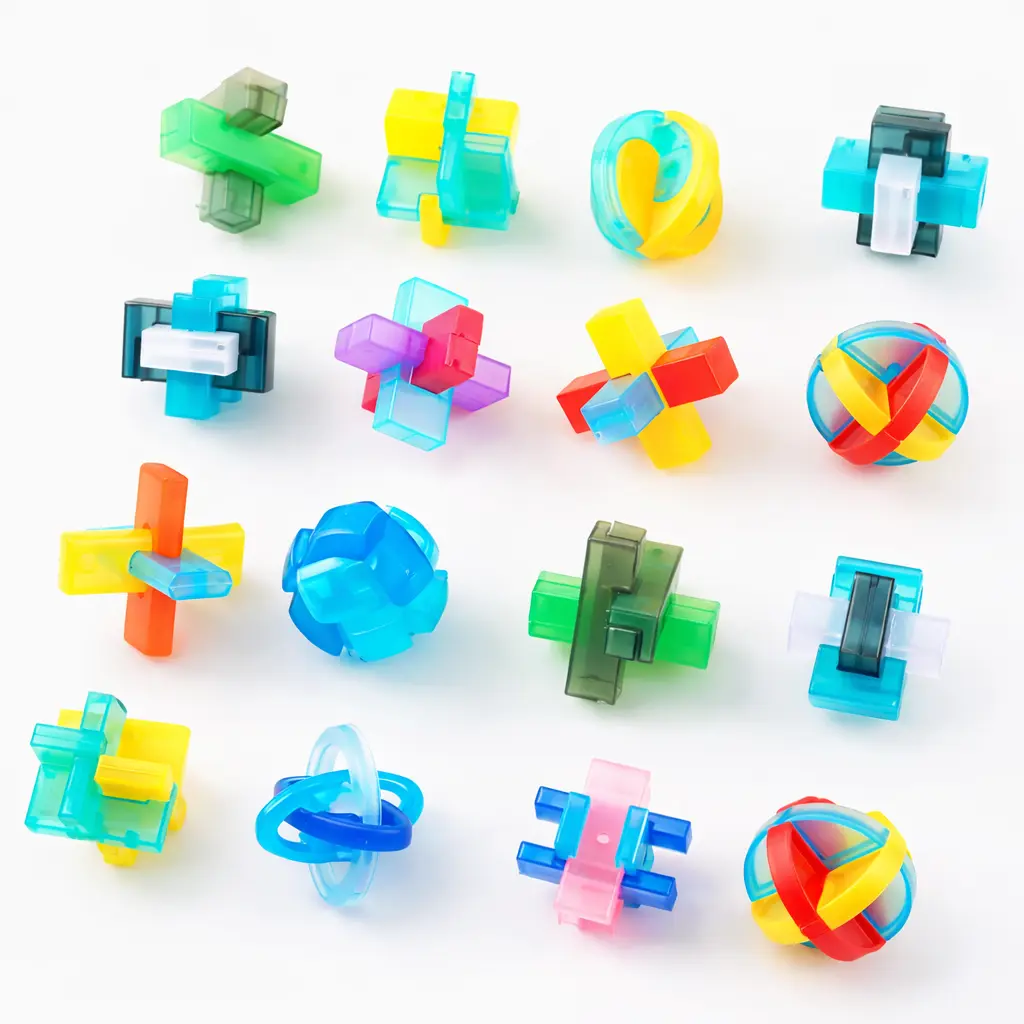
| Total beginner, no stated preference | Multi-puzzle bundle | 12 Piece Crystal Luban Lock Set | $28.88 | That the 12 locks span progressive difficulty — not 12 copies of the same lock |
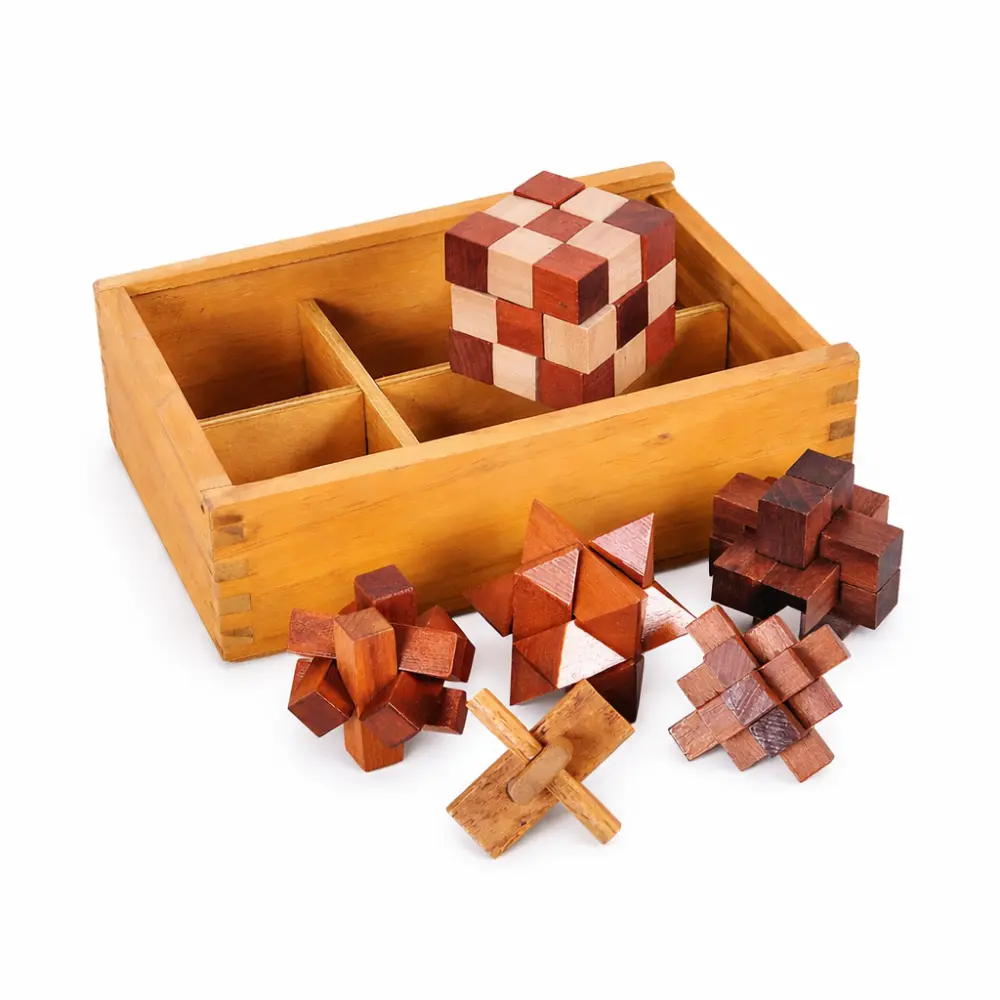
| Adult or teen who likes tactile challenges | Wooden brain-teaser set | 6-in-1 Wooden Brain Teaser Set | $38.88 | Whether the box includes written step-by-step instructions for each of the six puzzles |
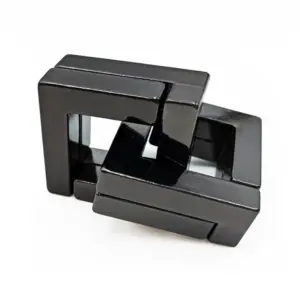
| Wants one display-worthy object | Single display piece | 4 Band Puzzle Ring | $11.99 | Whether sizing information is included and how many bands interlock |
The short version: A 12-piece bundle like the 12 Piece Crystal Luban Lock Set is the safest pick for a brother with no clear preference, because it gives him 12 different “first puzzles” in one box — and lets him discover which format he actually enjoys without committing to a single style.
01. What Actually Makes a Puzzle Set Beginner-Friendly
After matching the archetype to your brother, the next buyer decision is verifying that the set you’re eyeing actually qualifies as beginner — and “beginner” on a puzzle box is not a single label you can trust at face value. A beginner-friendly puzzle set is defined by four observable signals working together: piece count, recommended age, included instructions, and a frustration window that lets the solver make visible progress quickly. If even one of those signals is off, the gift risks landing as the box he never opens or the puzzle he abandons halfway through.
Start with piece count. For jigsaws, the beginner band sits between 300 and 500 pieces — a range repeatedly surfaced on r/Jigsawpuzzles as the right entry point for first-timers, and confirmed by Make Your Puzzles’ framing that “smaller puzzles with 500 or 1,000 pieces are ideal for beginners or those with limited space.” Below 300 pieces, an adult beginner may feel patronized; above 500, the time-to-first-completion stretches past an evening and the frustration curve steepens. For non-jigsaw formats like brain teasers, 3D wooden models, or metal disentanglements, piece count translates into mechanism count — and the same rule applies: fewer distinct challenges, lower commitment per puzzle, higher chance he finishes one and reaches for the next.
Check the recommended age label, but read it sideways. Age recommendations are really a proxy for two things: instruction clarity (younger ages usually mean shorter, picture-supported guides) and frustration tolerance (a 14+ label often signals fewer hand-holding steps). A brother in his twenties or older can comfortably handle an “ages 12+” or “ages 14+” set, but an “ages 3+” label on an adult gift reads as childish even when the puzzle itself is clever. The sweet spot for an adult beginner brother is usually a set labeled for teens and up that still includes written instructions. For a deeper read on what those labels actually mean, see how to decode puzzle age labels.
Verify the instructions are actually included. This is where most beginner-puzzle gift guides go quiet, and where the gift either lands or misses. A box that says “moderate difficulty” but ships without a step-by-step solution guide turns a beginner gift into a solo guessing game. Look on the product page for explicit mention of a printed solution booklet, a QR-linked video walkthrough, or layered hints — because a brain teaser that includes progressive hints is genuinely friendlier than one that only shows the final answer. The frustration window matters here: a beginner should be able to make visible progress within 10–15 minutes of opening the box, otherwise the gift becomes a chore sitting on his desk.
Look for progressive difficulty inside the bundle. This is the quiet advantage of multi-puzzle sets over single puzzles — and the reason a 5-puzzle or 12-piece bundle often outperforms a single high-quality puzzle as a first-time gift. A set that ladders from easy to medium to hard lets him experience small wins before he hits the wall, which is exactly the rhythm a first-timer needs. Watch for language like “progressive difficulty,” “step-up challenge,” or “easy to hard” on the listing — and confirm the puzzles inside actually vary, rather than 12 copies of the same lock with a different color.
A wooden brain-teaser bundle is the cleanest example of this ladder built in. A set like the 6-in-1 Wooden Brain Teaser Set pairs written step-by-step instructions with six distinct mechanical puzzles in one box, which means a beginner gets six different “first wins” without committing to any single format.
The same ladder logic applies to the 12-piece crystal Luban lock bundle — twelve different lock mechanisms means he gets a fresh start with each one, rather than grinding through one stubborn puzzle for hours. Beginner-friendly — but only if the bundle actually varies the challenge across its pieces, which is the one thing worth verifying on the product page.
The “frustration window” is the metric competitors don’t name. Every beginner has a personal threshold — usually somewhere between 15 and 45 minutes — after which a puzzle stops feeling fun and starts feeling like homework. A beginner-friendly gift stays inside that window on the first session, which means the first puzzle in the set should be solvable in a single sitting. If the listing shows solve-time estimates, the easiest puzzle in the bundle should clock in well under an hour; if no estimate is given, look for customer Q&A or review mentions of “started and finished in one evening” as your proxy signal.
Why this matters for a brother gift specifically. A puzzle set is one of the few gifts that can quietly become a shared activity — something you end up doing together on a visit, a holiday, or a long phone call. That only happens if he actually opens the box and finishes the first puzzle. A set tuned to the four signals above gives him a reason to keep going past the first win, and gives you a reason to ask how far he’s gotten the next time you talk.
Quick verification before you buy: Scroll to the product page, find the bullet points or specifications, and confirm in writing that the set (1) sits in the 300–500 piece band for jigsaws or lists a beginner-mechanism count for brain teasers, (2) names a recommended age that fits an adult or teen recipient, (3) includes a printed or digital solution guide, and (4) describes varied or progressive difficulty across the pieces. If all four show up, the set is genuinely beginner-friendly. If any one is missing, the gift is a coin flip.
02. The Three Beginner Set Archetypes Compared
Now that you know the four signals that separate a genuine beginner set from a dressed-up frustration box, the next decision is which gift shape fits your brother — a multi-puzzle bundle, a focused single jigsaw, or a brain-teaser collection. Match the archetype to the brother, not to the puzzle type, because each shape changes the experience on day one, day thirty, and day three hundred.
| Archetype | Best For | Why It Works | What to Check |
|---|---|---|---|
| Multi-puzzle bundle (3–5 puzzle types) | A brother with no stated puzzle preference, or one you want to “test” the hobby on | Low per-puzzle commitment, variety covers the risk that he dislikes the first type, replay value is built in by design | The set lists 3–5 distinct puzzles, each independently solvable, with a beginner-tier option included |
| 250–500 piece single jigsaw set | A brother who has already said he likes jigsaws, or whose interests tie to a clear image | Focused commitment, finished puzzle can be framed and displayed, ties the gift to something he already loves | The piece count sits in the 300–500 band, a poster or reference image is included, and the recommended age is 12+ |
| Wooden / brain-teaser set | A brother who likes desk objects, fidgeting, or engineering-style problems, or a “no specific interest” recipient | Doubles as desk décor when solved, repeatable challenge after the first solve, scales from casual to obsessive | The set includes at least 4–6 distinct puzzles, a solution guide is included, and the materials match his aesthetic |
Why a bundle often wins for a first-time brother gift. A 3–5 puzzle bundle lowers the stakes of any single failure — if your brother dislikes puzzle one, puzzle two is already in the box, and he doesn’t have to ask you for permission to try something else. The Ceaco 8-in-1 Multipack Jigsaw Bundle format that the r/Jigsawpuzzles beginner thread references works on exactly this principle. For a brother gift specifically, the bundle also covers the awkward “I don’t actually know if he likes puzzles” problem — you’re not betting the whole gift on one mechanism.
A single jigsaw is the right call only when you have an anchor. A 500-piece jigsaw that depicts his favorite city, a band, or a show you both watched turns the puzzle into a memory object. Smaller puzzles in the 500-piece band are ideal for beginners or those with limited table space, which is the typical reality for a brother living in an apartment or a dorm. The trade-off: a single puzzle is a one-and-done experience unless he reframes it, so this archetype underperforms on replay value.
The brain-teaser archetype, in practice. Wooden and metal brain-teaser sets are the most forgiving gift for a brother with no stated preference, because the solved puzzle stays on the desk as a conversation piece rather than going into a closet — for a closer look at how wooden sets compare on build quality and mechanism, the wooden puzzle set buyers framework lays out the criteria that actually matter. The trade-off: the difficulty variance between puzzles in a set is wider than in a jigsaw bundle, so a true beginner-mechanism count or a tiered difficulty label matters more here than in the jigsaw or bundle archetypes.
The 54‑T Cube Puzzle is a single-purchase entry into this archetype — a wooden mechanical cube he can leave on his desk and pick up between tasks. It sits at the lower end of the brain-teaser difficulty range, which is the right starting tier for a brother who has never done one before.
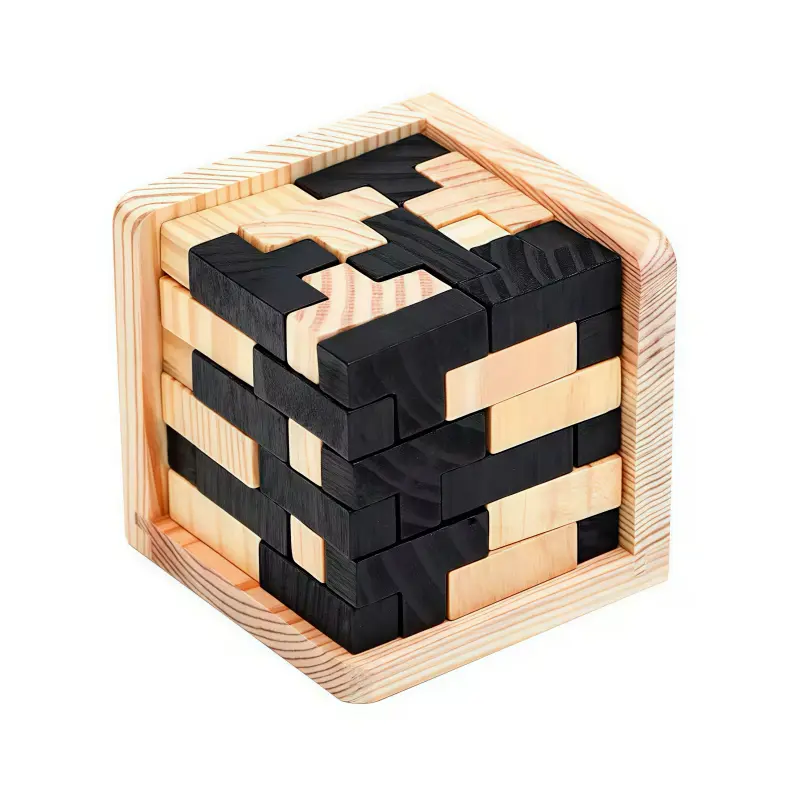
54‑T Cube Puzzle — $18.99
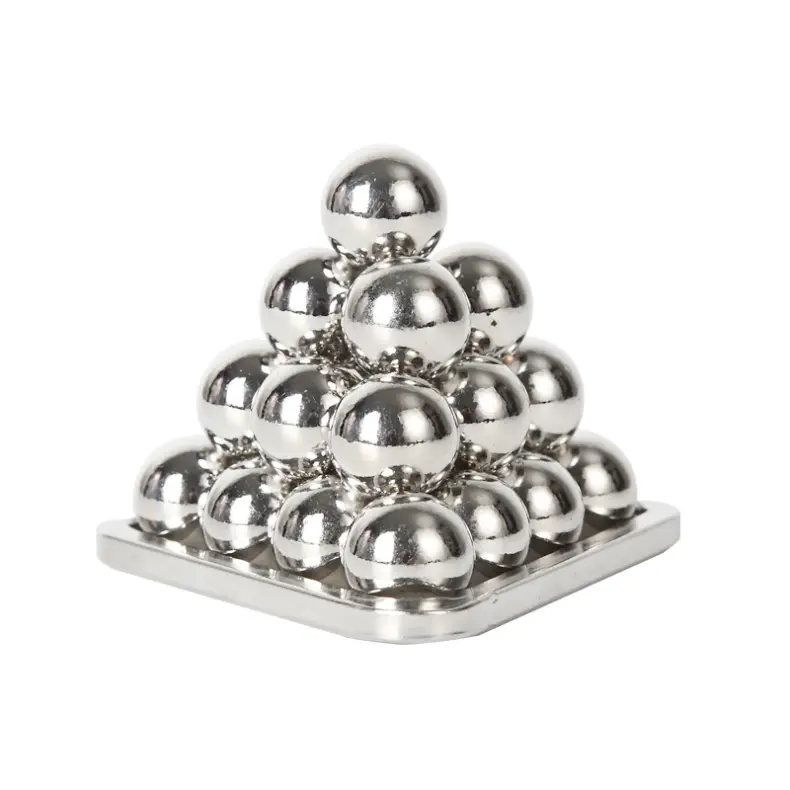
For a brother who skews toward hands-on metal challenges, the 6 Piece Steel Ball Pyramid Puzzle is a comparable single-item entry: small, replayable, and visually clean enough to keep on a shelf once solved. Pairing one of these with a second brain-teaser of a different material gives you the “two-gifts-become-one-set” feel without doubling the price.
Quick verification before you pick an archetype: On the product page, confirm (1) the piece or puzzle count matches the archetype’s range, (2) a recommended age is listed that fits your brother, (3) a solution or instruction guide is mentioned in the bullet points, and (4) the materials and finish match the setting where he’ll actually use it — desk, coffee table, or shelf.
03. Matching a Beginner Puzzle Set to Your Brother’s Profile
The archetype you choose matters less than the brother you’re giving it to. His age, his relationship to you, and whether he has ever solved a puzzle before will change the right pick more than the puzzle category itself. Match the set to the person, not the other way around.
That framing — relationship and life stage as the primary decision variable — is the part most beginner-puzzle gift guides skip. They list sets; you need a way to pick one for a specific human. The four profiles below cover the brothers you are most likely buying for, and each one ends with a single product-page check that keeps the gift from going sideways.
a) The Adult Brother Who Has Never Puzzled
This is the most common case, and it is the one where “beginner” can read as “childish” if the packaging and materials don’t match his age. An adult beginner wants a set that looks intentional on a coffee table, solves in a sitting or two, and doesn’t require him to admit he is learning. A multi-puzzle bundle solves all three: he can sample a brain-teaser, a metal disentanglement, and a wooden shape puzzle without committing to any one hobby.
The bundle itself, plus the box it came in, becomes a display object rather than a toy bin. For a hands-on challenge that still reads as adult décor, the 4 Band Puzzle Ring fits this archetype especially well — wearable, compact, and the kind of object that starts a conversation at a dinner table.
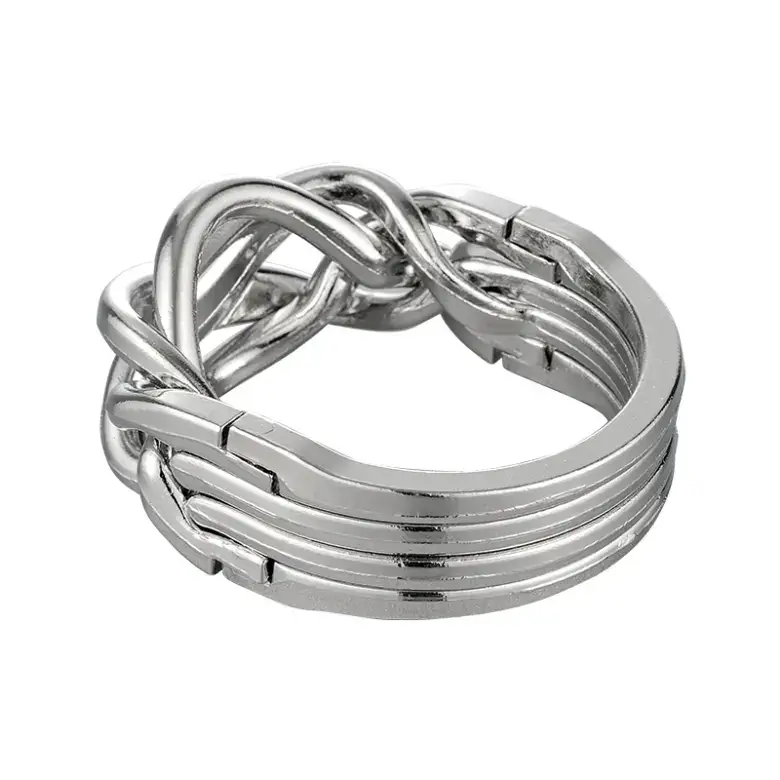
4 Band Puzzle Ring — $11.99
Direct answer to the “will it feel too childish” question: a beginner puzzle set feels childish when the box is covered in cartoon characters, the pieces are oversized foam, or the recommended age tops out at eight. It feels appropriate when the materials are wood, metal, or crystal, and when the set could plausibly sit on a desk without apology. Adult beginners notice this instantly.
Product-page check: confirm the materials and visual styling match an adult’s space — look for wood, metal, or crystal construction and a neutral or minimalist box design.
b) The Teen Brother
A teen brother is the easiest profile to over-buy for. He is old enough to handle a 500-piece jigsaw, but a generic image is going to be a hard sell. The right move is a set tied to something he already cares about — a game, a sport, a vehicle, a franchise. Gifts that connect to the recipient’s existing interests land harder than generic ones; the same logic applies to puzzles.
If the teen leans toward building and mechanics, a 3D wooden assembly kit gives him a finished object to display, not a jigsaw to disassemble. The 3D Wooden Mechanical Pistol Kit is the cleanest match for a brother who likes objects, models, or hands-on builds — the kind of gift he can show off at his desk for months.
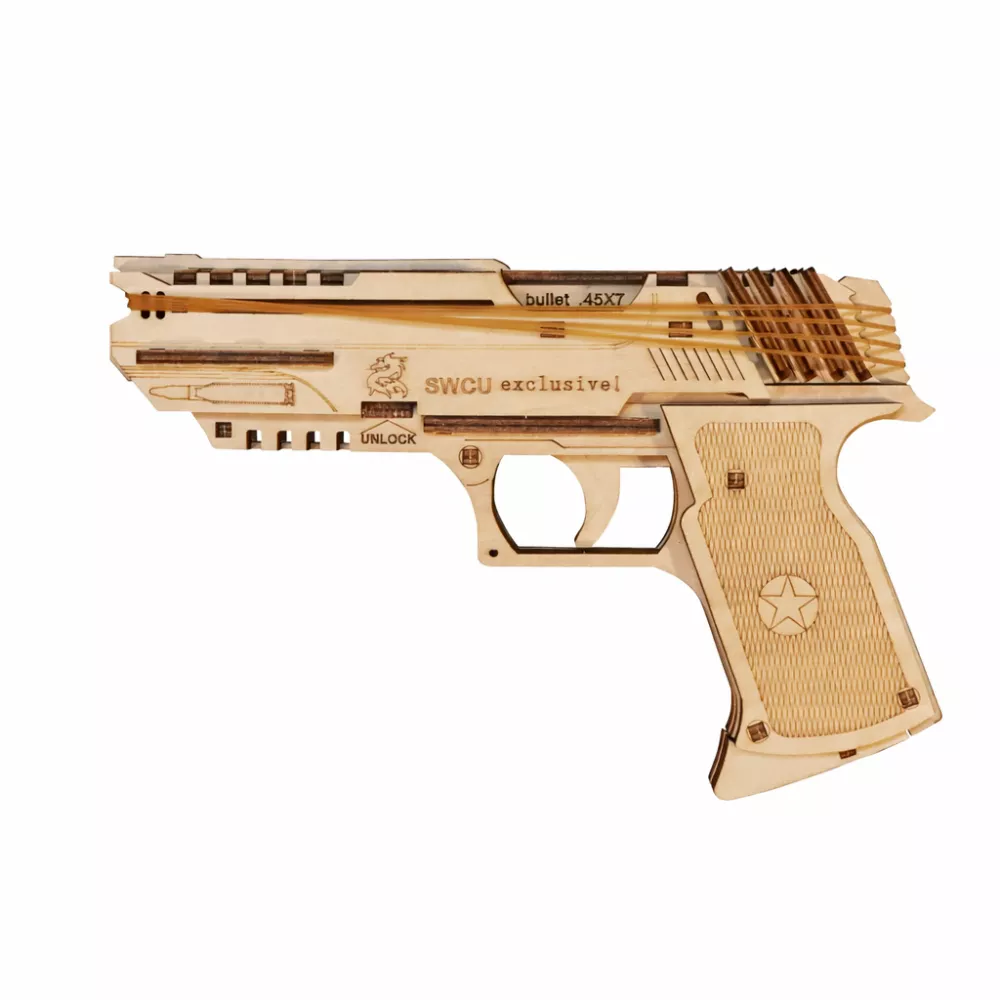
Product-page check: confirm the finished model size and number of parts fall in a 1–2 hour build range so the project is satisfying, not a chore.
c) The Younger Sibling
For a younger brother, the goal shifts: you want something he can finish, not something that ends with you finishing it. Wooden puzzles and brain teasers with age-appropriate piece counts and clear visual goals work best. The parent-gateable difficulty check matters more than the puzzle’s own difficulty — if a child under ten can solve it in one sitting with light guidance, you have the right set. Skip anything with small detachable parts or sharp metal edges.
Product-page check: look for a recommended age band that lines up with your brother’s actual age, not a range that starts at “6+” and climbs to “adult.”
d) The Brother Who Already Dabbles
This is the profile where “beginner” should be reinterpreted. He has solved a few puzzles, maybe owns a Rubik’s cube, but has not committed to a category. A step-up set — a 3D wooden model, a mechanical lock set, or a single higher-difficulty jigsaw in a new category — beats another entry-level gift he will finish in an evening. The 12 Piece Crystal Luban Lock Set is the cleanest match: a new mechanism type, visible progress as each lock releases, and a finished display object at the end.
Product-page check: confirm the set is a different category from what he already owns — not a duplicate in a fresher box.
One last framing decision: choose a collaborative set if you want the gift to be a reason to visit; choose a single-player set if he prefers solving on his own schedule. Both are valid — the mistake is picking a collaborative set for a brother who will only see it once and never open it again.
For a side-by-side view of brain-teaser sets that hold up for both adult and kid recipients, see brain teaser puzzles that work for both adults and kids.
04. What to Verify Before You Buy a Beginner Puzzle Set
Now that you’ve matched an archetype to your brother’s profile, the next move is a four-point verification on the product page — the most common beginner-gift failures happen at checkout, not at the selection stage. Never buy a beginner puzzle set without confirming the missing-piece policy, the packaging quality, the return window, and whether the visual design looks adult-appropriate. Each of these checks takes under a minute and prevents the kind of small disappointment that quietly turns a thoughtful gift into a drawer item.
The missing-piece guarantee is the silent killer of puzzle gifts. A 500-piece jigsaw with one missing piece is unfinishable, and a brain-teaser set with a missing component is the same problem in a smaller box. Look for explicit language on the product page — phrases like “missing piece guarantee,” “replacement parts available,” or a customer-service contact for replacements. If the listing makes no mention of any of this, email the seller before you buy. This single check is what separates a thoughtful gift from a frustrating one, and most buyers do not think to verify it until the box is already open.
Gift-ready packaging is a real differentiator for a sibling gift. A puzzle that arrives in a plain brown mailer feels like an afterthought; one that arrives in a printed box with a magnetic closure or a removable sleeve feels like a present. For wooden and metal brain-teaser sets, look for foam inserts or molded trays that hold the pieces in place — loose parts rattling inside the box signal lower-tier construction. This matters more for a brother gift than for a self-purchase, because presentation is part of the message.
Return windows depend on whether the box will be opened before gifting. If you plan to inspect it yourself, a standard 30-day return on an unopened item is the baseline to look for. If your brother will be the one to open it, returns on opened-but-incomplete sets are rare, which makes the missing-piece guarantee above matter even more.
For beginner sets, the typical price band sits between roughly $10 and $40, covering everything from a single metal disentanglement puzzle to a multi-piece wooden bundle. The 12 Piece Crystal Luban Lock Set sits at $28.88, which fits the mid-range sweet spot for a gift that looks substantial without crossing into premium-collector pricing. Always check the product page for the current price before checkout, since listings can change. For a closer look at what separates budget metal puzzles from higher-end ones, the cheap versus premium puzzle quality tests comparison breaks down the actual differences.
The “too childish” worry is real for adult brothers, and three signals separate a beginner set that looks grown-up from one that does not: a matte rather than glossy finish, a neutral or muted color palette rather than primary colors, and non-cartoon artwork such as landscapes, geometric patterns, or abstract designs. Crystal and wooden materials also read more adult than bright plastic. Skip anything that leans on licensed cartoon characters or rainbow gradients.
Before you add to cart, run this final checklist: the missing-piece policy is stated, the packaging is gift-ready, the return window covers your timeline, and the design reads as adult-appropriate. Pick the archetype that fits your brother from the previous section, confirm these four boxes, and the gift lands.
Frequently Asked Questions
The “too childish” worry is the most common hesitation when gifting a puzzle set to an adult brother — and the answer comes down to three signals: finish quality, color palette, and design style. Most questions below trace back to those same signals.
How many pieces should a beginner jigsaw have?
For a first-timer, a jigsaw between 300 and 500 pieces hits the beginner sweet spot. Make Your Puzzles confirms smaller puzzles around 500 pieces are ideal for beginners or those with limited space, and the r/Jigsawpuzzles community recommends the lower end of that range for someone with no puzzle history. Anything under 250 finishes too quickly to feel like a real project, and anything over 750 introduces frustration that can sour a first experience. Verification check: confirm the piece count on the product page — 1,000+ pieces is intermediate, not beginner.
Are wooden puzzles harder than jigsaws for beginners?
Not harder — different. A wooden brain-teaser set typically includes several small mechanical challenges, while a jigsaw is one longer single-piece project. Mechanical puzzles are usually a better gift than another jigsaw when the recipient likes objects, tools, or hands-on problem solving. Verification check: read the difficulty label on the listing — “beginner” or “level 1” wooden puzzles come with a printed solution guide, and most metal and wooden puzzles in the Tea-Sip roster land in the $10–$40 beginner band.
Do puzzle sets come with instructions for beginners?
A quality beginner set should include a printed solution sheet, step-by-step guide, or instruction card — the most under-checked feature on a puzzle gift listing. Multi-piece bundles are built around the assumption that each puzzle comes with its own quick-start instructions, which is why bundles work as beginner gifts. Verification check: search the product page for “instructions” or “guide” before checkout.
What is the best puzzle gift for a brother who likes brain teasers?
For a brain-teaser brother, a crystal or wooden disentanglement set in the $10–$40 price band is a strong match. The 12 Piece Crystal Luban Lock Set at $28.88 fits that range, includes 12 different lock mechanisms for variety, and reads as desk décor once solved — a useful counter to the “too childish” worry. Verification check: confirm the listed materials show crystal or wood rather than plastic, and verify the piece count matches the description.
Can an adult brother enjoy a beginner puzzle without it feeling childish?
An adult brother can absolutely enjoy a beginner puzzle when the materials and finish read as adult-appropriate. The key signals are matte rather than glossy surfaces, neutral color palettes, and non-cartoon artwork. A crystal lock set or a wooden mechanical kit reads as desk art, not a child’s toy, even at beginner difficulty. Verification check: look at the product photos and ask whether the set would look at home on an office shelf or workbench.
What is a good first puzzle set for a brother who’s never done one before?
Start with a multi-piece bundle so he can sample several puzzle types in one gift rather than commit to a single format. A bundle in the $25–$40 range — such as the 12 Piece Crystal Luban Lock Set at $28.88 — gives him 12 different locks to attempt, includes instructions for each, and stays within the adult-appropriate material and price band. Verification check: confirm the listing is marked beginner difficulty and includes a return window so he can swap if a particular puzzle type does not click.
Where to Start
If the recipient and occasion checks above match, start with 12 Piece Crystal Luban Lock Set. Check the current product page for the specifications that matter to your choice.
Still comparing options? Use the same decision criteria above to compare across the Tea-Sip catalog, rather than restarting the search from scratch.
Sources and verification
- Product details and current specifications: Tea-Sip product page
Last updated: August 20, 2026