Quick Answer: Cast Metal Puzzle Gift for a 10 Year Old: How to Pick the Right Level
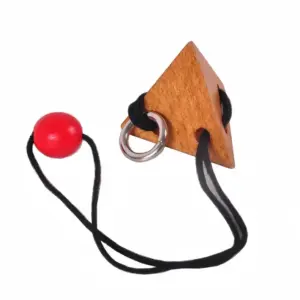
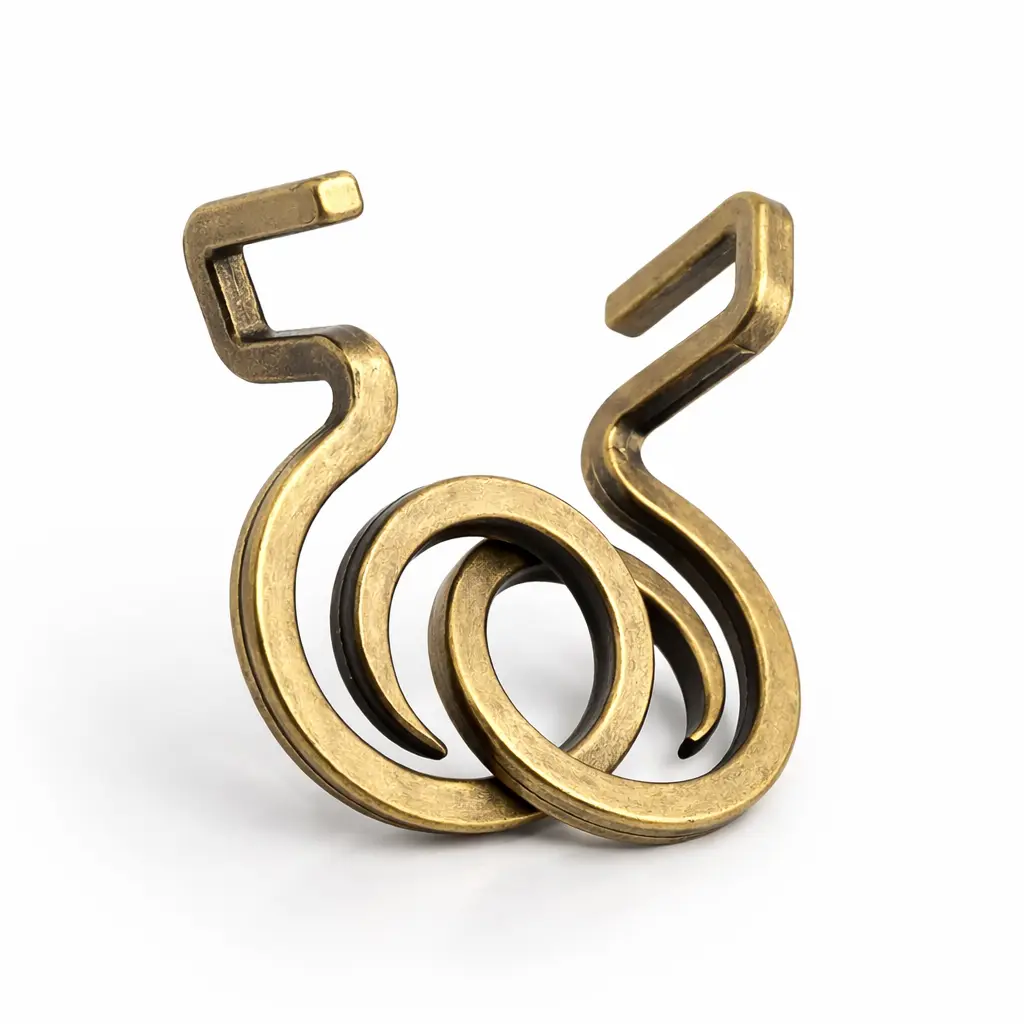
For a 10-year-old, pick a compact cast metal disentanglement puzzle at entry-level difficulty — a single ring or hook that must be freed from a frame, with a stated age of 12+ but a realistic solve time under 15 minutes for a focused tween. The Cast Hook Metal Brain Teaser is the strongest starting pick because its single-mechanism design is built to be solo-solvable on day one. The three conditions that change the pick are: the child’s prior puzzle experience, whether the gift must be solved without a parent in the room, and whether the child gravitates toward taking things apart or putting them back together.
If the child has never held a metal brain teaser before, start with the simplest single-ring mechanism rather than a multi-loop design — frustration kills the gift faster than a low level number. If the child already solves jigsaw or logic puzzles comfortably, you can move one rung up the difficulty ladder without losing them. If the child is the type who disassembles pens and remote controls just to see how they work, a disentanglement (pull-apart) puzzle will hold attention longer than an assembly (put-back-together) puzzle, because the goal matches the instinct.
Cast metal puzzle picks for a 10-year-old
| Pick | Price | Mechanism | Solo-solvable at 10? | Best when |
|---|---|---|---|---|
| Cast Hook Metal Brain Teaser | $13.99 | Single hook-and-frame disentanglement | Yes — entry level | First cast puzzle, must be solved day one |
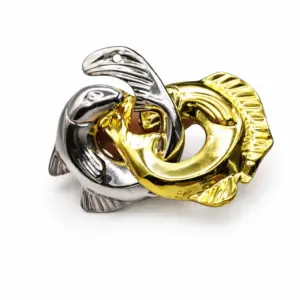
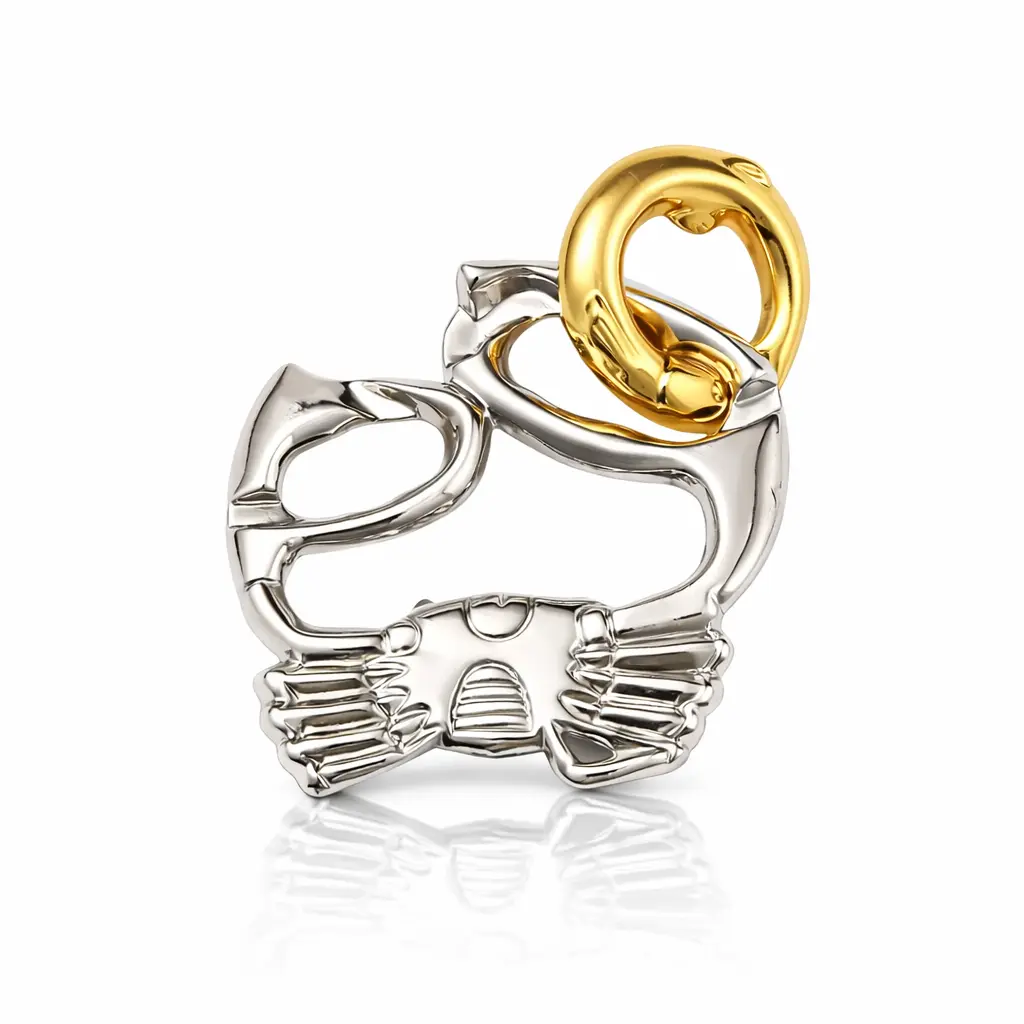
| Metal Crab Puzzle Cast Brain Teaser with Gold Ring | $13.99 | Ring-on-frame disentanglement | Yes — entry level | Themed gift for a child who likes animals or characters |
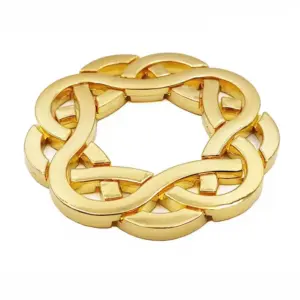
| Metal Orbit Ring Cast Puzzle | $14.99 | Ring-and-orbit disentanglement | Likely yes — check piece count on product page | Child has solved one cast puzzle before and wants a new shape |
| Cast Galaxy 4-Piece Silver | $14.88 | 4-piece assembly | Yes — but reassembly is the harder half | Child prefers putting things back together over pulling them apart |
| Cast Coil Pocket Puzzle | $18.99 | Coil disentanglement | What to check: piece size vs. small-parts label on product page | Parent wants a gift that looks like jewelry on a desk |
The level number is not the age.
Run these three checks on any cast metal puzzle product page before you add it to the cart: confirm the mechanism type is listed (disentanglement, take-apart, or assembly), check the stated recommended age, and read whether the pieces are described as choking-hazard small parts. If all three are visible, the page meets the basic disclosure standard a parent needs to make the call.
01. What a Cast Metal Puzzle Is and Why It Fits a 10-Year-Old Gift
A cast metal puzzle is a solid-metal mechanical brain teaser, typically cast in zinc alloy, in which two or more pieces must be separated, joined, or threaded using logic and tactile feedback rather than force. The category traces to the broader definition of a mechanical puzzle: a physical object that requires ingenuity to solve, with no instructions beyond the puzzle’s own shape. For a 10-year-old, this single-object format is a strong fit because the gift survives being shoved in a backpack, dropped on a kitchen floor, and passed between friends without electronics, screens, or replacement parts.
The three mechanisms a parent will encounter on a product page solve differently and hold a 10-year-old’s attention for different reasons. A disentanglement puzzle asks the solver to pull two interlocked pieces apart — rings threaded through bars, hooks freed from loops, orbits separated from a central structure. A take-apart puzzle asks the solver to disassemble the object into its component pieces, often by unscrewing, sliding, or rotating hidden mechanisms. An assembly puzzle works in the opposite direction: the pieces start loose and must be joined back into the original form. Parents reading the broader taxonomy of metal brain teasers will find these same three families nested inside a wider list that also includes sequential-movement, interlocking, and burr-style mechanisms — but for a first cast metal gift, these three are the only ones that matter because they map to the fastest solo-solve windows.
In the Reddit threads where parents describe their tween’s habits, the child who quietly dismantles pens, remote controls, and pen caps to see what is inside is almost always the one who sticks with a take-apart puzzle. The child who builds LEGO sets from a printed diagram tends to prefer assembly. A disentanglement puzzle splits the difference and tends to work for both profiles because the goal is visible from the start and the satisfaction of separation is immediate.
The material matters for a different reason: durability. Cast zinc alloy or stainless steel puzzles can be dropped, tossed in a bag, and handled for years without the finish flaking or the mechanism warping. That is the practical difference between a cast metal puzzle and a wooden or plastic brain teaser in the same price range. A wooden take-apart box can chip at the joints after a year of pocket carry; a plastic disentanglement can crack if a 10-year-old tries to “speed-solve” it. A cast zinc alloy piece tolerates both. This is also why Mensa-rated cast puzzles are sold as collectibles rather than consumables — the piece is meant to sit on a desk afterward, either as a solved trophy or as a fresh challenge to return to.
For a 10-year-old specifically, the format checks three boxes parents tend to care about. It is screen-free, which is increasingly rare in the 10-to-12 gift band. It is tactile, which engages a different attention system than a tablet game. And it is a single object rather than a kit, which means there are no missing pieces six months later and no instruction manual to lose. The puzzle either gets solved or it does not; the object itself does not depreciate.
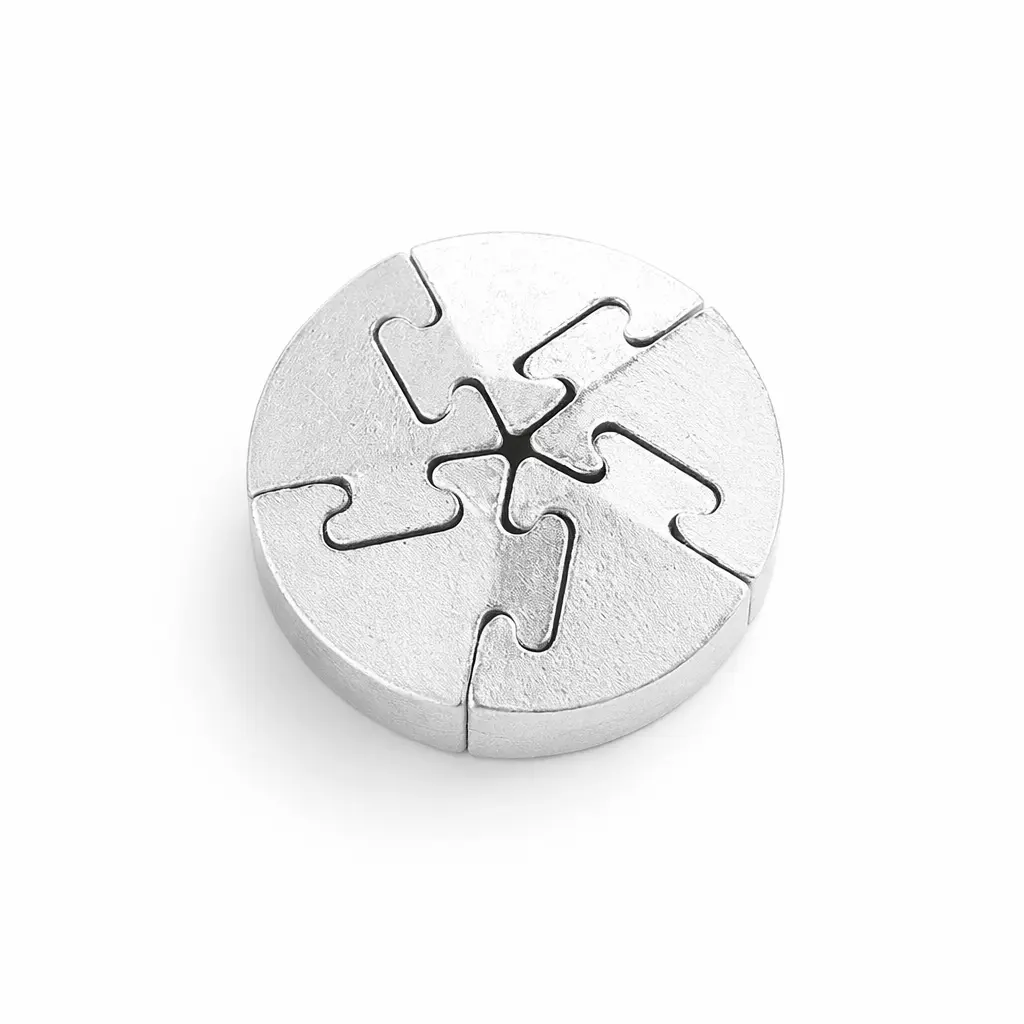
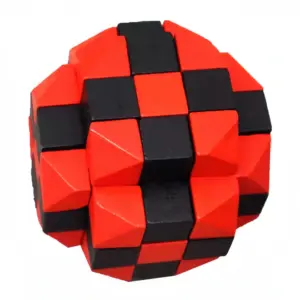
A 5 Piece Cast Spiral Metal Puzzle sits in the take-apart category: the child starts with a single spiral form and must work the pieces apart, then decide whether to reassemble or leave the pieces displayed. For a tween who gravitates toward objects that look like one thing but are secretly several things, the spiral format is a natural hook because the separation is not obvious from the outside.
Before moving to the difficulty-decoding section, run one decision now: does the child in question lean toward “take it apart” or “put it together”? That single observation drives which mechanism to prioritize, and it is the filter every recommendation in this article passes through.
02. How to Read a Cast Metal Puzzle Difficulty Level (1–6) for a 10-Year-Old
The level number is not the age. For a 10-year-old, a printed “Level 1–2” label is the safer pick than the printed “12+” age band, because the two scales measure different things, and only one of them predicts whether the child will solve the puzzle on a Saturday afternoon or abandon it in the box.
Once you have decided between a take-apart and a disentanglement mechanism, the next filter is difficulty. Most cast metal puzzles sold under the Hanayama name carry a six-level Mensa-rated scale (a classification system used by the brand and listed by specialty retailers like Solve It! Puzzles). Understanding that scale is the difference between buying a gift a 10-year-old finishes in one sitting and buying a gift that sits unsolved on a shelf. Parents who want the full age-label logic unpacked can read more on decoding age labels on metal puzzles, but the short version is below.
What the 1–6 scale actually means at the puzzle
The scale runs from Level 1 (easiest) to Level 6 (hardest), and each rung roughly corresponds to the time and ingenuity required. Level 1 typically takes under a minute to solve once the child sees the solution path, Level 2 runs a few minutes, Levels 3 and 4 stretch into tens of minutes, and Levels 5 and 6 are the territory of hours, sometimes days. These are not manufacturer promises of solve time, but the working expectations that puzzle communities and retailers use when they label a piece a “Level 2” or a “Level 4.” If a product page does not state a level at all, treat that as a flag to dig into customer reviews or a YouTube walkthrough before committing, because unlabeled pieces span the full range.
Why the “12+” label and the level number disagree
This is the part that confuses most parents. A Hanayama Hex is officially tagged “Level 3” and positioned by Fat Brain Toys as “Best for 12 year olds,” and the Amazon listing for the same product reads “Ages 12 & Up.” The manufacturer-stated age is a liability floor, not a readiness floor. It is the age below which the company will not guarantee the metal is sized safely for smaller hands, the pieces are not a choking concern, and the finish is not a coating a child might chip with their teeth. It is not a statement about cognitive fit.
A typical 10-year-old sits one rung below that Hex recommendation, which means Levels 1 and 2 are the realistic solo zone, and Level 3 is a “with a parent in the room” puzzle. A 10-year-old who already finishes 100-piece jigsaws without help, or who has solved a Rubik’s cube layer by layer, may surprise you and clear a Level 3 on day one. A 10-year-old who has never held a metal disentanglement puzzle before will find a Level 3 frustrating on day one even if the age label technically includes them.
The solo-versus-with-parent decision
The mechanism type and the level together answer the question that matters most to the parent: will the child be able to put this down and solve it alone, or will they need an adult in the room for the first hint. Disentanglement puzzles (pull two pieces apart) at Level 1–2 are usually solo-solvable for a 10-year-old within the first ten minutes. Take-apart puzzles at Level 1–2 are also solo-solvable, but the reverse step (putting the pieces back together) is often the harder half, and that is the part most parents do not anticipate. Assembly puzzles (build the form from loose pieces) at Level 1–2 tend to be the most forgiving for tweens because the child can see the target shape on the box and work backward.
For a first cast metal puzzle gift, prioritize a Level 1–2 piece in the mechanism category the child already gravitates toward. The Cast Coil Pocket Puzzle is a good example of a take-apart format at the accessible end of the scale, and the compact form factor means it can sit on a desk or get tucked into a backpack without losing parts.
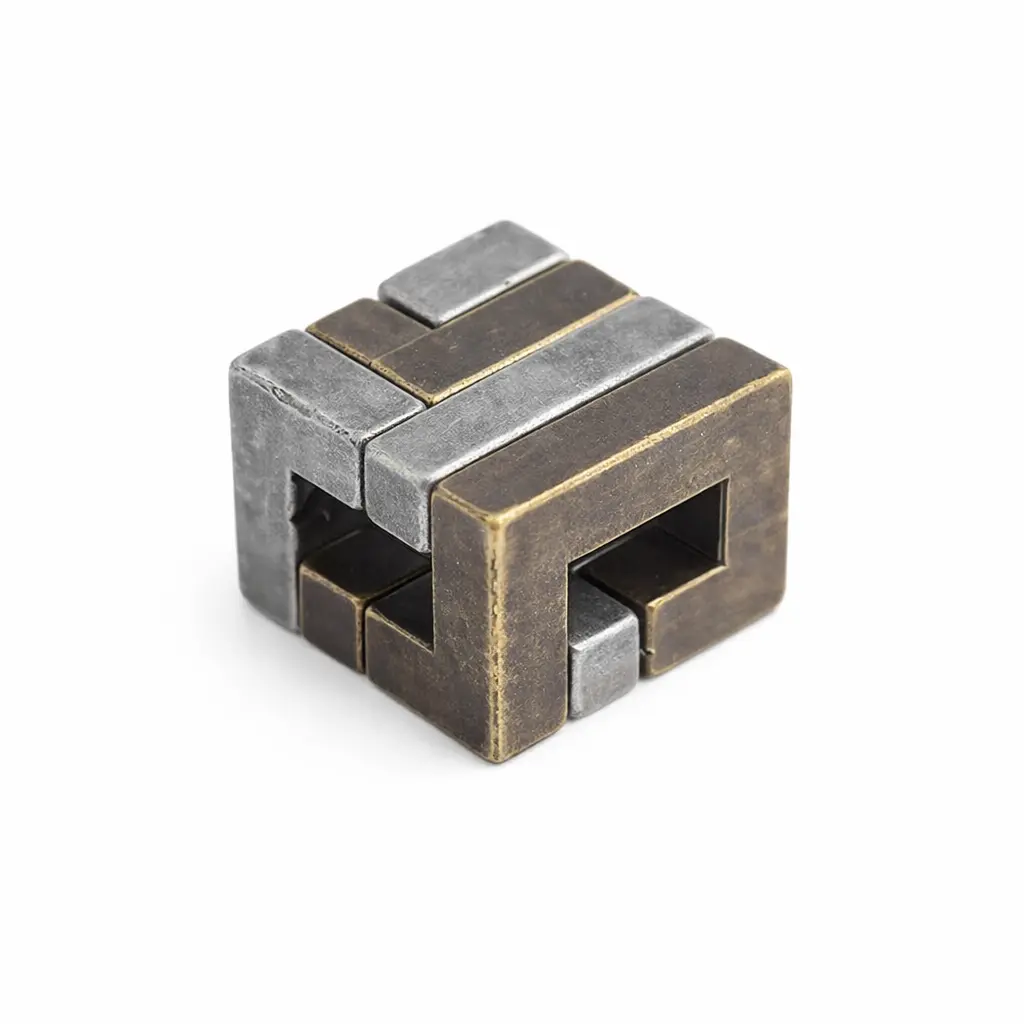
Cast Coil Pocket Puzzle — $18.99
The age-label decoder for other cast puzzles
Not every cast metal puzzle carries a Hanayama level number. Huzzle puzzles, unbranded cast pieces, and the wider category use different systems: some print a star rating, some print a numeric difficulty out of 5 or 10, and some print nothing at all. The translation rule stays the same. The stated age is a safety floor, the difficulty rating is the cognitive clue, and the mechanism type (disentanglement, take-apart, assembly) is the engagement clue. When all three disagree, trust the mechanism match and the difficulty rating over the age label. A Level 1 disentanglement is almost always a better first gift for a 10-year-old than a Level 3 take-apart, regardless of which brand printed “8+” on the box.
The next action before you scroll further
Read the “difficulty” or “level” line on the product page you are about to buy. If it is Level 3 or higher and this is the child’s first cast metal puzzle, close the tab and find a Level 1–2 piece instead, because the gap between Level 2 and Level 3 is where most 10-year-olds stop progressing without a parent’s first hint. The level number is the single most reliable predictor of whether the gift will hold a tween’s attention or end up in a drawer by Sunday.
03. The Pre-Purchase Checklist for a Cast Metal Puzzle Gift
Before clicking buy, run these five checks on any cast metal puzzle product page. The difficulty section told you which level to look for; this section makes sure the specific piece you clicked on is physically safe, materially honest, and commercially protected if the gift misses. For a deeper quality check, the metal puzzle quality test protocol walks through how to evaluate weight, finish, and mechanism tolerance before purchase.
1. Small-parts and choking-hazard labeling
A cast metal puzzle piece is dense, often smaller than a walnut, and almost always a single solid object. The good news is that this makes a Level 1–2 cast puzzle far less of a choking hazard than a jigsaw with two hundred thin cardboard pieces. The bad news is that some listings still carry a “not for children under 3” line because the piece fits inside a choke-test cylinder. For a 10-year-old, that line is irrelevant. What you do want to confirm is the printed age band: anything labeled “8+”, “10+”, “12+”, or “14+” is a passed safety floor. If the product page does not print an age at all, treat that as a red flag and look for a different listing, because the absence usually means the seller is shipping generic inventory without a manufacturer warranty behind it. A well-documented cast puzzle page names the manufacturer, the level, the age band, and the mechanism in one line above the buy button.
2. Material disclosure
The industry standard is cast zinc alloy, sometimes plated or coated for color. Zinc alloy is heavy in the hand, cold to the touch, and survives years of pocket carry without bending or rusting. Stainless steel is the premium alternative used in some higher-priced disentanglements and it lasts a lifetime but costs more. Either material is fine for a 10-year-old’s gift. What you want to avoid is any listing that says “metal” without naming the alloy, because that is the language of generic imports that sometimes substitute iron or thin aluminum. A material line that reads “cast zinc alloy” or “stainless steel” is a sign the product was made by a manufacturer who understands the difference.
3. Single-piece versus multi-piece
A single-piece disentanglement is the classic format: two interlocked parts you have to pull apart. These are satisfying because the whole gift fits in one hand and there is nothing to lose. A multi-piece take-apart is the format where the puzzle disassembles into three, four, or more parts that then have to be reassembled. Multi-piece versions are the ones that hold a 10-year-old’s attention longest because reassembly adds a second challenge after the first solution, but they also introduce a real risk: a single dropped piece can roll under a sofa and end the gift. The Metal Crab Puzzle Cast Brain Teaser with Gold Ring is a good example of the single-piece disentanglement format that works well for a first-time gift because the crab-and-ring silhouette is easy to keep track of, and the single gold ring gives the child a visible reward to aim for at the end.
If you are choosing a multi-piece version, check that the listing names every component and shows them in the photo. If a piece is not photographed, assume it is hard to find when lost.
4. Packaging
Packaging is the only signal on a product page that tells you whether the seller thinks of the item as a gift or as a stocking stuffer. A gift box, a magnetic-closure case, or a foam-lined display box signals that the manufacturer considered the unwrapping moment. A plain plastic blister, a poly bag, or a brown cardboard sleeve signals that the item is sold in bulk and is not designed to be handed across a birthday table unwrapped. For a 10-year-old’s main gift, the gift-box format is worth the small premium. For a stocking stuffer or an add-on to a larger present, the blister format is fine. Reading the photo on the product page is the fastest way to tell which tier the seller is in.
5. Return window
Cast metal puzzles are not consumable, so the child can hand the gift back to a parent, a sibling, or a friend if they get stuck. That is the most under-rated feature of the category and the reason a 30-day return policy is worth confirming before checkout. The most common outcomes for a 10-year-old’s first cast puzzle are: they solve it in under an hour and want a harder one, or they hit a wall on Level 2 and want a parent’s first hint before they keep going. Both outcomes are healthy and both are easier to manage if the seller will accept a swap or a return. A return window also protects you against the rarer case of a missing piece on arrival, which is more common in multi-piece take-aparts than in single-piece disentanglements.
If all five checks pass — age band present, material named, piece count visible, packaging photo shown, and a return window stated — the gift is safe to send. That is the full filter: no special expertise required, no need to compare across brands, and no need to read reviews. The product page either carries the information a parent needs to make the call, or it does not.
04. Decision Table: Matching Puzzle Type to a 10-Year-Old’s Style
The right cast metal puzzle for a 10-year-old depends on whether the child is a tinkerer, a thinker, or a builder. Once the pre-purchase checklist clears — age band stated, material named, piece count visible, packaging shown, return window confirmed — the remaining decision is mechanism match. That match is about the child’s relationship with objects, not the calendar age on the box. A mechanism chosen for the right play style will hold a 10-year-old through a full solve; a mechanism chosen at random will sit on the shelf.
Cast metal puzzles split into three mechanism families, and each one rewards a different kind of play. A tinkerer takes apart and reassembles. A thinker chases a single “aha” moment. A builder follows a diagram back to a finished form. Most 10-year-olds are dominantly one of these, and the gift lands harder when the mechanism matches that tendency.
| Puzzle Profile | Mechanism | Hanayama Level Range | Solo-Solvable for a 10-Year-Old? | What to Check |
|---|---|---|---|---|
| Tinkerer who takes things apart | Take-apart / multi-piece | Level 1–2 | Yes, with the caveat that reassembly may need a parent | Confirm the box includes all pieces and a printed solution diagram |
| Thinker who likes a single brain-burn moment | Disentanglement / single-piece | Level 1–2 | Usually yes, possibly with one hint | Confirm the material is cast metal, not plastic or plated alloy |
| Builder who likes putting things back | Assembly | Level 1–2 | Yes, if the child reads diagrams | Confirm a printed solution sheet is included |
| Older tween who has solved a Level 2 before | Any mechanism | Level 3 | Solo, but expect a longer session (10–30+ minutes) | Cross-reference the Fat Brain Toys positioning of Level 3 as “best for 12 year olds” to gauge readiness |
The “What to Check” column is the safety rail. Any product page that does not surface those details is not worth buying blind.
For a thinker, a single-piece disentanglement is the cleanest gift — no missing-piece risk, no diagram dependency, one object to study until the mechanism clicks. The tactile feedback of cast zinc alloy gives the hands something to do while the brain works, and the solve window is short enough that a 10-year-old will see the result before their patience runs out. Kid Gift Guides notes that one well-reviewed cast metal puzzle entry point carries 1,600 reviews at an average of 4.5 stars, with the caveat that it sits “on the slightly older side” of the kids’ range — which is exactly the thinker slot in this table.
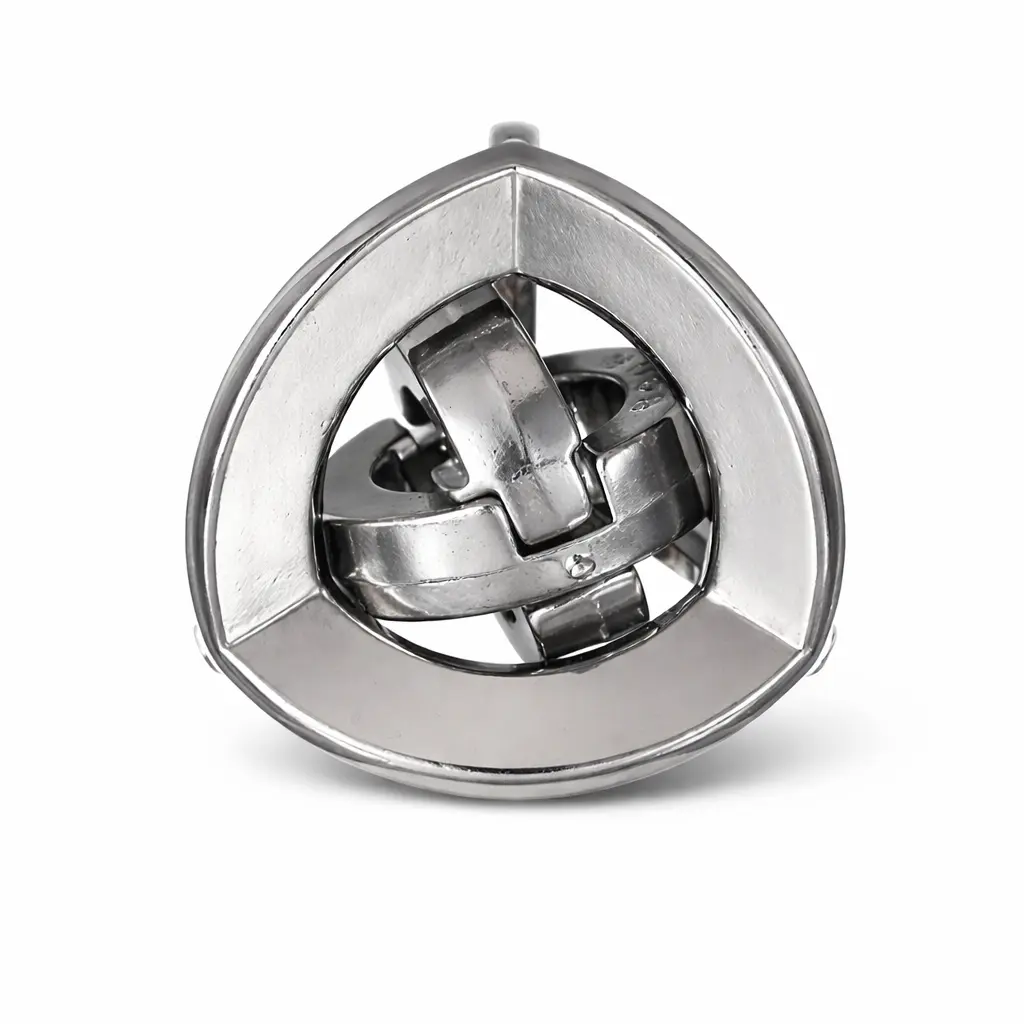
For a tinkerer, a multi-piece take-apart is the right shape — the child disassembles, holds the pieces, and either reassembles alone or hands them to a parent for the last step. The risk is missing pieces on arrival, which is more common in multi-piece take-aparts than in single-piece disentanglements. That is why the “What to Check” column insists on a parts list and a diagram. A four-piece cast puzzle gives the child enough to feel like a real mechanism without overwhelming their working memory.
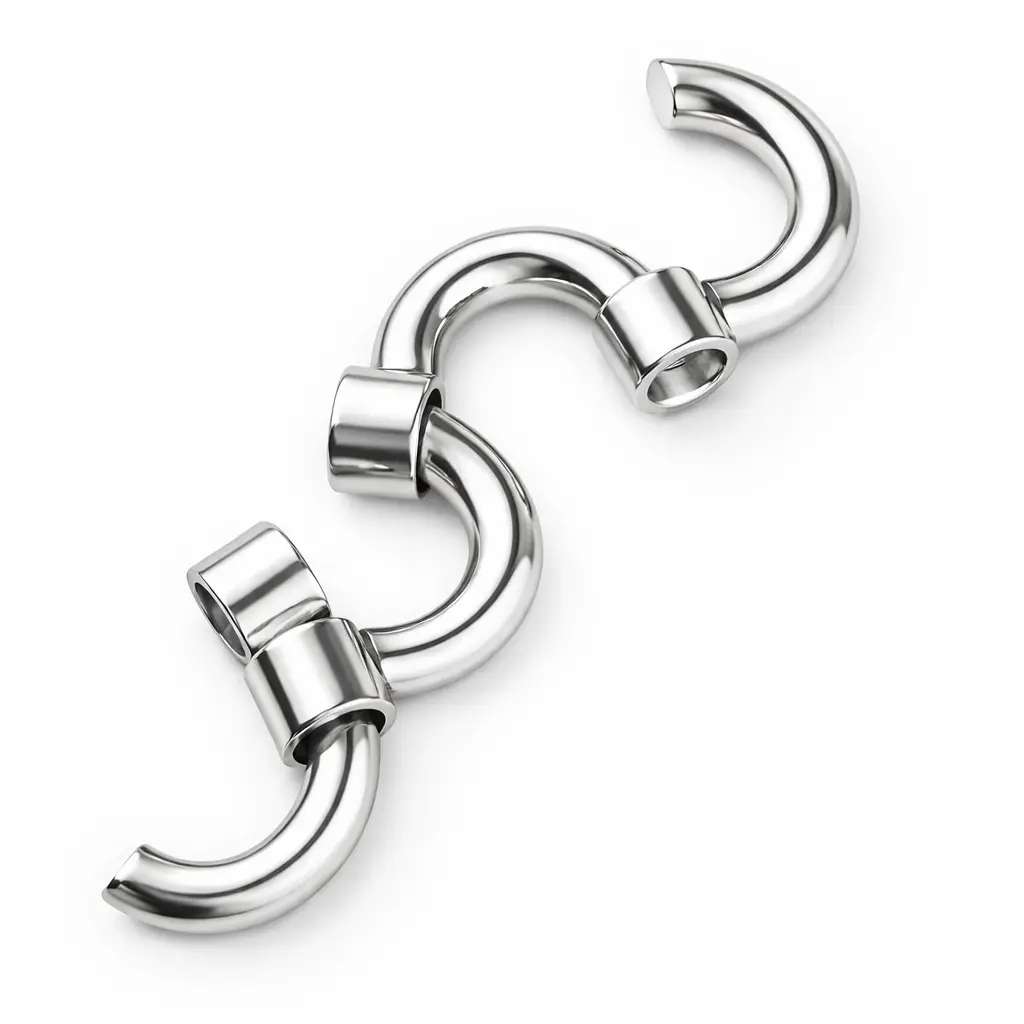
Cast Galaxy 4-Piece Silver — $14.88
For a builder, assembly puzzles require a printed solution sheet — a child who likes following diagrams will read it, and a child who does not will stall on step two. That single piece of packaging tells you whether the gift will land on day one or stay sealed for a week.
For an older tween who has already solved a Level 2, Level 3 is the next rung. The Fat Brain Toys product page for the Hanayama Hex positions Level 3 as “best for 12 year olds,” which is a useful external calibration point — it means a 10-year-old with prior cast-puzzle experience can usually handle Level 3 with patience, but a 10-year-old meeting cast metal for the first time is better served by a Level 1–2 entry. Match the level to the child’s history with the category, not the calendar.
The practical next step is to pick the row in the table that matches the child you are actually buying for, then run that row’s “What to Check” against the product page. If the page answers all four checks, the gift is ready to ship. For a longer walkthrough of how to introduce the puzzle to a 10-year-old, the kids-can-solve-metal-brain-teasers blueprint covers age-by-age progression, hinting strategies, and what to do when the child stalls.
Frequently Asked Questions
Cast metal puzzles at Level 1–2 are appropriate for most 10-year-olds, even with a printed “12+” age label, because the scale measures problem-solving rather than minimum age. The single most useful pre-purchase check is mechanism type: a ring-and-bar disentanglement matches a 10-year-old’s hand strength, while a multi-piece take-apart or assembly may need a parent on day one.
Is a cast metal puzzle too old for a 10-year-old?
Most Level 1–2 cast metal puzzles carry a “12+” label for safety and marketing, not because the mechanism itself requires 12-year-old cognition. A 10-year-old who has already done Rubik’s cubes, logic grid puzzles, or wooden brainteasers will usually solve a Level 1 in 5–15 minutes. The puzzle is “too old” only if the child has no prior exposure to mechanical puzzles, in which case plan to sit with them for the first 10 minutes.
What does the Hanayama 1–6 difficulty level actually mean?
The scale is a Mensa-rated six-step ladder from beginner (Level 1) to expert (Level 6), formalized by specialty retailers like Solve It Puzzles. It is not an age ladder. A Level 3 like the Hanayama Hex is positioned by Fat Brain Toys as “best for 12 year olds,” which is a useful external calibration point for a 10-year-old with prior puzzle experience. Treat the level as a rough proxy for patience required, not a guarantee of age fit.
Are cast metal puzzles a choking hazard at age 10?
A 10-year-old is past the choking-hazard age band, so small-parts labeling is not a practical concern at this age. It becomes relevant only if a younger sibling is in the house — most cast puzzles are smaller than a 1-inch cube and should be stored out of reach of under-3s. The harder safety check is structural: cast zinc alloy pieces are dense and can dent furniture or pinch fingers if forced, so supervise the first few minutes of play.
How much should I expect to spend on a cast metal puzzle gift?
Entry-level cast puzzles start at roughly $10–14, based on the price floor hobbyist buyers cite for budget alternatives to premium brands. Mid-range single puzzles with retail packaging cluster in the $15–25 band, which is the common spending zone for a tween birthday gift. Premium gift sets in a lined display box, like the four-piece sets sold by category retailers, run higher and make sense when the packaging itself is part of the gift.
Can a 10-year-old put the puzzle back together alone?
A disentanglement puzzle (pull apart, then return) is the format a 10-year-old is most likely to reset solo, because the solved state is usually the obvious inverse of the starting position. A take-apart puzzle (disassemble, then reassemble from a flat state) is harder to reset, because internal pieces can get lost and the reassembly sequence is rarely intuitive. An assembly puzzle almost always needs a printed solution sheet — without it, the gift will stall. The clean next step is to match the mechanism to the child using the decision table above, then run the row’s verification checks against the product page before you click buy.
Where to Start
If the recipient and occasion checks above match, start with Cast Hook Metal Brain Teaser. Check the current product page for the specifications that matter to your choice.
Sources and verification
- Product details and current specifications: Tea-Sip product page
Last updated: August 21, 2026