Quick Answer
A cast metal puzzle works as a graduation gift when you want something displayable, lasting, and metaphorically tied to the milestone — pick a Level 5–6 disentanglement puzzle for a first-time solver, a Level 7–8 for a puzzle hobbyist, and a pocket-size keepsake or gift set if presentation and after-solve display matter as much as the solve.
Three checks settle the pick before checkout. Confirm the difficulty rating against the recipient’s experience with mechanical puzzles. Confirm the display factor — will the solved puzzle sit on a desk as a graduation milestone keepsake, or end up in a drawer. Confirm the packaging — a presentation box reframes a $14 cast metal puzzle as a substantial object worth the occasion.
Decision table: format × best for × verify before buying
| Format | Best for | Verify before buying |
|---|---|---|
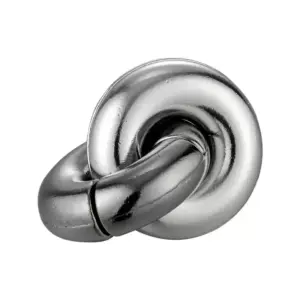
| Compact disentanglement — Cast Hook Metal Brain Teaser ($13.99) | First-time solver, daily desk fidget, pocket-size keepsake | Open the product page and check the listed difficulty plus solved-state dimensions |
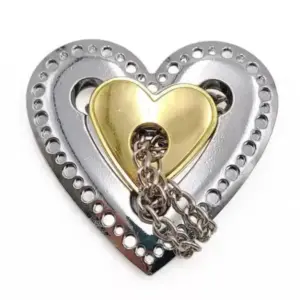
| Decorative ring puzzle — Metal Crab with Gold Ring ($13.99) | Graduate who wants a wearable display piece after solving | Confirm the puzzle reassembles into the original ring shape |
| Multi-piece cast set — 5 Piece Cast Spiral ($16.99) | Puzzle hobbyist ready for a longer, multi-stage solve | Check the piece count and confirm graduated difficulty across the set |
| Pocket coil — Cast Coil Pocket ($18.99) or Cast Coil Triangle ($25.99) | Graduate who’ll carry and reset the puzzle daily | Check the pocket-fit dimensions and total weight on the product page |
The top of this shortlist — a compact cast disentanglement such as the Cast Hook Metal Brain Teaser — fits the dominant graduation scenario: a first-time solver who wants a displayable object whose mechanism doubles as a desk fidget after the solve. For a wider mix of graduation-ready formats beyond cast metal, see puzzle gifts for graduation that beat cash.
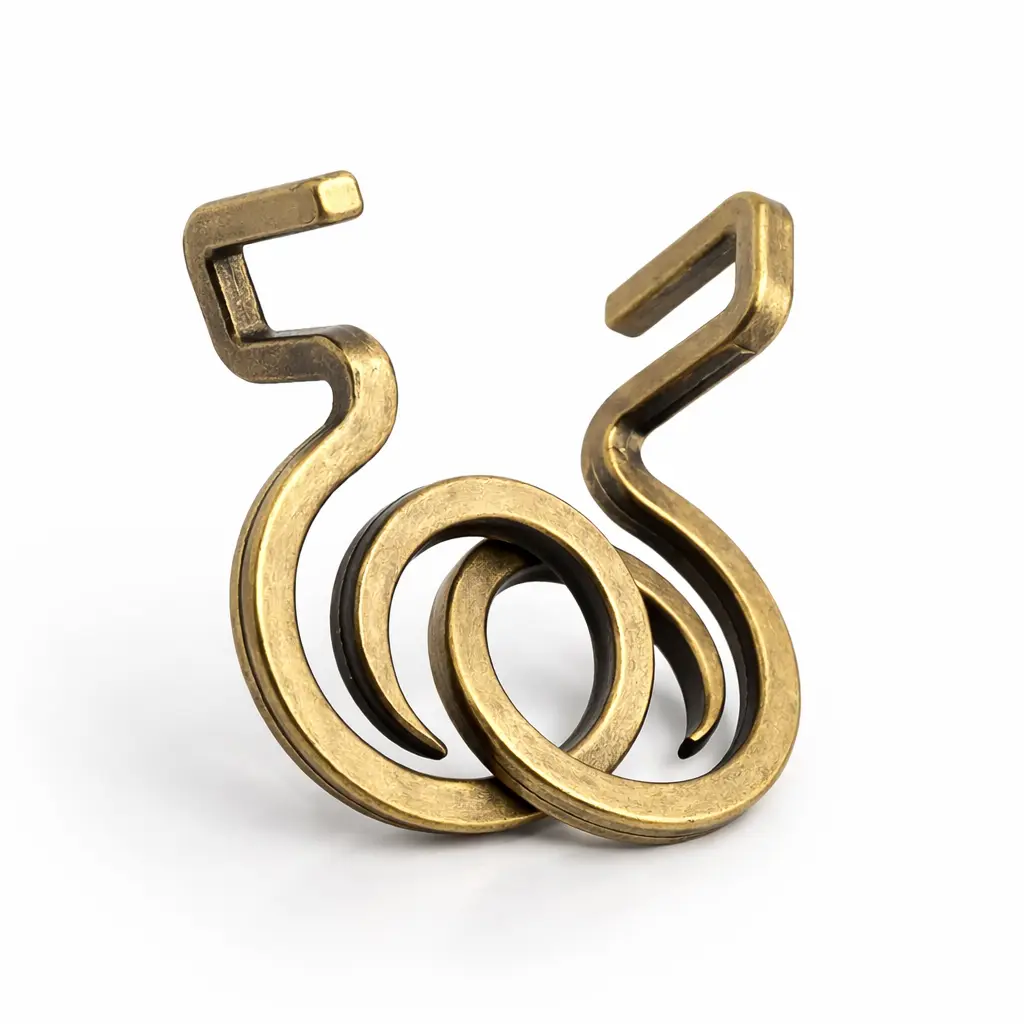
Verification step before you buy: Open the product page, confirm the listed difficulty matches your recipient, and check the solved-state photo to confirm the puzzle reassembles into a shape worth displaying on a graduation desk.
01. Why a Cast Metal Puzzle Works as a Graduation Gift
A cast metal puzzle fits a graduation gift when the occasion calls for an object with weight, a mechanism with meaning, and a keepsake that outlives the party. Most gifts of this scale are framed, monogrammed, or engraved — they mark the milestone but stay passive on a shelf. A cast metal puzzle does the opposite. It asks the graduate to do something: take it apart, solve it, and put it back together. That act is what makes it appropriate for a commencement.
A disentanglement puzzle is, by definition, a mechanical puzzle whose objective is to separate two or more interlocked pieces through a specific sequence of moves. Wikipedia’s entry on mechanical puzzles frames the broader category as objects whose pieces have controlled movements — meaning the graduate cannot force a solution, only work through it. That tension between effort and reward is the first reason a cast puzzle suits this milestone: graduation itself is a controlled disassembly of one life chapter and a deliberate reassembly of the next. The metaphor is not decorative. It maps directly onto what the graduate has just done — leave a structured environment, navigate a sequence of moves no one can skip, and arrive somewhere new with the pieces intact.
The second reason is format survival. A bottle of wine is consumed. A gift card is spent. A cast metal puzzle, once solved, becomes a desk object — the kind of thing a graduate keeps on a dorm shelf, a first-apartment console table, or a workstation in their first job. The fidget toy category captures this afterlife well: an object designed for repeated sensory engagement that also happens to look intentional in a room. For a graduate moving into a new space, that dual function — challenge object and display piece — is what separates a memorable gift from a generic one. If the graduate already keeps a workstation, see metal puzzles for an office desk for desk-specific selection logic.
The third check is material and proportion. Cast zinc alloy puzzles are pocket-size by design — they weigh enough to feel substantial in the hand, but they travel. A graduate packing for a move can drop one in a bag without a second thought. The weight also signals occasion: a plastic toy does not feel like a milestone marker. Cast metal does. When the puzzle is solved, the reassembled form is compact, geometric, and visually quiet — the kind of object that earns a permanent spot rather than a drawer.
Run three occasion checks before checkout: Does the mechanism mirror the milestone, meaning a take-apart and put-back-together sequence rather than a single reveal? Does the solved form photograph well on a desk or shelf, not just in the box? Is the weight and material proportionate to the achievement — cast metal rather than plastic or cardstock?
Verification step before you buy: Search the model name plus “on desk” or “shelf” to confirm the solved-state photographs as a displayable object — if the reassembled form looks awkward or generic, pick a different model.
02. How to Match Hanayama Difficulty Level to the Graduate
Pick a Level 5–6 for a first-time solver, a Level 7–8 for someone who already keeps a puzzle shelf, and reserve Level 9–10 for graduates who collect mechanical puzzles as a hobby. That single decision rule is the difference between a gift that gets solved on opening night and one that sits unsolved in a drawer for a year.
The Hanayama difficulty rating explained uses a 5–10 scale that runs from Level 5 (Easy) through Level 6 (Tricky), Level 7 (Challenging), Level 8 (Demanding), Level 9 (Gruelling), to Level 10 (Mind Boggling), and each puzzle is rated in the product description. Puzzle Master describes the Cast Ring as suitable as a gift for graduates, and its compact ring shape works as a natural entry point for new solvers. For a broader selection walk-through, the Hanayama cast puzzle buyers guide maps the catalogue by mechanism type. Working from that baseline, three concrete checks will narrow the choice for any graduate.
Check one: solver experience. Has the graduate ever taken apart and reassembled a metal puzzle? If not, Level 5 or 6 is the correct floor. The Cast Hook Metal Brain Teaser sits in that early range — a compact cast metal disentanglement with a clear mechanical goal and a short solve. If the graduate owns Hanayama puzzles already, jumping to Level 7 or 8 introduces a new mechanism type without crossing into frustration territory.
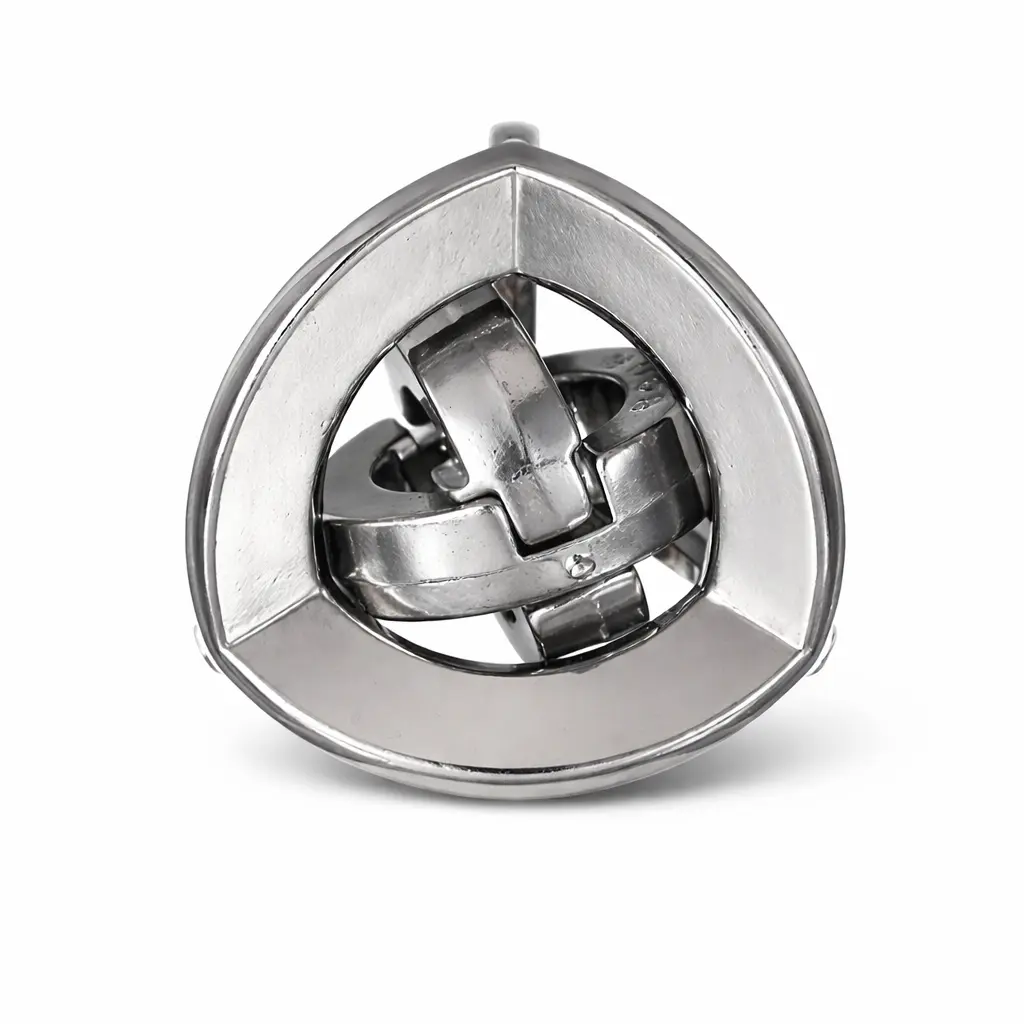
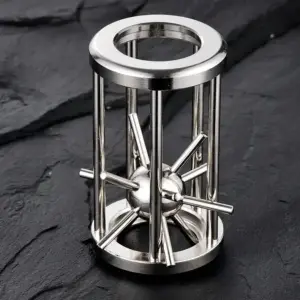
The Metal Orbit Ring Cast Puzzle reads as a clear progression from beginner models — a ring-and-track mechanism at $14.99 that fits the Level 6–7 lane and doubles as a desk object once reassembled.
Check two: age and patience. A high school graduate solving a Level 5 will finish in minutes and feel clever; the same graduate handed a Level 9 may give up after an hour and put the box away. Most cast metal puzzles in this category are listed for ages 12 and up, and a college grad moving apartments has less patience for a 90-minute solve than a graduate student settling into a long study stretch. Match the time budget to the life moment: Level 5–6 for a 15-minute win on moving day, Level 7–8 for a slow weekend at a new desk, Level 9–10 only for a recipient who already treats puzzling as downtime.
Check three: personality fit. An engineering or STEM graduate often responds to visible mechanical logic — locking bars, asymmetric pieces, mechanisms that reward analysis. A creative or curious graduate — art, design, humanities, liberal arts — tends to prefer puzzles whose solved form is visually striking on a shelf. That split matters more than the star rating, because the post-solve display angle only lands if the recipient actually wants the object on their desk.
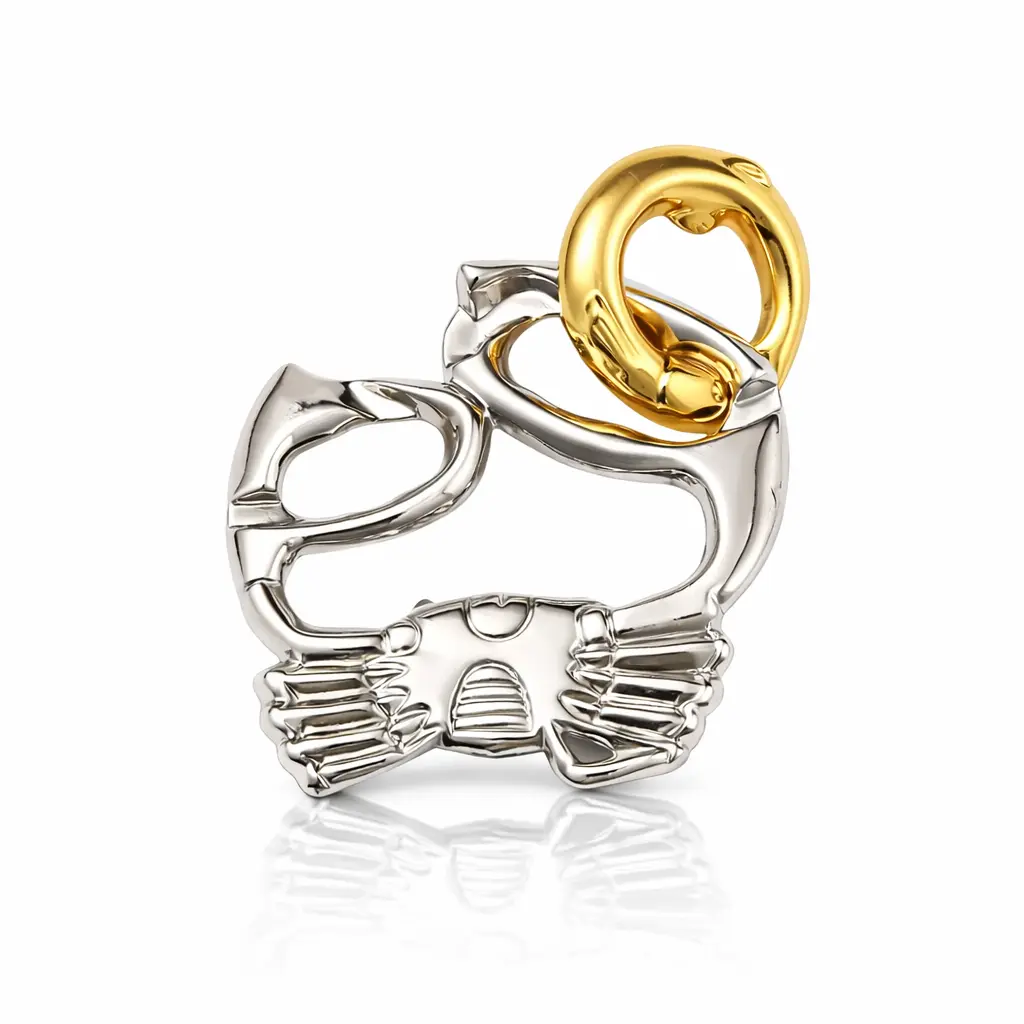
The Metal Crab Puzzle Cast Brain Teaser with Gold Ring leans into the visual side of the split — a crab-shaped cast body with a gold ring that rewards patient manipulation and looks deliberate on a shelf once solved.
For the most common graduation scenario — a first-time solver in their late teens or early twenties — a Level 5 or 6 cast metal disentanglement is the right floor. The Cast Hook Metal Brain Teaser fits that lane directly: pocket-size, cast metal, and short enough to solve before the graduation dinner ends. For the second most common scenario — a self-described puzzle hobbyist heading into college — a Level 7 or 8 with a clear mechanism gives them a new challenge without crossing into collector-only territory.
Verification step before you buy: Confirm the level listed on the product page matches the recipient’s experience — a mismatch in either direction (too easy reads as condescending, too hard reads as homework) is the most common reason a cast metal puzzle ends up in a drawer instead of on a desk.
03. Cast Metal Puzzle Formats: Single, Set, or Puzzle Box for Graduation
Now that difficulty is locked, format decides how the gift lands. Choose a single boxed disentanglement when the solve itself is the gift; choose a multi-puzzle set when variety matters more than any one mechanism; and choose a hidden-compartment puzzle box when the unboxing reveal is the main event. The same difficulty level can feel completely different depending on which format you pick.
A single boxed puzzle works when the graduate is a first-time solver or when you want one moment of focus. The Cast Hook Metal Brain Teaser is the cleanest version of this format: one mechanism, one solve, one display object afterward. The compact cast metal format gives the graduate something they can carry in a bag to a new dorm or first apartment — and something that survives the move. For graduates who fidget at a desk or settle into long study sessions, a pocket-size form factor means the puzzle stays in rotation instead of disappearing into a drawer.
A multi-puzzle set works when you don’t know exactly which mechanism the graduate will prefer, or when you want the gift to last past one evening. Collections let the graduate rank themselves — easy first, harder later — and they double as a set of display objects rather than one. A mixed set also solves the “what if they already own a few puzzles” objection: even an experienced hobbyist rarely owns every mechanism type, so a set with a disentanglement, a burr-style, and a sequential-move puzzle adds new territory.
A hidden-compartment puzzle box flips the format entirely. The solve is short; the payoff is the reveal inside. This is the format to choose when the gift also needs to carry a folded bill, a gift card, or a handwritten note. The interior compartment is the whole point — the puzzle is a delivery mechanism for something else. Project Genius’s graduation line is built around this exact use case, with boxes whose hidden compartments are sized to stash a gift card or cash alongside a note. For a focused roundup of puzzle box gifts with money or a card inside, the format-specific buying logic differs enough from a standard cast disentanglement to warrant its own guide.
A cast metal maze is a fourth format worth knowing about, even though it sits outside the classic cast-puzzle line. Cast metal mazes from independent makers are explicitly positioned for graduation and birthday gifting, and they work as a calmer alternative when the graduate is younger, less patient with fiddly disentanglements, or wants something they can return to repeatedly on a desk.
The “what if they already own puzzles” concern is real, and format is the answer. A single boxed puzzle is a duplicate risk; a set is range extension; a puzzle box is a different product category entirely. Pick the format that changes the experience, not the one that just adds another shelf object.
Three checks before you choose:
- Presentation preference: Is the moment of giving the gift, the solve, or the reveal inside?
- Repeatability after solve: Will this live on a desk, in a pocket, or get re-gifted?
- Physical payload: Does the gift need to carry a card, cash, or note inside it?
Verification step before you buy: If a puzzle box must hold a gift card or folded bill, confirm the interior dimensions on the product page before checkout — a card that doesn’t fit turns the reveal into a frustration, and the listing photo rarely shows the empty compartment at scale.
04. Decision Table: Which Cast Metal Puzzle Format Matches the Graduate
The right format depends on what the graduate already owns and what the gift must carry. A single compact cast puzzle is the safest graduation pick when you don’t know the recipient’s collection, a multi-piece set extends range for hobbyists, and a lock-style puzzle box is the only format that hides a gift card or folded bill inside. Format is what maps the gift to the person, not difficulty alone.
A graduate who already owns several puzzles won’t value a duplicate the way a first-time solver will. The format choice is where the graduation context does the most work.
The single-puzzle format is the graduation default. A compact cast disentanglement lives on a desk after solving, functions as a tactile focal point, and matches the milestone without hours of commitment. The Cast Hook Metal Brain Teaser is the first pick: short enough to solve in a sitting, cast zinc alloy finished form holds shape as a display piece, and the mechanism reads as a keepsake rather than a toy. The Metal Orbit Ring Cast Puzzle and Metal Crab Puzzle Cast Brain Teaser with Gold Ring work as alternates within the same single-puzzle format when the graduate wants a different desk silhouette.
The set format fits when the graduate has signaled puzzle interest or the giver wants range. A graduate entering engineering or STEM is a natural fit because each piece in a set applies a different mechanical principle. The 5 Piece Cast Spiral Metal Puzzle delivers a graduated difficulty curve across five separate solves, and the 6 Piece Steel Ball Pyramid Puzzle extends the same range at a lower entry point. The set’s weakness is presentation: it doesn’t reveal in one moment, and the solves may happen over weeks rather than at the gift moment. For ranked satisfaction data across specific models, the best Hanayama puzzles ranked guide pulls from hobbyist solve-time and table-flip reporting.
The puzzle-box format solves the payload problem. When the gift must include a card, cash, or folded note, only a lock-style puzzle box hides the second gift inside. The Antique Lock Puzzle, Bagua Lock Puzzle, Chinese Koi Puzzle Lock, and Cupid’s Arrow Heart Lock Puzzle function as wrapping paper and gift in one object. The graduate solves the lock, opens the compartment, and reads the card inside.
Decision Table
| Format | Difficulty (or proxy) | Best For | What to Check |
|---|---|---|---|
| Single cast disentanglement (Cast Hook Metal Brain Teaser) | Short solve; suitable for first-time solver; verify exact solve time on product page | Graduate without a puzzle collection; desk display after solve | Confirm mechanism, finished weight, and whether the piece returns to a displayable solved state |
| Single cast puzzle, ornamental (Metal Crab with Gold Ring, Metal Orbit Ring) | Short to mid solve; mechanism varies; verify on product page | Graduate who judges the gift partly by its desk silhouette | Confirm finished dimensions and whether the piece reads as a display object or a pocket puzzle |
| Multi-piece set (5 Piece Cast Spiral, 6 Piece Steel Ball Pyramid) | Range across pieces; no single rating applies | Hobbyist, engineering or STEM grad, or sibling of a puzzle person | Verify number of pieces, storage box included, and whether each piece has its own solve path |
| Lock-style puzzle box (Antique Lock, Bagua Lock, Chinese Koi, Cupid’s Arrow) | Varies by lock; many open after a short sequence of moves | Graduate whose gift must carry a card, cash, or note inside | Confirm interior compartment dimensions hold a standard gift card or folded bill before checkout |
Verification step before you buy: Pick the format row that matches your graduate, then run that row’s “What to Check” action on the product page before checkout. If a puzzle box must hold a card, measure the interior against a real gift card or bill, not the listing photo.
05. Cast Metal Puzzle Graduation Gift Questions
A format decision — single puzzle, set, or box — settles the shape of the gift, not the graduation fit. Difficulty, the desk-life of the solved form, and the packaging each carry weight the table above did not score. These answers close that gap.
Is a Hanayama puzzle a good graduation gift?
Yes, when the graduate values a keepsake that outlasts the cake. Cast metal puzzles are built to be solved, displayed, and returned to. Puzzle Master describes the Cast Ring as “suitable as a gift for graduates,” with a finish that “looks great assembled.” The graduation fit is the keepsake angle, not a brain-training claim. Verify before you buy: look for the Hanayama packaging and the level marking on the box, since the brand identity is part of what gives the gift its weight. For a closer look at why Hanayama puzzles are so popular as gifts, the cultural and design reasons run deeper than the difficulty rating alone.
What difficulty level should I pick for a first-timer?
Start at Level 5 or 6 on the 5–10 scale. A Tea-Sip cheat sheet notes the Cast Hook solves in 1–3 minutes and the Metal Orbit Ring in 2–5 minutes — both short enough for a one-sitting finish. Skip anything Level 8 or higher for a true beginner. Verify before you buy: check the level rating on the product page, and pick a puzzle the graduate can finish in under fifteen minutes on a first attempt.
Which cast metal puzzle looks best on a desk after solving?
Pick a compact form that holds its shape when reassembled — rings, hooks, and small silhouettes sit cleanly. The Hanayama Medallion is described by sellers as a “displayable and wearable reward” once solved, and pocket-size picks like the Cast Hook, Metal Orbit Ring, and Metal Crab double as fidget objects on a work desk. Display is the real tiebreaker when two puzzles fit the same difficulty target. Verify before you buy: look for product photos that show the puzzle in its solved state, not only the boxed or disassembled state.
Can I hide cash or a gift card inside a puzzle box?
Yes — but only with a box that has an interior compartment, not a standard disentanglement puzzle. Project Genius describes their collection as “secret boxes and brainteasers for graduates” with “a compartment ideal for stashing a gift card or cash, adding a twist of mystery to your present.” Lock-style boxes like the Antique Lock, Bagua Lock, Chinese Koi, and Cupid’s Arrow follow the same reveal logic. Verify before you buy: measure the interior against a real gift card or folded bill, since listing photos compress the scale.
Are Hanayama puzzles too hard for a high school graduate?
No, not at the entry level. The BePuzzled G&G Hanayama Cast Metal Brain Teaser is officially listed for ages 12 and up, so a high school graduate handles the entry and mid levels comfortably. The constraint is choosing a Level 5–6 piece for a first-timer, regardless of age. Verify before you buy: if the graduate has never solved a cast metal puzzle, stay at Level 5 or 6, even if they are college-bound.
Hanayama vs BePuzzled — what’s the difference?
BePuzzled is the North American distributor that re-brands and retails Hanayama puzzles, not a separate manufacturer. The Amazon listing for the “BePuzzled |G&G Hanayama Cast Metal Brain Teaser Puzzle (Level 3)” still carries the Hanayama name in the product title — they are the same cast zinc alloy puzzles from the same designers. Verify before you buy: look for “Hanayama” or “Huzzle” on the box or product page; if only “BePuzzled” appears, it is still a Hanayama piece, just under a retail label.
Do cast metal puzzles hold their value or end up in a drawer?
They hold value when the solved form works as a display piece. Cast metal is durable, finishes do not tarnish quickly, and the assembled silhouette is small enough to live on a shelf or workstation. Once solved, the compact form factor makes the puzzle a natural desk companion that graduates return to between work sessions. Verify before you buy: pick a form whose solved silhouette you would be happy to see every day, not only one that impresses at unboxing.
Which is best for a college grad going into engineering or STEM?
Pick a puzzle whose mechanism rewards systematic thinking rather than a single “aha” move. Multi-piece casts like the 5 Piece Cast Spiral Metal Puzzle and the 6 Piece Steel Ball Pyramid Puzzle require the solver to track several parts at once, the same way engineering problems do. Lock-style boxes with sequential mechanisms also work because the steps mirror a debugging process. Verify before you buy: choose a puzzle with more than one internal piece in motion — single-piece disentanglements are entertainment, not the problem-solving pattern a STEM grad is looking for.
Your next step: Open the Cast Hook Metal Brain Teaser product page to confirm the level marking, the solved-form photo, and the current price, then add a handwritten note that names the metaphor: disassemble the old chapter, reassemble the new one.
Where to Start
If the recipient and occasion checks above match, start with Cast Hook Metal Brain Teaser. Check the current product page for the specifications that matter to your choice.
Sources and verification
- Product details and current specifications: Tea-Sip product page
- Background reference: Kennesaw State University Bookstore – From Orientation to Graduation
Last updated: August 12, 2026