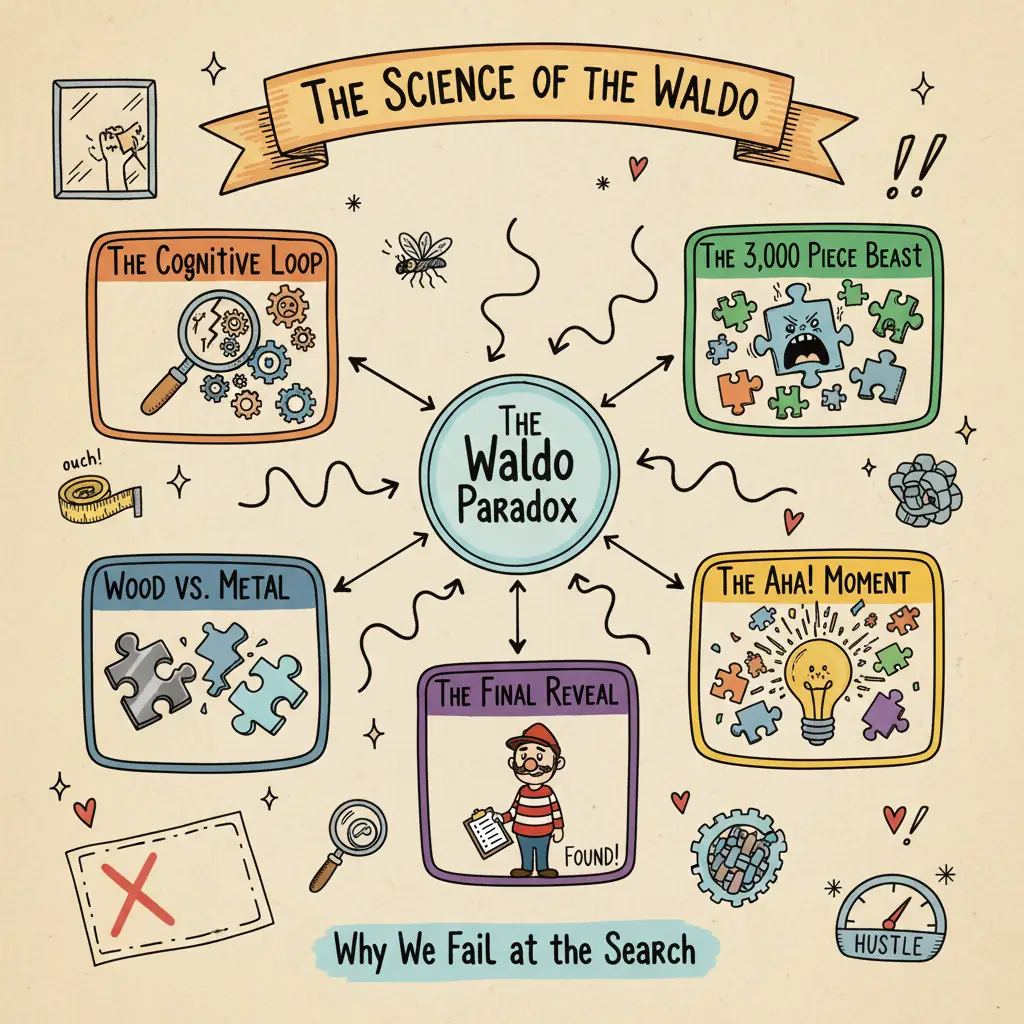
The third time my lower back twinged while leaning over a sprawling 3,000-piece landscape of a crowded beach, I realized I wasn’t just playing a game; I was undergoing a form of cognitive endurance training. There is a specific, itchy kind of frustration that comes with looking for a man in a striped shirt who—mathematically speaking—must be right there, yet remains invisible. This is the Waldo Paradox: the solution is never hidden behind a door or locked in a safe; it is sitting in plain sight, mocking your inability to truly see.
After testing over 200 mechanical puzzles and spending countless hours hunched over jigsaw boards, I’ve developed a firm thesis: Observation-based challenges like the where’s waldo puzzle are the essential gateway drug to mechanical logic. They teach us that complexity is often just a collection of simple patterns layered on top of one another. If you can find Waldo in a sea of red-and-white decoys, you can find the “key” piece in a high-level burr puzzle. Both require the same fundamental skill: the ability to ignore the noise and isolate the signal.
In this deep dive, we’re going to look at why these visual searches remain so addictive in 2026, how they translate to the physical puzzles on my desk, and which specific challenges will actually respect your intelligence rather than just wasting your time.
The Science of the Search: Why Our Brains Fail at Waldo
Most people approach a visual search with a “random walk” strategy—their eyes dart around the page like a fly hitting a windowpane. This is exactly how you lose. The science behind our search for Waldo suggests that our brains are actually wired to prioritize “salient” features—things that pop out. The creator, Martin Handford, knew this. He filled his illustrations with “false Waldos”—people wearing similar hats, carrying red umbrellas, or standing near red-and-white striped beach balls.
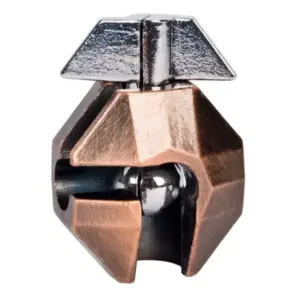
This is the same trick used in high-end metal puzzles. A designer will give you a seam that looks like it should move, but it’s a red herring. They want you to focus on the obvious so you miss the subtle shift in the corner. When I first picked up the Cast Keyhole Gold & Silver, I spent twenty minutes trying to force the notches. I was looking at the “stripes” (the visible cuts) instead of looking at the “Waldo” (the internal 3D maze).

Cast Keyhole Gold & Silver
The Cast Keyhole Gold & Silver is, for my money, the best physical representation of a visual search. Priced at $13.99, it consists of two interlocking pieces that look like flat, jagged keys. At first glance, you’d think they just slide apart. They don’t. The flat surfaces are a lie; the interior is a winding, three-dimensional path that you have to navigate by feel and sight. It’s pocket-sized, but the “re-assembly” phase is where most people crumble. It’s easy to get things apart by accident, but putting them back together requires you to have mapped the internal “crowd” of the puzzle’s geometry. If you enjoy the methodical scanning of a difficult jigsaw, this is your next logical step.
The 3,000-Piece Beast: An Honest Post-Mortem of the Aquarius Waldo
If you’ve spent any time on hobbyist forums lately, you’ve likely seen the legendary Aquarius 3,000-piece Waldo puzzle. It is, quite frankly, a monster. Measuring 45″ x 32″, it requires a dedicated table and a level of patience that borderlines on the monastic.
One of the most common complaints on Reddit is that recent versions sometimes omit the reference poster. Imagine trying to find a needle in a haystack, but the haystack is four feet wide and you only have the tiny box lid for a map. I’ve found that using a magnifying glass isn’t just a gimmick here; it’s a necessity. The print quality has improved significantly in the 2026 editions, with tighter fits that allow you to move entire sections—a godsend when you realize that the group of “Land of Waldos” characters you just assembled actually belongs six inches to the left.
The “Land of Waldos” is a particularly cruel section of the history of Where’s Waldo. It’s a scene filled with hundreds of Waldos, but only one is the real Waldo (he’s usually missing a shoe or some other tiny detail). This is the peak of visual pattern matching. It forces you to move beyond “I’m looking for red stripes” to “I am looking for a specific deviation in a sea of uniformity.”
From Visual Search to Tactile Logic: The Mechanical Connection
When you get stuck on a visual puzzle, the best advice is often to play first and understand later, a concept that applies equally to the wooden blocks on my shelf. You have to let your eyes “glaze” slightly until the pattern emerges.
This transition from looking to feeling is best exemplified by the 5 Piece Cast Spiral Metal Puzzle.
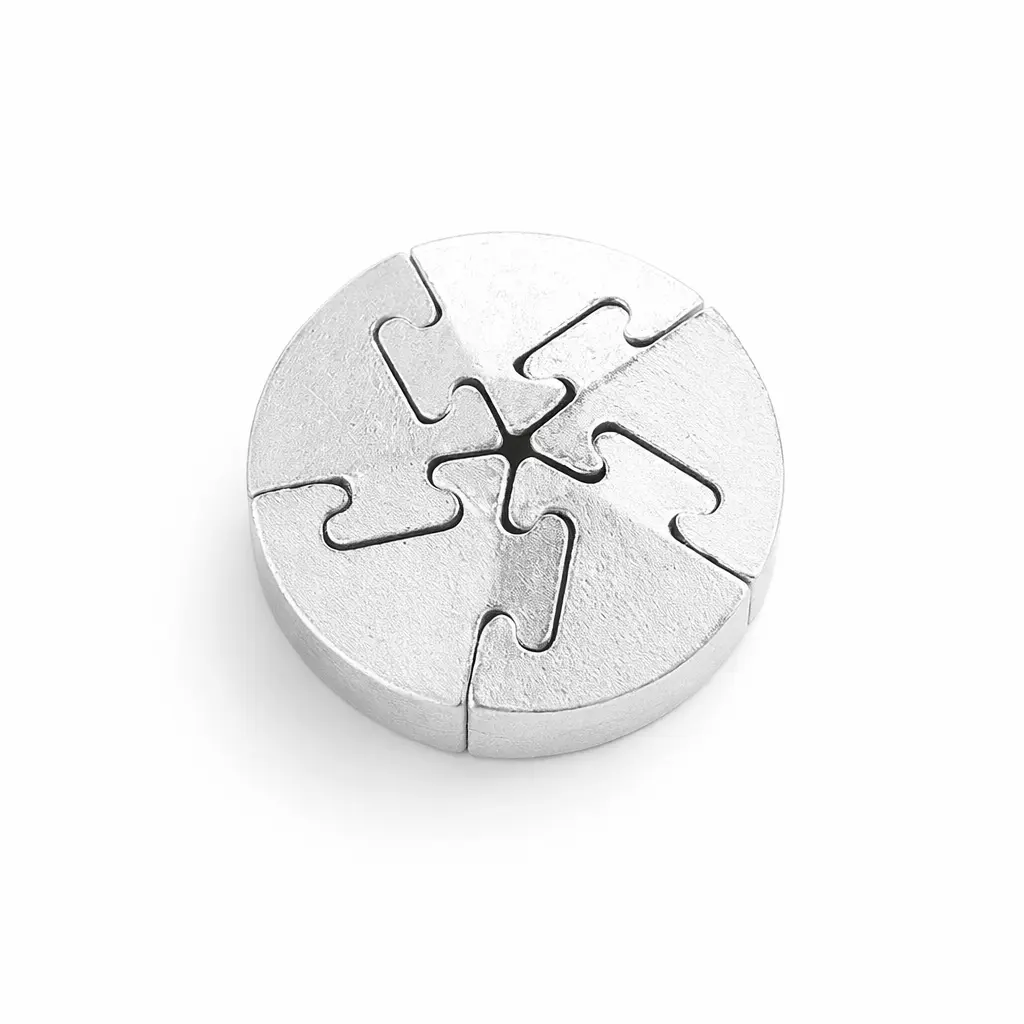
5 Piece Cast Spiral Metal Puzzle
This little disc is an absolute nightmare for people who lack observation skills. It looks like a solid, 4cm alloy coin. There are five wedges, but they are precision-machined to look identical. You have to find the one piece that has a fraction of a millimeter of play. Once you find it, the whole thing unspools like a metal ribbon. At $12.99, it’s a steal, but be warned: putting it back together is a “Waldo” moment. You have to find the exact configuration where all five spirals align. I’ve seen engineers spend an hour on this, getting angrier by the minute because they refuse to just look at the curves.
If your eyes start to get tired from all that precision, I usually recommend taking a five-minute break with something completely different, like playing a quick round of 3Emojimatch to reset your color perception.
The “Aha!” Moment: Why We Keep Coming Back
What is the “Peak Moment” of a puzzle? It’s that split second where the chaos resolves into order. In a Waldo puzzle, it’s when the character suddenly “pops” out of the background. He was there the whole time, but your brain was filtering him out as “noise.”
In mechanical puzzles, this is the “click.”
I remember testing the Sphere Morphs Into Cube ($12.00) last year. It’s a set of four interlocking modules. For the first ten minutes, it’s just a mess of plastic and magnets. You feel like you’re just moving things at random. Then, you notice a specific ridge. You align it, and suddenly—snap—the sphere collapses into a perfect cube.
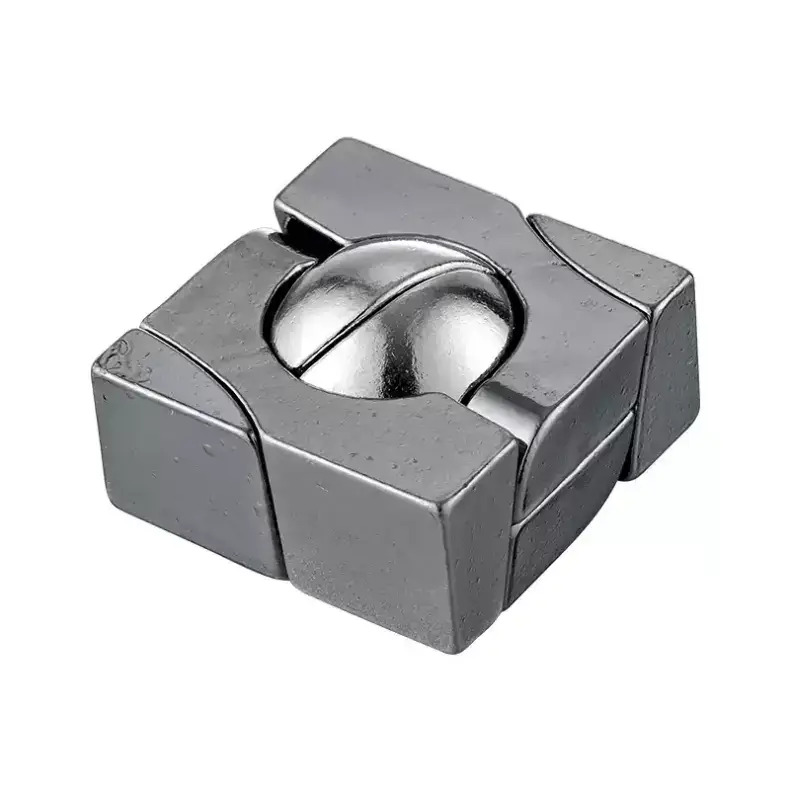
Sphere Morphs Into Cube — $12.00
That moment of resolution is the same hit of dopamine you get when you finally spot Waldo’s cane in the “Jurassic Scene.” It’s the reward for your brain finally overcoming its own lazy filtering mechanisms. It’s why we buy these things. We want to prove that we are smarter than the architect of the chaos.
Why Most People Fail at “Easy” Puzzles
I’ve handed the Gold Silver Double Fish Metal Puzzle to dozens of people. It’s a 60mm palm-sized challenge. It looks like a gift shop trinket. Yet, I’ve seen grown adults try to pull the fish apart with enough force to bend the metal.
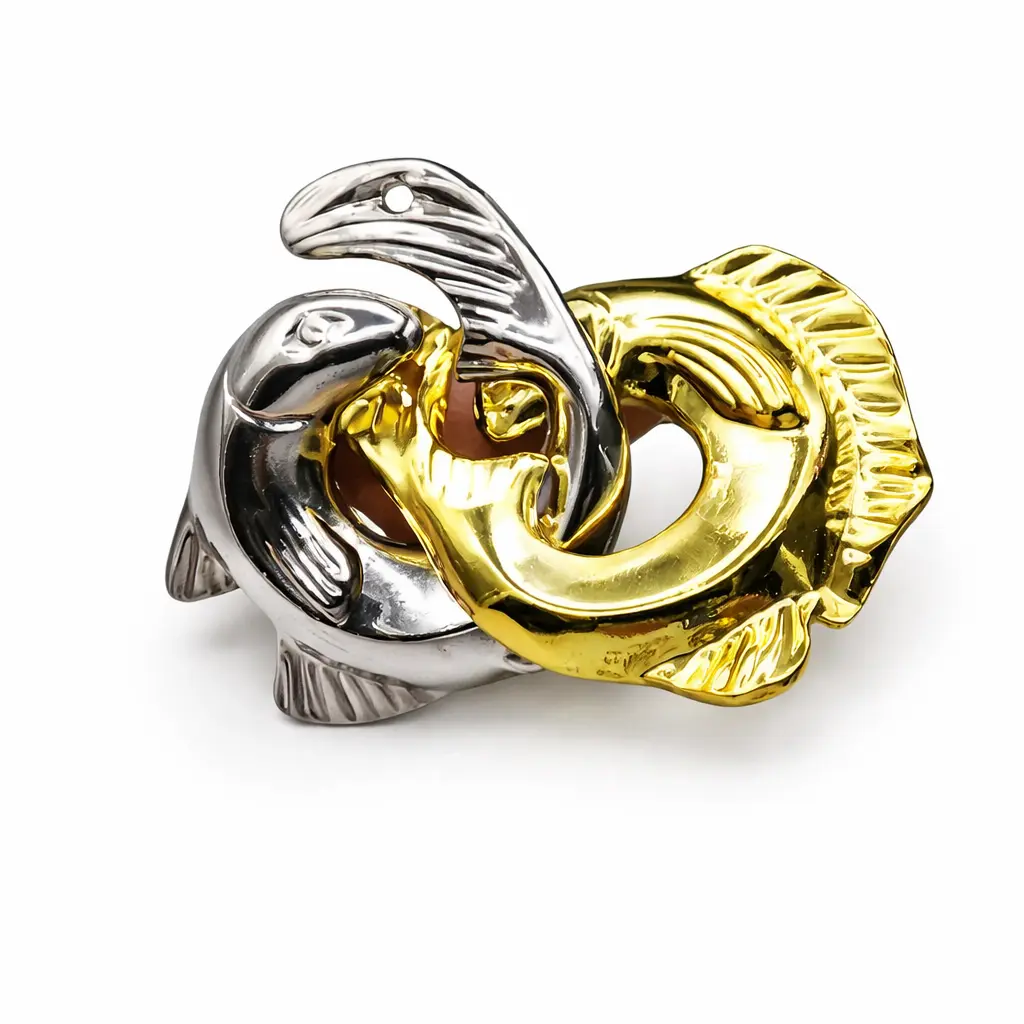
The Gold Silver Double Fish Metal Puzzle, priced at $13.99, is a lesson in subtlety. Like a Waldo drawing, the solution isn’t about strength; it’s about finding the one orientation where the fins don’t catch. If you can’t find Waldo, it’s usually because you’re looking too hard at the wrong thing. If you can’t solve the fish, it’s because you’re trying to force a path that doesn’t exist.
The same applies to the Dual Seahorse Gold & Silver Brain Teaser ($14.99).
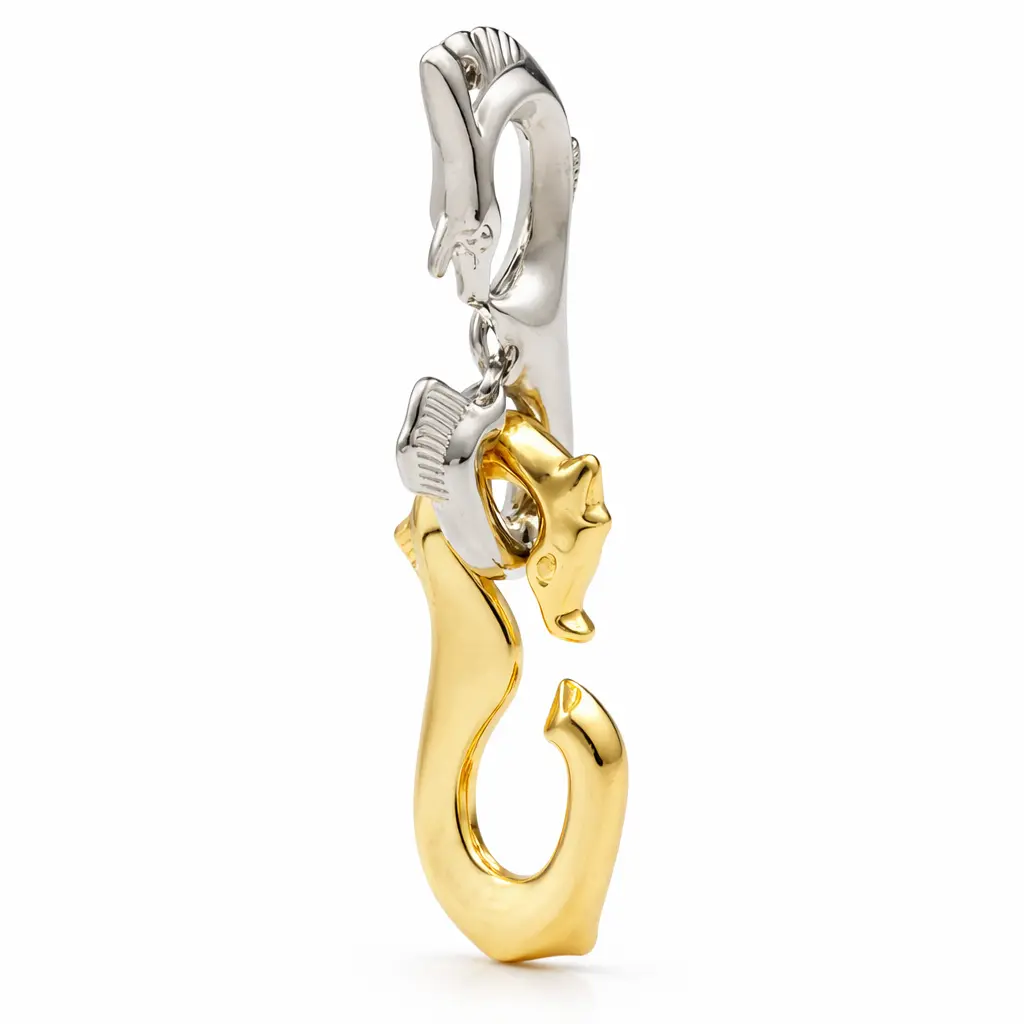
This one uses a hidden threaded mechanism. You can look at it all day, but unless you observe the slight angle of the connection, you’ll never think to twist. It’s a visual riddle. The seahorses are “holding hands,” and you have to figure out the polite way to ask them to let go. It’s one of those locking puzzle brain teasers that looks beautiful on a desk but acts as a total productivity killer for anyone who visits your office.
The Veteran’s Choice: When Wood Beats Metal
While I love the heft of a mechanical puzzle, there is something about the “give” of wood that makes certain observation puzzles more rewarding. When you’re dealing with a Luban Cube Puzzle, you aren’t just looking for a character; you’re looking for a void.
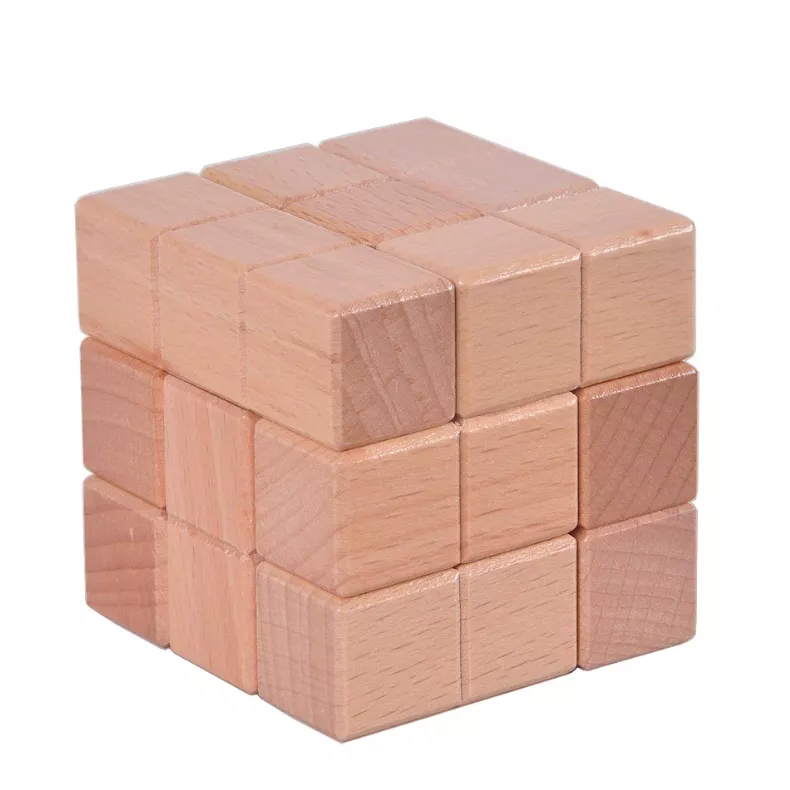
Luban Cube Puzzle
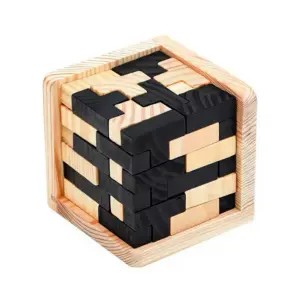
Inspired by ancient Chinese joinery, the Luban Cube Puzzle ($21.99) is the “Hard Mode” of visual puzzles. You have 6 or 7 notched blocks. There are no nails, no glue, and no stripes to guide you. You have to visualize how the “negative space” of one block fits into the “positive space” of another. It’s 3D Waldo. If you miss one notch, the whole cube is impossible to close. It’s a fantastic way to train your spatial reasoning, and honestly, once you’ve mastered this, you’ll start seeing the world through the lens of mechanical patterns.
For a slightly more meditative experience, I often point people toward the 6 Piece Wooden Puzzle Key.
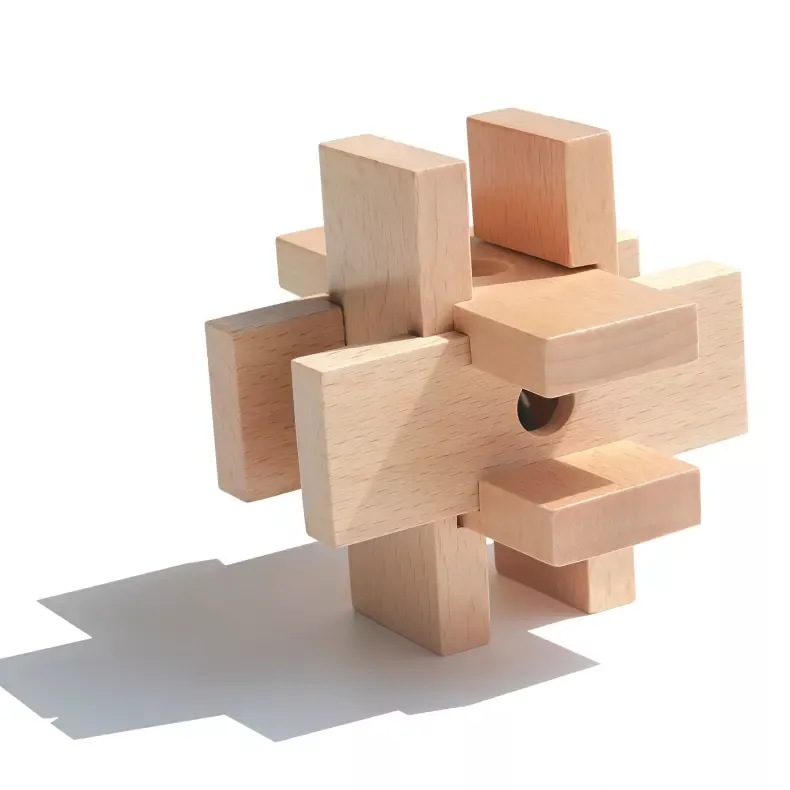
6 Piece Wooden Puzzle Key — $12.99
At $12.99, this puzzle is about the “Wu Wei” of problem-solving—doing by not doing. It’s six hardwood pieces that form a key shape. The “Waldo” here is the internal locking pin. You can’t see it, but you can feel it move when you tilt the puzzle. It requires you to observe with your ears and fingers as much as your eyes.
Maintaining the Collection
If you’ve successfully found Waldo in a 3,000-piece set, you don’t just put it back in the box. You preserve it. I’ve written extensively on how to frame a puzzle because there is nothing worse than finishing a three-week project only to have a cat knock it off the table.
The same goes for your metal puzzles. The polished finishes on the Metal Starfish Puzzle Ring ($13.99) or the 4 Band Puzzle Ring ($11.99) will dull over time if you don’t take care of them.
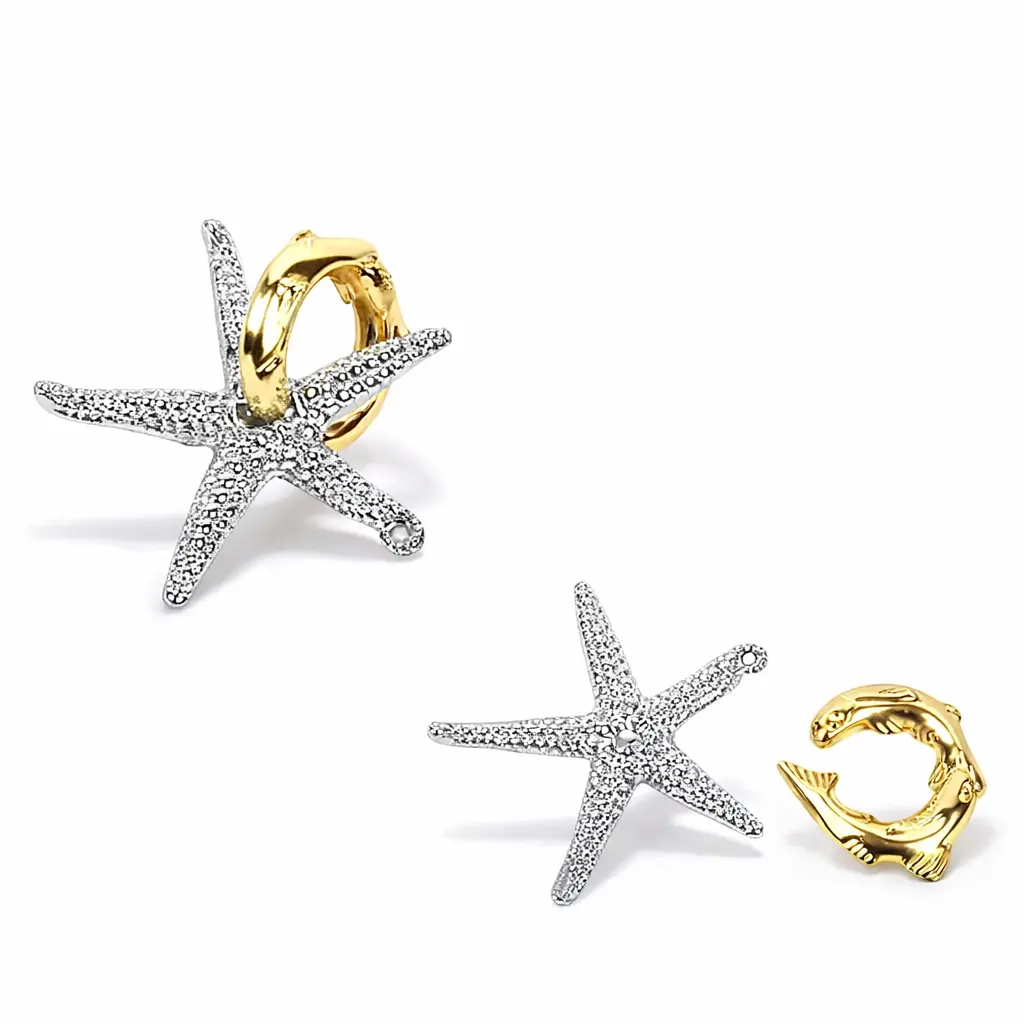
Metal Starfish Puzzle Ring — $13.99
The Metal Starfish Puzzle Ring is a great example of a “wearable” search. The starfish is locked onto a gold ring. It’s a fidget toy that doubles as a logic gate. I keep mine on my desk for Zoom calls. It’s much more satisfying than a plastic spinner, and it actually keeps the “searching” part of my brain engaged during long meetings.
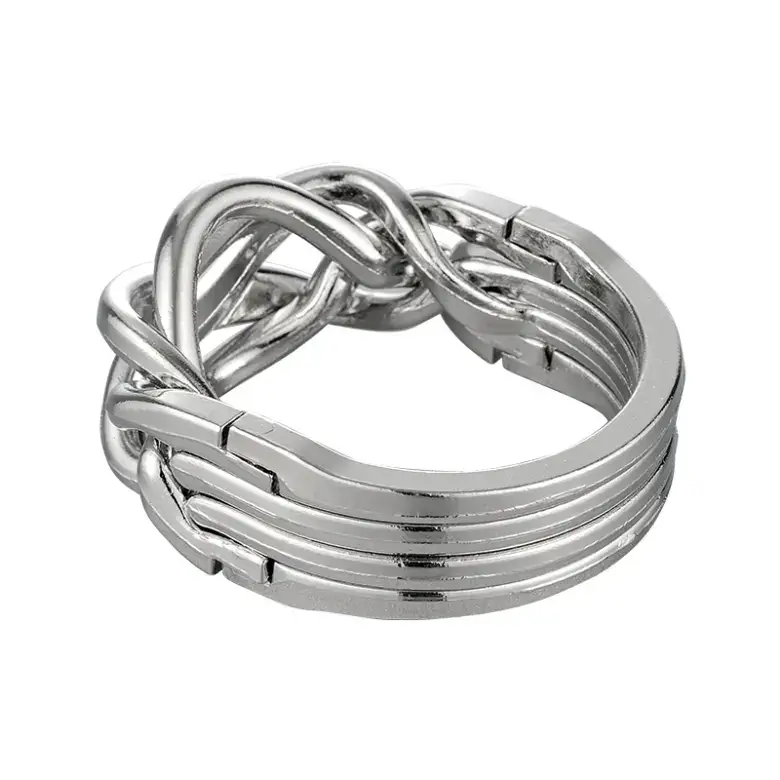
4 Band Puzzle Ring — $11.99
Similarly, the 4 Band Puzzle Ring is a classic. It’s four interlocking bands that fall apart into a chaotic mess. Putting them back together is a rite of passage for any serious puzzler. It’s about recognizing the weave—the visual pattern of the silver bands—and knowing which one must be the “anchor.”
Quick-Reference Comparison Table
Frequently Asked Questions
Where is Waldo in the Jurassic scene?
Ah, the classic headache. In the original “Wonder Book” Jurassic scene, Waldo is typically located in the upper-right quadrant, often partially obscured by a dinosaur’s tail or a volcanic rock. However, in the Aquarius 1,000-piece puzzle version, his location can feel slightly shifted due to the crop of the image. The key is to look for the tail of his hat, which often sticks out more than his face. If you’re struggling with this kind of visual density, you might find that 3D crystal puzzles offer a similar “crowded” visual challenge but in a transparent, physical form.
Why doesn’t my Where’s Waldo puzzle come with a poster?
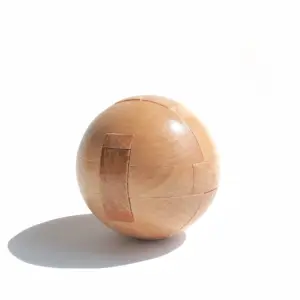
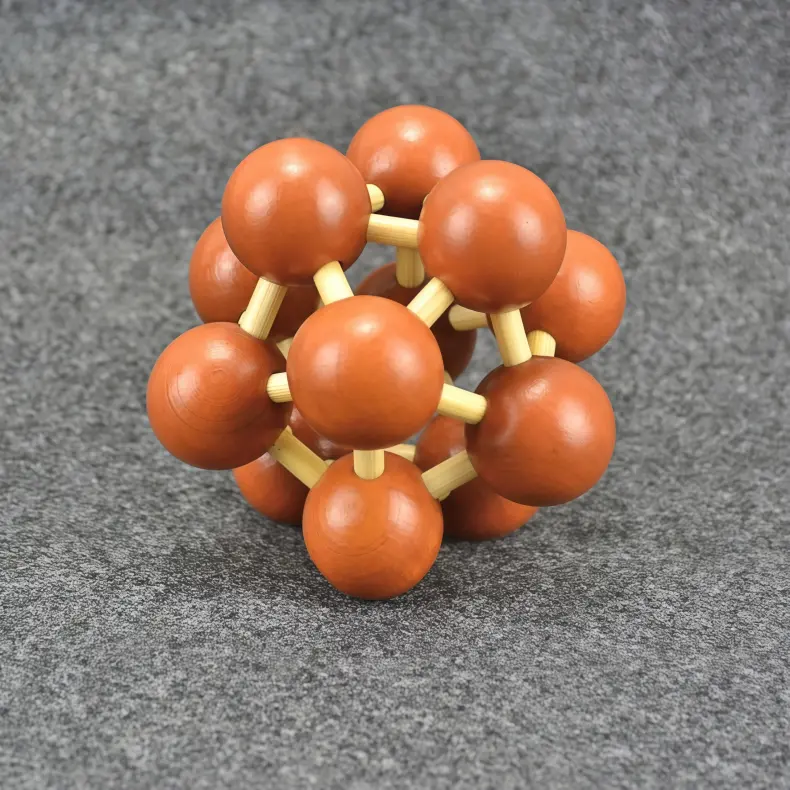
This is the number one complaint I see. Brands like Aquarius often expect you to use the box lid as your reference. For a 3,000-piece puzzle, this is bordering on malpractice. My advice? Take a high-resolution photo of the box lid with your phone and zoom in. It’s 2026; you don’t need to squint at a piece of cardboard. If that lack of guidance frustrates you, you might prefer the tactile feedback of the Molecular Ball Puzzle ($16.99), where the “map” is simply the law of physics and geometry.
Are Waldo puzzles too difficult for children?
It depends on the piece count. A 1,000-piece Waldo puzzle is a great family activity for ages 8+, but a 3,000-piece set will likely result in a child wandering off to play Breakout after ten minutes. Waldo is about sustained attention. If you want to build that focus in a younger person, start with something like the Gold Silver Double Fish Metal Puzzle ($13.99). It gives them a win in under 15 minutes, which builds the confidence needed for a multi-day jigsaw.
What is the “Land of Waldos” and why is it so hard?
The “Land of Waldos” is a scene where every character is dressed like Waldo. It’s designed to defeat your brain’s “shortcut” of looking for red stripes. You have to look for the real Waldo who is missing a shoe, or holding a slightly different cane. It’s the ultimate test of observation. It reminds me of the 5 Piece Cast Spiral Metal Puzzle ($12.99), where every piece looks identical until you find the one microscopic difference that allows for movement.
How do I find Waldo in Level 11 of the mobile game?
Level 11 is notoriously tricky because Waldo is often hidden behind a UI element or in a corner that requires you to scroll. Most people fail because they don’t check the “edges” of the screen. In the puzzle world, we call this “boundary neglect.” People assume the solution is in the center. Whether you’re searching a screen or trying to open one of the 7 puzzle trick boxes that challenge your assumptions, always check the edges first.
Is there an official name for these types of puzzles?
In the hobby, we call Waldo-style puzzles “visual search” or “hidden object” puzzles. On a more academic level, they are a form of observation-based mechanical challenge. They test “preattentive processing”—your brain’s ability to scan a field before you even consciously focus on an object.
Do Waldo puzzles help with cognitive decline?
While I’m a puzzle reviewer and not a doctor, there is significant research suggesting that visual search tasks help maintain “selective attention” as we age. It keeps the brain’s “filtering” software sharp. I’ve noticed that since I started mixing jigsaw puzzles with Cast Keyhole Gold & Silver ($13.99) sessions, my ability to spot errors in spreadsheets has actually improved. It’s a workout for your eyes.
What should I do if a piece is missing?
First, check your clothes. I once found a Waldo piece stuck to the bottom of my sock three rooms away. If it’s truly gone, many puzzle companies have a “missing piece” service, though this is rare for the massive 3,000-piece sets. This is why I prefer metal puzzles like the Dual Seahorse Gold & Silver Brain Teaser ($14.99)—it’s very hard to lose a piece of a two-part metal sculpture.
Can AI solve Where’s Waldo?
Actually, yes. Recent models like o3 have shown the ability to correctly locate Waldo in complex images. It’s a massive step for computer vision. However, letting an AI find Waldo for you is like hiring someone to eat a gourmet meal for you. The point isn’t the finding; it’s the search. The search is where the brain-building happens.
Why are some Waldo puzzles so expensive?
You’re usually paying for the licensing and the complexity of the die-cut. A 3,000-piece puzzle requires a massive, high-precision machine to ensure all pieces are unique. If you want high quality without the “licensed character” tax, a Luban Cube Puzzle ($21.99) offers much more “solve time” per dollar because you’ll likely struggle to put it back together dozens of times.
How do I clean my metal puzzles?
Use a microfiber cloth. Avoid harsh chemicals, especially on the two-tone finishes like the Gold Silver Double Fish Metal Puzzle ($13.99). Your skin oils can actually help lubricate the mechanism over time, but if it gets “gritty,” a tiny drop of mineral oil is all you need.
What’s the best way to store a puzzle in progress?
If you don’t have a dedicated table, get a puzzle mat that rolls up. For mechanical puzzles, I use a felt-lined valet tray. It keeps the Metal Starfish Puzzle Ring ($13.99) from rolling off the desk and into the “black hole” under the radiator.
The Final Word on Visual Logic
At the end of a long day, there is a profound sense of peace in finding that one missing piece of the puzzle. Whether it’s a tiny man in a striped shirt or the final wedge of the 5 Piece Cast Spiral Metal Puzzle, the feeling is the same: the world makes sense again.
We live in an age of constant digital noise, where everything is designed to grab our attention for three seconds and then disappear. Puzzles are the antidote. They demand that we slow down, look closer, and ignore the obvious. They reward the skeptic who says, “I know the answer is here, I just haven’t seen it yet.”
If you’re ready to graduate from the page to the palm of your hand, I can’t recommend the Cast Keyhole Gold & Silver ($13.99) enough. It taught me more about the relationship between sight and logic than any book ever could. It’s a “Waldo” you can hold, and it’s a lot harder to lose than a single jigsaw piece.
Next, if you’ve mastered the art of observation, you might want to explore the world of sequential discovery to see how these visual cues lead to complex mechanical movements. The solution is always there—you just have to stop looking and start seeing.