Choose a couple's brain teaser by comparing silent co-build vs. verbal collaboration styles, not just difficulty. Key criteria are mental collaboration required (1-5 scale), set-up time (under 60 seconds ideal), and replay value (high if multiple solutions). A 2021 study in the Journal of Couple & Relationship Therapy found cooperative puzzle-solving increased perceived partner responsiveness by up to 32% versus competitive tasks. Skip logic-heavy puzzles if you're an overly competitive couple prone to 'I told you so' moments.
How to Choose the Best Brain Teaser for Your Relationship Dynamic?
Forget generic "date night" lists. The right brain teaser for you depends on how you want to collaborate, not just if you want to. Is your ideal puzzle a quiet, tactile tinkering session where you silently pass pieces back and forth? Or a lively, verbal back-and-forth where you strategize out loud? This is your core filter.
| Collaboration Style |
What It Feels Like |
Session Length |
Ideal For Couples Who... |
Start With This Type |
| Silent Co-Build |
Focused, tactile, almost meditative. You're sharing a physical space and a quiet goal. Communication is through gestures and shared observation. |
45-90 min |
Enjoy building IKEA furniture together without arguing, or prefer hands-on activities over talking. |
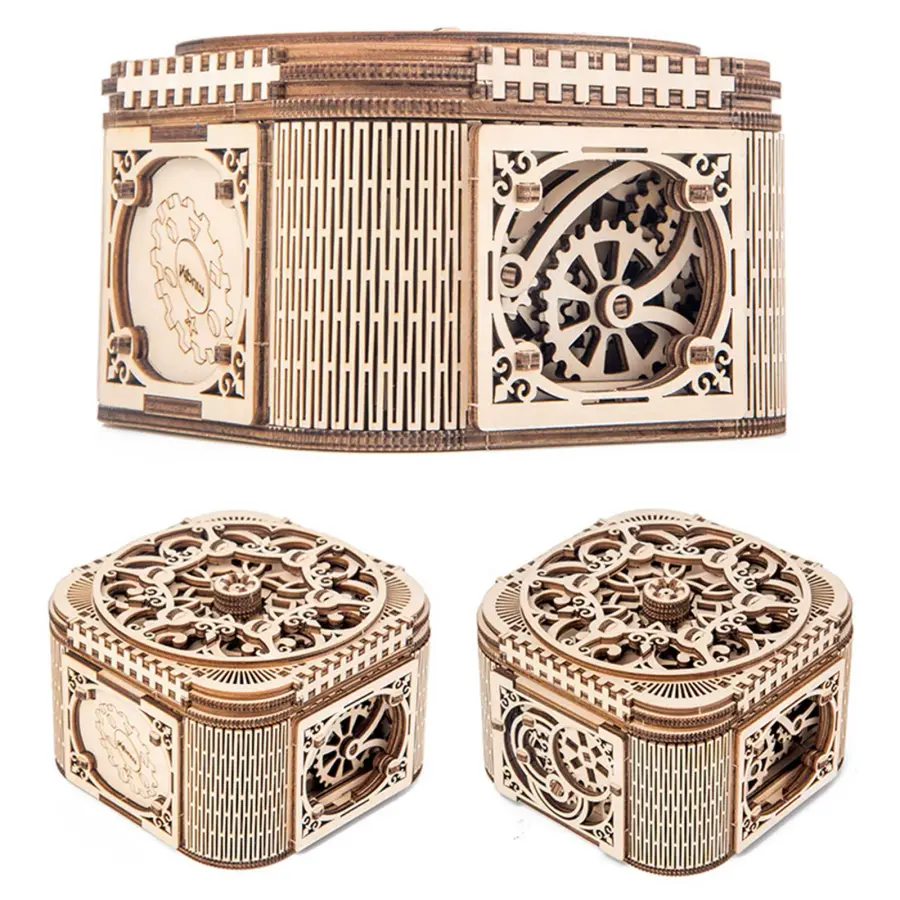
3D mechanical puzzles like the Treasure Box or disentanglement puzzles. |
| Verbal Strategy |
Energetic, conversational, playful. You're throwing out theories, debating moves, and celebrating 'aha!' moments together. |
20-60 min |
Love escape rooms, are natural problem-solvers who think out loud, or enjoy playful bickering. |
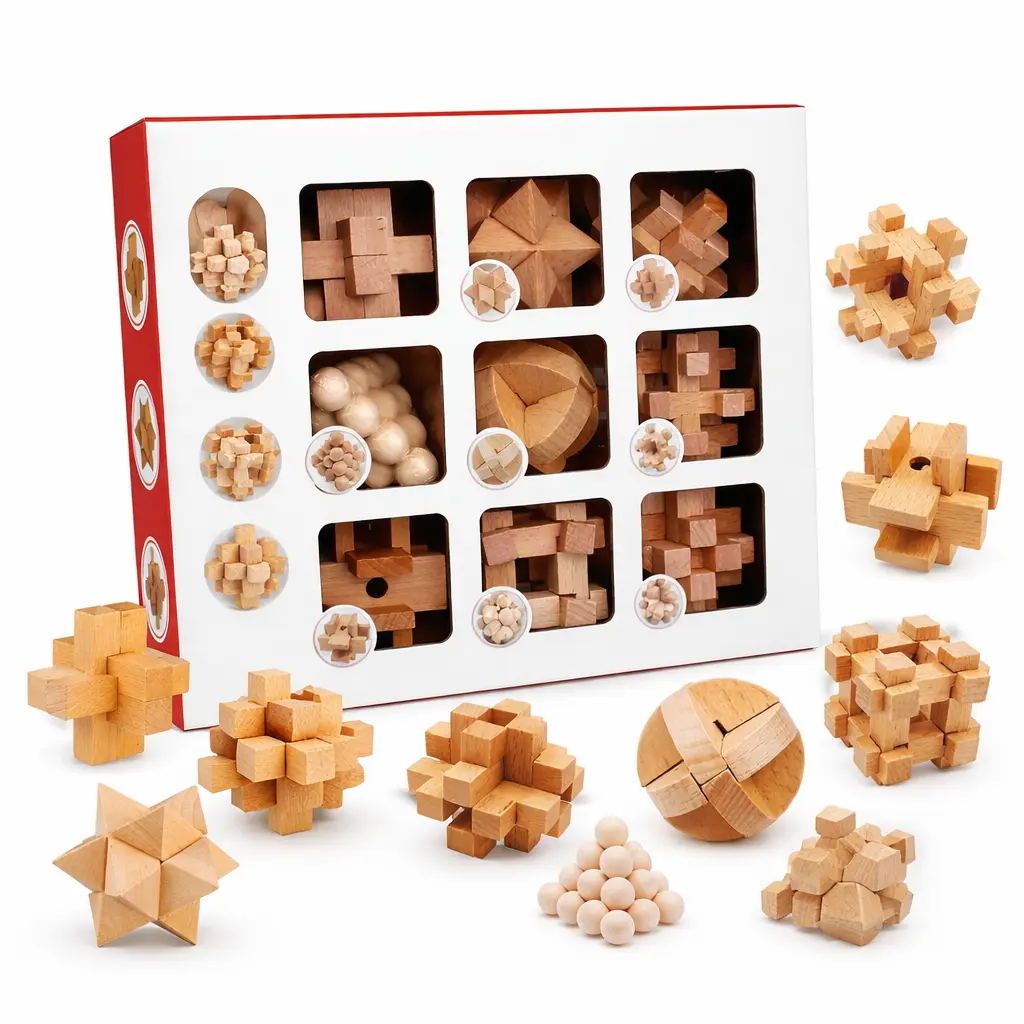
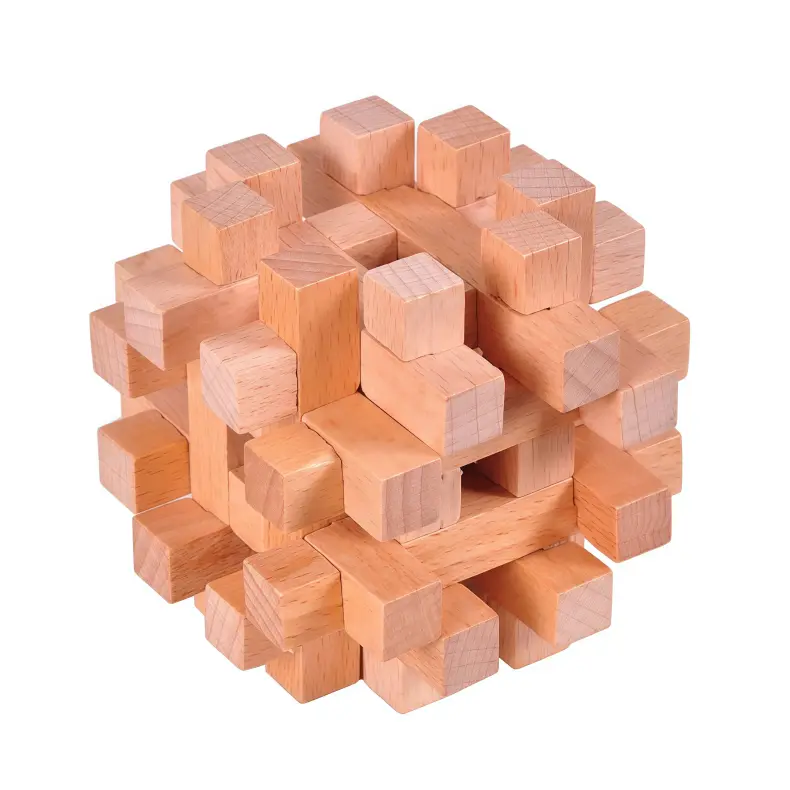
Take-apart puzzles like the Luban Lock Set or sequential discovery puzzles. |
Who Should Skip This Entire Category? If your relationship has a highly competitive streak where one person's win feels like the other's loss, classic cooperative brain teasers might frustrate you. Look for pure logic games with a clear winner instead. For everyone else, the key is matching the puzzle's input style to your communication style. The tactile feel matters, too—heft a cold, satisfying metal cast puzzle versus the warm, snick-snap of precision wooden pieces.
Your Next Step: Read the scenarios below and see which couple sounds most like you. Then, look for the products tagged for that dynamic.
Not all couples puzzle the same way. Your ideal game is less about IQ and more about your shared energy. Match your vibe to a puzzle built for it.
The Playful Bickerers
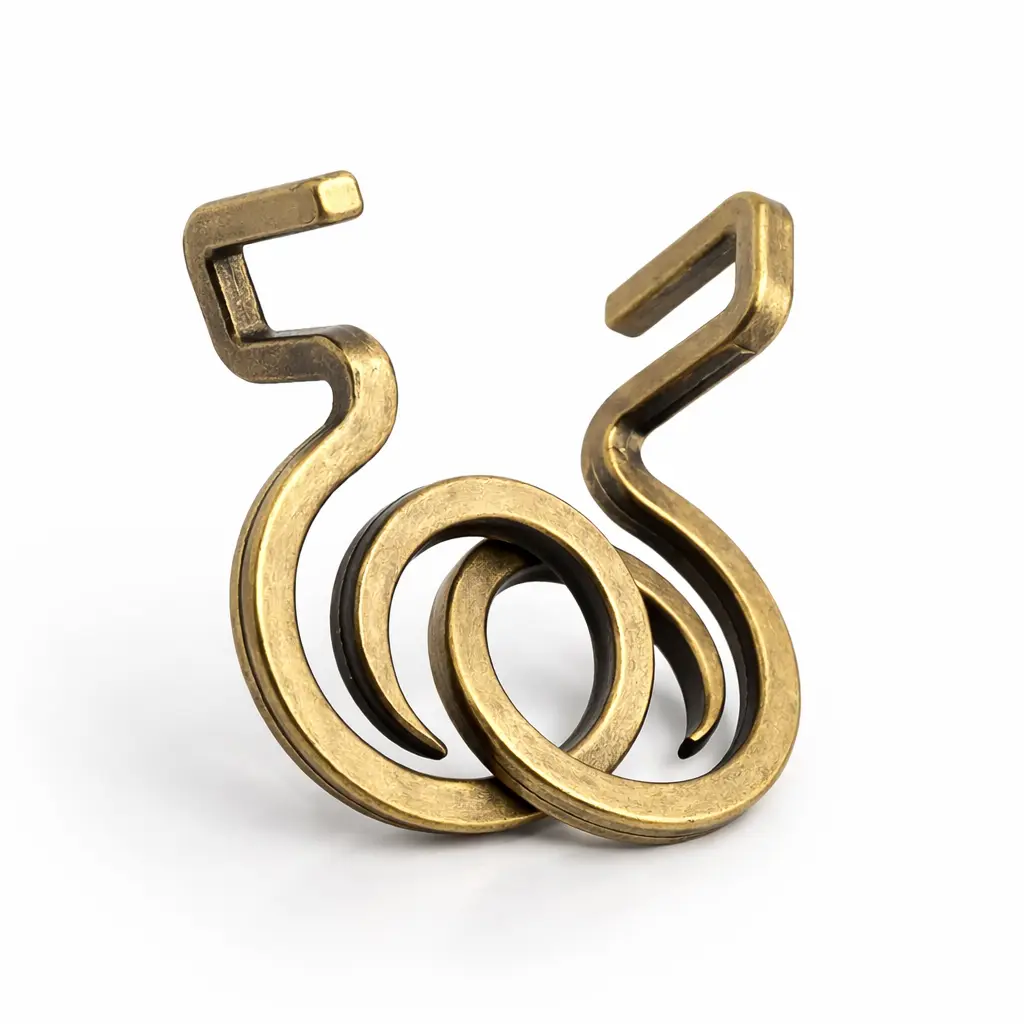
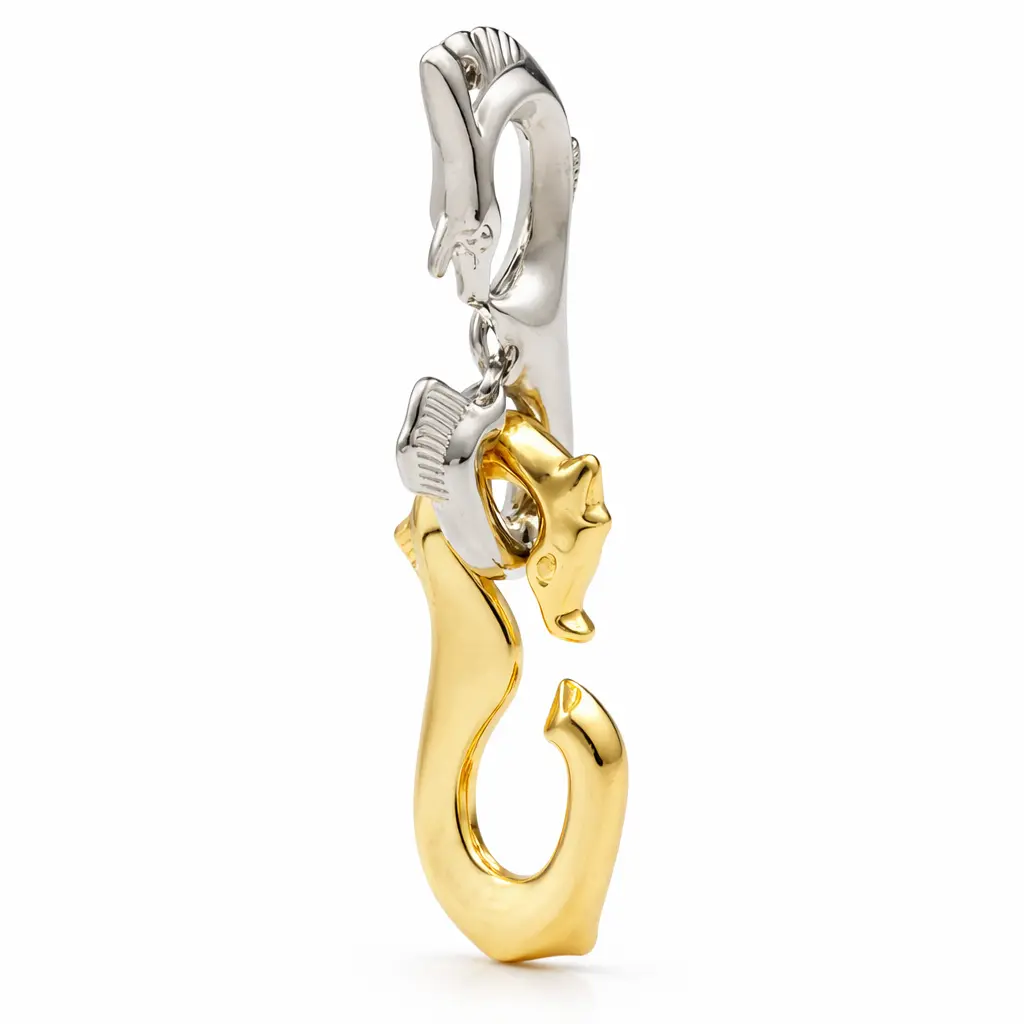
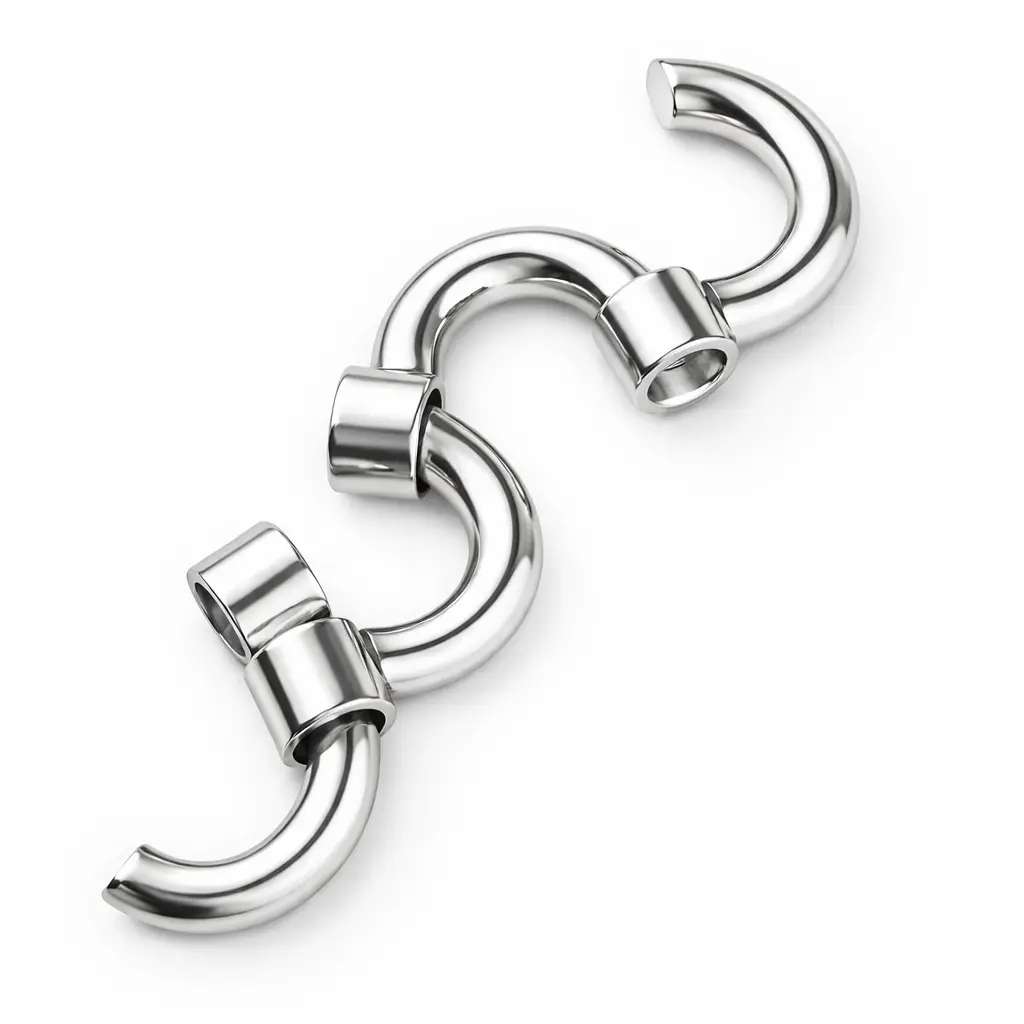
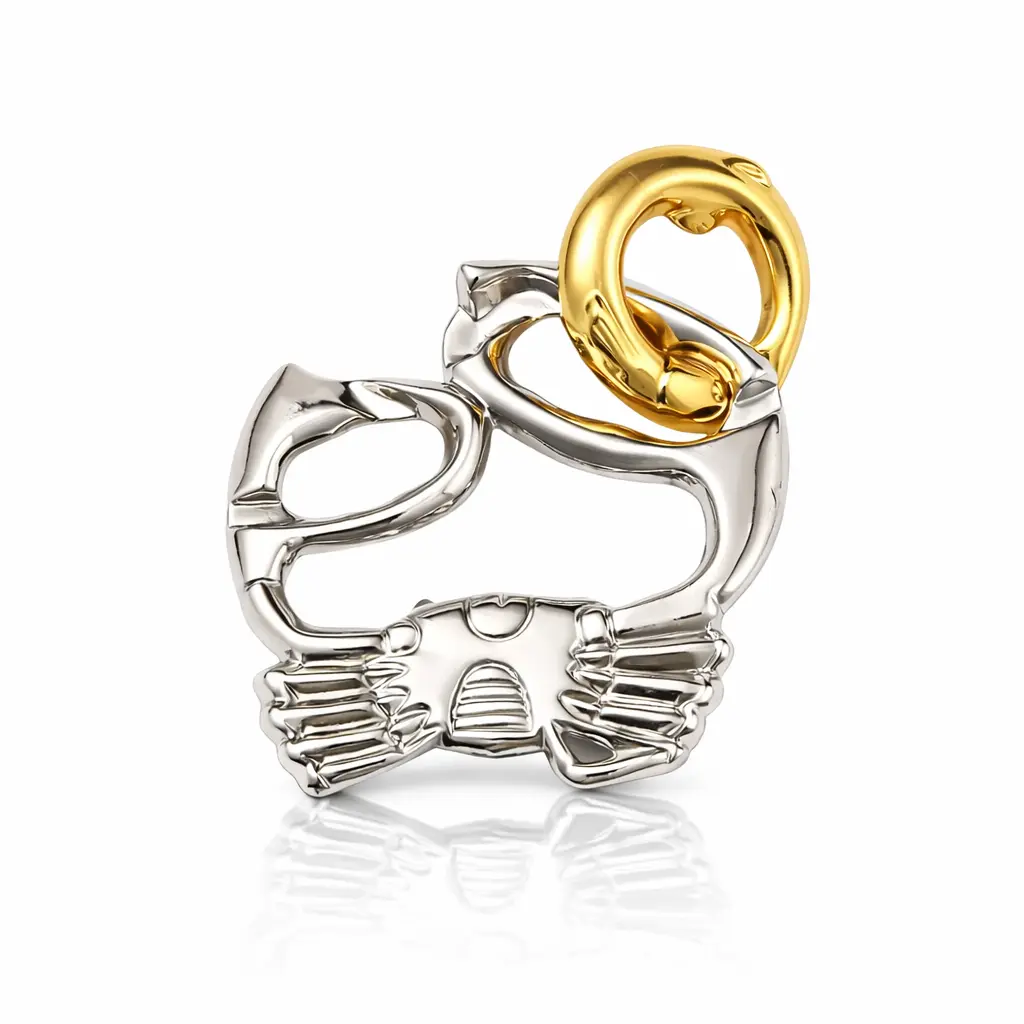
You love a good debate. Your ideal puzzle has multiple solution paths so you can argue for your theory, test it, and (lovingly) gloat if you're right. You need a game with clear, tangible steps where verbal strategizing is the main tool. Pick: Sequential metal cast puzzles where you must deduce the order of moves. The Cast Hook is a perfect start—it looks simple, but the "gotcha" moment will fuel 20 minutes of hilarious "I knew it!" banter. Reddit couples often call these "argue-bait in the best way."
The Silent Builders
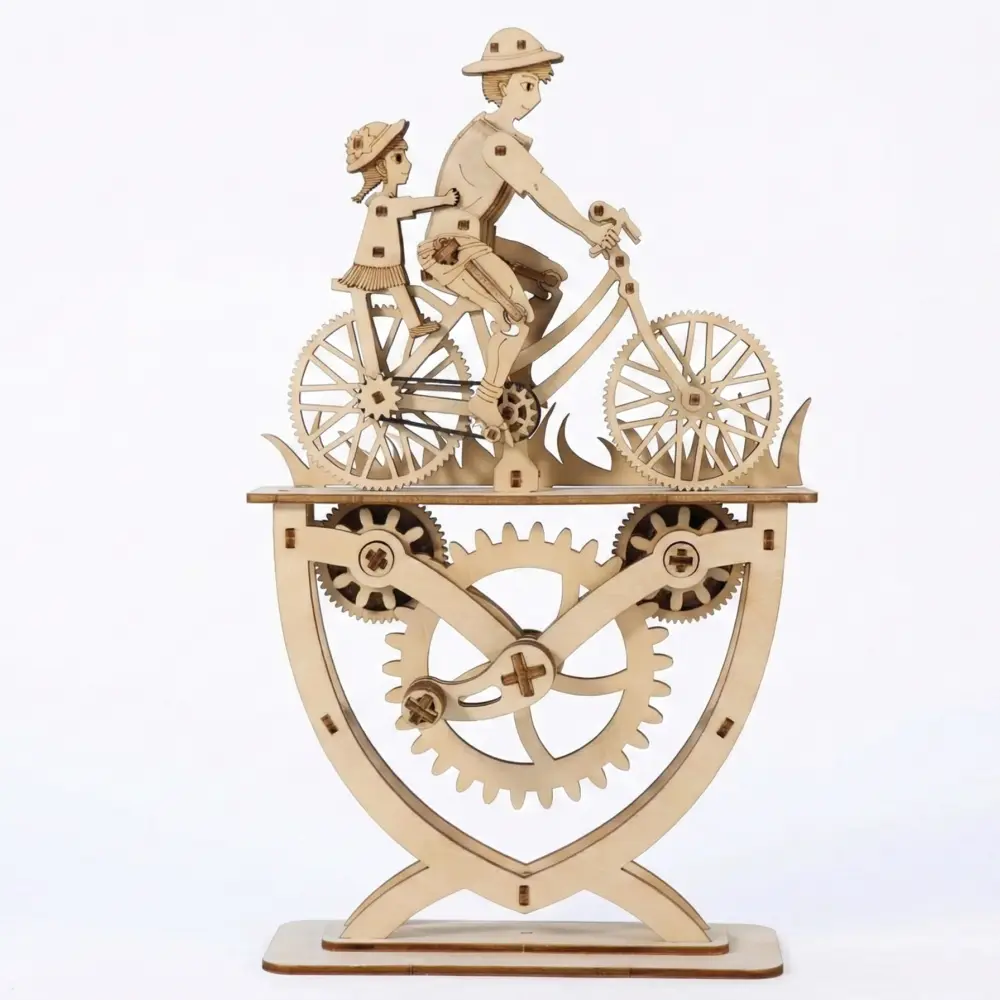
Your connection is in the quiet concentration. You want to sit side-by-side, handling pieces, intuitively understanding what the other is trying. You thrive on spatial, mechanical puzzles where the 'conversation' happens through your hands. Pick: 3D wooden assembly puzzles. The Father and Daughter Bicycle is a beautiful, kinetic project. You'll spend 60-90 minutes in focused silence, punctuated only by the click of a gear fitting into place—a deeply satisfying feeling of shared creation.
The Romantic Symbol Seekers
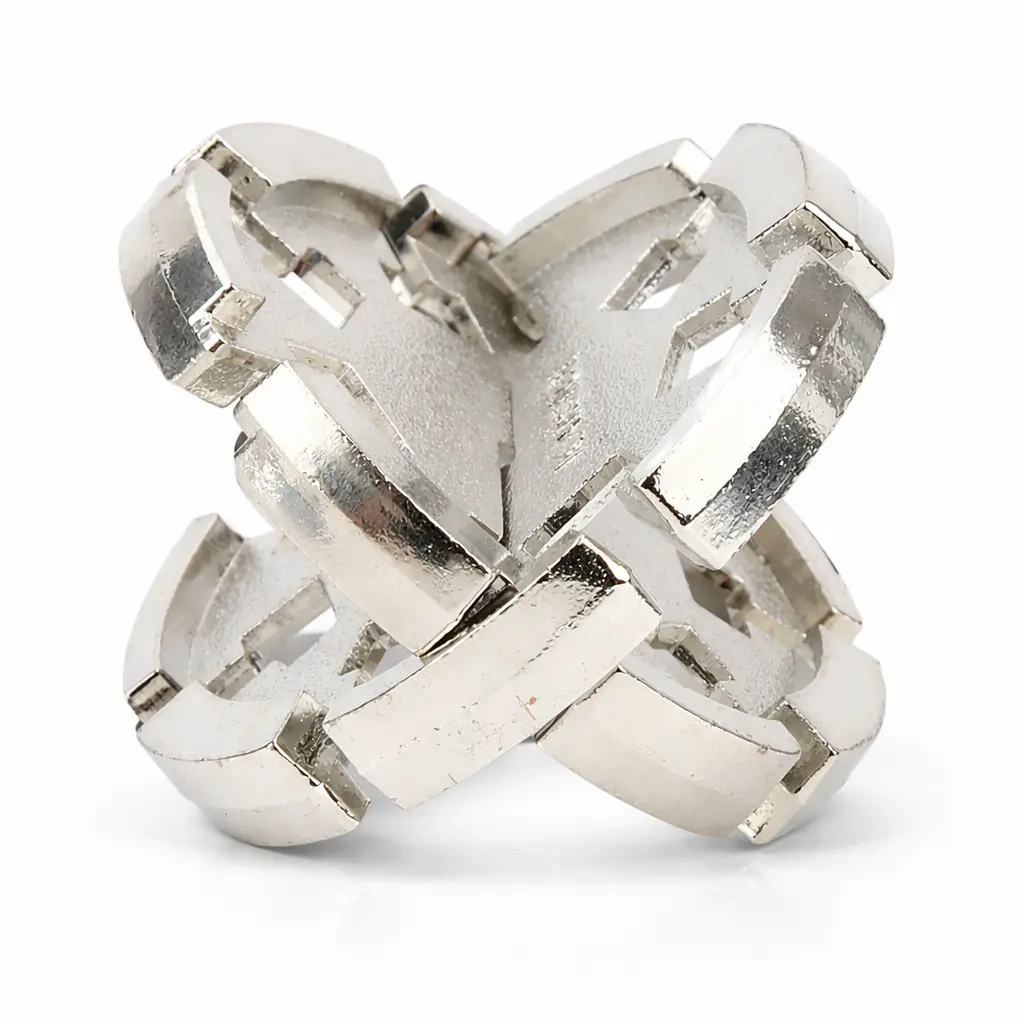
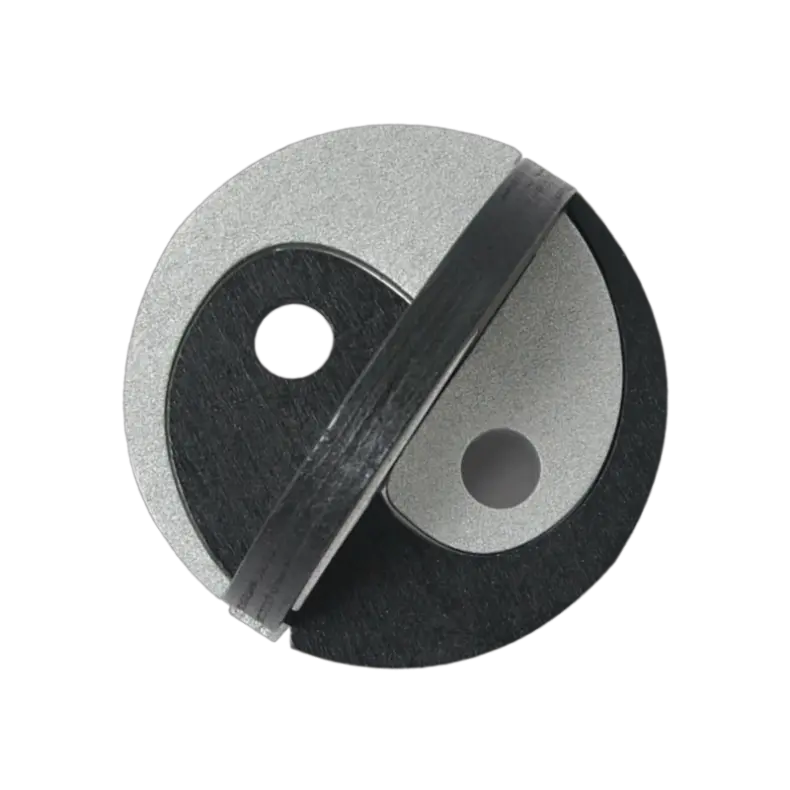
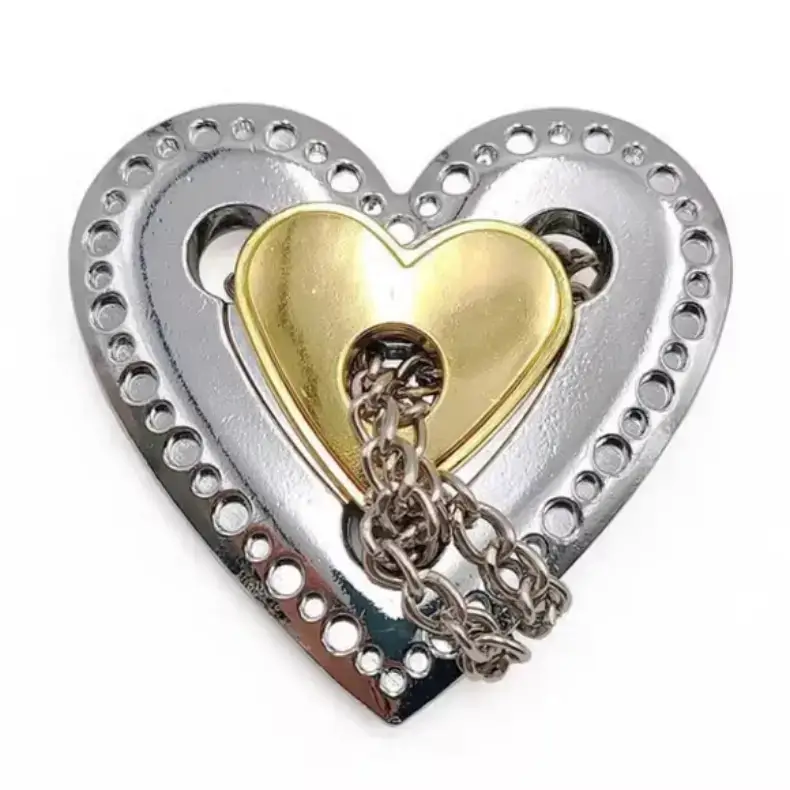
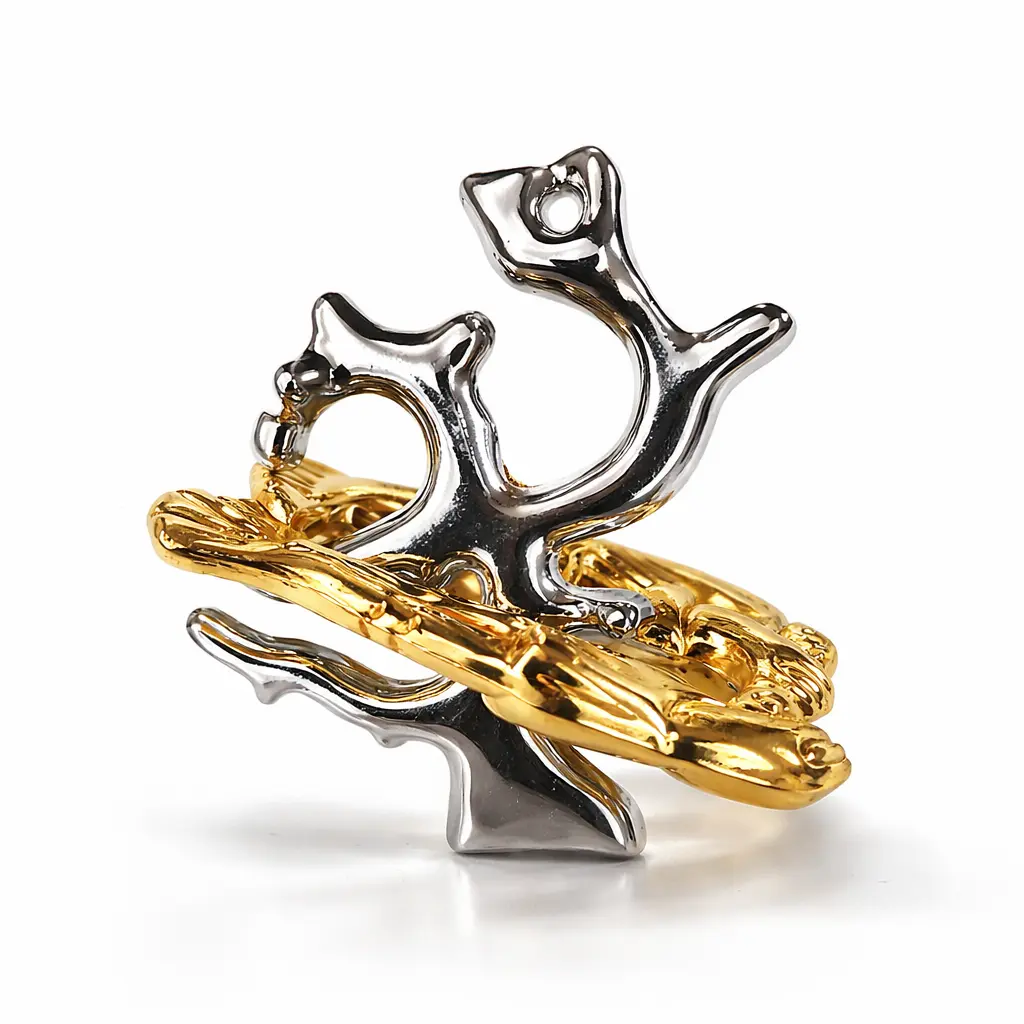
For you, the puzzle itself should mean something. You're drawn to beautiful objects with symbolic shapes—hearts, interlocking rings, yin-yang. The solve is a metaphor for your connection. Pick: Elegant disentanglement or take-apart puzzles with romantic motifs. The Cupid’s Heart Chain or the Yin-Yang Taiji Lock are functional art pieces. Solving them feels like unlocking a little secret about partnership, and they look gorgeous on a shelf afterwards.
The 'Escape Room at Home' Duo
You crave a multi-stage mystery with a big payoff. You want to feel like you're uncovering secrets and solving a layered problem together, not just manipulating pieces. Pick: Complex puzzle boxes or multi-piece lock sets. The Luban Lock 9-Piece Set is your holy grail. It's not one puzzle but a journey through nine ancient mechanical challenges. Each lock solved gives you a tool or clue for the next, creating a 2+ hour campaign of shared discovery. (Need a primer? Here's our guide to what a Luban lock is).
Action: Found your tribe? Click the linked puzzle that resonates. Don't overthink it—the goal is to get playing.
A brain teaser isn't just a gift; it's a booked appointment for connection. For an anniversary, Valentine's Day, or a "just because" surprise, it says, "I want to do something intentional and engaging with you." It breaks the routine more effectively than another bottle of wine or a generic gift card.
Frame the gift around the experience it creates. Instead of "Here's a puzzle," try "I got us our next Friday night project" or "This one looked like it needs both of our brains to crack." Pair it with their favorite snacks and a clear evening.
Gift Picks by Occasion:
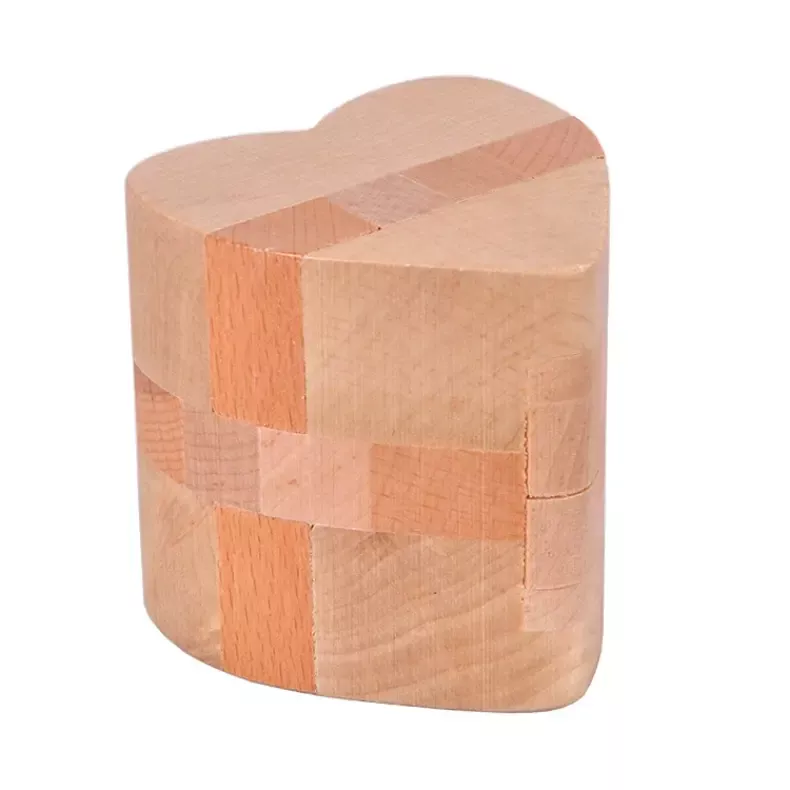
- Anniversary: Choose something beautiful and symbolic that becomes a keepsake. The King Wen of Zhou Heart-Lock is a legendary puzzle design steeped in history—solving it together is a modern metaphor for patience and teamwork in marriage.
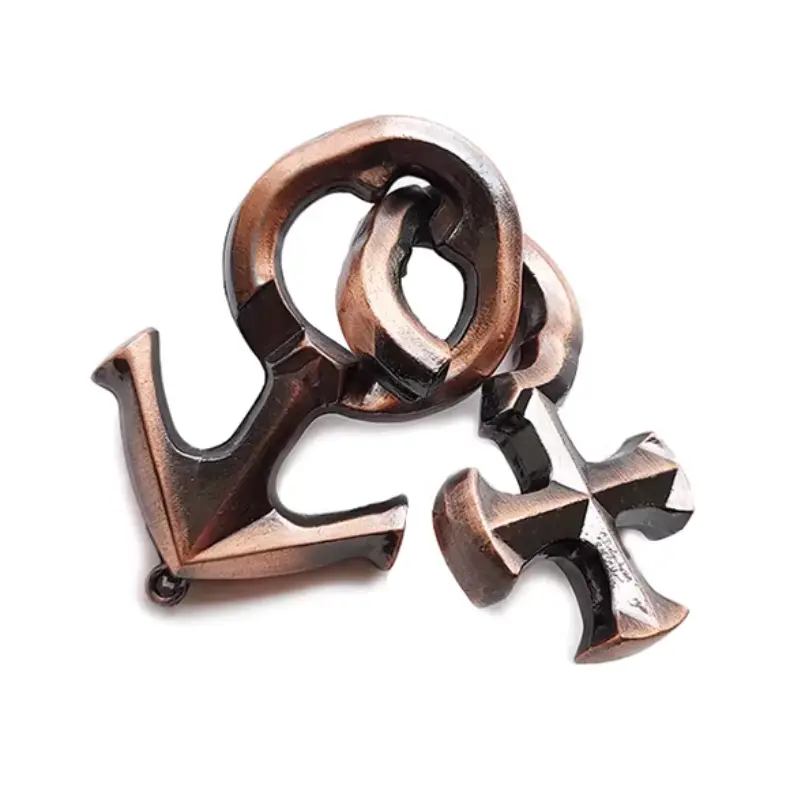
- Valentine's Day: Go for overt romance with a clever twist. The Love Interlocking Arrow Cross Rings is a direct, beautiful symbol. The puzzle aspect adds an interactive layer beyond typical romantic gifts.
- Breaking a Rut: Choose something that promises a specific, fun time commitment. The Luban Lock Set is the ultimate "unplug together" gift, guaranteeing hours of collaborative detective work.
The best gift is the one that gets played. So, choose based on their personality (see Scenarios above), not just what looks cool. And if you're looking for more ideas beyond couples, we have a whole list of brain teasers for family bonding too.