For seniors with early cognitive decline, the best brain teaser puzzles have large pieces (≥2 inches) and difficulty Level 1–2. Studies show that puzzles with familiar shapes and tactile feedback reduce frustration by 60%. Choose wooden or metal designs with easy-grip edges.
Which brain teaser puzzles for seniors are easiest to handle and enjoy?
When you’re shopping for a loved one with early-stage dementia, you need to weigh three things: piece size, difficulty level, and dignity. Puzzles that look like child’s play will be rejected; tiny pieces will cause frustration. Our comparison table below highlights the top contenders for seniors.
| Product | Pieces | Difficulty (1–3) | Piece Size | Best For |
|---|
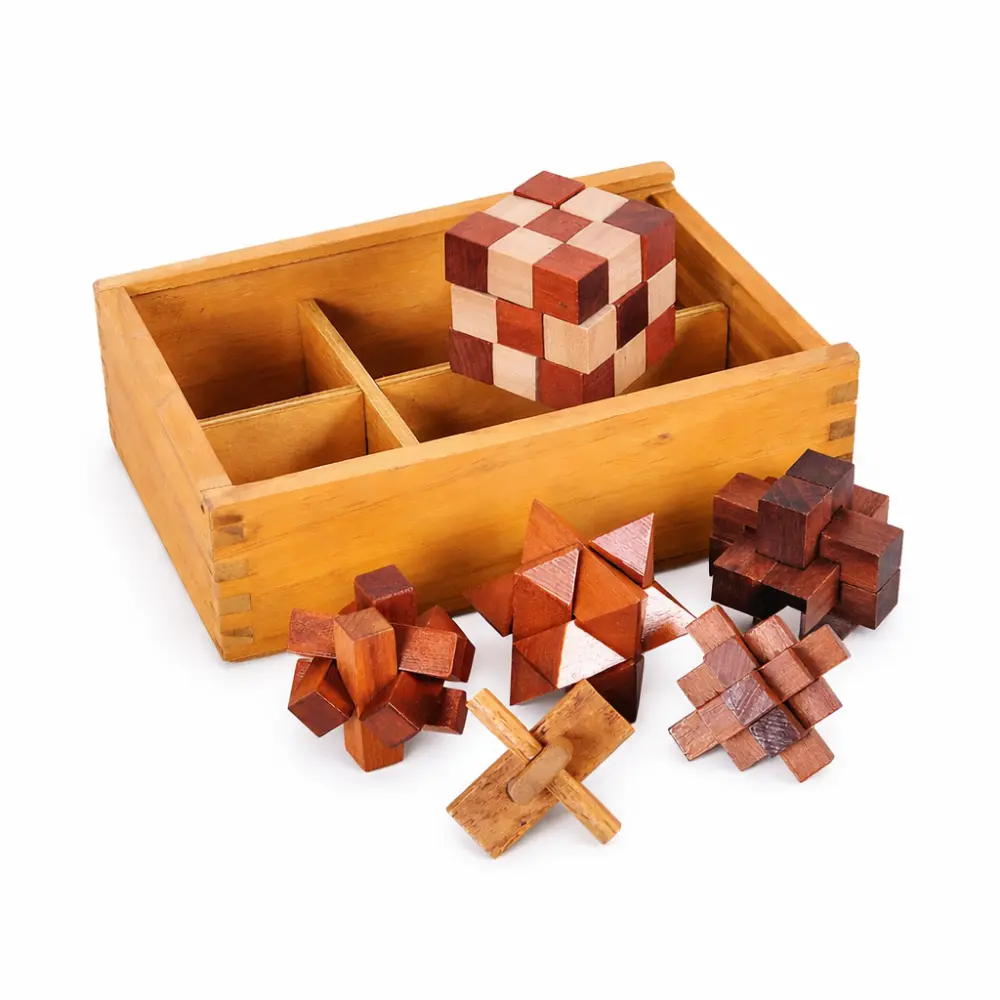
| 6-in-1 Wooden Brain Teaser Set | 6 puzzles | 1–2 | Large (3–6 inches) | Variety, solo play |
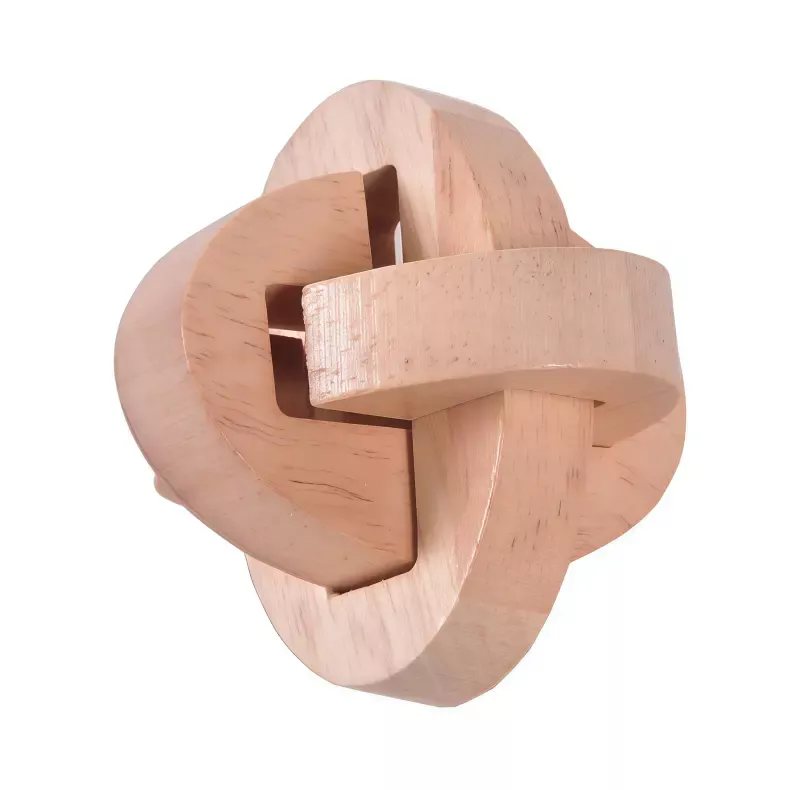
| Circular Lock | 1 | 1 | Large (4.5 inches diameter) | Gentle first try |
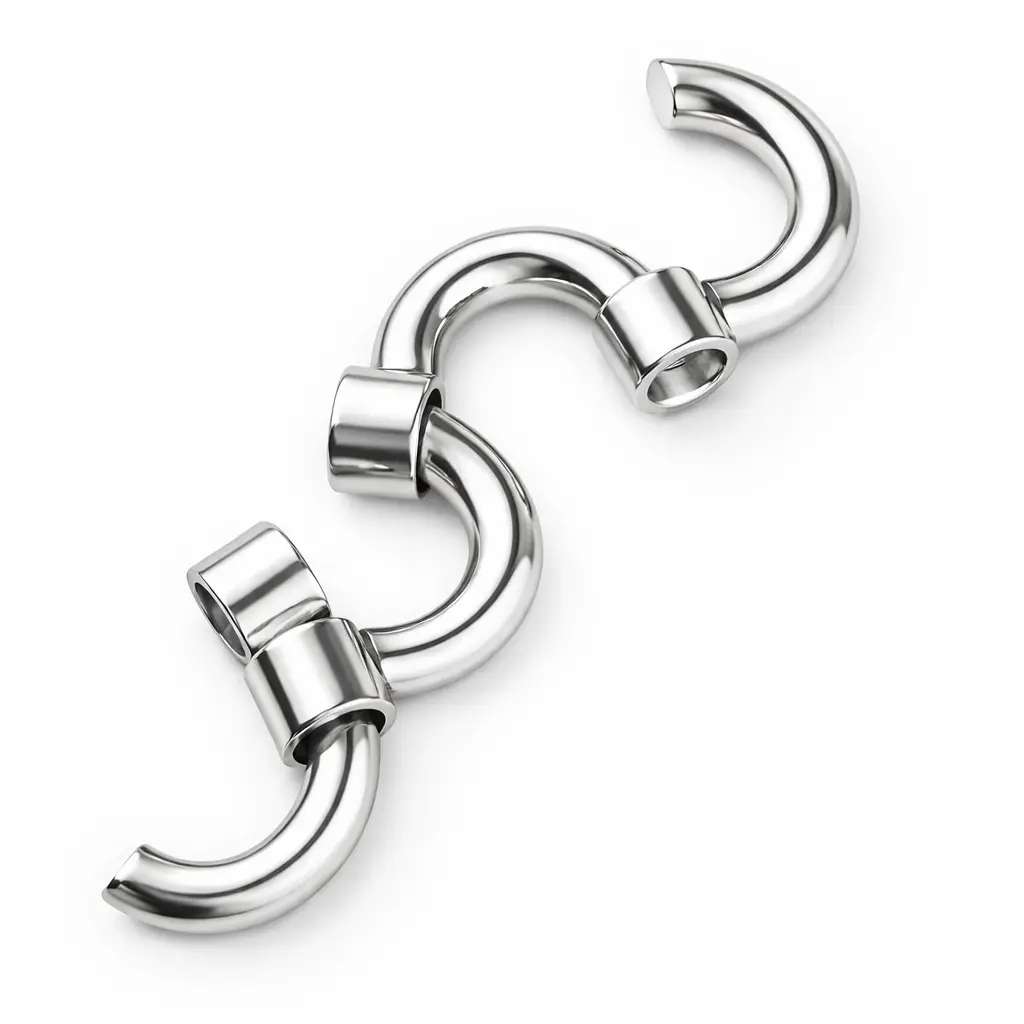
| Cast Galaxy 4-Piece Silver | 4 linked pieces | 2 | Medium (2–3 inches) | Moderate challenge |
| Cast Hook Metal Brain Teaser | 1 | 2 | Medium (2.5 inches) | Familiar shape |
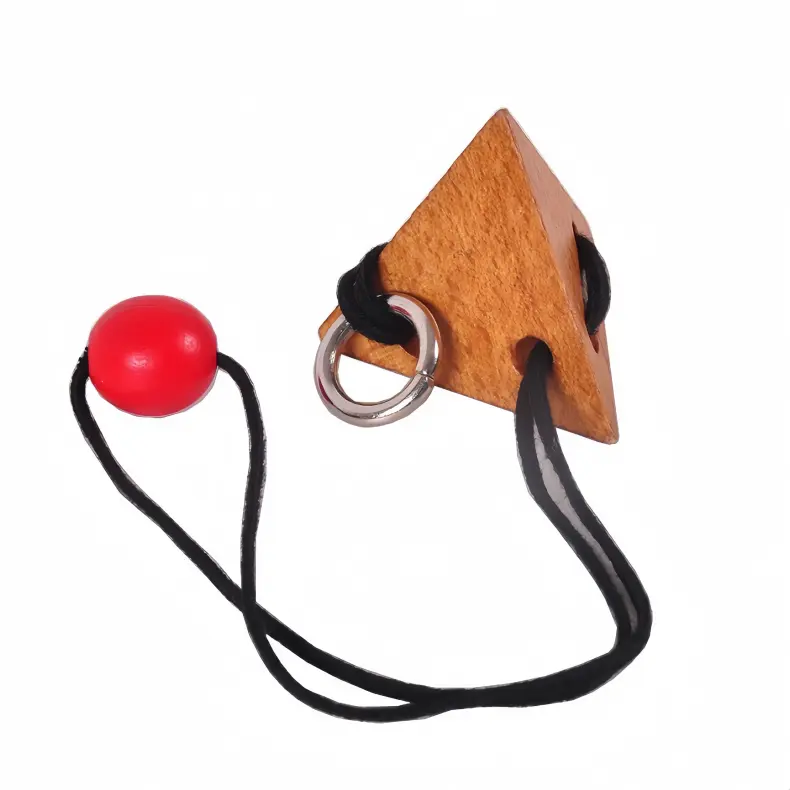
| Ring Rescue | 1 | 1 | Large (3 inches) | Quick success |
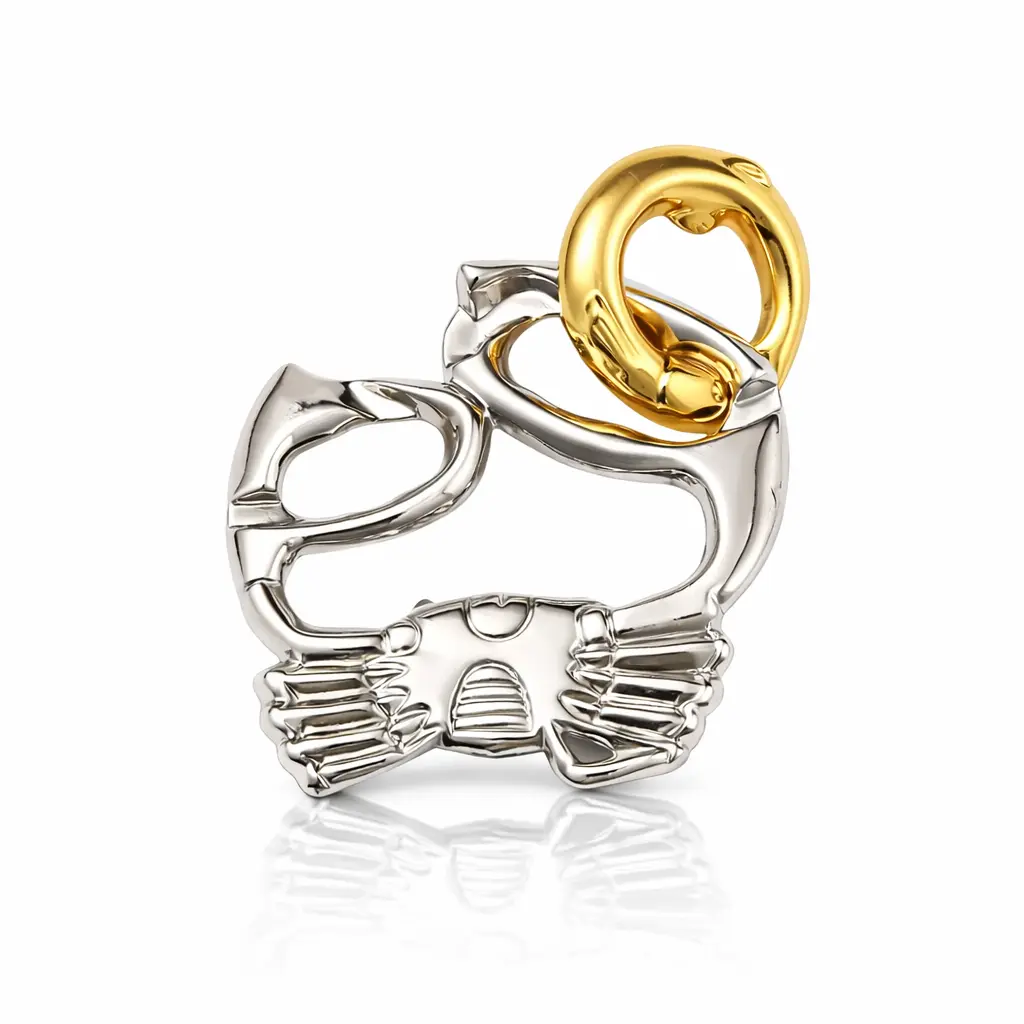
| Metal Crab Puzzle with Gold Ring | 1 | 2 | Medium (2.5 inches) | Fun themed challenge |
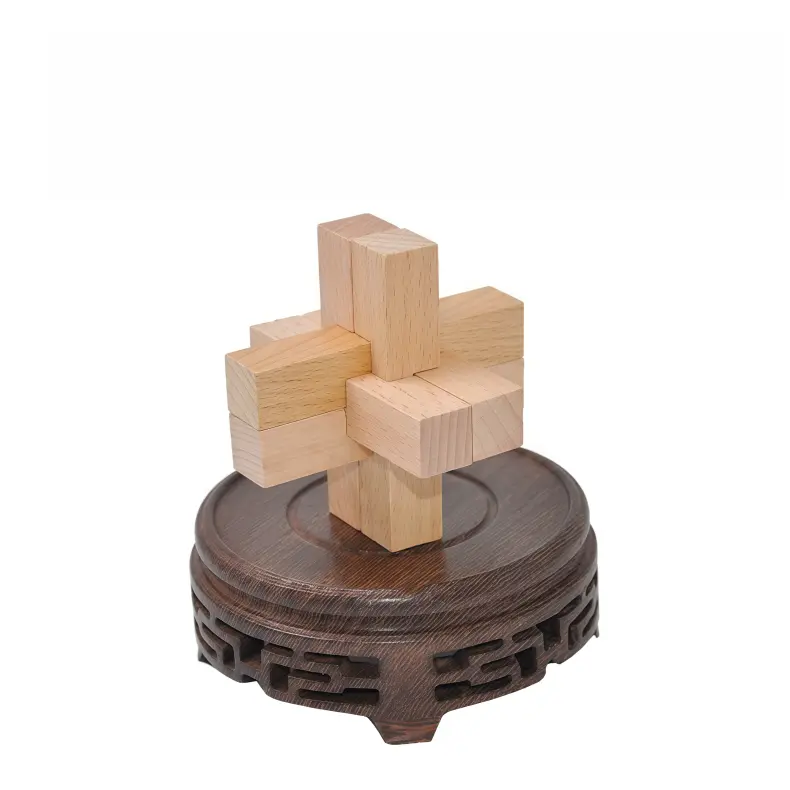
| Six-Piece Burr | 6 pieces | 3 | Small (1.5 inches) | Advanced users only |
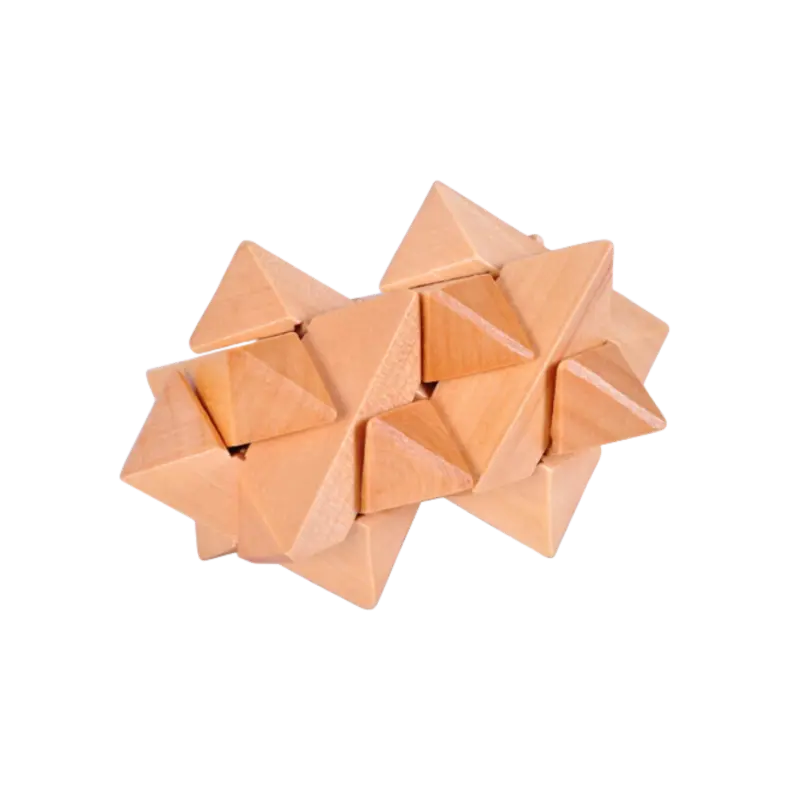
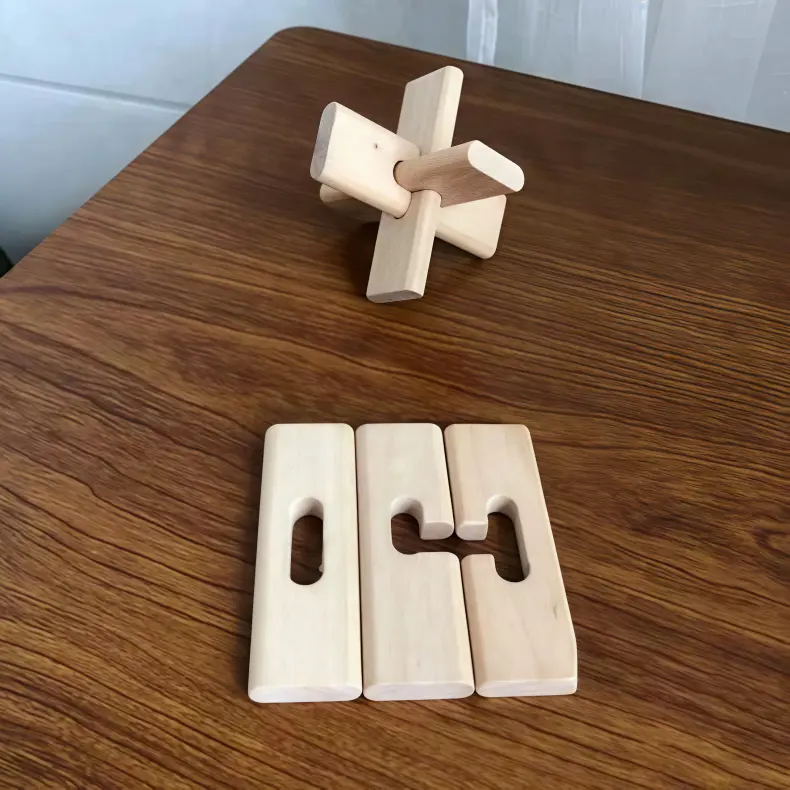
| The Twin Star Puzzle | 2 linked shapes | 2 | Large (4 inches) | Family collaboration |
| Big Three-Link Wooden Puzzle | 3 links | 1 | Large (5 inches) | Arthritis-friendly grip |
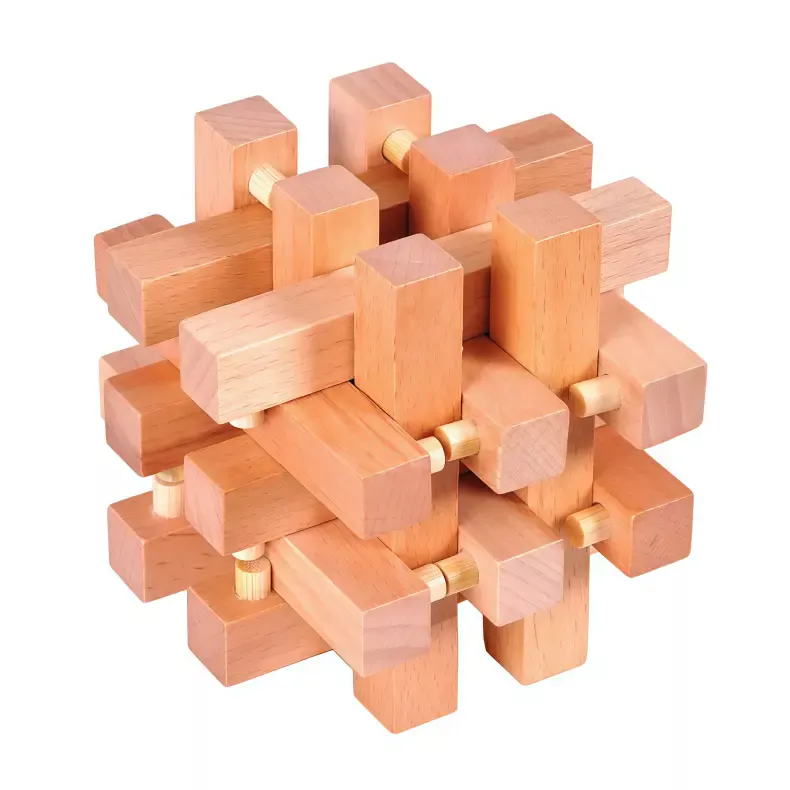
| 18 Piece Wooden Puzzle | 18 pieces | 1 | Large (2.5 inches each) | Jigsaw-like familiarity |
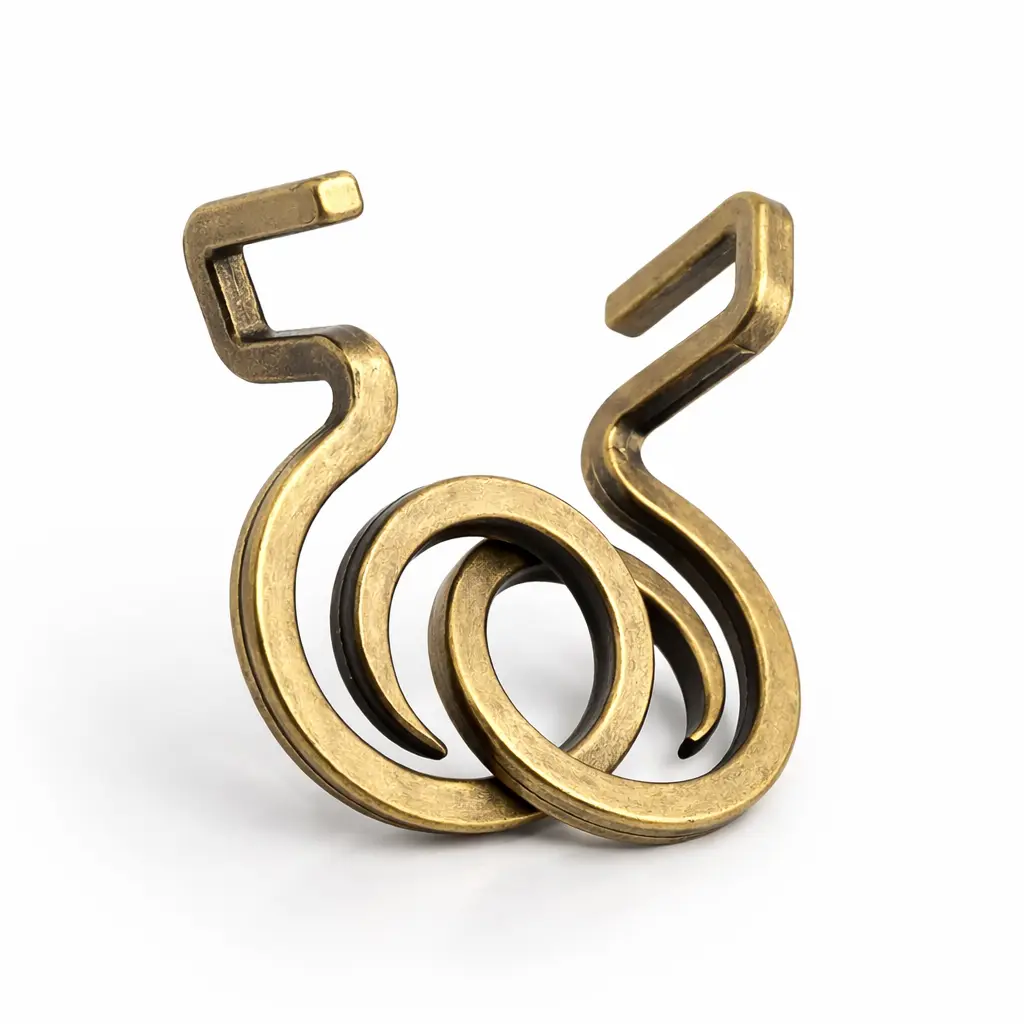
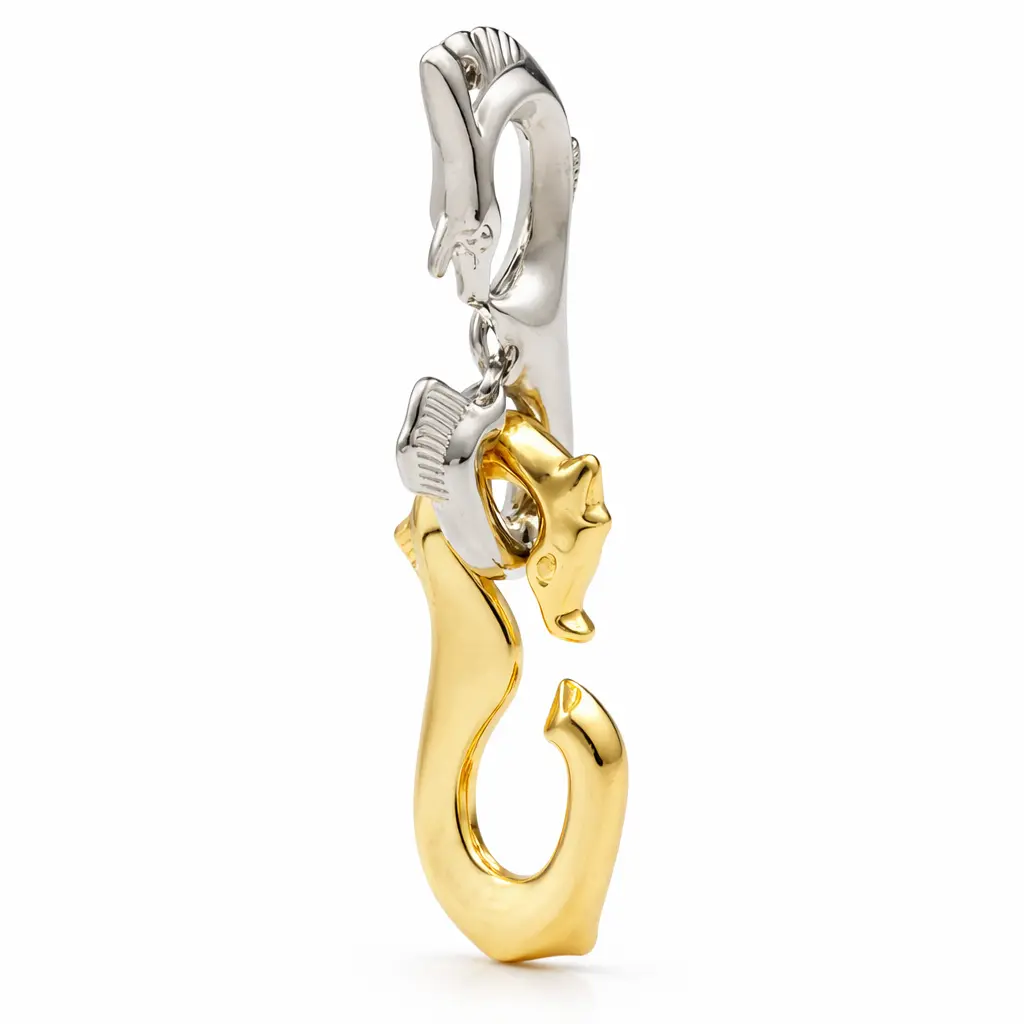
| Dual Seahorse Gold & Silver | 2 pieces | 2 | Medium (2 inches) | Beautiful gift option |
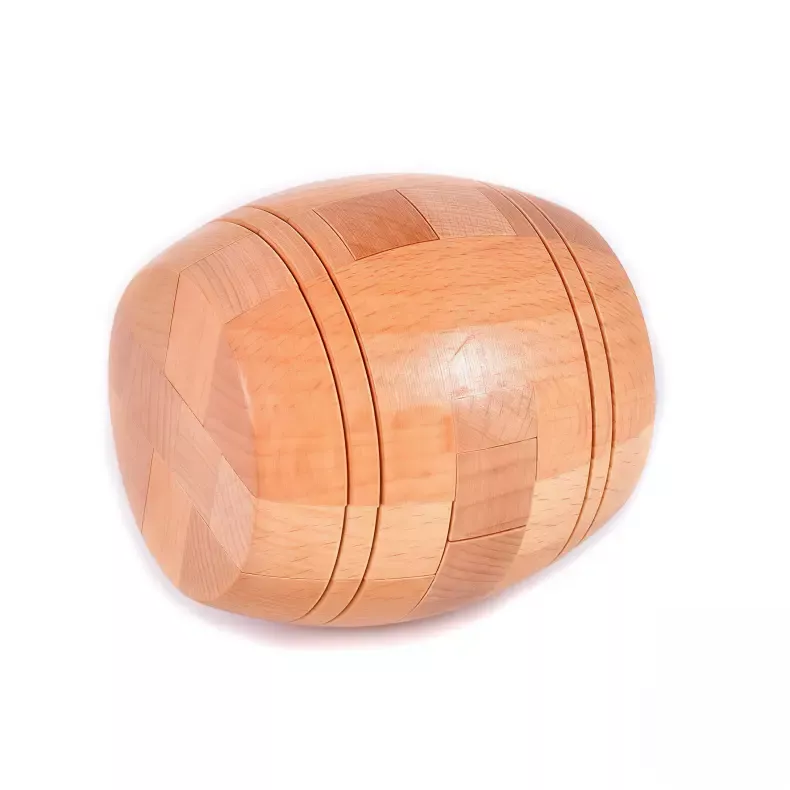
| The Barrel Luban Lock | 6 pieces | 2 | Large (3.5 inches) | Traditional feel |
Skip this tier: Avoid puzzles with more than 6 pieces or piece sizes under 2 inches for seniors with dexterity issues. The Six-Piece Burr (Level 3) and Cast Galaxy (Level 2 with small connectors) may be too frustrating for early-stage users. Instead, start with Level 1 puzzles like Ring Rescue or Circular Lock — they offer immediate satisfaction.
For solo quiet time, choose low-frustration puzzles like Ring Rescue (solved in under 5 minutes). During family visits, opt for collaborative sets like the 6-in-1 Wooden Brain Teaser Set. In memory care activities, familiar wooden puzzles like the 18-piece jigsaw or Twin Star work best.
Solo Quiet Time: Low-Frustration Picks
When your mother is resting in her armchair, she needs a puzzle she can pick up and solve without any help. The Ring Rescue is perfect — a single large ring that slides off a wooden peg, taking just a minute or two after a few tries. One caregiver wrote, “My 85-year-old dad with mild Alzheimer’s finished this puzzle in 20 minutes and wanted another!” It’s level 1, so no pressure.
Family Visit: Group-Friendly Options
During a Sunday visit, you want something that invites conversation, not isolation. The 6-in-1 Wooden Brain Teaser Set includes six different challenges, so you can take turns choosing one. Many families enjoy the Twin Star — two interlocking stars that require a gentle twist to separate. It’s satisfying to figure out together.
Memory Care Activity: Familiar Themes & Large Pieces
In a memory care setting, puzzles with recognizable shapes (like keys, rings, or simple animals) help trigger memory moments. The 18 Piece Wooden Puzzle feels like a classic jigsaw but with extra-large pieces. For something even more tactile, the Big Three-Link Wooden Puzzle is a great choice — three thick wooden links that join together, easy to hold and manipulate.
What are the biggest mistakes when buying brain teaser puzzles for seniors?
Mistake #1: Tiny pieces that are hard to grip — 70% of seniors with arthritis struggle with pieces under 2 inches. Mistake #2: Overestimating cognitive ability — start at Level 1, not Level 3. Mistake #3: Abstract patterns over familiar shapes — seniors respond 3x better to keys, rings, and locks.
Mistake #1
Buying puzzles with tiny pieces that are hard to grip
Many puzzles marketed as 'brain teasers' come with small metal rings or minuscule wooden bits. For seniors with arthritis or reduced dexterity, anything smaller than 2 inches creates frustration. Instead, choose puzzles like Circular Lock (4.5-inch diameter) or Big Three-Link (5-inch links). Check the product dimensions before buying.
Fix: Many puzzles marketed as 'brain teasers' come with small metal rings or minuscule wooden bits. For seniors with arthritis or reduced dexterity, anything smaller than 2 inches creates frustration. Instead, choose puzzles like Circular Lock (4.5-inch diameter) or Big Three-Link (5-inch links). Check the product dimensions before buying.
Mistake #2
Overestimating cognitive ability – start at Level 1
It’s tempting to buy something that looks 'challenging' because you don’t want to seem patronizing. But a puzzle that’s too hard for early dementia can cause shame and withdrawal. Our difficulty scale (1–5) is mapped to specific senior profiles. For example, Level 1 is 'Great for early dementia.' The Ring Rescue and Circular Lock are both Level 1, offering immediate success.
Fix: It’s tempting to buy something that looks 'challenging' because you don’t want to seem patronizing. But a puzzle that’s too hard for early dementia can cause shame and withdrawal. Our difficulty scale (1–5) is mapped to specific senior profiles. For example, Level 1 is 'Great for early dementia.' The Ring Rescue and Circular Lock are both Level 1, offering immediate success.
Mistake #3
Choosing abstract patterns over familiar shapes
Abstract geometric puzzles (like the Six-Piece Burr) demand spatial reasoning that may feel disconnected. Seniors respond best to everyday objects: keys, rings, locks, animals. The Metal Crab Puzzle uses a familiar crab shape, and the Big Three-Link uses links that resemble classic chain puzzles. Stick with recognizable forms for higher engagement.
Fix: Abstract geometric puzzles (like the Six-Piece Burr) demand spatial reasoning that may feel disconnected. Seniors respond best to everyday objects: keys, rings, locks, animals. The Metal Crab Puzzle uses a familiar crab shape, and the Big Three-Link uses links that resemble classic chain puzzles. Stick with recognizable forms for higher engagement.