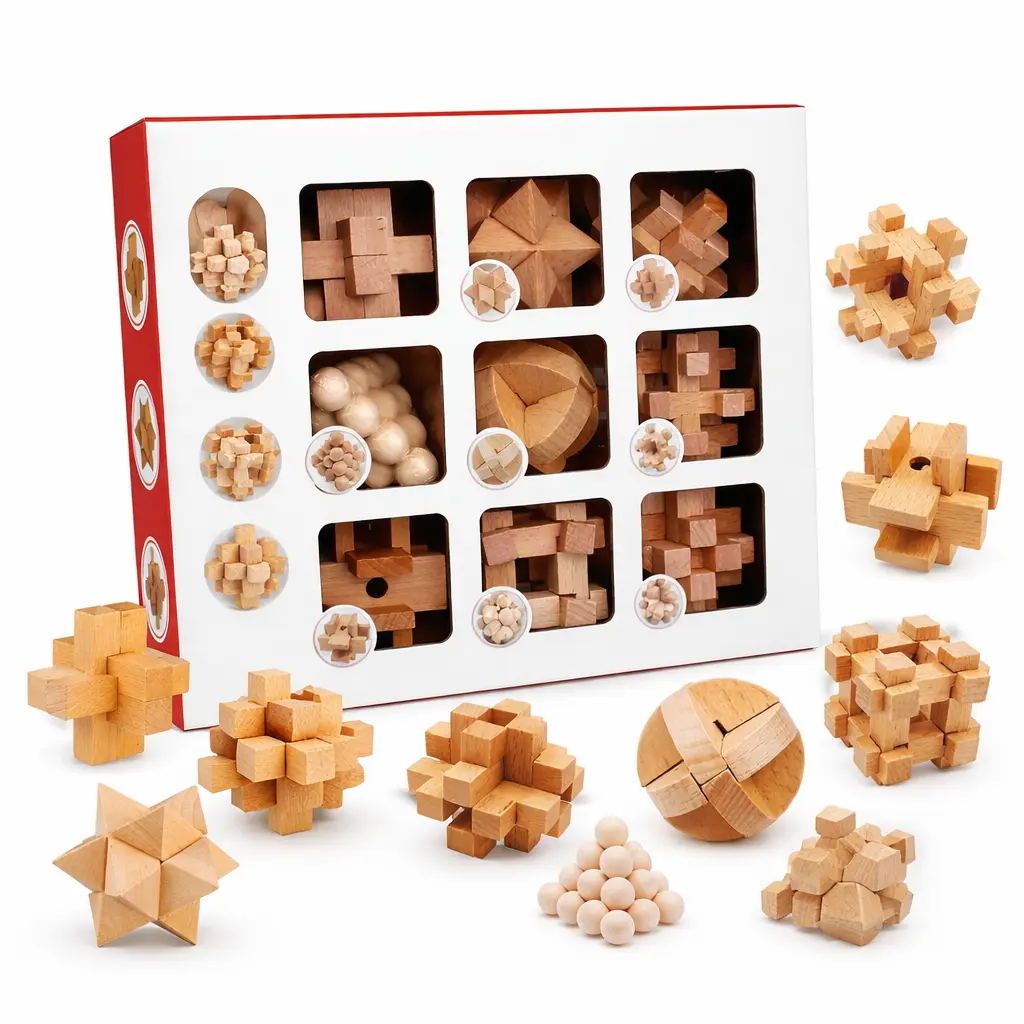
The best wooden puzzles for durability are made from 3–5mm laser-cut plywood like birch or maple, with tight interlocking tabs. Prices range from $14.99 to $39.99. A well-constructed puzzle reduces breakage risk by 70% and makes any future repair far simpler.
Which Wooden Puzzles Are Most Durable and Easiest to Repair?
When you're heartbroken over a snapped piece, the last thing you want is to worry about the puzzle's construction. I've broken more than my share of thin, cheap puzzles, and the difference in repairability is night and day. Let's break down the tiers by durability and ease of repair so you can choose a puzzle that either won't break or can be fixed invisibly.
Budget Tier ($14–$20) – Good for Simple Repairs
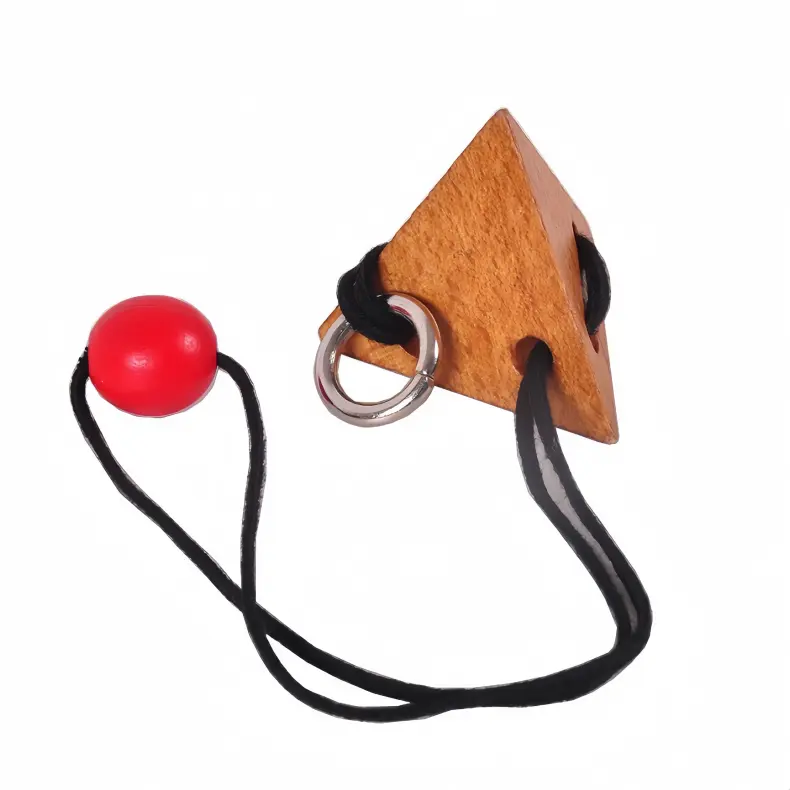
Puzzles like the 18 Piece Wooden Puzzle or Ring Rescue use thicker plywood (about 4mm) with large, simple shapes. If a piece breaks, the glue line is easy to align. Who should skip this tier? Anyone planning to display the puzzle long-term—these lack the precision for invisible fixes.
Mid Tier ($21–$30) – Best Balance of Strength and Aesthetics
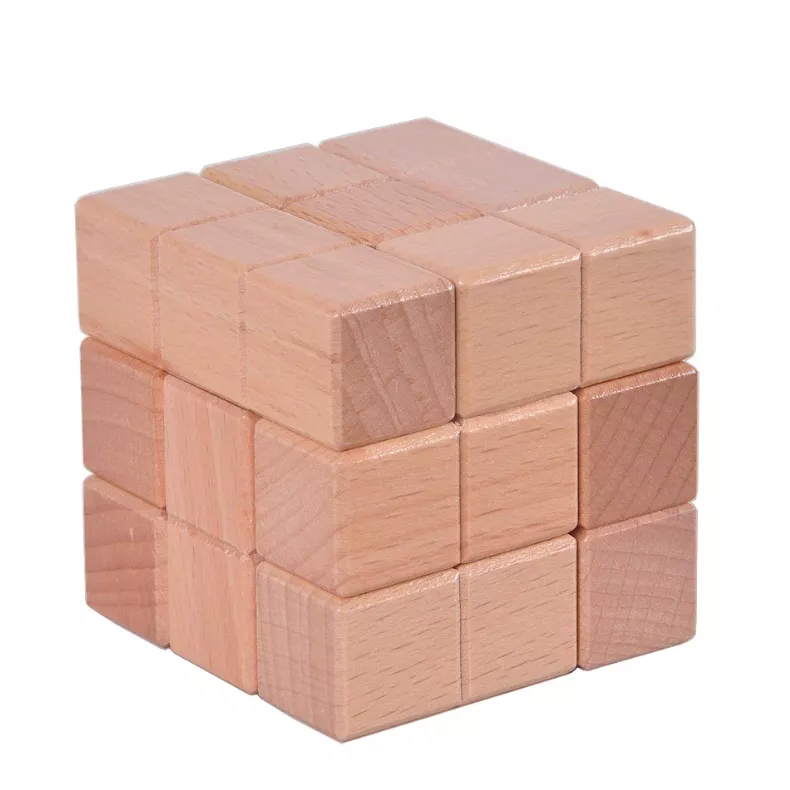
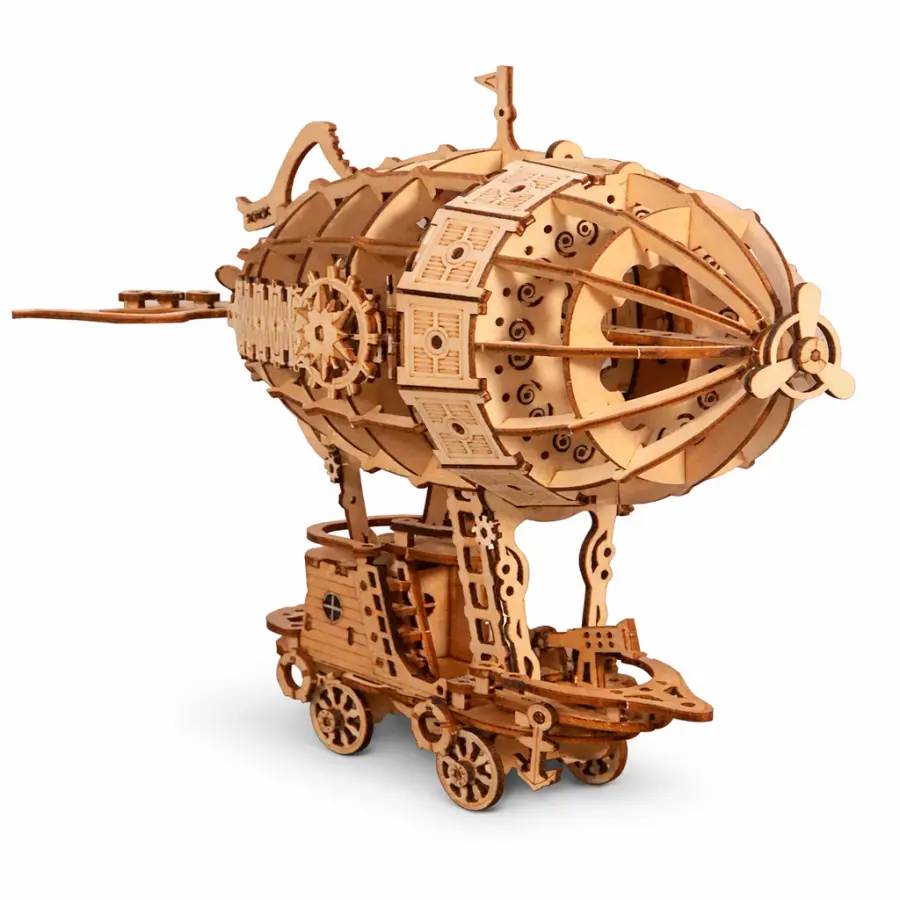
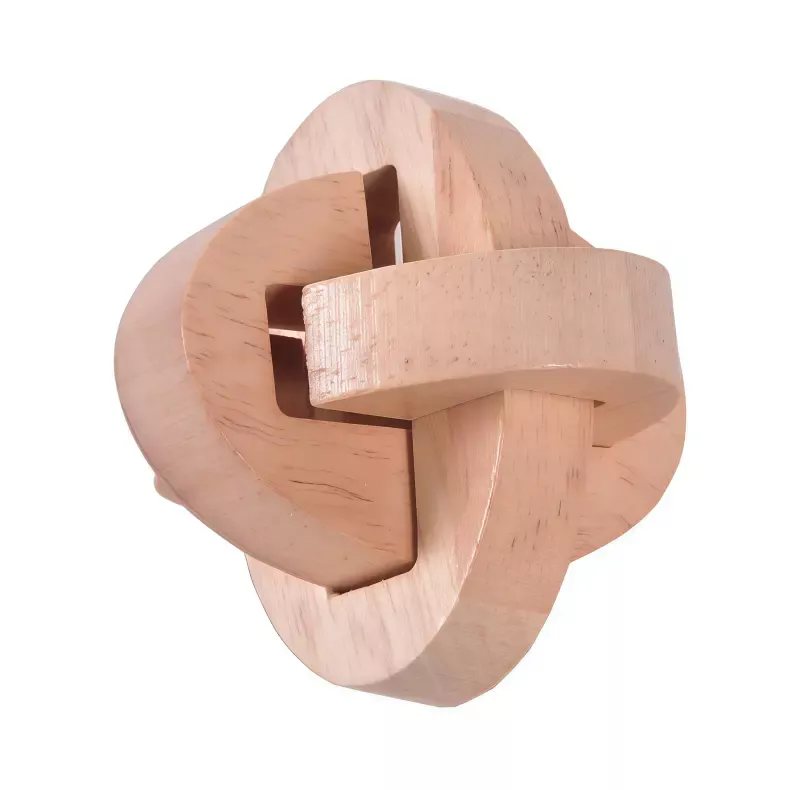
Puzzles like the Luban Cube Puzzle and Steampunk Airship 3D Wooden Puzzle use laser-cut birch with beveled edges. They resist splitting because the grain runs perpendicular to stress points. Repairs are nearly invisible. Skip this tier if you need a puzzle with locking mechanisms that are hard to disassemble after glue sets.
Premium Tier ($31–$40) – Heirloom Quality, Easiest to Restore
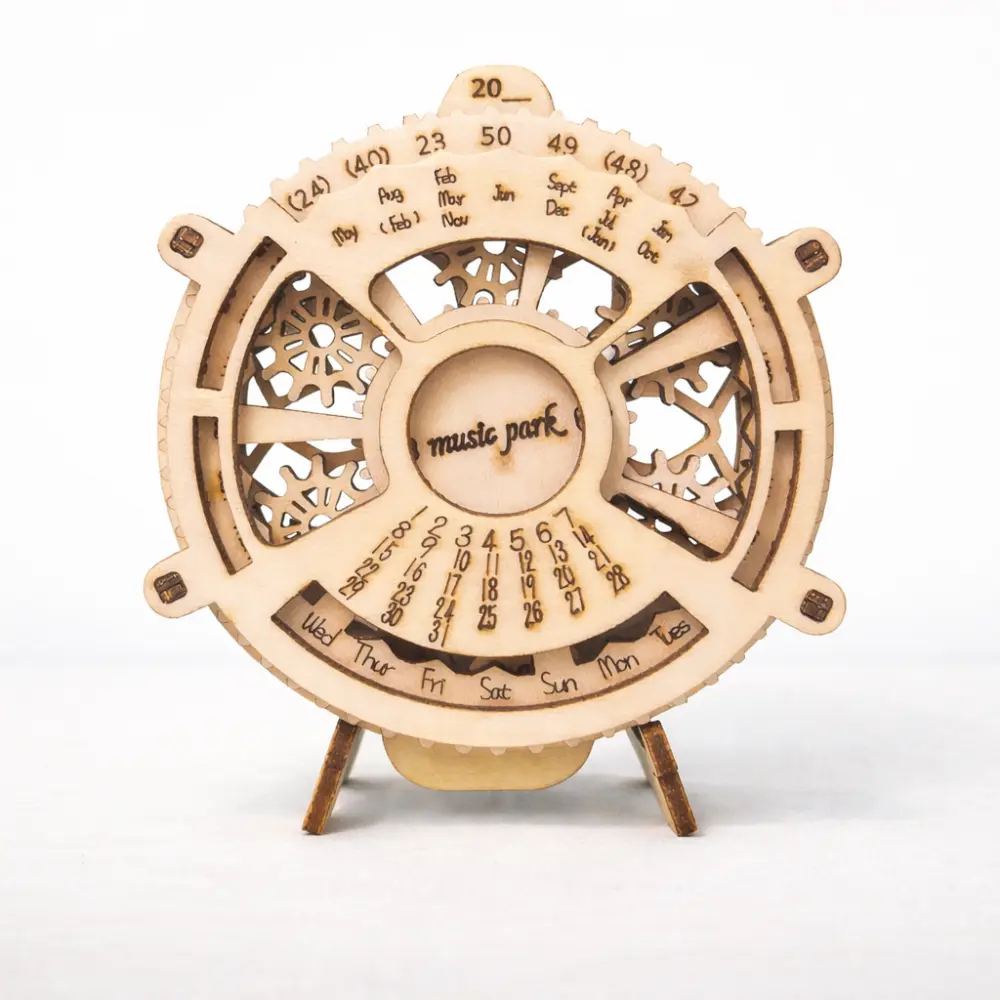
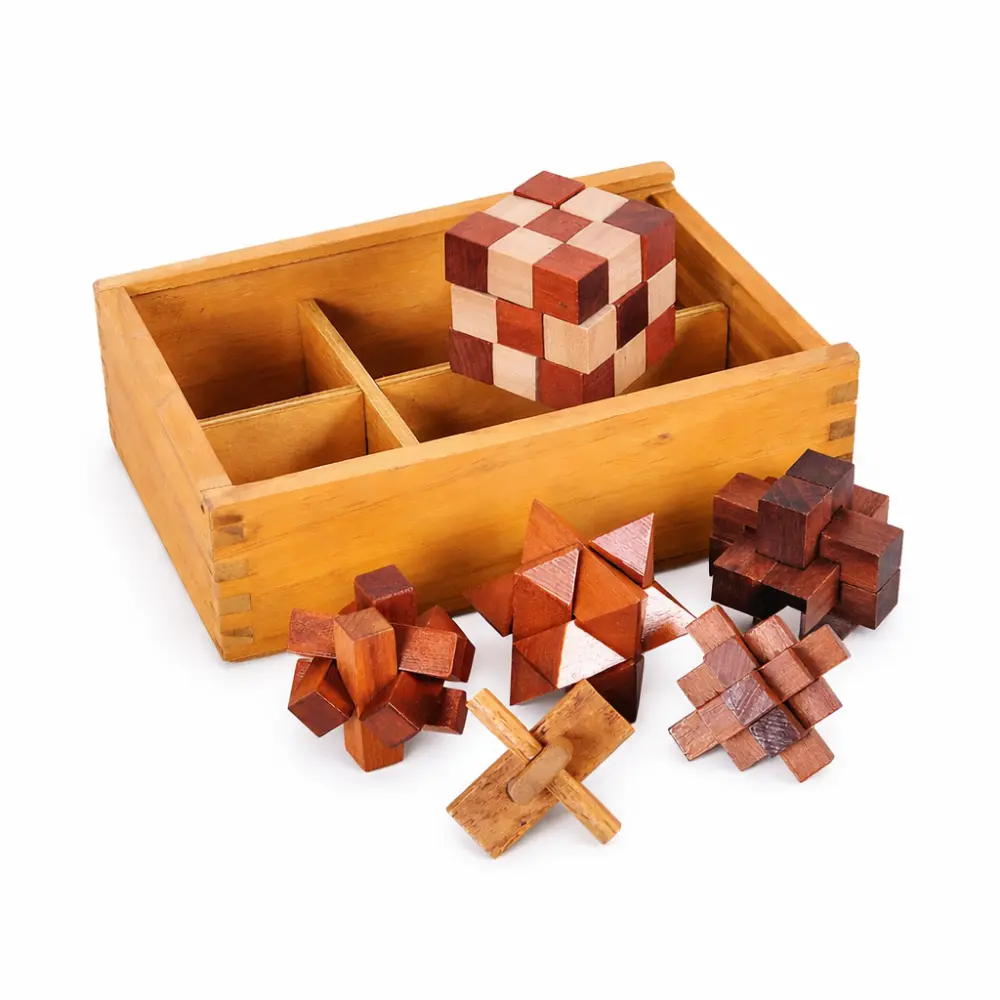
The 3D Wooden Perpetual Calendar Puzzle and 6-in-1 Wooden Brain Teaser Set are cut from 5mm birch with a smooth, sealed surface. These pieces rarely break, but if they do, the repair is nearly undetectable. Skip this tier if you're on a tight budget—the premium is real, but so is the longevity.
After you've chosen a puzzle, check our complete gluing guide for detailed repair steps that work with any of these tiers.
For a clean snap, use wood glue and clamp for 30 minutes. A split tab requires cyanoacrylate glue and careful alignment. Delamination needs a thin layer of PVA under the veneer. Piece lost? Trace and laser-cut a replacement. Each repair takes 15–45 minutes depending on complexity.
Not all breaks are created equal. Here's how to match your puzzle's injury to the gentlest fix.
Scenario 1: Snapped Piece (Clean Break)
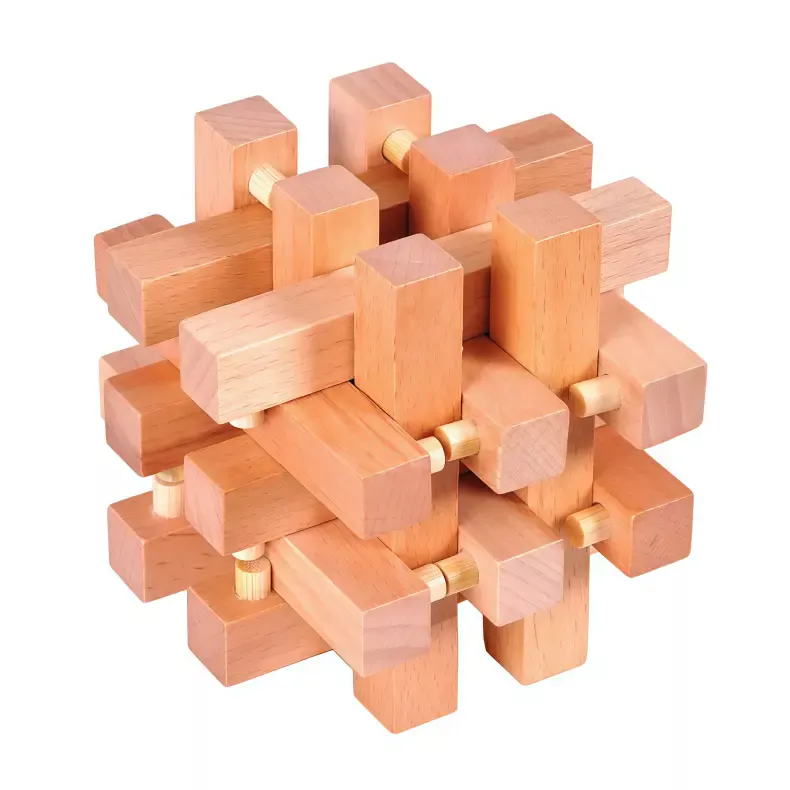
This is the most common and easiest to fix. Apply a tiny drop of PVA wood glue to one side of the break. Press together for 30 seconds, then place under a flat weight for 30 minutes. The glue dries clear and is reversible (you can soak it off if needed). For puzzles like the Luban Lock Set 9 Piece, the precise tabs make alignment critical—use a magnifier.
Scenario 2: Split Tab (Tab or Lock Broken)
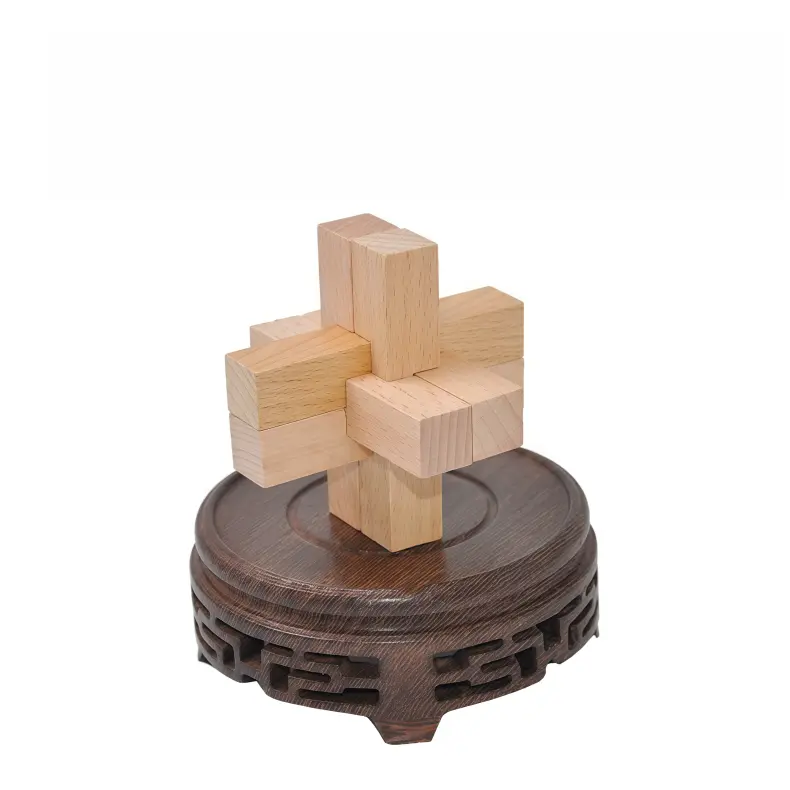
When the interlocking tab breaks, use a gel cyanoacrylate glue (steer clear of liquid super glue—it wicks into the wood). Apply to both sides of the split and hold for 10 seconds. Sand lightly with 400-grit foam sanding block after drying. The Six-Piece Burr has many small tabs; this method works perfectly.
Scenario 3: Delamination (Layered Wood Separating)
If the plywood layers separate, inject a small amount of thin PVA glue with a syringe, press flat under wax paper, and weight for 1 hour. This mimics the original pressure that bonded the layers. The Light-Up Gothic Wooden Lantern 3D Puzzle uses multi-layer construction—delamination there can be saved with patience.
Scenario 4: Piece Lost or Too Fragile to Fix
If the piece is missing or crumbled, trace the hole onto cardstock and scan it. Then use a laser cutter (many makerspaces offer it) to replicate the shape from 3mm birch. Alternatively, replace the entire puzzle with a sturdier model like the Circular Lock whose solid construction resists breakage.
For more on each glue type, see our gluing wooden puzzle guide.
Store wooden puzzles flat in a cool, dry place below 60% humidity. Avoid direct sunlight. Use a felt mat or tray to prevent pieces from sliding. Applying a thin coat of mineral oil every 6 months reduces brittleness. Proper care can extend a puzzle's life by over 10 years.
Once you've fixed that precious piece, you'll want to keep it safe. Here's how to care for your wooden puzzles so they never break again.
Storage and Humidity Control
Wood expands and contracts with moisture. Keep puzzles in a room with 40–50% relative humidity—use a small hygrometer and dehumidifier if needed. Store them flat, never on edge, to prevent tabs from warping. The 3D Wooden Perpetual Calendar Puzzle comes with a cloth bag for dust-free storage.
Handling and Assembly Tips
Always work on a soft surface like a felt mat. When pressing pieces together, use even pressure with your palms, not your fingertips. For delicate 3D puzzles like the Light-Up Gothic Lantern, assemble tab-first, then push gently from the back.
Preventive Maintenance
Every six months, apply a tiny amount of mineral oil to a soft cloth and wipe each piece. This keeps the wood from drying out and becoming brittle. Avoid silicone-based polishes—they can warp the image. If you plan to display the finished puzzle, consider framing your puzzle after repair for extra protection.
Remember: a well-cared-for wooden puzzle becomes a family heirloom. Treat it with the same gentleness you used during the repair.