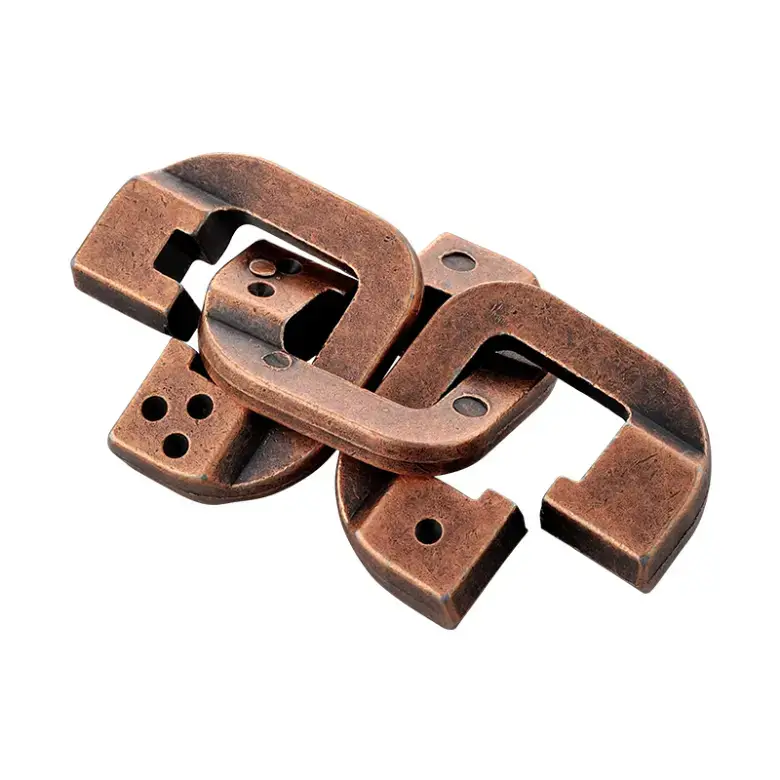
Stainless steel is the best all-around material for metal puzzles due to its combination of hardness (Brinell ~200), corrosion resistance, and smooth machining. Brass offers a warmer feel and higher density for satisfying heft, while aluminum is ideal for lightweight travel puzzles. Zinc alloy is budget-friendly but may show plating wear over time.
Which Metal Puzzle Material Is Best for You?
Choosing the right metal for your puzzle is about matching feel and function. The table below compares the four common materials used in metal puzzles: zinc alloy, brass, stainless steel, and aluminum. Use the 'Skip this if' row to quickly eliminate options that don't fit your needs.
| Material | Weight (Heft) | Smoothness | Corrosion Resistance | Durability (Brinell) | Best Puzzle Type | Skip This If… |
|---|
| Zinc Alloy | Medium (6.6 g/cm³) | Moderate – can be polished, but plating may wear | Low – plating can flake; base metal tarnishes | 80–100 | Interlocking puzzles, entry-level 3D models | …you want a collectible that keeps its original finish for years |
| Brass | High (8.5 g/cm³) | Excellent – machinable to high tolerance, feels buttery | Moderate – develops a natural patina over time | 100–150 | Disentanglement puzzles, precision interlocking | …you prefer a low-maintenance, no-polish metal |
| Stainless Steel | High (7.9 g/cm³) | Excellent – tight tolerances, smooth action | Excellent – resists rust and tarnish | 200+ | Disentanglement, sequential, daily-carry puzzles | …you want a lighter puzzle for pocket carry |
| Aluminum | Low (2.7 g/cm³) | Good – softer metal may gall; anodized finishes help | Good – anodized layer prevents corrosion | 15–20 | 3D assembly kits, travel-friendly puzzles | …you want a heavy, substantial feel in hand |
All metals can produce precision-machined parts, but the feel changes dramatically. Brass and stainless steel deliver the most tactile feedback, while aluminum keeps puzzles light enough for carrying in a pocket. Zinc alloy is a cost-effective entry point, but experienced solvers often graduate to solid metals for better durability.
Who should skip this tier: If you are looking for a long-term collection piece or a puzzle you'll solve repeatedly, avoid zinc alloy unless you don't mind the plating wearing off after a few months. For beginners wanting a single puzzle that shows off engineering, start with brass or stainless steel.
Different use cases call for different metals. Here’s how the materials map to common scenarios:
Brass for desk display / collector
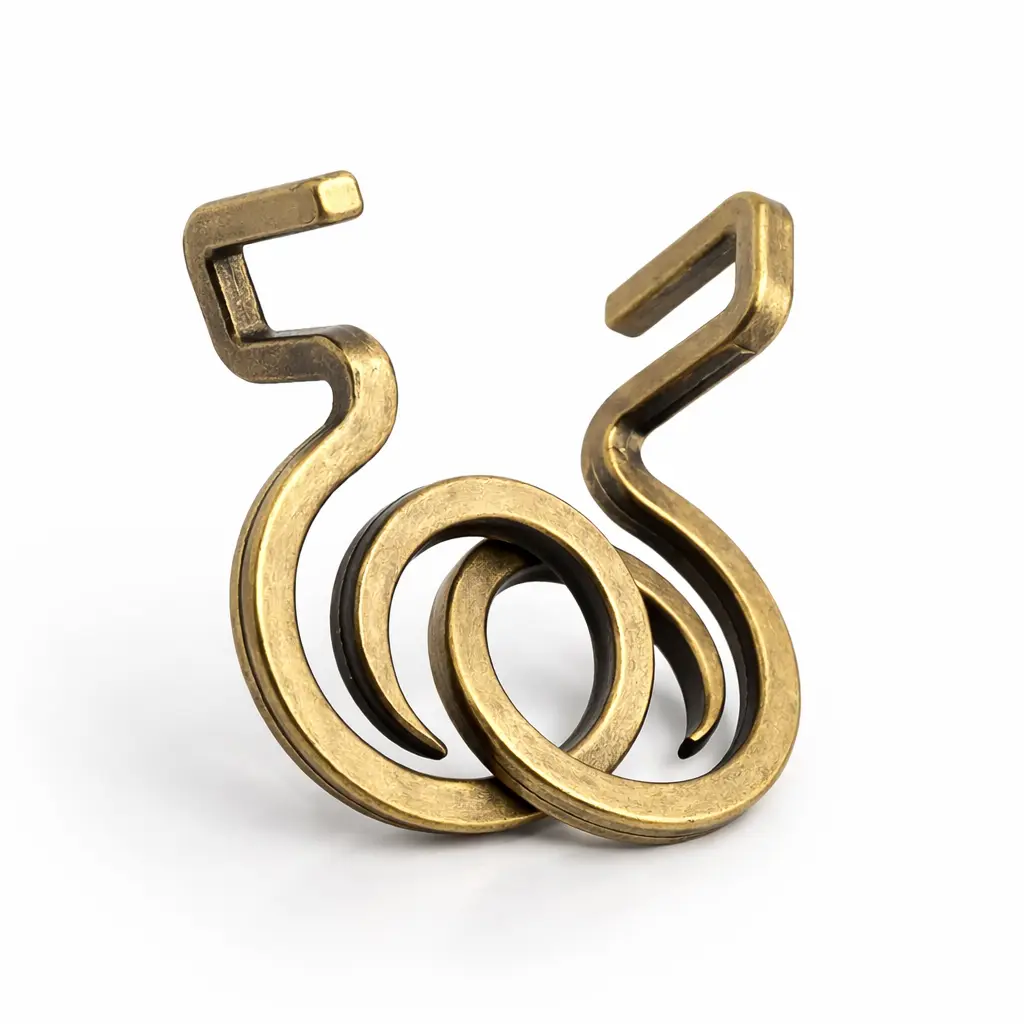
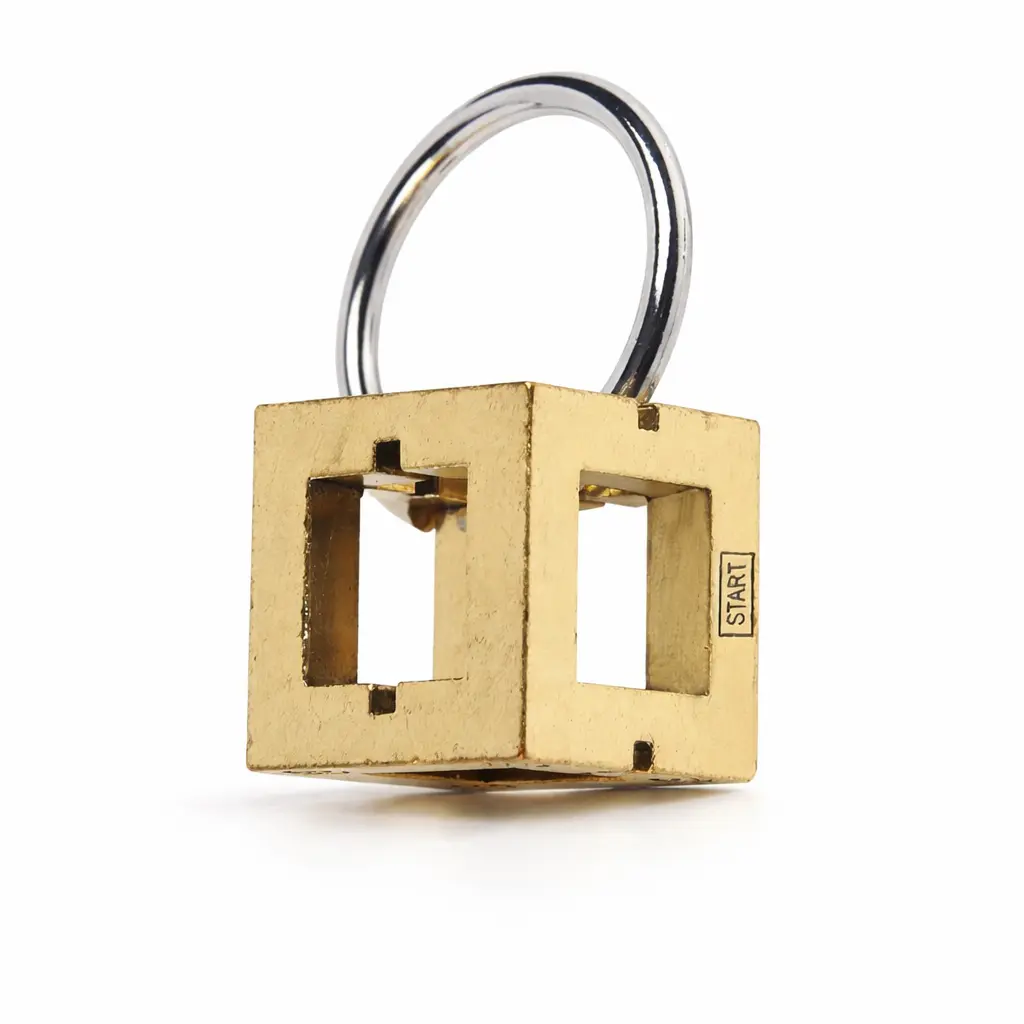
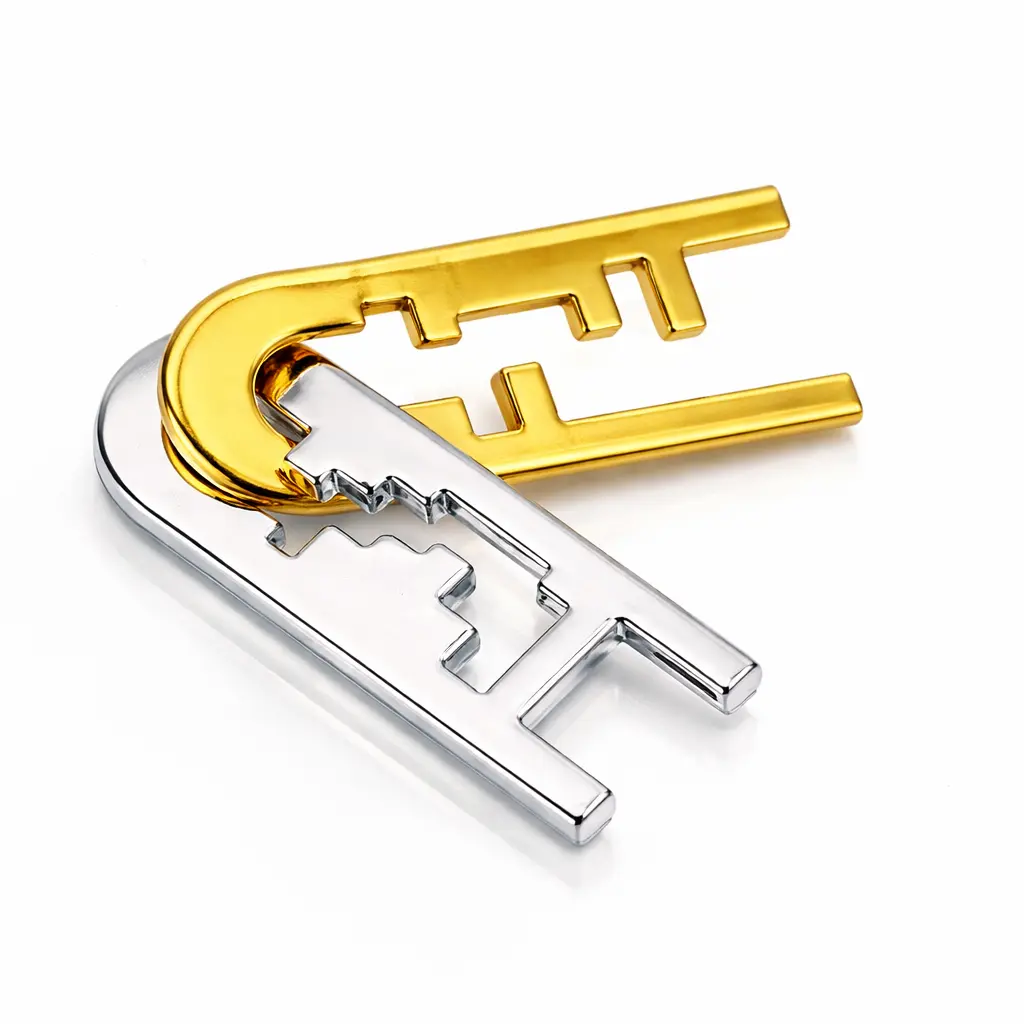
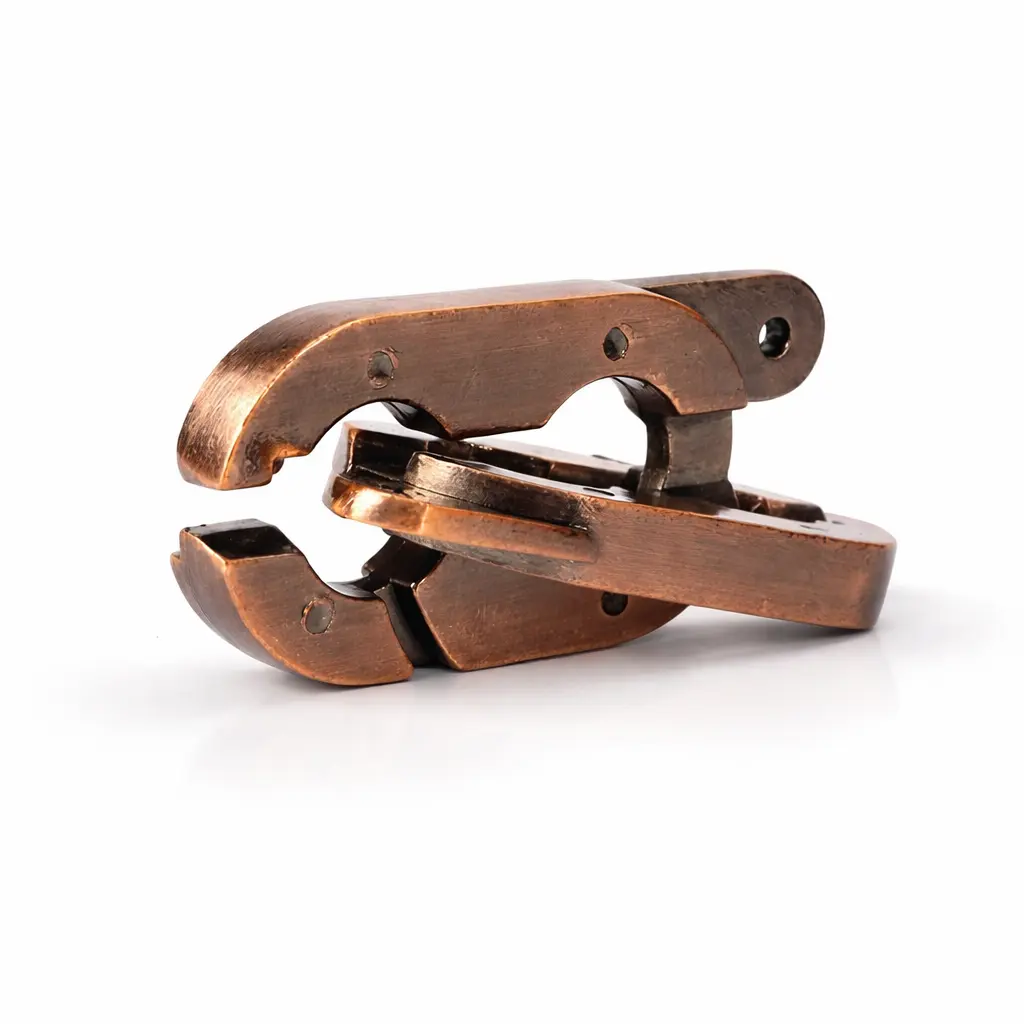
Brass develops a beautiful patina over time and feels substantial. It’s perfect for a puzzle you want to keep on your desk to show off. The Brass Cube Maze Puzzle Keychain doubles as a fidget toy and conversation piece. The Cast Keyhole Gold Silver in brass finish gives a vintage look.
Stainless steel for daily carry / durability
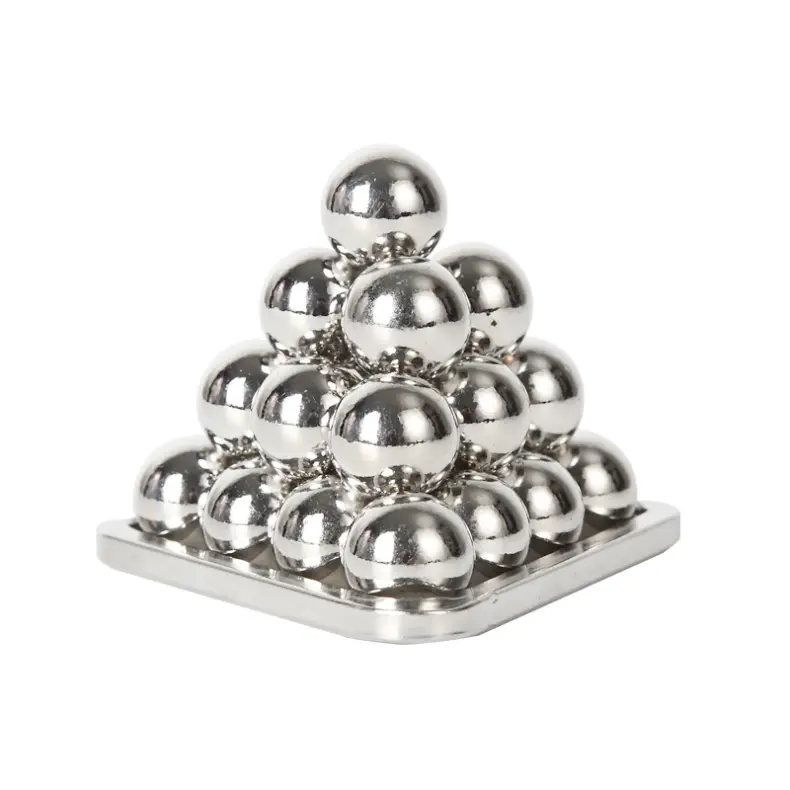
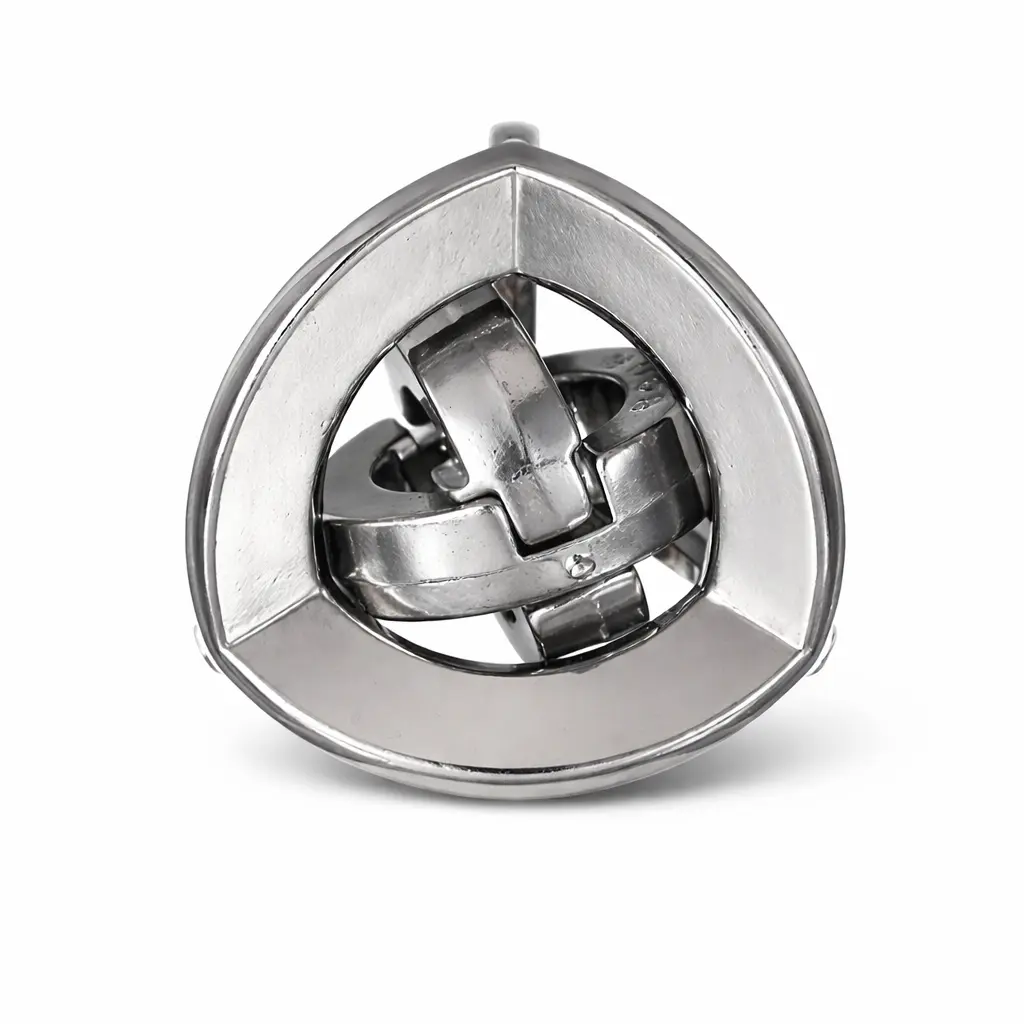
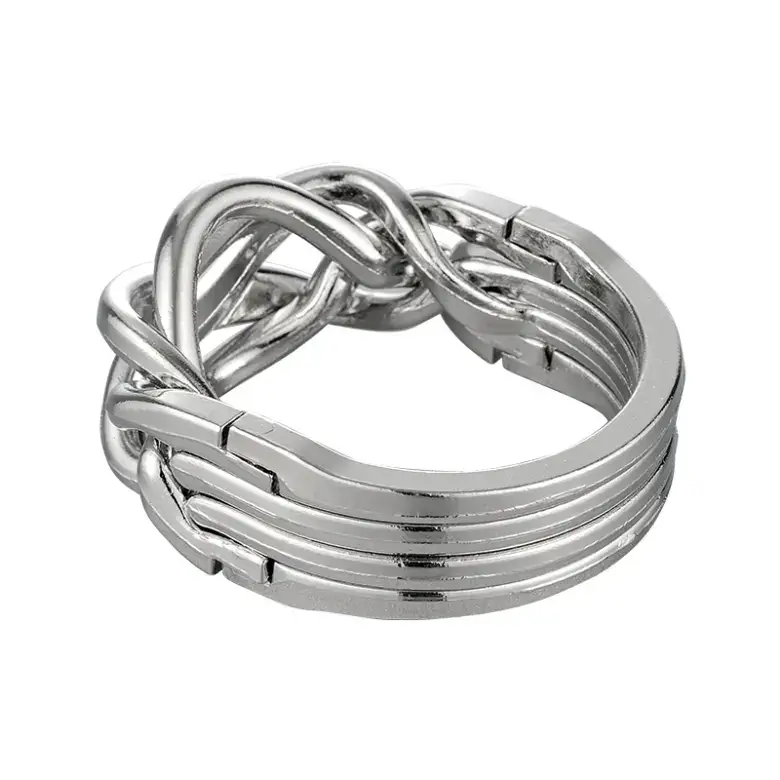
Stainless steel is tough, rust-proof, and can handle pocket wear. If you want one puzzle to carry everywhere, choose stainless. The 6 Piece Steel Ball Pyramid and Metal Orbit Ring Cast Puzzle are great stainless options that feel solid without being too heavy.
Aluminum for travel / lightweight
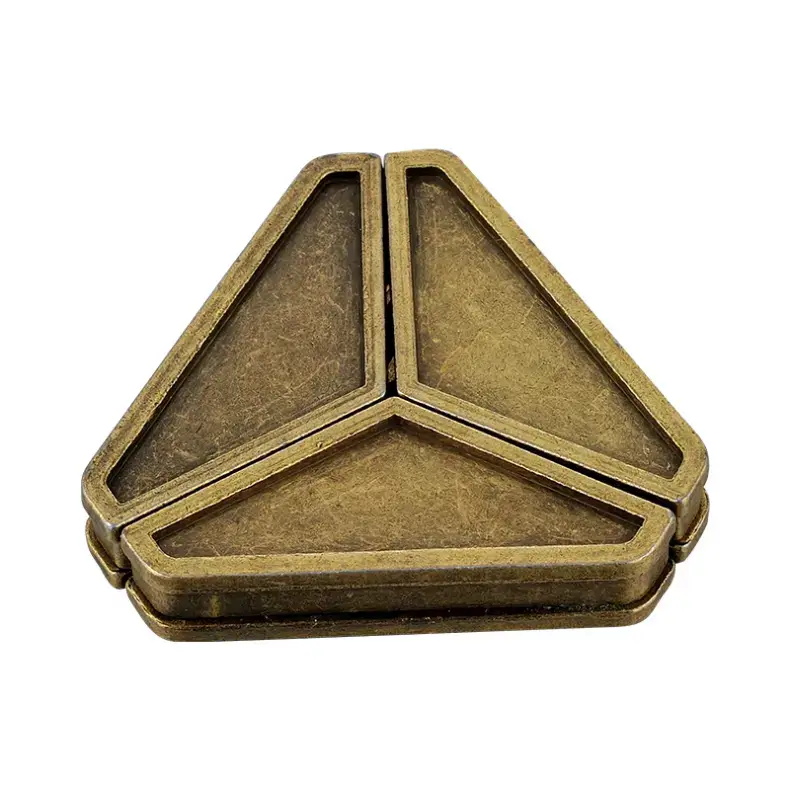
If you pack light, aluminum puzzles are your friend. They weigh much less and still offer good precision. The Alloy Triangle Lock Puzzle is a perfect travel companion for flight delays or train rides.
Plated zinc alloy for gifting on a budget
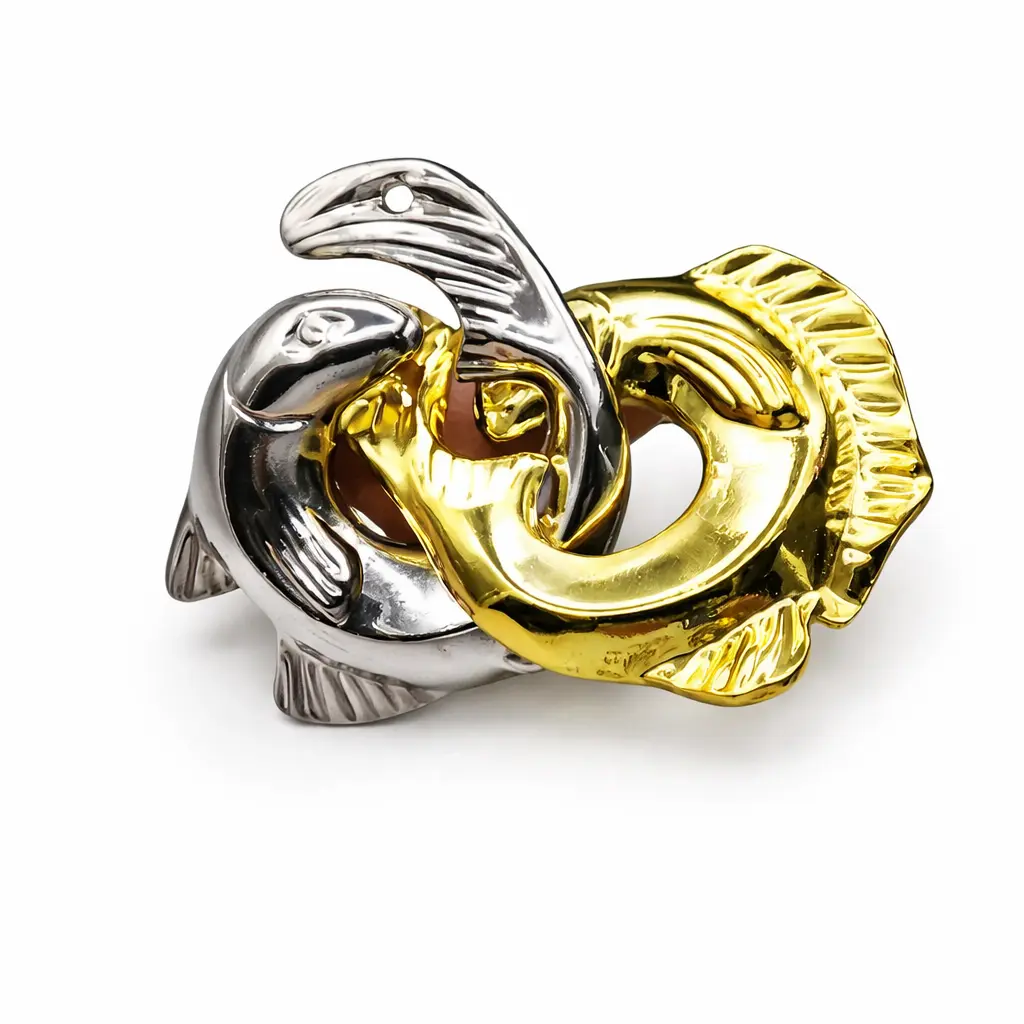
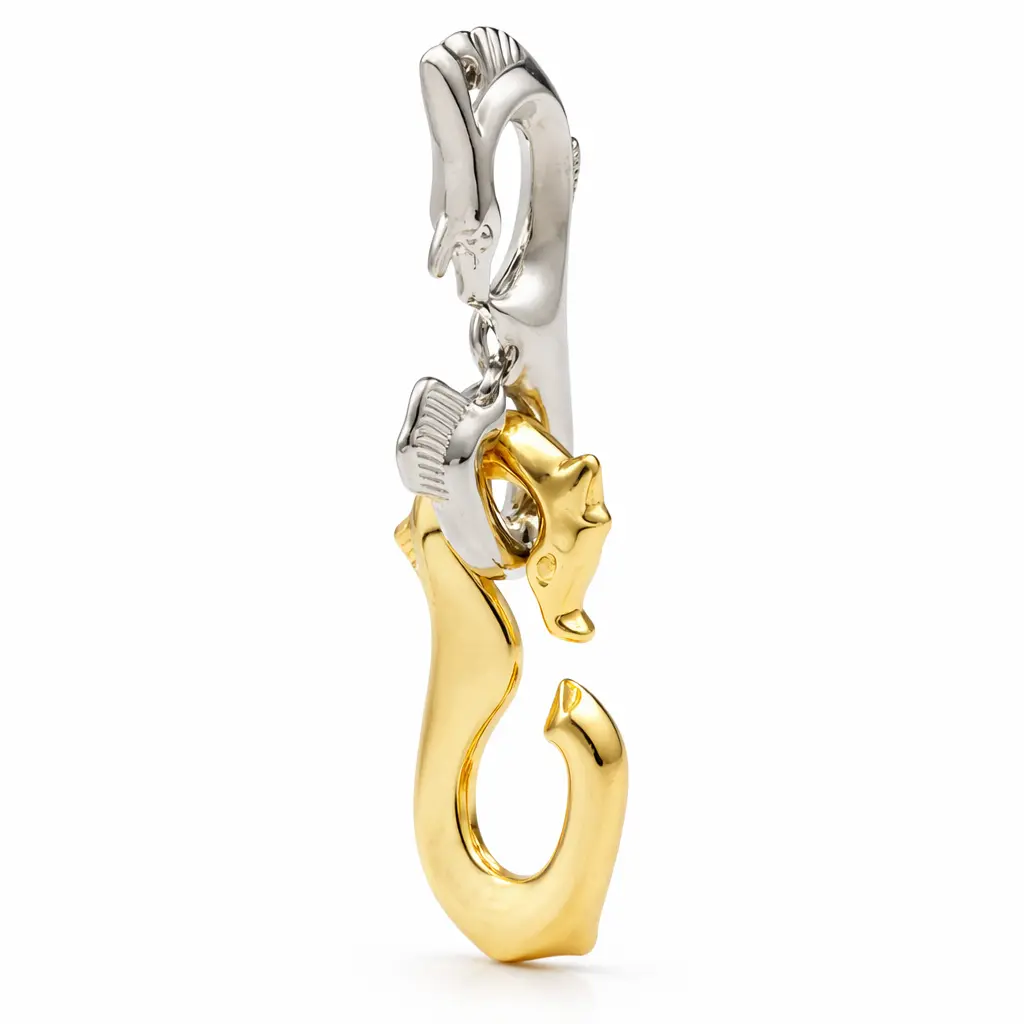
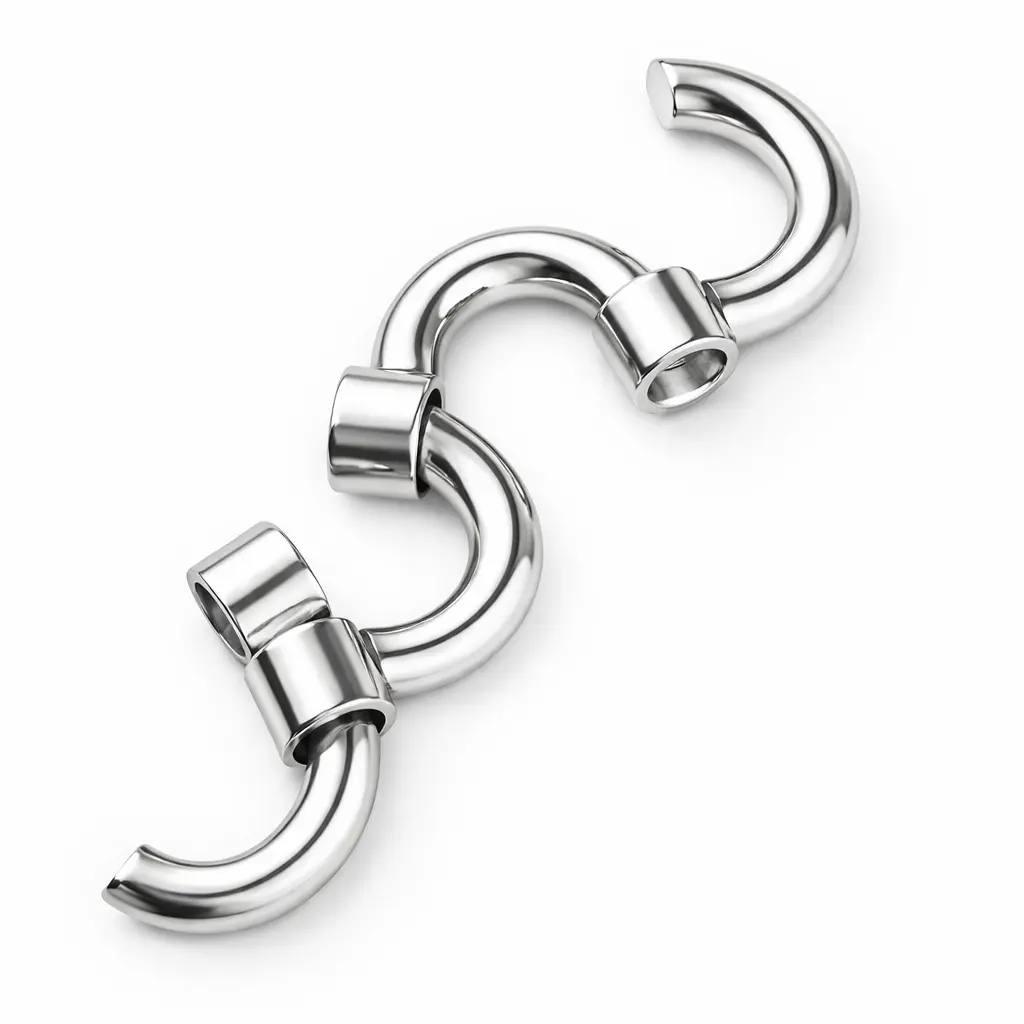
When you want a nice-looking gift without spending much, plated zinc alloy puzzles like the Gold Silver Double Fish Metal Puzzle or Dual Seahorse Gold Silver Brain Teaser look elegant and cost less. Just be aware the plating may wear over time.
Proper care extends the life of your puzzle and preserves its feel. Here are material-specific tips:
Cleaning
For brass, use a soft cloth and mild soap—avoid abrasive cleaners that scratch. Occasional polishing with a brass cleaner restores shine. For stainless steel, a damp cloth is enough; it resists fingerprints better than brass. Aluminum can be wiped with a microfiber cloth. Plated zinc alloy should never be scrubbed; wipe gently to avoid removing the plating.
Storage
Store puzzles separately or in a pouch to prevent scratches from rubbing against other metals. Brass and stainless steel can be stacked, but keep aluminum away from harder metals. A felt-lined box is ideal.
Lubrication
If a puzzle starts to feel sticky, a tiny drop of silicone-based lubricant on moving joints can restore smoothness. Avoid oil that may stain brass or react with plating. Solid metal puzzles (brass, stainless steel) last longer than plated ones—the finish won't flake off.
For a deeper dive into metal durability, read our Technical material durability review.
Closing push: If you want a puzzle that feels substantial and lasts for years, go with stainless steel or brass. For a lightweight travel companion, aluminum is your pick. Start with a Hanayama Level 3 in your chosen metal—order now and discover the difference tonight.