You judge by its hand-feel, not its description. A truly high-quality zinc alloy puzzle uses a grade like Zamak 3 for precision casting, resulting in a dense weight of at least 2-3 ounces and seams nearly invisible to the touch. The moving parts should glide with a smooth, silent action, not a grating grind. Skip any puzzle that feels suspiciously light, shows visible flashing lines, or has a painted-on finish instead of a plated or polished one.
How Do You Spot a High-Quality Zinc Alloy Puzzle?
Forget the advertised 'IQ Level' for a second. The real mark of a great puzzle is how it feels in your hands. You're upgrading from a cheap, disposable toy to a satisfying object. The difference lies in four tactile criteria you can judge the moment you pick it up.
| Criteria |
High-Quality (What You Want) |
Low-Quality (Skip This Tier) |
| Weight & Heft |
Feels dense and substantial for its size (e.g., a 2-inch puzzle weighing 3+ oz). This comes from solid Zamak 3 alloy, not hollow casting. It has a satisfying, authoritative presence on your desk. |
Feels surprisingly light and hollow. Makes a cheap, tinny sound when set down. Lacks the 'desk trophy' feel you're seeking. |
| Seams & Casting |
Seams between cast parts are hairline and smooth to the fingernail. Edges are gently rounded, not sharp. The surface is uniform, free of pitting or rough 'flashing' from the mold. |
Visible, raised seam lines you can catch your nail on. Rough, unfinished edges that detract from the smooth glide. Obvious casting imperfections. |
| Movement & Action |
Parts move with a precise, controlled smooth glide. It feels engineered, not forced. The action is quiet and deliberate, enhancing the 'aha' moment. |
Movement is gritty, sticky, or wobbly. You feel resistance or grinding, which is frustrating and can indicate poor tolerances. |
| Finish & Durability |
A deep, consistent plating (like nickel, brass, or gunmetal) or a polished alloy look. It resists fingerprints and maintains its luster even with daily fidget-friendly handling. |
A thin, painted-on coating that looks great in photos but chips or scratches easily, revealing a different-colored metal underneath. |
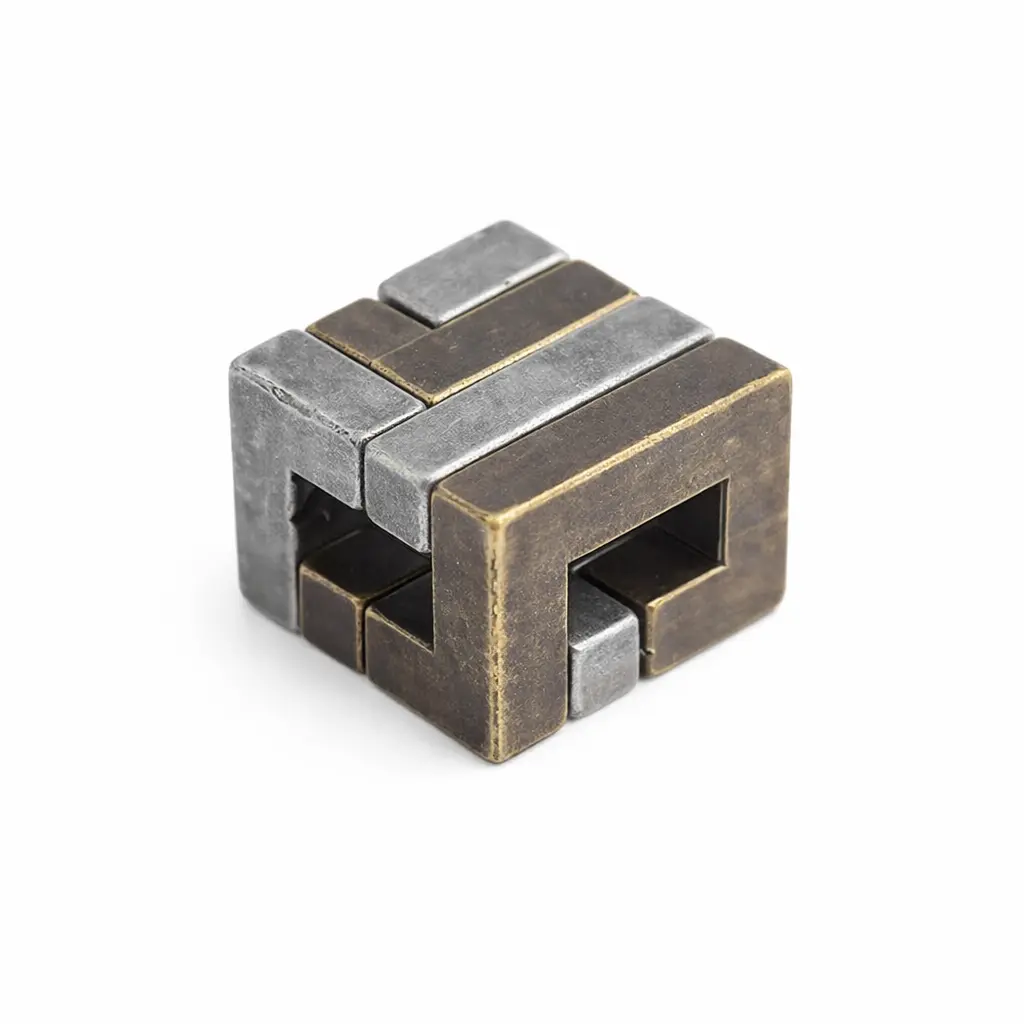
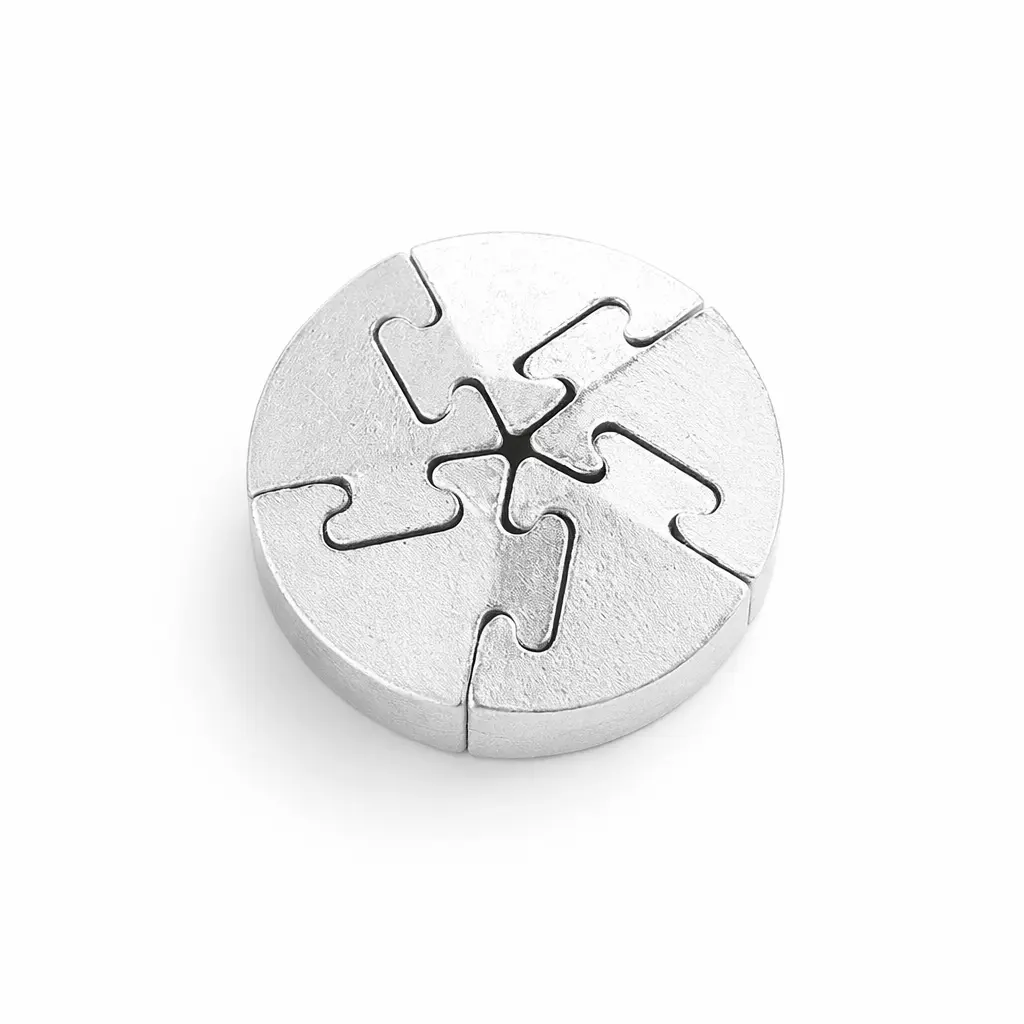
Who should skip the 'budget metal' tier? If you're specifically seeking that satisfying heft and flawless finish mentioned on forums, avoid puzzles under $10 that don't list a specific alloy or weight. They're often mass-produced with cost-cutting that sacrifices the very feel you're after. Instead, look for puzzles that emphasize precision-cast construction, like our spotlight Cast Coil Pocket Puzzle, known for its seamless form and smooth rotation. For a deeper dive into what makes a puzzle last, see our guide to durable cast puzzles.
Your next action: When you see a puzzle you like, immediately check the product details for its weight. If it's not listed, that's a red flag. Look for close-up photos of the seams.
Not every high-quality puzzle serves the same purpose. The perfect one for you depends on how and where you'll enjoy it most. Let's match the puzzle to your moment.
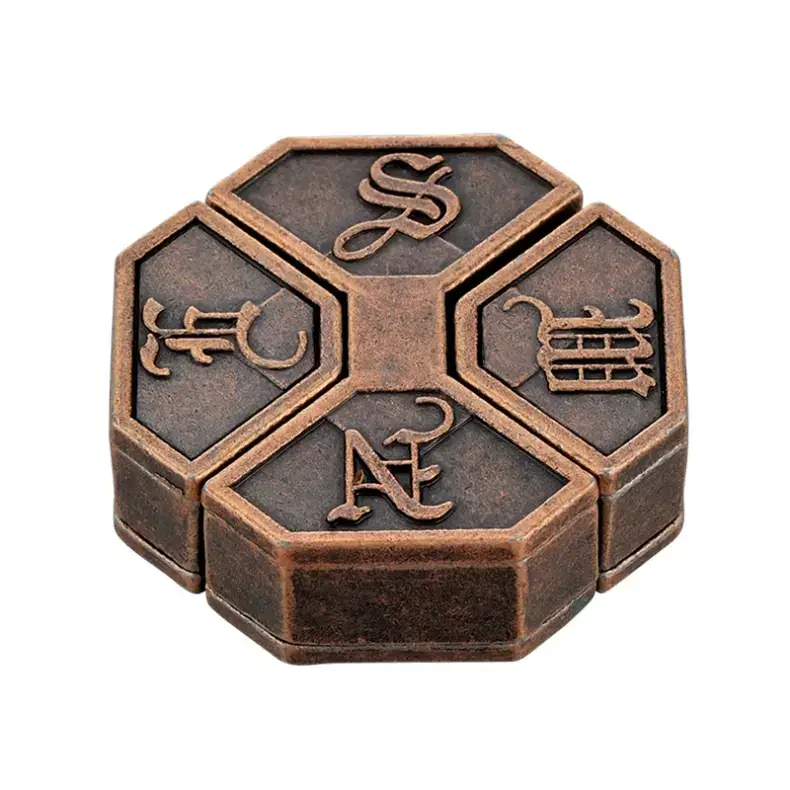
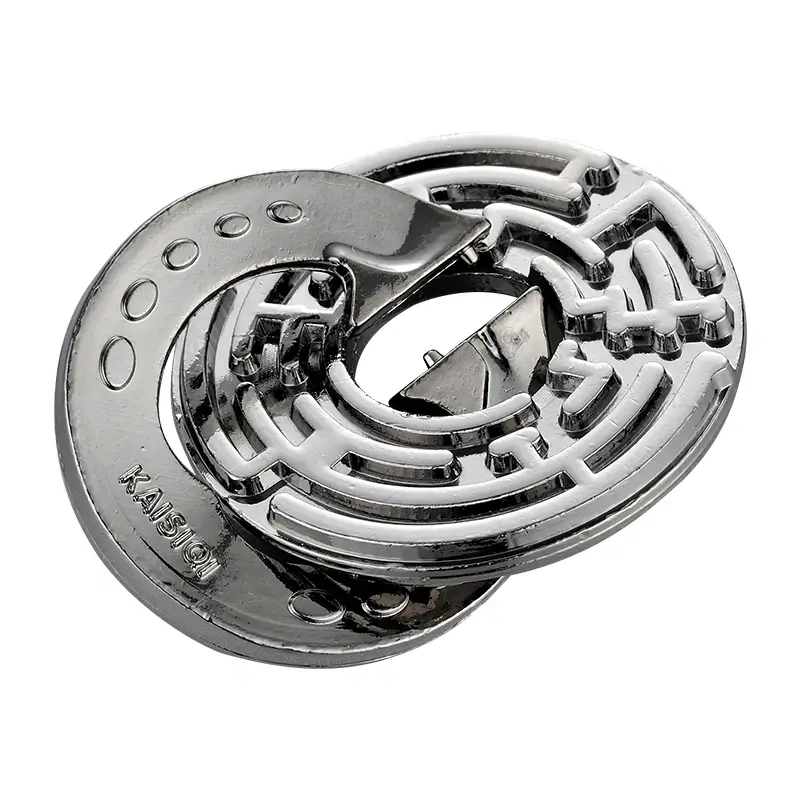
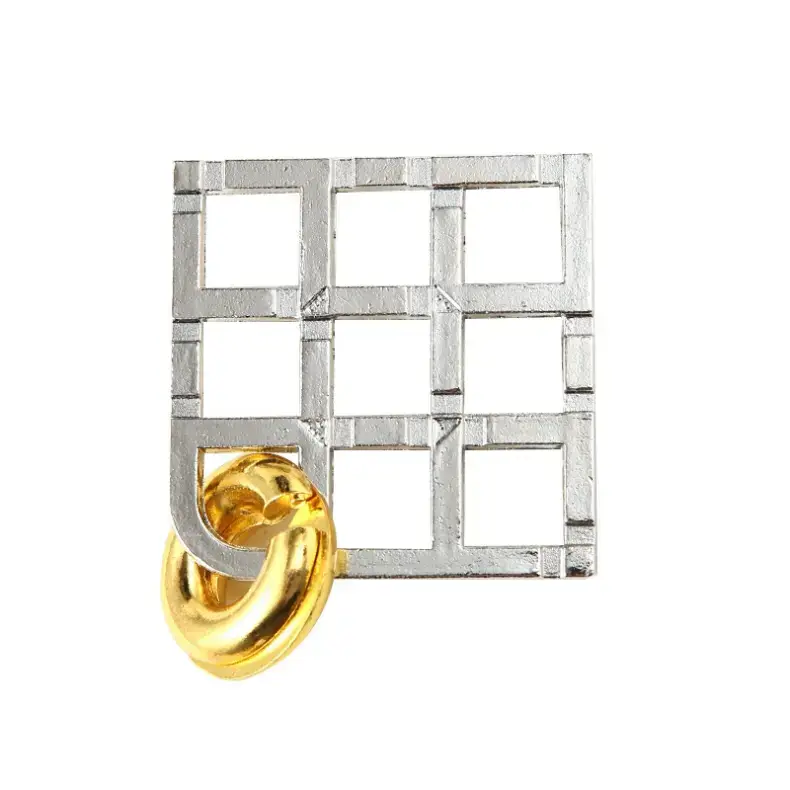
The Desk Fidget: You need something for idle hands during calls or deep thought. It must operate with a smooth glide, be quiet, and deliver micro-satisfactions. Skip puzzles with loud, clacky parts or solutions that require a table. Pick the Bagua Lock Puzzle. Its continuous, rotating motion is silent and endlessly manipulable, perfect for subconscious problem-solving.
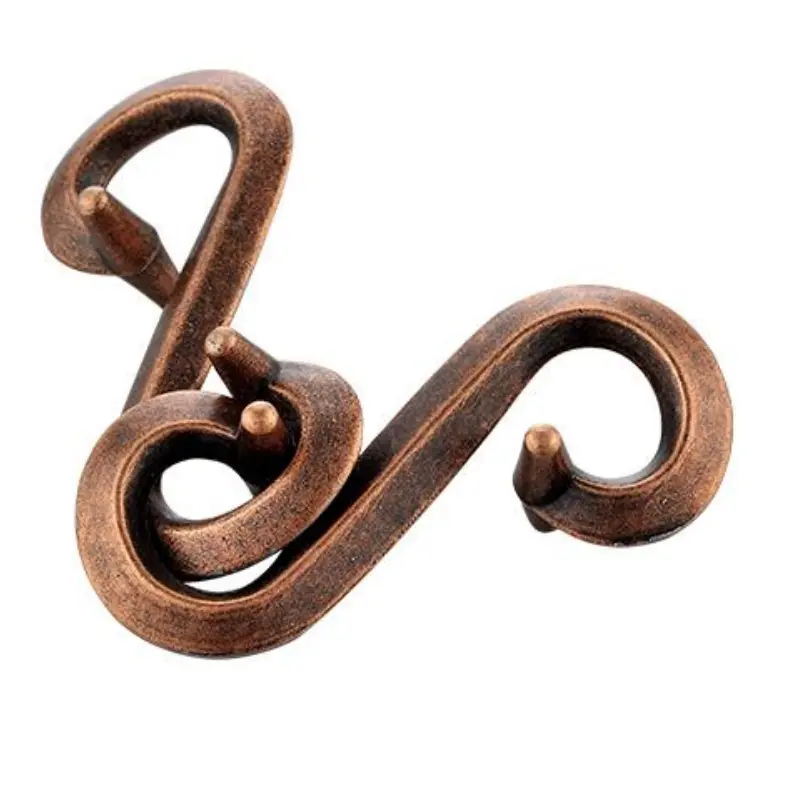
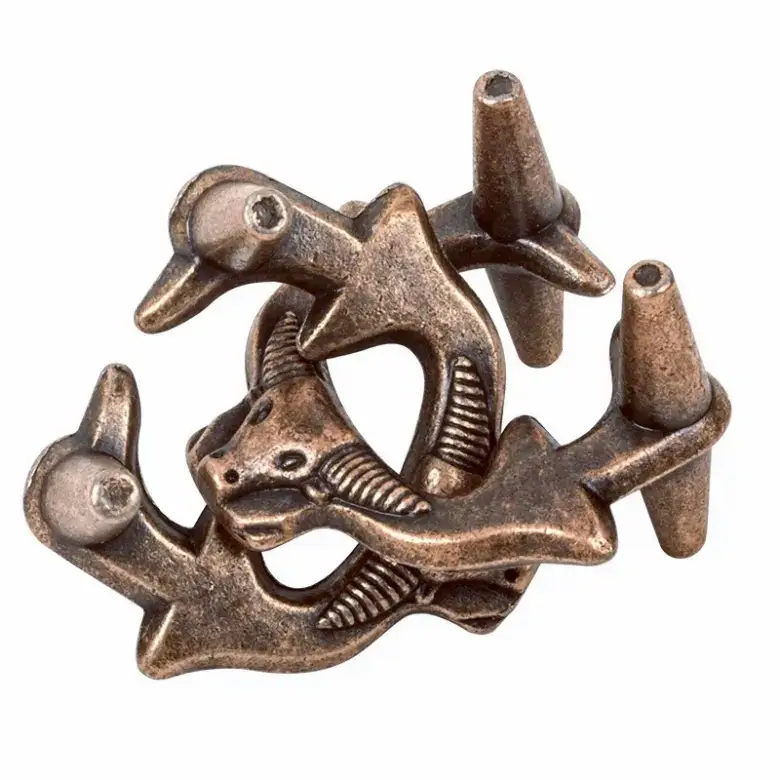
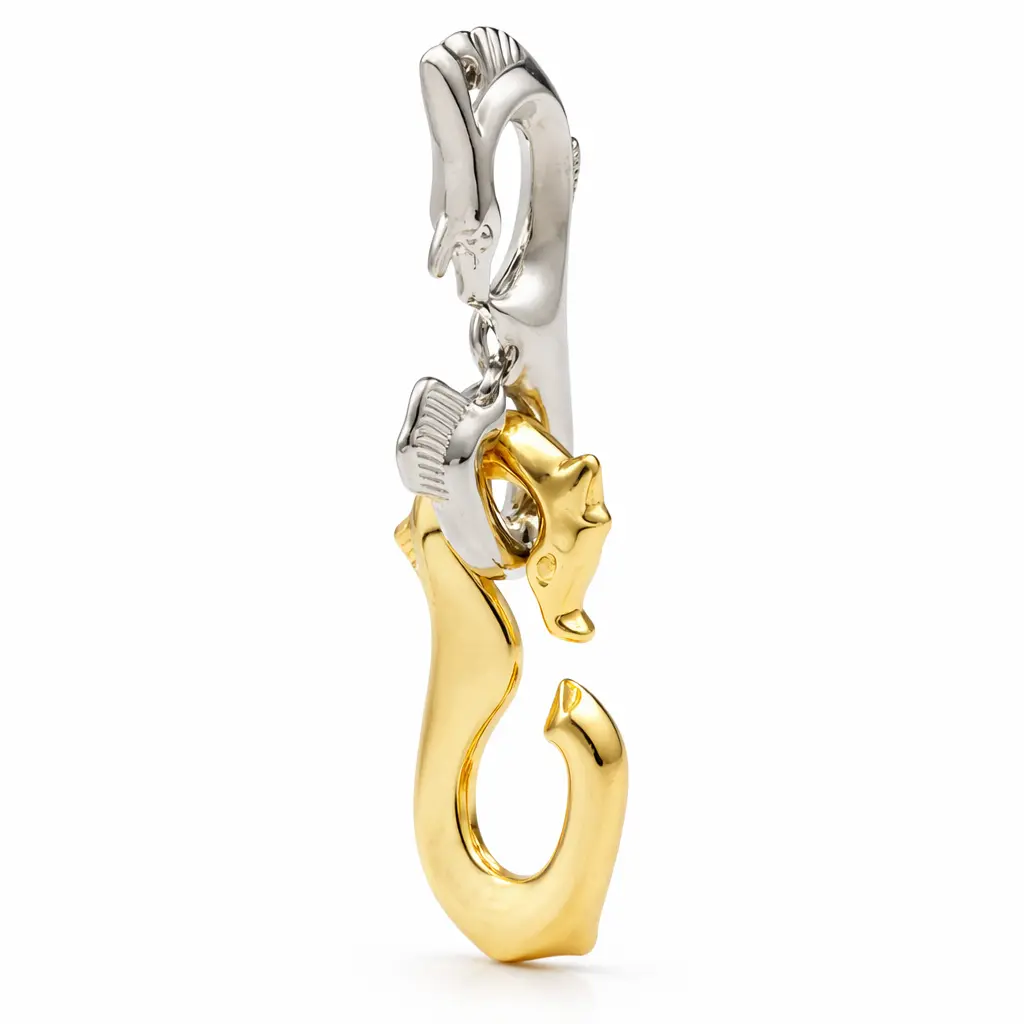
The Shelf Trophy: This puzzle is art. It needs visual appeal, satisfying heft, and a design that sparks curiosity from across the room. Skip small, simplistic designs. Pick the Two Bull Head Lock Puzzle. Its detailed sculptural form and substantial presence make it a conversation piece long before anyone touches it.
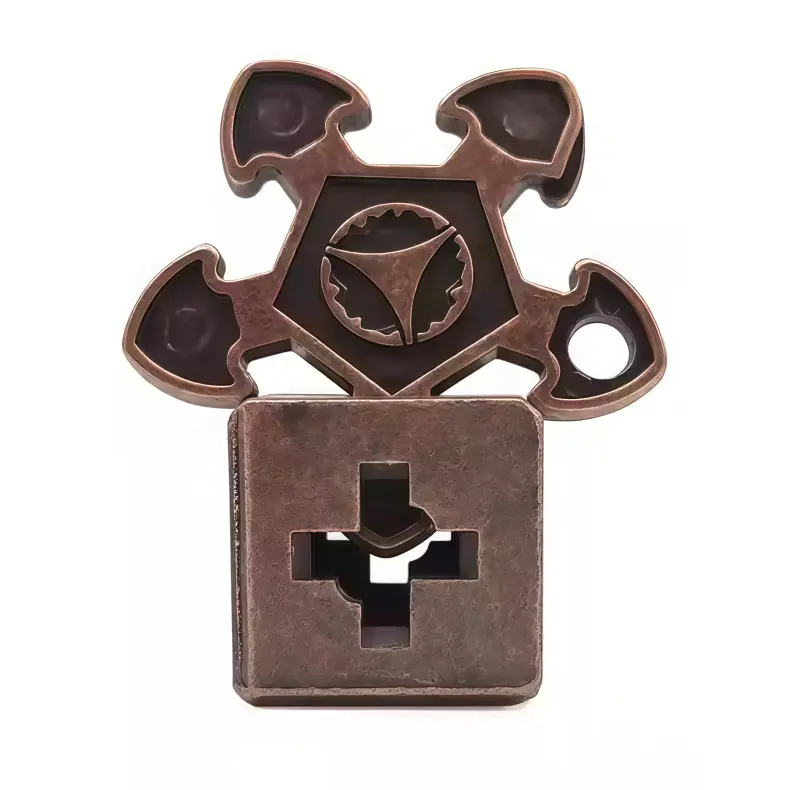
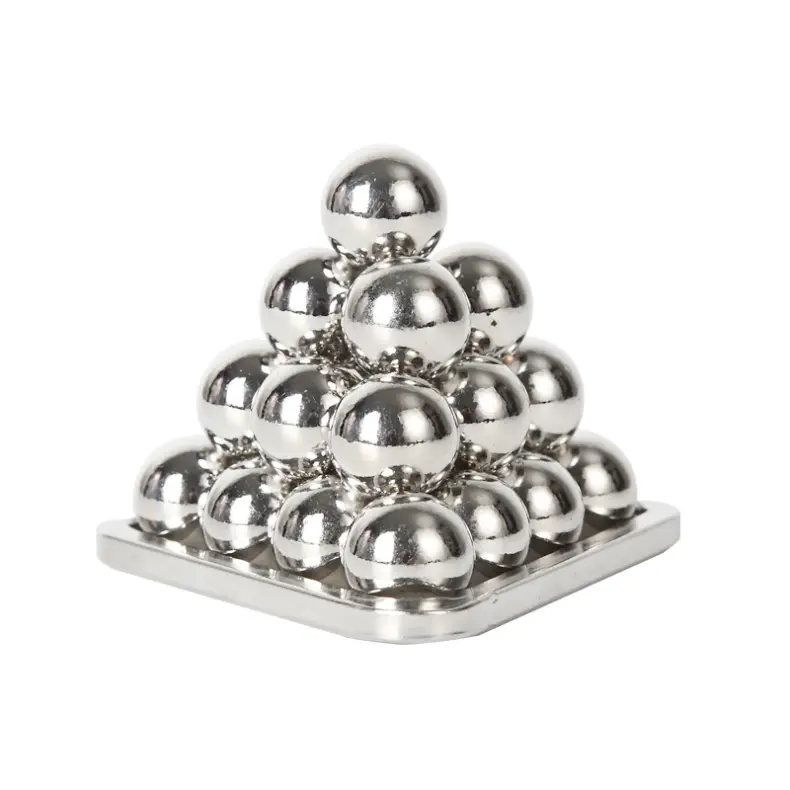
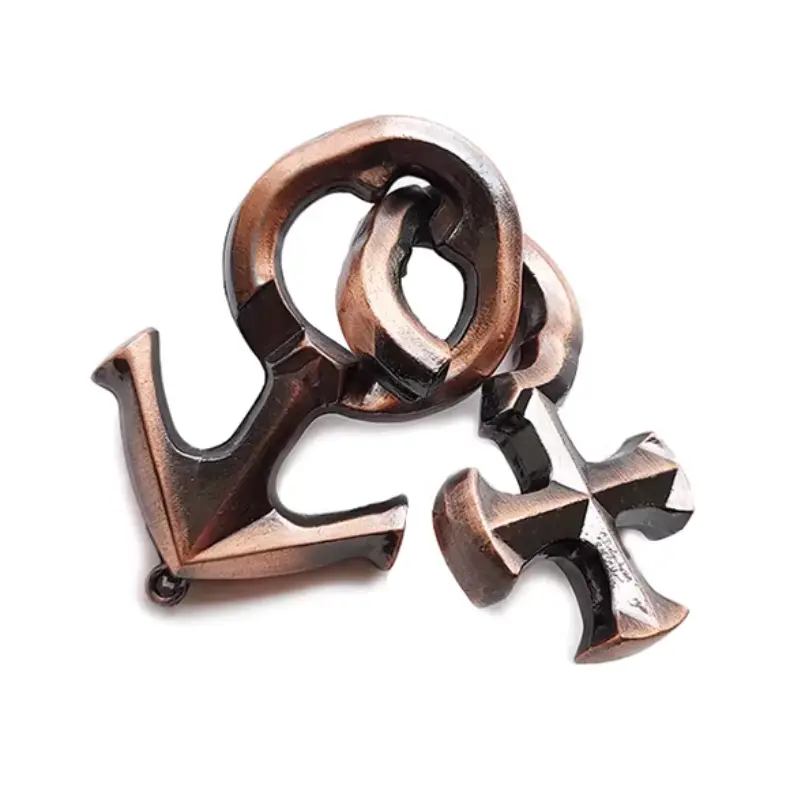
The Gift: It needs an impressive unboxing, perceived value, and a challenge that's engaging but not infuriating. Skip puzzles that come in flimsy plastic blisters. Pick the Shuriken Dart Edition. Its unique star shape and gear mechanism immediately signal this isn't a typical toy. It looks complex but has a logical solve, making the giver look brilliant.
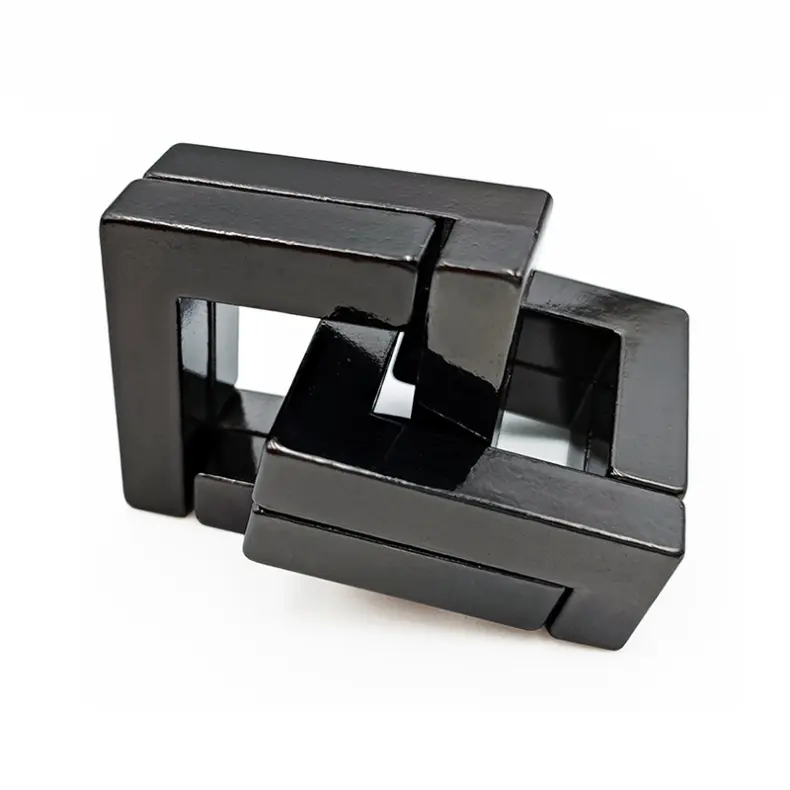
The Travel Companion: For your pocket or bag, you need compact size, a lack of sharp points, and extreme durability against keys and coins. Skip puzzles with thin protruding wires or delicate plating. Pick the Cast Coil Pocket Puzzle. Its smooth, rounded, monolithic design is virtually indestructible and offers a satisfying, self-contained challenge anywhere. For more on puzzles built to last, check out our veteran's guide.
You've invested in a high-quality zinc alloy cast puzzle. A little simple care will keep it feeling and looking like new for years, maintaining that precise smooth glide. The good news? The core Zamak 3 alloy is robust; the main wear points are typically the surface finish and the moving interfaces.
Avoid Forcing It: This is rule number one. If a part isn't moving, you've likely missed a step. Forcing can bend precision-cast components, permanently ruining the mechanism and feel. If you're truly stuck, step away. A fresh look often reveals the path. For specific help, we have solution guides for popular models.
Clean with a Dry Cloth: Simply wipe fingerprints and dust with a soft, dry microfiber cloth. This preserves the plating's luster. Avoid water, chemicals, or abrasive polishes, which can degrade thin decorative finishes.
Store It Thoughtfully: Don't just toss it in a drawer with other metal objects. Keep it in the small felt or drawstring pouch it often comes with. This prevents scratches and keeps the flawless finish intact. For a collection, a dedicated box or tray works great.
Reassurance on Durability: Even if the shiny plating eventually shows minor wear from constant fidget-friendly use, the puzzle's integrity and solve remain unchanged. The satisfying weight and precise mechanics are in the solid alloy core, which is extremely durable. A little 'patina' from use just adds character to your personal desk trophy.
Your next action: When your puzzle arrives, locate or designate a small pouch for it. Get into the habit of putting it away after a solving session.