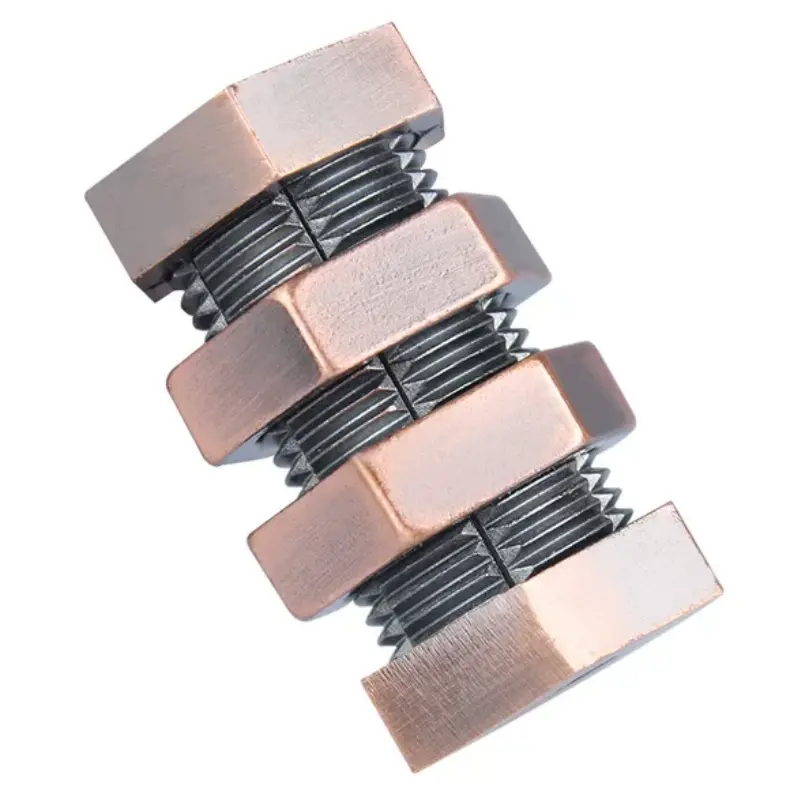
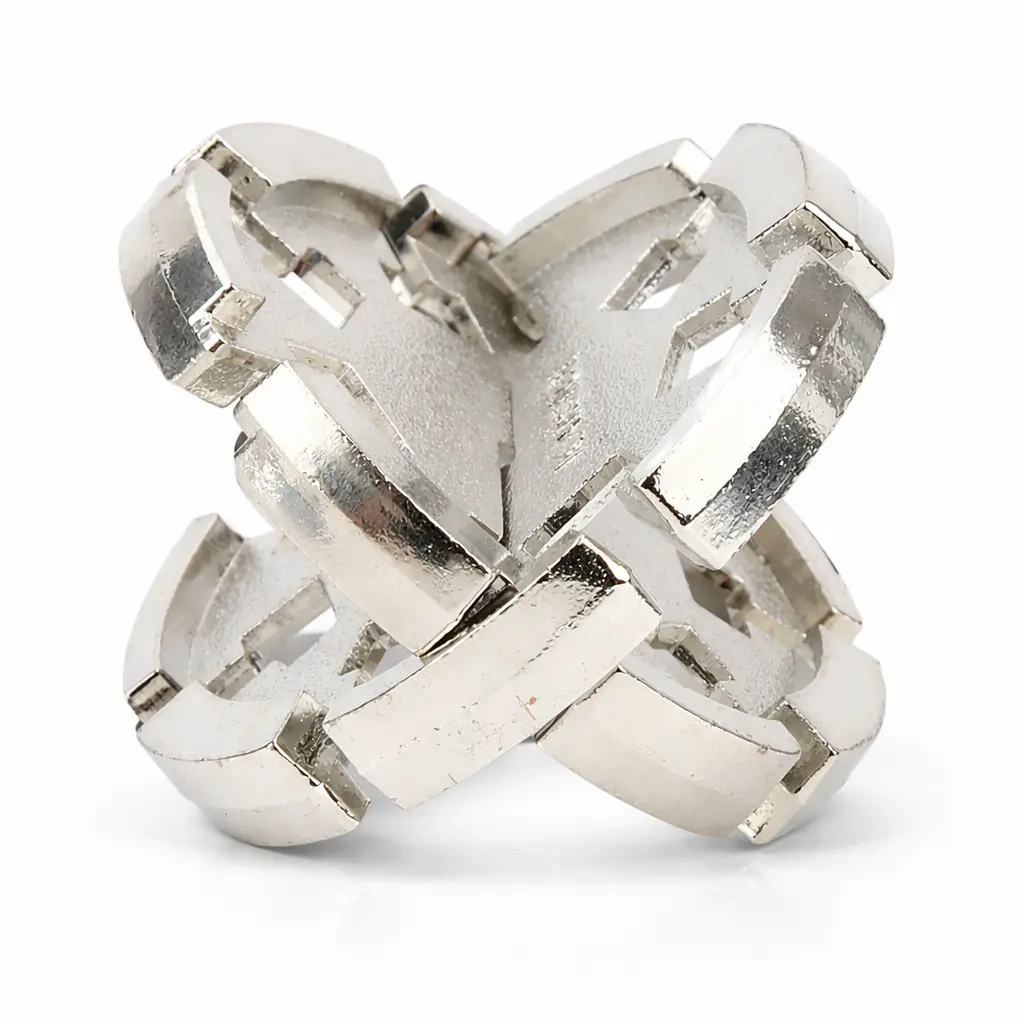
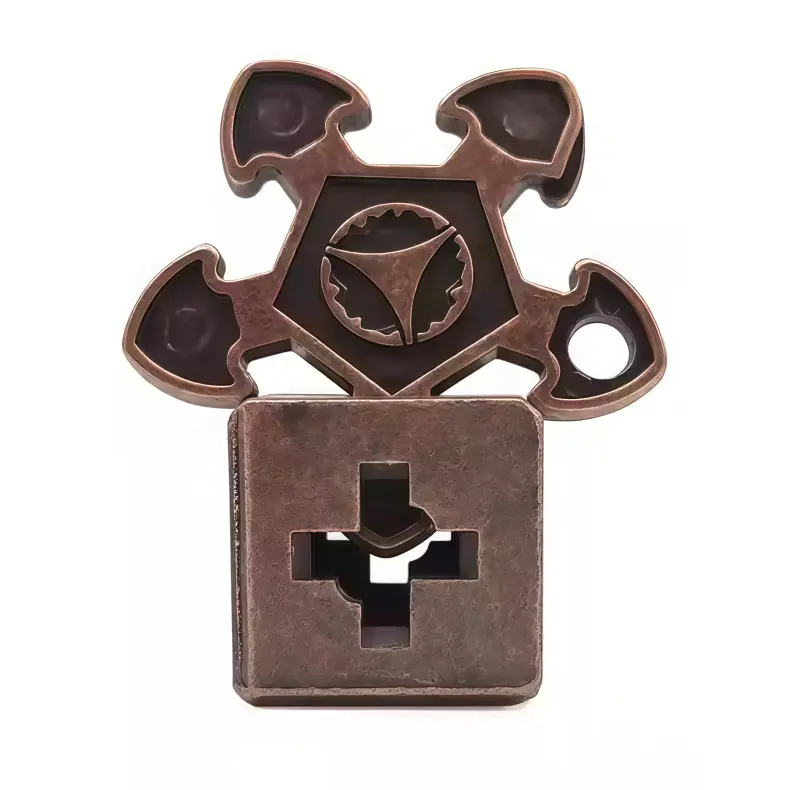
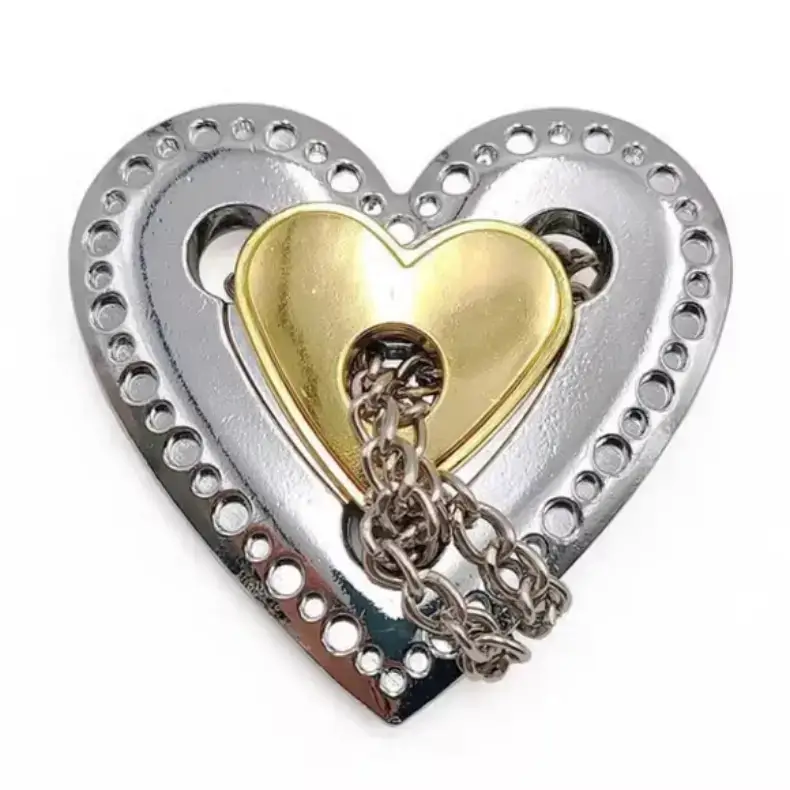
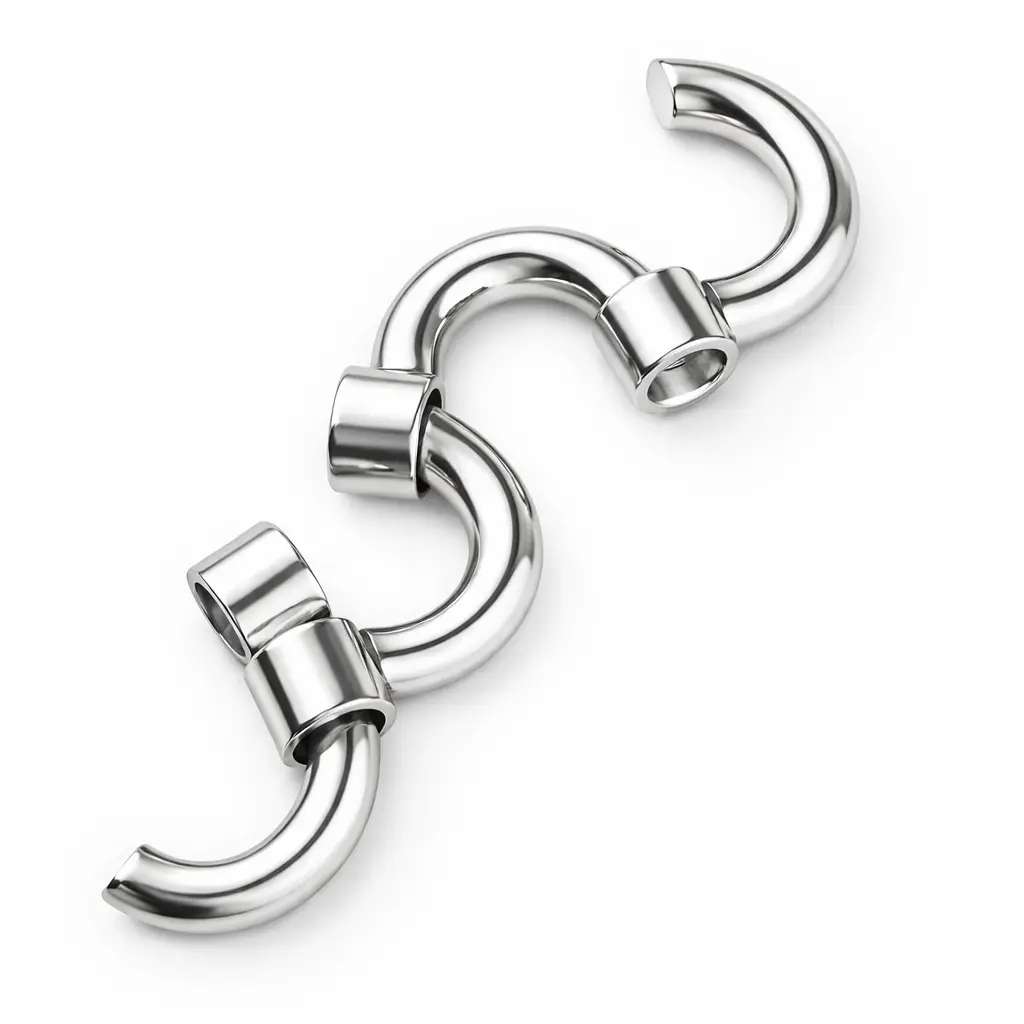
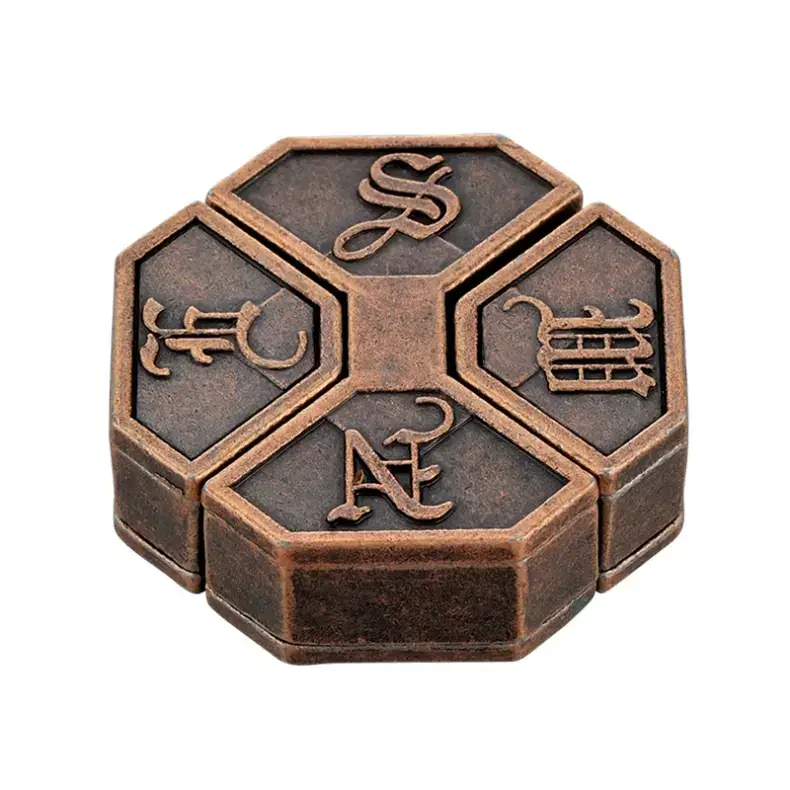
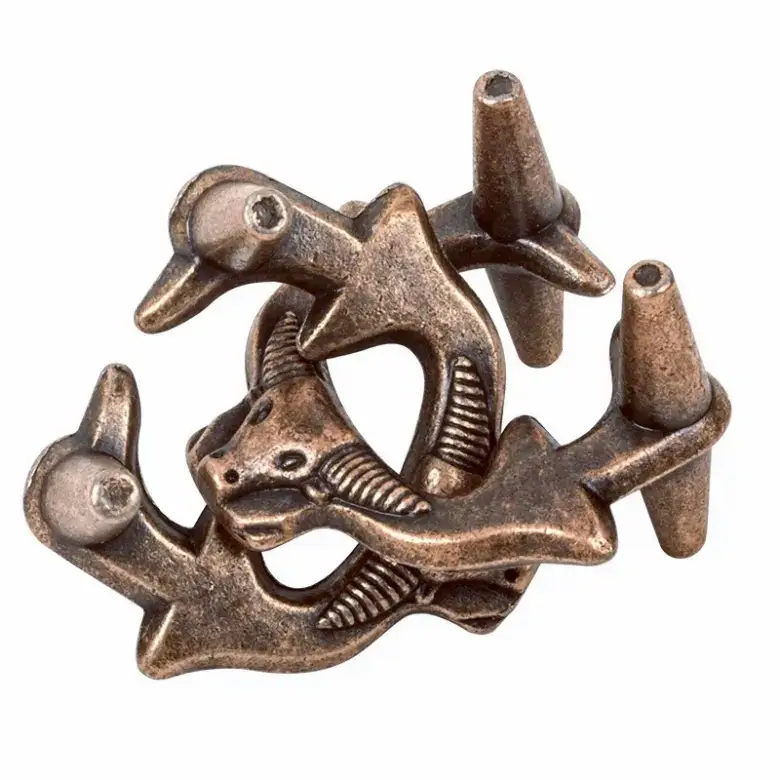
Prioritize shelf appeal and a manageable satisfaction curve over raw difficulty. A perfect first puzzle has enough heft to feel substantial, a distinct 'solved' state that looks great on display, and delivers its 'aha!' moment within 1-3 hours of casual tinkering. Skip ultra-cheap, flimsy wire puzzles; invest in a quality cast or machined piece around the $15-$25 range for your true starting point. This approach builds confidence and avoids the #1 cause of hobby dropout: first-timer frustration.
What should a new collector look for in a first metal puzzle?
You're not just buying a puzzle; you're commissioning the first artifact for your future collection. The wrong choice gathers dust in a drawer. The right one earns a permanent spot on your desk and makes you hungry for the next. Forget generic difficulty stars. We judge by three collector-centric metrics:
| Metric | What It Really Means | Why It Matters for Your First Buy | Red Flag (Skip This Tier) |
|---|
| Shelf Appeal | How cool the puzzle looks when solved and displayed. Does it tell a story or have a satisfying geometric shape? | Your collection is a visual diary of your solves. High appeal means you'll want to show it off, reinforcing your joy in the hobby. | Puzzles that look like a tangled mess even when solved, or are just bland lumps of metal. |
| Satisfaction Curve | The journey from confusion to the 'click' of solution. A good curve has steady, tactile progress, not a sheer cliff of impossibility. | Prevents discouragement. You want to feel smart, not defeated. The best puzzles make you feel like you *almost* discovered the solution yourself. | Puzzles labeled "Devilish" or "Extreme" right out of the gate. Save those for your 10th purchase. |
| Collector Value | Not monetary value, but the puzzle's role in your growth. Does it teach a common mechanism? Is it by a noted designer? Is it fidget-friendly for repeat solves? | Builds a foundation. Your first five puzzles should feel like a cohesive "starter set" that teaches you the language of the hobby. | Gimmicky puzzles that solve in one trick and are never fun again, or poorly machined pieces that feel cheap. |
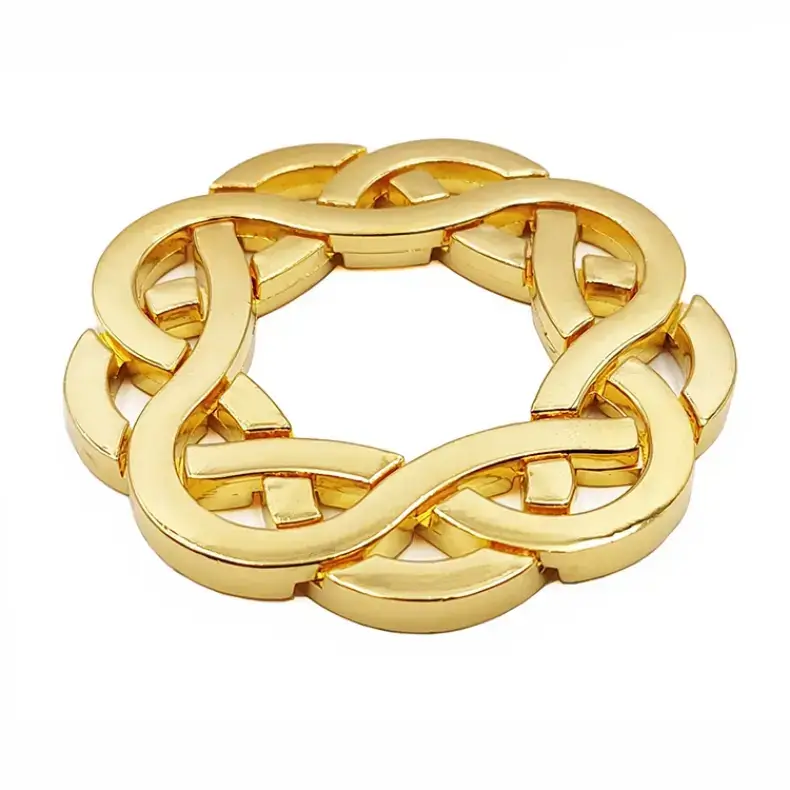
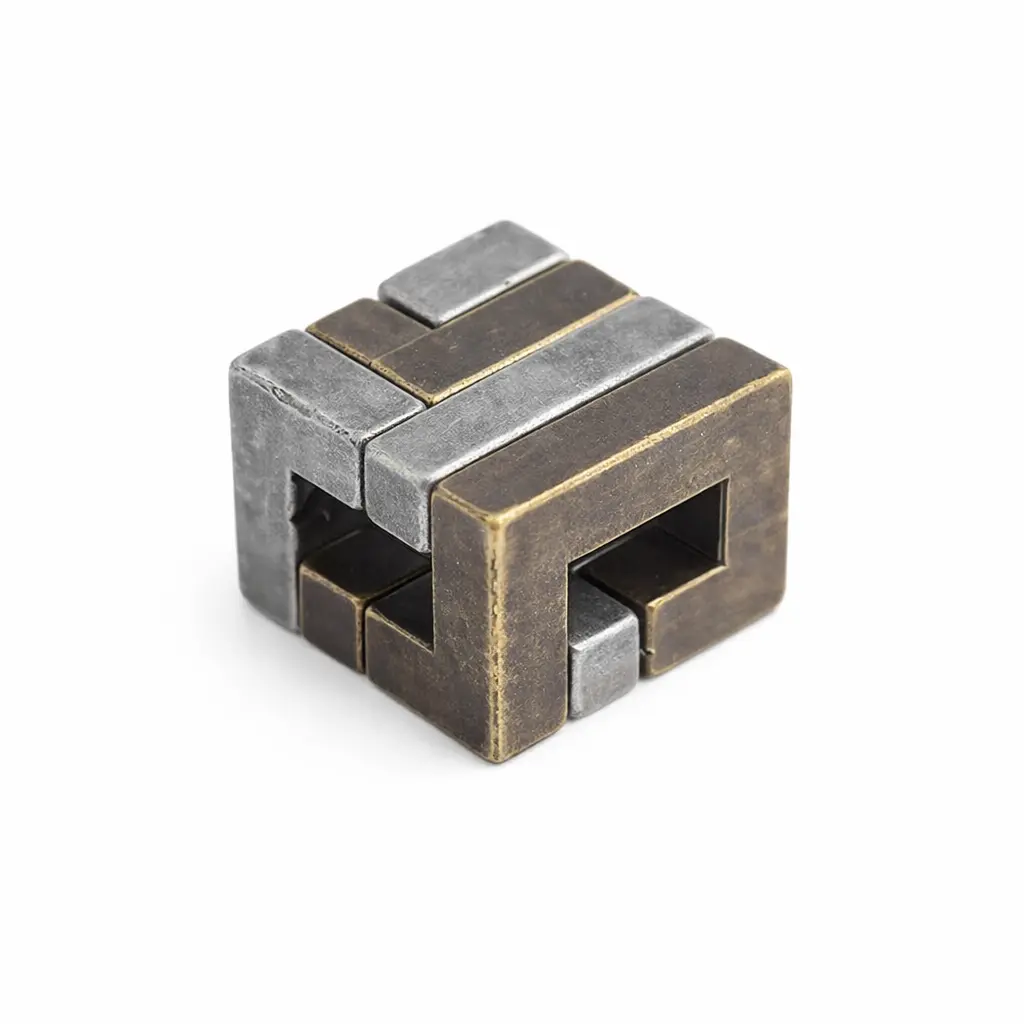
Who should skip the budget tier? If you're serious about moving past disposable checkout-lane toys, avoid the sub-$10, lightweight wire puzzles. They often bend, lack a defined solved state, and provide minimal shelf presence. Your first real purchase should have heft—a solid weight in the hand signals quality and makes the solve more tactile. According to chatter in collector Discord servers, this single upgrade is the most common turning point from casual dabbler to dedicated collector. Start with a reputable cast puzzle like the Cast Coil Pocket Puzzle; its defined shape and clean lines are a textbook example of high shelf appeal for a beginner.
Your Next Action: Look at the product cards below. Ignore the price temporarily. Ask yourself: "Which solved state would I proudly point to on my shelf?" That's your frontrunner.
Your collecting style dictates your ideal first puzzles. Most of us are a mix, but leaning into your primary drive makes every purchase a win. Here’s how to map your personality to your first picks.
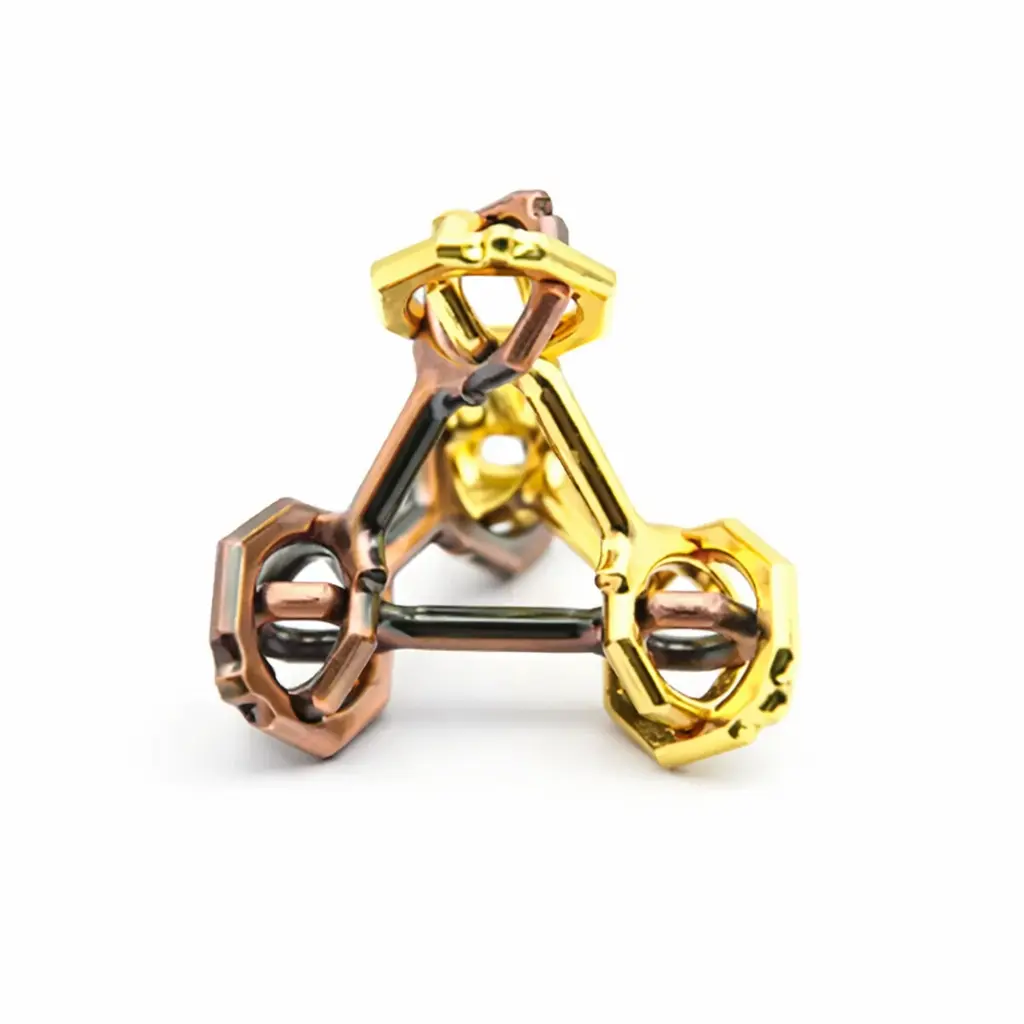
The Desk Curator: You’re in it for the display. Your goal is a shelf that sparks conversation and looks like a modern art installation. You value elegant forms, symmetry, and puzzles with a clear, aesthetically pleasing solved state. Your first pick should be: Something with undeniable shelf presence like the Cast Coil Triangle Puzzle. Its geometric precision looks more like a sculpture than a toy when solved.
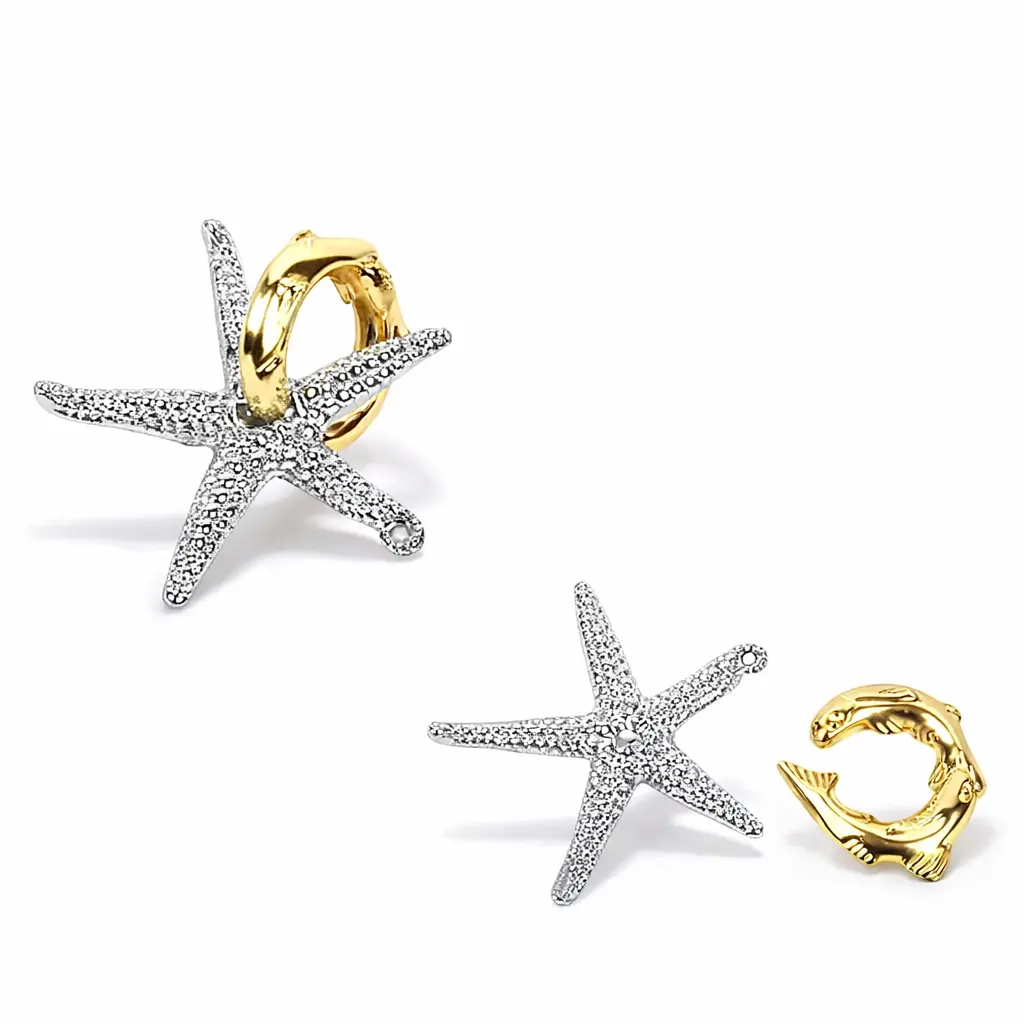
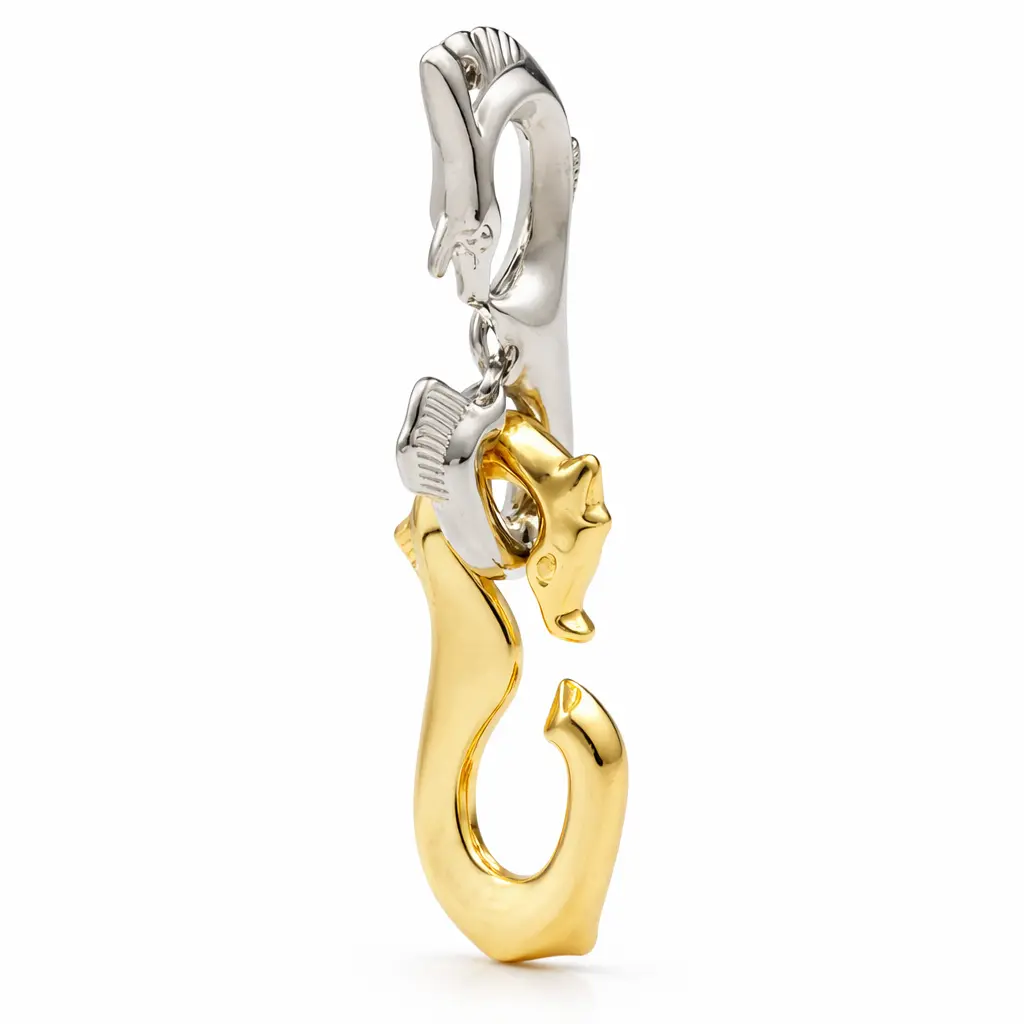
The Fidget Solver: You love the tactile feel. The click of parts aligning, the smooth slide of metal, the rhythmic process of solving and re-solving is your meditation. Difficulty is secondary to a satisfying, repeatable mechanism. Your first pick should be: A fidget-friendly disentanglement puzzle. The Metal Starfish Puzzle Ring is perfect—it has a lovely, organic motion in the hand and a solution you'll want to run through over and over.
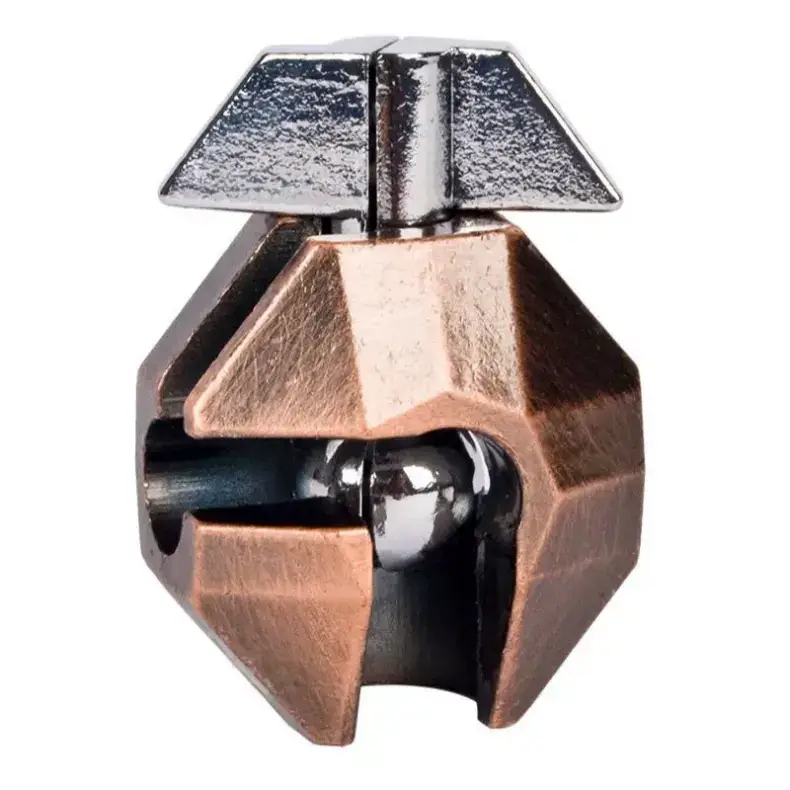
The Weekend Challenger: You crave the intellectual "burn." You want a puzzle that makes you stare at it over coffee, that yields a glorious victory after a sustained mental effort. You’re okay with frustration if the payoff is big. Your first pick should be: A sequential discovery puzzle with a clear goal. The Metal Grenade Lock Puzzle offers a classic "find the trick" challenge with a fantastic payoff moment.
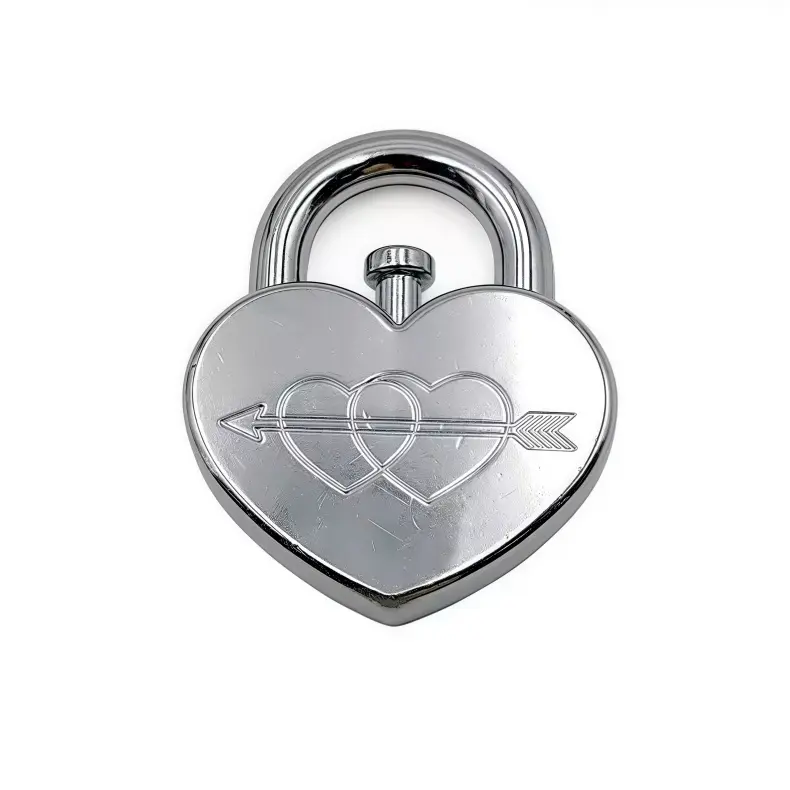
The Gift Giver: You see puzzles as shared experiences. You want pieces with a story, that are fun to hand to a friend and watch their reaction. Approachability and unique themes are key. Your first pick should be: A puzzle with instant visual appeal and a non-intimidating size. The Silver Heart Lock Puzzle is a timeless, beautiful object that invites interaction.
Still unsure? Most beginners are a blend of Desk Curator and Fidget Solver. Prioritize puzzles that feel good AND look good solved. For a deeper dive into mechanisms, our guide on the types of metal brain teasers breaks down the different families you'll encounter.
Congratulations—you now have a starter collection. The hunt for the next one is addictive, but now you can hunt with purpose. Here’s how to level up your hobby from a handful of puzzles to a curated collection.
1. Document Your Journey: Start a simple solve journal (a notes app is fine). Record the puzzle name, date solved, your estimated time, and a one-line note on the key insight. This transforms your shelf from objects into a personal history of "aha!" moments. It’s incredibly satisfying to look back.
2. Explore Adjacent Materials: Metal is king, but don't ignore wood. High-quality wooden puzzles like traditional Chinese Luban locks offer a warm, tactile contrast to cold metal. They often involve complex interlocking geometry and look stunning as a duo with your metal pieces on the shelf.
3. Engage with the Tribe: The hobby is full of friendly people. Join the r/mechanicalpuzzles subreddit. Lurk in collector Discord servers. You’ll learn about iconic puzzle designers, limited editions, and get trusted opinions before buying. This is where you learn that understanding puzzle difficulty levels is a community effort.
4. Curate by Theme or Mechanic: Instead of random buys, start a mini-collection. Maybe you collect all puzzles based on "ring" shapes, or all that use a "sequential discovery" mechanism. This gives your collection a story and makes hunting more of a game.
Remember, this hobby is millennia old for a reason. The history of metal puzzles is a story of human cleverness and the love of a tactile challenge. You're now part of that story.
Closing Push: Pick one from the 'First-Tier Collector' list in the product descriptions below. Order it tonight. By this time next week, you'll have your first real conversation piece—and a burning desire to find the next one.