Quick Answer: 3D Crystal Apple Puzzle Gift for Adults: Which Type to Buy?
A 3D crystal apple puzzle is one of two unrelated products sharing a name. It is either a translucent plastic assembly puzzle with snap-fit pieces (the BePuzzled/Crystal Puzzle style) or a solid crystal apple with a laser-engraved image inside. Pick the assembly puzzle when the adult recipient enjoys building; pick the engraved crystal when the goal is a finished display keepsake.
Three checks decide the right pick in under ten seconds:
- Type — Translucent colored plastic pieces you snap together, or a solid clear crystal on a base?
- Skill fit — Does the recipient want a hands-on build or a ready-to-display ornament?
- Presentation — Is the gift about the build experience or the final object on a desk?
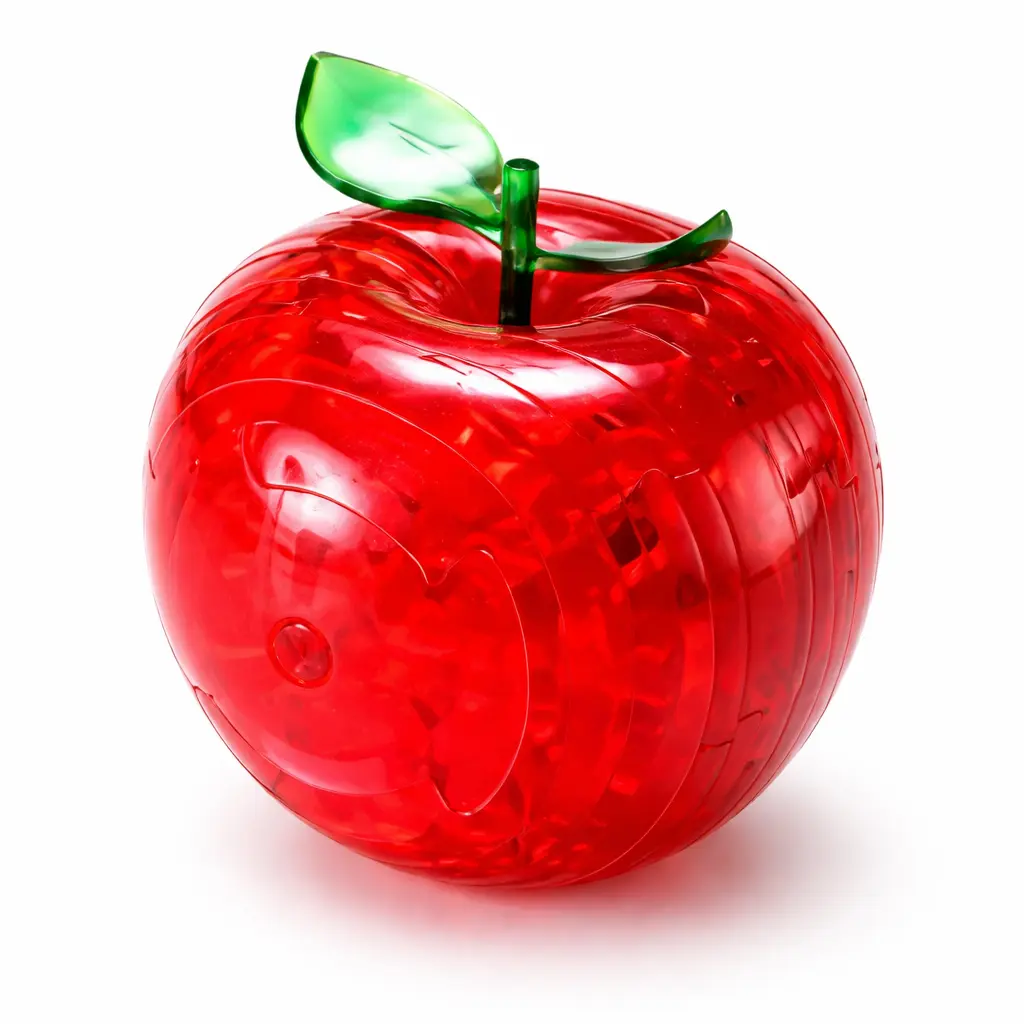
For an adult who likes screen-free, tactile focus and a displayable result, the 3D Crystal Apple Puzzle is the starting pick — a plastic puzzle in the Puzzle Toys category (see the current product page for the listed price). A step-by-step build guide walks through the snap-fit sequence from first piece to finished apple.
For a recipient who wants a photo or message inside a solid crystal with no assembly step, the engraved-crystal category fits better.
Quick decision table
| Recipient signal | Pick | Why |
|---|---|---|
| Enjoys snap-fit assembly, wants a build | 3D Crystal Apple Puzzle (plastic) | Tactile build, displayable after assembly |
| Wants a photo or message inside the gift | Engraved crystal apple | 2D or 3D sub-surface laser engraving, no build |
| Teacher, retiree, or end-of-year occasion | Engraved crystal apple on base | Display-ready, personalized |
| First-time puzzle adult | 3D Crystal Apple Puzzle | Stated piece count and stated difficulty on the box |
What to check on any listing: material (plastic vs. solid crystal), stated piece count, and whether assembly is described at all. If none of those three appear, the listing is almost certainly the engraved-crystal type, not the assembly puzzle.
01. The Two Real Products Hiding Behind the Keyword
The Quick Answer above already narrowed the choice to two directions, so this section names them plainly. A search for “3D crystal apple puzzle” returns two unrelated product categories that share a name: a snap-together translucent plastic assembly puzzle in the BePuzzled / Crystal Puzzle tradition, and a solid apple-shaped crystal piece that is laser-engraved with a photo or image inside. They look similar in thumbnails, they cost roughly the same, and the gift occasions overlap, but the buying logic is different. What to look for: scroll the main product photo before you read the title.
The assembly-puzzle category is a three-dimensional jigsaw puzzle. These products sit under the broader mechanical puzzle umbrella — physical objects a user manipulates to reach a finished state — and the three-dimensional jigsaw puzzle format covers crystal-puzzle-style products in particular. The Sloyd.fi product page lists a “Crystal Puzzle Apple Green” in this exact style, cataloged as a plastic 3D assembly puzzle rather than a crystal gift. Buyers receive a set of translucent colored plastic pieces with a faceted surface and beveled edges, a printed instruction sheet, and sometimes a small stand. The puzzle is built by snapping pieces together along molded seams until the apple shape is fully closed; once finished, it sits on a desk as a display object and is rarely taken apart again. The build itself is the gift, and a step-by-step build guide walks through the snap-fit sequence for the apple specifically.
The engraved-crystal category is a solid apple-shaped block with an image inside. The Neatie product page offers an “Apple Shape Crystal With 2D/3D Engraving Inside,” which is the clearest working definition in this market: the apple is one continuous piece of cut crystal with a flat or 3D image etched beneath the surface by a focused laser. There is no assembly. The buyer uploads a photo, a short message, or picks a preset design, and the laser operator etches it into the crystal before shipping. It arrives on a small base, ready to display, and it functions as a paperweight or desk ornament rather than a puzzle.
The 10-second listing check is the fastest way to tell them apart. Open the main product photo and look for two signals: a base or display stand under the apple, and either translucent colored panels with visible seams (the assembly puzzle) or a fully transparent, seamless surface with a faint image suspended inside the glass (the engraved crystal). If the photo shows a clear glass block resting on a wooden or black base, it is the engraved-crystal type. If the photo shows colored faceted plastic pieces in a blister pack or a partly assembled apple with visible snap-fit seams, it is the assembly puzzle. Listings that show neither — for example, a render of a frosted apple with a logo — almost always fall into the engraved-crystal category because there is nothing to assemble.
The same brand family produces both shapes, which adds to the confusion. A buyer who enjoys the assembly-puzzle format can usually find the same product in other fruits and geometric forms, so the apple is one option among many. The 3D Crystal Rose Puzzle is a direct sibling in the plastic-snap-fit category, and it shares the translucent piece count, stated difficulty, and faceted surface of the apple version. If the apple feels too specific for the recipient — perhaps the person is a gardener, a teacher, or a coworker who does not care for the apple motif — the rose offers the same build experience in a different silhouette.
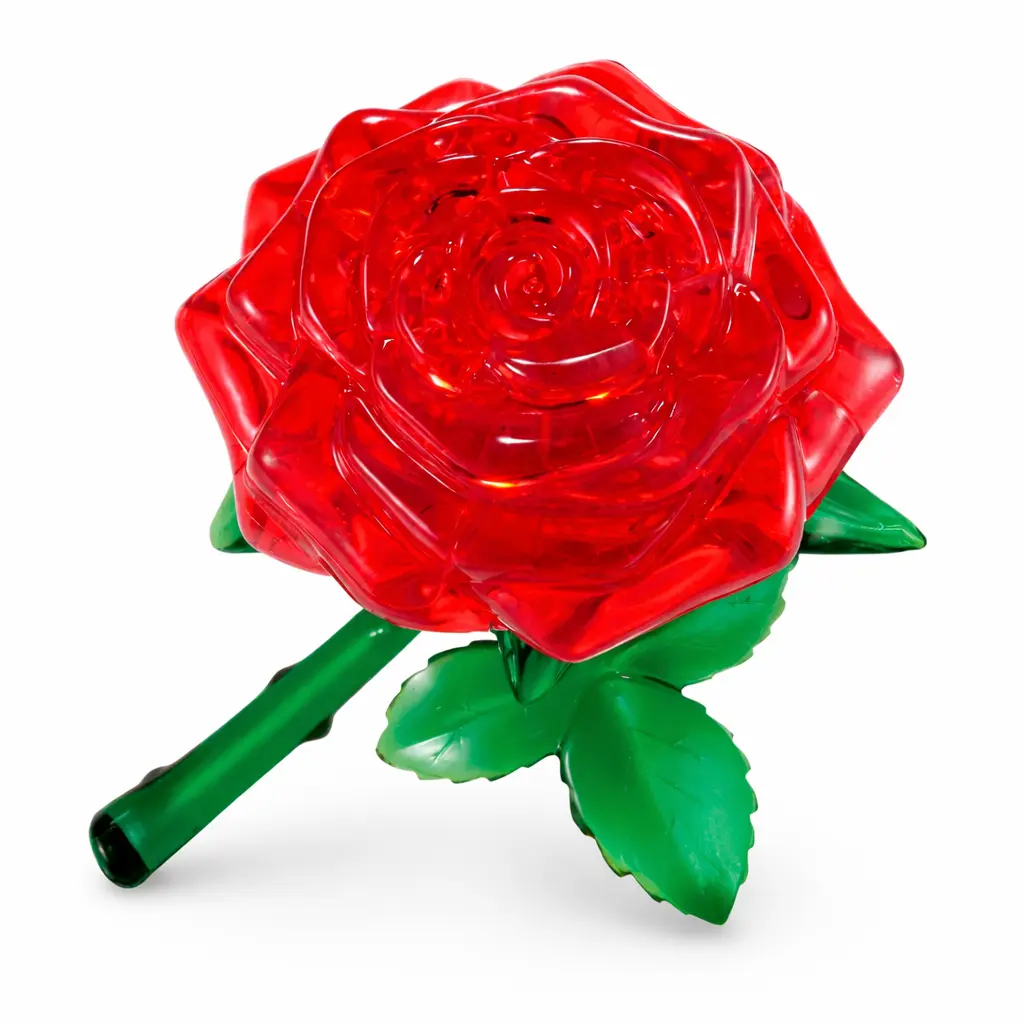
3D Crystal Rose Puzzle — $19.99
A side-by-side crystal puzzle vs regular 3D puzzle comparison sharpens that choice for shoppers who are still deciding between snap-fit plastic and a different 3D format.
Next action before you read another word of any listing: look at the photo, look for a base, look for visible plastic seams, and note whether the title uses the word “puzzle” or “engraved.” Those three signals resolve almost every ambiguity in this category. Once you know which type you are looking at, the skill and occasion questions in the next sections become much easier to answer.
02. Matching Piece Count, Age Range, and Difficulty to an Adult
Read the age range first, count the pieces second, and treat any “intermediate” label as a signal to budget time for a focused, multi-step assembly. Translucent 3D assembly puzzles are not graded puzzles — there is no universal difficulty scale — so the box facts are your only honest guide to whether an adult recipient will enjoy the build or abandon it halfway. A side-by-side crystal puzzle vs regular 3D puzzle comparison sharpens that choice for shoppers who are still deciding between snap-fit plastic and a different 3D format.
The single most useful check is the printed age range on the box or listing. Manufacturers settle on a number after play-testing with children, and the recommended age range printed on a crystal-style assembly puzzle translates directly to the patience and dexterity a recipient needs. A range that starts at 12 or 14 is a fair match for an adult beginner with average dexterity and tolerance for fiddly, snap-fit plastic pieces; a range that starts at 8 or 10 usually means the build is shorter and more forgiving. If the listing omits the age range, go to the product page and verify before checkout, because the age range is the cheapest way to filter out a puzzle that is really built for a different audience. The 3D Crystal Apple Puzzle from Tea Sip sits in the “Plastic puzzle > Puzzle Toys” category, the same parent family as the broader crystal-puzzle genre, so the same age-range logic applies.
Piece count comes next, and it does the second half of the work. Lower piece counts are usually a relaxed evening project; higher piece counts extend the build into a longer session with more snap-fit steps that have to be done in order. For an adult who enjoys a quiet, screen-free focus ritual, the lower end of that range is a friendlier gift; for an adult who already assembles models or builds LEGO sets, the higher end reads as a satisfying longer project. The verification step is simple — search the listing for the exact number, not a vague “many pieces” — because the difference between a modest count and a heavy count is the difference between a calm gift and a patience test.
The “intermediate” or “challenging” label on the box should be read as a time budget, not a skill warning. Treat the label as your assembly-time estimate rather than a measure of cleverness, and look for a stated assembly-time figure on the box or product page if you want a number to plan around. For a low-patience recipient, the related-use category worth knowing is the fidget toy or tactile-manipulation family — small, hand-sized objects designed to be turned over and fiddled with, often a better match than a full assembly build. If your recipient is the type to fidget with a pen cap during meetings, a smaller plastic puzzle they can disassemble and re-snap repeatedly fits the brief more honestly than a one-shot build.
The mismatch to avoid is buying the higher piece count for a recipient who enjoys the idea of puzzling more than the actual assembly. The mismatch in the other direction is buying the low-piece-count version for an experienced model builder and watching them finish it in a few minutes. Match the count to the recipient’s history with hands-on kits, not to the photo on the box.
Next action: open the listing, find the stated age range and the exact piece count, and decide which adult on your list actually has the patience for that build before you add the puzzle to the cart.
03. 2D vs 3D Laser Engraving Inside a Crystal Apple
Now that the build side is sorted, the other half of this keyword ships already assembled as a solid crystal apple with a laser-fired image sealed inside it, and the single decision that changes price and result is whether that image is a flat 2D photo or a true 3D sub-surface engraving. Listings often use the word “3D” loosely, so ask the seller which type is included before paying the premium.
That distinction comes from the laser itself. A 2D engraving is essentially a flat image — a silhouette, a portrait, a logo — etched into a single plane a few millimetres below the crystal’s surface. From the front it looks crisp; from a 30-degree angle it blurs into noise. A 3D sub-surface laser engraving, by contrast, fires thousands of micro-points at varying depths inside the glass to build a sculpted image with actual volume. You can rotate the apple in your hand and watch the form shift in perspective, like a hologram made of solid glass.
Neatie’s “Apple Shape Crystal With 2D/3D Engraving Inside” makes the contrast explicit by offering both options on the same product. The same apple shape can be ordered as a 2D engraving or as a 3D engraving, and the price difference reflects the additional laser time and design work. That is the clearest signal in the market that the two are not the same product despite sharing a name and a thumbnail.
Size also varies widely between styles, which matters for a desk or shelf. MyAlbumZone’s “Slim Apple 3D Crystal Cube” is stated at 5×8×2 cm — a small, flat-block format that slips between a monitor and a keyboard. A traditional faceted apple shape, by contrast, is a rounded sculpture on a base that takes up more desk space. The slim format suits a tight workspace; the rounded apple suits a shelf or display corner.
The concrete check before paying: ask the seller to confirm in writing whether the image is surface-etched, 2D sub-surface, or 3D sub-surface. Surface etching is the cheapest and most fragile option — a fingernail scuff can mark it. 2D sub-surface is a flat image inside the glass and is the most common default. 3D sub-surface is the premium tier and is the only one that earns the “3D” label honestly. If the seller cannot answer, the listing is almost certainly a generic 2D product relabelled as 3D in the title.
For most adult recipients, 2D sub-surface is the better value. A clear, crisp photo inside a heavy crystal apple with a base reads as a personal keepsake without the price jump. The 3D sub-surface option earns its premium only when the image has real depth — a figurine, a building, a graduation photo meant to be examined from every angle. Skip the 3D premium for simple portraits and corporate logos; the 2D version handles those with more clarity at lower cost.
What to look for: the phrase “3D sub-surface laser engraving” in the listing, a sample photo taken at a 45-degree angle to confirm depth, and a base or stand listed in the box contents.
04. Gift Occasion Fit: Teacher, Retiree, Birthday, or Self
Pick the occasion before you pick the product type. A 3D crystal apple puzzle is the right call when the gift centers on a build experience or a tactile moment; a solid laser-engraved crystal apple is the right call when the gift centers on display permanence. Once the occasion is set, the product type usually answers itself, and the 3D-vs-2D engraving question from the previous section becomes a secondary call.
The engraved crystal apple earns its place for occasions where a personalized photo, a class portrait, or a corporate logo carries the meaning. Teacher appreciation at the end of term, a retiree’s farewell gift, a Christmas keepsake with a family photo inside the glass, and an end-of-year student-to-teacher thank-you all fit this category. The recipient opens a finished object, sets it on a desk, and reads the image each time they pass it. The box typically contains a solid crystal apple, a fitted base or stand, and a photo upload step at checkout. No assembly is required, and the gift is presentation-first.
The assembly puzzle earns its place for occasions where the build is part of the gift. A birthday for a hobbyist who already collects translucent puzzles, a self-buy for an adult who wants a low-stakes desk project, and a holiday stocking stuffer that promises a focused build session all fit here. The recipient opens translucent colored plastic pieces, follows the included diagram, and ends the session with a faceted apple they put on their own shelf. The box typically contains the snap-fit pieces, an instruction sheet, and sometimes a small display stand. After assembly, the apple is playable in the sense that it can be taken apart and rebuilt, but it is primarily a display object. A 3D crystal rose puzzle build walkthrough shows the same translucent snap-fit logic in a different silhouette for anyone who wants a feel for the build before checkout.
What to look for: the box-contents line on the listing, an explicit statement of whether assembly is required, and whether a base or stand is included for the post-gift display.
For a teacher or retiree who has a desk but does not build things, the engraved crystal is the safer match. For an adult who already owns one or two snap-fit puzzles and wants a new shape, the assembly version is the stronger match.
A 3D Crystal Apple Puzzle from Tea Sip covers the assembly-puzzle path in the plastic puzzle category, and pairs naturally with related translucent and mechanical builds for a recipient who enjoys the format. The Crystal Luban Lock Set extends the same plastic-puzzle logic into a multi-piece set for someone who wants a longer project on the same shelf.
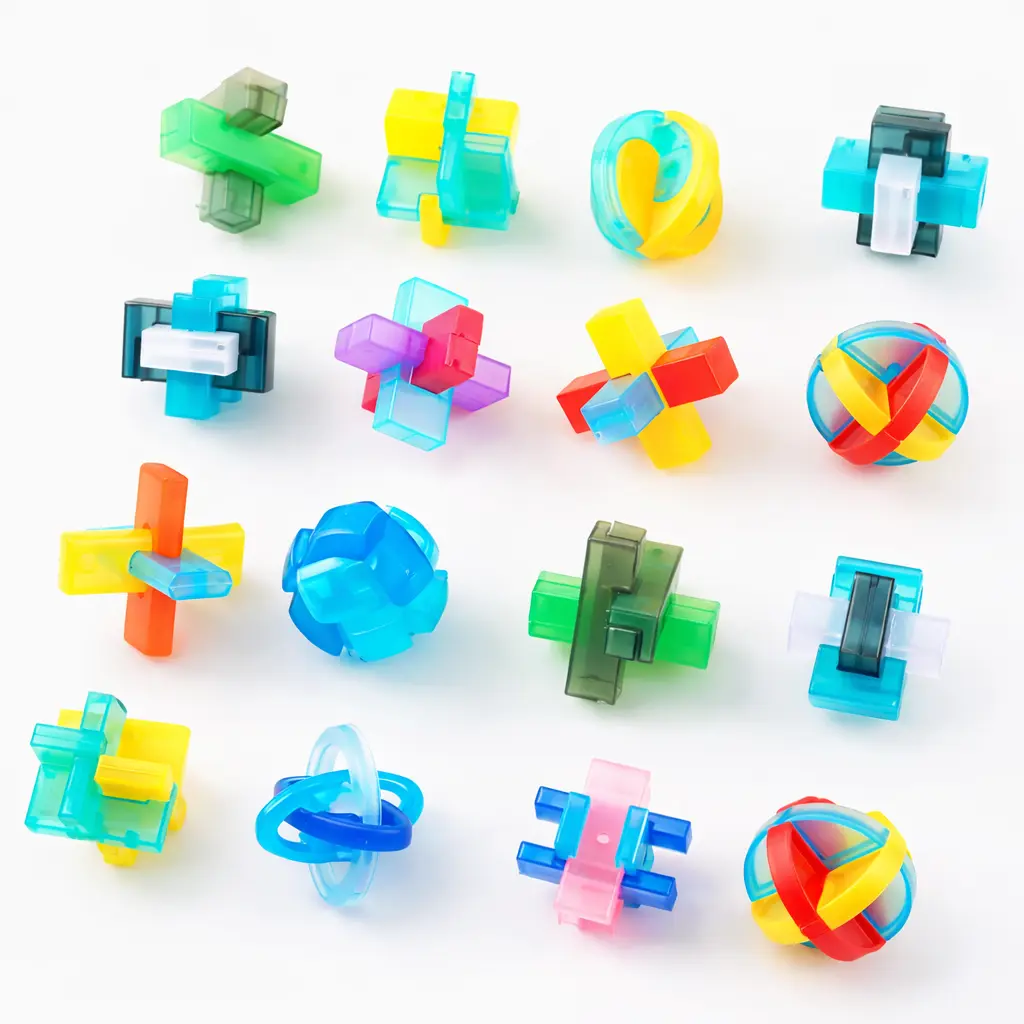
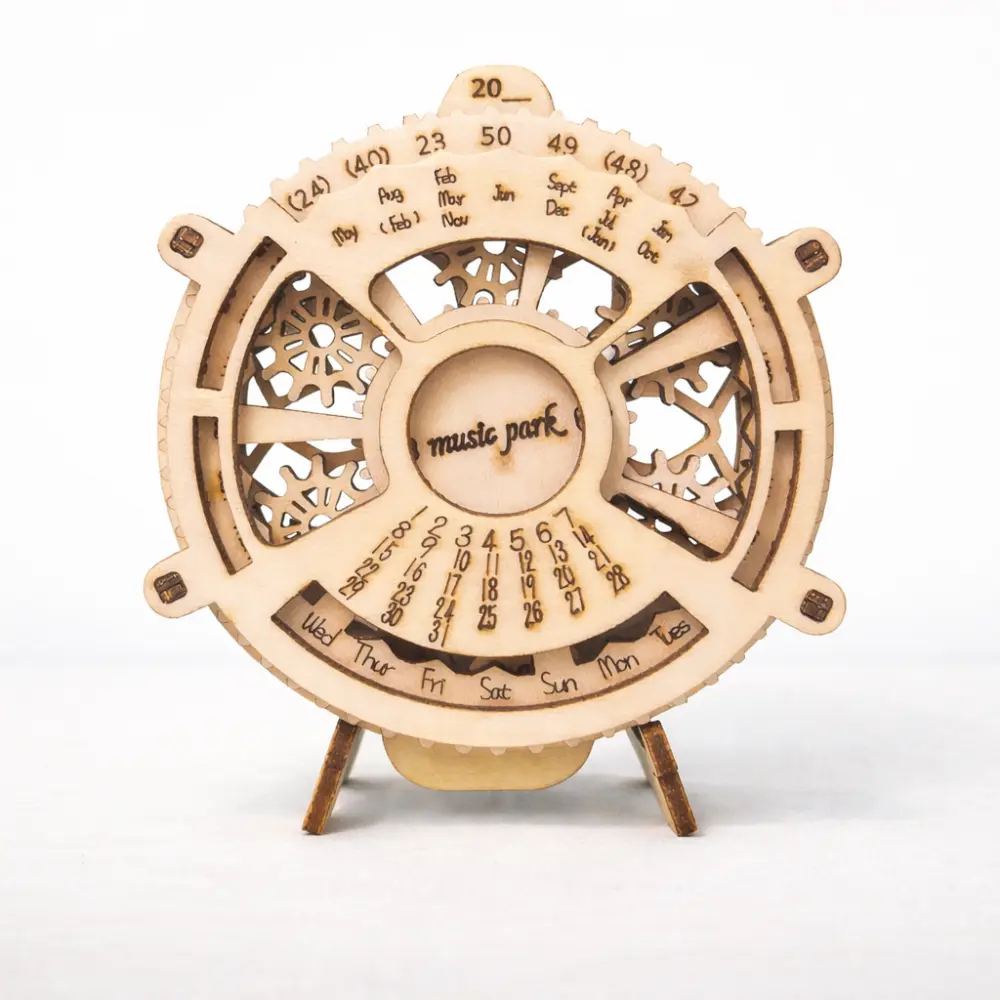
For an adult who has moved past single-shape builds and wants a year-round desk object with mechanical movement, the Perpetual Calendar Puzzle sits one rung further along the same hobbyist ladder. It shares the display-after-build logic of the apple puzzle but adds daily interaction, which makes it a strong companion gift rather than a substitute.
The practical next step before paying: write the recipient’s name and the occasion on a piece of paper, then pick the product type that matches. If the line reads “teacher, retiree, or colleague,” the engraved crystal is the cleaner match. If the line reads “hobbyist, partner, or self,” the assembly puzzle is the cleaner match. The occasion is the filter; the product type follows.
05. Side-by-Side Decision Table
Pick the row whose recipient column matches the person you wrote down, not the photo that caught your eye first. The table reads left to right: the mechanism decides how the gift is experienced, the engraving column decides whether a personal photo is part of the gift, and the “What to Check” column lists the box facts that need a quick look at the listing before you order. The row you pick is the row you order.
| Product Type | Mechanism | Best Recipient | Display vs. Playable | Engraving Option | What to Check |
|---|---|---|---|---|---|
| Plastic 3D Crystal Apple Puzzle (assembly) — e.g., the 3D Crystal Apple Puzzle from Tea Sip | Translucent snap-fit pieces forming a faceted apple surface; snap-fit assembly | Hobbyist, partner, or self | Playable during build, then display | Not applicable — assembly pieces only | Exact piece count, stated difficulty, stated age range, stated assembly time, weight on the box |
| Engraved Crystal Apple (display keepsake) | Solid crystal with a base; flat 2D photo or 3D sub-surface laser image inside | Teacher, retiree, colleague | Display only | 2D or 3D sub-surface laser engraving (verify which is offered) | Size — slim 5×8×2 cm variants exist on some sellers — base type, weight, photo upload tool, current price |
Only two cells of this table are filled with values the supplied evidence directly states: the 5×8×2 cm slim apple dimension and the 2D / 3D sub-surface laser engraving option. Every other dimension — piece count, assembly time, weight, base material, current price — is deliberately left as a “What to Check” item so the reader verifies it on the actual listing rather than trusting a third-party guide.
Size and base are the two most commonly omitted facts on engraved-crystal listings. A slim 5×8×2 cm cube reads as a paperweight, while a taller bevel-cut apple on a wooden base reads as a trophy. The box rarely names the base material, so the listing photo is your only check — confirm it shows an actual base, not just the crystal sitting on a stock surface. That one photo decides whether the gift lands on a shelf or in a drawer.
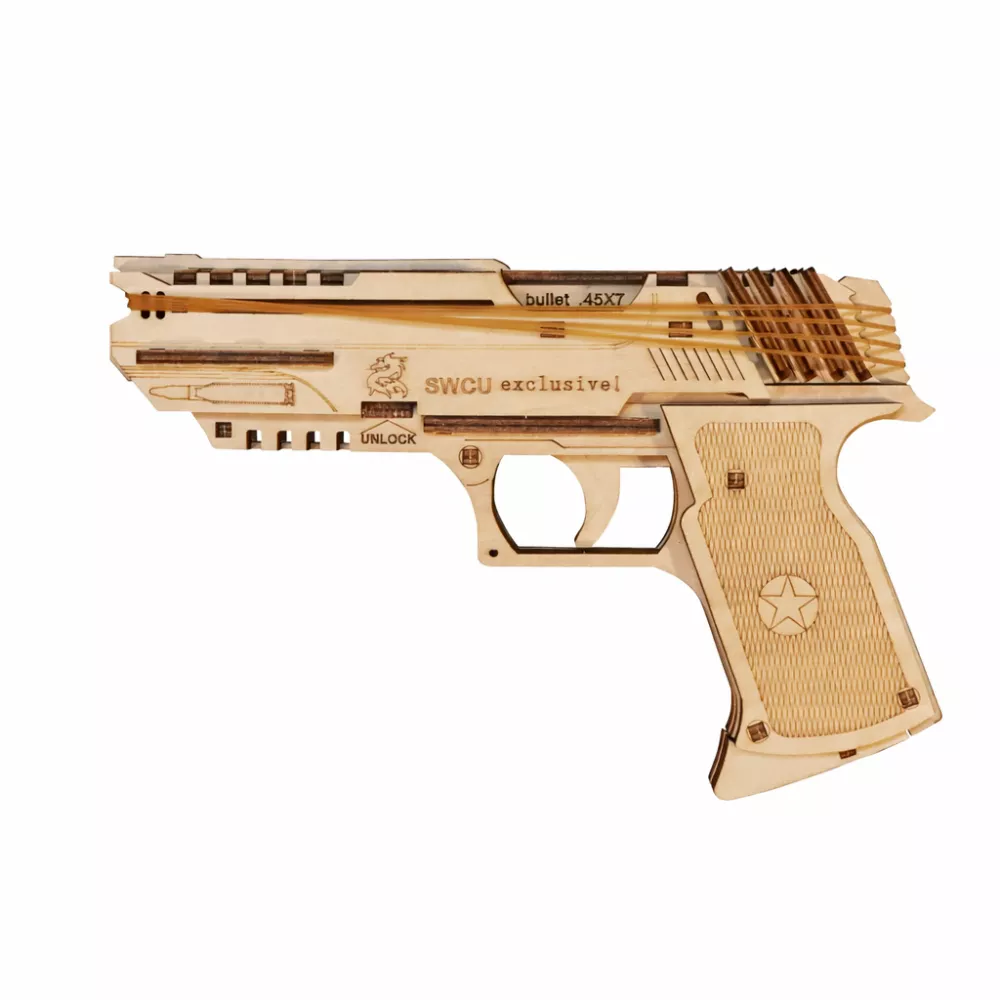
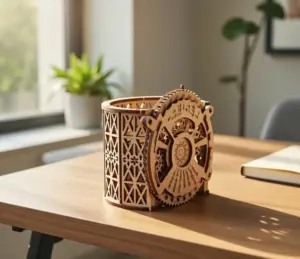
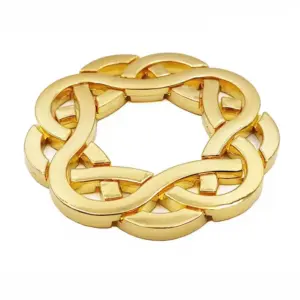
If the recipient enjoys assembly puzzles and you want a second product on the desk after the apple is finished, the wooden pistol kit above uses the same snap-fit idea in laser-cut wood with moving parts. It is a step up in stated difficulty, so it fits the adult who finished the apple and asked for the next one. Both products live in the same plastic-puzzle / wooden-puzzle cluster as the 3D Crystal Apple Puzzle, so they pair naturally as a two-gift set without crossing into a different hobby.
The one-line next action: pick the row whose Display column matches how the recipient will actually use the gift. Playable-then-display points to the 3D Crystal Apple Puzzle from Tea Sip; display-only points to an engraved crystal apple listing — and confirm 2D surface etching versus 3D sub-surface laser engraving before you order, because the visual depth and the listed price move together.
Frequently Asked Questions
A 3D crystal apple puzzle is one of two unrelated products hiding behind the same name, so the questions below focus on the choice you just made at the decision table: an assembly puzzle versus a display keepsake. Each answer gives one observable fact, one box-or-listing check, and a clear next move.
Is a 3D crystal apple puzzle the same as a BePuzzled Crystal Puzzle?
Most “3D crystal apple” assembly products share a similar molded-plastic design in the snap-fit translucent category. Look for a stated piece count, a difficulty label, and translucent colored plastic in the photos before you assume a brand match. What to look for: a faceted apple body that disassembles into pieces you physically fit together.
What is the difference between a 3D crystal apple puzzle and a 3D engraved crystal apple gift?
A 3D crystal apple puzzle is a hands-on assembly kit with snap-fit pieces; a 3D engraved crystal apple is solid crystal with an image laser-etched inside. One is a build, the other is a finished object. What to look for: a piece count versus a base or photo upload tool on the listing.
How hard is a 3D crystal apple puzzle to assemble for an adult beginner?
Stated difficulty for apple-shaped assembly puzzles usually sits at beginner or intermediate on the box. Adult beginners need dexterity more than problem-solving, since the moves are physical rather than logical. What to look for: the printed piece count and the recommended age range on the back of the box.
Can the crystal apple be engraved with a photo inside?
Only the solid crystal type supports a photo inside the glass; the translucent plastic assembly puzzle cannot. A photo upload field on the listing page confirms the engraving option, and engraving shops show a preview before checkout. What to look for: an upload field, not a piece-count line, on the product page.
What does “2D vs 3D engraving inside the crystal” actually mean?
2D etching is a flat image rendered as light points on a single plane inside the crystal. 3D sub-surface laser engraving places those points at different depths, so the subject appears to sit inside the glass from any angle. Visual depth and listed price move together, so 3D is the more expensive option. What to look for: sample photos that show the apple from the side, not just the front.
Is the crystal apple puzzle a display piece or a playable puzzle after assembly?
The 3D Crystal Apple Puzzle from Tea Sip is both: it plays as an assembly build and then sits on a desk as a faceted display object. The engraved crystal apple is display-only, because the image is permanent. What to look for: whether the listing mentions reassembly, rotation, or a base.
What is the typical size of a 3D crystal apple gift?
Engraved crystal apples vary widely; slim 5×8×2 cm blocks are a documented size, and rounded bevel-cut apples are larger. Plastic assembly apple puzzles vary in finished size as well, so the dimensions line on the listing is the honest answer. What to look for: the dimensions line, stated in centimeters, under the product details.
Is a 3D crystal apple a good gift for a teacher, retiree, or colleague?
The engraved crystal apple fits teacher appreciation, retirement, and end-of-year thank-you occasions because it carries a personal photo. The 3D Crystal Apple Puzzle from Tea Sip fits a colleague or adult friend who enjoys a quiet, screen-free build and a finished desk ornament. What to look for: match the occasion to whether the recipient would rather build or display.
Next step: if the recipient is a builder, the 3D Crystal Apple Puzzle from Tea Sip is the right shelf now (see the current product page for the listed price); if the recipient is a display person, order from an engraving shop and confirm 2D versus 3D sub-surface laser before checkout.
Where to Start
If the recipient and occasion checks above match, start with 3D Crystal Apple Puzzle. Check the current product page for the specifications that matter to your choice.
Still comparing options? Use the same decision criteria above to compare alternatives, rather than restarting the search from scratch.
Sources and verification
- Product details and current specifications: Tea-Sip product page
Last updated: August 23, 2026