Quick Answer
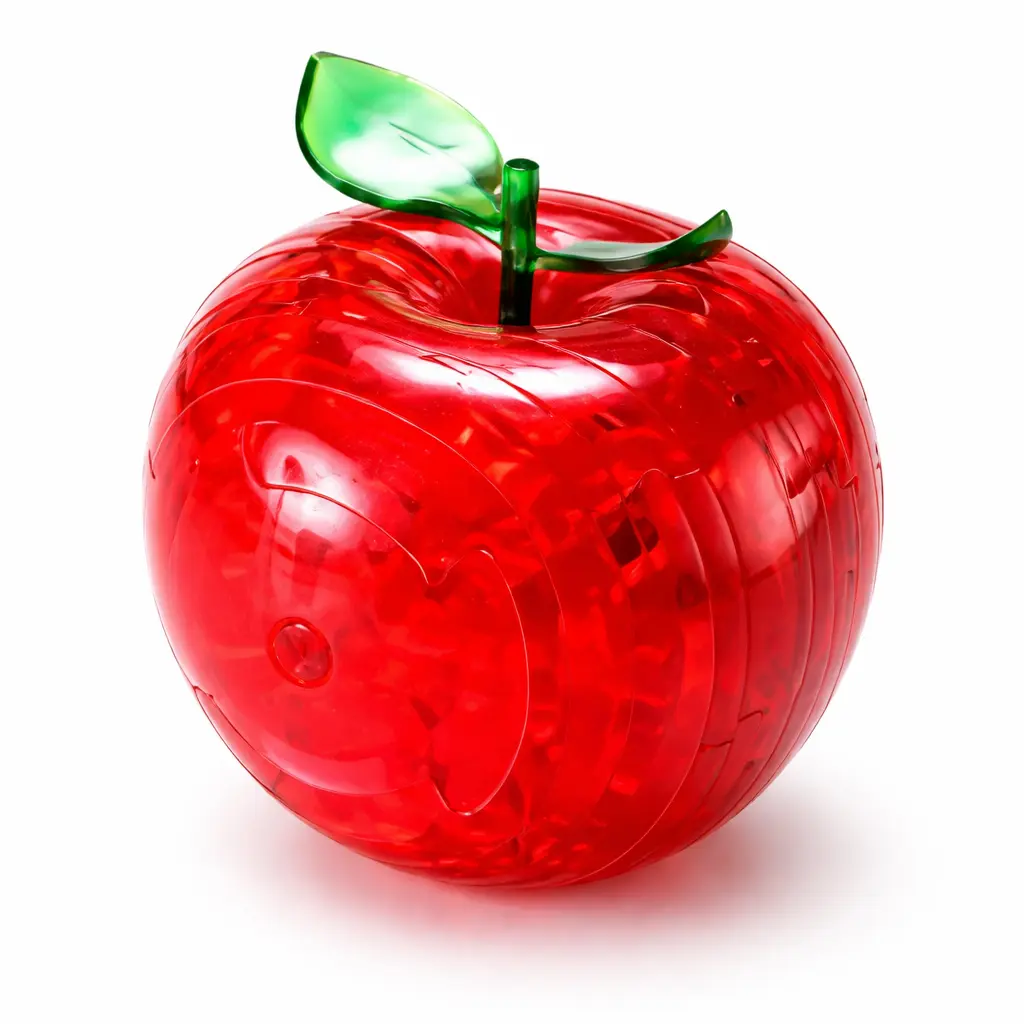
Yes — an acrylic puzzle is a strong gift for an autistic adult, and the 3D Crystal Apple Puzzle is the safest first pick. It offers wipe-clean surfaces, no paper dust, and a clear endpoint. Before checkout, run three checks: piece count, finish texture, scenario fit.
The dominant buyer situation is a gift-giver choosing for an adult who already enjoys hands-on puzzles, so the safest starting route is a compact 3D acrylic assembly that sits on a desk after completion and offers repeated tactile engagement without the overwhelm of a 500–1000 piece cardboard jigsaw.
Decision table — match format to your gift scenario:
| Gift scenario | Best format | Piece count / size | Finish to look for | Why it fits |
|---|---|---|---|---|
| Regulation tool (desk or pocket) | 3D acrylic assembly or fidget | Under 30 pieces | Smooth, sealed edges | Wipe-clean, no paper dust, consistent tactile feel |
| Shared birthday or milestone gift | 3D acrylic display model | 20–40 pieces | Glossy or frosted acrylic | Becomes a shelf piece after solving |
| Quiet activity for a non-puzzler | 2D acrylic jigsaw | 100–300 pieces | Matte back, gloss face | Lower overwhelm than 1000-piece cardboard |
| Heirloom display piece | 3D acrylic rose or apple | 15–25 pieces | Crystal-clear | Doubles as décor, no fading |
One check that overrides everything: if the recipient has ever said they find the puzzle-piece symbol uncomfortable, skip any product that uses it as a theme — choose a neutral object instead (fruit, flower, geometric shape).
For a compact, desk-friendly acrylic assembly that fits the most common gift scenario, start here:
01. What ‘Acrylic Puzzle’ Actually Means: Jigsaw, Layered 3D, and Fidget Formats
Once you have the three checks in mind, the format decision is the next filter. This decision matters because “acrylic puzzle” in 2025 covers three distinct product types — flat jigsaws, layered 3D assemblies, and small tactile pieces. A flat printed acrylic jigsaw and a layered crystal-style rose can appear in the same search result, but they ask for very different kinds of attention from the recipient.
An acrylic jigsaw puzzle is the closest to a traditional cardboard jigsaw in shape and interaction, but the pieces themselves are cut from clear or printed acrylic sheets. The defining feature is a flat, two-dimensional assembly — the recipient lays out edge pieces, sorts by color, and clicks each tab into a slot until the image is whole. Piece count on acrylic jigsaws varies widely, so confirm the exact count on the product page before checkout, because the same product line can refer to a small under-100-piece version or a 500-plus-piece version. The tactile difference from cardboard is the one gift-givers most often miss: each piece has a smooth, slightly cool surface, a sharper click when it seats, and no paper dust to shed. That clean, low-stimulation finish is the reason acrylic jigsaws are frequently chosen for sensory-friendly gifting, but it also means the pieces are louder against the table and can scratch if dragged. The wipe-clean surface is another acrylic-specific advantage for a recipient who handles pieces during regulation or alongside snacks — a damp cloth removes oils without damaging the image the way a damp cardboard box would warp.
A layered 3D acrylic puzzle — sometimes called a crystal puzzle — is built from flat, laser-cut acrylic panels that slot together to form a three-dimensional object. Think of a transparent apple, rose, or geometric shape that snaps into a finished sculpture. The interaction is assembly rather than picture-matching, and the piece count varies by design — a simple shape may use around 20 panels, a more complex one substantially more, so the product page is the source of truth here. Once built, the puzzle stands on a desk or shelf as a display piece, which is why many gift-givers treat it as a dual-purpose present: a hands-on activity for the recipient, then a static object afterwards. For autistic adults who describe preferring “one thing at a time” and a clear sense of completion, this format offers a defined endpoint — when the last panel clicks, the project is done.
A clear example of this layered 3D format is the 3D Crystal Rose Puzzle below, a transparent acrylic rose that assembles into a desk display once the panels are slotted together:
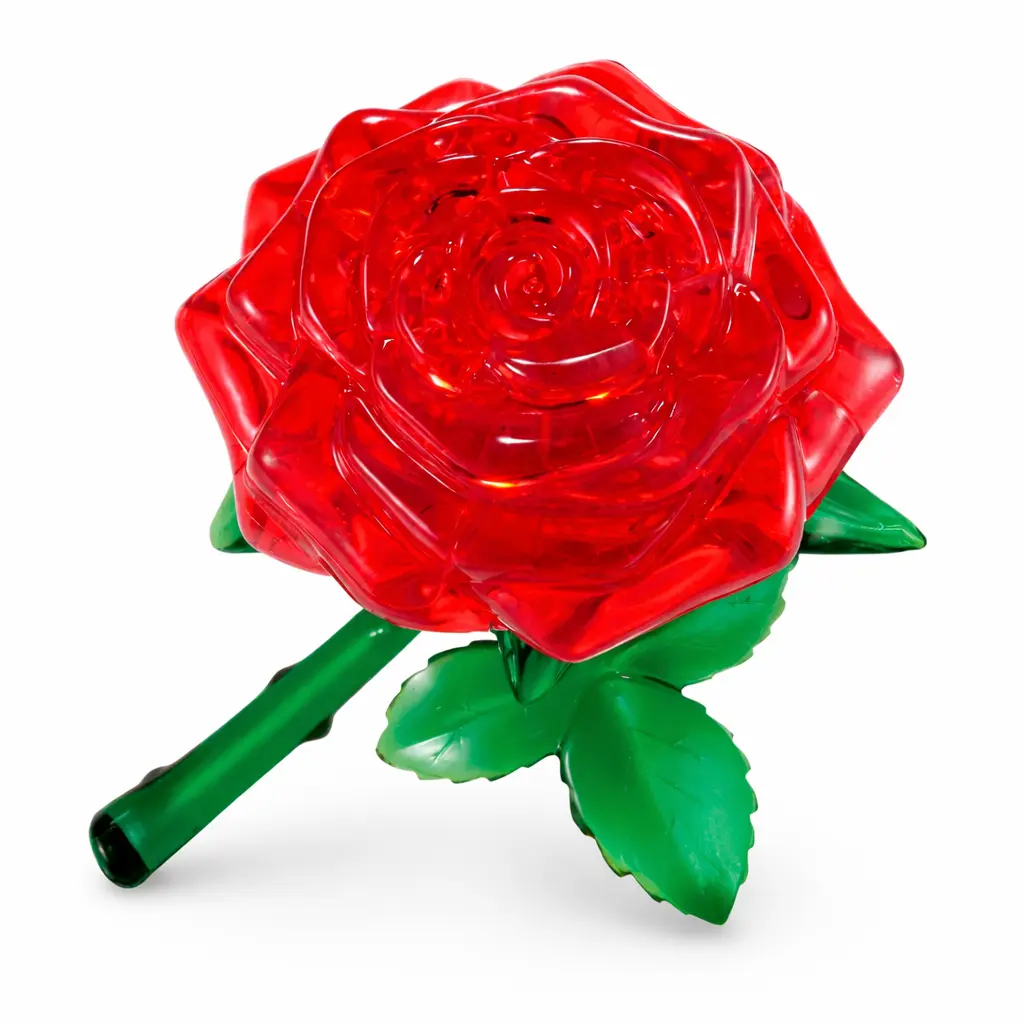
3D Crystal Rose Puzzle — $19.99
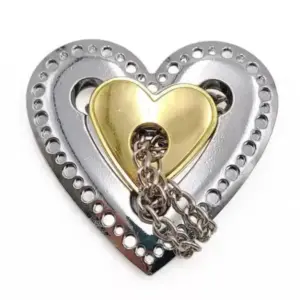
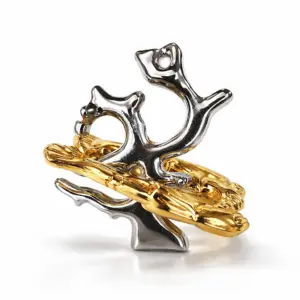
An acrylic fidget or freestanding piece is the third format and the one most often missed. This category covers acrylic pendants, acrylic blocks, acrylic brain-teaser locks, and small tactile manipulatives that are not assembled into a picture or a 3D shape at all. The intended interaction is repetition — turning, sliding, clicking, or holding the piece to self-regulate, much like a metal disentanglement puzzle but lighter and often transparent. Piece count in this format is not a useful metric; the more relevant numbers are the size of the object, whether it fits in a pocket or a desk cup, and whether the surface is smooth, frosted, or textured. This is the format autistic adults most often describe as an “ongoing-use” tool rather than a one-off activity, which lines up with the regulation framing that appears in the r/AutisticAdults gift thread and the neuronav.org gift guide for autistic adults.
The reason this matters for a gift-giver is that the top search results for this keyword blur the three formats into a single bucket. A listing titled “acrylic puzzle” on a generic gift site can be a flat 1000-piece jigsaw, a small crystal-style assembly, or a single acrylic pendant — and the price, the piece count, the sensory experience, and the regulation value change with each. The fastest way to separate them on a listing is to scan the description for three signals: is the finished object flat or three-dimensional, is the interaction picture-matching or assembly, and is the product meant to be done once or handled repeatedly. If the description is silent on those, treat it as an unknown until you can confirm with the seller or the recipient.
A practical next step before you keep reading: open two or three retailer tabs of any acrylic puzzle you are considering, and write down which of the three formats each one belongs to. If two of the three tabs collapse into the same format, that is a signal the format itself — not the brand or the image on the box — is what is shaping your decision. That is the same format-level thinking the rest of this guide uses to match the gift to the recipient’s regulation need, not just their puzzle preference. For a side-by-side look at how crystal-style formats differ from other 3D formats, the crystal puzzle vs regular 3D puzzle comparison covers the practical trade-offs in more detail.
02. Why Acrylic Matches What Autistic Adults Say They Want on Reddit
Acrylic earns its place in a gift guide for autistic adults because the material solves four specific problems that autistic adults and their support networks raise in forum posts — paper dust, inconsistent piece texture, chipping under heavy handling, and hard-to-clean surfaces. Cardboard pages on this topic rarely connect those complaints to a material answer. The Reddit-grounded checks below do.
Start with hygiene. In a shared household or a supported living setting, a puzzle that can be wiped with a damp cloth stays in rotation longer than one that cannot. Acrylic pieces wipe clean, which matters when the same set is handled at mealtimes, during therapy sessions, or after a stim-related activity. r/AutisticAdults threads on sensory toys repeatedly surface this concern in passing — cleanability is not a luxury, it is a prerequisite for an object to keep its place on a shelf or a desk.
Then look at dust. Cardboard jigsaws shed a fine paper dust during assembly that some autistic adults find genuinely overstimulating. Commenters on r/Jigsawpuzzles note that small-piece-count puzzles from eeBoo, Crocodile Creek, Mudpuppy, and Janod hold up to heavy handling. Acrylic sidesteps the dust issue entirely — the material does not shed, so the sensory load on assembly is lower. For a recipient who already filters out several other inputs during a long session, that reduction is real.
Consistent tactile feel is the third check. Forum users describe a specific frustration: one cardstock piece in a sea of otherwise-identical pieces that feels slightly different — too glossy, too rough, slightly bent at the corner. That single irregular piece can break flow. Acrylic, cut or cast as a single piece, tends toward a more uniform edge and surface. The check before checkout: look for language about laser-cut, injection-molded, or cast pieces rather than hand-finished ones.
Heavy handling is the fourth. Commenters on r/Jigsawpuzzles recommend eeBoo, Crocodile Creek, Mudpuppy, and Janod for adult recipients specifically because those cardboard lines hold up to repeated assembly and disassembly. Acrylic goes further — a well-cut acrylic piece resists peeling at the printed layer, because the print is usually on the face rather than wrapped around a soft edge. The listing should say whether the print is UV-applied, sublimated, or sealed under a top layer, because each method handles heavy handling differently.
Now the part no cardboard guide covers. This is the novelty problem. A gift that survives the first solve has to offer either a new configuration, a new tactile demand, or a new visual goal. Layered 3D acrylic assemblies and mechanical disentanglement puzzles answer that need, because the solution path changes each time the pieces are recombined. A 2D jigsaw, no matter how detailed the image, returns to the same solved state after one assembly.
A 12-piece crystal-style lock set sits in this novelty pocket. The pieces are acrylic, the interaction is mechanical rather than picture-matching, and the same set can be returned to an unsolved state repeatedly. For a recipient who already has a stack of completed jigsaws on a shelf, a lock or disentanglement format extends the gift’s usable life well past the first session.
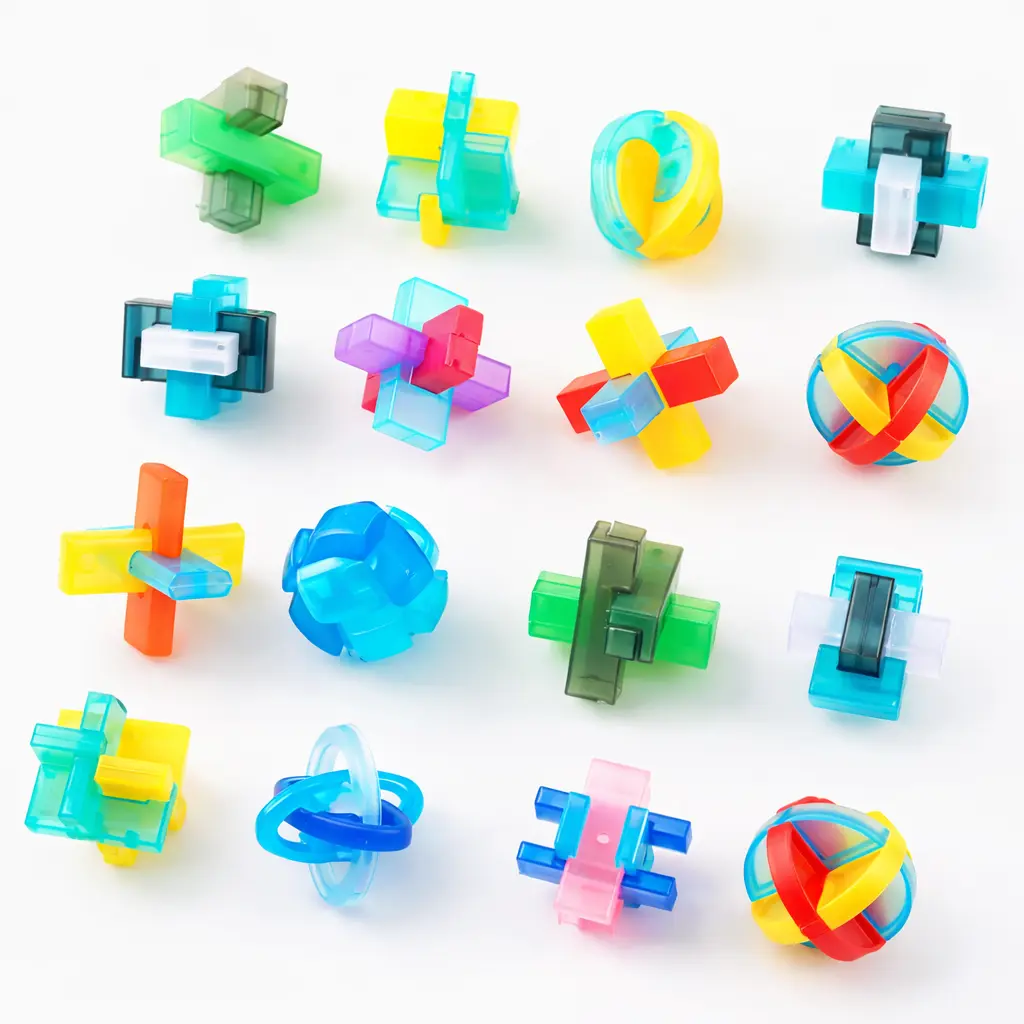
Two more Reddit-grounded points before the format decision in section 03. First, the puzzle-piece symbol itself is contested in autistic communities — a 3D acrylic assembly shaped like an apple, a rose, or a music box sidesteps the symbol entirely while still delivering a puzzle-themed present. Second, novelty formats — layered 3D, mechanical, lock-based — function as ongoing regulation tools rather than one-off activities, which matches the framing in self-advocate resources that describe mindfulness gifts as items that keep giving throughout the year.
One sentence to carry forward: the right acrylic format for your recipient is the one that survives their second, third, and tenth session — and that is a format question, not a brand question. For a broader look at puzzle toys for autistic adults and how sensory fit shapes the shortlist, the linked guide covers the topic at the product-cluster level.
03. How to Match the Acrylic Puzzle Format to Your Gift Scenario
A format decision, not a brand or piece-count decision, is the single thing that determines whether the gift gets opened once or survives a tenth session. Match the format to the scenario first, narrow by piece count and finish second, and the brand question answers itself. Three gift scenarios cover most buyer situations, and each one borrows its logic from what autistic adults on Reddit say they actually want.
Scenario 1: A birthday or milestone gift where the recipient opens something on the day.
The format needs a visible reveal moment and a displayable result. A 3D crystal assembly — shaped like an apple, a rose, or a layered acrylic figure — gives the recipient something to build, then place on a shelf or desk. A flat jigsaw works too, but 3D forms photograph better during unwrapping and don’t require wall space for framing. Reddit commenters in r/AutisticAdults who list puzzles as personally preferred gifts often name tactile, repeatable activities over one-time display builds, so check whether the recipient enjoys building as a process or collecting finished objects before choosing 3D over 2D. If they light up over finished objects, 3D acrylic wins. If they light up over the solving itself, skip to scenario 2.
Scenario 2: An ongoing regulation tool, not a one-off activity.
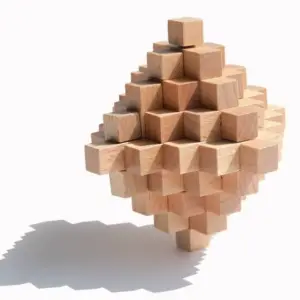
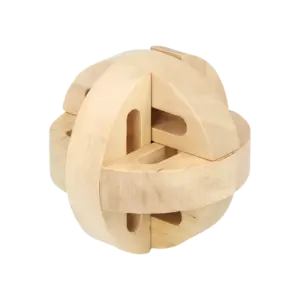
The format needs low-stimulation repetition, small piece count, and tactile predictability. r/AutisticAdults users repeatedly name small-piece-count, repeatable activities as preferred regulation gifts. A 12-piece lock or small 3D mechanical format — the kind the recipient can solve, reset, and solve again during a stress spike — fits this scenario better than a 500-piece jigsaw that requires a dedicated session. An 18-piece wooden format works for the recipient who wants slightly more structure but still wants a quick reset cycle.
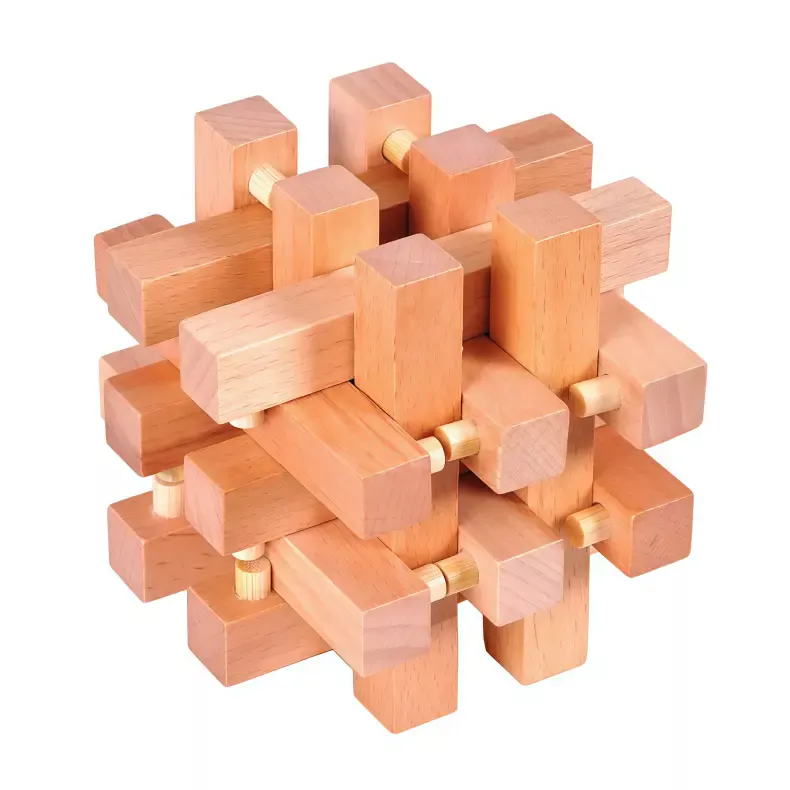
18 Piece Wooden Puzzle — $16.99
The check before checkout: confirm the reset mechanism is one-handed, the grip surface is matte or lightly textured (not glossy or slick), and no small parts can detach under heavy handling.
Scenario 3: A display piece for a desk or shelf, with the build as a side benefit.
The finished object matters more than the solving time. A 3D crystal rose sits naturally on a work surface without reading as a toy, and a thematically shaped acrylic build (a music box, a mechanical clock) signals that you listened rather than guessed if the recipient has mentioned a specific interest. The format here is sculptural, not challenge-based, so piece count matters less than visual presence in the room. A polished or frosted finish tends to catch light better than a matte one for this scenario.
One mismatch to avoid.
Giving a 1000-piece jigsaw to an adult whose regulation language points toward small, repeatable formats is the most common buyer error. r/autism commenters recommend Ravensburger and Pomegranate for adult-challenge piece counts — which suggests those counts work for adults who already self-identify as puzzlers. For a first-time gift, the format that survives ten sessions is almost always under 50 pieces. Piece count belongs in the second column of the table below, not the first.
Decision table: format → piece count → finish → best for scenario.
| Gift scenario | Acrylic format | Piece count range | Finish to look for | What to check before checkout |
|---|---|---|---|---|
| Birthday or milestone | 3D crystal assembly (apple, rose, layered figure) | 20–40 pieces | Smooth, clear or tinted acrylic; no sharp edges | Confirm finished dimensions fit a shelf or desk; check that pieces are individually numbered or color-grouped for low-stimulation assembly |
| Ongoing regulation tool | Lock-based or small mechanical acrylic | 6–18 pieces | Matte or lightly textured grip surfaces | Verify the reset mechanism is one-handed; confirm no small parts can detach under heavy handling |
| Display piece | 3D crystal rose, apple, or themed acrylic | 20–50 pieces | Polished, transparent, or frosted for light play | Check whether the assembly needs adhesive; confirm the finished object stands without a base |
The next action.
Pick the scenario that matches your recipient. Match the format to the scenario. Then verify the four checklist items in the table above before checkout. For more options in the same price bracket, see puzzle gifts under $25 that actually get reused.
04. The Puzzle-Piece Symbol Question and Non-Cheesy Alternatives
After you’ve matched the format to the scenario, check one more thing: whether the packaging and product image use the puzzle-piece graphic. For most autistic adults, the symbol reads as awareness merchandise rather than a personal gift about their taste.
The puzzle piece used to represent autism has been rejected by large parts of the autistic self-advocacy community. Autistic adults on Reddit describe it as implying they are “missing a piece” or need to be made to “fit in.” One r/BambuLabA1mini commenter wrote that the symbol suggests “trying to make us fit in with a larger picture” — the opposite of how many want to be seen. A NeuroSpicy Nonsense gift guide also calls the symbol “annoying.” Unless the recipient has told you they appreciate awareness merchandise, the safe default is to skip it.
The good news: acrylic formats are naturally neutral. They carry their meaning through color, translucency, and shape rather than any diagnostic graphic. That’s why a crystal apple or a Luban lock reads as a craft object, not a statement.
Three acrylic directions keep the gift personal without the symbol:
Artwork-led acrylic 2D jigsaws. A printed image inside clear or tinted acrylic — a landscape, a pet, a favorite band — chosen because it matches a known interest, not a diagnosis.
Abstract layered 3D models. The 3D Crystal Apple Puzzle or the 3D Crystal Rose Puzzle rely on color, translucency, and geometry. The finished object is a desk display, not a statement about a condition.
Geometric fidget or lock-based acrylic. The 12 Piece Crystal Luban Lock Set solves through shape and mechanism. The challenge is the point, not the packaging.
Each of these reads as a craft, display, or brain-teaser object. None of them announce a condition on the shelf.
Phrasing the card.
A short, interest-based note lands better than a “supporting your journey” line. Examples that work:
- “Saw this and thought of your desk.”
- “For your next quiet Sunday.”
- “Something to keep your hands busy on the train.”
Avoid lines like “proud of you” or “for your therapy corner.” Those turn a puzzle into a message about the person rather than a gift about their taste.
The next action.
Before checkout, scan the product image and listing description for any puzzle-piece graphic or ribbon symbol. If it appears and the recipient has not confirmed they want it, pick a different option. The acrylic 3D and lock-based formats in the Tea-Sip catalog are symbol-free by design.
05. What to Verify Before Checkout
Verify these five things before you pay, and the gift will match what autistic adults on Reddit say they actually want from a puzzle rather than what a generic autism-shop listing assumes. Skip any one of them and you risk a return, a re-gift, or a present that sits unopened.
Piece count matches current regulation need. A 1000-piece jigsaw can become a long-form project or an overwhelm trigger depending on the week. A 12-piece crystal lock set resets in a single sitting and can be returned to an unsolved state the same evening. Check the recipient’s current bandwidth rather than picking the biggest number on the shelf.
Finish texture is smooth or matte, not gritty. Acrylic pieces should feel uniform under the thumb — no sanding residue, no raised printing. Glossy acrylic reads as slick and cool to the touch. Matte acrylic reads as warm and grippy. The wrong finish is the most common sensory-mismatch complaint in r/AutisticAdults threads about puzzles.
Acrylic thickness and edge finish. Thin acrylic snaps under heavy handling. Polished edges matter more than brand name for tactile comfort. If the listing doesn’t show thickness, ask the seller before checkout.
Return policy and missing-piece policy. Acrylic jigsaws can ship with a cracked tile or a chipped edge. Confirm the seller replaces individual pieces or accepts returns on damaged goods. Cardboard jigsaws almost always offer missing-piece replacement; acrylic sellers vary.
Recipient has shared a preference, or you’ve defaulted to a symbol-free option. If you don’t know the recipient well — a coworker, a distant relative — default to a 3D crystal or lock-based format that doesn’t announce a condition on the shelf. The 3D Crystal Apple Puzzle and the 12 Piece Crystal Luban Lock Set sit in the symbol-free cluster covered in section 04.
The one practical next step. Re-read your gift scenario from section 03 — birthday display, regulation tool, or shared activity — and match it to the table row before you pay. If the row says “crystal 3D” and you’re holding an acrylic jigsaw in your cart, swap it. Scenario first, product second, always.
Frequently Asked Questions
Before you click buy, four practical questions still need answers. Most come from the same gift-giver forums and Reddit threads that ground the rest of this guide, and most have a verification step you can run in under a minute. Here they are, in the order gift-givers usually ask them.
Do autistic adults actually like receiving puzzles as gifts, or is that a stereotype?
Yes — with a caveat. On r/AutisticAdults, multiple users name puzzles and Legos among gifts they personally enjoy. The caveat: it works when the puzzle matches an interest, not when it’s labeled “autism puzzle” with a ribbon graphic and shipped as a one-size-fits-all awareness item. The 3D Crystal Apple Puzzle for someone who likes apples, a lock set for someone who likes mechanical take-apart challenges — those land. A puzzle with the recipient’s diagnosis printed on the box does not.
Is acrylic really better than cardboard for someone who handles pieces a lot?
It depends on what “better” means. Acrylic resists tearing, doesn’t shed paper dust, and wipes clean — useful for adults who set up and tear down the same puzzle repeatedly or who fidget with pieces. Cardboard from Ravensburger, eeBoo, or Pomegranate holds up well under normal use and costs less per piece. If the recipient re-solves often, drops pieces, or shares the puzzle with a pet or child, acrylic earns its higher cost. If the puzzle will be solved once and framed, cardboard is fine.
Can an acrylic puzzle work as a calming or regulation tool, not just a game?
Yes. A compact 3D crystal puzzle you can finish in one sitting gives a screen-free focus loop with a clear endpoint. A lock-based set like the 12 Piece Crystal Luban Lock Set is repeatable: same pieces, new configurations, the same predictable hand feel each time. Neither replaces coping tools, and neither should be framed as a treatment — both are just absorbing activities with a defined finish line.
How do I pick a puzzle for an autistic adult I don’t know well — a coworker or distant relative?
Default to a format that doesn’t announce a diagnosis on the shelf. A crystal 3D object, a wooden mechanical kit, or a compact lock set reads as a “thinking gift” to any recipient, not an “autism gift.” Skip the puzzle-piece symbol. Choose something finishable in one sitting so it doesn’t become a guilt object. If you share any context — they garden, they like roses, they fidget with paperclips in meetings — match the puzzle to that, not to the occasion.
The last check before checkout. Run the three checks from the opening: piece count matched to their current regulation need, a finish that won’t over- or under-stimulate, and a format that matches your gift scenario. If all three line up and the return policy covers cracked tiles, you’re not gambling. You’re giving a gift an adult can actually use.
Where to Start
If the recipient and occasion checks above match, start with 3D Crystal Apple Puzzle. Check the current product page for the specifications that matter to your choice.
Sources and verification
- Product details and current specifications: Tea-Sip product page
Last updated: August 23, 2026