Quick Answer
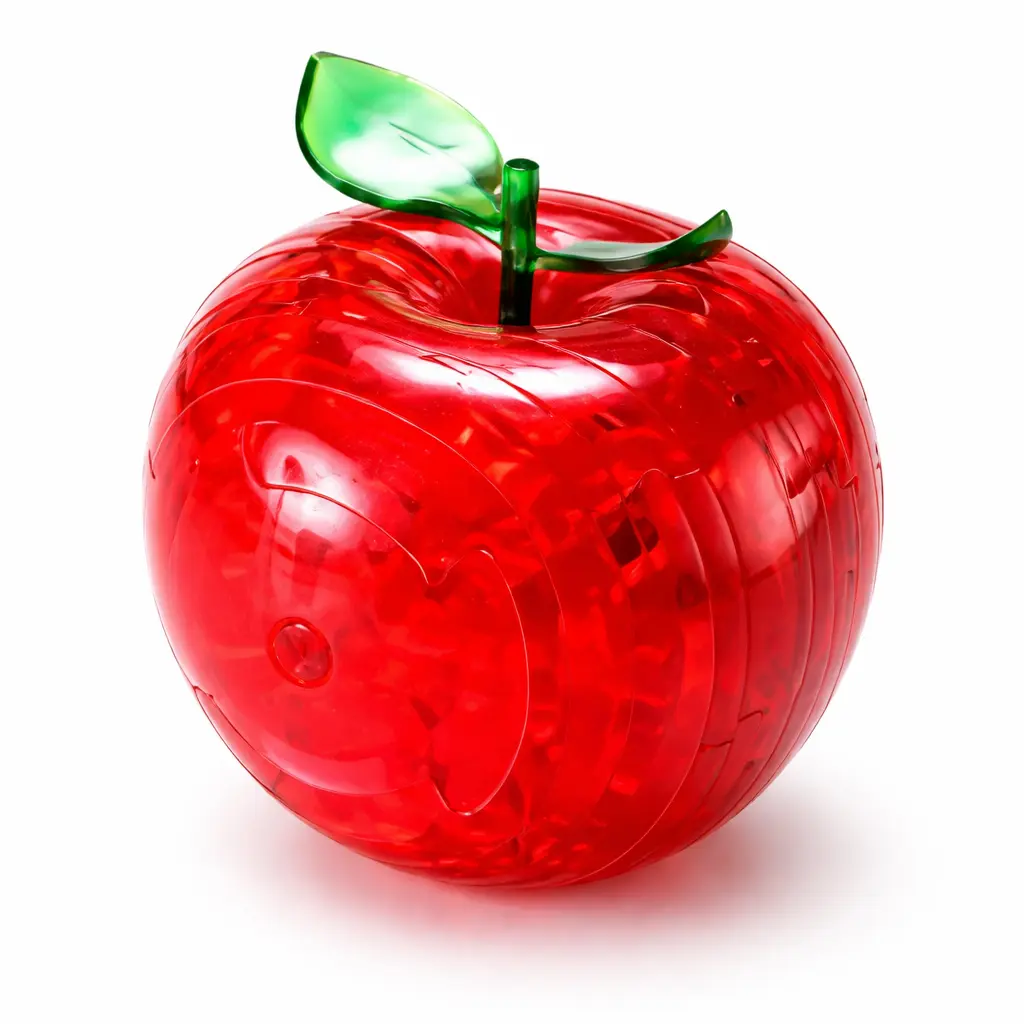
If you want a crystal puzzle that earns its place on a shelf or windowsill, start with a translucent, recognizable shape under 70 pieces — something like the 3D Crystal Apple Puzzle ($18.88) that reads as decor from across the room. Choose by display setting next: a single hero object for a windowsill, a small stack of two or three for a desk, or a matched set for a centerpiece. The four checks below decide which swap is the right call for you. For a parallel shortlist organized by decor aesthetic rather than by setting, the 6 best crystal puzzles for display curated by decor style rounds up the most popular pairings by theme.
Translucent plastic is the whole point. The light-catching, glossy finish is what separates a crystal puzzle from a regular 3D jigsaw and what makes it work as decor rather than storage-shelf clutter. According to BePuzzled’s brand description, their original 3D crystal puzzles are “enjoyable to work on, challenging to complete, and beautiful to display” — a third of that promise is the display itself, so display has to be a buying criterion, not an afterthought.
For most buyers the 3D Crystal Apple Puzzle is the right starting point. A red apple is a shape anyone recognizes at a glance, the piece count sits in the 40–70 sweet spot where the build is satisfying without becoming a multi-day project, and the translucent red finish catches daylight on a windowsill without needing a spotlight. It also has a stable flat base, which matters more for display than for solving.
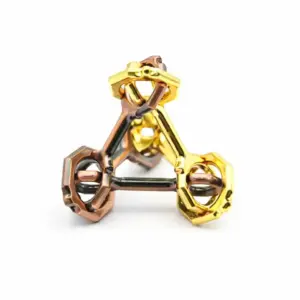
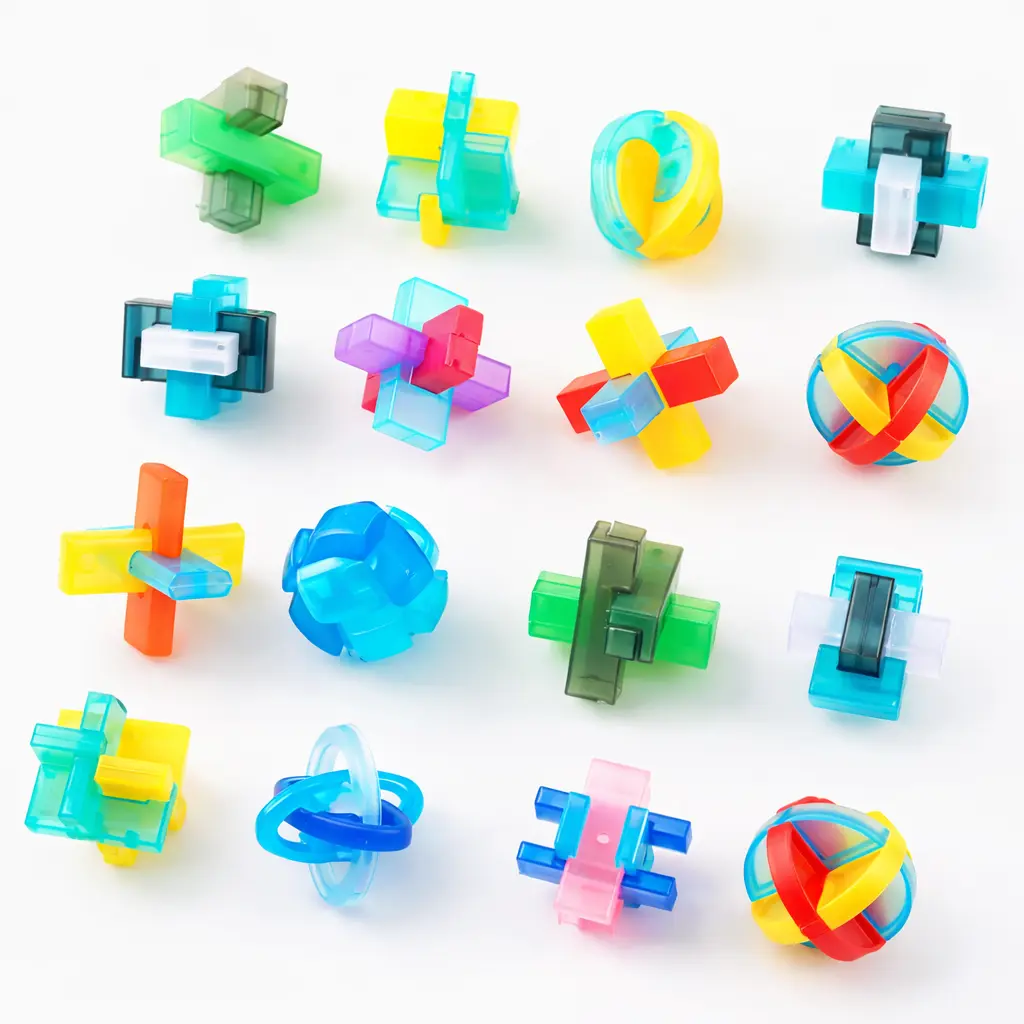
The second pick is the 12 Piece Crystal Luban Lock Set ($28.88), aimed at buyers who want a hands-on challenge more than a single finished object. The interlocking lock geometry still photographs well in translucent plastic, but its appeal is the puzzle itself, not a static display — read it as a “puzzle first, decor second” pick.
Decision table — display scorecard
| Display check | What to look for | 3D Crystal Apple Puzzle | 12 Piece Crystal Luban Lock Set |
|---|---|---|---|
| Silhouette legibility | Reads as the intended object from 2 m away | Apple shape is universal; high legibility | Geometric; reads as a puzzle first, object second |
| Light transmission | Translucent pieces, glossy finish, no opaque backing | Translucent red catches daylight on a windowsill | Translucent plastic; light effect more subtle at rest |
| Base stability | Flat or weighted base that resists tipping | Flat bottom sits cleanly on shelf or sill | Functional shape, but meant to be held, not stood up |
| How it photographs | Color and edges that hold up in casual phone photos | Strong color holds against varied backgrounds | Detail-rich; needs close-up framing to read well |
One-line takeaway: pick the 3D Crystal Apple Puzzle when the goal is a finished object that lives on a shelf or windowsill as decor, and pick the 12 Piece Crystal Luban Lock Set when the goal is a tactile challenge that also looks tidy on a desk between sessions.
01. Four Checks That Make a Crystal Puzzle Display-Worthy
A crystal puzzle earns its place on a shelf when it passes four display-specific checks: silhouette legibility, light transmission, base stability, and material clarity. A finished shape that reads as its intended object from across the room, in the light you actually have, on a base that won’t tip, in plastic that hasn’t fogged — that’s the difference between a puzzle you assemble and shelve, and a puzzle you assemble and then forget.
Translucent plastic is the whole point of a crystal puzzle. The interlocking pieces only earn the “crystal” label if light passes through them, so the first check is whether the finished shape catches daylight, lamplight, or LED strip lighting in a way that a flat printed toy never could. Rainbow Resource describes the category as pieces that “interlock to form sleek objects that are aesthetically pleasing enough to become decorations” — that “decorations” qualifier is the test. Hold the box image next to a window in your mind: does the color glow, or does it sit dull? The crystal puzzle vs regular 3D puzzle tested comparison walks through this difference in detail, but the short version is that acrylic transparency and surface gloss are what separate a display-worthy finish from a flat plastic model.
Silhouette legibility is the second check, and it’s the one most buyers underweight. A 3D model only works as decor if a guest can name it from two meters away without reading the box. Recognizable shapes — apples, unicorns, hedgehogs, castles, roses, skulls — read instantly because the brain matches their outline to a known object. Abstract or geometric shapes read as “a puzzle” rather than “an apple.” BePuzzled’s catalog leans on this deliberately: their Hedgehog, Unicorn, and Castle Deluxe designs are built around silhouettes that survive a quick glance. The Castle Deluxe at 104 pieces and the Hedgehog Brown at 55 pieces are both marketed as “Collectible Display Puzzle” on their listings — silhouette is doing the work, not piece count.
Piece count sits underneath silhouette as a hidden variable. The display sweet spot for crystal puzzles runs roughly 40 to 70 pieces: enough interlocking seams to look intricate, few enough that light still travels through the assembled form without breaking across dozens of small joints. Below 30 pieces, the finished object tends to read as a trinket. Above 100 pieces, the seams begin to interrupt light transmission and the puzzle starts to look like a regular 3D jigsaw in translucent clothing. The 3D Crystal Apple Puzzle lands squarely in that band, which is part of why an apple shape holds up on a shelf — universal, immediate, and the piece count supports rather than fights the silhouette. The Castle Deluxe pushes toward the upper edge: 104 pieces, larger footprint, more light interruption, but the castle silhouette is strong enough to compensate.
Base stability is the fourth check, and it’s the one that separates “on display” from “in a box after the first earthquake.” A finished crystal puzzle needs a flat bottom, a recessed base, or a stand to sit confidently. Tall vertical shapes (unicorns, castles) without stands tend to topple when nudged. Low, wide shapes (apples, hedgehogs, skulls) sit cleanly on any flat surface. The BePuzzled brand language calls the finished pieces “beautiful to display” — but display assumes stability. If a puzzle you love only stands up with a custom base or a museum putty fix, that’s a display compromise worth flagging before you build.
Material clarity wraps the other three. Translucent plastic yellows slowly under direct UV exposure, fogs if cleaned with the wrong solvent, and clouds permanently if you reach for the wrong glue. A display-worthy puzzle is one whose plastic still looks clear in two years on the same windowsill, which means rotating it out of harsh direct sun or choosing a spot with filtered light. The hobby rule of thumb: if the puzzle glows at 10 a.m., it’ll be tired by 10 a.m. next year.
One-line takeaway: score any crystal puzzle on these four checks before you build it, and you’ll know in two minutes whether the finished object is shelf-worthy or storage-bound.
02. Best Crystal Puzzles by Display Setting: Shelf, Windowsill, Desk, Centerpiece
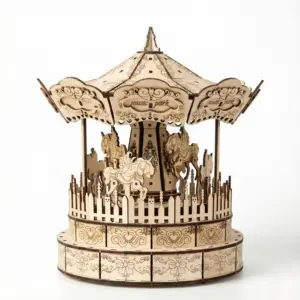
Once the four-check scorecard is in hand, the display decision becomes about where the finished piece will actually live. Match the silhouette to the setting: fruit or animal shapes for shelves, vertical builds for windowsills, low-profile pieces for desks, and larger statement builds for tabletop centerpieces. The top Tea-Sip display picks are the 3D Crystal Apple Puzzle (shelf and desk), the Light-Up Gothic Wooden Lantern 3D Puzzle (windowsill), and the 3D Zodiac Owl Mechanical Clock Puzzle (centerpiece, a working object that earns its shelf).
Shelf display rewards silhouettes that read at a distance. BePuzzled’s Hedgehog (Brown) at 55 pieces is the market benchmark for this setting — low, wide, instantly recognizable, and stable on a flat surface without a stand. Amazon’s listing tags the Hedgehog as a “Collectible Display Puzzle,” and BePuzzled’s brand language describes the finished line as “beautiful to display” and “aesthetically pleasing.” The Tea-Sip equivalent in display function is the 3D Crystal Apple Puzzle: a round, low-profile shape that sits cleanly on any shelf, with translucent material that picks up the same kind of light a Hedgehog would. Listed at $18.88 on the product page; check there for the current price.
Desk display wants a smaller, low-profile footprint. The 18 Piece Wooden Puzzle works here as a palm-sized break from a screen — though it isn’t a translucent light-catcher the way a crystal piece is.
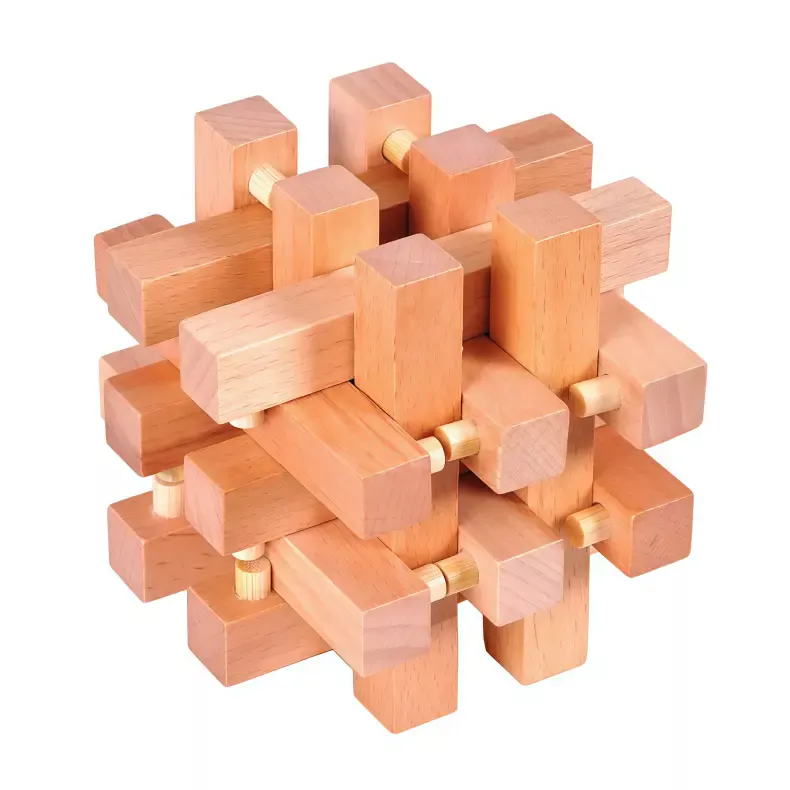
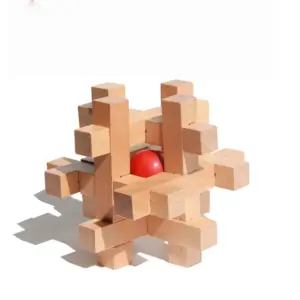
18 Piece Wooden Puzzle — $16.99
The 24 Lock Puzzle is the better desk companion if the reader wants a quiet, repeatable hand challenge between tasks; both pieces stay low on the desk, where a 55-piece BePuzzled Hedgehog would crowd the workspace. For a pure desk challenge next to a finished crystal piece, the 12 Piece Crystal Luban Lock Set is the small-footprint option that won’t compete for attention. Reader’s verification check: pick a shape that won’t get nudged off the desk by a passing elbow.
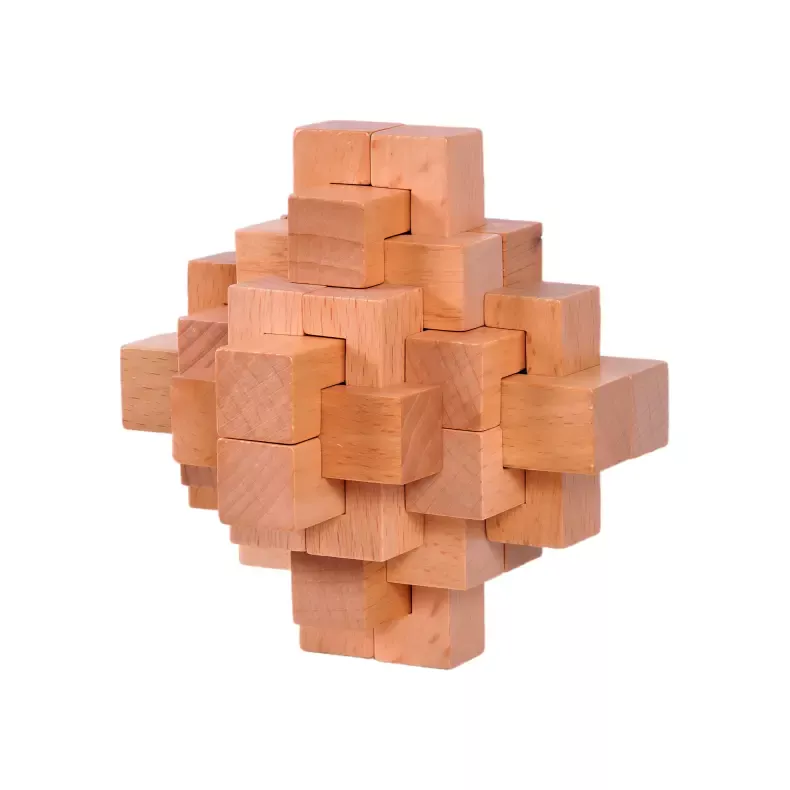
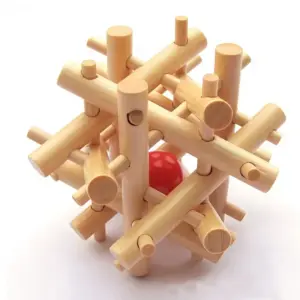
24 Lock Puzzle — $16.99
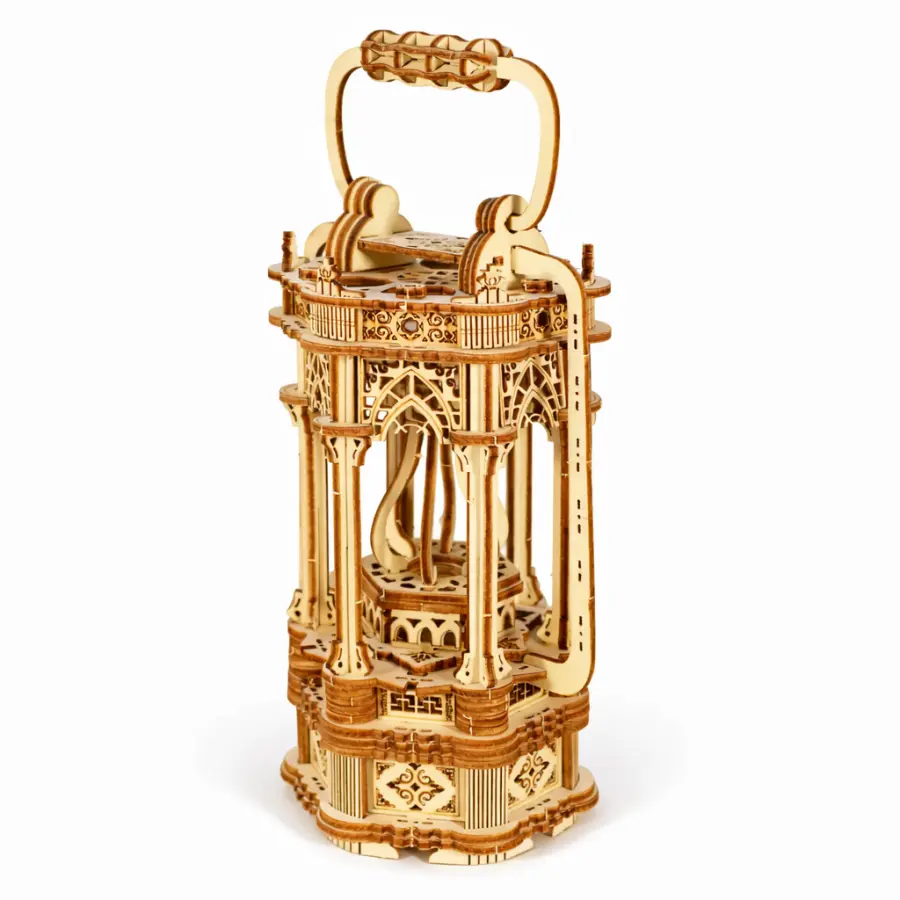
Windowsill display wants vertical light-catching forms. BePuzzled’s Castle Deluxe at 104 pieces is the iconic tall build here — translucent enough to glow against the window, but tall enough to topple without a stand. The Light-Up Gothic Wooden Lantern 3D Puzzle offers a unique light-catching form, providing integrated illumination that serves a similar display purpose to BePuzzled’s vertical builds like the 47-piece Rose and Vase designs often photographed on windowsills. Its internal LEDs ensure it stands out even without direct external light. The rule: any piece that stands taller than it is wide needs a stand, museum putty, or a back wall to lean against — otherwise it will eventually fall, and the material-clarity check (the translucence that took a year to yellow) won’t matter if the puzzle is in pieces on the floor.
Centerpiece display wants size and a shape people recognize from across a room. BePuzzled’s Skull (48 pieces) and the large Maleficent-style builds — a 74-piece Maleficent took 26 minutes 34 seconds to assemble, per Laughing Place’s review — are the typical centerpiece references. The Tea-Sip option for this role is the 3D Zodiac Owl Mechanical Clock Puzzle, listed at $39.99: mechanical, functional, and a conversation piece that earns its space on a dining-room or coffee-table shelf. For more on how piece count maps to display context across the wider BePuzzled range, the Bepuzzled 3D crystal puzzle guide covers the category at a broader level.
A note on Ensky Art Crystal Puzzles for serious display collectors: r/Jigsawpuzzles users confirm an active collecting community around Ensky’s Studio Ghibli and Pokémon Art Crystal lines, with one builder reporting a 208-piece Ghibli build displayed in a plexiglass sandwich frame where the color is “holding up nicely.” These are a distinct display subcategory alongside BePuzzled — licensed, often more expensive, and worth flagging if the reader is building a themed shelf rather than a single accent piece.
One-line takeaway: match the silhouette to the setting, then verify stand or base stability before you build — a display-worthy puzzle is one that survives the first nudge.
03. How to Display, Light, and Protect a Finished Crystal Puzzle
Once the silhouette fits the shelf and the base sits flush, the remaining work is how light, support, dust, and adhesive will treat the piece over months of sitting still. Treat the finished puzzle like a translucent decorative object — backlight it, dust it with a soft brush, and keep it out of direct UV to prevent yellowing.
Backlight is the whole point. Translucent plastic only earns its keep when light passes through it. The strongest effect is a windowsill or a shelf roughly six to twelve inches from a window with indirect daylight — the puzzle glows on its own. For evening display, a small battery-powered LED puck light or a tea light placed behind or beneath the puzzle produces the same effect. A warm 2700K bulb renders jewel-tone pieces (red, purple, blue) more vividly; a cool 5000K bulb flatters clear and amber pieces. Translucent red shapes — including the 3D Crystal Apple Puzzle — saturate noticeably under either color temperature, which is part of why jewel-tone shapes photograph so well. Avoid placing the puzzle directly in front of a bare bulb — the hotspot washes out the silhouette. The 3dcrystalpuzzle.com showcase page explicitly lists “lighting techniques” among the recommended styling methods for these pieces. For a different approach that bakes lighting into the build itself, a wooden light-up display piece solves the same problem with integrated LEDs.
The base decides whether the puzzle survives the first nudge. Most BePuzzled-style 3D crystal puzzles ship with a flat plastic base plate or a small molded foot; verify “includes display stand” on the product page before buying if the shelf is narrow or the surface is textured. If the included base is wobbly, a third-party clear acrylic riser or a recessed shadow-box frame restores stability without obscuring the light transmission. Collectors of larger Ensky Art Crystal pieces report using “plexiglass sandwich frames” — two clear panels with the puzzle mounted between them — to keep tall or top-heavy builds (200+ pieces) from drifting apart on a shelf. The same approach works for any top-heavy crystal build, and the brand’s own tips page recommends a display case as a permanent option for serious collectors. For a tested catalog of display methods — risers, stands, and shadow-box mounts — that applies to crystal, metal, and wooden pieces alike, the 7 display methods tested on 50 puzzles goes deeper into the techniques.
Dust with a soft brush, never a wet wipe. A static-charged microfiber cloth pulls dust off the outer faces in one pass and won’t leave lint in the seams. A clean makeup brush reaches the crevices. Skip paper towels — they scratch glossy plastic. Skip solvents entirely; even mild window cleaner will fog the translucent surface over repeated use. If a piece is visibly grimy, a barely damp cloth followed by a dry buff is the safe maximum.
Most snap-fit puzzles hold their shape without glue. BePuzzled’s interlocking tabs and slots are designed to stay assembled on a shelf under normal handling. Glue becomes useful only when a specific seam keeps popping open or when the puzzle is being shipped or moved. This is a real, repeated buyer question — the r/Jigsawpuzzles community has a long thread asking which adhesive “won’t compromise the look of the final product,” and experienced builders in that thread report using a small amount of clear-drying adhesive applied only to internal seams, never the outer faces. Apply with a toothpick, not the nozzle. If a single joint keeps separating, glue just that joint.
Direct sunlight yellows plastic; position accordingly. Translucent acrylic and polystyrene puzzles yellow faster in UV-bright windows than in shaded shelves. If a windowsill is the only display spot, rotate the piece every few months or move it six inches back from the glass. Material composition is rarely listed on retail pages — confirm with the seller’s FAQ or the manufacturer’s spec sheet before committing a favorite piece to a sun-facing spot.
Match the display method to the material, not the other way around — backlight it, support it, dust it dry, and glue only the seams that actually fail.
04. Display Scorecard: How the Top Crystal Puzzles Compare on the 4 Checks
A short comparison table scores each top pick on the four display checks so you can pick by setting without re-reading the article. Each row shows how the puzzle handles silhouette, light, stability, and material clarity — the same four conditions covered earlier, now compressed into a final filter. Use it once you’ve already matched the shape to a setting; the table tells you which finished build will actually look the part in that spot.
| Puzzle | Silhouette Legibility | Light Transmission | Base/Stand Stability | Material Clarity | Best Setting |
|---|---|---|---|---|---|
| 3D Crystal Apple Puzzle | Strong, universally recognizable apple curve — reads from across a room | Translucent plastic catches daylight on a windowsill or under indirect light. | Self-supporting on flat surfaces; round base | Translucent plastic construction for a clear, glossy finish. | Desk accent or small shelf |
| Light-Up Gothic Wooden Lantern 3D Puzzle | Distinctive gothic lantern shape; reads as architectural decor | Integrated LEDs provide internal illumination; wooden, not translucent plastic | Flat, stable base; designed for freestanding display | Wooden construction; light effect from LEDs, not material translucence | Windowsill or shelf with power access |
| 12 Piece Crystal Luban Lock Set | Distinct geometric knot; less instant to Western viewers but visually unique | Translucent plastic; light effects are more subtle at rest, best when handled. | Flat interlocking base sits firmly | Translucent plastic construction for a clear, glossy finish. | Desk conversation piece |
The three picks above fall inside the same crystal-acrylic cluster but behave very differently once finished. The apple shape is the easiest read at a distance — a viewer doesn’t need to know anything about puzzles to see “apple.” That makes it the strongest desk accent and the safest gift for a non-puzzler household, where the finished object has to communicate on its own. Buyers should still verify piece count, plastic grade, and stand behavior on the product page before committing it to a permanent spot.
The Light-Up Gothic Wooden Lantern 3D Puzzle trades material translucence for integrated illumination. It photographs well, offers a unique aesthetic, and pairs with various decor styles — but it requires power for its full light effect. If you are placing it where direct sun will hit it, be mindful of potential wood fading, though its internal lighting remains consistent.
The 12 Piece Crystal Luban Lock Set is the outlier. It is not a representational shape — it is an interlocked geometric knot, a mechanical puzzle inspired by a traditional Chinese interlocking design — so it reads as a tactile object rather than a recognizable animal or vase. That makes it the right pick for a desk where hands will reach for it, turn it over, and try to figure out the construction. As a pure shelf-display piece it loses on silhouette but wins on curiosity, which is its own form of display value.
Across all three, the column most buyers skip is material clarity. Retail listings rarely specify acrylic versus polystyrene versus PET, and each plastic yellows at a different rate under direct sun. The deluxe 3D crystal puzzles and the transparency trap post covers the same long-term question in more depth if you want to dig into the material science.
Pick the row that matches the spot you already have in mind. If the spot is a windowsill, the Light-Up Gothic Wooden Lantern 3D Puzzle is a strong match. If the spot is a desk where hands will reach for it, the Luban lock rewards the interaction. If the spot is a small shelf where the puzzle needs to read from across the room, the apple is the safest call — and the easiest one to commit to permanently.
Frequently Asked Questions
Material clarity is the column most display buyers skip, and it’s also where the practical questions below usually start. Here are the answers that come up most often when buyers try to commit a finished crystal puzzle to a permanent spot on a shelf, windowsill, or desk.
Can you glue a 3D crystal puzzle so it stays on display?
Yes, and for high-traffic shelves it’s often worth it. The snap-fit design holds on its own, but a single nudge can topple a fin or a horn, and the rebuild is rarely as clean the second time. Reddit builders consistently want glue specifically to prevent disassembly mid-display, which is why “dries clear” is the phrase that comes up over and over in the r/Jigsawpuzzles threads on this topic.
What glue won’t cloud or fog translucent plastic?
A plastic-safe, low-viscosity cyanoacrylate (a “CA” or “super glue” formulated for plastics) is the standard answer. Look for “clear cure” or “non-blooming” on the label, apply it sparingly along internal seams where light won’t pass through directly, and let it wick by capillary action rather than brushing it onto the visible surface. If a builder wants zero risk, leaving the puzzle unglued on a stable stand in a low-traffic spot is the honest alternative — the snap-fit is engineered to hold, and a sealed display case does the same job a glue line would.
Do crystal puzzles yellow over time in sunlight?
Most will, eventually. The Reddit r/Jigsawpuzzles thread on collecting Ensky Studio Ghibli Art Crystal Puzzles reports that color held up nicely when pieces were displayed in plexiglass sandwich frames away from direct sun, which matches the broader material reality: acrylic and polystyrene both yellow under UV, but at different rates. A windowsill with strong direct afternoon light is the riskiest spot; a shelf across the room from the window is the safest.
How do you clean or dust a finished crystal puzzle?
A soft microfiber cloth is the default. For crevices between translucent pieces, a can of compressed air or a clean dry toothbrush works without leaving residue. Avoid ammonia-based cleaners and any spray applied directly to the plastic — both can fog the surface or weaken snap-fit seams over time.
Which shapes read as decor the most clearly?
The ones with one dominant silhouette and minimal accessory parts: apple, hedgehog, unicorn, skull, and castle. The 3D Crystal Apple Puzzle fits this group by design — a single fruit shape with a short stem, no wings or limbs to misalign. The Light-Up Gothic Wooden Lantern 3D Puzzle, with its distinctive architectural form, also reads clearly as decor. The BePuzzled Skull (48 pieces) and Castle Deluxe (104 pieces) are recognized instantly from across a room, which is the actual test for shelf display.
Are Ensky Art Crystal Puzzles better for display than BePuzzled?
Different, not strictly better. Ensky’s Studio Ghibli and Pokémon Art Crystal Puzzles are flat art panels meant to hang or stand in a frame, not sit on a shelf as a sculpture. They solve a different decor problem. BePuzzled is the choice for a three-dimensional object on a desk or windowsill; Ensky is the choice for a 2D art piece on a wall or in a frame.
What display setting suits a small crystal puzzle best?
Match the spot first, then the shape. A windowsill with filtered light can highlight the Light-Up Gothic Wooden Lantern 3D Puzzle, which has its own integrated illumination. A desk where the puzzle will be picked up takes the 12 Piece Crystal Luban Lock Set, because the geometric knot rewards hands-on interaction. A small shelf where the silhouette has to read from across the room takes the apple — a single fruit shape with one stem is the easiest to commit to permanently and the one most likely to keep catching light the way the whole category promises. Start with the spot you already have empty, then pick the shape that survives the silhouette test from the farthest seat in the room.
Where to Start
If the difficulty, mechanism, and use-case checks above match, start with 3D Crystal Apple Puzzle. Check the current product page for the specifications that matter to your choice.
Sources and verification
- Product details and current specifications: Tea-Sip product page
Last updated: August 6, 2026