Quick Answer
A cast metal puzzle is a strong gift for a nurse when the buyer wants something compact, reusable, and mentally engaging — not a nursing-themed novelty. The right pick depends on the nurse’s puzzle experience, the occasion (graduation, Nurses Week, retirement, thank-you), and whether the gift is meant to be solved at work or displayed at home.
For most gifting situations — a Nurses Week desk surprise, a graduation present, a coworker thank-you — the safest starting route is a compact cast disentanglement puzzle that fits in a scrub pocket and solves in under five minutes. The nurse can fidget with it on break, leave it on the station counter, or reassemble it at home without a manual or a flat surface.
Three filters narrow the list:
- Occasion — graduation and retirement gifts can lean more decorative; a daily thank-you should stay pocket-size and silent.
- Experience level — a first-time solver needs a short solve time; a puzzle hobbyist can take a multi-day challenge.
- Portability — a pocket puzzle lives in a scrub top during a 12-hour shift; a display piece stays home.
| Situation | Starting pick | Why it works for a nurse | What to check on the product page |
|---|---|---|---|
| Nurses Week / coworker thank-you | Cast Hook Metal Brain Teaser | Pocket-size, silent on a break-room table, short solve | Confirm difficulty rating and exact dimensions |
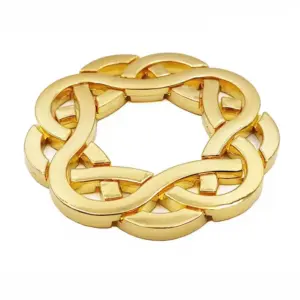
| Graduation gift (new RN) | Metal Crab Puzzle with Gold Ring | Decorative enough to mark a milestone, still pocketable | Verify packaging and whether a solution guide is included |
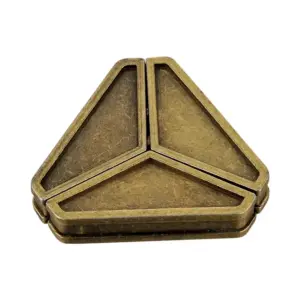
| Retirement gift | Cast Coil Triangle Puzzle | Heavier display piece; “solved” reads as accomplishment on a shelf | Check weight, material, and display dimensions |
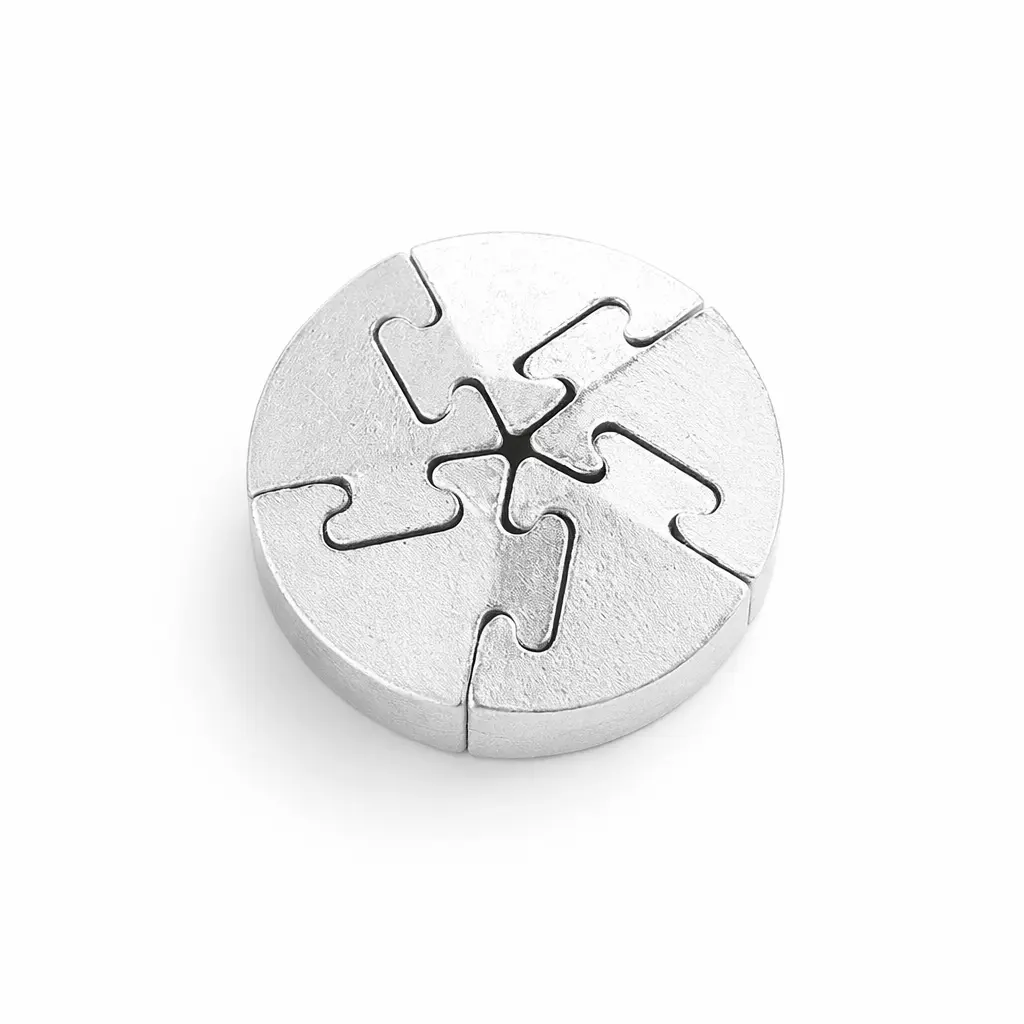
| Puzzle hobbyist nurse | 5 Piece Cast Spiral Metal Puzzle | Multi-step challenge for someone who already owns easy ones | Verify the difficulty level before purchase |
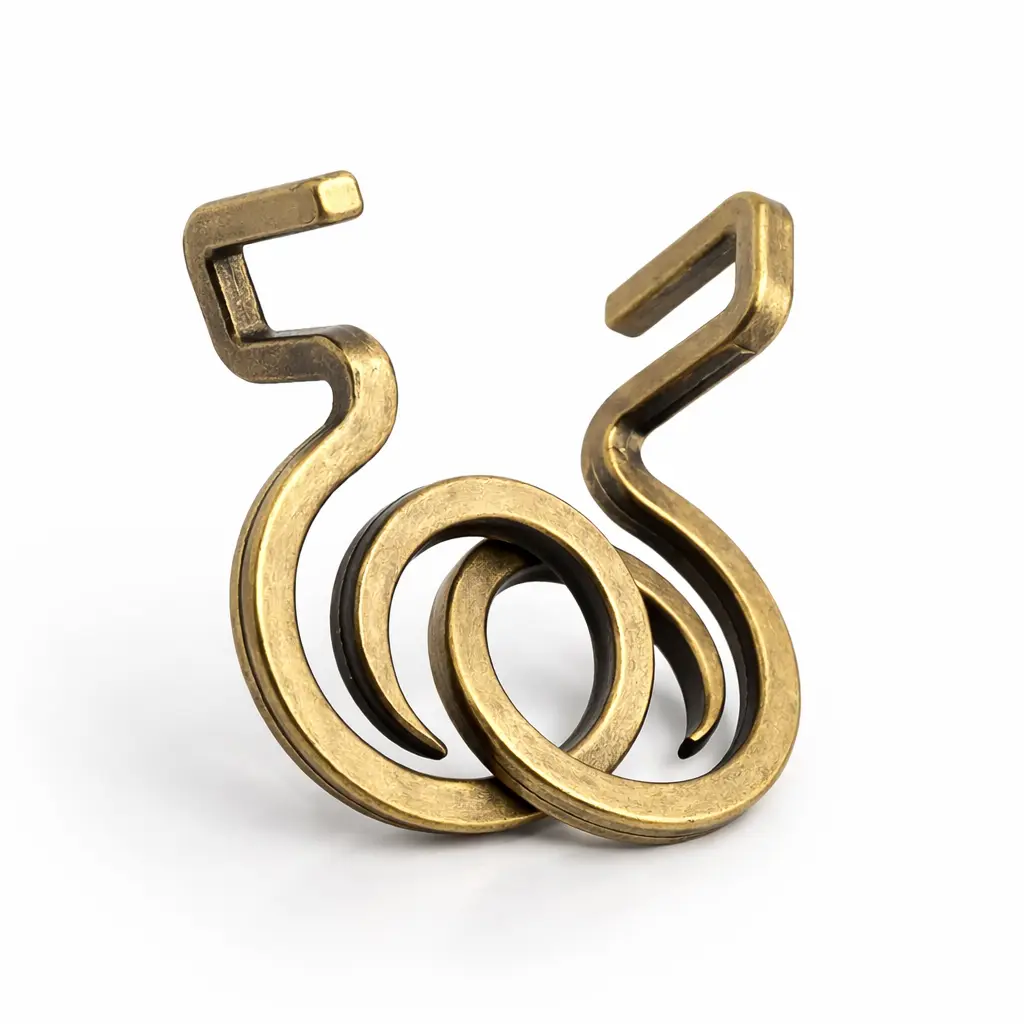
The Cast Hook is the all-around top pick because it covers the three filters at once: pocket-sized, silent on a shared table, and short enough to finish in a single break. Before buying, verify the listed difficulty rating and dimensions on the product page, since cast puzzle specs vary by batch. For a broader look at pocketable, non-thematic gifts in the same lane, Tea-Sip’s roundup of fidget toys reviewed by real RNs covers similar decision rules.
01. Why a Cast Metal Puzzle Fits a Nurse’s Daily Rhythm
Choose a cast metal puzzle when the nurse already owns a drawer full of nursing-themed mugs, badge reels, and pin buttons, and you want to give something personal — not professional. A cast metal disentanglement or take-apart puzzle is small enough for a scrub pocket, silent enough for a shared break-room table, and durable enough to live on a desk or shelf for years. The category sits in a different gift lane than the nurse jigsaw, the engraved pen, or the “Nurse Puzzle” activity book: it is a mechanical object, not a themed one, and that distinction is exactly why it reads as a thoughtful pick.
The first observable reason is pocketable shift fidgeting. A 12-hour shift on a hospital floor is long stretches of standing and short, scattered breaks. A cast metal puzzle that fits in a palm or a scrub pocket can sit in a hand during a quiet moment at a nurses’ station, between handoffs, or while waiting for a chart to load. Hanayama-style cast puzzles are described by retailers as compact “pocket size” objects designed to be carried and re-solved, which is why collectors on r/mechanicalpuzzles call out models with a fidget quality and compact carry. The click of two cast pieces sliding past each other, the weight in the palm, the replay value once the solve is known — these are the sensory details that make a cast puzzle behave more like a personal ritual than a one-time gift.
The second observable reason is the silent break-room reset. A break room is a shared space: colleagues eat, decompress, or run through a quick chart. A printed nurse jigsaw or a wooden jigsaw is loud on a shared table, takes up surface area, and only solves once. A cast metal puzzle is silent, fits in a closed hand, and can be solved, reset, and solved again on the same 15-minute break. For a nurse who de-stresses by solving something concrete rather than scrolling, that contrast — silent versus noisy, reusable versus single-use — is the practical edge of the metal pick, and the waiting-room sanitization test of cast metal puzzles confirms that cast pieces hold their finish through the same wipe-downs a shared table gets.
The third observable reason is display value after the solve. Most nurse gifts live in a tote bag, a break-room cabinet, or a landfill. A cast metal puzzle in cast zinc alloy or brass holds its finish, sits cleanly on a desk, and reads as a small sculpture when not being solved. Nurse gift discussions tend to favor small, durable, daily-use objects over themed novelty, because nurses already filter out the cluttered novelty that builds up by Nurses Week. The same durable-object logic shows up in Tea-Sip’s roundups of pocketable, silent objects, which treat them as a separate gift category from nursing-themed ones. A cast metal puzzle lands in that same filter: it is not nursing-branded, which is precisely the point.
A quick comparison helps frame the choice. A printed nurse jigsaw (from the Etsy, Zazzle, or Amazon “nurse puzzle” clusters) is single-use, desk-bound, and makes a scene when pieces drop. A cast metal disentanglement or take-apart puzzle is reusable, pocketable, and silent. For a nurse’s break-room reality — short, shared, reset-and-go — the mechanics of a cast puzzle match the environment better than a 500-piece cardboard scene of a stethoscope.
Nurse gift discussions also lean toward practical, durable objects over novelty. A cast metal puzzle sits in the same “small, lasting, daily-use” lane without being a tool, which is what makes it read as a gift rather than a supply. It also dodges the “they already have ten of these” problem that mugs, badge reels, and figurines run into by Nurses Week.
For a nurse who has never owned a metal puzzle, the level question is the one verification step that matters most. Lower-rated disentanglements (the easier end of the Hanayama-style difficulty scale) typically take a few minutes and feel rewarding in a single sitting; higher-rated ones can take days and read as a project. Before buying, check the listed difficulty rating on the product page, because the solve time difference between a Level 1 and a Level 6 is the difference between a break-room reset and a long weekend project. Match the level to how the nurse actually de-stresses — quick win versus slow burn — and the gift will land.
One caveat: cast puzzles are not a fit for every nurse. If the recipient prefers reading, music, or food as a break-time reset, a mechanical object will sit in a drawer. If the recipient collects puzzles already, the gift only works if it fills a gap (a new mechanism, a pocket carry, a display piece). And if the gift is for a shared workspace like a nursing-station gift basket, a cast puzzle is a personal object, not a group activity — the printed jigsaw or activity book still wins in that setting.
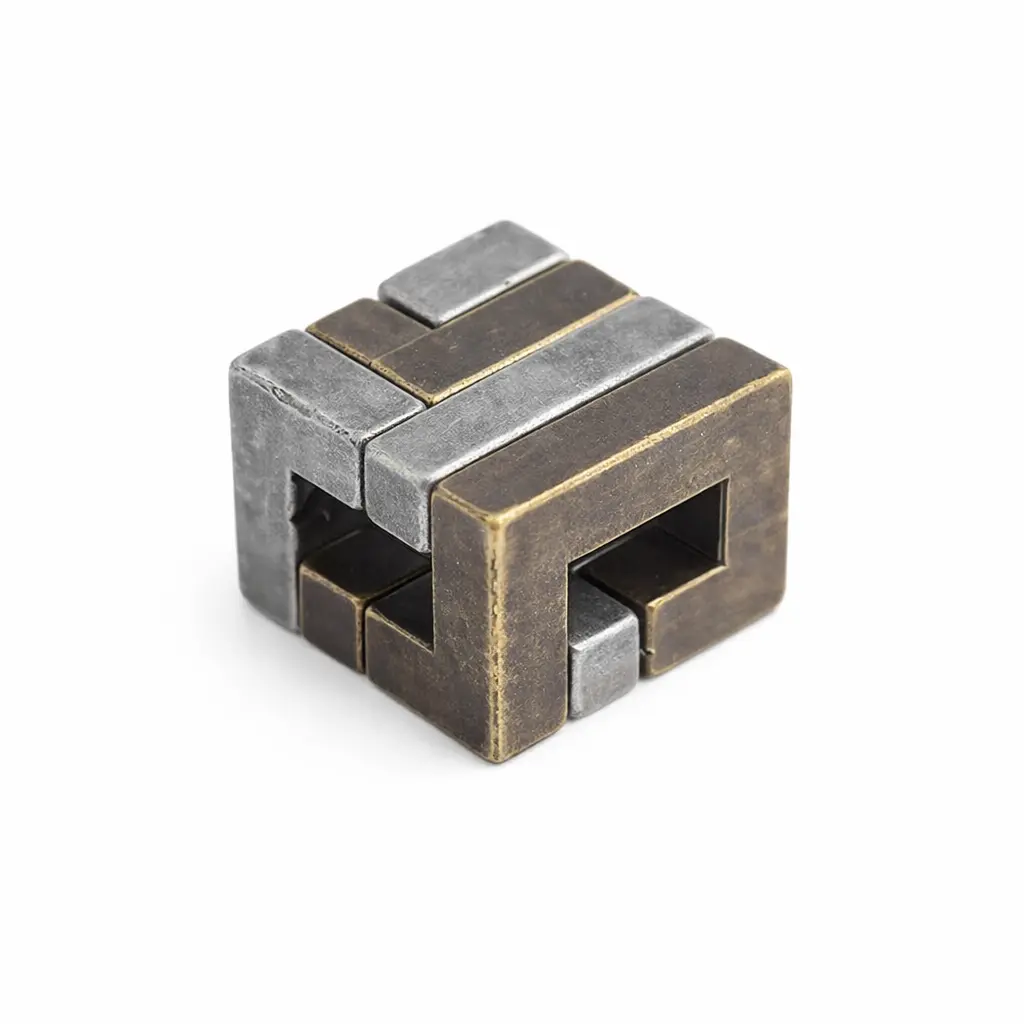
Cast Coil Pocket Puzzle — $18.99
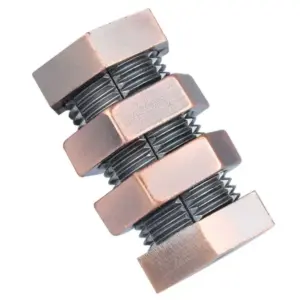
The Cast Coil Pocket Puzzle is a useful second look for a nurse who wants a deeper solve than a quick break-room fidget. Its coil-based take-apart mechanism is built around a slower, more tactile hand challenge — the kind of puzzle a nurse might set on a kitchen counter at home and return to over a few evenings rather than finish in a break. If the Cast Hook is the break-room reset, the Cast Coil is the evening unwind, and both share the same non-thematic, reusable, keepsake logic that makes a cast metal gift read as personal rather than professional. Before buying either, confirm the listed difficulty, dimensions, and current price on the product page.
02. How to Pick the Right Puzzle: Difficulty, Size, Mechanism, and Budget
Once the break-behavior question is settled, run each candidate through four checks before checkout: difficulty band, closed-loop size, mechanism type, and a price ceiling tied to the occasion. These are the filters that decide whether a cast metal puzzle lives in a scrub pocket or ends up at the back of a drawer.
Check 1: Match difficulty to experience and stress window
For a nurse who has never held a cast metal puzzle, choose a Level 1 or Level 2 disentanglement. The solve typically takes one to ten minutes, which lines up with a real break-room reset between patients. For a nurse who already keeps a Rubik’s cube on the break-room counter, move up to Level 3 or Level 4, which adds a step of spatial reasoning without becoming a weekend project. For a nurse who talks about mechanical puzzles the way other people talk about crosswords — and who has shelf space for a display piece — a Level 5 or Level 6 gives a multi-day solve and a stronger keepsake feel.
The 5 Piece Cast Spiral Metal Puzzle sits in the middle of that range. Its five-piece construction turns a familiar coil shape into a longer sequence of moves, which makes it a better fit for a nurse who has already solved a basic disentanglement and wants the next step up.
Check 2: Size to scrub pocket, not to spec sheet
A cast metal puzzle only works as a shift-friendly companion if it actually fits the pocket of a scrub top or the inner pocket of a jacket. Check the closed-loop dimensions on the product page before buying, and compare those numbers against the pocket the nurse is most likely to use. A puzzle that measures roughly the size of a poker chip slips into a scrub pocket; a coil puzzle the size of a coffee mug belongs at home, not on shift. The Cast Hook from the Quick Answer is a useful size reference: small enough for a pocket, heavy enough to feel like a real object.
Check 3: Mechanism type — disentanglement, take-apart, or assembly
The three mechanisms behave very differently in the hand. A disentanglement puzzle asks the solver to separate two interlocked pieces; a take-apart puzzle asks for a sequence of moves before the parts come apart; an assembly puzzle asks the solver to build the final shape from loose components. For a nurse who wants a two-minute fidget, a disentanglement is the cleanest fit. For a nurse who enjoys a longer tactile project over a few evenings, a take-apart or multi-piece assembly is the better match.
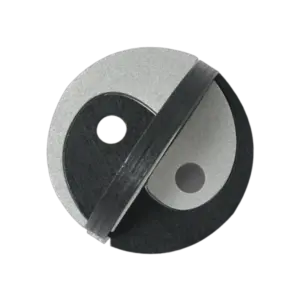
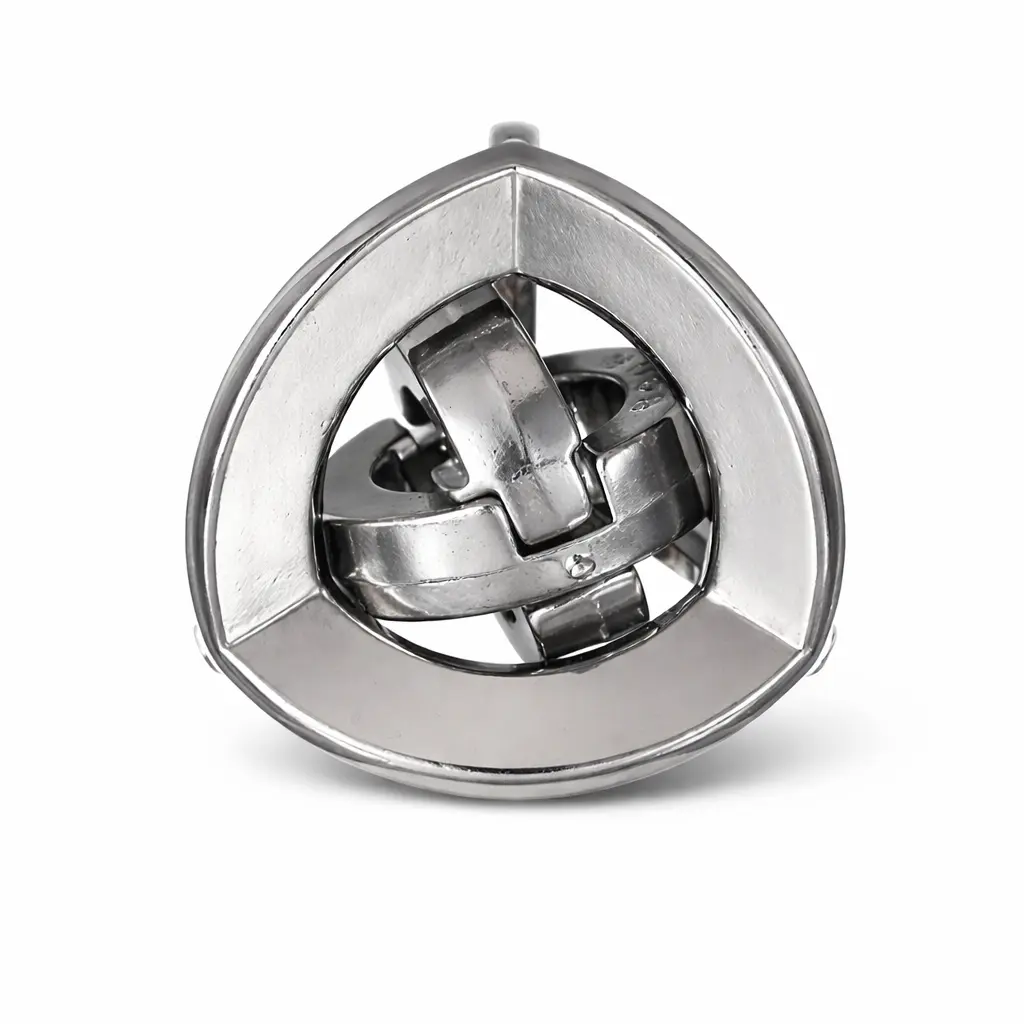
The Metal Orbit Ring Cast Puzzle is a clean example of a short-form disentanglement. Its ring-and-track mechanism lands flat in a palm, solves in a few minutes, and resets instantly for another pass.
Check 4: Price ceiling tied to occasion
A thank-you or Nurses Week gift under $15 lands as a thoughtful token without overstepping. A graduation or new-grad gift in the $15 to $25 range reads as a real keepsake. Above $25, the gift enters “significant milestone” territory, which is appropriate for a retirement but heavy for a coworker thank-you. Match the price to the moment rather than to the recipient’s seniority, and check the product page for the current price before checkout.
What to verify on the product page
Before checkout, confirm four things: the listed difficulty rating (Level 1 through Level 6, where applicable), the closed-loop dimensions in millimetres or inches, the material callout (cast zinc alloy is the standard for this category), and whether the box includes a solution guide. Difficulty ratings and solve times vary by listing, so the product page is the source of truth.
The one practical next action
Pick the nurse’s break behavior first — quick two-minute fidget, mid-length evening solve, or multi-day project — then narrow the roster to a single Tea-Sip cast metal puzzle whose difficulty, mechanism, and dimensions match that window. Confirm the specs on the product page, then buy. For a deeper buyer-side walkthrough, the 4-test framework for choosing a pocket metal puzzle applies the same filters in more detail.
03. Cast Metal Puzzles Mapped to Each Nursing Occasion
The right pick changes with the milestone, not the recipient’s job title. A graduation asks for a beginning, a retirement for a keepsake, and a Nurses Week thank-you for a small, on-shift ritual — each calls for a different cast metal mechanism, and matching the puzzle to the moment is what separates a thoughtful present from another desk trinket. Below, the same four filters from the previous section (occasion, experience level, portability, price) get applied one bucket at a time.
Nurse graduation gift: something symbolic at the start of a career
A cast disentanglement or take-apart puzzle works here because the act of solving mirrors the work ahead: a small mechanical problem that yields to patient attention. For most new graduates with no prior metal-puzzle experience, the Cast Hook Metal Brain Teaser is the cleanest fit. It is a low-difficulty disentanglement (verify the rating on the product page), weighs little, slips into a scrub pocket, and takes roughly 1–3 minutes to solve per Tea-Sip’s Metal Puzzle Solution Cheat Sheet — the right window for a nurse who wants a mental palate-cleanser between patients, not a multi-day project. The graduation moment also fits a broader pattern of puzzle gifts for graduation that beat cash — objects that mark a milestone without dating themselves to a single year. Pair the puzzle with a short note and you have a small, non-nursing-themed object that will outlast every novelty mug in the unit.
Nurses Week (May 6–12) appreciation: a shift-friendly fidget
Nurses Week gifts need to be inexpensive enough to give to an entire team, small enough to carry in a pocket, and silent enough for a shared break room. The Metal Orbit Ring Cast Puzzle fits that brief at a listed $14.99, with a 2–5 minute solve window (per the same Tea-Sip cheat sheet) that fits a 15-minute coffee break without spilling over. The ring-shaped mechanism also doubles as a tactile desk object when the shift ends, so it is not discarded after the first solve.
Nurse retirement gift: a display-quality keepsake
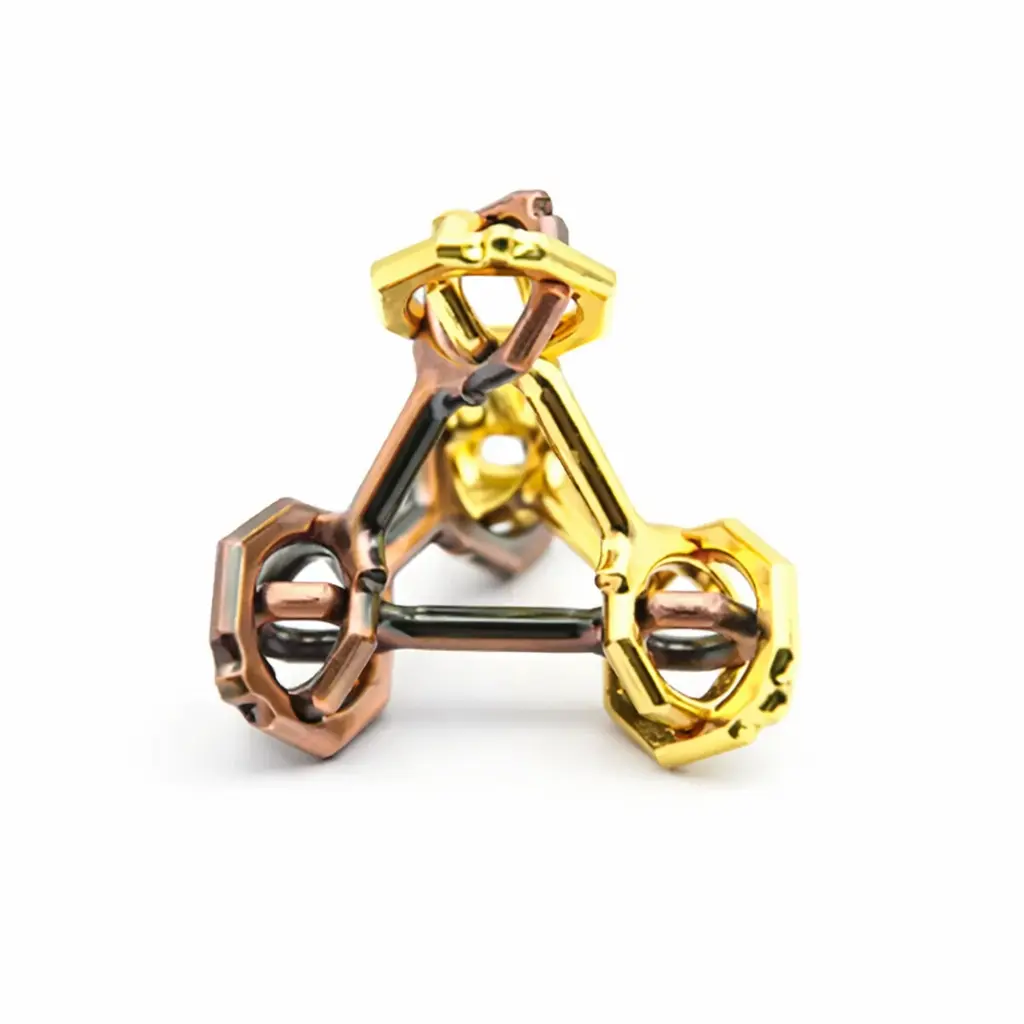
A retirement calls for something the nurse will not pack away in a drawer. A larger or more decorative cast puzzle — a multi-piece configuration rather than a single-loop disentanglement — earns shelf space in a home office or display cabinet. The Cast Coil Triangle Puzzle at $25.99 sits at the upper end of the pocket-puzzle range, with a triangular silhouette and visible coil work that reads as sculptural rather than toy-like.
Thank-you to a nurse coworker: a small, beautiful object
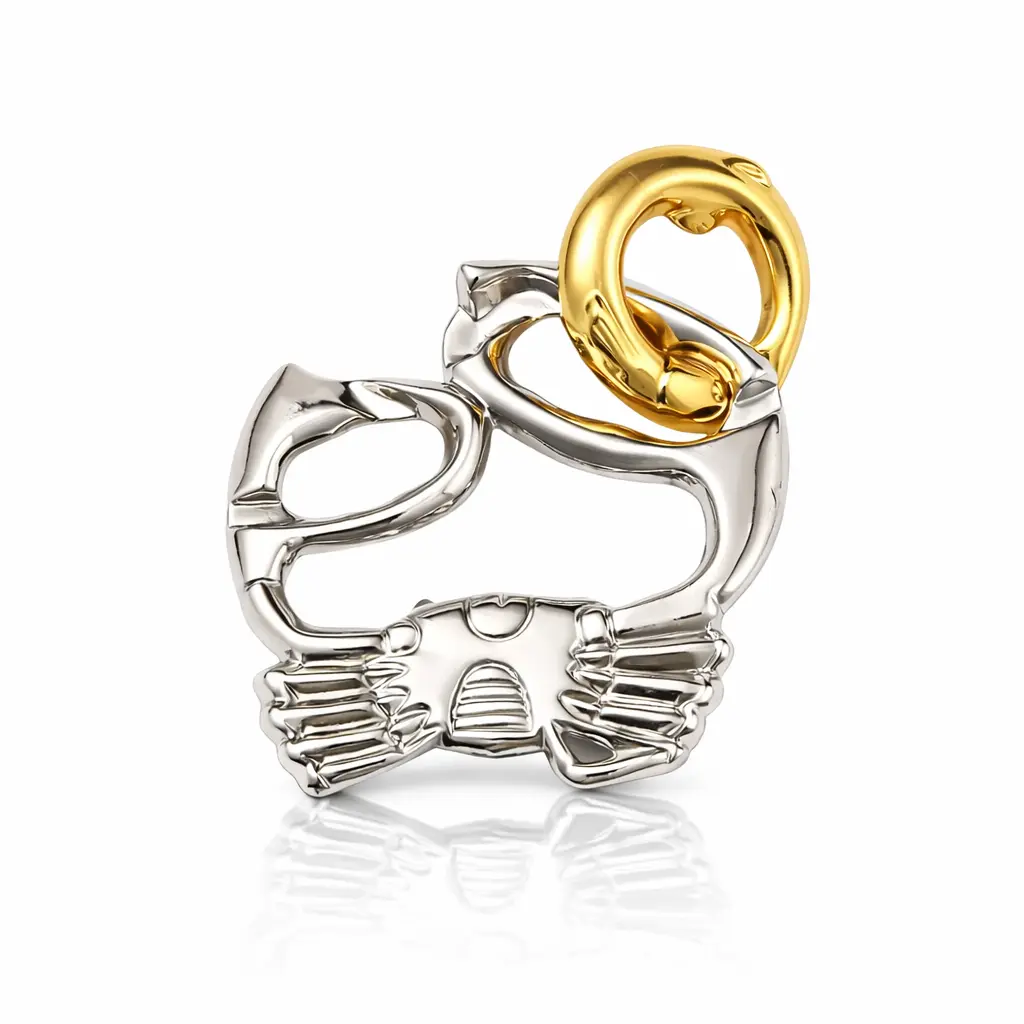
For a coworker who covered your shift or stayed late on a hard day, the gift should feel personal, not professional. A sculptural cast puzzle with keepsake quality — small, gold-accented, and immediately tactile — is the right register. The Metal Crab Puzzle Cast Brain Teaser with Gold Ring at $13.99 is described on Tea-Sip’s own solution guide as the most decorative gifting pick in the cast range, and the gold-ring accent makes it read as jewelry rather than a brain teaser.
New-grad welcome: a starter puzzle for the break room
A new graduate often does not know they want a puzzle until they have one, so the welcome gift should be the lowest possible barrier: one piece, a low difficulty rating, and a clear “you can finish this on day one” feeling. The Cast Hook Metal Brain Teaser at $13.99 serves a different role here than at graduation — it is a confidence-builder, not a milestone marker. Verify the closed-loop dimensions on the product page so it fits inside a scrub-top pocket without bulging, and check that the packaging includes a solution guide in case the nurse gets stuck between shifts.
Decision table: occasion to pick
| Occasion | Top pick | Sub-type | Price | What to check on the product page |
|---|---|---|---|---|
| Nurse graduation | Cast Hook Metal Brain Teaser | Disentanglement | $13.99 | Difficulty rating, closed-loop dimensions, material callout |
| Nurses Week (May 6–12) | Metal Orbit Ring Cast Puzzle | Ring disentanglement | $14.99 | Solve-time range, pocket size, packaging |
| Nurse retirement | Cast Coil Triangle Puzzle | Coil / multi-piece | $25.99 | Display dimensions, presentation box, weight |
| Thank-you to coworker | Metal Crab Puzzle Cast Brain Teaser with Gold Ring | Take-apart with decorative ring | $13.99 | Gold-ring finish, gift-box inclusion, solution guide |
| New-grad welcome | Cast Hook Metal Brain Teaser | Disentanglement | $13.99 | Level 1 difficulty confirmation, pocket-fit dimensions |
The one practical next action
Pick the milestone first, then the mechanism. Graduation and new-grad welcome both point to a single-loop disentanglement (the Cast Hook at $13.99), because the gift’s job is to introduce a habit rather than to impress. Nurses Week and coworker thank-you call for a slightly more decorative cast puzzle — the Metal Orbit Ring at $14.99 or the Metal Crab at $13.99 — where the object has to look like a gift at the moment of handover. Retirement is the only occasion where the budget can stretch into a sculptural coil piece (the Cast Coil Triangle at $25.99), because a retiring nurse is the one person on the list who will actually put it on a shelf. Confirm the difficulty rating, material, and dimensions on the product page, then buy. The full cast metal range sits under Tea-Sip’s metal puzzles category if none of the above slots match the moment.
04. What to Check on the Product Page Before You Buy
A milestone-first choice still needs a specs-first checkout. Verify four product-page fields before paying, because the wrong material or wrong size turns a thoughtful nurse gift into a pocket ornament that gets passed along.
1. Material — cast zinc alloy, stamped steel, or brass.
Cast zinc alloy is the standard for most disentanglement and take-apart puzzles in this category; brass shows up in heavier, more sculptural pieces. The material affects weight in the hand, the sound it makes when pieces click apart, and how it ages on a desk. For a nurse who will carry it in a scrub pocket, cast zinc alloy holds up better to daily handling than a plated piece that can wear at the contact points. For a shared break room, material also matters for hygiene — cast pieces that hold their finish after repeated wipe-downs will outlast a plated piece that may not. Check the product page’s “Materials” or “Specs” tab; if it only says “metal,” ask before buying.
2. Stated difficulty rating.
A level number — Level 1 through Level 6 on the Hanayama scale — is the fastest predictor of whether a nurse will solve it on a 15-minute break or get stuck for a week. Beginners belong at Level 1 or 2; confident puzzlers handle 3 and 4; a retiring collector is the right audience for 5 or 6. If the listing shows no rating, treat that as a flag to verify.
3. Closed-loop dimensions in millimeters.
Pocket-fit, desk-display, and gift-box-fit all depend on size. A 40–50 mm closed puzzle drops into a scrub pocket without bulging; a 70+ mm coil piece belongs on a shelf. A deeper breakdown of why some cast puzzles cost more than others sits in Tea-Sip’s Hanayama vs generic cast puzzles quality tests, which compares material density and finishing across price tiers.
4. Packaging — gift box vs. plain poly bag.
A nurse graduation or retirement moment usually gets handed over in a card-and-ribbon setting. A branded gift box earns its keep; a plain poly bag means the buyer has to find a presentation sleeve the night before. Check the “What’s in the box” line — if it says “puzzle only,” plan for a small box or pouch.
One shipping note: confirm US fulfillment or domestic stock before checkout if the occasion is within two weeks, because the gift date — not the buy date — is what counts.
Frequently Asked Questions
A cast metal puzzle is the right nurse gift when the buyer wants something pocket-size, replayable, and not nursing-themed — and when the recipient enjoys a hands-on mental challenge. The questions below cover the practical decisions that the verification checklist did not address.
Is a metal puzzle actually a good gift for a nurse?
Yes, when the nurse enjoys a mental challenge or fidget object. A cast disentanglement or take-apart puzzle is pocket-size, silent on a break-room table, and reusable for years. Skip it if the nurse prefers digital puzzles or has no patience for hands-on problem-solving.
Which difficulty level fits a beginner nurse?
Start at Level 1 or 2 on the Hanayama difficulty scale. These typically solve in a few minutes and match a short break window, while Levels 5 and 6 are multi-day projects suited to committed collectors. If the product page does not list a rating, treat that as a flag to verify before purchase.
Can a cast metal puzzle be solved during a short break at work?
Most Level 1 and 2 disentanglements fit inside a single 15-minute break. The Tea-Sip solution cheat sheet cites one to three minutes for the Cast Hook and two to five minutes for the Metal Orbit Ring, which lines up with a break-room reset. Level 3 and up usually need a longer sit-down session — check the listing for the specific model’s solve time.
What is a good small thank-you gift for a nurse coworker?
A pocket-size Tea-Sip cast puzzle in the $12–$15 range — such as the Metal Crab Puzzle Cast Brain Teaser with Gold Ring at $13.99 or the Metal Orbit Ring Cast Puzzle at $14.99 — fits a coworker thank-you budget without crossing into personal territory. Pair it with a handwritten card; the puzzle itself reads as thoughtful, not sentimental.
Is a cast metal puzzle appropriate as a nurse graduation gift?
Yes, especially for an RN or BSN graduate moving into long-shift work. Choose a mid-difficulty Level 2 or 3 piece in a gift box — the box matters because graduation presentations usually happen in front of family. Verify the “What’s in the box” line on the product page before checkout.
Where can a buyer in the US order without a long wait?
Buy directly from a US-based retailer that lists domestic stock on the product page. Confirm the shipping note from the previous section before checkout — the gift date, not the order date, is what matters.
The final step: open the Cast Hook Metal Brain Teaser product page, confirm the current price and stock, and order with enough lead time for the occasion. If the date is tight, the Metal Orbit Ring or Cast Coil Pocket Puzzle are the closest stand-ins from the same cluster.
Where to Start
If the recipient and occasion checks above match, start with Cast Hook Metal Brain Teaser. Check the current product page for the specifications that matter to your choice.
Still comparing options? Use the matching Tea-Sip collection to compare the same decision criteria, rather than restarting the search from scratch.
Sources and verification
- Product details and current specifications: Tea-Sip product page
Last updated: August 10, 2026