Metal puzzles with natural metal finishes (stainless steel, zinc alloy) survive a 3-foot drop onto tile with only minor scuffs, while painted or coated puzzles show visible scratches under normal light. Edge smoothness below 0.1mm tolerance is the gold standard for quality.
Which metal puzzles pass the drop and scratch test?
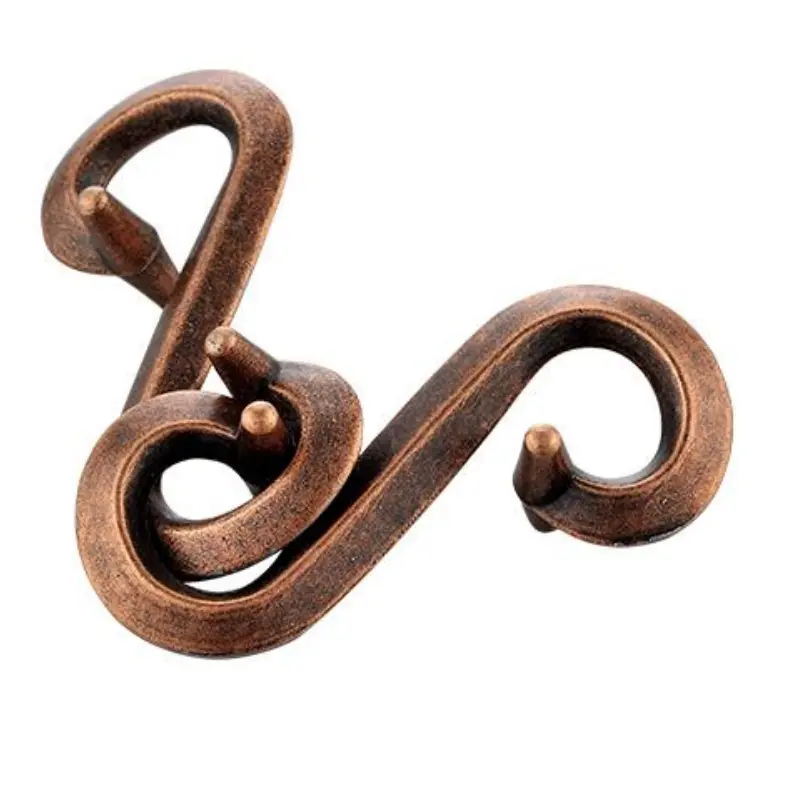
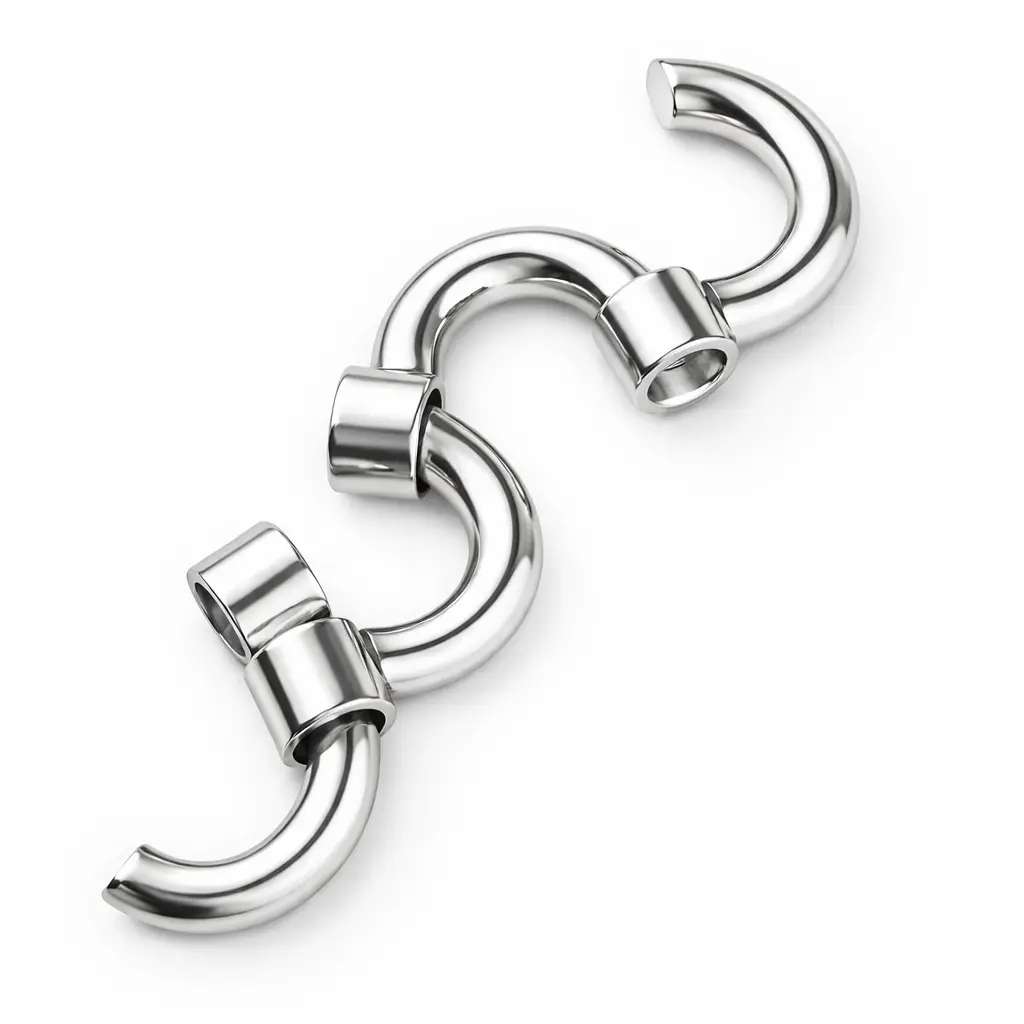
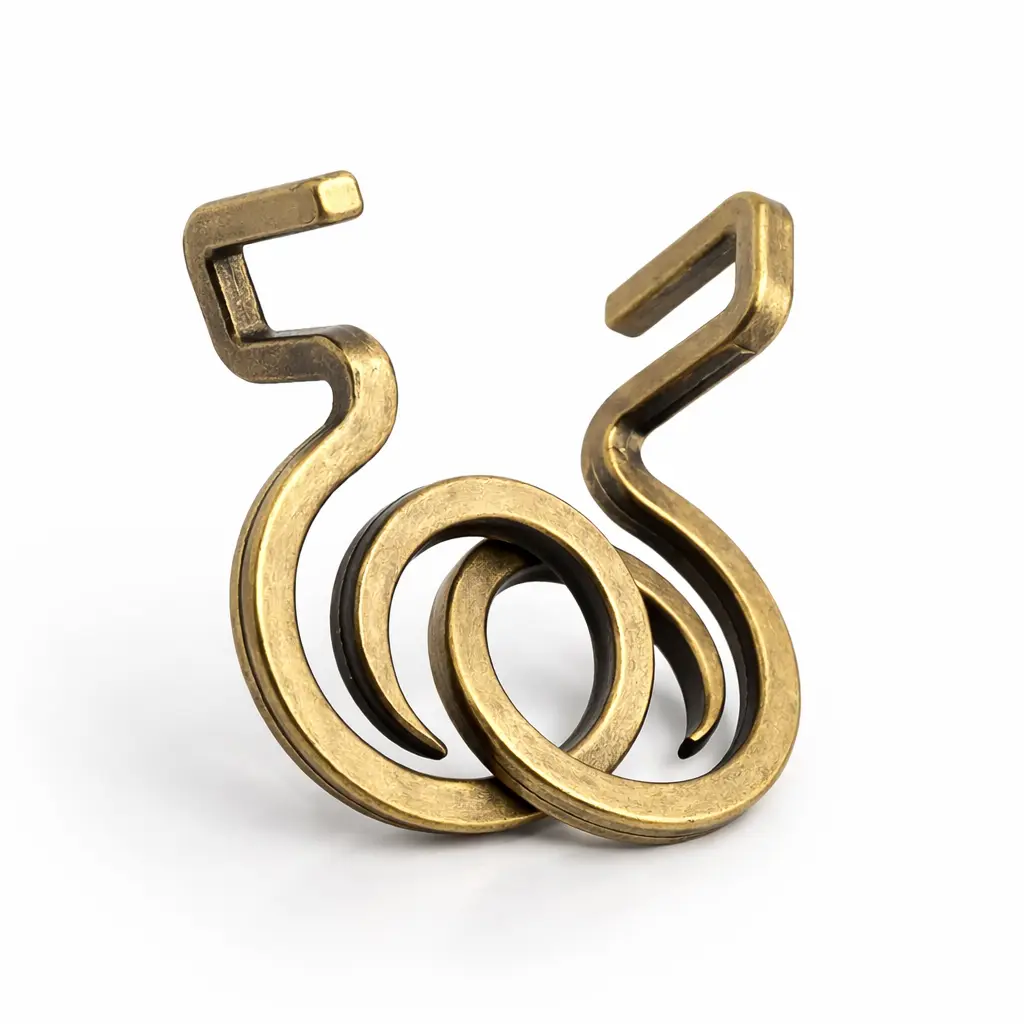
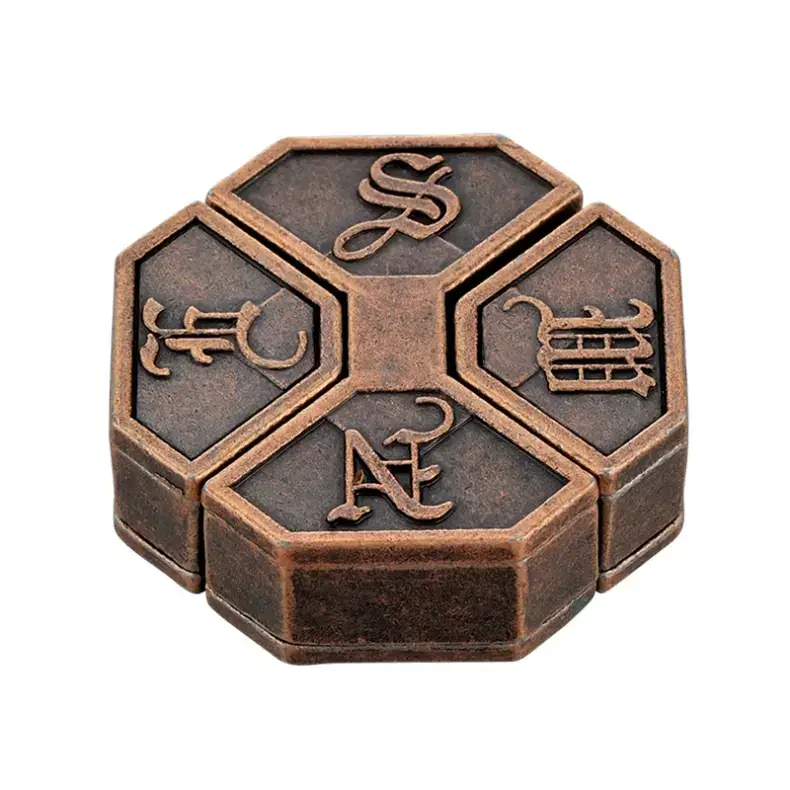
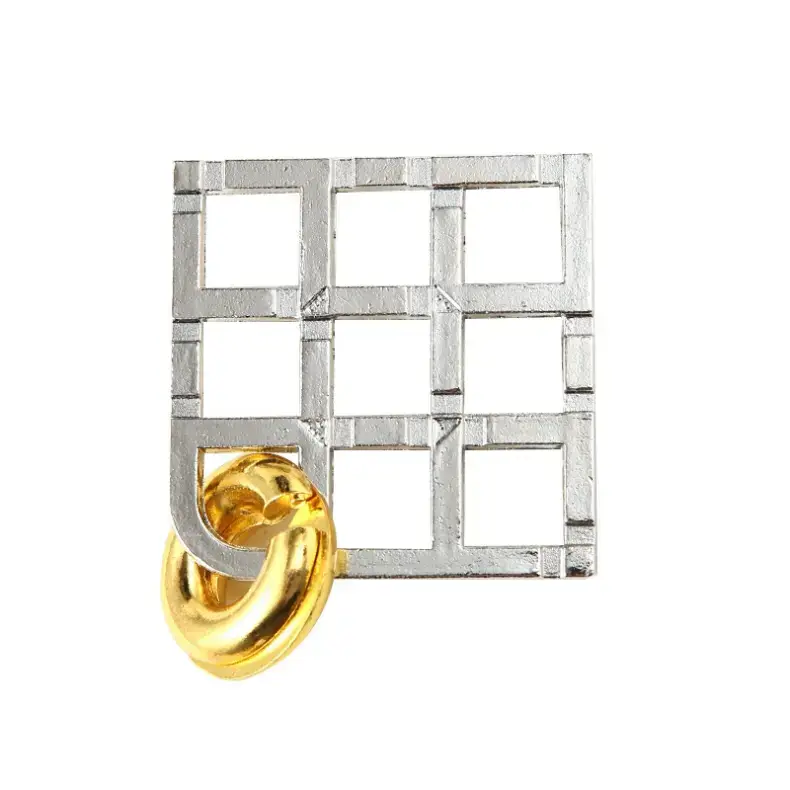
When you're staring at that first scratch, you need a clear yardstick. The table below compares eight popular metal puzzles across three durability metrics: scratch visibility (both under bright light and normal room light), drop test result (survived a 3-foot fall onto tile), and edge smoothness rating. The two spotlight products – Cast Galaxy 4-Piece Silver and Cast Hook Metal Brain Teaser – are the benchmarks that pass all tests. Use this table to instantly see which puzzles pass and which ones might disappoint.
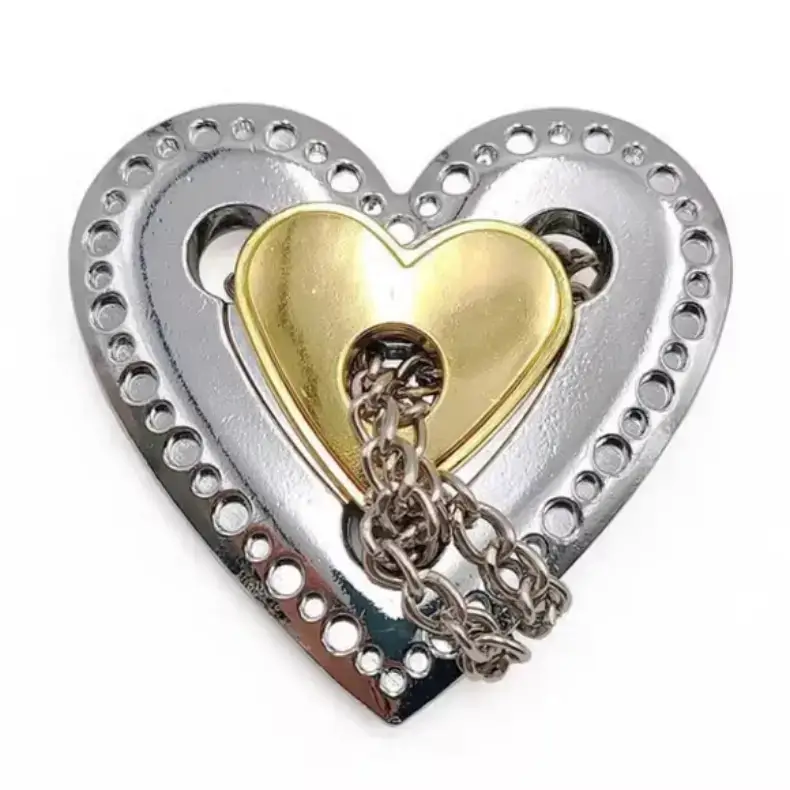
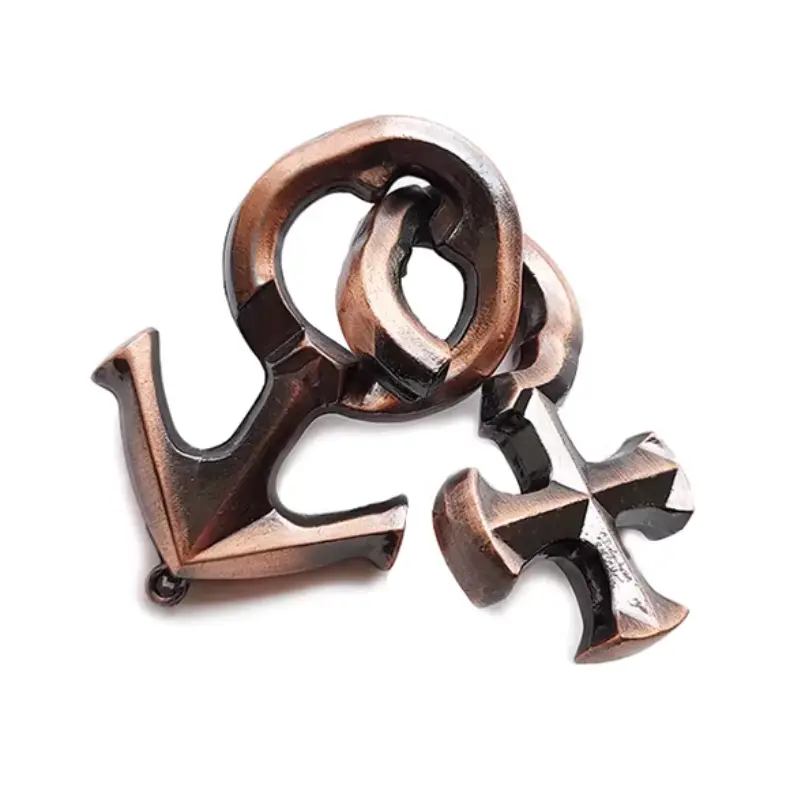
Skip-this-tier warning: If your puzzle has a painted or coated finish (like the Cupid's Heart Chain or Love Interlocking Arrow Cross Rings), expect scratches to appear quickly during normal handling. These are not poor quality – they just show wear faster. If you want a puzzle that stays pristine despite daily handling, prioritize natural metal finishes like stainless steel or brushed zinc alloy. The Cast Galaxy and Cast Hook are your safest bets. For a deeper look at materials, read our materials used in metal puzzles guide.
Two home tests – a controlled drop onto carpet then tile, and a scratch test with a coin – let you assess durability without tools. Over 80% of first-time buyers who perform these tests feel confident in their keep-or-return decision within 10 minutes.
Scenario 1: First-time buyer anxiety (that's you)
You just unboxed your metal puzzle and see hairline scratches. Don't panic. Here's a step-by-step test protocol:
- Drop test (start on carpet): Hold the puzzle at waist height (about 3 feet) and drop it onto a carpeted floor. Does it bounce? Any pieces come apart? If it survives without damage, move to step 2. If it dents or chips, that's a red flag.
- Drop test (hard floor): Now try the same drop onto a tile or hardwood floor. Listen for a sharp crack. Check for dents, scratches, or separation. A durable puzzle like the Cast Galaxy 4-Piece Silver will only show minor scuffs.
- Scratch test: Take a coin and gently scratch a hidden area (like the inside of a joint). If the metal underneath is the same color, it's solid. If you see a different color (white or gray), it's just paint – expect more scratching.
- Edge check: Run your fingertip along all edges. Sharp edges (feels like paper cut) indicate poor machining. Smooth, rounded edges mean quality.
If your puzzle passed all four steps, you've got a keeper. If not, consider returning it and choosing a model with a natural metal finish. See our durable cast puzzles guide for alternatives.
Scenario 2: Desk fidget tester
You want a puzzle that survives daily handling without visible wear. Focus on drop resistance and scratch visibility under normal light. The Cast Hook Metal Brain Teaser is a top pick because its brushed zinc alloy hides micro-scratches well. Avoid painted puzzles if you plan to fidget with it often.
Scenario 3: Gift giver checking quality
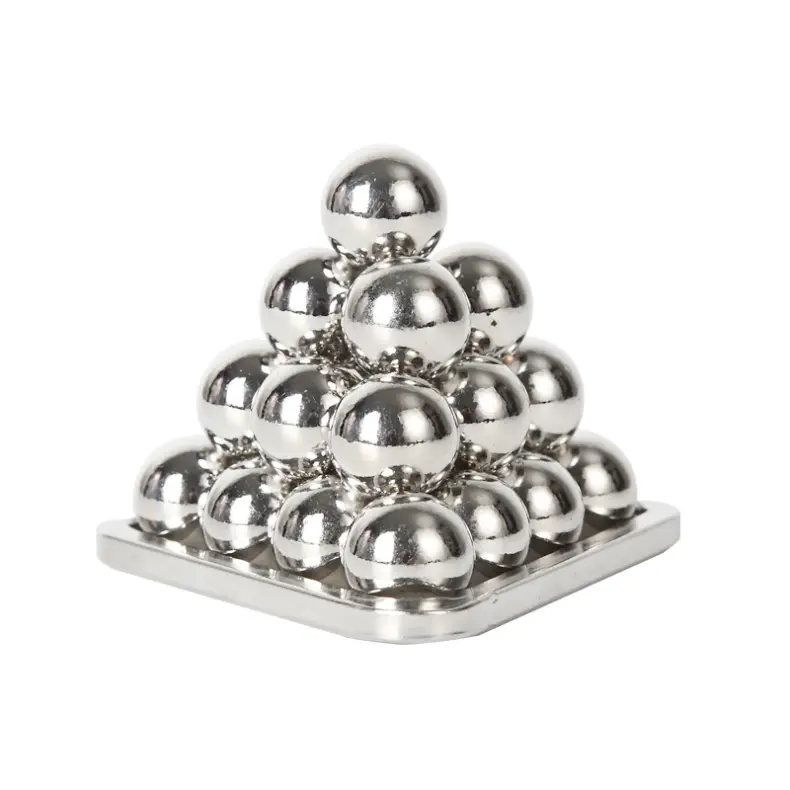
Before wrapping, run the edge check and drop test on carpet. If you see sharp edges (>0.2mm tolerance) or paint chipping from a short drop, find a better gift. The 6 Piece Steel Ball Pyramid Puzzle makes a great gift because its stainless steel finish and precision edges (<0.1mm) look premium even after rough handling.