Quick Answer
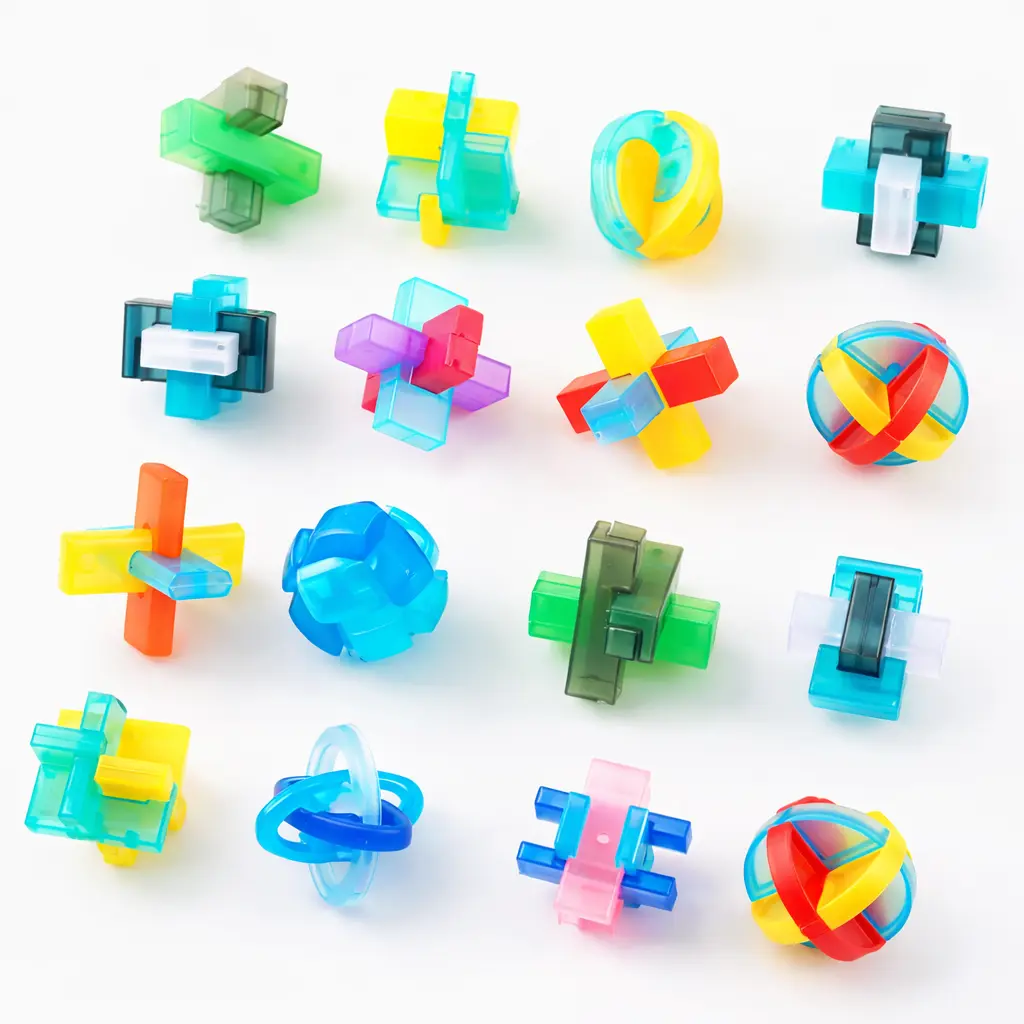
For a beginner engineer, pick a graduated set of 4–12 disassembly or interlocking puzzles when the goal is a finishable, confidence-building experience; pick a single sequential-discovery box when the gift is about one memorable aha moment. The 12 Piece Crystal Luban Lock Set fits the first case — a 12-piece set of small lock mechanisms a newcomer can work through in one sitting. The real risk is choosing a set marketed as “beginner” that lands at intermediate difficulty and gets abandoned.
Three checks change the pick:
- Mechanism type — disassembly and interlocking puzzles teach mechanical intuition; pure logic grids do not.
- Difficulty progression — a 4–8 puzzle set that starts obvious and ends satisfying is more likely to get finished than a single hard puzzle.
- Spoiler safety — confirm the recipient can solve without YouTube, since spoiled puzzles lose their gift value.
Decision Table: Which Set Matches the Recipient?
| Gift situation | Best fit | Why it works | What to check before buying |
|---|---|---|---|
| First mechanical puzzle ever, engineer who’s curious | Graduated lock set (multiple small puzzles) | Short, finishable, varied mechanisms | Puzzle count, material, whether solutions are included |
| Gift for a mechanical engineer who likes motion | Interlocking metal puzzles (gears, rings, cast pieces) | Tactile feedback mirrors their work | Piece count, mechanism type listed on the page |
| Gift for a software/electrical engineer | Sequential discovery or logic-based set | Reward structure matches how they think | Whether the set needs assembly before solving |
| Display-focused desk gift | Single elegant object (crystal, brass, perpetual motion) | Aesthetic + puzzle function | Dimensions and whether it moves when solved |
01. What ‘Beginner’ Actually Means in Mechanical Puzzles
Pick the set that solves the third check first: the one whose difficulty progression a true beginner can actually finish. Material and solvability matter, but if the difficulty curve is wrong, the gift sits on a shelf. So before anything else, you need to understand what “beginner” means in the mechanical puzzle world, because the word gets used loosely.
A mechanical puzzle is a physical object the solver has to figure out using the object alone. The puzzle itself carries the rules — there are no instructions to read first, so the solver has to infer them from how the piece moves, fits, or comes apart. That is the starting line. “Beginner” cannot mean “easier instructions” — there are no instructions. Beginner means: the recipient can finish it using only the object in front of them, basic reasoning, and a reasonable time budget, with no prior exposure to that mechanism family.
The confusion most gift buyers run into is that puzzle makers market sets as “beginner” when the mechanism family is still unfamiliar to the recipient. A disentanglement puzzle that is technically rated level 2 of 5 on the box can still be unsolvable to someone who has never worked with metal loops, simply because they do not know the right category of motion to try. This is why a Luban lock set — twelve small crystal locks grouped in one set — works as a first gift: the solver can move through several locks in one sitting, each one a chance to practice before the next. For buyers who keep misreading “beginner” labels, a closer look at how puzzle difficulty is rated sharpens the calibration.
The Three Difficulty Tiers You Will Actually See
Tier 1 — Single-move disassembly. The puzzle comes apart when the solver makes one correct observation: a hidden latch, a sliding panel, or a shifted key. Solve time for a first-timer: 5 to 20 minutes.
Tier 2 — Short-sequence. The solver must find two or three moves in the right order, often with one false start. A disentanglement puzzle where you must rotate, lift, and unhook a ring falls here. Solve time: 20 minutes to two hours.
Tier 3 — Multi-step with hidden logic. The solver must discover a sequence, a tool, or a code hidden inside the object itself. Sequential discovery boxes and multi-step escape-room-style locks live here. Solve time: two to ten hours, sometimes across a weekend.
Tier 1 and lower Tier 2 are the safe zone for an engineer who has never opened a mechanical puzzle. Tier 3 works if the recipient is the type who enjoys a single aha moment over days.
Easy Is Not the Same as Solvable in One Sitting
A puzzle can be technically easy and still take three evenings because the solver keeps walking away. The real gift value for a busy professional is a set designed to be finished in a weekend, where the next puzzle is harder than the last but not so hard that the recipient gives up. That is difficulty progression working as a feature, and it is the single biggest difference between a set the engineer finishes and a set the engineer admires and then shelves.
The Read-the-Box Checklist
Before you buy, check four things on the listing or packaging:
- Number of puzzles in the set. Four to eight is the sweet spot for a beginner who wants to feel a real arc from start to finish. Fewer than four feels like a teaser. More than ten risks fatigue before the hard puzzles arrive.
- Whether difficulty is graduated. A set where every puzzle is equally hard teaches nothing. A graduated set teaches one concept per puzzle, then builds on it.
- Whether solutions are included. A printed solution booklet, sealed or optional, keeps the gift solvable without online spoilers. The recipient chooses when to look.
- Whether the set is a single mechanism family or a mix. A single family trains intuition faster. A mix feels like a sampler box and is harder to graduate through.
If those four checks pass, the engineer in your life will finish the set, and finish it feeling like they learned something real about how mechanical intuition is built.
02. Puzzle Set Types That Work for Engineers New to Puzzling
Once the read-the-box checklist passes, the next decision is mechanism. Pick a disassembly or interlocking set when the gift is meant to teach hands-on mechanical intuition — force, leverage, tolerances, fit. Pick a sequential discovery or escape-room-style set when the engineer prefers symbolic logic and ordered procedures over physical manipulation. The right mechanism decides whether the set feels like a hands-on engineering exercise or a logic problem wearing wood and brass.
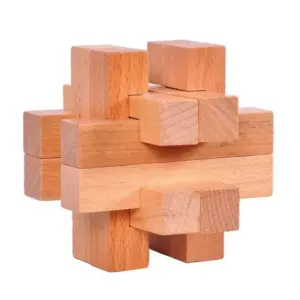
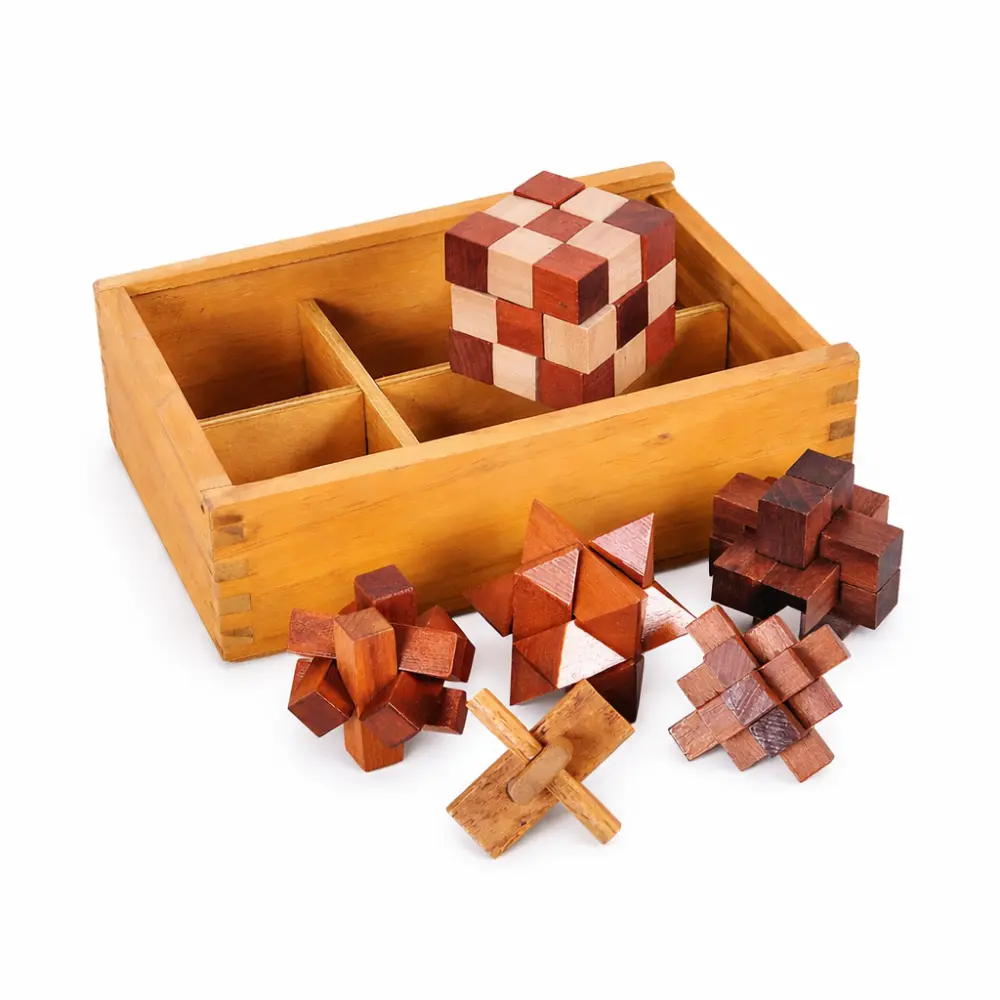
Disassembly puzzles. The recipient has to take something apart. That is the entire challenge. A classic version is a wooden burr that releases a hidden piece only when the right block slides in the right order; the engineering concept is force direction and the tolerance stack that holds the assembly together. One r/mechanicalpuzzles community respondent named the Brass Cannon disentanglement as a favorite “first mechanical puzzle,” noting that the move set is small enough to learn by feel and the price is accessible. For an engineer who thinks in parts and assemblies, this is the most natural on-ramp. A first-time solver will finish a true beginner disassembly in roughly 15 to 45 minutes. For buyers who want to confirm a first win before committing to a full set, the easy disentanglement puzzles for beginners roundup is a useful starting point.
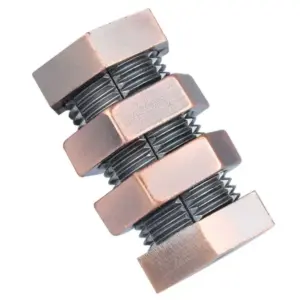
Interlocking puzzles. The goal is to separate or reassemble pieces that appear physically impossible to fit together. The engineering concept is geometry, tolerance, and how mating surfaces are designed. A 54‑T Cube or a 6 Piece Steel Ball Pyramid Puzzle teaches the same intuition a machinist uses to read fits on a drawing — a small clearance here, a chamfer there, a hidden face that only reveals itself when the cube is rotated. These sets reward patience over speed, and the right one can live on a desk for years as a tactile reminder of a solved problem.

Sequential discovery and puzzle boxes. The recipient opens a single object step by step, and each step reveals the next clue. The engineering concept is ordered procedure and state — exactly the mental model a software or systems engineer already lives in. A 3D Wooden Puzzle Safe with Combination Lock works the same way: the lock teaches the sequence, the safe teaches the consequence of getting it wrong. A pure sequential-discovery box leans on logic, not dexterity, so it tends to suit an electrical or software engineer better than a hands-on machinist.
Escape-room-style sets. These are the multi-puzzle bundles where each solved item unlocks a clue to the next. A 12-piece escape room wooden brain teaser set — the format Kubiya Games markets as a “gift for engineers” — is a beginner’s first exposure to chained problem-solving. The concept taught is symbolic logic: one answer feeds the next, and the set as a whole functions as a single project rather than twelve separate toys. For an engineer who treats their work as a series of linked sub-problems, this format mirrors their day.
The shortlist rule. Match the mechanism to the mind. Mechanical engineers gravitate to disassembly, burrs, and tactile metal interlocks. Software, electrical, and systems engineers tend to prefer sequential discovery and escape-room sets. If you don’t know which the recipient is, default to a graduated wooden disassembly set — it is the most universally legible option for anyone who has ever taken a thing apart to see how it works.
03. How to Read a Set’s Difficulty Progression
A beginner-appropriate set is one where puzzle #1 is finishable in under ten minutes by an adult with no prior puzzle experience, and each subsequent puzzle adds exactly one new concept (a different lever, a new sequence, an unfamiliar material) rather than a jump in raw difficulty. If the first puzzle takes an hour or relies on a trick the recipient has no way of guessing, the rest of the set will never be touched.
That rule is harder to apply than it sounds, because the mechanical puzzle world uses “beginner” loosely. A set described as beginner-friendly might still drop the solver into a Level 6 Hanayama-style metal disentanglement as puzzle two. The label is usually about the difficulty ceiling, not the difficulty floor. What you actually want is a graduated ramp, and the package has to show you one. The label won’t.
The checklist before you buy. Five observable details will tell you whether a set is truly graduated or just “easy” by mechanical puzzle standards:
- Puzzle count. Four to eight puzzles is the sweet spot for a beginner engineer. Fewer than four and the set feels like a single gift stretched thin. More than eight and the recipient will burn out before finishing, which defeats the whole point. The 6-in-1 format hits the middle of this range and is one of the more common beginner set structures on the market. Readers weighing smaller versus larger bundles will find the 3-pack vs 9-pack wooden brain teaser set dilemma useful on how set size changes the finishability of a beginner gift.
- Solutions included. A beginner set should ship with a written solution booklet or step-by-step clues. This is not cheating. Sequential-discovery and escape-room sets explicitly include hint tiers for exactly this audience. The idea is that the recipient gets the satisfaction of solving, with a safety net for the puzzles that would otherwise end in frustration and a closed box.
- Clue tier, not all-or-nothing. A set that offers progressive hints (clue 1, clue 2, full solution) respects the engineer more than a set that demands total independence. The Puzzle subscription product line from Kubiya Games uses the phrase “varying difficulty levels” to describe this progression; you want that exact wording or a similar graded structure on the product page.
- Printed time estimates. If the seller lists a typical solve time per puzzle (e.g., “5–15 minutes for the first three, 30–60 for the last two”), you can match the set to the recipient’s available weekend. A set with no time data is harder to plan for and easier to abandon.
- No online-spoiler dependency. A set whose solutions only exist in YouTube walkthroughs will get spoiled the first time the recipient searches for help. Check the product page for a downloadable or printed PDF of solutions.
The lower bound. A r/mechanicalpuzzles thread about finding a satisfying first mechanical puzzle named the Color Shift Puzzle Ball as a good fit because of its comfortable feel and a single satisfying “click” when solved. That is the floor of beginner: a one-move puzzle an adult can finish in a sitting. Your set does not have to be that simple, but its first puzzle should be no harder than that, or the recipient’s first session ends in defeat.
The red flag. Sets that list a single difficulty rating (“Level 4” across all six puzzles), include no solutions, and show no time guidance are almost always intermediate. They are marketed to gift buyers who do not know the difference. If the product page uses only stock adjectives like “challenge” and “perfect for all skill levels” with no concrete progression data, skip it.
The practical next step: open the product page of any set you are considering and count how many of the five checklist items you can verify. A set that clears four or five of them is a real beginner set. A set that clears one or two is a marketing claim.
04. Which Puzzle Set Matches Your Budget and the Engineer’s Type
Match the puzzle’s mechanism family to the engineer’s daily work before you match the price. A mechanical engineer who spends the day on motion, gears, and physical assemblies responds to disassembly sets and gear-style mechanical puzzles. A software or electrical engineer who lives in logic, sequences, and state machines responds to sequential-discovery boxes and escape-room-style sets. Pick the wrong family and even a clearly beginner set feels arbitrary; pick the right one and the recipient recognizes the grammar immediately.
That single split is the gap almost no other gift guide covers. The Project Genius ‘Gifts for Engineers’ collection confirms the format exists — multi-puzzle sets aimed at engineer recipients, mixing metal and wooden brain teasers with logic-based challenges. The Kubiya Games Etsy listing confirms the 12-piece escape-room format is a real, sellable product. What neither page does is tell you which mechanism family fits which kind of engineer.
Scenario 1: The Under-$30 Graduated Beginner Set
The goal here is a complete, solvable weekend experience. Look for a set with 6–12 puzzles of graduated difficulty, where the first two or three can be cracked in a sitting and the hardest one still feels finishable. The strongest fit is a graduated lock or disassembly series in a single material family, because the recipient learns one mechanical vocabulary and applies it as the difficulty rises.
The top pick in this tier is the 12 Piece Crystal Luban Lock Set at $28.88. Twelve locks in one box give the engineer a full set of small challenges to work through in a single sitting or across a weekend. It is the most complete “finish the whole set in a weekend” format at this price tier.
For a second pick in the same budget, the 3D Wooden Mechanical Pistol Kit at $29.99 tilts the gift toward mechanical engineers specifically — visible gears, a moving slide, and a build process that mirrors an assembly drawing. Software and electrical engineers will still enjoy it, but a mechanical engineer will recognize the kinematic logic on contact.
Scenario 2: The Under-$60 Mid-Range Set
When the budget allows a step up, the right move is a smaller, better-made set with fewer but richer puzzles. Six puzzles, each a distinct mechanism, beats twelve near-duplicates. The 6-in-1 Wooden Brain Teaser Set at $38.88 is the natural fit: six wooden mechanisms, each one a different lesson in force, geometry, or sequencing, and a price that still leaves room for wrapping paper and a card. A first-time solver will finish all six in a long evening or a relaxed weekend, which is the real gift value for a busy professional.
Scenario 3: The Premium Display-Worthy Set
If the gift is meant to live on a shelf or a credenza, the criterion shifts from “solvable in one sitting” to “worth displaying after solving.” Look for a single object that solves into a recognizable form — a clock, a music box, a calendar — rather than a stack of separate puzzles. The trade-off is build time: a single complex puzzle can absorb several evenings, which suits a recipient with patience and not a recipient who wants quick wins.
Scenario 4: The Desk-Display Single Puzzle
Sometimes the best engineer gift is one beautifully made object, not a set at all. A single brass or crystal puzzle on a desk is a conversation piece and a five-minute mental reset. For this role, weight and finish matter more than puzzle count.
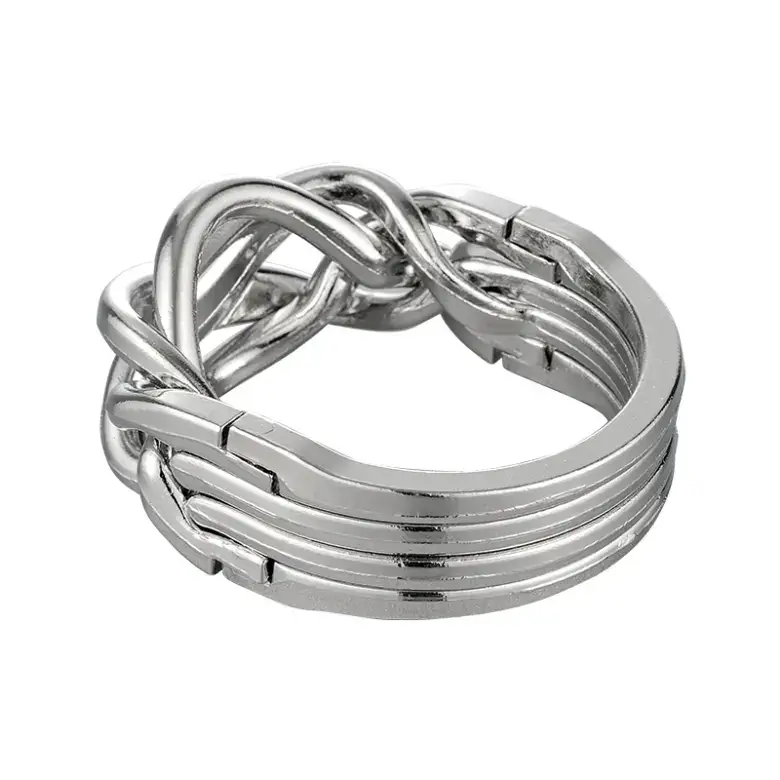
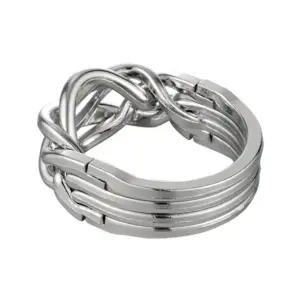
4 Band Puzzle Ring — $11.99
The 4 Band Puzzle Ring at $11.99 is a wearable disassembly challenge — small enough to live on a desk or a finger, satisfying enough to use as a quiet fidget during a call. It fits a mechanical engineer’s instinct for interlocking parts and works as a stocking stuffer or a paired gift alongside a larger set.
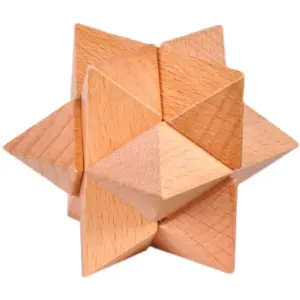
For a slightly larger desk object in the same category, the 54‑T Cube Puzzle at $18.99 offers a spatial-reasoning challenge in wood — the kind of quiet, return-to-it puzzle an engineer can leave on a corner of the monitor and chip away at over a week.
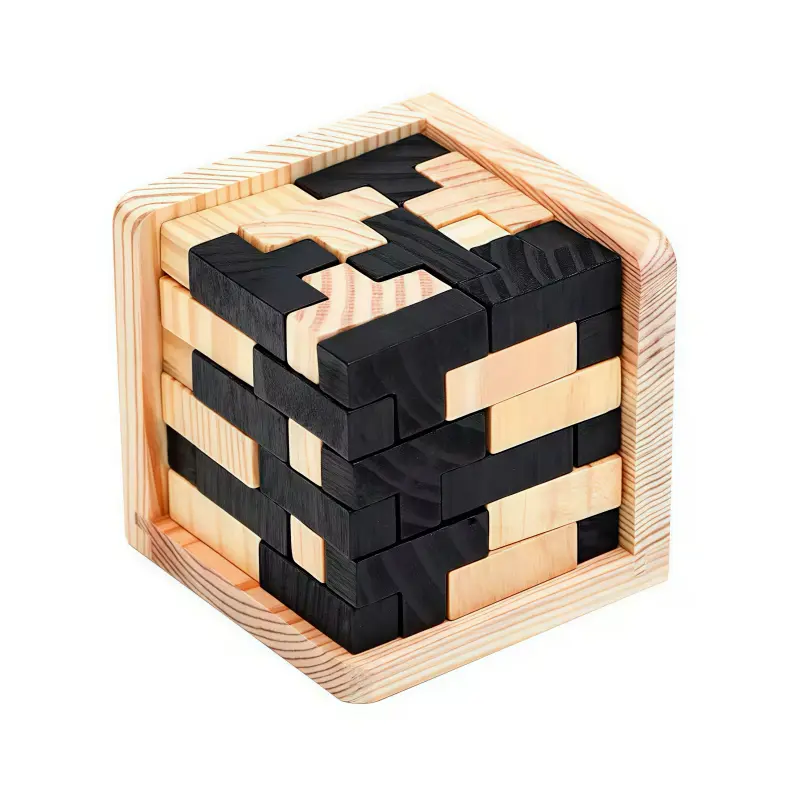
54‑T Cube Puzzle — $18.99
For a metal desk object in the same display role, the 6 Piece Steel Ball Pyramid Puzzle brings a heavier, cooler feel and a different mechanism vocabulary that rewards the same quiet, return-to-it pacing.
What to Verify Before You Buy
Before you commit to any of these tiers, three checks matter more than brand recognition. First, confirm the set actually contains a difficulty progression — a “beginner” set with twelve identical locks is not graduated, it is repetitive. Second, check whether a solution sheet is included, and decide whether your engineer wants it on the side (so the set is solvable without spoilers when they want it) or hidden in the box (so the hunt is pure). Third, match the mechanism family to the engineer’s daily work using the split above. Get those three right, and the gift will be finished, not abandoned.
For a deeper look at how the mechanism choice maps to the recipient’s profession, the brain teaser gift for engineer guide covers the same ground from a different angle.
05. Decision Table: Set Type, Best For, Difficulty Range, What to Verify
With those three pre-purchase checks handled, the rest of the decision reduces to a four-row table. Match the set type to the recipient’s working style, confirm the difficulty range suits a genuine first-timer, and verify the specifics the product page actually shows — not the marketing language.
| Set Type | Best For | Difficulty Range | What to Verify Before Buying |
|---|---|---|---|
| Graduated lock/disassembly set — 12 Piece Crystal Luban Lock Set, $28.88 | An engineer who wants a full weekend of solvable challenges and visible progress | 12 locks in one set | Piece count on listing; whether a solution sheet is included; whether the listing describes a difficulty progression |
| Wooden brain teaser bundle — 6-in-1 Wooden Brain Teaser Set, $38.88 | A hands-on learner who values tactile variety across puzzles | Graduated, 6 puzzles from light to moderate | Wood finish and tolerances; distinct mechanism per puzzle; reassembly clarity |
| Single metal disentanglement — 6 Piece Steel Ball Pyramid Puzzle (see product page for current pricing) | A recipient who values one memorable aha moment over a full set | One focused challenge at beginner-to-early-intermediate | Metal weight and feel; whether it disassembles and reassembles; stated difficulty level |
| Compact desk puzzle — 54‑T Cube Puzzle, $18.99, or 4 Band Puzzle Ring, $11.99 | A gift that doubles as a conversation piece on a workstation | One quick solve, often under 30 minutes | Size and weight for daily carry; whether the puzzle has a real solution path or is purely decorative |
Next action: open the 12 Piece Crystal Luban Lock Set product page, confirm the 12-piece count and the specifications the listing shows, and order if it fits. It is the set that best matches the “complete, solvable, beginner-appropriate” brief for a first-time engineer puzzler.
Frequently Asked Questions
The questions below cover what surfaces after the first click — whether the engineer is still solving puzzles on Sunday or quietly shelving the box by Tuesday.
Will a mechanical puzzle set actually get solved, or will it sit unsolved on a shelf?
A well-chosen beginner set gets solved because it is designed to. The real risk is a set marketed as “beginner” that quietly jumps to intermediate at puzzle four. The 12 Piece Crystal Luban Lock Set is built around a 12-lock format, so the engineer moves from one solved puzzle to the next rather than hitting a wall mid-set. That pacing is the point — the set spreads the challenge across many small wins rather than one big test.
How long does a beginner take to solve a single puzzle?
Expect 10 to 45 minutes per puzzle for an engaged first-time solver. Disassembly locks sit on the shorter end because the mechanism is visible and tactile. Sequential discovery boxes stretch longer because each step hides the next. A 12-puzzle set is roughly two to three weeks of evening puzzling for someone who sits down for 20 minutes before bed — the rhythm that turns a gift into a habit.
Do beginner sets come with solutions, and does that ruin the gift?
Most beginner sets include a printed solution sheet, a QR code to a video walkthrough, or both. The first time a newcomer hits a wall, having a hint is the difference between finishing and abandoning the set. The aha moment is preserved on the puzzles they solve alone; the solution sheet exists for the ones that would otherwise never get solved. Included solutions don’t ruin a set — they finish it.
Wooden or metal for a beginner — which material works better?
Wooden sets feel warmer, lighter, more forgiving, and lean toward interlocking or visible disassembly. Metal sets feel heavier, cooler, more precise, and lean toward disentanglement — separating two pieces without force. Both teach the same lessons: force, sequence, geometry. For a tactile engineer, the difference is sensory, not conceptual. Pick by feel.
Will an engineer find a beginner set too easy, or even condescending?
The answer depends on the set’s design. A graduated disassembly set teaches real mechanical concepts — levers, sequences, tolerances, force vectors — one puzzle at a time. The 6-in-1 Wooden Brain Teaser Set follows the same logic: variety in mechanism, clarity in difficulty. Beginner doesn’t mean trivial. It means completable.
Are these sets made for adults, or kids’ toys repackaged?
Packaging language can blur this, so check the description. A set aimed at adults specifies mechanisms, materials, and difficulty in concrete terms. A set aimed at children leads with age ranges, safety, and “educational play.” A graduate engineer who has never opened a Hanayama or solved a disentanglement is an adult beginner, not a 12-year-old. Buy for the adult.
Would a puzzle subscription box be a better gift than a one-time set?
Subscription boxes work when the giver wants the experience to keep arriving. A one-time graduated set works when the giver wants the engineer to finish something complete. For a first mechanical puzzle experience, a one-time set has a clearer finish line. After the first set is solved, a subscription becomes a natural next gift.
What if the engineer gets stuck — can they finish without online spoilers?
This is the solvable-without-spoilers test, and it is the most important one. A set that ships with printed solutions passes. A set that requires Googling the answer usually fails, because the first result is often a full walkthrough. Before you buy, confirm in the product description what is included. For the 12 Piece Crystal Luban Lock Set, the product page is the place to verify the contents of the box.
Where to Start
If the recipient and occasion checks above match, start with 12 Piece Crystal Luban Lock Set. Check the current product page for the specifications that matter to your choice.
Sources and verification
- Product details and current specifications: Tea-Sip product page
- Background reference: Logic Puzzles – 2016 Engineering Gift Guide Reviews – School of Engineering Education – Purdue University
Last updated: August 21, 2026